Benefits of Professional Building Waste Removal in Jumeirah Village Circle: Sustainable Jumeirah Waste Solutions
Benefits of Professional Building Waste Removal in Jumeirah Village Circle
Introduction
We deliver clear, practical guidance on the Benefits of Professional Building Waste Removal in Jumeirah Village Circle for property developers, contractors, and residents. In this guide, we map rules, cost savings, eco-friendly construction methods, and real operational steps so projects in Jumeirah Village Circle (JVC) run cleaner, faster, and with less risk. Read on for an in-depth manual tailored to local regulations, recycling opportunities, and actionable waste management solutions.
1. Benefits of Professional Building Waste Removal in Jumeirah Village Circle: Overview
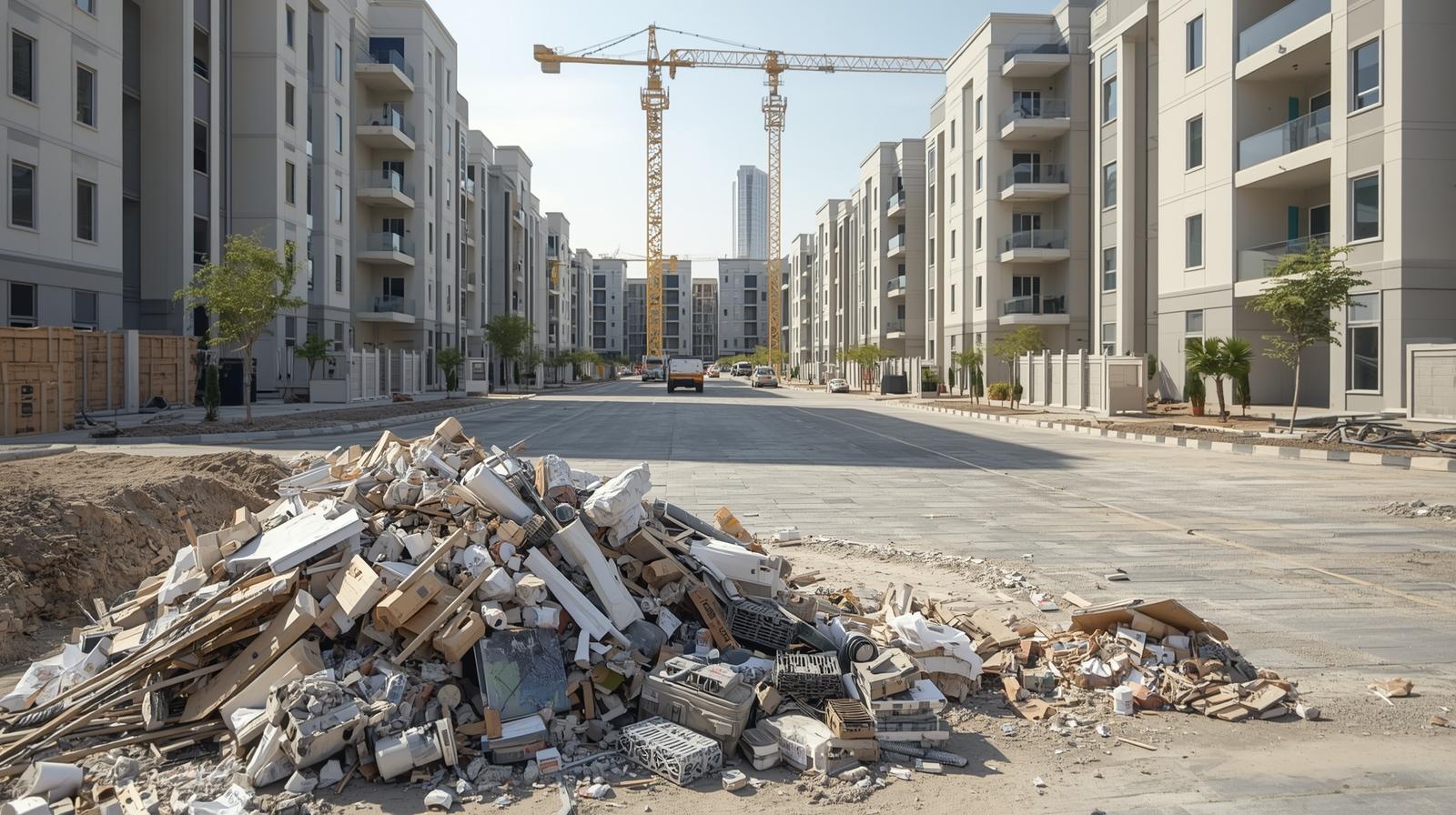
Professional building waste removal is far more complex than simply transporting debris off-site. In a master-planned community like Jumeirah Village Circle (JVC), where community management regulations and Dubai Municipality requirements are actively enforced, relying on licensed waste experts becomes vital. Professional teams manage every aspect of waste logistics: correct segregation, secure loading, approved transportation, and documented disposal.
Each step reduces compliance risks such as fines, surprise inspections, or work stoppages caused by improper waste handling. A qualified vendor acts as the project’s waste control headquarters, coordinating permits, skip placements, disposal routing, and maintaining auditable waste transfer notes. With Dubai Municipality circulars now emphasizing mandatory source segregation and traceable disposal records, professional services ensure all documentation meets regulatory expectations. This protects project timelines, helps maintain strong relations with local residents, and safeguards a developer’s reputation. Ultimately, professional removal converts waste management from a liability into a structured, compliant, and cost-efficient operation.
2. How Professional Waste Removal Improves Project Planning in JVC
Integrating professional waste removal early in project planning allows developers in JVC to predict waste volumes, prepare compliant waste zones, and schedule pickups that align with construction milestones. With correct forecasting, project managers can avoid panic ordering of skips, unexpected haulage fees, and timeline disruptions caused by accumulating debris. Waste specialists also help establish segregation layouts and color-coded bins that match Dubai Municipality’s technical guidelines, ensuring inspections go smoothly.
During tendering, accurate waste estimates improve budget realism and prevent underpricing of waste-related activities. Professional vendors supply skip delivery schedules, transport plans, and load frequencies, making it easier to sequence trades and keep site access clear. Modular pickup strategies also cut unnecessary truck trips, reduce carbon emissions, and maintain quiet surroundings for JVC residents. When waste partners are involved from day one, they function like an integrated construction subtrade supporting workflow efficiency, enhancing site safety, and reducing overall project waste.
3. Benefits of Professional Building Waste Removal in Jumeirah Village Circle: Construction Waste Management Plan: Why It Matters in JVC
A Construction Waste Management Plan (CWMP) is essential for smooth project execution in Jumeirah Village Circle. It outlines anticipated waste streams, segregation zones, target diversion rates, and defined disposal pathways. A CWMP tailored for JVC refers directly to Dubai Municipality’s waste classification rules, hazardous waste protocols, and approved recycling or landfill facilities. This ensures that inspectors immediately see compliance alignment during audits.
A well-prepared CWMP documents how materials will be tracked from generation to final disposal through weight tickets, manifests, and photographic evidence. This chain of custody protects developers against penalties and supports environmental reporting obligations. Additionally, a CWMP provides KPIs such as diversion percentage, recycled tonnage, and nonconformance incidents that allow managers to measure performance and adjust strategies. Robust planning improves eligibility for green building certifications and can significantly reduce landfill charges. For JVC projects, having a CWMP makes regulatory checks, community management approvals, and sustainability reviews simple and defensible.
4. Benefits of Professional Building Waste Removal in Jumeirah Village Circle: Recycling Construction Waste Materials: Practical Steps
Effective recycling on construction sites begins with precise source separation. At JVC sites, we recommend designated zones for concrete, metal, timber, gypsum, cardboard, and mixed general waste each clearly marked with signage that aligns with Dubai’s waste labeling standards. Concrete can be diverted from landfill by crushing on-site or sending it to licensed recyclers for use as aggregate, cutting material purchase costs. Metals have high recycling value and can offset waste disposal fees when sold to authorized scrap facilities.
Timber can be repurposed for temporary works or sent for biomass processing. Cardboard and packaging should be flattened and baled, reducing skip space and improving recycling efficiency. JVC also benefits from nearby community recycling points and municipality-run collection programs, offering additional outlets. A strong waste removal partner coordinates these channels and maintains supplier relationships, enabling better rates, faster pickups, and accurate reporting for CWMP documentation. Recycling becomes measurable, traceable, and financially beneficial.
5. Benefits of Professional Building Waste Removal in Jumeirah Village Circle: Eco-friendly Construction Methods for Jumeirah Village Circle Projects
Eco-friendly construction practices reduce waste from the outset, making project execution in JVC cleaner, quieter, and more resource-efficient. Techniques such as off-site prefabrication, modular building systems, and just-in-time delivery minimize packaging and eliminate unnecessary storage waste. Developers can specify reclaimed materials like recycled concrete aggregate, engineered timber, and low-carbon finishes to reduce environmental impact while enhancing structural efficiency.
These approaches lower the overall waste footprint and can reduce the volume of waste requiring disposal. In densely populated residential districts like JVC, eco-friendly building also reduces noise, dust, and traffic movement, strengthening community relations and improving worker safety. Selective demolition, rather than complete teardown, allows fixtures, doors, tiles, and structural elements to be salvaged for reuse or resale. Adopting sustainable methods not only simplifies waste management downstream but also supports Dubai’s circular economy goals and boosts the project’s sustainability profile and market value.
6. Smart Waste Management Systems and IoT for Construction Sites: Benefits of Professional Building Waste Removal in Jumeirah Village Circle
Smart waste solutions incorporate IoT sensors, digital dashboards, and automated reporting tools to streamline waste operations. At construction sites in JVC, these technologies enhance efficiency by monitoring bin fill levels and triggering collections only when necessary, reducing traffic congestion and vehicle emissions. IoT-enabled compactors can increase waste density, meaning fewer pickups and lower fuel usage. Real-time data feeds into cloud platforms that generate waste transfer notes, maintain photographic logs, and store disposal records required by Dubai Municipality.
Intelligent routing helps drivers avoid congested areas, minimizing disruption for residents and ensuring timely collections. When integrated with sustainability software, IoT tools provide instant analytics on diversion rates, material recovery, and recycling performance. This allows project managers to adjust methods and reduce waste generation proactively. Smart waste systems transform traditional waste removal into a precision-driven, data-backed process that improves compliance, cost efficiency, and environmental impact.
7. Lean Construction Practices to Reduce Waste and Costs: Benefits of Professional Building Waste Removal in Jumeirah Village Circle
Lean construction focuses on optimizing workflow and eliminating non-value activities, including physical waste. By implementing pull-based deliveries, standardized material dimensions, and accurate cut lists, sites in JVC reduce offcuts, storage clutter, and material over-ordering. Just-in-time logistics ensure materials arrive exactly when needed, preventing damage or spoilage from prolonged exposure. Lean encourages continuous improvement: morning site briefings and weekly reviews gather insights from workers about potential waste reduction opportunities.
These incremental adjustments compound into significant savings over the project’s duration. Offcuts recovery programs help repurpose leftover timber, metal, or gypsum for temporary works or small repairs, reducing skip loads. Fewer skip collections translate into lower disposal bills, reduced carbon emissions, and less site congestion. Lean construction also creates a more organized and safer working environment. When embraced consistently, lean acts as strategic pruning, removing inefficiencies so projects are delivered faster, cleaner, and at lower cost.
8. Green Building Certifications and Waste Management in JVC: Benefits of Professional Building Waste Removal in Jumeirah Village Circle
Green building certification systems such as LEED, Estidama, and Dubai’s local green guidelines reward projects that achieve high waste diversion and responsible material management. For JVC developments, waste removal plays a direct role in securing these points. Proper segregation, recycling, and documentation contribute to resource efficiency credits and demonstrate alignment with sustainability objectives. Licensed waste providers supply verified weight tickets, disposal certificates, and recycling evidence critical documents for certification audits.
By planning waste strategies early, developers can set attainable diversion targets, source materials with recycled content, and ensure correct classification of hazardous and non-hazardous waste streams. Certification enhances asset value, improves market perception, and reduces long-term operational costs. Waste management partners familiar with certification pathways ensure that each load removed from the site supports compliance. Developers who integrate waste planning from the initial design phase find certification easier, faster, and more cost-effective to achieve.
9. Benefits of Professional Building Waste Removal in Jumeirah Village Circle: Sustainable Waste Disposal Services: What to Expect
Sustainable waste disposal services offer more than skip drop-offs; they deliver full chain-of-custody transparency and responsible environmental handling. In JVC, reputable vendors provide certified skips, segregation support, permitted transportation, and disposal at approved recycling or landfill facilities. Clients should expect thorough documentation: waste manifests, weight tickets, disposal receipts, and recycling certificates that stand up to regulatory audits. These records ensure that materials are not illegally dumped, which can lead to severe fines and reputational damage.
Quality service providers also conduct on-site waste audits, recommend segregation improvements, and advise on material reuse options that reduce disposal charges. They maintain ongoing compliance with Dubai Municipality standards, ensuring correct classification of waste streams, safe handling of hazardous materials, and efficient routing. When selecting a provider, developers should verify licenses, transport permits, and evidence of legitimate end-destinations. Sustainable waste disposal protects both the environment and the project’s operational integrity.
10. Circular Economy in Construction: Local Opportunities in JVC
A circular economy approach in construction focuses on retaining the value of materials by designing out waste, reusing existing components, and recycling materials into new products. In JVC, where residential and mixed-use structures are constantly evolving, opportunities for circular practices are abundant. Timber from dismantling works can be refurbished into site hoardings or reused for formwork. Masonry and concrete waste can be crushed and repurposed as road base or subbase, reducing the need for virgin materials.
Metals and high-quality timber can be recovered and sold to local markets, turning waste streams into revenue streams. By mapping material flows across the project lifecycle, developers can identify high-value materials for recovery while minimizing low-value waste. With growing recycling infrastructure and UAE-wide sustainability initiatives, circular strategies are increasingly practical and profitable. Integrating these principles enhances project sustainability, lowers costs, and supports long-term environmental resilience within the JVC community.
11. Finding Waste Removal Services Near Me: Choosing Local Partners
Selecting a local waste removal provider offers significant operational and environmental advantages, especially for projects in Jumeirah Village Circle. Reduced haul distance means faster response times, lower transportation costs, and fewer emissions important in communities where noise and traffic are closely monitored. When evaluating potential partners, review their Dubai Municipality licenses, verify the condition and capacity of their fleet, and request references from recent construction clients.
Digital capabilities matter as well; reliable providers should issue electronic waste transfer notes, weighbridge receipts, and photo-verified disposal records. For JVC specifically, familiarity with community rules, skip placement restrictions, and hazardous waste pickup protocols ensures smoother coordination with management authorities. Local partners also maintain strong relationships with nearby transfer stations and recycling facilities, resulting in better rates and quicker turnaround times. Always ask for proof of recycling destinations and sample documentation to ensure transparency. A capable local partner reduces risk, accelerates workflow, and protects compliance throughout the project lifecycle.
12. Sustainable Waste Management Practices for Contractors
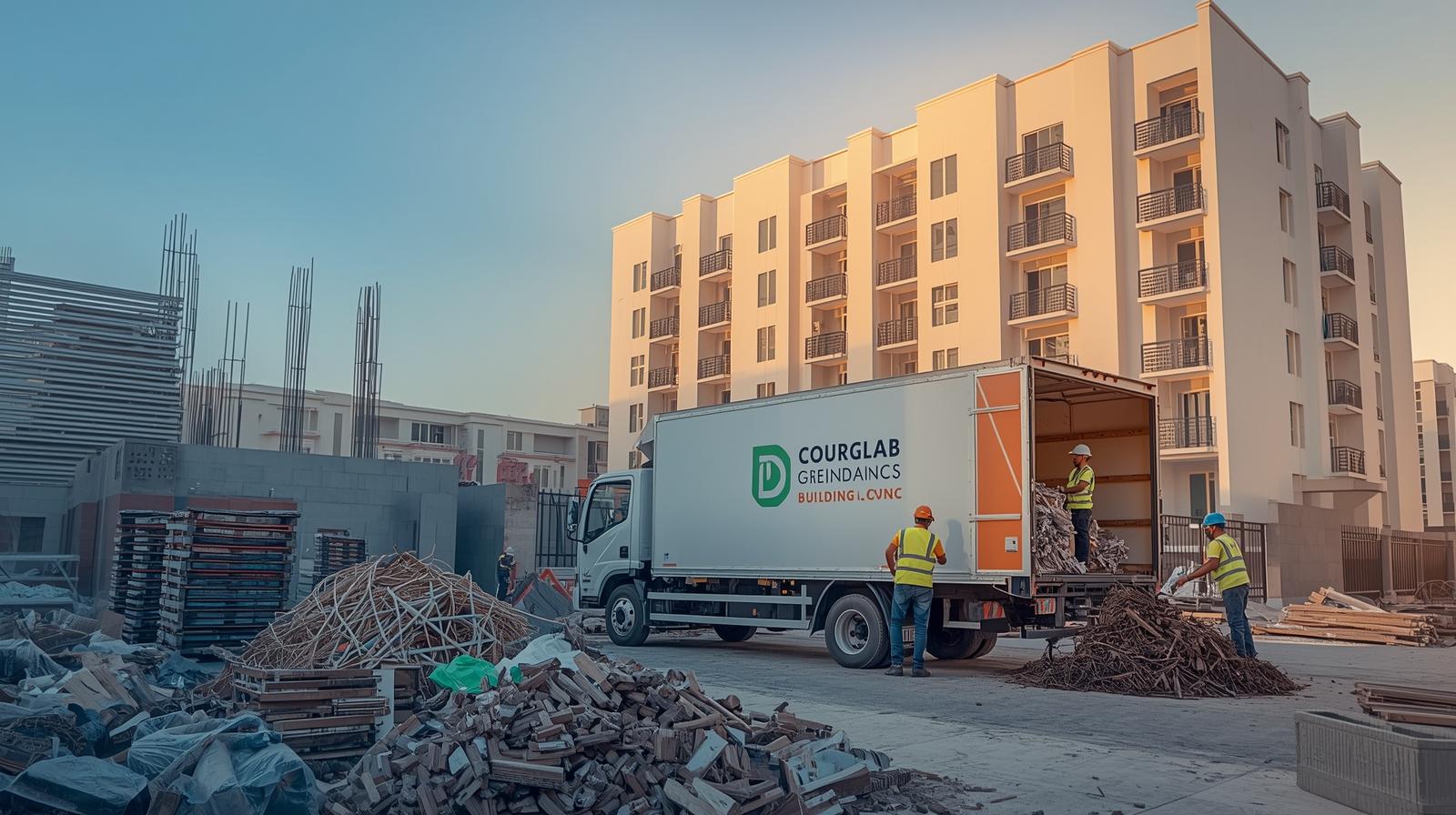
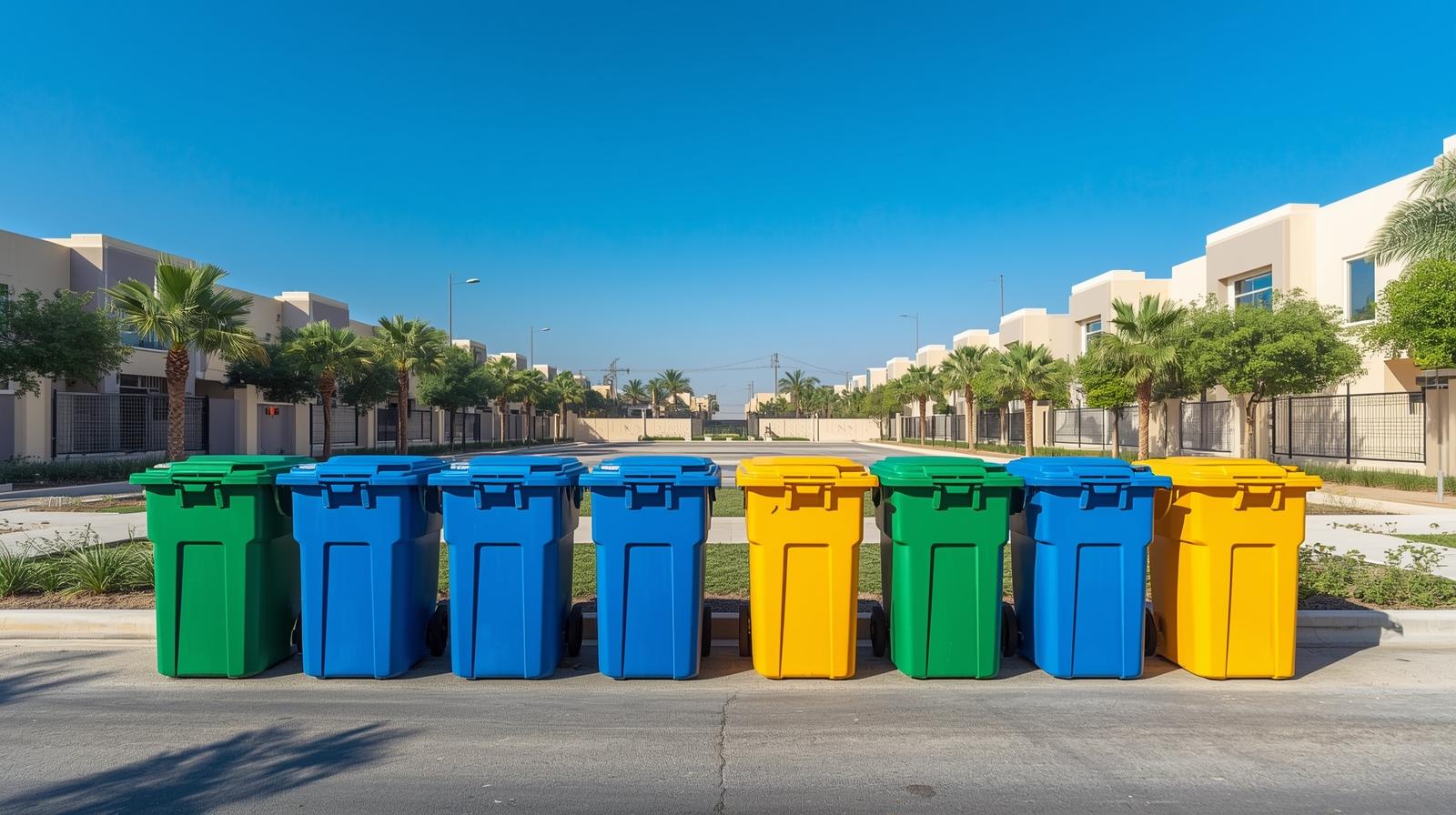
Contractors play a frontline role in achieving sustainable waste outcomes, and consistent daily habits make the biggest difference. Effective sustainability starts with clear source segregation using color-coded containers labeled in multiple languages to accommodate diverse crews. Training workers on proper disposal, contamination risks, and emergency response ensures accuracy and safety during operations. Weekly “waste huddles” help supervisors review diversion progress, adjust strategies, and address recurring mis-sorting issues. Contractors should maintain photographic evidence of waste movements and keep meticulous records of transfer notes, vehicle licenses, and disposal receipts.
These documents provide essential protection during regulatory audits, insurance reviews, and client reporting. In dense communities like JVC, proper waste handling reduces nuisances such as odors, dust, and visual clutter, helping maintain smooth relations with community management. Contractors who implement sustainable practices gain operational efficiency, reduce disposal costs, and demonstrate environmental responsibility an increasingly important factor for clients, regulators, and green building certification programs.
13. Hazardous Waste Disposal Guidelines: Dubai & JVC Context
Hazardous waste from paints and solvents to contaminated soils, chemicals, oils, and asbestos requires stringent compliance with Dubai Municipality’s Technical Guideline No. 8. These rules define how hazardous materials must be classified, stored, labeled, packaged, and transported. Only licensed carriers may move hazardous waste, and all loads must be accompanied by approved manifests that verify the chain of custody from the site to final disposal. On JVC projects, we segregate hazardous materials in bunded, ventilated, and weather-protected zones equipped with spill kits and safety signage.
Asbestos or chemical contamination requires certified specialists who follow strict isolation, PPE, and air-monitoring procedures. We manage all necessary permits, ensure proper vehicle selection, and coordinate with authorized treatment or disposal facilities. Mishandling hazardous waste exposes contractors to significant penalties, threatens the health of workers, and puts nearby residents at risk. Proper classification, documentation, and specialized disposal procedures ensure full compliance and protect public safety.
14. Artificial Intelligence in Waste Management: Use Cases
Artificial intelligence is transforming construction waste management by turning raw waste data into actionable operational insights. AI-powered cameras placed near sorting areas can detect contamination, flag mixed loads, and automatically notify teams to correct segregation errors before disposal. Machine learning models forecast waste generation trends based on project schedules, allowing site managers to plan skip rotations, crushing operations, and recycling pickups more accurately. For JVC sites, where space and traffic flow are tightly controlled, AI helps reduce idle trucks, optimize routing, and match recycling capacity to anticipated volumes.
AI-driven anomaly detection also identifies unusual disposal patterns that may indicate illegal dumping or noncompliant waste handling. Integrating AI with digital waste platforms gives project managers a dashboard view of diversion rates, peak waste periods, and potential cost-saving opportunities. These tools elevate waste management from a reactive responsibility to a proactive, data-led system that enhances sustainability and improves cost efficiency.
15. Construction Waste Classification: Common Categories
Accurate waste classification is essential for ensuring regulatory compliance, optimizing recycling, and controlling disposal costs. Construction waste in Dubai is generally categorized into major streams such as concrete and rubble, metals, wood and timber, gypsum, plastics and packaging, excavated soil, and hazardous materials. Dubai Municipality guidelines outline formal codes and labeling requirements that must appear on containers, transfer notes, and weighbridge documents.
Proper classification enables efficient routing, metals can be sold to authorized scrap processors, timber can be repurposed or converted to biomass, and concrete can be crushed for aggregate reuse. Misclassification, on the other hand, leads to inflated fees, rejected loads, and potential fines. To maintain consistency on JVC sites, we use simple visuals and multilingual charts placed at segregation zones so workers can quickly identify categories. When teams classify waste correctly from the start, recycling improves, costs decrease, and compliance becomes seamless.
16. Waste Reduction Strategies in Construction Projects
Waste reduction follows a structured hierarchy: avoid, reduce, reuse, recycle, recover, and only then dispose. The most effective reductions occur during design, where architects and engineers can optimize material dimensions, select modular components, and specify low-waste construction systems. Accurate ordering prevents surplus materials that often end up discarded. On-site, segregation and salvage programs allow contractors to reclaim doors, fittings, metals, timber, and even masonry elements for reuse or resale. Agreements with suppliers for reusable or returnable packaging further reduce waste generated during deliveries.
For JVC developments where multiple units or phases may be constructed sequentially, these small improvements accumulate into significant savings in skip volumes, fuel consumption, and disposal fees. Waste audits conducted at key project milestones help identify improvement opportunities and track performance. A strong waste reduction strategy not only strengthens sustainability credentials but also helps developers and contractors achieve measurable cost efficiencies across the project duration.
17. Construction Waste Disposal Regulations: Key Rules to Follow
Construction waste disposal in Dubai is governed by a robust regulatory framework that mandates proper segregation, transportation, and disposal. Dubai Municipality requires contractors to maintain detailed records of waste volumes, categories, transfer notes, and disposal locations. Only licensed transporters and approved processing facilities may handle construction waste. Skips must be properly labeled to reflect the classified waste type, and hazardous materials must follow specialized regulations and technical guidelines.
For JVC projects, compliance extends to community management rules, skip placement permissions, and operational timing restrictions. We ensure that all manifests, weighbridge tickets, and recycling certificates are properly logged, digitally archived, and available for inspections. Failure to follow regulations can result in heavy fines, project delays, and reputational harm. By embedding regulatory compliance into daily procedures and partnering with approved vendors, construction teams maintain smooth workflow and protect all stakeholders from legal and operational risks.
18. Sustainability Tracking Software and Reporting
Modern construction waste management relies heavily on digital sustainability platforms that collect, analyze, and present waste performance data. These systems consolidate weighbridge records, transfer notes, recycling certificates, and financial details into centralized dashboards that offer real-time insights. For JVC developers and contractors, this transparency simplifies compliance reporting, supports green building certification submissions, and strengthens environmental accountability to community management teams.
Integration with project management or accounting software allows teams to track waste costs per activity, forecast future disposal fees, and identify opportunities for optimization. Automated alerts flag nonconformances such as missing documents or excessive mixed waste loads, allowing quick corrective action. Visual dashboards help stakeholders understand diversion percentages, recycling tonnage, and hazardous waste movement at a glance. Beyond compliance, these reporting tools enhance marketability clear sustainability metrics appeal to eco-conscious buyers, investors, and regulatory authorities.
19. Concrete Waste Recycling: Methods & Benefits
Concrete waste is one of the highest-volume waste streams on construction sites, and recycling it offers significant environmental and economic advantages. Once collected, concrete can be crushed either on-site if space and permits allow or transported to a licensed recycling facility where it is processed into recycled aggregate. This aggregate can be used for road subbases, road repairs, pavements, or landscaping fill, reducing reliance on new raw materials.
Recycling concrete lowers landfill demand, reduces haulage distances, and cuts material purchase costs. On JVC projects, where roads and community infrastructure are carefully regulated, we coordinate crushing schedules, dust suppression measures, and traffic routing to minimize disruption. Quality control tests ensure that the recycled aggregate meets engineering specifications for compaction, load-bearing, and durability. Adopting concrete recycling consistently supports sustainability goals, reduces project costs, and contributes significantly to waste diversion percentages in CWMP reporting.
20. Economic Benefits of Waste Recycling for Residents and Developers
Recycling construction waste produces direct and indirect financial gains for both developers and residents. By diverting recyclable materials such as metals, timber, cardboard, and concrete from landfill, disposal fees decrease, and revenue can be generated from valuable materials. Fewer skip rotations and reduced landfill charges translate into lower operational costs for developers. Recycled aggregate, reused fixtures, and reclaimed timber help cut procurement expenses as well.
For residents and community associations, recycling programs reduce overall waste service burdens, which can help stabilize or lower service charges over time. Developers who demonstrate strong waste performance often enjoy faster approvals, better relationships with community management, and enhanced property marketability. Eco-conscious buyers increasingly seek developments with documented sustainability credentials, which can translate into higher sale prices and rental premiums. Ultimately, recycling shifts waste from being a cost liability to a contributor to financial, environmental, and community value.
21. Environmental Impact of Construction Waste in Urban Areas
Construction waste has significant and often underestimated environmental consequences in dense urban communities like JVC. Large volumes of mixed debris contribute to rapid landfill expansion, while increased truck traffic adds to noise, congestion, and greenhouse gas emissions. Dust, particulates, and wind-blown debris can also diminish local air quality, affecting residents, workers, and nearby businesses. In mixed-use neighborhoods, even short-term waste accumulation negatively impacts aesthetics and can elevate public health concerns such as pests and respiratory irritation.
To counter these impacts, best-practice waste management prioritizes diversion through recycling and composting, especially of organic and inert materials. Local processing minimizes haulage distance, lowering emissions and operational costs. Cleaner, well-managed construction sites also foster stronger community trust and fewer complaints, a critical factor in highly visible developments such as those in JVC. By managing waste responsibly, developers protect both the environment and project reputation.
22. Alternative Waste Disposal Methods & Waste-to-Energy
Waste-to-Energy (WTE) technologies offer an essential disposal route for non-recyclable waste fractions that cannot be reused or economically processed. In the UAE, expanding national infrastructure, including anaerobic digestion plants, RDF (Refuse-Derived Fuel) production, and large-scale combustion-based WTE facilities, aligns with the country’s circular economy and net-zero ambitions.
For construction projects, the hierarchy remains unchanged: salvage and material recovery first, WTE only for residual materials. The suitability of sending waste to WTE facilities depends on transport distance, emission performance, tipping fees, and the availability of accredited plants. When integrated with strong segregation systems, WTE greatly reduces the volume of material that ultimately reaches landfills. For JVC developments, leveraging alternative disposal pathways demonstrates compliance with UAE environmental legislation and helps developers meet sustainability targets without compromising project timelines or budgets.
23. Innovative Waste Management Technologies for Construction Sites
Modern construction waste management increasingly relies on automation, digital tools, and data-led decision-making. Technologies such as automated sorting lines, trommel screens, and optical sorters significantly improve recovery rates while reducing manual handling and contamination. Mobile crushing units allow concrete and masonry waste to be processed directly on or near the site, lowering haulage and material procurement costs. Emerging digital tools add further value: drones provide aerial assessments of waste pile volumes and site cleanliness, while blockchain-based tracking systems create transparent, tamper-proof disposal and recycling records.
These innovations minimize disputes over waste destinations and support compliance with municipal regulations. For JVC developers seeking to enhance sustainability credentials or meet green building certification requirements, adopting advanced technologies demonstrates leadership and reduces long-term operational friction. The result is better recovery performance, lower disposal costs, and more predictable waste workflows.
24. Local Waste Disposal Regulations & JVC Compliance
Construction projects in JVC must comply with a combination of Dubai Municipality regulations, federal waste management laws, and community-specific guidelines enforced by JVC management. Mandatory requirements include proper segregation of waste streams, hazardous waste handling protocols, and transport using licensed haulers. Dubai Municipality also issues circulars dictating skip placement, waste classification, and disposal documentation standards. Within JVC, additional rules may apply regarding skip aesthetics, placement restrictions, working hours, noise control, and traffic flow during collection.
Contractors must secure all necessary permits in advance and maintain copies of transfer notes, weighbridge tickets, and treatment certificates for inspection. Regulatory teams frequently request documentary proof during audits or community inspections, making organized record-keeping critical. By proactively coordinating with municipal and community authorities, developers avoid costly penalties, reduce delays, and keep resident complaints to a minimum.
25. Benefits of Professional Building Waste Removal in Jumeirah Village Circle: Construction Site Cleanup Processes & Best Practices
Effective construction site cleanup is essential not only for safety but also for maintaining high waste-segregation quality. Clean sites reduce trip hazards, minimize material loss, and speed up inspections and project handovers. Best practices include scheduled end-of-day sweeping, strategic placement of clearly labeled bins, and separate handling of fine waste such as dust, grout, or tile powder that can easily contaminate recycling streams.
Staging recovered materials in designated, sheltered areas prevents damage and ensures accurate measurement before removal. Temporary access roads, wheel-wash systems, and dust-suppression techniques help keep surrounding public pathways clean, an important requirement in residential communities like JVC. A tidy site consistently performs better: crews work faster, quality improves, and neighbors lodge fewer complaints. Cleanliness is, therefore, a low-cost, high-impact factor that drives productivity and regulatory compliance.
26. Construction Waste Audits: How and Why to Perform Them
Waste audits are critical tools for understanding actual waste generation patterns on construction projects. A baseline audit at the project’s outset identifies anticipated streams, volumes, and potential recovery opportunities. Periodic audits track performance, measure contamination, and evaluate whether segregation procedures are being followed. This data informs procurement decisions, such as reducing unnecessary packaging or selecting products with higher reuse potential. Audits often reveal hidden high-volume waste types, for example, timber wastage or excessive concrete slurry, allowing teams to intervene early.
For JVC projects, audit reports provide essential documentation for community presentations, municipal inspections, and sustainability certifications. They also support contractor accountability by verifying tonnage, disposal destinations, and recycling rates. Ultimately, audits deliver accurate, actionable insights that enable continuous improvement in both environmental performance and cost efficiency.
27. Benefits of Professional Building Waste Removal in Jumeirah Village Circle: Benefits of Waste Management for Property Developers
For property developers, robust waste management delivers a wide range of financial, operational, and reputational benefits. Proper segregation and recycling reduce disposal costs, minimize skip hire frequency, and decrease the risk of municipal penalties. Developers who demonstrate proven waste-management practices often experience smoother approval processes, as compliance reassures regulatory authorities. Strong waste practices also enhance brand image and marketability, particularly in JVC, where residents value clean, well-maintained communities.
Sustainable developments typically enjoy higher resale values and fewer long-term maintenance issues. Moreover, efficient waste management contributes to faster build times by keeping workspaces clear and minimizing the need for rework. By investing in systems, training, and reputable partners, developers create a cycle of improved efficiency, lower operating costs, and stronger community relations.
28. Benefits of Professional Building Waste Removal in Jumeirah Village Circle: Cost Savings Through Effective Waste Management: A Breakdown
Clear, well-planned waste management can deliver notable cost savings across a project’s lifecycle. Direct savings come from reduced skip rental, fewer landfill charges, and minimized haulage through optimized logistics. Many materials, such as metals, concrete, and certain plastics, have resale or reuse value, contributing to additional revenue or reduced procurement spending. Scenario modeling helps determine the break-even points for adopting technologies like on-site crushing, reusable formwork, or digital tracking systems.
For large multi-unit developments in JVC, aggregated savings become substantial: coordinated waste removal reduces truck wait times, shorter turnaround accelerates project phases, and fewer materials are wasted through damage or contamination. By evaluating cost-benefit profiles early, developers can make informed decisions that lower both operational and environmental costs.
29. Benefits of Professional Building Waste Removal in Jumeirah Village Circle: How Waste Removal Affects Construction Timelines in JVC
In a dense, highly regulated community such as JVC, waste removal logistics directly influence construction timelines. Congested roads and strict rules around skip placement, truck scheduling, and community access can cause delays if not properly managed. Reliable, scheduled waste pickups ensure work areas remain unobstructed, allowing trades to operate efficiently. Hazardous materials require licensed removal, and any non-compliance can trigger unexpected shutdowns or inspection delays.
Coordinated logistics help prevent bottlenecks, particularly during peak construction phases when waste production spikes. Professional waste teams familiar with JVC’s regulations anticipate challenges related to traffic flow, access restrictions, and municipal inspection cycles. By proactively planning waste movements, developers maintain momentum on the critical path and minimize downtime.
30. Benefits of Professional Building Waste Removal in Jumeirah Village Circle: Professional vs. DIY Waste Disposal: Risks & Rewards
While DIY waste disposal may appear cost-effective, it often creates hidden risks that outweigh perceived savings. Unlicensed transport or undocumented disposal can result in fines, project delays, or even liability for illegal dumping if waste ends up in unauthorized locations. DIY efforts also consume valuable time that could be spent on core construction tasks. Professional waste service providers offer licensed haulage, insurance coverage, and verified downstream processing, ensuring compliance with Dubai Municipality regulations and JVC requirements.
They also provide essential documentation, such as manifests and weighbridge tickets, which are often requested during inspections or community audits. For highly visible developments in JVC, where community expectations are strict and oversight is frequent, professional waste management is generally the safer, more efficient, and ultimately more economical choice.
31. Benefits of Professional Building Waste Removal in Jumeirah Village Circle: How to Choose a Waste Removal Company in JVC
Selecting the right waste removal partner is crucial for ensuring regulatory compliance, efficiency, and reliable performance. Begin by verifying that the company holds valid Dubai Municipality licenses and approvals for the types of waste your project generates. Request sample documentation such as manifests, weighbridge receipts, and recycling certificates to confirm transparency.
Evaluate fleet capacity, especially for large-scale JVC developments and ensure the provider has partnerships with approved recycling facilities and hazardous waste processors. Additionally, assess their digital capabilities, such as real-time tracking or automated reporting. Pricing models should be clear, whether per-skip, per-ton, or through hybrid structures. Finally, choose a provider with proven JVC experience, as familiarity with local community rules, traffic patterns, and access constraints prevents delays and penalties.
32. Benefits of Professional Building Waste Removal in Jumeirah Village Circle: Case Studies & Success Stories: Jumeirah Village Circle Projects
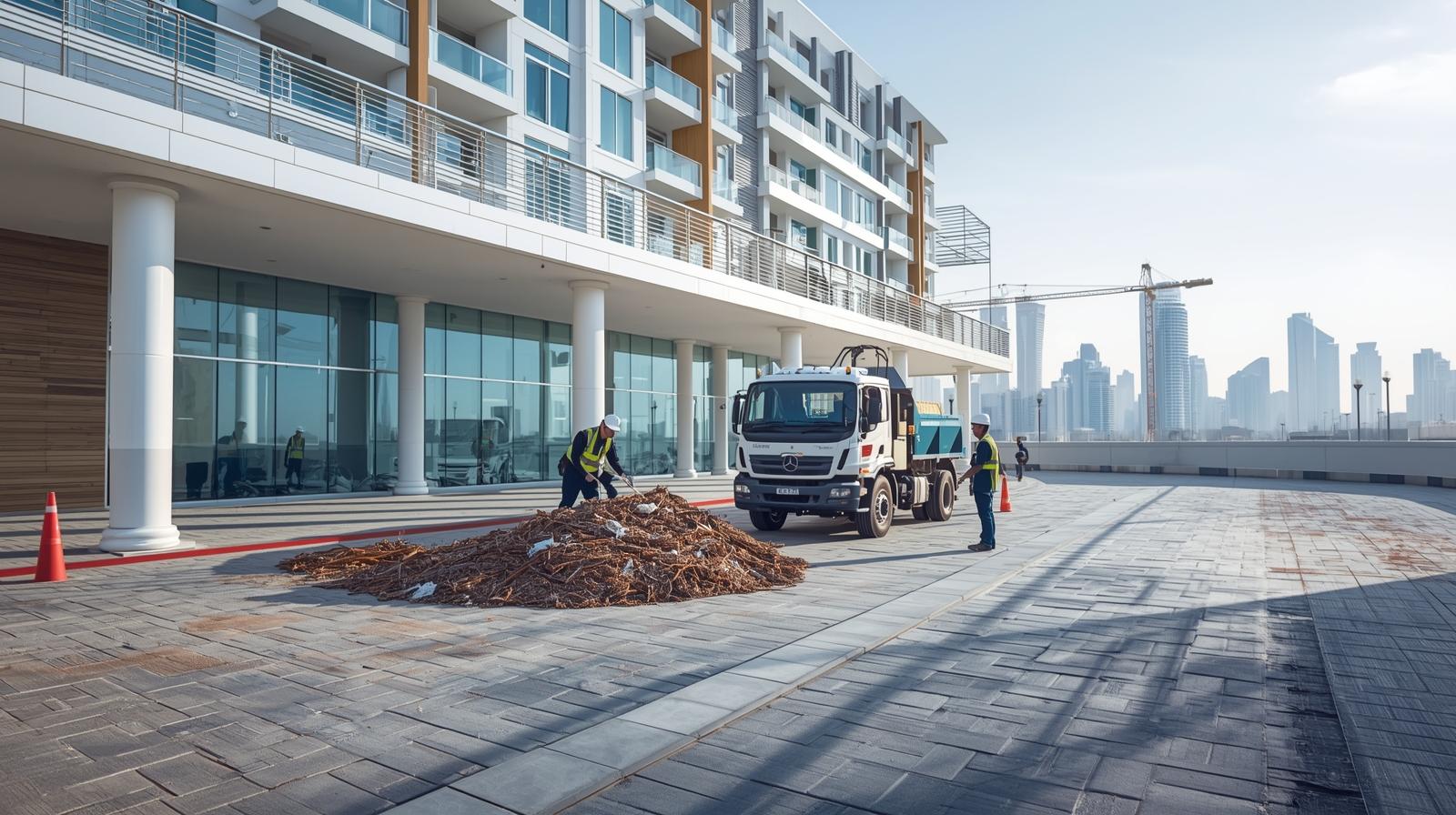
JVC has seen a number of successful construction waste management initiatives demonstrating the benefits of structured planning and community collaboration. Some developers have adopted on-site crushing to reuse concrete for sub-base, significantly reducing truck trips and costs. Community recycling centers and developer-led behavior initiatives have improved segregation habits among contractors and residents alike. Prefabrication and modular construction have reduced material waste by limiting offcuts and packaging.
Several JVC projects have published diversion metrics, demonstrating high recycling rates and reduced environmental impact, which boosts marketing value and enhances community trust. These examples prove that sustainable waste management is not only feasible but beneficial. With the right partners, technologies, and planning, JVC developments achieve cleaner sites, smoother inspections, and more efficient use of materials.
Conclusion
The Benefits of Professional Building Waste Removal in Jumeirah Village Circle are measurable: compliance, cost savings, faster timelines, community goodwill, and reduced environmental impact. We recommend early planning, licensed partners, digital tracking, and a commitment to reuse and recycling as the pillars of a successful JVC project. Implementing these measures transforms waste from a liability into an opportunity for savings, certification, and community value.
FAQs
Q1: What are the top benefits of professional building waste removal in Jumeirah Village Circle?
Professional services ensure regulatory compliance, reduce fines, speed up project timelines, improve diversion rates, provide documentation for audits and certifications, and often produce cost savings through recycling and reduced skip hire.
Q2: Do I need a special permit for construction waste disposal in JVC?
Yes, construction projects should follow Dubai Municipality guidelines and may require permits for skip placement, hazardous removal, and licensed transport to approved disposal facilities. Always check municipal circulars and community management rules
Q3: How can I reduce waste disposal costs on my JVC construction project?
Forecast volumes early, segregate at source, reuse materials where possible, work with local recyclers, and choose a waste partner offering transparent per-ton pricing. Implement lean procurement to cut over-ordering and unnecessary packaging.
Q4: Are there local recycling options for construction materials in JVC?
Yes, district recycling centers and licensed recyclers in Dubai accept common streams like concrete, metals, cardboard, and packaging. Partnering with local processors reduces haulage and supports circular economy objectives.
Q5: How do hazardous waste rules affect JVC construction projects?
Hazardous materials require separate handling, storage, and licensed transport under Dubai Municipality technical guidelines. Only authorized carriers and disposal sites may process hazardous waste; mishandling can result in severe penalties.
Trusted Junk Removal Services in Dubai for Homes & Businesses
In Dubai?
Address: Office No.101, 10th Floor, Al-Shafar Tower, Business Bay, Dubai.
Google Map Location
Read More: Exploring the best Garden Waste Removal Jebel Ali Village: Top Services