
The Top Choice for Trees and Plants Removal in The Villa
The top choice for Trees and Plants Removal in The Villa
Introduction
We deliver clear, practical guidance for homeowners and property managers seeking the top choice for Trees and Plants Removal in The Villa. Our team approach explains pricing, safety, regulations, environmental trade-offs, and step-by-step processes so you can decide with confidence. Think of tree removal as major home maintenance like replacing a roof: the right crew, tools, permits, and plan keep value intact and risk low. Below is a full roadmap and actionable advice.
1. Why choose the top choice for Trees and Plants Removal in The Villa
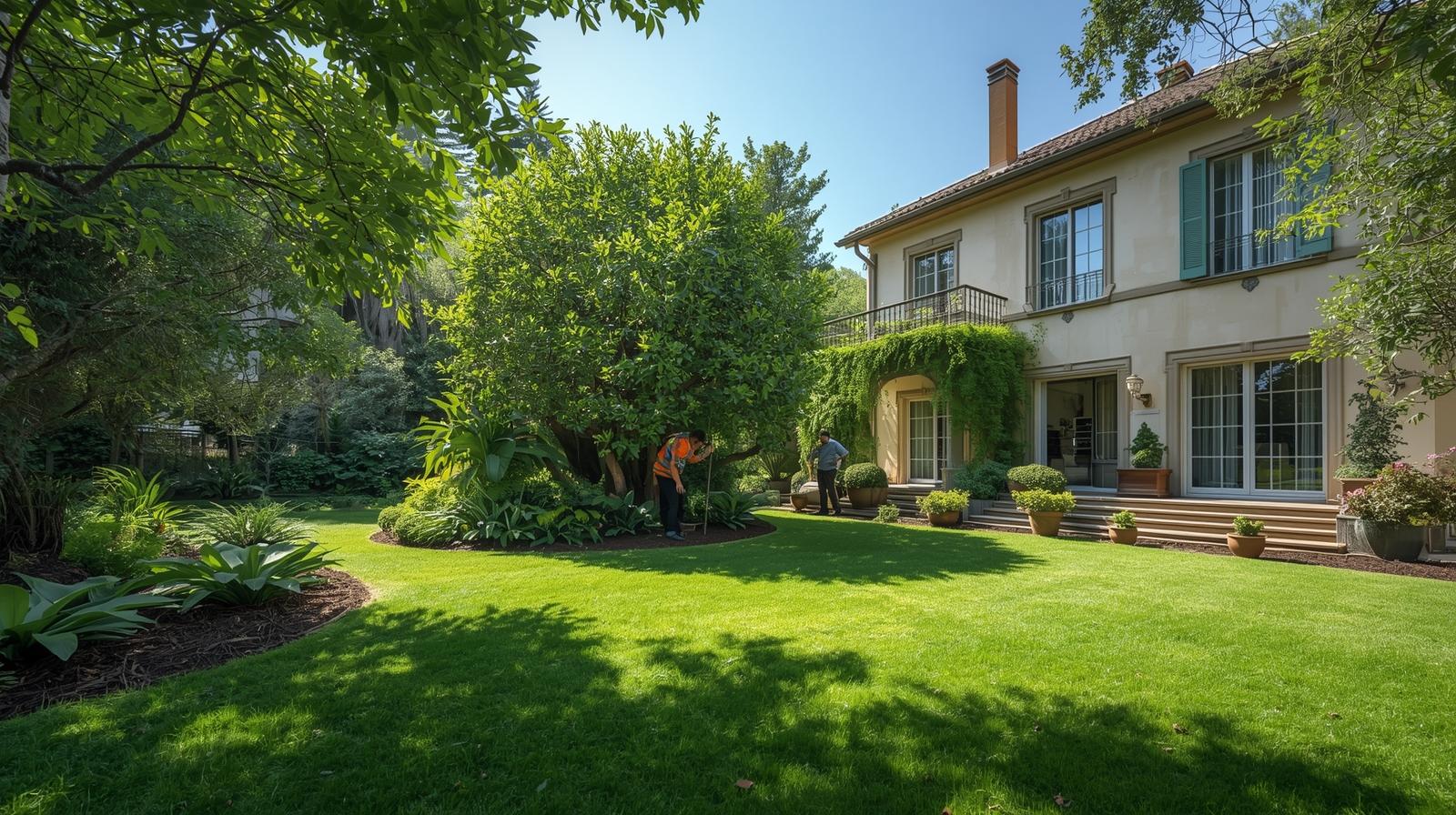
Choosing the top choice for Trees and Plants Removal in The Villa gives homeowners the confidence that every decision is rooted in safety, efficiency, and long-term property value. Our certified specialists use industry-leading equipment and follow standardized assessment protocols to evaluate tree health, structural integrity, soil conditions, and nearby hazards.
We look for factors such as power-line proximity, wildlife presence, and root-zone conflicts before determining whether trimming, remediation, or complete removal is the safest option. This attention to detail ensures every project meets regulatory and insurance requirements. We also streamline the entire process: from obtaining permits to providing warranties, thorough cleanup, and full documentation. Working with us is similar to hiring both a skilled surgeon and a landscape architect, precise, methodical, and fully committed to enhancing your outdoor environment while protecting your property.
2. Understanding tree removal cost & price per tree removal
Tree removal pricing can vary greatly, which is why understanding tree removal cost and the price per tree removal is essential for planning. Costs depend on tree size, species density, overall health, and how accessible the tree is for equipment. Larger or decayed trees often require cranes or specialized rigging, increasing the total price. Additional fees may arise for night removal, storm-related emergencies, debris hauling, or traffic control when the job impacts public pathways.
We believe in complete transparency, so our estimates break down labor, equipment use, disposal charges, and permit fees individually. Requesting itemized quotes helps homeowners compare services fairly and avoid hidden expenses. We encourage budgeting an extra 10–20% as a precaution for unforeseen issues such as internal rot or underground utility interference. This approach ensures homeowners make informed, confident decisions without unexpected surprises.
3. Cost of stump grinding explained
Removing a tree is only half the job; the remaining stump often poses safety risks and aesthetic concerns. The cost of stump grinding is influenced by stump diameter, height, wood density, and accessibility for grinding machinery. Grinding is typically charged per inch of stump width, with additional costs for deeper grinding when replanting is planned. This service reduces tripping hazards, prevents pest infestations, and restores smooth landscaping. Unlike full excavation, which includes hauling out the entire root system, grinding produces wood chips that can be reused as mulch.
We consider stump grinding a preventive measure that protects lawn health and prevents sprouting. Bundling stump grinding with tree removal often lowers overall cost and minimizes site disruption. By addressing the stump promptly, homeowners preserve landscape aesthetics and maintain safe, manageable outdoor spaces.
4. Tree trimming pricing: what to expect
Understanding tree trimming pricing helps homeowners plan for ongoing tree health and safety. Costs depend on tree height, branch density, required climb difficulty, and the type of trimming, whether routine maintenance or corrective trimming for damaged limbs. Mature trees generally need trimming every 3–5 years, while high-risk trees or those near roads may need more frequent attention.
We recommend only working with crews who follow ANSI A300 pruning standards to ensure cuts are made safely and correctly. Pricing often includes debris removal, shaping, and canopy thinning to improve light penetration and reduce wind resistance. Regular trimming is one of the most cost-effective preventative services, helping homeowners avoid expensive emergency removals caused by neglected branches. A small investment in proper trimming today strengthens the tree’s structure, improves appearance, and significantly reduces long-term maintenance costs.
5. How tree removal service estimates are prepared
Accurate tree removal service estimates require an on-site inspection to evaluate tree health, hazards, and environmental conditions. Our assessment covers trunk cavities, decay pockets, root exposure, lean angle, and nearby buildings or utilities. Estimates include labor, equipment costs, disposal, and permits, as well as any safety measures needed, such as rope rigging or crane operations. We supply detailed written scopes with photos to prevent misunderstanding and offer tiered options that compare trimming, removal, and stump grinding.
Hidden variables such as underground utilities or internal rot are disclosed upfront so homeowners can prepare. When comparing estimates, it’s important to ensure they reflect identical services, as low-cost bids may omit vital safety procedures. Our quotes always include projected timelines, payment structures, and proof of insurance, allowing clients to choose confidently and responsibly.
6. Best tree removal services near me: how to shortlist
Finding the best tree removal services near me requires evaluating a company’s credentials, experience, and customer reviews. Start by confirming they employ licensed arborists and carry both liability and workers’ compensation insurance, non-negotiable for homeowner protection. Check independent review platforms for verified feedback, focusing on responsiveness, cleanup quality, and safety practices. Membership in respected organizations like ISA demonstrates professional commitment.
Request photos of past projects and ask whether the company handles local permits, which is particularly important in regulated areas like The Villa. It’s wise to gather three written quotes that clearly outline work scope and pricing. Avoid choosing solely on cost; instead, prioritize companies offering proven safety standards, transparent communication, and strong warranties. A reputable local service will understand area-specific regulations and environmental conditions, ensuring a smooth, compliant experience.
7. Emergency tree removal services: cost and response
Emergency tree removal services are often needed after storms, heavy winds, or sudden limb failures that jeopardize property or safety. Because emergencies involve a higher risk and urgent response, costs may exceed standard removal pricing. Crews must often work during off-hours, in unstable conditions, or near compromised structures, requiring specialized equipment and heightened safety protocols.
Our emergency response starts with immediate hazard assessment, area securement, and coordination with utility companies when power lines are impacted. Temporary stabilization, such as bracing or controlled limb removal, can prevent further damage until full removal is performed. Homeowners should document all damage for insurance claims and keep receipts for processing. Choosing an experienced emergency provider ensures rapid intervention, safe execution, and minimized property losses during unexpected tree failures.
8. Signs of a dying tree & when to remove a dead tree
Recognizing signs of a dying tree helps prevent dangerous collapses and costly repairs. Early indicators include thinning canopy, fungal conks, peeling bark, leaf loss, and brittle branches. If buds fail to develop in growing seasons, the tree may already be dead. When to remove a dead tree depends on its proximity to structures and the level of decay; weakened trunks lose structural integrity and become unpredictable.
Some dead trees support wildlife habitats, so ecological value is reviewed before removal. However, in residential settings, safety remains the priority. Removing a dead tree proactively prevents emergency removals, lowers insurance complications, and reduces risks during storms. Early action ensures a safer property and minimizes long-term damage.
9. The Top Choice for Trees and Plants Removal in The Villa: Fungal growth on trees and signs of tree rot
Fungal growth on trees is one of the strongest signals of internal rot. Bracket fungi, shelf mushrooms, and conks often indicate active decay within the trunk or major branches. Other signs include spongy wood, cavities, hollow sections, or cracks in the bark. Our evaluation includes sounding tests (tapping to detect hollow resonance), structural inspections, and, when needed, advanced decay-detection tools.
Mild decay can sometimes be managed through pruning, drainage improvement, or bracing; however, extensive heartwood deterioration usually requires full removal for safety. Preventing tree rot begins with proper watering, avoiding trunk damage, and controlling soil moisture around the root zone. Regular inspections help catch fungal infections early before structural support is compromised.
10. Identifying hazardous trees: cracks in the tree trunk & leaning hazards
Trees showing cracks in the tree trunk or signs of unbalanced leaning may pose immediate safety risks. Vertical or horizontal splits often indicate internal stress or structural failure. Significant leaning, especially when new or progressing, suggests root plate instability or subsurface decay. We assess lean angle, soil condition, root exposure, and trunk flexibility to determine whether bracing, pruning, or removal is warranted.
Soil heaving near the base signals urgent danger and should be addressed immediately. Trees located near homes, sidewalks, or public areas require extra caution. Prioritizing the removal of hazardous trees helps prevent severe accidents, property damage, and liability issues. A clear risk assessment ensures timely action and long-term landscape safety.
11. The Top Choice for Trees and Plants Removal in The Villa: Tree root problems and foundation damage
Tree roots naturally seek moisture and stability, but when planted too close to buildings, they can interfere with structures. Roots can lift pavements, crack driveways, penetrate sewer lines, and cause subtle yet progressive foundation movement. Tree roots causing foundation damage often stem from species with aggressive, shallow root systems or from soil that expands and contracts due to moisture changes influenced by tree uptake.
We begin by mapping the root zone, looking for soil displacement, cracks in slab edges, and plumbing issues. Solutions range from installing root barriers and performing targeted root pruning to improving irrigation balance around the tree. In severe cases where stability or infrastructure integrity is at risk, tree removal becomes necessary. However, root pruning must be performed cautiously; removing too many support roots at once can destabilize the tree and create a new hazard.
12. The Top Choice for Trees and Plants Removal in The Villa: DIY tree removal vs professional tree removal services
Homeowners may feel confident tackling small shrubs or saplings, but DIY tree removal becomes risky the moment tree height, weight, or proximity to structures increases. Larger trees require technical cuts, rigging systems, and controlled lowering procedures, skills that professionals spend years mastering. DIY attempts often lead to kickback injuries, uncontrolled falls, or damage to roofs, fences, and vehicles.
Professional crews bring certified climbers, safety gear, cranes, chippers, and rescue protocols. While professional service costs more upfront, the long-term savings in avoided hospital bills, insurance liabilities, and property repairs are substantial. If a homeowner insists on DIY, we recommend strict limitations: avoid any tree requiring climbing, rigging, or cutting near electrical lines. Always obtain necessary permits and follow chainsaw safety procedures. In most cases, hiring licensed professionals is the safest and most cost-effective route.
13. Cheap tree removal services: red flags and real bargains
Low-cost options can be appealing, but cheap tree removal services often hide serious risks. Red flags include uninsured crews, lack of written contracts, vague pricing, and pressure for cash-only deals. These providers may skip safety measures, damage property, or disappear if something goes wrong, leaving homeowners liable for injuries or losses. True bargains do exist, but they come from strategic timing rather than corner-cutting.
Off-season scheduling, combining multiple removals into one job, or choosing mid-week slots often brings real savings. Reputable companies may also offer discounts for repeat business or neighborhood group bookings. Always request itemized bids, review references, and confirm insurance. Paying slightly more for a vetted, insured crew ensures safety, proper cleanup, and compliance with local regulations. A low price shouldn’t come at the expense of your home or personal safety.
14. Tree removal service reviews and customer testimonials
Tree removal service reviews provide valuable insight into real customer experiences, especially regarding punctuality, professionalism, and safety. When evaluating testimonials, prioritize comments that mention communication quality, crew behavior, adherence to timelines, and post-job cleanup. Reviews that include before-and-after photos or detailed descriptions of complex removals offer the most credibility. Pay attention to whether customers report successful permit handling or quick responses to unexpected challenges.
Also look for consistent patterns: repeated complaints about damage, delays, or hidden fees are major warning signs. Before hiring, ask the company for references from past clients with similar job types, such as crane-assisted removals or hazardous tree dismantling. Speaking with previous customers verifies whether the team performed as promised. Strong, transparent reviews reflect a company committed to safety, efficiency, and customer satisfaction.
15. The Top Choice for Trees and Plants Removal in The Villa: Tree removal regulations, permits, and local rules in The Villa
Tree removal permits in The Villa are designed to protect neighborhood aesthetics, ecological health, and heritage trees. Depending on the species, trunk diameter, and location, homeowners may need official approval before cutting. Permits often require an arborist report documenting the tree’s health, risk factors, and justification for removal. Some removals, especially of protected or mature trees, may require replanting or mitigation contributions. Failing to follow local tree regulations can result in steep fines and delays in home improvement projects.
Our team manages the entire permitting process: identifying protected species, drafting documentation, submitting applications, and communicating with municipal authorities. This ensures compliance and avoids project disruptions. Whether the tree is hazardous, diseased, or simply poorly placed, always verify regulations before beginning work. Local rules can change, and professional guidance helps you stay aligned with current standards.
16. The Top Choice for Trees and Plants Removal in The Villa: Safe tree felling techniques and safety standards
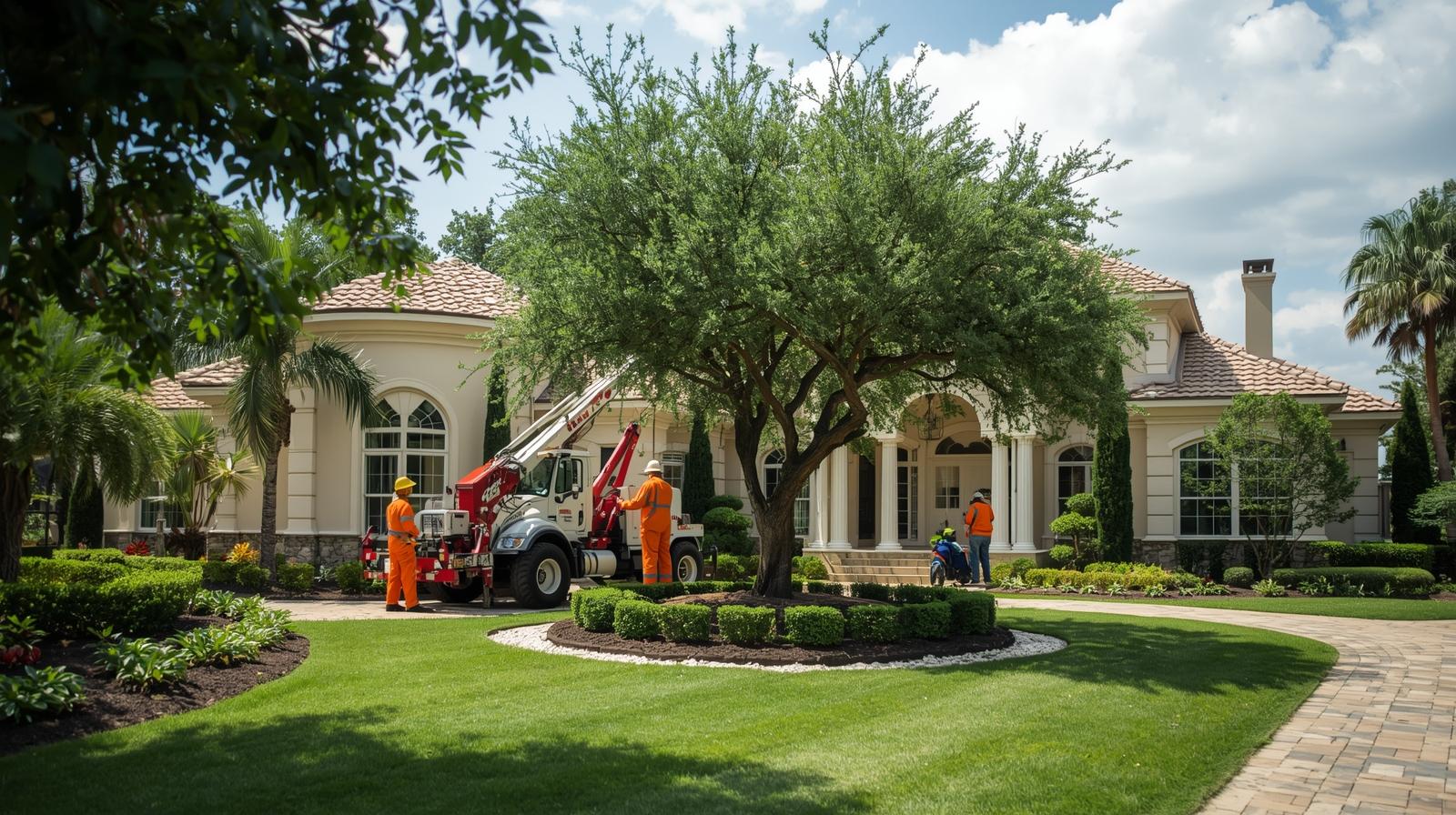
Safe tree felling techniques require meticulous planning, proper cuts, and strict adherence to safety protocols. Professional crews begin by assessing lean direction, wind conditions, structural defects, and escape routes. Standard felling involves crafting a directional notch and a controlled back cut while maintaining precision to guide the fall. Near buildings or tight spaces, full felling isn’t always possible; instead, arborists dismantle the tree piece by piece, lowering limbs with ropes or cranes.
Crews follow ANSI A300 standards, wear full PPE, and create exclusion zones to keep bystanders safe. Communication is essential: spotters, hand signals, and two-way radios ensure all team members coordinate movements. Whether using chainsaws or advanced rigging, every cut is planned to avoid injury and property damage. Strict compliance with safety standards prevents accidents and guarantees a professional outcome.
17. The Top Choice for Trees and Plants Removal in The Villa: Tree removal and environmental advantages/consequences
Tree removal carries environmental implications, both positive and negative. Removing dead, diseased, or invasive species can improve overall ecosystem health, reduce fire hazards, and protect nearby vegetation from pathogens. Eliminating hazardous trees also prevents storm-related damage that could harm wildlife habitats. Conversely, removing healthy trees without proper planning can increase soil erosion, reduce shade, and contribute to higher temperatures in urban areas.
Our approach balances ecological concerns with safety and practicality. Before recommending removal, we assess the tree’s environmental value, wildlife usage, carbon storage, and role in water management. When removal is necessary, we mitigate impact by recycling wood, chipping branches into mulch, and planting native replacements. Responsible removal aims to safeguard property while preserving long-term ecological stability.
18. The Top Choice for Trees and Plants Removal in The Villa: Replanting initiatives after tree removal
Replanting is a key step in restoring landscape health and maintaining canopy coverage after a tree is removed. We design replanting initiatives that focus on selecting species suited to the local climate, soil type, and available space. Native and drought-tolerant trees offer long-term resilience and require less maintenance. Before planting, we prepare the soil by removing large roots, adding amendments, and improving drainage.
Proper placement ensures that new trees don’t interfere with structures or utilities as they mature. Staking, mulching, and establishing a consistent watering plan for the first two years create strong root systems. In smaller yards, multiple small trees or layered shrubs may provide more visual appeal than one large replacement. Replanting not only meets permit requirements it also revitalizes the property, supports wildlife, and enhances long-term curb appeal.
19. How tree removal enhances property value & curb appeal
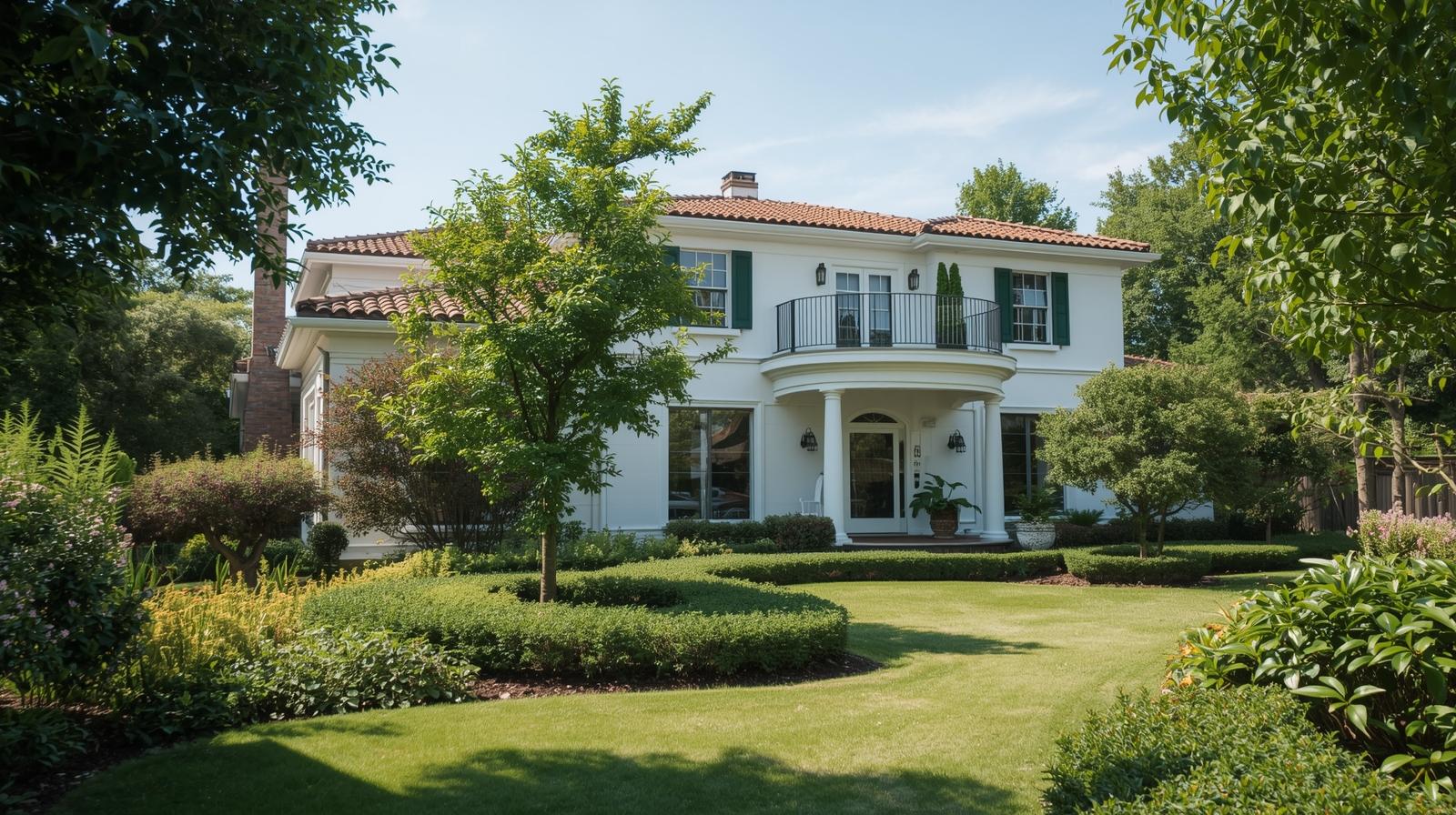
Strategic tree removal can significantly improve property value and curb appeal. Removing overgrown, diseased, or poorly placed trees opens sightlines, increases natural light, and highlights architectural features. Prospective buyers are drawn to properties that appear safe and well-maintained; eliminating hazardous or unsightly trees immediately reduces perceived risk. Improved lawn health, reduced debris, and better overall visibility make a home more inviting.
Tree removal can also create space for patios, gardens, or new landscaping that boosts appeal and functionality. When done thoughtfully, removal isn’t just subtractive; it’s a chance to redesign your outdoor space for maximum impact. By shaping views, creating balance, and enhancing safety, professional removal directly contributes to a higher market value and a more attractive listing.
20. Landscaping tips for post-removal design
After removal, homeowners often face a blank space that can either become an eyesore or a fresh opportunity. Effective post-removal landscaping begins with soil restoration: adding compost, leveling the ground, and addressing drainage. Planting layers of groundcovers, shrubs, and a new specimen tree restores visual interest and ecological function. Choose native or low-maintenance species that thrive in your climate and align with the sunlight conditions created by the removed tree. Mulching helps conserve moisture and suppress weeds during the establishment phase.
Consider functional additions like permeable pathways, shade gardens, or small seating areas. If the removal exposed a slope or erosion-prone area, incorporate plants with strong root systems to stabilize soil. A thoughtful redesign ensures the site looks intentional, balanced, and cohesive with the rest of the landscape.
21. Removing invasive plants for landscape health
Invasive plant species outcompete native vegetation, alter soil chemistry, and disrupt the natural balance of your landscape. Removing invasive plants for landscape health is essential to restoring biodiversity and maintaining safe, stable growing conditions for trees and shrubs. Many invasives, such as aggressive vines or groundcovers, can hide trunk defects, girdle young trees, or weaken root zones by monopolizing nutrients.
Effective removal involves mechanical extraction, professional-grade targeted herbicide applications, and consistent monitoring to prevent regrowth. Because some invasives re-sprout from root fragments, repeat treatments are often required. Once removed, replacing invasives with native plants helps reestablish pollinator habitats, improve stormwater absorption, and stabilize soil structure. A comprehensive plan ensures long-term success, preventing reinvasion while supporting a resilient, healthy landscape that benefits both property value and local ecosystems.
22. Impact of tree removal on property insurance
Tree removal can influence your property insurance profile positively or negatively, depending on how it’s handled. Proactively removing hazardous trees reduces the risk of roof damage, fence collapse, plumbing breaks, and other costly claims. Some insurers may look favorably on documented risk mitigation, potentially improving premium conditions over time. Conversely, improper or unlicensed removals that cause damage to neighboring homes or shared structures may create liability issues and even invalidate parts of your policy.
To protect yourself, always document the condition of the tree before removal, secure written estimates, and obtain certificates of insurance from your contractor. For storm-related removals, insurers often reimburse portions of emergency services; we assist by supplying photos, hazard reports, and damage assessments to streamline claim processing. A well-documented removal demonstrates responsible ownership, which insurers appreciate.
23. Assessing tree stability & tree damage assessment
A tree damage assessment provides a structured evaluation of a tree’s health, safety, and structural integrity. Arborists examine the buttress roots, root plate, trunk condition, canopy structure, and signs of internal decay. We use visual inspection, sounding (tapping to detect hollowness), probing tools, and sometimes advanced diagnostics to detect hidden issues. Trees are then categorized into four management levels: safe, monitor, treat, or remove.
Regular stability assessments catch problems early, such as developing cavities, fungal infections, or root failures, before they escalate into hazardous situations. Much like annual physical exams, these evaluations help property owners plan maintenance, prevent emergency removals, and preserve tree longevity whenever possible. Comprehensive assessments support informed decision-making and ensure that each tree contributes to landscape safety rather than becoming an unexpected liability.
24. Signs you need a professional tree removal: pest, disease, rot
Several warning signs indicate when it’s time to involve a professional. Severe pest infestations such as borers, carpenter ants, or scale often lead to structural decline and internal wood failure. Widespread canopy thinning, branch dieback, trunk cracks, and fungal growth are indicators of advancing disease or rot. While some issues can be treated with pruning, root care, or targeted pest control, others signal irreversible decline.
A professional arborist can accurately diagnose the underlying cause and recommend whether treatment or removal is appropriate. Ignoring early symptoms increases the likelihood of emergency failure, which is both more expensive and more hazardous. If a tree shows multiple distress signs or poses a risk to structures, people, or utilities, professional removal is the safest path. Early intervention saves money and protects your property.
25. The Top Choice for Trees and Plants Removal in The Villa: Cost vs benefits of tree removal & budgeting
Deciding on tree removal involves weighing immediate costs against long-term benefits. Tree removal expenses typically include labor, equipment, haul-away, stump grinding, and possible permits. On the benefits side, removal might prevent thousands in future damage, such as roof repairs, foundation cracks, plumbing issues, or insurance claims. Improved sunlight, reduced leaf debris, enhanced curb appeal, and increased resale value also factor into the equation.
We help clients assess both sides by providing transparent, itemized estimates and outlining potential financial savings tied to risk reduction. If a full removal plan exceeds budget, we offer phased approaches: remove the highest-risk trees first, while scheduling lower-risk work later. Smart budgeting ensures safety improvements are manageable without sacrificing long-term property protection.
26. The Top Choice for Trees and Plants Removal in The Villa: Certified, licensed, insured: what to ask contractors
Before hiring a contractor, verify that they hold certified arborist credentials, state or municipal licensing, and active liability and workers’ compensation insurance. These safeguards protect both the homeowner and the crew. Ask about the team’s training, safety protocols, equipment quality, and experience handling similar tree sizes or hazards. Request a detailed written contract including scope of work, total cost, start and completion dates, disposal responsibilities, and stump-related services.
A reputable contractor will gladly provide documentation and walk you through their safety record and job process. Evasive answers or the absence of insurance certificates are major red flags. Doing your due diligence ensures the work is performed safely, legally, and to professional standards, reducing the risk of accidents and unexpected costs.
27. Eco-friendly tree removal options and sustainable practices
Modern tree removal can be environmentally responsible when guided by sustainable practices. Eco-friendly approaches include using low-emission or electric equipment, recycling logs into lumber or mulch, and chipping branches for on-site soil improvement. Instead of clear-cutting, selective removal preserves wildlife habitat and supports long-term canopy health.
We also schedule work to avoid nesting or breeding seasons when possible, minimizing wildlife disturbance. After removal, we encourage planting native species that promote biodiversity and require less irrigation. Sustainable disposal, including composting, repurposing wood, or donating usable timber, reduces waste. Eco-conscious strategies allow homeowners to maintain safety while supporting local ecosystems and reducing environmental impact.
28. Post-tree removal plant health and maintenance
Once a tree is removed, the surrounding soil may be compacted and nutrient-depleted. Promoting plant health after tree removal begins with soil rehabilitation, decompacting the area, blending in organic matter, and restoring microbial activity. Root remnants from the old tree can continue decomposing for years, affecting pH levels and moisture retention.
New plantings need careful selection: choose species that align with light conditions created by the removal and avoid planting large-rooted trees near foundations. Establish a watering schedule tailored to the new plants and maintain a 2–3 inch mulch layer to stabilize soil temperature and reduce evaporation. Regular inspections during the first year help detect transplant stress early. With proper maintenance, the former tree site can become one of the healthiest areas of your landscape.
29. The Top Choice for Trees and Plants Removal in The Villa: Case studies on responsible tree removal and community involvement
Responsible tree removal often requires coordination beyond a single property line. Our case studies highlight projects where safety, legal compliance, and community cooperation intersect. In one example, a decaying tree threatened multiple properties. We coordinated with neighbors, secured municipal permits, and communicated the plan openly. To offset canopy loss, residents agreed to plant three native trees for each removed specimen, greatly improving biodiversity and shade coverage over time.
In another case, a homeowners’ association partnered with us to assess a cluster of storm-damaged trees, remove the hazardous ones, and replant with species better suited to local soil and climate. Community involvement builds trust, reduces disputes, and leads to better long-term landscape outcomesensuring shared safety and environmental stewardship.
30. The Top Choice for Trees and Plants Removal in The Villa: Alternatives to tree removal and preservation strategies
Tree removal is not always the only or best solution. Alternatives include targeted pruning to remove hazardous limbs, cabling and bracing to support weak branches or multi-stem trunks, soil aeration, deep root fertilization, and pest or disease treatments. These interventions can extend the life of valuable or historic trees while maintaining safety. Preservation strategies require ongoing monitoring, as they often address symptoms rather than eliminating the underlying stressor.
We assess structural integrity, growth patterns, and environmental conditions to determine whether preservation is feasible and cost-effective. In some cases, proactive maintenance costs less than removal and replanting, especially for mature shade trees that contribute significantly to property value. Our goal is to provide science-backed recommendations that balance safety, conservation, and long-term landscape health.
Conclusion
We offer the decisive, practical roadmap homeowners need when they look for the top choice for Trees and Plants Removal in The Villa. Our advice covers cost transparency, safety procedures, legal compliance, ecological trade-offs, and post-removal landscape design. With careful assessment and qualified crews, removal becomes a strategic improvement that enhances safety and property value.
FAQs
1. How much does the average tree removal cost in The Villa?
Costs vary widely by size and complexity. Expect a baseline for small trees and higher pricing for large, hazardous, or hard-to-access trees. Get itemized quotes to compare.
2. Will I need a permit for tree removal in The Villa?
Many areas require permits, especially for heritage or protected species. We handle permit applications and provide required arborist reports.
3. How soon can emergency tree removal services respond?
Response depends on crew availability and hazard severity. Reputable companies offer rapid triage and stabilization; full removal scheduling follows safety planning.
4. Is stump grinding included in most removal quotes?
Not always. Confirm whether stump grinding or full stump removal is included; it’s often an optional line item.
5. What species should I replant after removal?
Choose native, site-appropriate species with root habits compatible with structures. We recommend a replanting plan based on soil, sun, and desired mature size.
Trusted Junk Removal Services in Dubai for Homes & Businesses
In Dubai?
Address: Office No.101, 10th Floor, Al-Shafar Tower, Business Bay, Dubai.
Google Map Location
Read More: Affordable Tree Removal: Expert Guide & Cost Tips