

Junk Removal Guide for Home Sellers | Affordable & Eco
Junk Removal: The Complete Guide for Home Sellers, Agents & Homeowners
Introduction
When a house shows best, buyers imagine themselves living there not navigating someone else’s clutter. We present a complete, practical, guide that equips homeowners, sellers, and real estate professionals with the strategies, checklists, and vendor criteria to remove junk, improve curb appeal, and maximize sale value. Think of decluttering as tuning an instrument before a concert: the better the tune, the more applause (and offers). Below you’ll find a structured Table of Contents and deep, actionable guidance across junk removal, home staging, eco-friendly disposal, affordable services, and legal/regulatory considerations.
1. Understanding Junk Removal for Home Sellers
What we mean by ‘junk removal’ and who needs it.
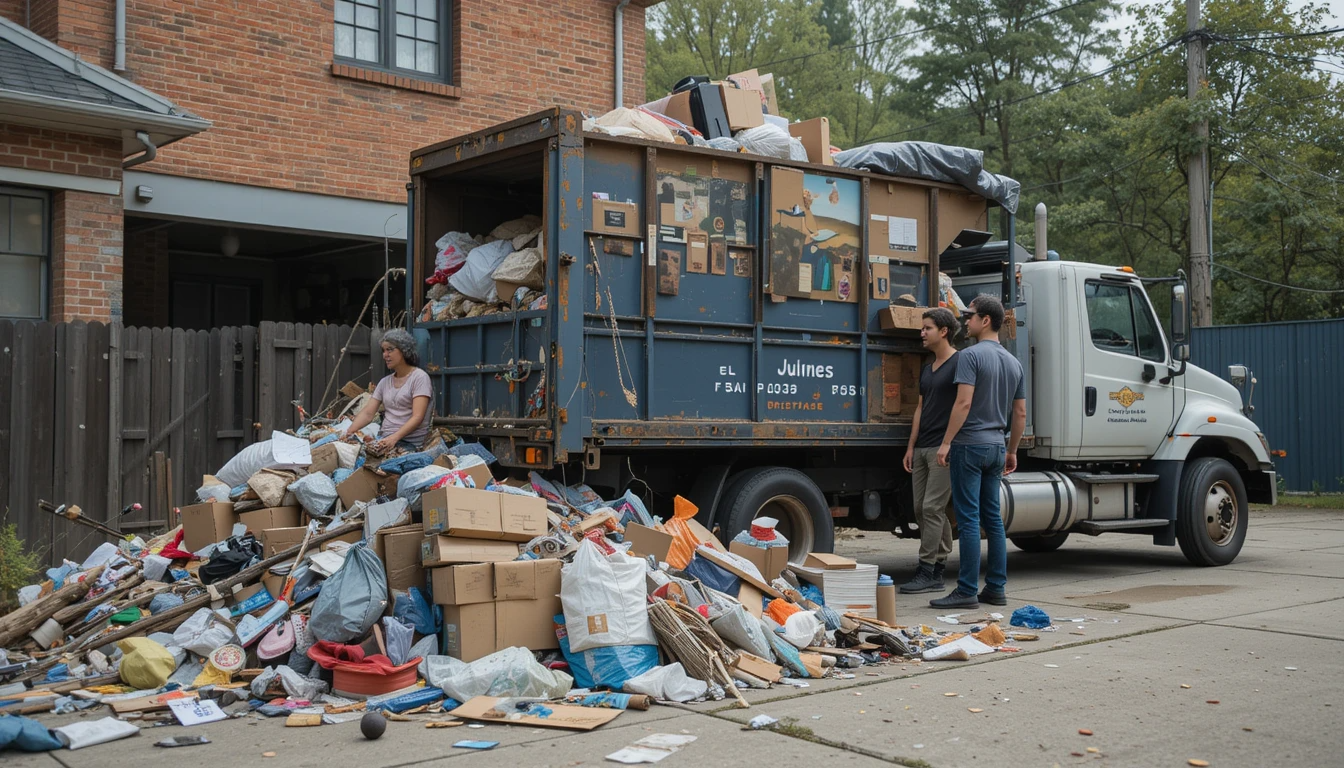
For home sellers, junk removal is the strategic clearing of unwanted items bulky furniture, leftover renovation debris, electronics, hazardous materials, and general clutter to present a marketable, move-in ready property. Unlike routine trash pickup, junk removal often involves bulk junk removal services, donation coordination, recycling, and safe disposal of hazardous items. Sellers, realtors, landlords, and estate executors all benefit: it speeds sales, reduces buyer objections during inspections, and allows staging to shine.
Types of junk removal services: full-service cleanouts, same-day removal for urgent listings, nocontact pickup for safety, commercial cleanouts for investor portfolios, and specialized hauling for mattresses, appliances, and construction debris. Organizing tips for selling home and decluttering strategies for small spaces begin with categorizing each item into keep, donate, recycle, hazardous, or dispose.
Who does what: real estate agents sometimes arrange professional decluttering services for home sellers or recommend toprated junk removal companies. Sellers can hire affordable junk removal services, try diy junk removal tips, or access community junk removal programs. Consider impact: an organized staging increases perceived square footage and emotional connection two drivers of higher offers.
Quick action plan: assess property, prioritize high-impact rooms (kitchen, living room, master bedroom), book necessary services early, and document removal for tax/donation receipts. This transforms clutter into a sales advantage, and positions junk removal as an investment rather than a cost.
2. Benefits of Junk Removal Before Selling
Why removing junk is an investment not an expense.
Clean, depersonalized homes attract faster offers at higher prices. Benefits of junk removal before selling include improved showings, fewer inspection issues, easier staging, and stronger marketing photos. Buyers mentally subtract clutter from usable square footage; removing junk restores visual space and helps buyers envision living there.
Tangible gains: faster time on market, higher offer prices, fewer contingencies, and smoother appraisals. From an emotional perspective, sellers feel lighter: decluttering reduces decision fatigue and streamlines moving logistics. Realtors also benefit timesaving benefits of junk removal for agents are real: fewer distraction calls, fewer last-minute cleanups, and better-performing listings.
Return on investment: even affordable junk removal services often pay for themselves in faster closings and fewer price concessions. For agents, recommending eco-friendly junk removal services and donation options is a value add that improves client satisfaction and yields positive referrals think testimonials and case studies that become marketing assets.
Strategy: target problem areas that most affect buyers: outdated appliances, overflowing garages, and visible storage clutter. Combine home staging junk removal with low-cost updates (paint touchups, lighting adjustments) to magnify effect. Where possible, choose vendors who offer recycling, donation pickup, or partnerships with local nonprofits that checks the sustainability box for eco-minded buyers.
3. Impact of Clutter on Home Selling & Property Value
Clutter undermines perceived value; removal increases buyer confidence.
Clutter visually and psychologically shrinks a property. A messy garage or overflowing basement raises red flags for buyers who worry about underlying maintenance issues. Impact of clutter on home selling includes lower appraisals (perceived usable square footage declines), longer days on market, and more negotiation on price.
Buyer psychology: clutter distracts attention from architectural features, making rooms feel smaller and less functional. In bargaining, buyers interpret clutter as deferred maintenance or hidden problems. Conversely, a staged, uncluttered home communicates care a promise that systems and structures are likely well maintained.
Measurable effects: while exact value lifts vary by market, removing clutter that enables staging and professional photography often results in faster offers and sometimes higher sale prices. Junk removal cost vs value typically favors removal when the job clears high-impact items like old furniture, carpet, or broken fixtures.
Recommendations: prioritize visible, high-traffic spaces such as the kitchen and entryway. Use a home decluttering checklist to track progress and ensure nothing is overlooked. When appraising the marginal benefit of each removal item, ask: does this item make the room feel smaller, dated, or poorly maintained? If yes remove it.
4. Essential Home Decluttering Checklist
A practical checklist sellers can follow room by room.
A reliable home decluttering checklist reduces guesswork. Start with a single day’s plan, prioritize high-impact rooms, and use the five-box method: Keep, Sell, Donate, Recycle, Trash. Track donations for tax receipts and schedule free junk removal services or donation pickups as needed.
Master checklist outline:
- Entry & Foyer: clear shoes, coats; remove personal photos.
- Living Room: remove excess furniture, clear shelves to 60% capacity.
- Kitchen: clear countertops, discard expired food, recycle small appliances.
- Bedrooms: clear closets (essential items to keep), remove mismatched furniture.
- Bathrooms: clear countertops; pack personal toiletries.
- Garage & Basement: remove stored junk, label boxes for movers; prioritize clearing one-vehicle space.
- Yard & Curb: remove broken lawn furniture, trim overgrowth, pick up debris.
Logistics tips: list items requiring special handling: electronics (where to recycle electronics near me), batteries (how to dispose of batteries safely), paint and chemicals (hazardous disposal guidelines). For large items, compare bulk junk removal services, local pickup regulations, and affordable junk removal services.
Timing: complete decluttering 2–3 weeks before listing to allow staging and final deep clean. For urgent listings, arrange sameday junk removal services or nocontact pickups.
5. Room-by-Room Junk Removal Checklist
Precise actions for each room to maximize appeal.
Room-by-room focus organizes the effort into manageable chunks. For each space, we recommend a three-step process: Assess → Sort → Remove. Document donation receipts and take “before and after” photos for marketing and case studies.
Entryway & Living Areas: remove personal knickknacks, minimize seating to showcase flow, curtain rods and artwork should be neutral. Organizing tips for selling home include clearing 50% of surfaces and removing oversized furniture.
Kitchen: buyers look for counter space. Remove small appliances, clear out 60–80% of cabinets to display storage, and recycle old cookware. How to recycle glass bottles properly and plastic containers? Rinse and place in appropriate recycling streams; large appliances may be picked up by junk removal services with recycling partnerships.
Bedrooms & Closets: store half of wardrobe items to show closet capacity. Keep essential furniture only. Essential items to keep when decluttering: one set of linens visible, a nightstand, and a bed with neutral bedding.
Garage & Attic: these areas often harbor bulk junk. Aim to clear enough space to park one car; sell or donate usable items; safely dispose of chemicals and paints per local landfill regulations.
Bathrooms & Linen Closets: clear medicine cabinets (dispose of expired medicines properly) and store personal care items.
Outdoor Spaces: remove broken toys, rusting equipment, and dead plants. A tidy yard improves the impact of junk removal on property value and curb appeal.
6. How to Stage a Home for Sale (and Why Junk Removal Matters)
Staging is storytelling; junk removal sets the stage.
Staging a home is about creating an emotional connection. Without junk removal, staging is like trying to perform a play on a cluttered stage the audience focuses on the mess instead of the performance. How to stage a home for sale starts with neutralizing and depersonalizing: remove family photos, reduce decorative items, and place a few attractive focal pieces to guide the buyer’s eye.
Junk removal role in staging: decluttering opens visual lines, creates consistent scale, and makes rooms feel larger. A staged room should suggest possibility: buyers need to imagine how their furniture fits, how light plays in the room, and how they would use the space.
Practical staging steps: remove at least 50% of personal items, streamline furniture to showcase flow, add neutral accents, and ensure pathways are unobstructed. Combine staging with targeted home improvement junk removal old carpets, broken fixtures, or dated lighting should be removed or replaced.
Measurement: invest in professional photos after staging and removal listings with professional photos receive more clicks and showings. For sustainability-minded sellers, choose ecofriendly junk removal partners who recycle and donate; these choices resonate in listing copy and open houses.
7. How Junk Removal Improves Curb Appeal
The exterior is the buyer’s first impression junk removal makes it positive.
Curb appeal is created in moments; a passerby decides within 7–10 seconds whether a property feels cared for. Exterior clutter piles of building materials, old playsets, or junk cars tells buyers the home has been neglected. Clearing the yard is often one of the highest leverage moves sellers can make.
Exterior checklist: remove nonfunctional items, clear gutters of debris, trim hedges, mulch beds, and ensure driveway/sidewalks are clean. For larger outdoor items, schedule bulk junk removal services or lowcost garbage removal options. Removing visible clutter translates directly into better listing photos and a stronger emotional pull for buyers.
Seasonal tips: summer: clear garden debris and old grills; fall: remove leaf piles and old planters; winter: remove snow-clogged junk after clearing pathways; spring: stage the lawn and remove winter detritus. In all seasons, the goal is a clean space higher home valuea tidy exterior amplifies buyers’ first impression and reduces negotiation leverage based on perceived neglect.
8. Cost of Junk Removal for Sellers What to Expect
Understanding pricing components and how to budget.
Cost depends on volume, type of items, accessibility, and extra services (e.g., hauling, disposal fees). Typical pricing models include per-truckload, per-item, or hourly rates. Expect higher costs for hazardous materials, appliances requiring special disposal, and third-floor pick-ups without elevator access.
Common price ranges: small loads (a few boxes/furniture) can be modestly priced; full-house cleanouts command higher fees. Cheap junk removal near me searches often yield lower quotes but verify that recycling and disposal are handled legally. Beware of hidden fees in junk removal services such as labor surcharges or landfill tipping fees.
Ways to reduce cost: schedule removal during off-peak times, consolidate loads, donate reusable items (get tax receipts), and compare discounts on junk removal services or community programs. How to save on junk removal: gather quotes from local and franchise options, and ask for itemized estimates.
ROI perspective: compare removal cost against potential price improvements and faster sale timeline. When in doubt, prioritize removal of items that most visibly detract from the property.
9. Cheap Junk Removal Near Me: Finding Budget Options
How to find reputable low-cost vendors without sacrificing compliance.
“Cheap” should not mean illegal dumping or improper disposal. Start with local searches but vet companies for licensing, insurance, and recycling practices. Ask: do they provide receipts, donation partners, or recycling documentation?
Comparison checklist: get at least three written estimates, confirm disposal plans for appliances and electronics, validate licenses, and ask about hidden fees. Consider student or volunteer labor for light lifting, community bulk pickup days, and municipal resources for lowcost garbage removal options.
Alternatives: host a garage sale (summer garage sale preparation), sell items online, or use donation pickup services that handle larger furniture. Free junk removal services exist via charitable organizations for certain items; they can be a win-win: you save money and help a local non-profit.
Negotiation tips: bundle items into a single pickup, confirm inclusive pricing (labor + disposal), and ask for a written 24-hour cancellation policy. Cheap can be smart when researched; confirm environmental compliance to avoid legal headaches.
10. Cheapest Junk Removal Near Me vs. Quality Services
Balancing cost and reliability: what to prioritize.
The cheapest junk removal near me may cut corners. Prioritize licensed, insured providers who demonstrate compliant disposal, especially for e-waste, appliances, and hazardous materials. Reputation matters: read junk removal service ratings and customer reviews to spot recurring issues.
When to choose cheaper options: for simple, low-risk jobs (old, non-hazardous furniture), cheaper services or municipal pickups may be fine. When not to: estate cleanouts, hoarder homes, or when hazardous waste is present here, pay for professionals who guarantee proper handling and documentation.
Value indicators: transparent estimates, itemized invoices, donation receipts, and recycling partnerships. Certified green junk removal companies often cost a bit more but provide environmental value and marketing angles for listings.
Decision framework: weigh the cost difference against potential legal or reputational risks. Our rule: never choose price over legality a cheap, improper disposal can cost more in fines and buyer mistrust.
11. Top-Rated Junk Removal Companies & How to Evaluate Ratings
What to look for in reviews, ratings, and case studies.
Ratings matter but context matters more: sample size, recency, and response to complaints are key. Look for companies with consistent five-star reviews, prompt communication, clear what to expect from junk removal services pages, and before-and-after galleries.
Vet by credentials: insurance, licensing, Better Business Bureau (or local equivalent), and documented partnerships with recycling facilities. Toprated junk removal companies often highlight eco practices, donation relationships, and transparent pricing.
Questions to ask: Do you provide written estimates? How do you handle hazardous items? Can you provide donation receipts? Are tipping fees included? What is your same-day availability?
Red flags: vague estimates, refusal to itemize, lack of evidence of proper disposal, or poor communication. Good companies turn junk removal into a turnkey service that supports realtors and sellers during stressful listing periods.
12. How to Choose a Junk Removal Service Red Flags & Questions
An interview checklist to hire the right partner.
Ask for references, licensing, insurance proof, written quotes, and their recycling strategy. Confirm labor scope (do they move items offsite or just to curb?), access needs, and whether they provide donation receipts.
Red flags: cash-only requests without receipt, refusal to sign a simple service agreement, or evasive answers about disposal. Also watch for unusually low bids: they may indicate illegal dumping.
Service attributes to prioritize: punctuality, clear pricing, recycling/donation commitments, same-day options (if needed), and professional crews who protect floors and walls during removal. A quality service will also coordinate with your staging timeline to minimize disruption.
Checklist summary: Licensing ✓ Insurance ✓ Written Quote ✓ Disposal Plan ✓ Donation Partnerships ✓ Customer Reviews ✓ Clear Cancellation Policy.
13. Full-Service, Same-Day, No-Contact & Bulk Pickup Options
Choosing service models that match your timeline and risk tolerance.
Full-service teams lift, haul, and load ideal for sellers who need a quick, turnkey solution. Sameday junk removal services are available in many markets for last-minute showings or pre-inspection prep. No-contact junk removal services became common for safety; they collect items left outside with digital payment and photos.
Bulk pickup vs. per-item: bulk services are cost-effective for large cleanouts; per-item pricing may suit targeted removals. Confirm crew size and truck capacity to avoid multiple trips (extra fees).
Practical coordination: schedule removal 3–5 days before listing photography to allow staging and final cleaning. For urgent showings, ask about emergency services for agents many companies offer priority pickups for realtors.
Sustainability note: full-service doesn’t mean wasteful prefer providers with recycling junk for real estate practices and donation partnerships to reduce landfill impact.
14. Ecofriendly Junk Removal for Real Estate & Green Certifications
How to choose sustainable options that appeal to buyers.
Eco-friendly providers emphasize recycling, refurbishing, and donating usable items. Certifications or partnerships with third-party recyclers signal credibility. Benefits of recycling household items include reduced landfill waste and a stronger listing narrative for eco-minded buyers.
Practices to look for: material sorting, certified e-waste recycling, furniture donation channels, and diversion rates (percentage of haul diverted from landfill). Ask for documentation showing where items end up.
Marketing advantage: list eco practices in MLS descriptions “Donation & recycling partnerships used for prep” to attract environmentally conscious buyers and agents who value sustainability.
Cost considerations: sometimes a slight premium; however, costeffective eco junk removal options exist, especially when donation and recycling reduce landfill tipping fees.
15. Where to Recycle Electronics Near Me & E-Waste Tips
E-waste requires special handling here’s how to do it safely.
Electronics contain hazardous materials and must be routed to certified recyclers. Look for municipal e-waste events, retailer take-back programs, or certified recyclers. Wipe data securely before donating or recycling devices.
Steps: 1) Back up data. 2) Wipe or factory reset. 3) Remove batteries if possible (dispose of per battery rules). 4) Use certified e-waste recyclers for TVs, computers, and peripherals.
Donations: functional electronics in working order can be donated to nonprofits; always confirm they accept the model and condition. For nonfunctional units, certified recyclers will separate metals, glass, and plastics safely.
Tip: request receipts or certification for e-waste disposal from your junk removal partner to document compliant handling.
16. How to Dispose of Batteries Safely
Batteries can be fire risks handle them correctly.
Single-use alkaline batteries are often accepted curbside in some areas, but rechargeable batteries (lithium-ion, NiMH) and button cells require drop-off at designated recyclers. Tape terminals of lithium batteries before transport and never place them loose in waste piles.
Practical steps: store batteries in nonconductive containers, separate types (car batteries, household batteries), and use municipal hazardous waste drop-offs or retailer takeback programs. How to dispose of batteries safely is essential during a clearout; wrong disposal can cause fires in trucks and landfills.
Coordination with providers: reputable junk removal services will separate batteries during pickup and deliver them to proper facilities. Confirm this in writing when scheduling.
17. Guidelines for Hazardous Waste Disposal
Paints, solvents, pesticides, and other chemicals need proper handling.
Hazardous household items cannot go to curbside pickup in most jurisdictions. Use local household hazardous waste (HHW) collection events or certified hazardous waste haulers. Label containers and never mix chemicals.
Common hazardous items: paints, varnishes, propane tanks, pesticides, motor oil, and fluorescent bulbs. Local government junk disposal resources typically list accepted items and collection schedules.
Safety: wear protective gear when packing, and ensure lids are sealed. For large quantities from renovations, hire commercial junk removal for real estate or hazmat-certified contractors.
Recordkeeping: obtain disposal receipts to show compliance; this can be important for estate sales and legal considerations.
18. How to Recycle Old Furniture & Donate Items Before Moving
Furniture can be a liability or a contribution choose smartly.
If furniture is in good condition, donate or consign it. Many nonprofits and resellers will pick up large items. For broken or soiled items, recycling or proper disposal may be best.
Donation tips: photograph items, list measurements, and confirm pickup logistics. Schedule donations early in the move timeline to avoid last-minute landfill fees. For valuable pieces, consider consignment or online marketplace sales to recoup cost.
Recycling options: upholstery recycling programs separate wood, foam, and fabric; check local processors. How to recycle old furniture often requires coordination with junk removal companies that maintain recycling partnerships.
19. DIY Junk Removal Tips for Sellers & Spring Cleaning Ideas
When to DIY and when to hire pros.
DIY is cost-effective for small loads and for sellers with time and labor. Use a plan: rent a dumpster for renovations, schedule multiple carloads for donation, and use neighborhood bulk pickup days.
Spring cleaning ideas: tackle one room per weekend, use the five-box method, and recycle or donate before moving. Label boxes clearly: keep, sell, donate, recycle, trash. DIY junk removal supplies: sturdy boxes, heavy-duty bags, labels, gloves, and a dolly.
Safety & efficiency: lift with your legs, use straps for heavy items, and recruit friends or hire day labor for heavy lifting. For larger jobs, compare cost vs. time to determine if fullservice junk removal features are worth the investment.
20. Decluttering Sentimental Items: Strategies That Work
Emotional decluttering requires compassion and structure.
Sentimental items are the hardest to sort. Use techniques: photograph heirlooms, set time-limited display boxes, and create memory boxes. Ask: does this item contribute to staging or does it distract?
Practical approach: schedule sessions focused just on sentimental items, enlist a trusted friend to help decide, and prioritize items for keepsakes vs. those that can be digitized (photos, scanned letters). How to declutter sentimental items can be framed as preserving memories rather than disposing of them.
Analogy: think of sentimental items as family heirlooms on loan choose the few that best tell your story and let others find new homes where they’ll be appreciated.
21. Preparing Home for Sale Checklist Steps to Prepare a Home for Sale
A consolidated timeline from pre-listing to closing.
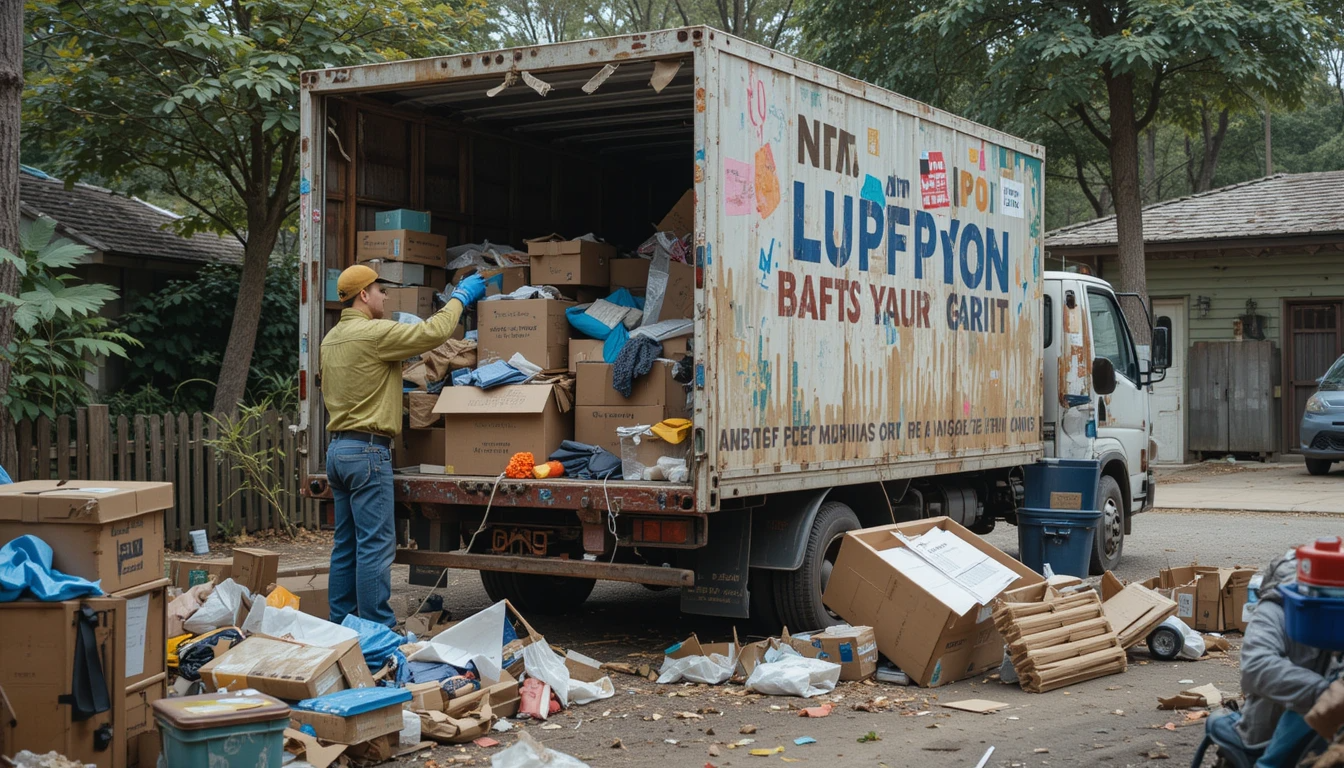
Start 4–6 weeks before listing: deep clean, complete repairs, declutter, and schedule junk removal and staging. Two weeks before: finalize staging, professional photos, and last minor fixes. During listing: maintain tidy rooms and respond quickly to requests.
Essential tasks: create a room-by-room plan, track donations/receipts, ensure hazardous materials are removed, and coordinate with inspectors if pre-inspection is planned. Preparing home for sale checklist becomes a project plan for both sellers and agents.
Documentation: keep invoices and donation receipts for records and tax purposes. Timely planning turns chaotic prep into efficient steps that reduce stress and accelerate sale.
22. Home Staging Junk Removal: Timing & Practical Steps
Align removal with staging to maximize impact.
Remove large, dated pieces first. Schedule staging and photographer within 2–3 days after removal to show the property at its best. Home staging junk removal should be the first physical step in the staging timeline.
Coordination advice: provide stagers with a list of items to keep as staging props; everything else should be removed or boxed. Ensure flooring, windows, and counters are spotless after removal staging is weakest if the home still looks half-packed.
Operational tip: leave one room minimally staged for everyday living to make showings viable, and keep a “showing kit” for quick touchups.
23. Organizing Tips for Selling Home & Essential Items to Keep
What to keep visible and what to pack away.
Keep only essential items that make a home feel lived-in and not cluttered: one or two decorative items per surface, a set of towels, and minimal kitchenware. Essential items to keep when decluttering include a neutral rug, one focal piece, and enough furniture to demonstrate scale.
Storage tips: rent a short-term storage unit for excess furniture, and use clear, labeled bins for items you might still need. Keep valuables and personal documents secure, and create an inventory list for movers.
24. Decluttering for Small Spaces & Garage Cleanup for Sale
Strategies to maximize perceived space.
In small homes, every item counts. Use vertical storage, hide small appliances, and remove unnecessary furniture. For garages, clear one-car space, organize tools, and remove bulky junk. Buyers often evaluate storage a tidy garage adds perceived usable square footage.
Decluttering strategies for small spaces: fold clothing vertically, use uniform containers, and remove nonessential items to storage. For garages, a single sweep and a donation pickup can transform perceptions.
25. Professional Decluttering Services & Cost-Effective Alternatives
When to hire pros and how to evaluate their value.
Professional organizers and decluttering services bring efficiency and staging insight. They may provide project management: sorting, coordination with junk removal, donation dropoffs, and staging setup. Evaluate hourly vs. flat rates, and check portfolios and references.
Alternatives: schedule a few sessions with a pro to create a plan and then DIY the execution, or hire day labor just for heavy lifting while you handle sorting. Balance cost with time constraints and emotional stress.
26. How to Donate Items Before Moving Best Practices
Donating helps the community and reduces landfill waste.
Choose charities that accept large items, get pick-up schedules, and keep receipts. Ensure items are clean and functional. For tax deductions, document with photos and receipts; check donation receipts for valuation guidance.
Tip: schedule donations early in your moving timeline and coordinate with your junk removal provider if they offer donation partnerships.
27. How to Recycle Items During a Move Sustainable Moves
Moving is an opportunity to recycle and start fresh.
Sort items in the packing phase; recycle plastics, glass, and paper through curbside or drop-off centers. Large items like mattresses and appliances often have recycling streams; ask for documentation. How to recycle items during a move reduces moving costs and environmental impact.
28. Local Regulations, Permits & Illegal Dumping Penalties
Know local rules to avoid fines and liability.
Many municipalities require permits for large debris piles or construction debris. Illegal dumping penalties can be severe. Confirm curbside bulky item rules, landfill rules, and recycling laws for construction debris.
Advice: ask your junk removal provider about local disposal rules and ensure they have required permits. Keep disposal receipts as proof of compliance.
29. Hidden Fees in Junk Removal Services & How to Avoid Them
Common surprises and how to get clear pricing.
Watch for labor surcharges, extra trips, stair fees, and hazardous disposal fees. Avoid surprises by requesting an itemized written estimate and confirming whether tipping fees, labor, and hauling are included.
Pro tip: photograph items and send photos for accurate estimates. Ask about flat rates vs. per-item pricing and confirm payment methods and cancellation policies.
30. Ways to Save on Junk Removal: Coupons, Community Programs
Creative savings strategies that preserve compliance.
Look for coupons and seasonal discounts, municipal bulk pickup days, or neighborhood swap events. Nonprofits sometimes offer pick-ups for donations for free. Negotiate with small local operators for bundled services or refer a friend discounts.
Community programs: many areas run spring cleanup programs coordinate your timeline to take advantage of them and avoid paying full market rates.
31. Junk Removal for Estate Sales, Commercial & Post-Sale Strategies
Special considerations for estates and commercial properties.
Estate cleanouts often require sensitivity and documentation. Commercial properties may have different disposal rules, especially for construction debris. Postsale junk removal strategies include arranging final cleanouts for the period between closing and possession, and coordinating with property managers.
Estate tip: maintain an inventory and provide heirs with documentation of donations and disposals for probate.
32. Junk Removal and Home Inspection Streamlining Inspections
Remove items that can become inspection objections.
Inspectors need access: clear attics, basements, and mechanical rooms. Remove clustered boxes and debris around electrical panels and HVAC units. Junk removal and home inspection coordination reduces delays and late negotiation points.
Practical step: host a pre-inspection after removal to identify and fix issues proactively.
33. Before & After: Success Stories, Testimonials & Case Studies
Concrete examples that build trust and show value.
Collect before-and-after photos, client testimonials, and case studies showing how removal led to faster sales or higher offers. Use stories to demonstrate benefits of junk removal before selling and to support pricing decisions.
Case study elements: scope, timeline, services used (donation, recycling), costs, and sale outcomes. Testimonials from real estate agents endorsing services are powerful marketing tools.
34. Seasonal Junk Removal & Showings: When to Clean for Maximum Impact
Timing cleanups around seasons and open houses.
Spring and fall are common listing seasons; schedule major removal earlier to allow staging. For holiday listings, remove seasonal clutter and focus on neutral decor. Timely junk removal for spring home listings helps capture peak buyer interest.
Showings: do a quick tidy before each showing, keep a staging maintenance checklist, and schedule touch-up pickups after open houses if needed.
35. Final Checklist: Essential Junk Removal Steps for Home Sellers
A concise wrap-up checklist to execute now.
- Walk each room and categorize items.
- Schedule donation pickup and get receipts.
- Book a reputable junk removal company (verify license/insurance).
- Remove hazardous materials per local guidelines.
- Stage after removal and take professional photos.
- Keep documentation of disposal/recycling.
- Maintain staging until closing.

Conclusion
Decluttering and responsible junk removal is a strategic investment that improves buyer perception, shortens time on market, and often increases sale value. By following our checklists, vetting vendors carefully, and prioritizing eco-friendly options, sellers and agents can turn the chore of removal into a competitive advantage. Treat junk removal as an essential part of preparing a home for sale the cleaner the stage, the better the performance.
FAQs
Q1: How much does junk removal typically cost for a standard home sale?
Costs vary by volume and item type; expect small cleanouts to be modest and full-house cleanouts to be higher. Ask for itemized quotes and factor in recycling or hazardous disposal fees.
Q2: Can I get free junk removal for donations?
Yes many charities offer free pickup for usable items. Coordinate early and get receipts for tax documentation.
Q3: How should I dispose of e-waste and batteries before listing?
Use certified e-waste recyclers, municipal HHW programs, or retailer takeback services; tape battery terminals and never put rechargeable batteries in general trash.
Q4: When should I schedule junk removal relative to staging and photography?
Schedule removal at least 2–3 days before staging and professional photography to allow touchups and a final clean.
Q5: What red flags indicate an unreliable junk removal company?
Cash-only without receipt, refusal to provide licensing/insurance, evasive answers about disposal, and inconsistent or suspiciously low quotes.
Trusted Junk Removal Services in Dubai for Homes & Businesses
In Dubai?
Address: Office No.101, 10th Floor, Al-Shafar Tower, Business Bay, Dubai.
Google Map Location
Read more: Take My Junk Eco-Friendly Junk Removal Guide