
Furniture Disposal Dubai: Sustainable Solutions
Furniture Disposal Dubai: The Complete Eco-Conscious Guide
Introduction
We write from experience and local insight to deliver a practical, step-by-step guide to furniture disposal Dubai that saves time, reduces cost, and protects the environment. Whether you’re downsizing, moving, renovating, or simply decluttering, we offer clear guidance on donation, recycling, hazardous-component handling, legal compliance, and creative upcycling. Along the way we show community options, municipal services, and businesses that make responsible disposal simple and smart.
We know that moving furniture or letting it go can feel like pruning a beloved tree: necessary, sometimes painful, and ultimately freeing. So, let’s turn that pile of decisions into a calm plan with measurable steps and local resources.
1. Furniture disposal dubai: Overview and resident obligations
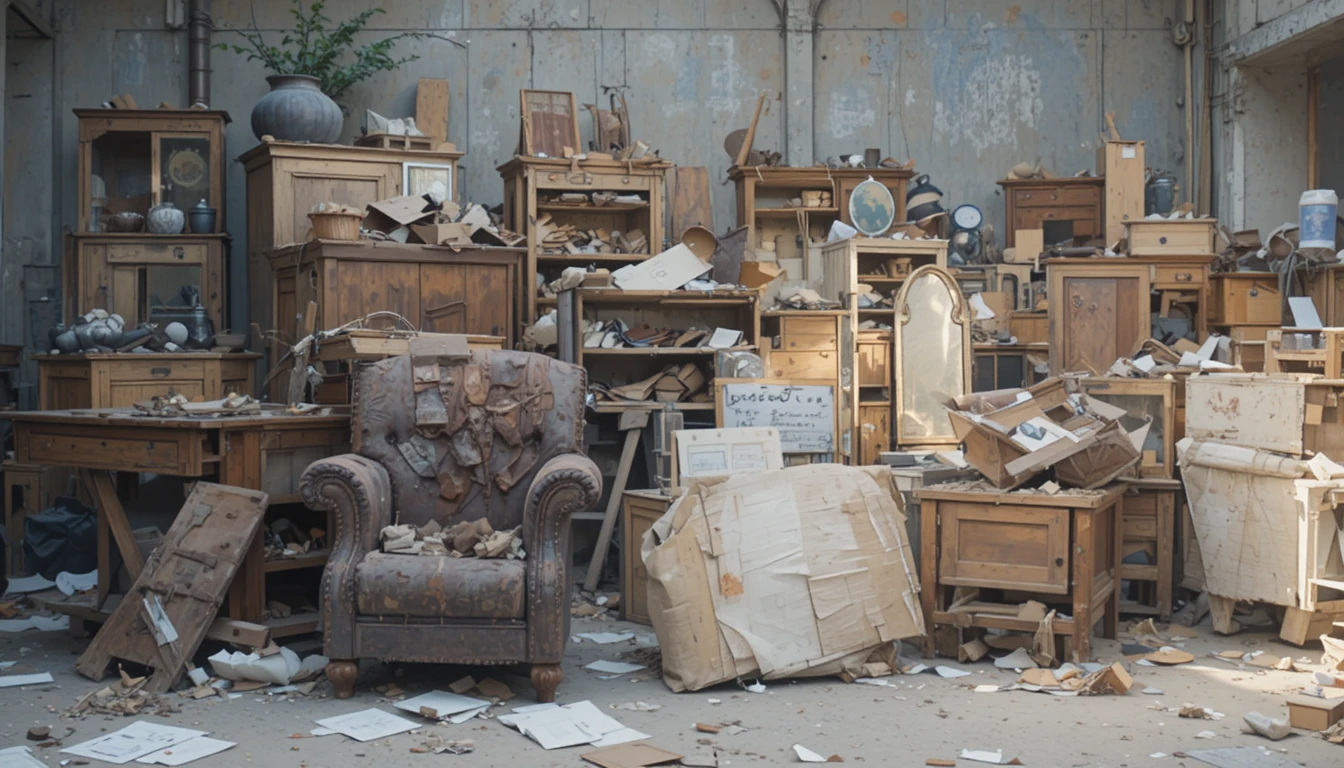
We begin with the essentials: disposing of furniture in Dubai is both practical and regulated. Residents can use municipal services for bulky items, participate in charity donation drives, or engage licensed green removal companies. For non-hazardous bulky waste such as sofas, beds, and wardrobes, Dubai Municipality offers a bulky waste disposal service that accepts large household items a free or low-cost option for residents.
Why does this matter? Because furniture often contains mixed materials wood, metal, foam, adhesives and improper disposal increases landfill volume and environmental risk. We recommend checking the Dubai Municipality guidance before dumping any bulky item in common areas. In many cases, a scheduled bulky-waste pickup or a certified recycler is a better choice.
How to act now: Photograph the item, note dimensions and condition, and choose between donation, collection, recycling, or repair. For collection services, have the item accessible at the curb by the scheduled pickup window. Also, remember that some items (mattresses, electronics, treated wood) may have special handling rules.
Key takeaway: Use municipal bulky collection first, then community donation, and finally certified disposal. Doing so reduces fines, helps neighbors, and supports Dubai’s waste reduction goals.
2. Furniture disposal dubai: Dubai Municipality bulky waste collection
Dubai Municipality runs structured bulky-waste services for householders and communities. Residents may request collection of large non-hazardous items including furniture and appliances through municipal channels. The municipality also promotes waste segregation and reuse platforms to divert items from landfill.
Practical steps we recommend:
- Contact Dubai Municipality via the official help channels (call center, online portal) to schedule bulky pickup. This ensures legal compliance and avoids illegal dumping penalties.
- Prepare items by removing personal belongings and disassembling large pieces where possible.
- Follow segregation rules: separate recyclables (metal frames, wood, glass) from mixed composite items.
- If an item is reusable, list it on the municipality’s exchange/reuse platform before arranging collection this supports circular reuse and may find a taker.
Because the municipality has digital platforms that facilitate exchange of recyclable or reusable materials, we always check those first to give items a second life before disposal.
Why this saves money and hassle: Using official collection prevents fines, ensures proper downstream processing, and often eliminates disposal costs. In short, municipal services are the safest first stop for furniture disposal Dubai.
3. Furniture disposal dubai: Ecofriendly disposal methods
We prefer ecofriendly solutions that prioritize reuse and recycling. The hierarchy is simple: reuse → repair → recycle → responsible disposal. Reuse keeps good items in circulation; repair lengthens life; recycling recovers materials; disposal is last resort.
Options to consider:
- Donation: Local charities often accept serviceable items sofas, tables, and beds after checking hygiene and safety standards.
- Recycling: Metal, untreated wood, and glass components can be separated and sent to recycling centers. Composite pieces often require disassembly.
- Upcycling: Creatively converting parts (e.g., turning a door into a table) reduces waste and can become a hobby or side-income.
- Certified junk removal: Choose companies that provide receipts and documentation showing diversion or recycling.
Concrete benefit: Choosing ecofriendly disposal reduces landfill growth and supports Dubai’s shift toward a zero-waste future; Dubai is accelerating landfill reduction and transforming waste management with long-term goals that affect how furniture is processed.
Quick checklist: Clean, photograph, list/sell/donate, or book an eco-certified pickup. Always ask for proof of recycling if you pay a contractor.
4. Furniture disposal dubai: Donate used furniture in Dubai
Donating used furniture is one of the fastest ways to extend an item’s life while helping local communities. We advise documenting item condition, dimensions, and pickup requirements before contacting charities.
Who accepts donations?
- Registered NGOs, community stores, and online platforms handle many donations. Before donating, confirm acceptance policies some charities only accept mattresses or upholstery that meet hygiene standards.
- Use municipal exchange platforms that connect donors with recyclers or social organizations.
Donation tips to maximize impact:
- Provide clear photos and honest descriptions.
- Offer items for curbside pickup when a local charity or social enterprise offers collection.
- Consider small repairs (tighten screws, clean upholstery) to make donation more likely to be accepted.
By circulating usable furniture, donation reduces demand for new production and supports households in need a practical step toward sustainable living in Dubai.
5. Furniture disposal dubai: Best furniture recycling centers Dubai
We recommend prioritizing certified recycling centers that accept bulky items and e-waste components. Some centers specifically accept separated metals, wood, foam, and fabric; others run refurbishing programs.
How to choose a center:
- Verify licensing and environmental standards.
- Ask for diversion rates: how much of the collected material is recycled vs. landfilled.
- Use municipal lists or official directories to find vetted sites.
If an item contains electronic components (e.g., electrically powered recliners), treat it as e-waste and use dedicated e-waste facilities or collection drives these centers ensure hazardous components are processed safely.
6. Furniture disposal dubai: How to recycle furniture when moving
Moving house is the perfect moment to triage furniture. We advise a room-by-room approach: mark items keep / repair / donate / recycle / dispose.
Steps we recommend:
- Create a spreadsheet with photos and condition notes.
- Prioritize high-value or sentimental items for repair or professional refurbishment.
- Schedule donation pickups or municipal bulky collection at least two weeks before moving.
- For components that can be recycled, pre-disassemble to reduce hauling costs.
- If selling online, stage and photograph items to increase conversion.
By planning, you reduce moving volume, lower transport costs, and avoid last-minute dumping a win for both pockets and the planet.
7. Furniture disposal dubai: Safe disposal of old furniture Dubai
Safety matters: older furniture can contain hazardous materials lead paint, treated wood, polystyrene foam, or electronic parts. We suggest:
- Inspect labels and any hazard tags.
- Isolate items with flammable fillings or chemical treatments.
- Use licensed hazardous waste services for items with suspect components.
If in doubt, contact Dubai Municipality’s waste department for guidance and schedule appropriate collection. Always request proof of correct handling for peace of mind and compliance.
8. Furniture disposal dubai: Ecofriendly junk removal Dubai
When hiring junk removal, demand transparency: we look for companies that document recycling, donation, and proper disposal. Ask for:
- A breakdown of fees.
- A diversion certificate or statement.
- References and reviews.
Eco-minded services will separate materials on site and direct usable items to charities. This reduces landfill burden and often offers the smoothest experience for bulky flows.
9. Furniture disposal dubai: Furniture donation vs disposal
We advise choosing donation whenever possible. Donation takes items out of the waste stream, supports social causes, and often is faster and cheaper than paying a contractor. Disposal is sometimes unavoidable but reserve disposal for irreparable, unsafe, or contaminated items.
Decision factors: condition, safety, hygiene, marketability, and municipal rules. Use photos, honest descriptions, and municipal reuse platforms to maximize donation chances.
10. Furniture disposal dubai: Community furniture recycling programs
Community programs swap events, neighborhood donation drives, and refurb workshops multiply impact. We actively recommend local swap events and community workshops that refurbish or repurpose donated furniture. They turn waste into community resources, and frequently provide training and small business opportunities.
How to participate: watch local municipal calendars, social media neighborhood groups, and official NGO announcements.
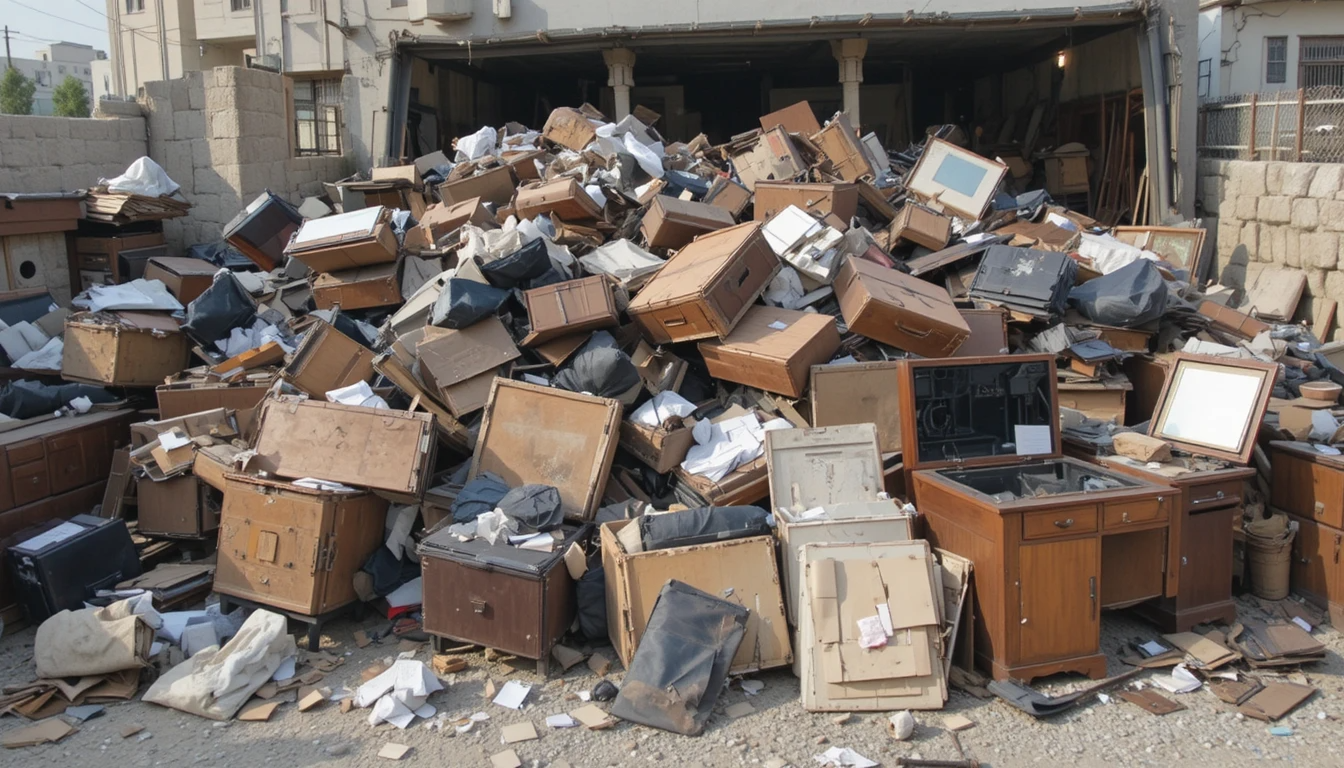
11. Furniture disposal dubai: Green junk removal services in Dubai
Selecting a green mover means checking credentials: licensed waste handling, diversion rates, and partnerships with charities. Look for providers who:
- Offer pre-collection sorting.
- Provide documentation of recycling/donation.
- Are transparent about fees.
A green junk removal company becomes a partner in your sustainability goals.
12. Furniture disposal dubai: Cost-effective sustainable furniture disposal
Budget matters. We show cost-smart strategies:
- Donate or sell items to offset moving costs.
- Disassemble bulky pieces to reduce collection fees.
- Use municipal free bulky collection where available.
- Get multiple quotes from certified removal companies.
If budget is tight, consider upcycling or selling locally rather than paying disposal fees often the cheapest path.
13. Furniture disposal dubai: Streamlining furniture disposal when moving
Timing is crucial. We suggest scheduling donation pickups two to three weeks before moving, confirm recycling or bulky-waste collection one week prior, and leave disposal as a last-day task only for truly unsellable items. This reduces stress and reduces the likelihood of illegal dumping or rushed disposal.
14. Furniture disposal dubai: Low-impact furniture disposal methods
Low-impact choices include donation, reuse networks, selling on online marketplaces, and using licensed recyclers. Remember: small actions compound help build a circular economy by choosing options that keep materials in use longer.
15. Importance of recycling: why furniture matters
Recycling isn’t just about aluminum cans and plastic bottles furniture recycling plays an equally critical role in cutting down landfill waste. Old furniture often contains wood, metal, foam, textiles, and sometimes even electronic parts. When these materials end up in a landfill, they break down slowly, releasing greenhouse gases or leaching harmful chemicals into soil and groundwater. By recycling, we divert these materials back into productive use.
Wood can be chipped and reused as mulch or particle board. Metals can be melted and recast into new products. Even fabrics and foams can be cleaned, processed, and used for insulation or filler in new furnishings. Recycling furniture also reduces the demand for raw materials, which means fewer trees cut down and less energy spent on mining or manufacturing.
In Dubai, where construction and urban growth constantly push waste levels upward, recycling furniture is one of the smartest ways to align personal actions with city-wide sustainability goals. Municipal initiatives, recycling centers, and private recyclers increasingly offer solutions that make recycling accessible. Many residents overlook how simple it is: separating materials during disposal or working with companies that provide recycling documentation.
16. Waste reduction strategies for homes and landlords
Waste reduction starts at home, and landlords who oversee multiple properties can have an outsized influence. Instead of waiting for disposal day, the focus should be on designing living spaces and rental agreements that encourage less waste from the start.
For households, this means adopting smart purchasing habits. Buying durable, timeless furniture instead of trendy, short-lived pieces reduces the rate at which items are discarded. Repairing instead of replacing, and creatively repurposing old furniture for new uses, are simple but effective tactics.
For landlords, offering unfurnished rentals or investing in long-lasting, easy-to-maintain pieces significantly reduces turnover waste. When tenants leave, less unwanted furniture remains behind. Landlords can also include clauses in rental agreements that encourage responsible disposal for example, requiring tenants to use municipal bulky waste services or donate items instead of dumping them.
Community-wide strategies also matter. Shared recycling bins, furniture donation drives, and awareness campaigns in residential complexes encourage residents to take action. Landlords who partner with local NGOs or Dubai Municipality services can establish collection days, making recycling or donation more convenient than illegal dumping.
17. Sustainability advocates and NGOs in Dubai
Dubai has become a hub for sustainability initiatives, thanks in part to active NGOs and advocacy groups that champion waste reduction, recycling, and eco-conscious living. These organizations bridge the gap between government policy and community practice, ensuring that residents understand and adopt responsible disposal habits.
Several NGOs focus directly on furniture disposal and recycling. They organize donation drives, collect reusable items, and refurbish furniture for low-income families. This not only diverts usable products from landfill but also creates a social safety net for households in need. By refurbishing donated furniture, NGOs extend product lifespans and reduce demand for new manufacturing.
Advocacy groups also run awareness campaigns highlighting the environmental costs of improper disposal. For example, they might educate residents about hazardous chemicals in treated woods or foams and encourage safe disposal through certified services. Some groups partner with schools and universities to host workshops on upcycling techniques, inspiring younger generations to see waste as an opportunity rather than a burden.
18. DIY furniture upcycling techniques: quick wins, Furniture disposal dubai
Upcycling furniture is both creative and practical, offering quick wins for homeowners who want to save money and reduce waste. With just a few tools and imagination, old furniture can be given a second life.
A basic technique is repainting. A fresh coat of paint or wood stain can transform a tired-looking chair or table into a stylish centerpiece. Adding new hardware, such as handles, knobs, or legs, is another fast way to modernize furniture. For example, replacing standard cabinet handles with brass pulls instantly adds a contemporary touch.
Reupholstery is another powerful method. A faded armchair can be revitalized with new fabric, turning it into a conversation piece. For beginners, slipcovers offer a low-skill alternative. Even simple cushion swaps can completely change a sofa’s appearance.
For those with basic carpentry skills, repurposing is exciting. An old ladder can be turned into a bookshelf, a wooden door into a dining table, or a dresser into a bathroom vanity. These transformations don’t just save furniture from landfill; they also create unique pieces that can’t be found in stores.
19. How to refurbish old furniture: Furniture disposal Dubai, tools and steps
Refurbishing old furniture is a practical way to preserve quality, reduce waste, and create unique pieces that last for years. Unlike quick upcycling projects, refurbishing often involves deeper restoration to bring furniture back to its original beauty.
Essential tools include sandpaper or an electric sander for removing old finishes, screwdrivers and wrenches for tightening or replacing hardware, wood filler for repairing cracks, and paintbrushes or sprayers for applying new coatings. A staple gun and fabric scissors are must-haves for upholstery work. Safety equipment gloves, goggles, and masks protects against dust and fumes.
Step one: Assess condition. Before starting, inspect the furniture for structural damage. A wobbly table leg or broken joint should be fixed first. Tighten screws, replace missing nails, and check for signs of rot or pests.
Step two: Strip and clean. Remove old paint, varnish, or upholstery. Sand the wood to reveal a clean surface. For upholstered items, strip down to the frame if necessary. Cleaning ensures new finishes adhere properly.
Step three: Repair and reinforce. Fill cracks with wood filler, replace damaged parts, and reinforce weak joints with glue or brackets. At this stage, consider upgrading hardware like hinges, knobs, or handles.
Step four: Refinish. Apply primer, paint, or wood stain, depending on the desired look. Seal with varnish or wax for durability. For upholstery, replace old foam and fabric, then staple securely.
Step five: Reassemble and polish. Put the piece back together, add final touches, and polish metal or wood surfaces.
20. How to downsize before moving: a room-by-room method
Downsizing before a move can feel overwhelming, but breaking the process down room by room makes it manageable. The key is to simplify your belongings while ensuring the essentials move with you.
Start with the least emotional rooms. Begin in spaces like storage areas, guest rooms, or laundry rooms. These usually contain items you can easily part with, such as duplicates or forgotten belongings.
Living room: Focus on large furniture first. Decide whether sofas, entertainment units, or coffee tables will fit your new space. Donate or sell anything that won’t. Decorative items like lamps or vases should be chosen selectively to avoid clutter.
Kitchen: Sort through appliances, utensils, and pantry items. Keep versatile tools and donate rarely used gadgets. Check expiration dates and dispose of expired goods responsibly.
Bedrooms: Clothing often accumulates quickly. Apply the “one-year rule”: if you haven’t worn it in the last year, donate it. For furniture, measure your new bedroom and only keep what fits comfortably.
Bathrooms: These are usually filled with expired cosmetics, half-used products, or duplicate toiletries. Recycle plastic containers and discard expired items.
Garage or storage: These spaces often hold the hardest-to-tackle clutter. Group items into categories: tools, sports equipment, seasonal décor. Keep what you regularly use and sell or donate the rest.
Throughout each room, label items keep, donate, sell, recycle, or dispose. This simple sorting system reduces decision fatigue. Use boxes or colored stickers to keep track.
21. Responsible waste management: rules that matter
Responsible waste management in Dubai is more than a personal choice; it’s a legal requirement. The emirate enforces strict waste handling rules to maintain public health, reduce landfill usage, and promote sustainability.
Household waste segregation is one of the most important rules. Residents are encouraged and in some areas required to separate recyclables (plastic, glass, metal) from general waste. Furniture and bulky items must never be left in hallways or public spaces without scheduling collection through the municipality.
Illegal dumping is heavily penalized. Dumping furniture in empty lots, on roadsides, or in common areas can result in fines. Residents are encouraged to use official reporting channels to flag such activities.
Hazardous waste regulations cover items such as treated wood, electronics, or upholstery containing chemicals. These must be disposed of through licensed contractors or specialized facilities. Dubai Municipality provides guidelines for identifying and handling such waste.
Businesses and landlords also carry responsibilities. They must provide waste collection points, encourage recycling, and contract licensed services for bulk or hazardous disposal. Construction and demolition waste, which often includes furniture, must be processed at approved recycling plants.
22. How to organize before a move: checklists and timing
Organization is the cornerstone of a stress-free move. Without structure, moving quickly devolves into chaos misplaced items, rushed packing, and unnecessary clutter. A clear checklist and timeline make the process manageable.
Eight weeks before moving: Begin decluttering. Sort items into categories: keep, donate, sell, recycle, dispose. Research moving companies and book early, especially if you need eco-conscious movers.
Six weeks before moving: Create an inventory list. Take photos of valuable items for insurance purposes. Begin using up pantry food and cleaning supplies to reduce what you transport.
Four weeks before moving: Confirm moving services and arrange bulky item disposal with Dubai Municipality if needed. Order packing supplies like boxes, tape, and labels.
Two weeks before moving: Start packing non-essential items. Label boxes by room and contents. Prepare a box of essentials toiletries, basic kitchenware, chargers to keep with you.
One week before moving: Disassemble large furniture that won’t be donated. Confirm donation pickups or recycling schedules. Update addresses with banks, utilities, and subscriptions.
Moving day: Have all boxes labeled and ready. Ensure fragile items are securely packed. Walk through the home to confirm nothing is left behind.
After the move: Unpack essentials first. Gradually settle each room to avoid feeling overwhelmed. Dispose of packing materials responsibly through recycling or reuse.
23. What to keep when moving: a decision framework
One of the hardest parts of moving is deciding what stays and what goes. To avoid regret and reduce clutter, use a structured decision framework that blends practicality with sentiment.
Step one: Evaluate utility. Ask yourself have you used this item in the past year? If not, it may not be worth the space. Items with daily or weekly use should be prioritized.
Step two: Assess condition. Furniture that is broken, unstable, or requires expensive repair often costs more to keep than replace. Only transport pieces in good condition or with reasonable repair potential.
Step three: Consider fit. Will the item fit in your new home both physically and stylistically? A bulky sectional sofa might overwhelm a smaller living room. Measure doorways, room dimensions, and compare with your furniture sizes before deciding.
Step four: Sentimental value. Not all decisions can be purely logical. Some pieces a family heirloom, a baby crib, or a desk where you built your career hold deep meaning. Keep select sentimental items, but be careful not to let emotion justify everything.
Step five: Replacement cost. If the cost of moving exceeds the cost of repurchasing, it’s smarter to let the item go. This often applies to inexpensive flat-pack furniture, which can be replaced cheaply after relocation.
Step six: Sustainability impact. Before discarding, check donation, recycling, or resale options. Passing items along ensures they remain useful and supports Dubai’s eco-conscious living initiatives.
24. Ecofriendly disposal methods for hazardous furniture
Hazardous furniture disposal requires special attention. Many people don’t realize that older or specialized furniture can contain dangerous substances, and dumping them with regular waste can harm both people and the environment.
What qualifies as hazardous? Items painted with lead-based paint, furniture treated with toxic varnishes, flame-retardant foam, and pieces with embedded electronics fall under this category. Even pressed wood can emit formaldehyde if not properly managed.
Ecofriendly methods include:
- Certified hazardous waste contractors: Licensed companies can safely transport and process hazardous materials. They follow strict regulations to neutralize harmful substances.
- Municipal collection programs: Dubai Municipality occasionally offers hazardous waste collection campaigns or directs residents to approved facilities.
- Material separation: If feasible, separate non-hazardous parts (wood frames, metal hardware) from hazardous elements, ensuring only the dangerous components require specialized disposal.
Best practices:
- Clearly label items as hazardous when scheduling pickup.
- Never burn treated wood or foam, as this releases toxic fumes.
- Wear protective gear when handling potentially hazardous furniture.
25. Electronic waste disposal Dubai: separating e-waste
Electronic waste, or e-waste, is one of the fastest-growing waste streams in Dubai. Furniture embedded with electronic parts such as massage chairs, electric recliners, or desks with charging ports requires special disposal. Treating these items as regular furniture leads to hazardous leaks of heavy metals, plastics, and batteries.
Step one: Identify e-waste. Check for plugs, wires, batteries, or circuit boards. Anything with electrical functionality counts as e-waste.
Step two: Remove electronics where possible. For example, detach the motor from a recliner or remove a built-in lamp from a desk. This allows you to recycle the non-electronic components separately.
Step three: Use official e-waste collection points. Dubai has dedicated facilities and campaigns for electronics. Residents can drop off small e-waste items at collection bins in malls or supermarkets, while larger items can be scheduled for pickup with authorized recyclers.
Step four: Partner with licensed companies. Several private waste management firms in Dubai specialize in e-waste. They dismantle items safely, recovering metals like copper, aluminum, and even gold from circuits.
Why separation matters: E-waste contains toxic elements such as lead, mercury, and cadmium. When left in landfills, these substances leach into soil and water. Recycling prevents pollution and recovers valuable raw materials.
26. Upcycling furniture for profit: market tips
Upcycling isn’t just a hobby in Dubai, it can also be a profitable venture. With a growing appetite for eco-conscious living and unique home décor, there is a strong market for repurposed furniture.
Identify trends. Minimalist designs, vintage styles, and industrial aesthetics are popular among buyers. An old wooden dresser, when painted with chalk paint and fitted with new handles, can sell quickly to style-conscious residents.
Control costs. Profitability depends on sourcing free or cheap furniture. Keep an eye on community donation drives, online marketplaces, and bulky waste pickup schedules to find items others discard.
Add unique value. Buyers are drawn to originality. Convert pallets into outdoor seating, repurpose ladders into shelves, or turn reclaimed wood into coffee tables. Document the process to show craftsmanship.
Marketing strategies:
- Use high-quality photos in natural light.
- Write detailed descriptions, highlighting the ecofriendly angle.
- Sell through platforms popular in Dubai, such as Dubizzle, Facebook Marketplace, or Instagram shops.
Pricing: Start low to build reputation, then gradually raise prices as demand grows. Always include your time, material costs, and delivery or pickup arrangements when setting prices.
Safety note: Ensure refurbished items are stable and safe. A wobbly chair or poorly assembled bookshelf can harm your reputation.
With creativity, upcycling transforms waste into opportunity. Not only do you earn, but you also reduce landfill waste and support Dubai’s circular economy. For many, it becomes more than a side hustle it evolves into a meaningful, sustainable business.
27. Role of NGOs in waste management and furniture disposal
Non-Governmental Organizations (NGOs) play a critical role in bridging the gap between residents, businesses, and government initiatives for waste management in Dubai. Their efforts extend beyond awareness campaigns into practical, hands-on solutions that directly impact furniture disposal.
Many NGOs collaborate with local municipalities to organize community recycling programs and furniture donation drives. These events encourage residents to give their unwanted items a second life rather than sending them to landfills. For example, NGOs often partner with charities that refurbish gently used furniture before redistributing it to families in need, ensuring both social and environmental benefits.
In addition to donations, NGOs also provide education on responsible waste management. Workshops, community events, and online guides help people understand the consequences of improper disposal and highlight ecofriendly disposal methods. By empowering individuals with knowledge, NGOs cultivate long-term behavioral change rather than temporary fixes.
28. Eco-conscious moving services in Dubai
Moving to a new home in Dubai doesn’t have to mean excessive waste. Eco-conscious moving services now cater to residents who want to relocate responsibly. These specialized movers integrate sustainability principles into every aspect of their operations, ensuring minimal environmental impact.
Packing materials are a prime example. Traditional movers rely heavily on single-use plastic wraps and boxes. Eco-conscious movers, on the other hand, offer reusable crates, biodegradable wraps, and recycled cardboard boxes. This reduces unnecessary plastic waste while keeping belongings secure.
Furniture disposal solutions are often bundled with their services. Instead of simply dumping items you no longer need, these movers provide access to donation networks, recycling centers, and resale channels. They ensure that unwanted furniture is diverted to the most sustainable outlet available.
Fuel-efficient logistics further enhance their eco credentials. Many companies now use optimized route planning and, in some cases, hybrid or electric vehicles to reduce carbon emissions.
29. Tips for eco-friendly decluttering in Dubai
Decluttering doesn’t just lighten your load it also shapes a sustainable lifestyle. When approached with eco-friendly strategies, decluttering in Dubai becomes a meaningful step toward responsible living.
Start with a plan. Go room by room using a decluttering checklist. This prevents overwhelm and ensures you evaluate every item carefully.
Separate categories. Create four piles: keep, donate, recycle, and sell. This system ensures that items are directed to their most appropriate next step. For instance, gently used furniture can be donated, while broken wooden pieces might be sent to recycling centers.
Prioritize donation. In Dubai, many local NGOs and community programs accept used furniture and household items. Donating helps families in need while reducing waste.
Resell for value. Online platforms like Dubizzle or community swap events are ideal for selling furniture. Use professional-quality photos and detailed descriptions to attract buyers.
Recycle responsibly. Hazardous or electronic items should never be tossed into general garbage. Use Dubai’s authorized e-waste and hazardous waste facilities to ensure safe disposal.
Minimize new purchases. Decluttering isn’t effective if you immediately replace old items with new ones. Adopt mindful consumption habits by only buying what you truly need.
Emotional decluttering. Many people struggle with sentimental items. The best approach is to keep a few meaningful pieces while letting go of duplicates or items with no practical use. Remember, memories live within us not just within objects.
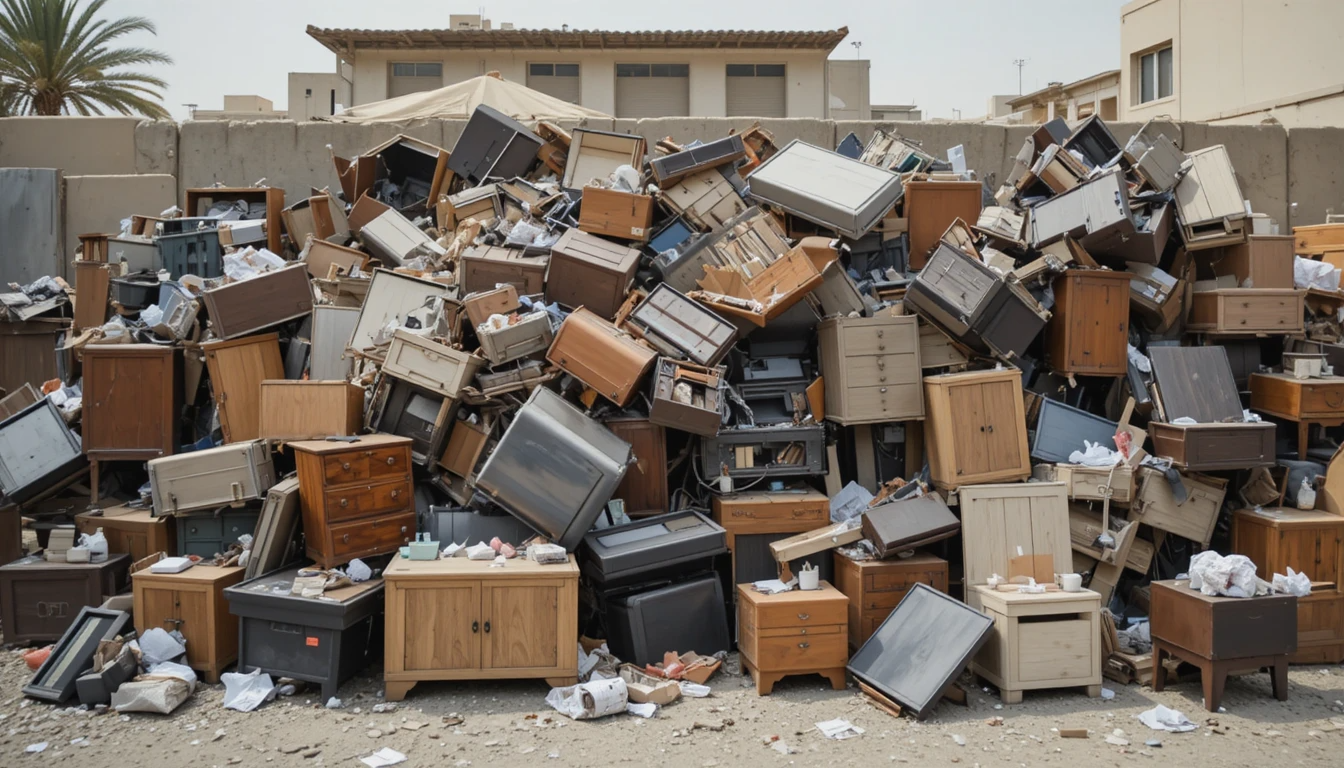
30. Real estate agents and home staging: decluttering insights
When selling a home in Dubai, presentation is everything. Real estate agents emphasize decluttering and staging because these steps directly influence buyer perceptions and property value.
Decluttering before sale helps create a spacious, inviting atmosphere. Buyers need to imagine themselves in the home, which is difficult when rooms are crowded with personal belongings or outdated furniture. By removing excess items, the property appears larger and more appealing.
Home staging goes a step further. Agents often recommend replacing bulky or worn furniture with stylish, minimalist pieces sometimes rented specifically for showings. This strategy highlights the property’s best features while downplaying flaws.
Furniture disposal services play a role here. Sellers may need to remove old furniture quickly, and ecofriendly disposal methods ensure compliance with Dubai’s waste regulations. Many agents partner with professional decluttering services or green junk removal providers to streamline the process.
Emotional challenges are common when sellers must part with long-held items. Agents often guide clients through these decisions, providing checklists and strategies for tackling sentimental clutter. They frame decluttering not as loss, but as preparation for a new chapter.
Market trends in Dubai also drive the importance of decluttering. With increasing competition, staged and well-presented homes sell faster and at higher prices. Decluttered, neutral spaces photograph better for online listings a crucial factor since most buyers view properties digitally before visiting.
31. Real estate agent strategies for decluttering disputes: Furniture disposal dubai
Selling a home is often stressful, and disagreements about what to keep or remove are common. Real estate agents in Dubai are well-versed in navigating these decluttering disputes to ensure a smooth sales process.
One common scenario arises when family members have conflicting opinions. For example, one partner may want to keep a bulky sofa for sentimental reasons, while the other wants it removed to make the living room look more spacious. Agents act as mediators, helping both sides see the property through a buyer’s eyes.
Strategies agents use include:
- Visual demonstrations: They may show before-and-after staging photos to prove the impact of decluttering on market value.
- Neutral third-party services: By hiring professional declutterers or ecofriendly furniture disposal services, the decision feels less personal and more objective.
- Data-driven advice: Agents often cite statistics showing staged, clutter-free homes sell faster and at higher prices, helping clients view decluttering as an investment.
- Compromise solutions: Instead of discarding everything, items can be placed in short-term storage until after the sale. This balances emotional attachment with practical needs.
32. Success stories: homes sold after decluttering
Decluttering has repeatedly proven to be a game-changer in Dubai’s real estate scene. Countless success stories highlight how removing excess furniture and embracing sustainable disposal methods lead to faster sales and higher returns.
One villa in Jumeirah sat on the market for months without serious interest. The living areas were filled with oversized furniture, making the property appear smaller. After a professional decluttering service removed unnecessary items and replaced them with minimalist staging, the home sold within three weeks at a price 12% above the initial valuation.
In another case, a Downtown Dubai apartment showcased mismatched furniture and cluttered closets. The sellers worked with an eco-conscious moving company that helped donate unwanted pieces and recycle broken ones. The transformed space looked brighter and more spacious in photographs, attracting multiple offers within days of listing.
Key themes across success stories include:
- Buyer imagination unlocked: Clear, clutter-free rooms help buyers envision their own furniture in the space.
- Faster decision-making: Well-staged homes reduce buyer hesitation, leading to quicker transactions.
- Higher perceived value: Decluttering signals a well-maintained property, giving sellers leverage in negotiations.
33. Understanding buyers’ needs: the importance of decluttering
Modern buyers in Dubai are more discerning than ever. They expect homes to reflect both practicality and lifestyle aspirations. Decluttering directly addresses these needs by creating spaces that appear functional, stylish, and adaptable.
Buyers want to see clean lines, open spaces, and flexibility. A cluttered room sends the message that storage is inadequate or that the property has been poorly maintained. Conversely, decluttered spaces convey efficiency and potential.
Psychological factors also play a role. Buyers often make emotional decisions. Walking into a tidy, organized home feels calming, while clutter can trigger stress or doubt. Decluttering, therefore, becomes a silent sales tool that influences buyer perception without words.
Sustainability is another growing concern. Many buyers are eco-conscious and prefer sellers who practice responsible waste management. When they see evidence of donated furniture or recycled items, they feel aligned with the seller’s values. This alignment can tip the scales in negotiations.
34. Sustainable furniture recycling practices
Sustainable furniture recycling is at the core of Dubai’s vision for environmentally responsible living. Rather than treating old furniture as waste, recycling practices aim to recover materials, reduce landfill strain, and extend the life cycle of resources.
Key practices include:
- Material recovery: Wooden furniture can be dismantled, with timber reused for new products or repurposed into reclaimed wood furniture. Metal frames are melted down and reused in manufacturing.
- Donation before recycling: Items in good condition are donated to NGOs, community programs, or secondhand markets before recycling is considered.
- Hazardous waste handling: Pieces containing chemicals or electronics are carefully separated and processed at specialized facilities.
- Creative upcycling: Community workshops often turn discarded furniture into stylish, modern pieces, reducing the demand for virgin materials.
Dubai’s recycling centers and waste management firms are increasingly adopting circular economy principles, ensuring that disposal is a last resort. By promoting reuse and material recovery, they align with the city’s Zero Waste Initiative.
35. Innovative furniture design and upcycling trends
Furniture design in Dubai is increasingly influenced by sustainability and creativity. Upcycling trends have moved from niche projects to mainstream design, reshaping how residents view old furniture.
Popular trends include:
- Industrial chic: Using reclaimed wood and metal for a raw, urban look.
- Vintage redesign: Transforming classic furniture with modern touches like fresh paint, new upholstery, or bold hardware.
- Multifunctional pieces: Upcycled furniture that serves multiple purposes, such as a coffee table that doubles as storage.
- Children’s furniture repurposing: Old dressers converted into toy storage or study desks.
Community-driven innovation is also on the rise. Workshops and swap events in Dubai encourage residents to bring in old furniture for redesign. These initiatives not only reduce waste but also build creativity and craftsmanship among participants.
Conclusion
We have laid out a clear, actionable roadmap for furniture disposal Dubai: prioritize donation, use municipal bulky-waste services, choose certified recyclers for complex items, and consider upcycling where feasible. By planning ahead especially when moving you lower costs, avoid fines, and make a positive environmental contribution. Think of decluttering as gardening: prune with intention and the living parts will flourish.
Frequently Asked Questions
1. How do I arrange bulky furniture pickup with Dubai Municipality?
Contact Dubai Municipality through their official portal or call their helpline to schedule a bulky waste collection; follow the preparation guidelines and segregation rules provided.
2. Where can I donate used furniture in Dubai?
Many registered charities, social enterprises, and municipal exchange platforms accept usable furniture. Check requirements with the organization before scheduling pickup or drop-off.
3. Are there fees for furniture disposal in Dubai?
Municipal bulky collection is often free for residents for non-hazardous items, while private removal services vary by volume and distance. Always ask for an itemized quote and diversion documentation.
4. How should I dispose of furniture containing electronic components or batteries?
Treat these as e-waste and use certified e-waste recycling centers or collection drives to ensure safe handling of hazardous components.
5. What do I do if I see illegal dumping in my neighborhood?
Report the incident via Dubai’s official reporting platforms (including the Amanah service) with photos and location details so authorities can act.
Trusted Junk Removal Services in Dubai for Homes & Businesses
In Dubai?
Address: Office No.101, 10th Floor, Al-Shafar Tower, Business Bay, Dubai.
Google Map Location
Read More: Junk Removal Service Guide | Affordable & Ecofriendly