
Old Washing Machine Disposal Guide: Eco & Local Options
Old Washing Machine Disposal: Complete Guide to Responsible, Eco-Friendly Choices
Introduction
We know that an old washing machine disposal is more than hauling a heavy appliance to the curb. It’s about protecting our environment, saving valuable materials, and often avoiding fees or fines. In this guide, we walk you through every step from safe prep and dismantling, to locating local recycling centers to creative upcycling ideas. Think of an old washer like a retired ship: its metal, motor, and drum still have purpose if steered the right way. Below is a structured Table of Contents so you can jump to the exact help you need.
1. What is old washing machine disposal, and why does it matter
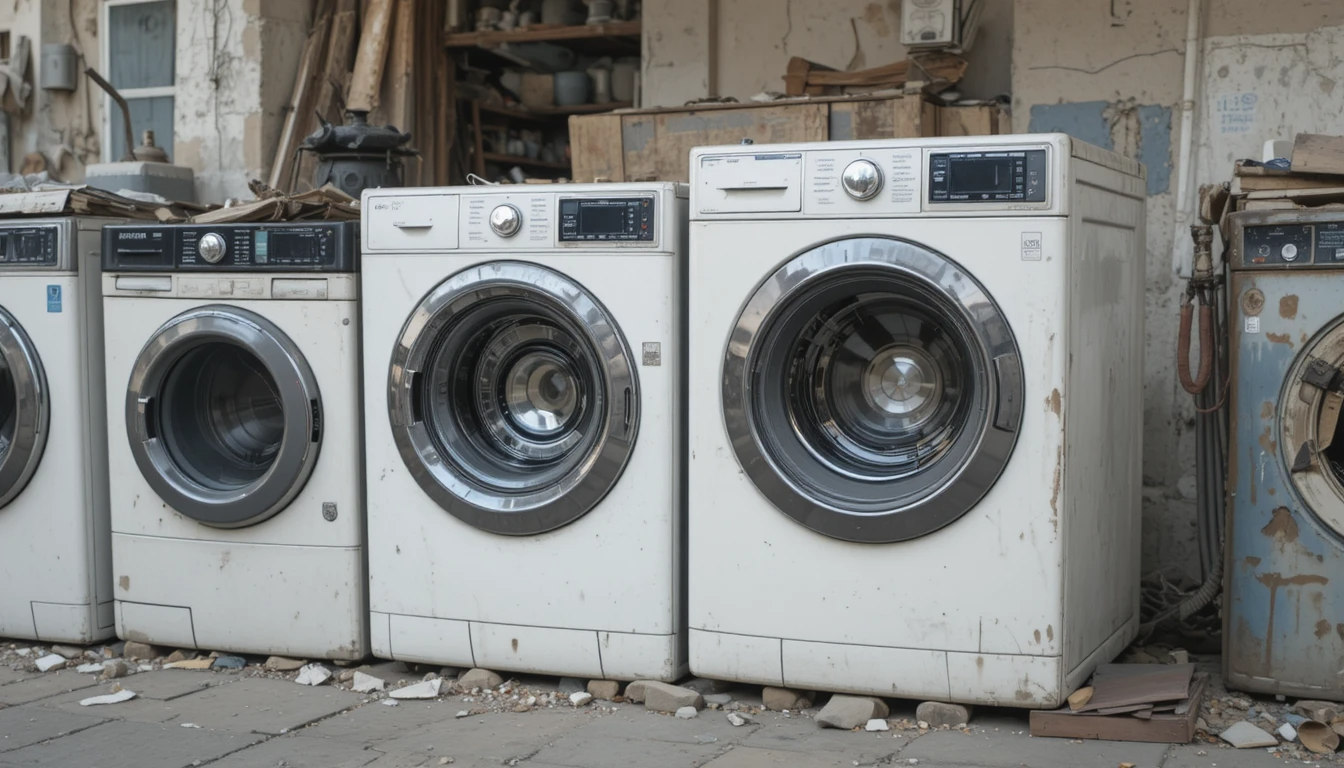
Old washing machine disposal means retiring a washer in a way that minimizes environmental harm and maximizes material recovery. When we dispose of washers responsibly, we keep heavy metals, plastics, and coolants out of landfills and conserve the energy that would otherwise be used to mine and manufacture new materials. Imagine a washing machine as a mini scrapyard: steel, copper, aluminum, and electronic controls inside are valuable. By choosing recycling or donation, we reduce greenhouse gas emissions, lower demand for virgin resources, and often avoid municipal fines. We also preserve community aesthetics and reduce hazardous waste risks. Responsible disposal supports circular economy goals, turning a retired appliance into raw material for tomorrow.
2. How to prepare an old washing machine for disposal
Before scheduling pickup or dropping off, preparing your old washing machine for disposal saves time and prevents accidents. First, disconnect water and power: shut off water supply valves, unplug the machine, and run a short spin to clear residual water. Remove hoses and clamp them to prevent leaks during transport. Empty detergent drawers and any trapped items. Label any control panels if the unit is to be donated or refurbished. If scrapping, remove loose parts (detergent cups, lint) to help recyclers sort materials. Tape the door closed on front-loaders so the drum doesn’t swing. Finally, photograph the appliance for records; many pickup services require photos to confirm condition and size. Proper prep reduces pickup delays and may lower disposal fees.
3. How to dismantle a washing machine safely
How to dismantle a washing machine requires safety, the right tools, and basic mechanical sense. If you plan to salvage parts, wear gloves, eye protection, and sturdy footwear. Start by unplugging and draining all water. Remove the back panel to access the motor, belt, and control box. Unscrew the motor mounting bolts and carefully disconnect the electrical connectors. Note or photograph wiring for reassembly. Remove the drum by unbolting suspension springs or shock absorbers (front-loaders) or lifting the inner tub out of the outer shell (top-loaders). Use a multimeter to ensure capacitors are discharged before touching electronic boards. Keep small parts in labeled bags. If you’re not confident, leave dismantling to certified recyclers improper disassembly can expose hazardous components and void local disposal rules.
4. Removing washing machine hoses: quick guide
Removing washing machine hoses is straightforward but essential to avoid leaks and water damage. First, turn off both the hot and cold supply valves at the wall. Place a towel or bucket under the connections to catch residual water. On flexible hoses, unscrew the connectors by hand or with pliers, turning counterclockwise. For threaded brass fittings, use two wrenches, one to hold the faucet and the other to turn the hose to avoid twisting plumbing. Inspect hoses for cracks; damaged hoses should be recycled with the machine. Securely cap the house plumbing if required by local codes. Remember: do not discard oily or contaminated hoses with general trash in areas where recycling centers accept them separately.
5. How to unplug the washing machine safely
Safety first: How to unplug a washing machine safely reduces shock risk. Switch off the machine and unplug from the outlet by pulling the plug; never yank the cord. If the outlet is controlled by a switch or breaker, turn off the power at that source before unplugging. For hardwired units, do not attempt disconnection unless you are a licensed electrician; instead, request professional servicing or a certified pickup. If the plug is damaged, tape the cord and note the hazard to the recycling or pickup company. Keep children and pets away during unplugging and transport. Properly disconnecting power protects you and the recycling team and ensures the appliance can be safely evaluated for reuse or recycling.
6. Cleaning the washing machine before disposal
A clean appliance is easier to donate or recycle. Cleaning the washing machine before disposal means removing residue, mildew, and detergents that could create odors or attract pests. Run an empty hot water cycle with a cup of white vinegar to remove buildup, then wipe seals, detergent drawers, and exterior surfaces. Remove and clean the lint filters and leave the door open to dry for 24 hours. For machines with residual oil or grease (from motors or belts), dab with absorbent pads and dispose of pads according to local hazardous waste rules. Clean machines are more appealing to charities and increase the chance of reuse, which is both cost-effective and eco-friendly.
7. Hazardous materials in washing machines
Although washing machines aren’t typically classified as hazardous like battery-powered electronics, hazardous materials in washing machines can exist. Some older units may contain PCB-containing capacitors, refrigerants in combined washer-dryer units, or oil in motors and gearboxes. Lubricants can contaminate soil if left in landfills. Electronic control boards may contain small amounts of heavy metals. That’s why certified recycling facilities follow protocols to extract and safely handle these elements. If you suspect your washer holds hazardous components, especially if it’s several decades old, prioritize a certified recycler or municipal hazardous waste event to ensure safe, compliant disposal.
8. Where to recycle washing machines near me
Looking for where to recycle washing machines near me? Start with municipal recycling programs. Many cities list appliance drop-off locations on their websites. Local scrap yards and metal recyclers accept washers for steel and copper recovery. Large retailers often offer takeback or haul-away services when you purchase a new appliance. Nonprofit organizations may accept working units for donation. Use online search directories or call your city’s waste management hotline with your ZIP code for the closest options. Always check if the recycler is certified and whether they offer pickup, drop-off, or free pickup to avoid surprises during scheduling.
9. Local recycling centers for appliances: how to find them
To find local recycling centers for appliances, we recommend three steps: 1) check your municipal website for recycling or bulk-waste pages; 2) search regional scrap metal yards that list appliance acceptance; 3) use national directories from environmental nonprofits. When calling, ask about accepted items, proof of residence, fees, and whether they separate electronics from metal. Some centers offer same-day drop-off or scheduled bulk pickup. Confirm hours and whether an appointment is required. Local centers are a quick route to keep appliances out of landfills and ensure valuable metals are recovered.
10. Appliance recycling programs near me: what to expect
Appliance recycling programs near me often vary: many accept washers for a fee or free of charge if there’s a manufacturer take-back. Expect to provide proof of residence and possibly pay a handling fee. Programs may remove hazardous components, shred metal, and route plastics for recovery. Pickup programs will want machine dimensions and condition; some require photos. If your washer still works, donation programs can collect it for refurbishment commonly the most sustainable choice. Ask about certificates of recycling if you need documentation for local compliance or incentives.
11. Appliance recycling locations with free pickup
Free pickup for appliances exists but is limited. Check retailer takeback programs: when you buy a new washer, many retailers will haul away your old unit at no cost. Municipal programs sometimes run seasonal free bulk pickups. Some charities offer free pickup for working machines destined for donation. To find appliance recycling locations with free pickup, contact your local waste management agency or search for retailer and nonprofit listings. Be ready to schedule early; these services have limited capacity, and demand spikes during tax-season moves and neighborhood cleanups.
12. Washing machine recycling services & pickup options
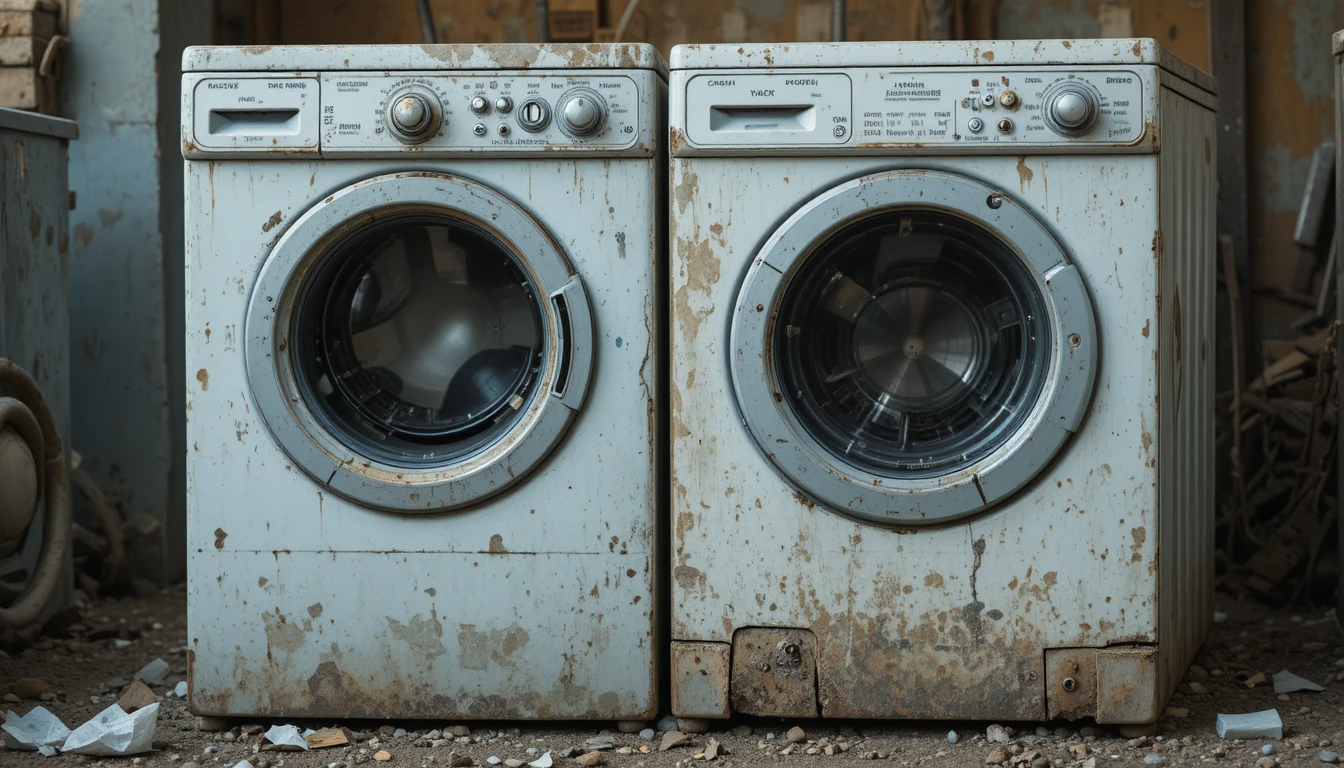
Washing machine recycling services can be full-service (disconnect, haul, recycle) or drop-off. Full-service companies will disconnect hoses and power, remove the appliance, and provide disposal documentation. Pickup options include curbside bulk collection, scheduled municipal pickups, and private haulers. Fees depend on distance, weight, and whether hazardous parts require separate handling. Always request a cost estimate and ask if they recycle components or simply landfill the unit. Choose services that partner with certified recyclers, which ensures metals and electronics are processed responsibly.
13. Junk removal for old washing machines: pros and cons
Using junk removal companies is convenient, but there are tradeoffs. Pros include fast pickup, on-demand service, and minimal effort. Many junk haulers will remove the washer from inside your home and handle disposal. Cons: higher costs, variable recycling practices (some may landfill rather than recycle), and less documentation of recycling compared to certified centers. We advise asking junk haulers how they process appliances and requesting proof of recycling if that’s important. For eco-conscious disposal, pair junk removal with a recycler that provides certificates or uses verified downstream processors.
14. Free appliance recycling: how to qualify
Free appliance recycling programs make old washing machine disposal simple and affordable when you meet specific conditions. Most municipal governments or utility companies occasionally organize appliance recycling events where residents can drop off washers at no charge. Many large retailers and manufacturers also offer free haul-away services when you buy a new machine, often part of their take-back or energy-efficiency rebate programs. Charities may collect operational units for redistribution to families in need, while scrap yards sometimes waive fees for washers with high-metal content. To qualify, ensure your machine is clean, accessible, and free of water or detergent. Call ahead to confirm eligibility, pickup radius, and required documentation. Photographing the appliance can streamline approval for free pickup. Remember that eco-friendly appliance recycling services often prioritize working or mostly intact washers, since salvaging metals and motors is easier when parts remain assembled. Choosing these free programs not only saves disposal costs but supports circular-economy practices that keep valuable materials in use and prevent unnecessary landfill waste.
15. Washing machine donation charities and guidelines
Donating your washer turns an old washing machine disposal into a community benefit. National and local charities such as Habitat for Humanity ReStores, Salvation Army, or regional thrift networks frequently accept functioning washers. Each organization has specific appliance donation guidelines: machines must be safe, free from leaks, and under a certain age (often 10 years). Some charities provide free appliance recycling pickup within set ZIP codes, while others require drop-off. Always clean the unit and include hoses or manuals if possible. Request a donation receipt it may qualify for tax deductions depending on your jurisdiction. Donating helps reduce landfill contributions, offers low-income households affordable appliances, and extends the washer’s lifecycle, one of the most sustainable outcomes possible. Even if the appliance isn’t fully operational, some charities partner with local recycling centers to reclaim usable parts. Before scheduling collection, verify safety certifications and availability to avoid rejected items at the curb. In short, donation is the most human-centered form of eco-friendly appliance disposal.
16. Appliance return policy and manufacturer take-back
An often-overlooked route for old washing machine disposal is the appliance return policy offered by manufacturers or retailers. Many major brands now provide take-back programs in compliance with state appliance recycling laws, ensuring responsible dismantling and material recovery. When you purchase a new, energy-efficient washing machine, ask if the seller will remove your old unit free of charge. These programs usually partner with certified appliance recycling facilities that handle metals, plastics, and electronics under strict environmental guidelines. Some manufacturers even provide incentives or store credits for returning outdated models. Always confirm that the collected machine is headed for an environmentally safe washing machine disposal process rather than general waste. Read fine print, some policies require machines to be unplugged, drained, and accessible at ground level. Using a take-back program simplifies disposal, guarantees compliance, and supports sustainability commitments by the appliance industry itself.
17. Take-back vs. landfill disposal: which is better?
When comparing take-back vs. landfill disposal, the advantages of take-back programs are overwhelming. Landfilling an old washer locks away valuable metals such as steel, copper, and aluminum while releasing harmful substances over time. In contrast, manufacturers and municipal take-back initiatives dismantle appliances under controlled conditions, ensuring proper appliance metal recycling and safe handling of lubricants and wiring. Think of landfill disposal as burying treasure underground, valuable, reusable materials lost forever, whereas takeback transforms that treasure back into raw resources for future manufacturing. Additionally, landfill dumping may violate local appliance disposal regulations, leading to fines or cleanup costs. Choosing a certified takeback or recycling service also cuts your carbon footprint and aligns with modern green appliance management standards. In short, takeback doesn’t just clear space in your laundry room it keeps the planet’s material cycle spinning responsibly.
18. Energy-efficient washing machine disposal considerations
Upgrading to an efficient model makes old washing machine disposal an opportunity for energy and cost savings. Older units can consume over twice the water and electricity of new ENERGY STAR-certified appliances. Many utility providers reward responsible consumers with rebates or discounts when they recycle old machines and purchase efficient replacements. Always ask whether the recycler or retailer participates in such appliance recycling programs. Properly disposing of an inefficient washer prevents it from being resold in secondary markets, where it could continue wasting energy. Furthermore, some eco-friendly appliance disposal services ensure that recyclable metals are used to manufacture newer, more efficient machines, closing the sustainability loop. Consider documenting the model and serial number; proof of recycling may be required to claim incentives. Replacing and recycling simultaneously maximizes both environmental and household benefits.
19. Environmental impact of old washing machines
The environmental impact of old washing machines extends far beyond their bulk. A single discarded washer contributes roughly 150 pounds of steel, 30 pounds of plastic, and various heavy metals to waste streams. If landfilled, these materials degrade slowly and can leach harmful compounds into groundwater. Additionally, keeping inefficient machines in operation raises overall energy consumption and greenhouse gas emissions. Through old washing machine disposal via certified recyclers, over 90 percent of materials can be recovered for reuse. This process reduces the need for mining new ore and manufacturing virgin plastics, saving enormous energy resources. When every household recycles even one appliance responsibly, the combined impact mirrors removing thousands of vehicles from the road annually. Thus, proper washing machine recycling near me is not only a matter of compliance but an actionable step toward environmental stewardship and climate resilience.
20. Recycling laws for appliances in your location
Understanding recycling laws for appliances in your location ensures compliance and prevents fines. Many states and municipalities classify washers and large white goods as regulated recyclable materials. Some regions prohibit dumping appliances curbside, while others require disposal through licensed recyclers. Certain jurisdictions impose appliance disposal permit costs or require certified recycling documentation. Federal guidelines often encourage producers to support take-back or free appliance recycling programs. Homeowners should visit their city’s environmental department website or call the local recycling centers near me hotline for specific instructions. Following the law protects both residents and the ecosystem by ensuring that washers are processed through approved, environmentally safe channels. It also supports transparency across the recycling supply chain important when demonstrating compliance for property managers, landlords, or sustainability audits.
21. Municipal appliance recycling initiatives
Across the country, cities and counties have launched municipal appliance recycling initiatives to simplify old washing machine disposal. These programs coordinate seasonal bulk pickups, community drop-off events, and partnerships with certified appliance recycling facilities. Participation usually requires proof of residency and advance registration. Benefits include reduced or waived disposal fees and assurance that your washer’s materials are responsibly reclaimed. Some municipalities even collaborate with local charities to refurbish operable units for donation. Watch for advertised appliance recycling events in my area often promoted through local newsletters or waste calendars. Joining these initiatives supports regional sustainability targets and helps cities track waste-diversion rates. In many cases, it’s the most convenient, cost-effective, and compliant way to retire an aging appliance without environmental guilt.
22. Certified appliance recycling facilities: what to look for
Choosing a reputable facility is critical to responsible old washing machine disposal. Certified appliance recycling facilities adhere to recognized standards like R2 (Responsible Recycling) or e-Stewards, which guarantee safe dismantling, worker protection, and transparent downstream processing. When selecting a center, ask for its certifications, recycling percentages, and partnerships with metal processors. Certified centers separate ferrous metals, plastics, and electronics efficiently, ensuring minimal landfill residue. They also manage hazardous waste appliance disposal by safely extracting oils and capacitors. Requesting a recycling certificate provides proof of compliance for homeowners, landlords, or businesses. Avoid unverified scrap dealers that might export or dump waste illegally. Supporting certified recyclers keeps valuable resources within the local economy and reinforces sustainable supply chains for future manufacturing.
23. Cost of washing machine disposal: what to expect
The cost of washing machine disposal varies depending on location, service type, and appliance condition. On average, professional pickup and recycling fees range from $25 to $75 per unit, though many programs offer free appliance recycling when purchasing a replacement. Municipal bulk collection is often the most affordable option, while private haulers charge more for in-home removal or stair carries. Additional fees may apply if hazardous materials such as oil, capacitors, or refrigerants require special handling. Some recyclers pay for scrap metal if your washer is mostly intact, offsetting costs. Always ask for a written estimate before scheduling pickup and confirm whether the service includes transportation, dismantling, or documentation. Opting for certified recyclers ensures compliance with local appliance disposal laws and avoids hidden landfill charges. Comparing a few providers or contacting your city’s waste management hotline can help you find the most cost-effective, environmentally responsible disposal path.
24. How to schedule washing machine pickup
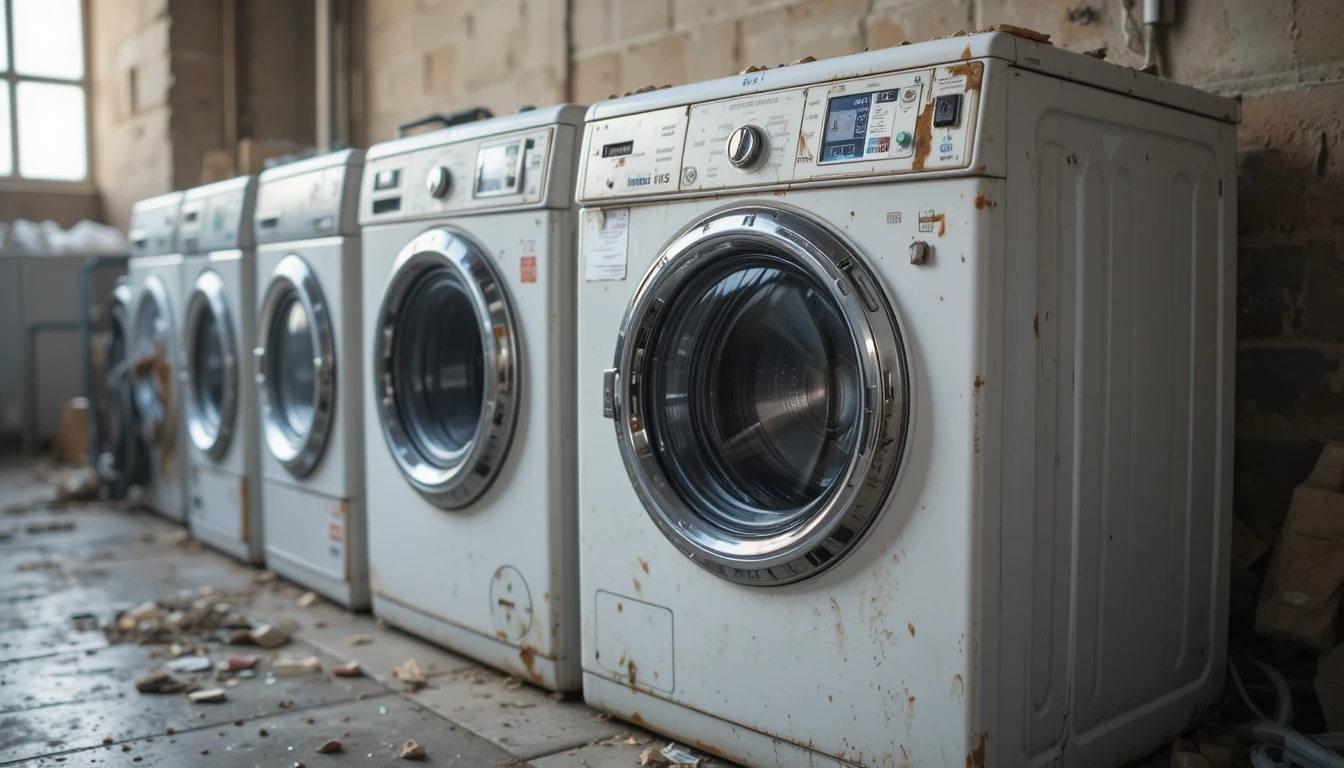
Scheduling a washing machine pickup is the easiest way to streamline disposal. Start by identifying certified recyclers or municipal waste programs offering appliance collection. Most require you to provide your address, washer model, and condition. Many services allow online scheduling and uploading a photo for verification to avoid rescheduling delays. Before pickup day, disconnect power and hoses, tape the door shut, and clear a path for safe removal. If your building has limited access, notify the pickup team in advance. Some services offer curbside pickup (you place it outside) while others remove it from inside your home. Always confirm whether the pickup includes recycling or donation; some junk removal services only guarantee transport. Retain the receipt or recycling certificate as proof of responsible appliance disposal. A scheduled pickup saves time, avoids heavy lifting, and ensures your old washer reaches a proper recycling destination instead of a landfill.
25. DIY vs. professional washing machine disposal
When choosing between DIY and professional washing machine disposal, weigh safety, convenience, and compliance. A DIY approach might seem cheaper; you can haul the washer yourself to a local recycling center or scrap yard, but consider the risks: heavy lifting injuries, lack of recycling proof, and potential fines if you dump it incorrectly. Professional services, on the other hand, handle disconnection, transport, and recycling certification. They follow environmental appliance disposal standards, ensuring metals and electronics are properly recovered. DIY is best for those with suitable transport and local knowledge of drop-off sites. Professionals are ideal for large households, upper-floor apartments, or when hazardous components may be present. While DIY can save money, professional pickup offers peace of mind, verified recycling, and time savings, making it the preferred choice for most eco-conscious homeowners handling old washing machine disposal.
26. Reusing washing machine parts: creative ideas
Instead of full disposal, reusing washing machine parts gives new life to old materials and supports circular economy principles. The metal drum, for instance, makes a durable fire pit, planter, or outdoor stool. The motor can be repurposed for small DIY projects, such as wind turbines or belt sanders. Hoses, belts, and control panels can serve as spare parts for other appliances. Artists and hobbyists often use washing machine drums to create industrial-style lighting fixtures or furniture. Before reusing components, clean them thoroughly and ensure sharp edges are filed down. Not only does creative reuse reduce landfill waste, but it also fosters sustainable appliance recycling at home. Document your upcycling projects; many municipalities encourage and even showcase such initiatives. Turning waste into art or utility transforms disposal into innovation and keeps resources in use for years to come.
27. Upcycling old washing machines: DIY projects
Upcycling old washing machines takes appliance recycling to the next level. Many DIY enthusiasts transform entire washers into functional garden furniture, storage units, or compost tumblers. The stainless-steel drum can become a chic patio fire bowl, while the housing can be reimagined as a tool cabinet or mini bar. Upcycling emphasizes creativity over waste, allowing homeowners to convert a bulky appliance into a conversation piece. Before starting, ensure the machine is fully disconnected and cleaned, and remove sharp or electrical components. Search local maker groups or community workshops for guidance on appliance upcycling ideas. Sharing completed projects online can inspire others to consider reuse instead of disposal. By upcycling, you extend the washer’s life cycle, minimize landfill impact, and demonstrate how responsible old washing machine disposal can merge sustainability with design.
28. Selling or giving away old washing machines
If your washer still works, selling or giving away an old washing machine can be both profitable and sustainable. List it on community platforms like Facebook Marketplace, Craigslist, or Freecycle. Be transparent about condition, age, and any needed repairs. Clean the unit, including hoses, and provide photos showing it operates correctly. For non-functional units, label as “for parts or scrap” to attract DIY repair enthusiasts or recyclers. Always prioritize local appliance exchanges to reduce transportation emissions. If donating, verify that the charity or individual can safely move the machine. This approach diverts appliances from landfills, supports reuse, and may even save you disposal fees. A working washer can serve another household for years, making reuse and resale one of the greenest forms of washing machine recycling near me.
29. Best times to recycle or donate old washers
Timing can affect both convenience and cost for old washing machine disposal. The best times to recycle or donate are during spring cleaning months (March–May) and late fall, when municipal recycling drives and charity collection events peak. Retailers also ramp up haul-away promotions around holiday appliance sales, ideal for upgrading and disposing simultaneously. Donating before winter helps charities stock functional washers for low-income families before cold-weather demand rises. Avoid midsummer, when junk haulers and recyclers face heavy scheduling backlogs. Monitoring your local appliance recycling calendar ensures faster pickup and sometimes reduced fees. Planning disposal around these cycles maximizes efficiency, supports community reuse programs, and helps you secure free or discounted services while keeping waste out of landfills.
30. How to transport an old washing machine safely
Proper transport is key to old washing machine disposal to prevent injury and damage. First, disconnect water and power lines, then drain residual water. Use moving straps or a dolly washers can weigh over 150 pounds. Tape the door shut, remove loose parts, and secure the drum with shipping bolts if available. Wrap the exterior in blankets or padding to prevent dents during transit. Always keep the washer upright to avoid motor or drum damage. If you’re delivering to a recycling or donation center, confirm drop-off hours and unloading procedures. Never transport a machine with water or detergent inside it adds unnecessary weight and leakage risk. Whether hiring movers or doing it yourself, safety first: lifting with proper technique and protective gloves prevents back strain and ensures the washer arrives intact for proper appliance recycling.
31. Common mistakes in washing machine disposal
When handling washing machine disposal, several mistakes can create hazards or waste opportunities. The most common errors include improper dumping, leaving hoses attached (causing leaks), failing to drain water, or discarding machines without checking for donation or recycling programs. Some people neglect to remove hazardous components like oils or capacitors, leading to soil contamination. Others pay for unnecessary junk removal when free municipal programs exist. Forgetting to photograph the unit before pickup may complicate rebate claims or recycling certificates. Always confirm your service provider’s recycling policy; some haulers simply landfill appliances. Avoid these pitfalls by researching certified appliance recycling facilities, preparing your washer correctly, and keeping receipts for documentation. Conscious disposal prevents environmental harm, fines, and wasted materials.
32. Myths about recycling old washing machines
Several myths about old washing machine recycling still circulate, discouraging proper disposal. One myth claims recyclers just “dump them in landfills,” untrue for certified recycling centers, which recover up to 90% of components. Another misconception is that broken washers have no value, when in fact their metals and motors are highly recyclable. Some believe recycling is costly; however, many programs offer free appliance pickup or rebates when upgrading to energy-efficient models. Another false belief is that donation charities only accept brand-new machines many refurbish older, working washers. Clarifying these myths helps homeowners make informed, sustainable choices. Understanding how washing machine recycling near me actually works reveals the process as easy, eco-friendly, and often free, ensuring more washers are repurposed rather than wasted.
33. Future trends in appliance recycling
The future of appliance recycling is becoming smarter, cleaner, and more circular. Emerging technologies such as AI-assisted disassembly robots and advanced material recovery systems allow recyclers to extract metals and plastics with near-zero waste. Governments are adopting Extended Producer Responsibility (EPR) laws, requiring manufacturers to manage old washing machine disposal responsibly. Smart labeling with QR codes now tracks appliances from sale to recycling, improving transparency. Designers are also creating modular washers with easily replaceable parts to reduce obsolescence. In the near future, expect more zero-landfill recycling facilities, national take-back mandates, and digital incentives for households that recycle. These innovations promise a closed-loop system where every appliance contributes materials for the next generation, turning waste management into sustainable manufacturing.
34. The circular economy and washing machine recycling
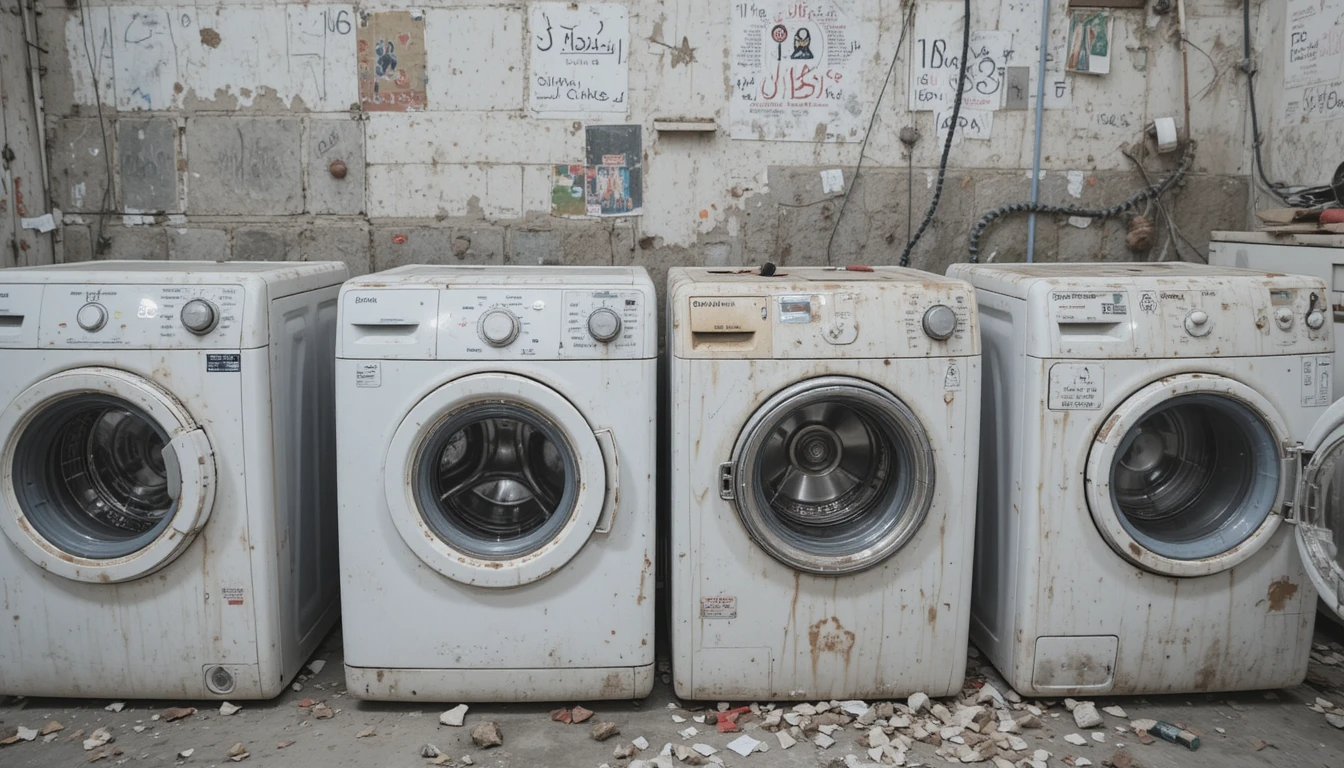
Washing machine recycling plays a pivotal role in the circular economy, a system focused on keeping materials in use instead of discarding them. Rather than following a “take-make-waste” model, recycling transforms an old washer’s steel, copper, and plastics into resources for new appliances or industrial goods. Donation, refurbishment, and part recovery also extend product lifespans, minimizing the need for virgin resource extraction. Each properly recycled machine reduces greenhouse gas emissions and supports local green jobs. The circular economy thrives on consumer participation, choosing eco-friendly appliance disposal methods like certified recycling or reuse. As more cities adopt circular economy strategies, washing machine recycling will evolve from a niche practice into an everyday environmental habit that supports sustainable growth worldwide.
35. Conclusion
Old washing machine disposal is more than clearing space; it’s an environmental commitment. From recycling and donation to creative upcycling, every method prevents valuable materials from entering landfills. Certified recyclers ensure metals and plastics are safely recovered, while charities give functional machines a second life. Understanding local appliance recycling options, laws, and costs empowers you to choose the most sustainable path. Whether you schedule pickup, drop off at a center, or repurpose components yourself, each action supports cleaner production cycles and reduces pollution. As technology and regulations evolve, responsible appliance disposal will become not just an option but an expectation. Every recycled washer helps conserve energy, protect ecosystems, and move communities closer to a circular, zero-waste future.
FAQs
Q1: How do we find free old washing machine disposal options near me?
Search municipal bulk waste pages, contact retailers for haul-away with purchase, or call charities for donation pickup. Many cities also run periodic free appliance collection events.
Q2: Can we dismantle an old washing machine ourselves for recycling?
Yes, with safety gear and basic tools, you can remove panels, hoses, and simple parts. For hazardous electronics or refrigerators with refrigerants, use certified recyclers.
Q3: Will a donation affect our tax deductions when we give away a working washer?
Often, yes, charities typically provide donation receipts you can use for tax deductions. Keep documentation and confirm the charity’s tax-exempt status.
Q4: Are there costs associated with eco-friendly washing machine disposal?
Costs vary: municipal drop-offs may be free or low cost; private haulers charge fees. Sometimes retailers or utilities offer rebates to offset costs.
Q5: What’s the best reuse of a washing machine drum?
Common high-value uses are fire pits, planters, and outdoor tables. The drum’s perforation and durability make it ideal for safe, long-lasting garden features.
Trusted Junk Removal Services in Dubai for Homes & Businesses
In Dubai?
Address: Office No.101, 10th Floor, Al-Shafar Tower, Business Bay, Dubai.
Google Map Location
Read More: Large Appliance Pick Up Services: Fast & Eco-Friendly


Looking for appliance repair near me Chicago? Best Appliance Repair provides same-day, 24-hour service. From refrigerator and dishwasher repair to stove and dryer fixes, our certified technicians ensure professional, affordable results throughout the Chicago area.