Dubai Municipality Electronic Waste Disposal: Guide
Dubai Municipality Electronic Waste Disposal: Complete Guide for Businesses & Communities
Introduction
We present a practical, actionable guide that navigates Dubai Municipality’s electronic waste disposal from law and logistics to corporate programs, community initiatives, and step-by-step preparation of devices for recycling. We write as practitioners: clear, direct, and useful because managing e-waste isn’t an abstract policy exercise; it’s daily work that protects health, recovers value, and keeps Dubai’s urban systems running. Below is a granular table of contents and a complete article built to be used by facilities managers, sustainability officers, and community champions.
1. Understanding Dubai Municipality Electronic Waste Disposal (E-Waste)
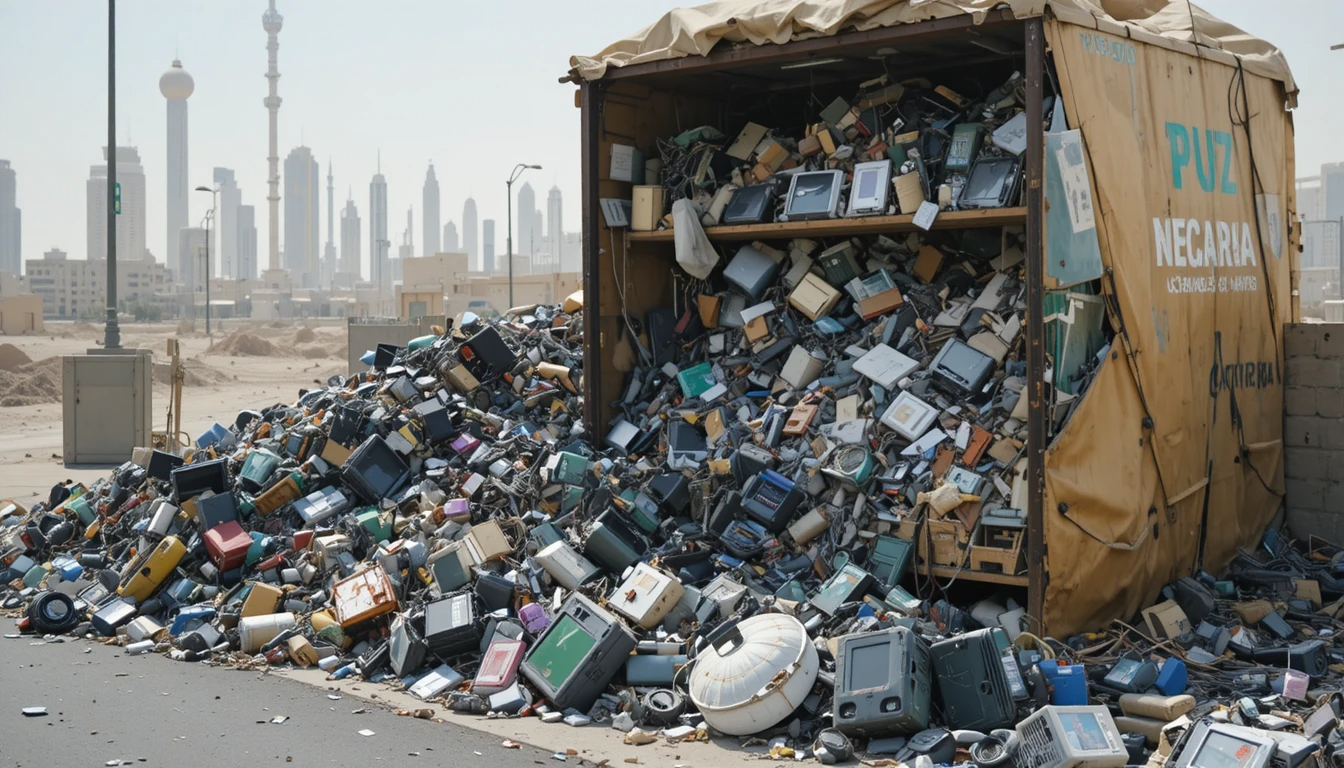
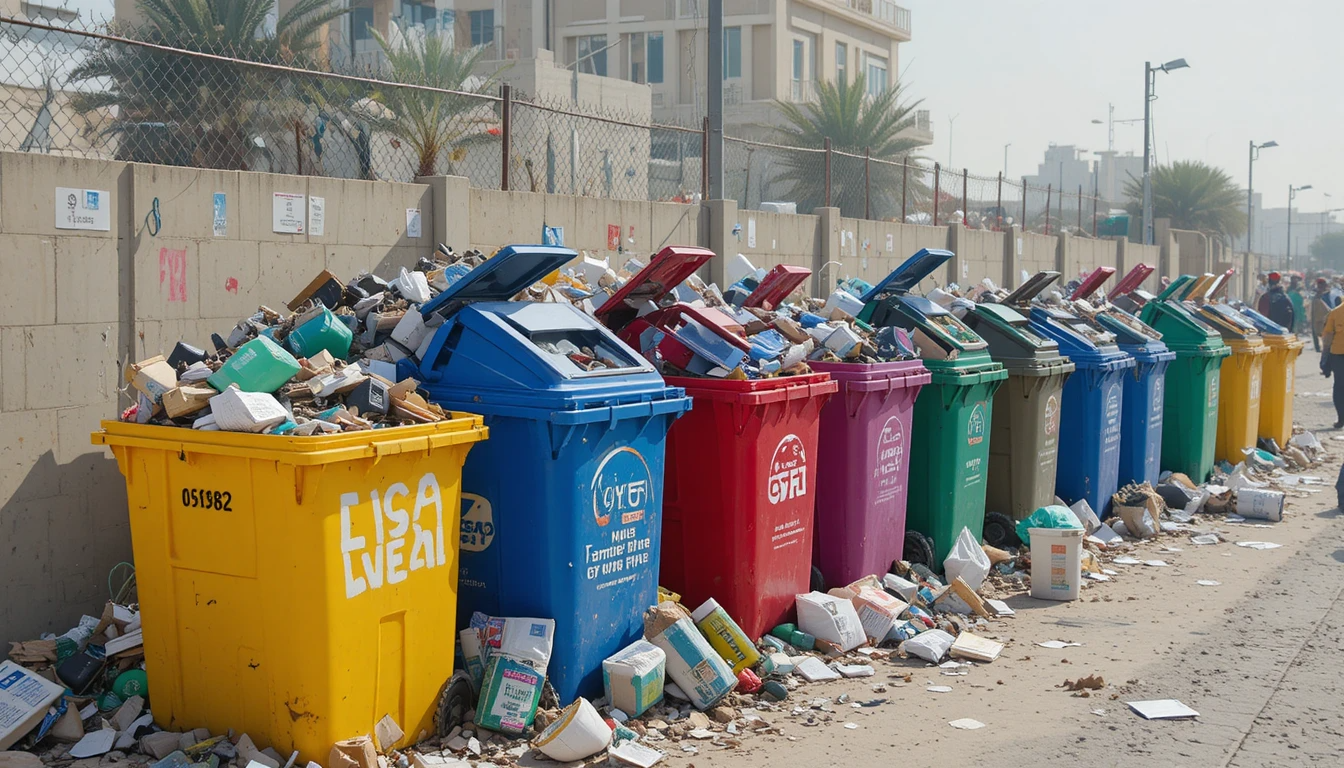
What do we mean by E-Waste? Electronic waste e-waste includes any electrical or electronic device that has reached the end of its life: phones, laptops, monitors, printers, household appliances, batteries, cables, and more. Unlike ordinary waste, e-waste often contains hazardous substances such as lead, mercury, cadmium, and flame retardants, alongside recoverable valuable metals like gold, silver, and copper. Think of e-waste as a closed loop of materials waiting to be reclaimed; treated badly, it becomes a toxic leak into the air, soil, and water.
Why identification matters. Proper classification helps determine handling: small consumer electronics differ from industrial IT equipment or batteries in how they must be packaged, stored, transported, and treated. In everyday practice, we separate devices by size, hazardous content (e.g., mercury lamps), and data risk (e.g., hard drives) to design the right disposal pathway.
Analogy: Consider e-waste like an orchard after harvest: some fruit is ready to sell (reusable devices), some to be pressed for juice (valuable metals recovered by recyclers), and some rotten and requiring composting (hazardous residuals needing controlled treatment). Our job is to sort, salvage value, and prevent the rot from spreading.
2. Types of Dubai Municipality Electronic Waste Disposal: What Counts as Electronics?
Consumer electronics: smartphones, tablets, TVs, audio gear.
IT & communications equipment: desktops, servers, routers, switches, printers.
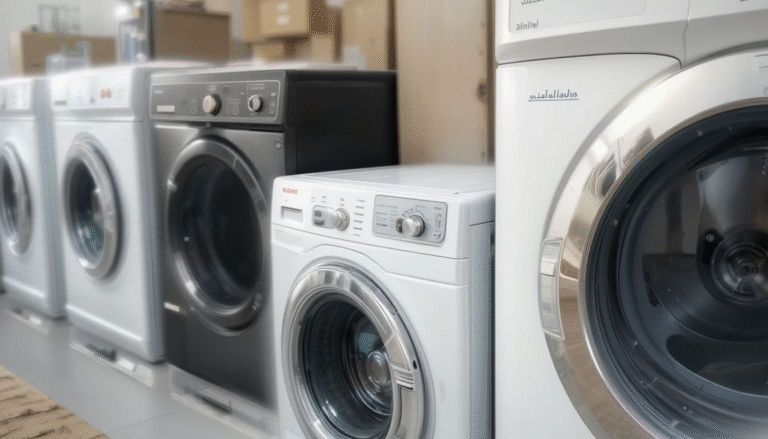
Household appliances, such as refrigerators, microwaves, and washing machines (often classified as WE-type items).
Batteries & portable power: single-use and rechargeable cells; lithium batteries need special handling.
Lighting fluorescent tubes and HID lamps that contain mercury.
Industrial electronics, medical devices, control panels, and meters; often regulated more strictly.
Each category has practical implications: batteries and fluorescent lamps require separate containment and return channels because of chemical hazards; IT equipment needs secure data wiping or physical destruction. When planning a collection or corporate program, we audit types and volumes first the list above becomes the inventory that dictates permits, packaging, and choice of recycler.
3. Why Proper Dubai Municipality Electronic Waste Disposal Matters: Health & Environment
Health impacts. Improperly treated e-waste exposes technicians, waste workers, and communities to heavy metals and toxins. Lead affects neurological development; mercury contaminates food chains; cadmium harms kidneys. These are not distant hazards; they are local and immediate if e-waste is landfilled or dismantled informally. Scientific reviews of the MENA region e-waste show clear pathways of contamination when materials are unmanaged.
Environmental impact. Landfilling or open burning releases toxins into the soil and air. Conversely, controlled recycling recovers valuable metals and reduces mining demand, cutting greenhouse gas emissions. The circular benefits are tangible: one recycled tonne of electronics can yield kilograms of copper and precious metals, lowering raw-material extraction and pollution.
Public safety and governance. In Dubai, municipal controls and federal rules aim to close informal disposal routes and direct e-waste into certified channels; this reduces both pollution and public exposure. We therefore treat proper disposal as both a public health necessity and an environmental duty.
4. Overview of Dubai Municipality Electronic Waste Disposal
What the Municipality provides. Dubai Municipality has rolled out technical guidelines, an online platform for recyclable material exchange, and partnership frameworks to collect and process e-waste. These initiatives establish formal collection points, public awareness campaigns, and contracts with certified service providers to ensure traceability from dropoff to final treatment.
How the system works in practice. Residents and businesses bring or schedule pickups; e-waste is consolidated at certified facilities where data is wiped, hazardous fractions are isolated, and materials are processed for reuse or safe disposal. The process is supported by permit systems for transporters and recyclers, plus fee and fine schedules to deter illegal dumping.
Key takeaway. When we reference Dubai Municipality electronic waste disposal, we mean the operational network regulations, dropoff points, service providers, and enforcement that convert discarded electronics into recovered resources while protecting health and the environment.
5. Electronic Waste Laws in Dubai and the UAE
Federal and local layers. The UAE introduced Federal Law No. (12) of 2018 on Integrated Waste Management to standardize waste handling across the country; its Executive Regulations (e.g., Cabinet Resolution No. (39) of 2021) provide detailed technical requirements for e-waste and batteries. Dubai then layers municipal technical guidelines and enforcement measures for local implementation.
Local rules and guidelines. Dubai Municipality issues Technical Guidelines (e.g., Mandatory Waste Segregation) and specific disposal procedures for unwanted materials and hazardous fractions. These documents contain required segregation methods, permit rules, and approved treatment pathways.
Practical effect. For businesses, this means: register your waste streams, use licensed transporters and recyclers, obtain permits where required, and keep records. Non-compliance is subject to fines and corrective measures; the system emphasizes traceability from generator to recycler.
6. Penalties for E-Waste Dumping in Dubai
Enforcement framework. Dubai has established a schedule of fines and penalties for illegal dumping, improper segregation, and operating without required permits. Executive Council resolutions and municipal fines apply and are often escalated for repeat violations.
Common violations and examples. Leaving large electronics in general waste, using unlicensed waste handlers, or failing to declare hazardous fractions can trigger fines. Enforcement aims to be deterrent: double penalties can apply for repeat offenses within a defined period. Practical compliance, therefore, avoids operational interruptions and reputational risks.
What businesses should do. Keep documented contracts with licensed e-waste recyclers, issue manifests for pickups, and ensure staff follow segregation and storage rules. We recommend audit trails for every bulky or hazardous electronic item to show due diligence if inspected.
7. E-Waste Recycling Guidelines for Businesses
Policy & procurement alignment. Businesses should embed e-waste rules into procurement and disposal policies: require manufacturers’ take-back schemes where available, and ensure warranties or service contracts include end-of-life handling.
Operational steps. 1) Inventory assets; 2) classify (hazardous, reusable, repairable); 3) schedule secure data sanitization; 4) contract licensed recyclers and confirm their permits; 5) document chain of custody.
Recordkeeping. Maintain manifests, certificates of recycling/destruction, and invoices. These records are essential for compliance, internal reporting, and sustainability disclosures. We advise quarterly reviews of volumes and costs to optimize logistics and identify opportunities to refurbish or donate devices, extending useful life and reducing disposal volumes.
8. How to Prepare Electronics Before Recycling
Data safety first. Before disposing of any device, back up important information, sign out of cloud accounts, and perform secure wipe or physical destruction if required. For laptops and phones, factory resets may not suffice; use certified data-sanitization tools or certified service providers.
Physical preparation. Remove batteries when safe, detach accessories, and pack components together (e.g., chargers with devices). Label items if they contain hazardous parts (e.g., mercury lamps). For businesses, consolidate devices on pallets and use secure packaging to prevent damage during transport.
Documentation. Attach asset tags or a simple manifest listing serial numbers, device types, and whether data was wiped. This protects both privacy and chain-of-custody requirements for corporate audits.
9. How to Clean Data Before E-Waste Recycling
Step-by-step: 1) Back up data; 2) Deauthorize accounts; 3) Use full disk encryption followed by secure erase tools (NIST-approved wipes or physical destruction for sensitive assets); 4) For SSDs, use secure-erase commands or certified destruction; 5) Get a written certificate of data destruction from the recycler.
Why this matters. Data breaches from improperly wiped devices carry legal and financial risks. We view secure deletion not as an optional step, but as core to responsible disposal, and many Dubai recyclers require proof of sanitization before accepting corporate loads.
Practical tip. Include data sanitization steps in procurement contracts so vendors know to return replaced assets in a state ready for reuse or certified destruction.
10. Safe E-Waste Disposal Methods
Reuse and repair. First preference: extend life. Refurbish for internal reuse or donate through verified channels.
Material recovery (recycling). Certified facilities break down devices to recover metals, plastics, and glass. This includes safe handling of hazardous fractions.
Controlled disposal. Residues that cannot be reused or recovered are treated using approved hazardous-waste pathways.
Why method selection matters. Each method trades cost, carbon, and potential liability. Reuse yields the greatest environmental benefit; recycling recovers value and avoids landfilling; controlled disposal prevents toxic releases. Our operational approach prioritizes reuse where feasible and ensures hazardous fractions are never handled informally.
11. E-Waste Collection Points & Dropoff Locations (Dubai Municipality electronic waste disposal)
Municipal network. The drop-off Dubai Municipality maintains a network of approved collection points and coordinates periodic public collection events. Private certified recyclers also operate permanent drop-off centers across the city.
How to find a drop-off. Use Dubai Municipality online platforms, retailer take-back boxes, or certified recycler directories. Many large retailers and mall partners offer collection boxes for smaller devices and batteries.
Best practice for users. Before drive-in drop-off, check the recycler’s acceptance list, segregate batteries and lamps, and bring necessary identification or business manifests if delivering corporate volumes. Well-organized drop-offs speed handling and avoid rejected loads.
12. Scheduled & Bulk E-Waste Pickup Services
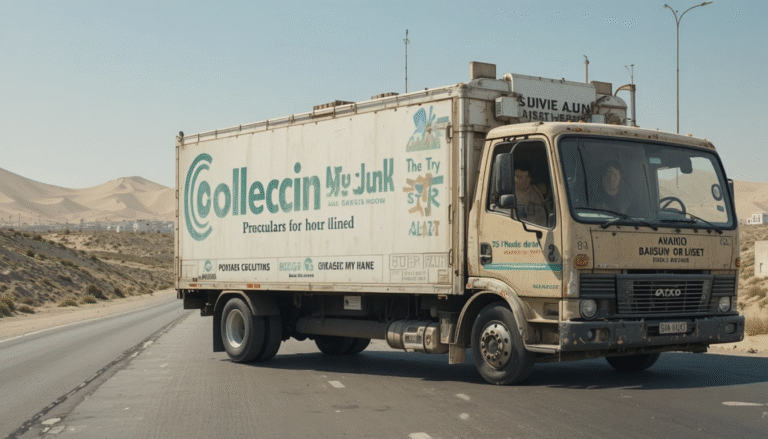
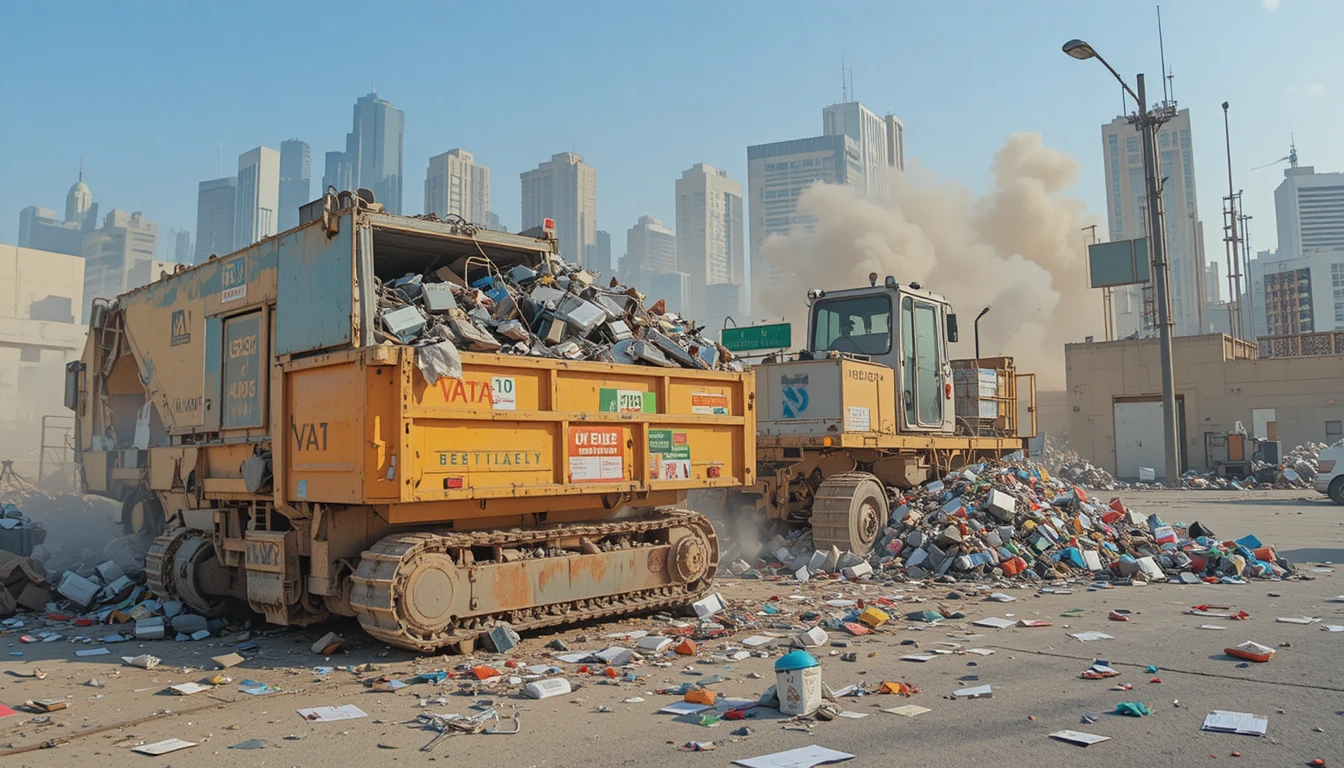
For households and businesses. Scheduled pickups are the most convenient route for large or corporate volumes: licensed companies coordinate vehicle permits, trained staff, and insured transport to certified facilities. For bulk loads, arrange palletized pickup with advance notice and manifest documentation.
How to arrange. Contact certified service providers directly or check Dubai Municipality partnership announcements for municipal pickup programs. Ensure the provider supplies a Certificate of Recycling/Destruction post-collection.
Key considerations. Check insurer and permit status, request data destruction certificates, and confirm the final treatment pathway, whether material is shipped regionally for processing or treated locally.
13. Household E-Waste Collection: What Residents Should Do
Simple steps for residents: 1) Separate batteries and lamps; 2) Remove personal data and log out of accounts; 3) Use retail drop boxes for small items; 4) For large appliances, schedule municipal or certified pickups; 5) Participate in community collection events.
Why residents matter. Households are a major source of small electronics and batteries that, if mixed in municipal waste, create safety hazards and lost material value. By acting responsibly, residents reduce pollution and help recover reusable devices more efficiently.
14. Corporate E-Waste Disposal Services & Programs (Dubai Municipality electronic waste disposal)
Corporate scale solutions. Corporations in Dubai typically use combination strategies: asset lifecycle management programs, lease-return agreements, and long-term contracts with certified recyclers that include pick-up, secure data destruction, and certificates.
Program features. We design programs with KPI tracking (tonnes diverted, data destruction certificates issued), employee donation drives for refurbishment, and transparent reporting for ESG disclosures. Contracts must require traceability and clear final treatment pathways.
Why formal programs matter. They reduce compliance risk, capture secondary value (resale of refurbished assets), and support corporate sustainability goals.
15. E-Waste Certification Programs Dubai
Types of certification. Look for recyclers with ISO 14001 (environmental management), R2 or e-Stewards (electronics recycling standards), and local permits from Dubai Municipality. Certifications signal audited processes and better environmental outcomes.
How to verify. Ask suppliers for certification documents, visit facilities if feasible, and request references. A certified recycler should provide manifests, end-of-life reports, and security measures for data handling.
Benefits. Certification reduces reputational risk, ensures regulatory compliance, and supports corporate sustainability claims.
16. E-Waste Disposal Permits & Fees (Dubai Municipality electronic waste disposal)
Permit landscape. Transporters and recyclers operating in Dubai require specific permits; fees and permits are detailed in municipal schedules (e.g., Executive Council resolutions). Businesses generating industrial volumes may need permits or to use licensed carriers.
Budgeting. Factor permit fees, transport, data destruction, and recycling charges into lifecycle cost models. Bulk consolidation often reduces per-unit costs.
Compliance reminder. Using unpermitted handlers can lead to fines and the return of loads. Maintain due diligence and request permit copies with contracts.
17. E-Waste Recycling Facilities in Dubai (Dubai Municipality Electronic Waste Disposal)
Certified processing centers. Dubai hosts licensed recyclers and processing facilities that handle dismantling, shredding, and material recovery, and sometimes refurbishment programs. Partnerships between Dubai Municipality and private operators provide city-wide coverage.
What facilities do. They segregate hazardous fractions, mechanically separate plastics and metals, and prepare materials for smelters or secondary processors. Facilities are required to follow emissions and effluent standards set by federal and municipal regulations.
Selecting a facility. Evaluate processing methods, downstream markets, and evidence of environmental compliance before selecting a partner.
18. How E-Waste Recycling Reduces Pollution
Source replacement. Recycling recovers metals that otherwise would be mined mining and ore processing generates large greenhouse gas and pollution footprints.
Avoiding landfill leaching. Hazardous metals that would leach into groundwater are contained and treated.
Reduced open burning. Proper processing eliminates informal burning practices that release dioxins and toxic particulates.
Quantifiable impact. Recycled e-waste reduces CO₂ and pollutants per tonne compared to landfill or incineration; it also recirculates valuable materials into manufacturing supply chains, lowering global environmental load.
19. Economic Benefits of E-Waste Recycling
Value recovery. Precious metals and base metals recovered from electronics have direct monetary value, and recycling offsets collection and processing costs.
Circular jobs. Recycling creates local jobs in collection, refurbishing, and material processing.
Corporate savings. Refurbished devices reduce replacement expenditure; take-back programs can recover resale value.
Policy leverage. Incentives, tax credits, and procurement preferences for recycled content can unlock new revenue streams and reduce lifecycle costs.
20. Social Responsibility & Corporate Sustainability
Why it matters to stakeholders. Customers, employees, and investors expect ethical end-of-life handling. Demonstrable e-waste programs strengthen brand trust and investor ESG metrics.
Reporting & transparency. Publish diversion rates, certificates of recycling, and program outcomes. We recommend integrating e-waste data into sustainability reporting frameworks.
Community benefits. Corporate donation and refurbishment programs can support social causes by refurbishing devices for schools and NGOs.
21. Role of Technology in E-Waste Management
Tracking & traceability. Digital manifests, QR codes, and blockchain pilots increase transparency in the chain of custody.
Automation & sorting. Robotics and sensor-based sorting improve material recovery rates and worker safety.
Data tools. Asset management platforms help schedule lifecycle events, pickup, and generate compliance reports.
Implementation tip. Start with digital manifests and partner with recyclers who provide electronic certificates; this reduces paperwork and audit risk.
22. Challenges of E-Waste Recycling & Practical Solutions
Challenge: Mixed and contaminant-rich streams. Solution: stronger segregation at source and training for handlers.
Challenge: Data security. Solution: certified wiping and documented destruction procedures.
Challenge: Market volatility for recovered materials. Solution: diversify buyers and develop long-term offtake agreements.
Operational recommendation. We run periodic audits, staff training, and contractual safeguards to mitigate each challenge and maintain continuous improvement.
23. E-Waste Recycling Process Explained
Collection & consolidation. Devices are gathered, sorted, and stored safely.
Dismantling & separation. Skilled technicians remove hazardous modules (batteries, mercury lamps) and segregate materials.
Shredding & separation. Mechanical processes separate ferrous, non-ferrous metals, plastics, and glass; downstream processing recovers precious metals.
Final treatment/disposal. Residues or hazardous fractions are managed per regulatory standards.
Transparency. Request a flow chart and final reports from recyclers to confirm materials’ destinations and recovery rates.
24. How to Handle Hazardous Materials in E-Waste
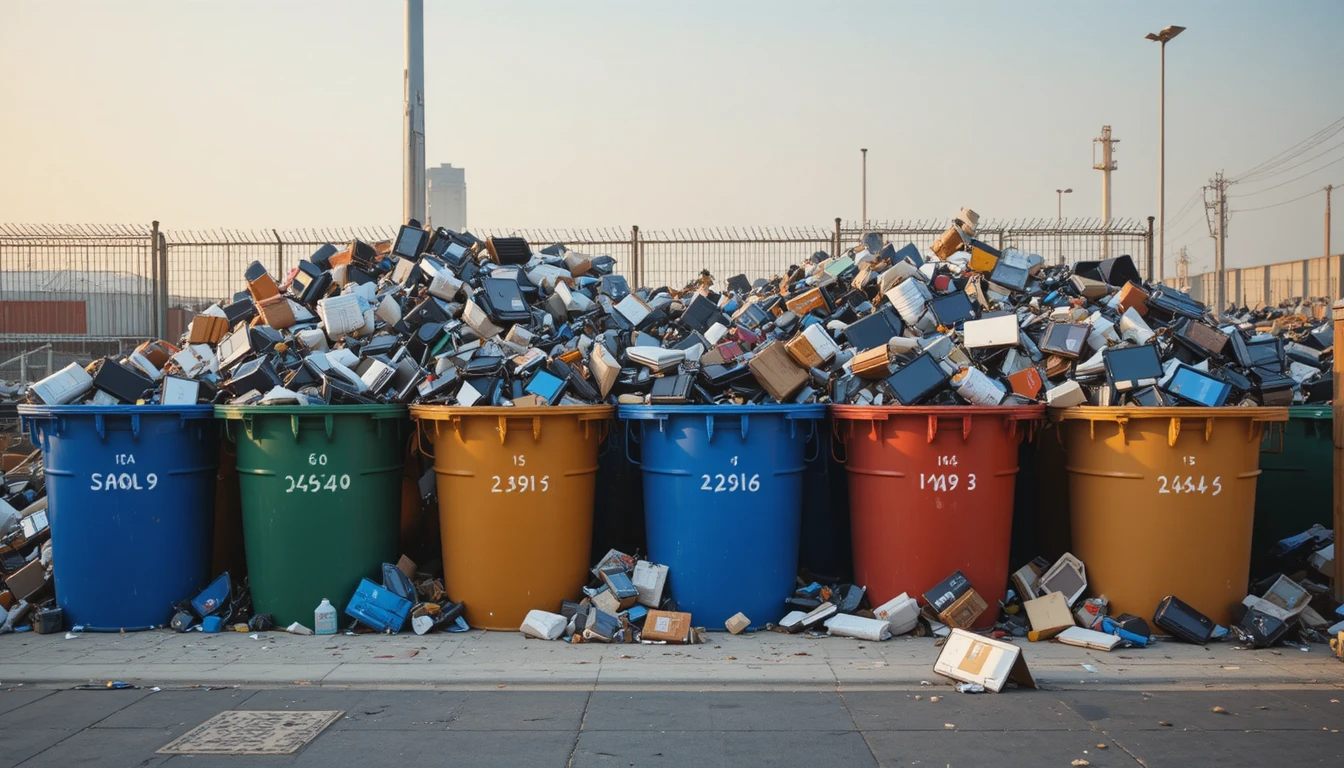
Identify hazardous items (batteries, lamps, CRTs, PCB-containing boards).
Label and segregate immediately; store in safe, ventilated areas with secondary containment.
Use licensed hazardous waste carriers for transport and ensure facility acceptance.
Emergency response. Maintain spill kits and staff training for battery fires or mercury spills.
Legal note. Hazardous fractions trigger additional regulatory controls; consult municipal technical guidelines before moving such items.
25. Community Initiatives & Collection Events: Dubai Municipality Electronic Waste Disposal
Events amplify participation. Community drives and mall collection fairs increase public engagement and capture small electronics and batteries that would otherwise be landfilled. Retail partners often host permanent dropboxes for small items.
How to run an event. Partner with an accredited recycler, publicize acceptance lists, and provide easy data-wipe guidance for residents. Provide clear signage and separation stations for batteries, lamps, and devices.
Success metric. Weight diverted per event and participant counts track these to measure behavior change and program ROI.
26. E-Waste Recycling and Circular Economy: Dubai Municipality Electronic Waste Disposal
From linear to circular. E-waste recycling shifts electronics from “use-and-discard” to material recovery and component reuse, closing loops on metals, plastics, and glass.
Design implications. Encourage procurement of modular and repairable devices, and require suppliers to take back to strengthen circular product lifecycles.
Policy alignment. Corporate buy-back and refurbishment programs feed secondary markets, reduce resource pressure, and can become part of Dubai’s broader circular economy strategy.
27. Employee Engagement in Corporate E-Waste Programs
Practical actions. Host internal collection weeks, provide easy-to-use dropboxes, and gamify participation with leaderboards.
Training. Equip facilities and IT staff with clear procedures for asset decommissioning and secure packaging.
Recognition. Celebrate departments that exceed diversion targets to build culture and sustain programs.
Outcome. Engaged employees become program ambassadors, increasing participation and driving steady improvements.
28. Incentives, Grants & Tax Measures for Recycling
Economic levers. While municipal rules set obligations, incentives, grants, or tax benefits can accelerate private investment in recycling infrastructure. Dubai’s permit and fee frameworks may include concessions for certified operators; stay alert to municipal circular economy funding calls.
Corporate strategy. Evaluate the total cost of ownership (TCO) with incentives in mind and consider joint ventures to scale collection and processing.
29. Collaborations: NGOs, Businesses & Government: Dubai Municipality Electronic Waste Disposal
Why collaborate? Partnerships multiply impact. NGOs deliver community engagement, businesses provide logistics, and the government sets standards and enforcement.
How to structure collaborations. Define shared KPIs, roles (who collects, who publicizes, who processes), and funding. Use MOUs to lock commitments and data sharing.
Example models. Retailer take-back points partnered with municipal collection events create a citywide safety net for small devices and batteries.
30. E-Waste Education, Awareness & Environmental Programs
Public campaigns. Clear messaging on what to drop off, where, and how protects public health and improves recycling rates. Use social media, workplace briefings, and school programs to amplify impact.
Curriculum connections. Partner with schools to integrate e-waste topics: life cycles, hazards, and repair skills.
Measure learning. Pre/post surveys at outreach events help demonstrate behavior change and shape subsequent campaigns.
31. Common Mistakes When Preparing E-Waste for Recycling
Mistake 1: Assuming a factory reset is enough for data security.<br>Mistake 2: Mixing batteries with general electronics packaging.<br>Mistake 3: Using unlicensed collectors to save costs.<br>Mistake 4: Failing to get certificates of recycling or destruction.
Avoidance checklist. Always secure data, segregate hazardous parts, use certified providers, and collect certificates to close the compliance loop.
32. Checklist: Preparing E-Waste for Drop-off or Pickup
Before collection: back up data, deauthorize services, label items, remove batteries if safe, consolidate on pallets for bulk pickups, and prepare manifest with serial numbers.
At handover: obtain a signed manifest and a Certificate of Recycling/Destruction.
Follow-up: reconcile invoices and certificates with internal asset registers.
This simple checklist prevents the most common compliance and security headaches.
33. Case Studies & Dubai E-Waste Recycling Success Stories
Municipal partnerships. Dubai Municipality has partnered with private operators for citywide collection programs and constructed outreach platforms that move recyclable material across stakeholders. Examples include periodic public drives and retailer partnerships that increased small device collection rates.
Corporate wins. Corporations that implemented asset lifecycle programs report reduced replacement costs through refurbishment and improved ESG reporting through verified diversion metrics. These case studies show that systematic programs pay for themselves over time.
34. Future of E-Waste Management in Dubai
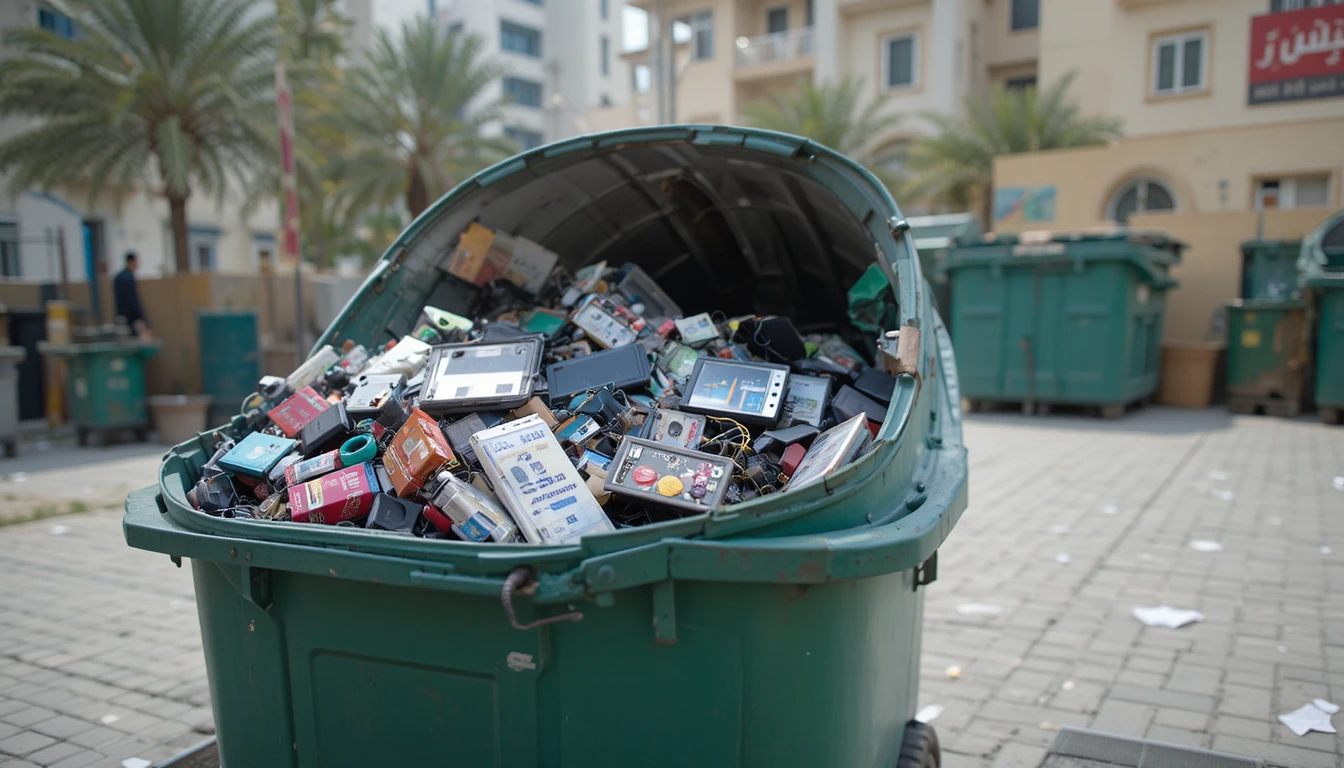
Trends we expect. Greater digital traceability, more certified local processing capacity, stronger producer responsibility rules (retailer take-back), and growth of refurbishment markets. These shifts will make Dubai Municipality’s electronic waste disposal more integrated into the urban circular economy.
How we prepare. Businesses should adopt flexible programs, track KPIs, and pilot digital manifests to be ready for regulatory and market changes.
35. How to Report E-Waste Violations & Get Help: Dubai Municipality Electronic Waste Disposal
Reporting channels. Use Dubai Municipality online services or hotlines to report illegal dumping or unlicensed operators. For business support, contact the municipal Waste Department for guidance on permitted recyclers and permit requirements.
What to include in a report. Location, photos, suspected volumes, and any vehicle registration numbers. Municipal teams then investigate and, where necessary, impose penalties or remedial measures.
Conclusion
We believe Dubai can lead regionally in electronics circularity by combining robust municipal systems, certified recyclers, corporate commitment, and engaged communities. Implementing Dubai Municipality’s electronic waste disposal programs that prioritize data security, segregation, certified processing, and transparent reporting yields environmental, economic, and social benefits. Start with a solid inventory, partner with certified recyclers, train staff, and document every step. That’s how we transform discarded devices into recovered value while protecting health and compliance.
FAQs
1. How do I find official Dubai Municipality electronic waste disposal drop-off points?
Drop-off Check Dubai Municipality’s online portal and the Municipality Waste Department listings for certified drop-off points and scheduled collection events. Retailer take-back boxes also provide accessible locations.
2. What paperwork is required for corporate e-waste pickups?
A manifest listing items and serial numbers, proof of data sanitization (or a certificate from the recycler), and a signed Certificate of Recycling/Destruction post-collection are standard. Permits may be required for large volumes.
3. Are there fines for throwing electronics in the general waste in Dubai?
Yes. Dubai enforces fines and penalties for illegal dumping and improper disposal under municipal and executive resolutions; repeat offenses face higher penalties. Use licensed handlers to avoid risk.
4. Can businesses get tax incentives for e-waste recycling?
Incentives vary; some municipal or federal programs offer grants or concessions to certified operators. Check current Dubai Municipality announcements and incentive programs for up-to-date opportunities.
5. What is the safest way to dispose of batteries and screens?
Segregate batteries and mercury-containing lamps separately, never crush them, and deliver them to certified dropoff points or arrange a hazardous pickup through a licensed transporter. Facilities will treat these fractions per hazardous-waste protocols.
Trusted Junk Removal Services in Dubai for Homes & Businesses
In Dubai?
Address: Office No.101, 10th Floor, Al-Shafar Tower, Business Bay, Dubai.
Google Map Location
Read More: E Waste Recycling Dubai: Comprehensive Guide & Solutions