Commercial Cardboard Recycling Dubai
Commercial Cardboard Recycling Dubai
Introduction
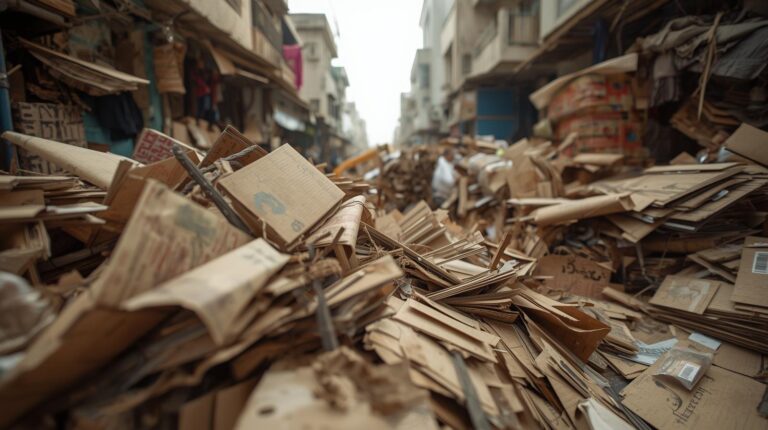
Have you ever looked at a pile of cardboard boxes after a big delivery and wondered, “What am I supposed to do with all this?” In Dubai, where online shopping, retail trade, and large-scale logistics are part of daily life, cardboard waste builds up fast. That’s exactly where Commercial Cardboard Recycling becomes not just helpful but essential.
Whether you run a café in Jumeirah, manage a warehouse in Al Quoz, or live in a high-rise in Dubai Marina, you know how quickly packaging materials can take over your storage space. Cardboard stacks up like uninvited guests, occupying valuable room and creating clutter. However, with the right recycling strategy, you can turn that mess into a manageable, eco-friendly process.
In this guide, we’ll walk you through everything you need to know, from the process and benefits to costs and local regulations, so you can make informed decisions for your home or business in Dubai.
1. Why Commercial Cardboard Recycling Matters in Dubai
Dubai is a city that never slows down. From retail hubs in Deira to mega malls on Sheikh Zayed Road, goods move in and out every day. As a result, cardboard waste is one of the most common byproducts of business activity. This is why Commercial Cardboard Recycling plays such a vital role in keeping operations smooth and compliant.
Moreover, Dubai Municipality has strict waste management regulations. Businesses are expected to handle their waste responsibly. Failing to do so can lead to fines or warnings. Therefore, investing in a structured recycling system is not just environmentally wise; it’s legally smart.
In addition, proper recycling supports the UAE’s sustainability goals. With initiatives like the Dubai Clean Energy Strategy 2050, waste reduction is a serious priority. When you recycle cardboard responsibly, you contribute directly to a greener city.
2. Understanding Cardboard Waste in the UAE
Cardboard waste in Dubai mainly comes from retail, food delivery, e-commerce, and logistics companies. However, offices and residential towers also generate large volumes due to frequent deliveries. Consequently, waste accumulates faster than many expect.
Corrugated cardboard, used for shipping boxes, is the most common type. Additionally, there’s paperboard from product packaging. While both are recyclable, they must be sorted properly. Mixing them with food waste or plastics can reduce recycling efficiency.
Because Dubai is a global trade hub, imports arrive daily at Jebel Ali Port and Al Maktoum International Airport. As goods are unpacked, cardboard waste grows. Without a clear disposal system, storage rooms quickly become overcrowded and unsafe.
3. Dubai Municipality Rules & Compliance
Dubai Municipality has established clear guidelines for commercial waste disposal. Businesses must separate recyclable materials and ensure proper collection. Therefore, ignoring these rules can result in penalties.
In areas like Business Bay and Downtown Dubai, waste is monitored closely due to high commercial density. Building management often requires tenants to follow specific recycling protocols. This makes organized cardboard disposal even more important.
Furthermore, licensed recycling providers ensure that waste is transported to approved facilities. Working with authorized companies protects your business reputation and ensures you remain compliant with local environmental standards.
4. The Step-by-Step Process of Commercial Cardboard Recycling
Understanding the process of Commercial Cardboard Recycling helps you see how simple and effective it can be. First, cardboard is collected from your premises. It is then sorted to remove contaminants like plastic tape or food residue.
Next, the material is compacted using balers. This reduces volume significantly, making transportation efficient. After that, the compacted cardboard is sent to recycling facilities where it is shredded and pulped.
Finally, the pulp is processed into new paper products. This closed-loop system reduces the need for raw materials. As a result, fewer trees are cut down, and energy consumption decreases. It’s a straightforward yet powerful cycle.
5. Types of Businesses That Need Cardboard Recycling
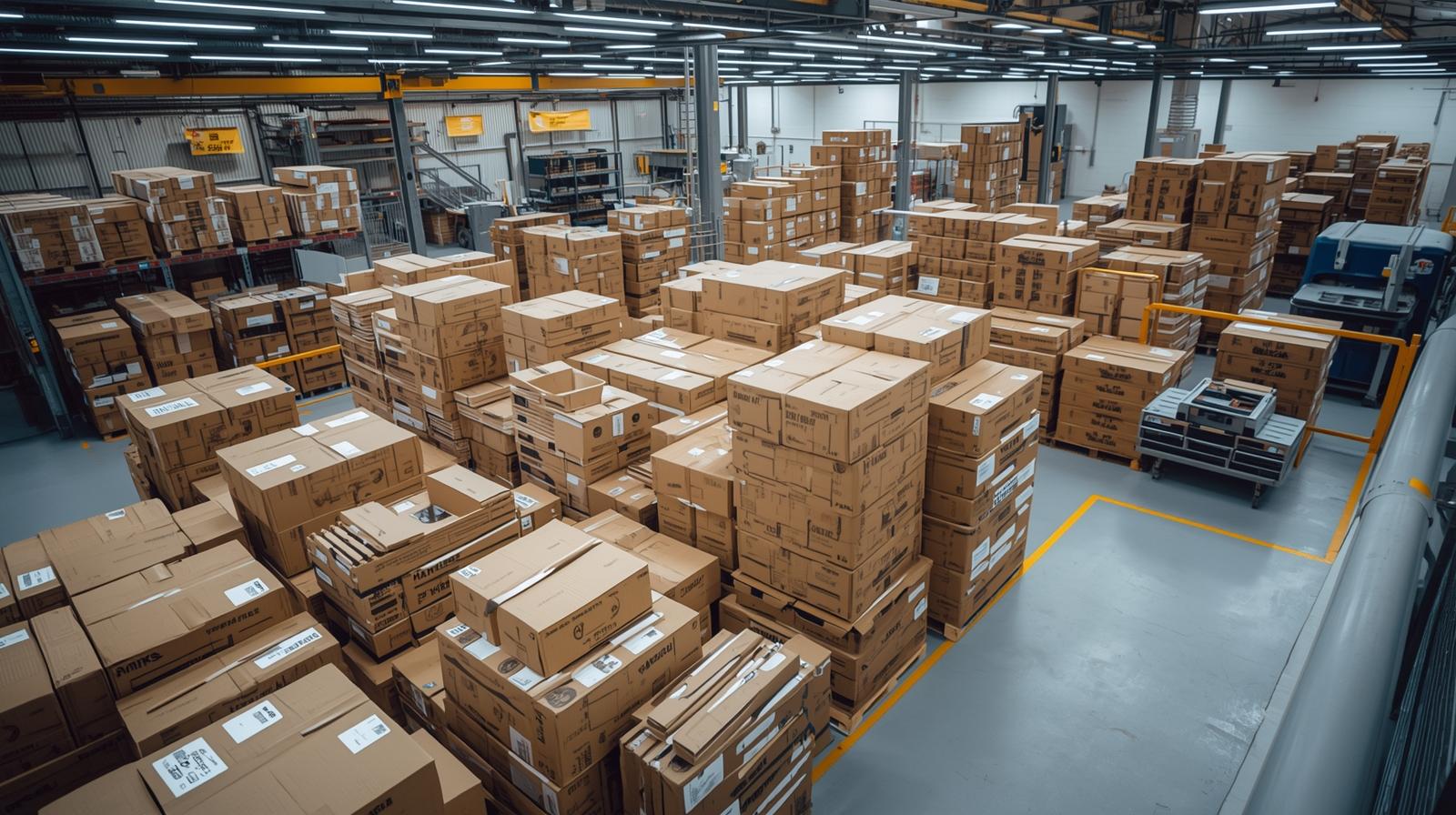
Retail stores in malls such as the Mall of the Emirates generate daily packaging waste. Similarly, restaurants in JBR receive bulk supplies packed in cardboard boxes. Consequently, waste management becomes a daily task.
Warehouses in Al Quoz and DIP often deal with shipments in large quantities. Without a recycling plan, cardboard can block aisles and create fire hazards. Therefore, regular pickup services are essential.
Even small offices in areas like TECOM or Barsha Heights benefit from recycling solutions. Although their volume may be lower, consistent disposal ensures clean and organized workspaces.
6. High-Rise Building Logistics in Areas Like Marina
Dubai Marina and Jumeirah Lake Towers are known for high-rise towers. Managing waste in these buildings requires coordination with facility management. Elevators, loading bays, and shared waste rooms must be used efficiently.
Additionally, space constraints make compacting cardboard essential. Large stacks can disrupt common areas and inconvenience other tenants. Therefore, scheduled pickups prevent clutter from building up.
Because of tight access points and parking regulations, timing matters. Professional collectors understand these challenges and plan accordingly to avoid disruptions.
7. Environmental Benefits for Dubai’s Future
Recycling cardboard reduces landfill pressure. Dubai’s landfills receive thousands of tons of waste daily. By diverting recyclable materials, we extend landfill lifespan.
Moreover, recycling saves water and energy compared to producing new cardboard. This aligns with the UAE’s environmental vision and climate commitments.
Every recycled box contributes to resource conservation. Over time, these small actions collectively create a meaningful impact for future generations in the Emirates.
8. Space Management & Cleanliness Benefits
Think of cardboard waste like clutter in a closet. At first, it seems manageable. However, over time, it overwhelms the space. Recycling acts like a regular cleaning routine; it keeps everything in order.
Clean storage areas improve workplace safety. Employees can move freely without tripping over discarded boxes. Therefore, productivity increases.
Additionally, a clean environment leaves a strong impression on clients and inspectors. It signals responsibility and professionalism.
9. Cost Factors of Commercial Cardboard Recycling Services
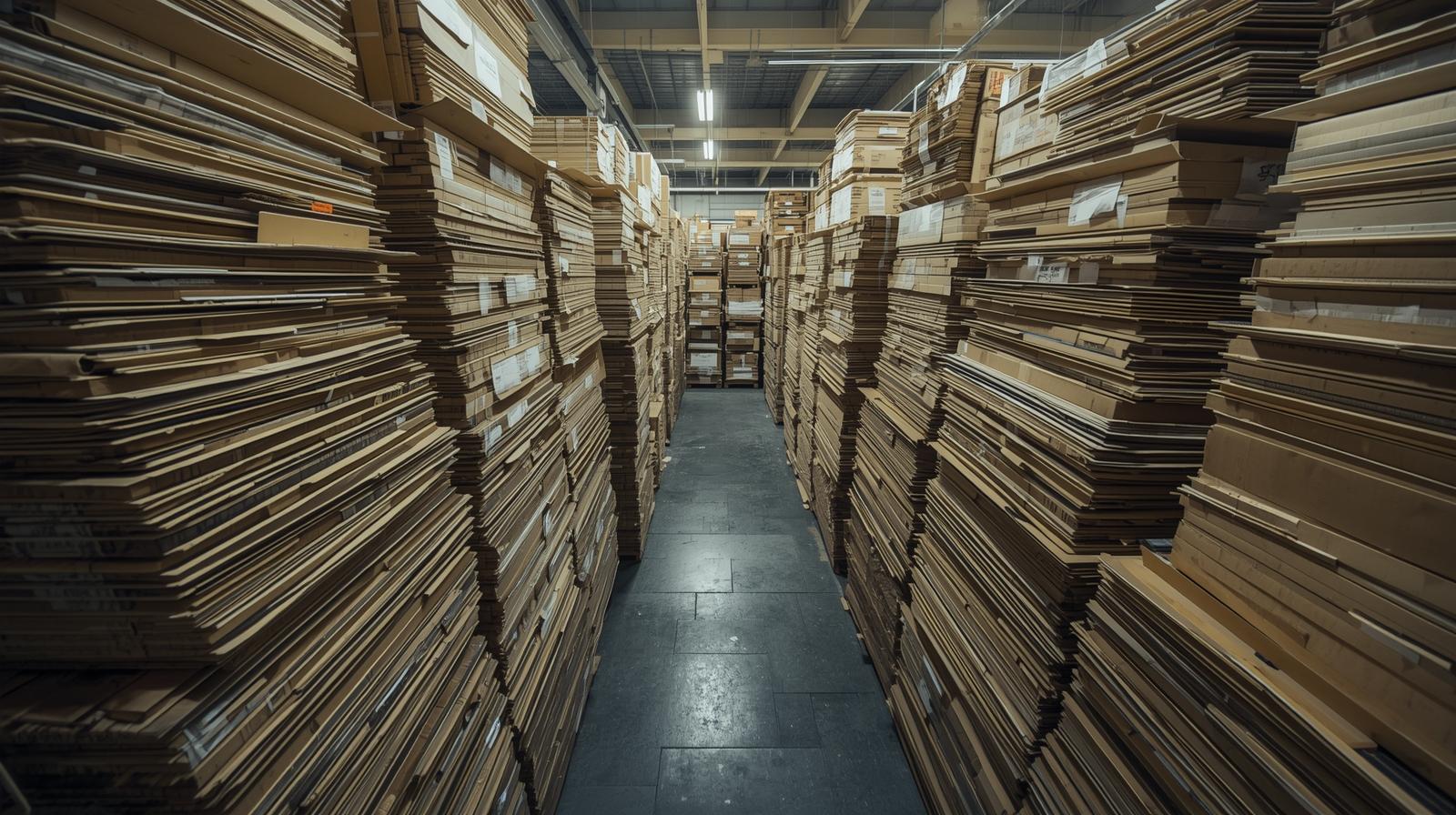
The cost of Commercial Cardboard Recycling services depends on volume, frequency, and location. Businesses in central Dubai may pay differently compared to those in industrial zones.
Some providers offer free collection if the cardboard volume is high and clean. Others charge based on pickup schedules. Therefore, comparing quotes is important.
In many cases, recycling reduces overall waste disposal costs. Since less general waste goes to landfill, you may pay lower waste management fees over time.
10. Scheduling & Collection Frequency
Collection frequency depends on your waste generation. Retail stores may require daily pickups, while offices may need weekly service.
Regular scheduling prevents overflow. Additionally, it allows businesses to plan storage areas efficiently.
Flexibility is key. During peak seasons like Ramadan sales or the Dubai Shopping Festival, waste volume increases. Adjusting pickup frequency ensures smooth operations.
11. Equipment Used in Cardboard Recycling
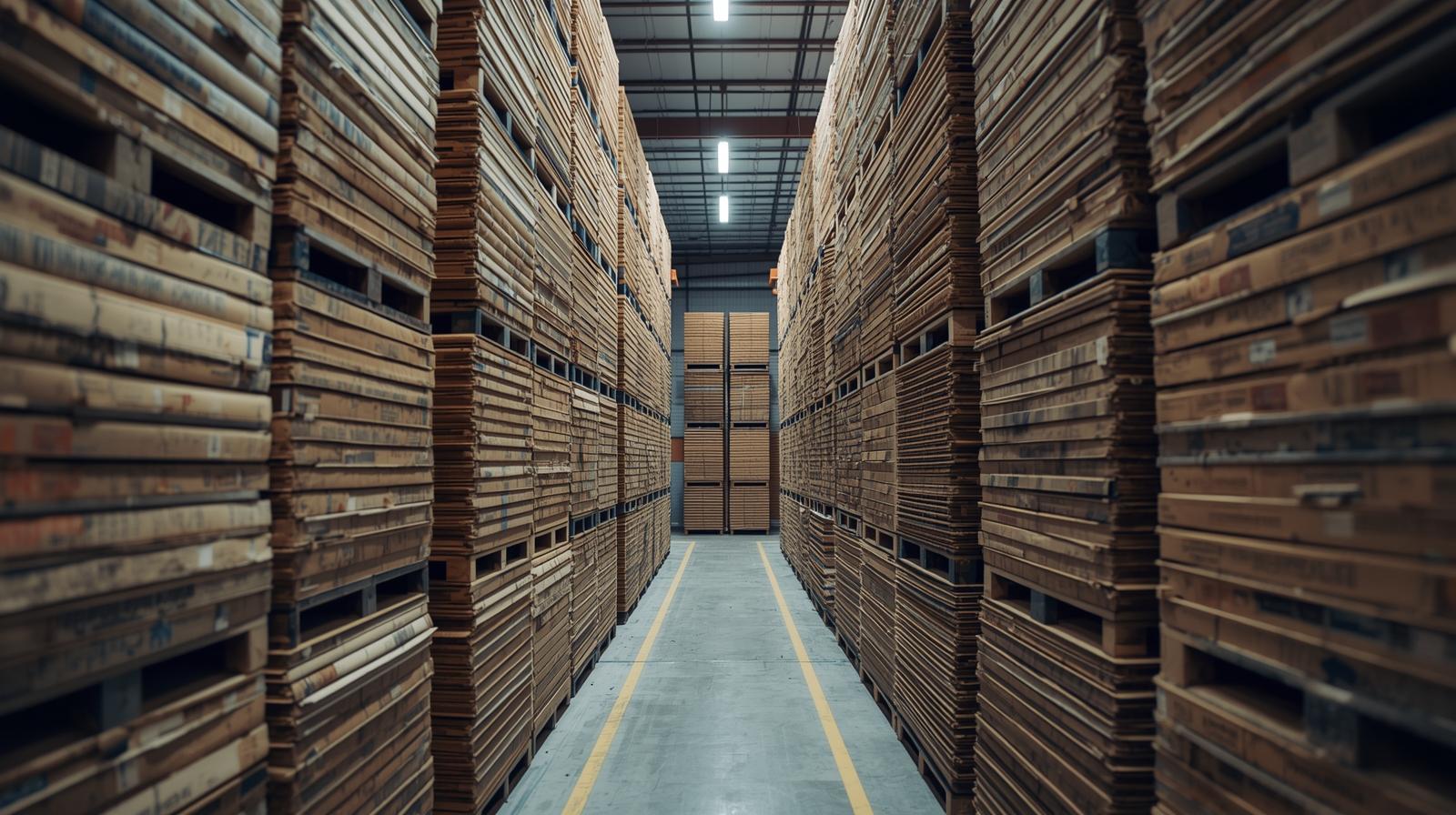
When it comes to efficient waste handling, the right equipment makes all the difference. In most Dubai businesses, balers are the backbone of cardboard management. These machines compress loose boxes into tightly packed bales, dramatically reducing the space they occupy. For companies operating in areas like Al Quoz or Dubai Investment Park, where warehouse space is valuable, this can free up room for inventory instead of waste.
There are two main types of balers: vertical and horizontal. Vertical balers are ideal for retail shops, supermarkets, and mid-sized offices, as they take up less floor space. On the other hand, large distribution centers often prefer horizontal balers because they handle higher volumes quickly and efficiently.
Additionally, compacted bales are easier and safer to transport. They lower fuel consumption, reduce pickup frequency, and streamline the overall recycling process, making operations smoother and more cost-effective.
12. Eco-Friendly Disposal & Reprocessing
After collection, cardboard doesn’t simply disappear; it enters a structured recycling chain. Licensed trucks transport the compacted material to approved recycling facilities in the UAE. At these facilities, the cardboard is sorted again to remove contaminants before being shredded and mixed with water to create pulp.
This pulp is then cleaned and processed into new paper-based products such as packaging materials, tissue paper, or even new cardboard boxes. Because this process reuses existing fibers, it reduces the need for cutting down additional trees. As a result, natural resources are preserved.
For businesses in Dubai aiming to align with sustainability initiatives like the UAE Net Zero 2050 strategy, responsible recycling is a practical step. By choosing eco-friendly disposal, you actively reduce landfill waste and lower your carbon footprint.
13. Seasonal & Weather Considerations in Dubai
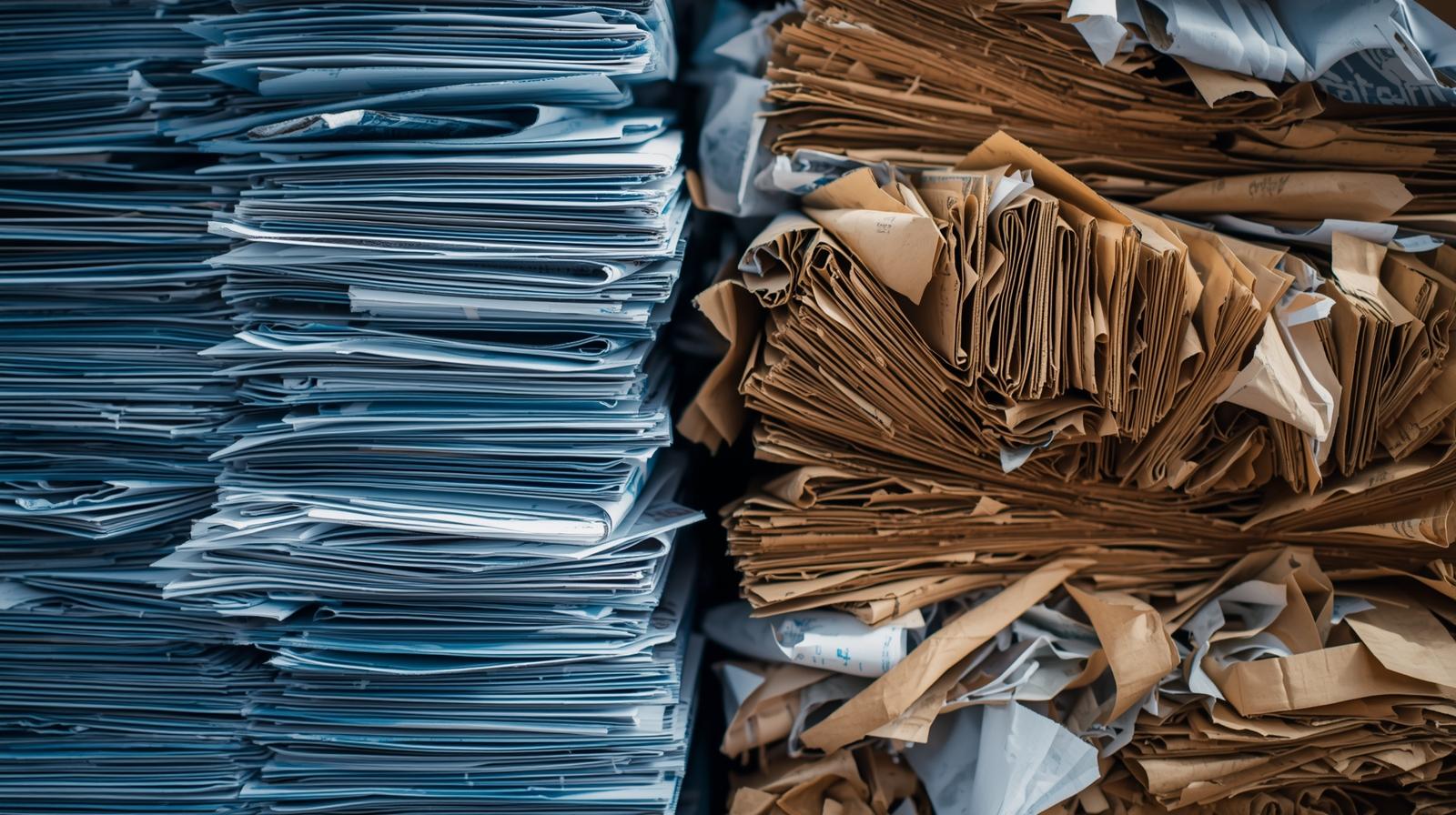
Dubai’s climate plays a major role in how cardboard should be stored and managed. During the summer months, temperatures can exceed 45°C. Prolonged exposure to heat can make cardboard brittle and more difficult to compress efficiently. Therefore, keeping materials in shaded or indoor areas is essential.
Humidity is another factor to consider, especially in coastal areas like Jumeirah or Dubai Marina. Moisture weakens cardboard fibers and may cause mold growth if left unattended. Consequently, proper ventilation and dry storage spaces are important for maintaining recyclability.
Although rainfall is rare, sudden showers can quickly soak exposed boxes. Wet cardboard is heavier and harder to process. Scheduling timely pickups and using covered bins ensures your recycling efforts remain efficient year-round.
14. Choosing the Right Commercial Cardboard Recycling Partner in Dubai
Finding a reliable service provider is crucial for smooth waste management. When selecting a Commercial Cardboard Recycling partner, always verify that they are licensed by the Dubai Municipality. This ensures compliance with local regulations and proper handling of recyclable materials.
Experience matters, especially in busy commercial districts like Business Bay or high-rise zones such as JLT. A professional company understands access restrictions, loading dock schedules, and building management rules. This minimizes disruptions to your daily operations.
Furthermore, look for transparent pricing and clear reporting systems. Reliable providers offer documentation that tracks the volume of recycled materials. This helps you measure your sustainability performance and demonstrate environmental responsibility to clients and stakeholders.
15. Common Mistakes Businesses Make
One frequent mistake businesses make is mixing cardboard with food waste or plastic packaging. Contamination reduces the quality of recyclable material and may lead to entire batches being rejected. Therefore, clear separation at the source is critical.
Another issue is inconsistent pickup scheduling. When collections are delayed, cardboard piles up in storage rooms or loading bays. This not only creates fire hazards but also gives visitors and inspectors a negative impression of your operations.
Finally, many companies overlook employee training. Staff members should understand how to flatten boxes, remove tape when necessary, and store materials correctly. Simple training sessions can significantly improve recycling efficiency and reduce avoidable waste.
16. Long-Term Sustainability Strategy for Your Company
Recycling should be part of a broader environmental commitment rather than a temporary fix. Integrating Commercial Cardboard Recycling into your company’s sustainability plan demonstrates long-term responsibility. It shows clients and partners that you care about environmental impact.
Start by setting measurable goals. For example, track how many kilograms of cardboard you divert from landfill each month. Many recycling providers in Dubai offer monthly reports that help monitor progress and identify areas for improvement.
Over time, consistent recycling reduces waste management costs, improves workplace organization, and strengthens your brand reputation. In a forward-thinking city like Dubai, adopting sustainable practices is not just good for the planet; it’s good for business growth as well.
Conclusion
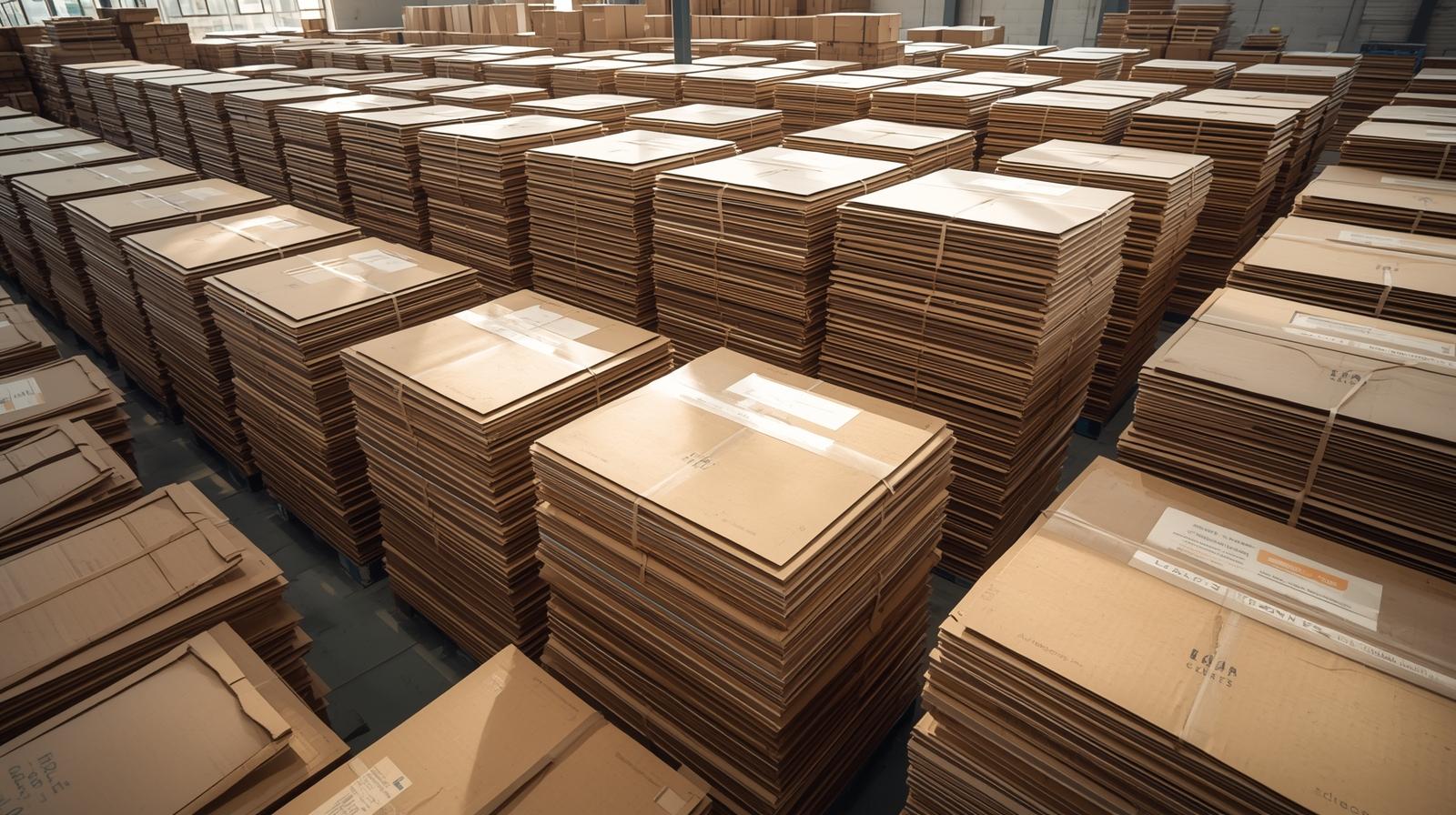
In a fast-paced city like Dubai, cardboard waste can quickly take over your valuable space if not managed properly. From high-rise towers in Marina to warehouses in Al Quoz, having a structured recycling system keeps your premises clean, compliant, and efficient.
By investing in Commercial Cardboard Recycling, you reduce landfill waste, cut operational costs, and support the UAE’s sustainability goals. More importantly, you create a safer and more organized environment for your team and customers.
Ultimately, smart recycling isn’t just about disposing of boxes; it’s about building a responsible, future-ready business in Dubai.
FAQs
Q1. What is the best way to manage large volumes of cardboard waste in Dubai?
The best approach is to partner with a licensed recycling provider. Additionally, using balers helps reduce volume and improve storage efficiency. Regular pickups prevent overflow and ensure compliance with Dubai Municipality guidelines.
Q2. Are there penalties for not recycling commercial cardboard in Dubai?
Yes, businesses that fail to follow waste management rules may face warnings or fines. Compliance with local regulations is essential to avoid legal issues and maintain a good business reputation.
Q3. How often should businesses schedule cardboard collection?
It depends on waste volume. Retail and warehouse businesses may need daily or bi-weekly pickups, while offices can opt for weekly collection. Seasonal peaks may require temporary adjustments.
Q4. Can small businesses in areas like Jumeirah benefit from recycling services?
Absolutely. Even small cafés and boutiques generate regular packaging waste. Organized recycling keeps premises clean and demonstrates environmental responsibility.
Q5. Is recycled cardboard reused within the UAE?
Yes, much of the recycled material is processed locally or regionally into new packaging products. This reduces the need for raw materials and supports sustainability initiatives across the UAE.
Trusted Junk Removal Services in Dubai for Homes & Businesses In Dubai?
Address: Office No.101, 10th Floor, Al-Shafar Tower, Business Bay, Dubai.
Google Map Location
Read More: Efficient Commercial Cardboard Collection for Offices