


Where to Dump Furniture: Fast, Green & Responsible
Where to Dump Furniture: The Complete Guide to Donate, Recycle & Dispose
Introduction
We write as a focused team with practical experience helping households, landlords, and movers decide where to dump furniture responsibly. If you’re staring at a bulky sofa, stained mattress, or an inherited dining set and asking where to dump furniture, we’ll walk you through every smart, legal, and eco-conscious option: donation, recycling, pickup, swaps, hazardous-materials handling, and creative repurposing. Think of us as the GPS for furniture: we’ll direct you to the nearest, best route and tell you when to avoid a dead end.
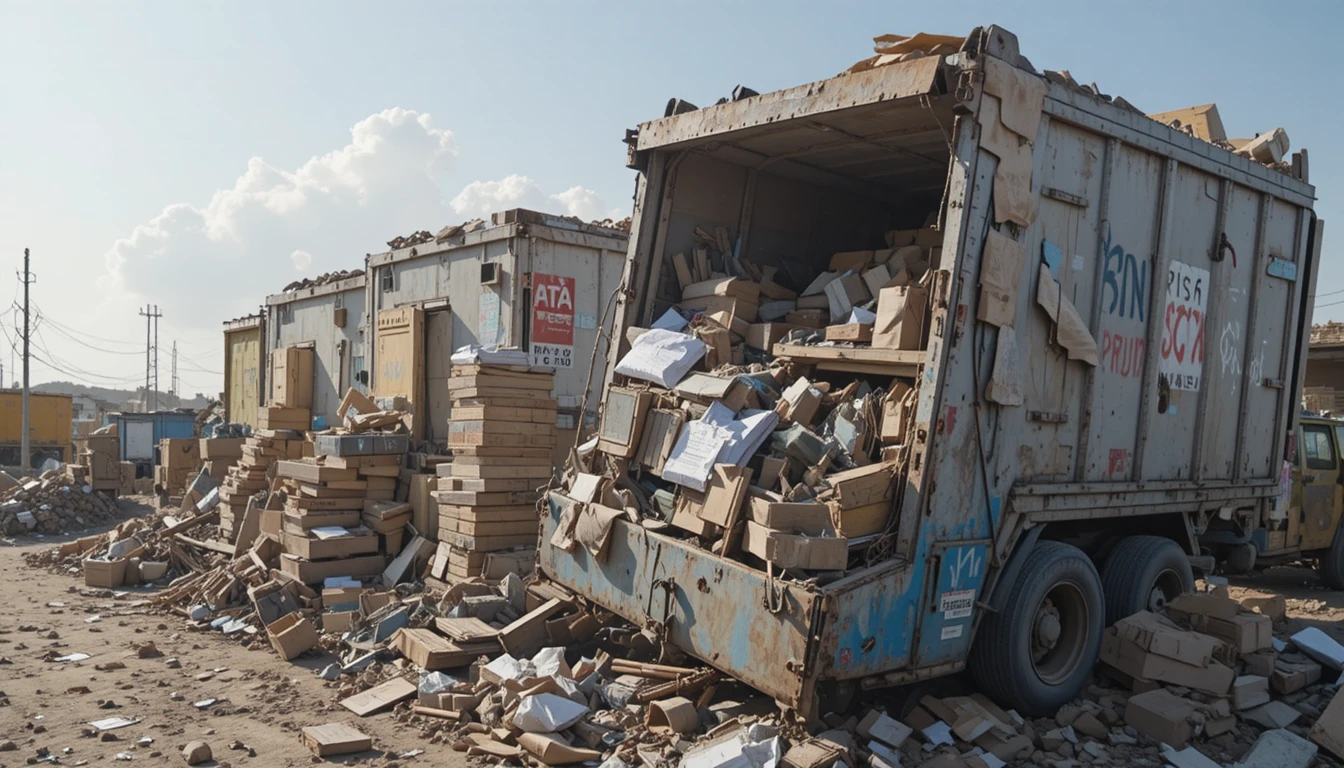
1. Why asking “where to dump furniture” matters
When we ask where to dump furniture, we are not only solving a logistics problem, we’re making a choice that affects landfill loads, local charities, and sometimes human health. Old sofas and mattresses take up disproportionate space in landfills and often contain hazardous adhesives and flame retardants. Donating a working piece can help a family; recycling a wooden frame can return raw materials into the loop; upcycling a dresser can become a weekend win. We’ll map practical options so you can choose fast, save money, and reduce waste. Consider furniture disposal like rerouting river water; every small diversion reduces pollution downstream.
2. Where to dump furniture: Quick checklist before you act
Inspect, measure, photograph, clean, & list. Before deciding where to dump furniture, we take a short checklist: measure doorways and stairwells; photograph notable damage or stains; test drawers and cushions; check manufacturer tags for materials (particle board, MDF, plywood, solid wood, leather, flame-retardant foam); and clean or wipe surfaces so donation or resale is possible.
Ask three quick questions. Can this be donated? Is it safe (no exposed nails, stable frame)? Is it worth repairing or selling? If the answer is “yes” to any of these, donation, resale, or upcycling is preferable to landfill. If not, we move to recycling or certified disposal.
Prepare documentation. For a tax-deductible donation, gather photos and receipts, note serial/model numbers, and check local charity guidelines. For hazardous furniture (e.g., items with heavy chemical treatments or formaldehyde), identify whether municipal hazardous waste take-back days apply.
Plan pickup or drop-off. Find local donation pickup services or schedule municipal bulky item pickup. If you live in a multi-unit building, check bulk pickup schedules and tenant guidelines before leaving items curbside.
Safety & city rules. Many cities prohibit leaving furniture on sidewalks; fines can apply. Securely wrap mattresses and fragile parts; protect your back with proper lifting technique or hire professionals for large items. These simple steps make deciding where to dump furniture faster and less risky.
3. Where to dump furniture: Donate used furniture best charities
When considering where to dump furniture, donating used furniture is often the best social and environmental outcome. We prioritize charities that accept larger items, offer pickup, and distribute goods to people in need. Major national charities (where applicable) often operate local affiliates accepting couches, tables, beds, and working appliances. Community shelters, veteran support organizations, and nonprofit housing programs will often accept gently used furniture with donation pick-ups.
Evaluate charities by impact. Look for charities that (1) directly supply households in need (not simply resale), (2) provide pickup or low-cost pickup, and (3) issue donation receipts for tax deductions. For furniture donation for veterans, prioritize groups with established veteran housing programs. Furniture becomes immediate help for someone moving from shelter to permanent housing.
Local thrift stores & social enterprises. Smaller thrift shops and social enterprises may accept a wider variety of items (including vintage pieces that need restoration). They often pay for restoration or training programs or reuse revenues to fund community projects.
Donation readiness. Clean the item, remove personal items, and repair small defects that would otherwise rule the piece out. Always be honest with the charity about the condition; it saves time and preserves trust. When in doubt, disclose visible damage in a short photograph, and the charity will decide if they can accept.
Record-keeping and receipts. For tax-deductible furniture donation, we keep photos, the charity’s name, date, and the receipt listing the donated items. This documentation is essential for tax time and for tracking where your furniture ultimately goes.
4. Where to dump furniture: Donation pickup services for furniture
Many organizations and specialized pickup services answer the question of where to dump furniture by collecting bulky donations directly from your curb or driveway. We recommend checking whether the charity offers free pickup for larger national organizations or municipal programs; sometimes it does, while smaller nonprofits may charge a fee or ask for a donation.
How pickup works. After scheduling, the crew typically checks the item’s condition and issues a receipt. Some services operate on a first-come, first-served basis or have limited pickups during certain days. Always confirm measurements and access constraints (e.g., narrow alleys, elevators).
Pickup vs. curbside drop. If pickup isn’t available, many donation centers provide drop-off days or specific donation hours. Don’t leave items outside unscheduled; this often violates local rules and can result in fines.
Private pickup services. For items that charities won’t accept (severely damaged or specialty materials), private eco-friendly junk removal companies will pick up and either recycle or dispose of items responsibly. We always prefer companies that recycle a high percentage of collected materials and provide transparent pricing.
Scheduling tips. Schedule within your move timeline, bundle multiple items into one pickup, and ask whether the pickup crew will disassemble or remove the items from inside your home for an extra fee. Clear communication makes the pickup process smooth and reduces the chance that your question, where to dump furniture becomes a moving-day headache.
5. Where to dump furniture: Drop-off locations for furniture donation
If pickup isn’t available, the next best answer to where to dump furniture is a scheduled drop-off. Regional donation centers, thrift stores, and nonprofit warehouses often maintain donation bays where you can deliver items during specified hours.
Locate your drop-off. Search local charity websites, municipal recycling pages, or call thrift shops to confirm hours, acceptable items, and whether they take mattresses or electronics alongside furniture. Some centers accept items by appointment only.
Drop-off preparation. Bring strong moving straps, a vehicle with suitable space, and blankets to protect both furniture and the vehicle. Some centers require prior cleaning of items, so wipe surfaces and remove bed linens.
Load-in vs. curb drop. Some donation centers will accept items left at a donation door; others require you to carry them inside for inspection. If carrying inside is required and you cannot manage, consider scheduling pickup instead.
Rules to remember. Many thrift stores do not accept heavily stained, broken, or pest-infested items. Mattresses often have separate rules because of bedbug concerns. Always call ahead to avoid unnecessary trips and to ensure your question of where to dump furniture ends with a positive donation outcome.
6. Where to dump furniture: Finding furniture donation centers
Finding the right donation center answers the simple question of where to dump furniture with precision. We use three fast methods: (1) charity websites and local affiliate locators, (2) municipal waste and recycling pages, and (3) community groups on social platforms.
Charity locators. National charities commonly have “donation locator” tools. Input your postcode and filter by item types. For furniture donation for veterans or low-income families, search for organizations that list targeted programs.
Municipal resources. City websites usually list approved donation centers and hazardous waste take-back events. These pages also state what can be dropped off, hours, and whether appointments are needed.
Community search. Local Facebook groups, Nextdoor, or community bulletin boards often list smaller nonprofits or social enterprises that take furniture. They can be especially helpful for unusual or vintage pieces.
Verification & reviews. Before driving, verify operating hours and read recent reviews. We also suggest calling to confirm acceptance policies for mattresses or specialized furniture to avoid wasted trips.
7. Where to dump furniture: What furniture can be recycled
Answering where to dump furniture responsibly means knowing what can be recycled. Many furniture parts are recyclable: solid wood frames, metal components, certain foams (in specialized facilities), glass tabletops, and textiles in some programs.
Wood. Solid wood furniture is often recyclable and can be chipped and reused. However, particle board and furniture with heavy veneers or laminate often cannot be recycled in the same stream because adhesives and formaldehyde make the material unsuitable.
Metal. Metal legs, frames, screws, springs, and hardware are commonly recyclable at metal yards.
Foam & upholstery. Upholstery foam and fabrics are trickier: some specialized recyclers accept foam, but many municipal programs do not. Textile recycling points may accept clean, intact fabric pieces.
Glass and stone. Glass table tops or stone surfaces are usually recyclable or reusable, but must be separated and handled for safety.
Composite materials & contamination. Items with mixed materials, laminate over particle board, glued joints, and flame-retardant foam often need specialized processing. If an item is contaminated (mold, pests, hazardous treatments), it generally cannot be recycled and requires appropriate disposal.
8. Where to dump furniture: Furniture recycling programs explained
Furniture recycling programs provide localized answers to where to dump furniture by diverting usable parts from landfills into reuse or materials recovery.
Program types. Municipal recycling programs, nonprofit refurbishers, and private recycling firms each operate differently. Municipal programs may accept bulky items during scheduled bulky pickup or at drop-off centers. Nonprofits often refurbish and resell furniture, while private firms focus on material recovery (wood chips, metal salvage).
How the programs work. Accepted items are sorted; usable sections are refurbished and resold or donated, while broken parts are dismantled for recyclable materials. This reduces landfill usage and can feed circular-economy markets.
Specialized processing. Some programs remove foam for chemical recycling, strip metal for scrap, and chip clean wood for composite products. Not all cities offer every service; identify local options beforehand.
Costs and benefits. Some programs offer free pickup for donations; others charge a fee for large items. The benefit is reduced environmental impact and community support. Choosing a recycling program answers where to dump furniture with a sustainable solution.
9. Where to dump furniture: Recycling centers for furniture near you
To get a precise answer to where to dump furniture, identifying local recycling centers is vital. Use municipal waste pages, local search directories, or social platforms to find centers that accept large items.
What to ask before you go. Do they accept furniture? What materials are accepted? Are there size limits? Is there a drop-off fee? Do they require an appointment? Knowing the answers saves time.
Transport tips. Bring straps, blankets, and a vehicle suited to bulky items. Some centers require you to unload, bring help, or hire a mover.
Documentation and receipts. If recycling is part of a tax-advantaged donation, ask for documentation. For private recycling with a fee, insist on a receipt showing the materials processed.
10. Where to dump furniture: Pickup services for furniture recycling
When mobility is limited, pickup services address where to dump furniture by collecting items directly for recycling. Municipal bulky pickup days often collect for recycling; private pickup firms can provide scheduled removal with eco-friendly sorting.
Choosing a pickup service. Prioritize firms that publish their recycling rates and processing steps. Ask whether they donate, refurbish, or recycle materials and how they dispose of non-recyclable parts.
Hidden costs. Some low-cost pickups haul items to the landfill; ask for an explicit recycling promise. Confirm if stairs, elevators, or disassembly are included in the price.
Scheduling tips. Book early in the season (moving season is busy), bundle multiple items, and time the pickup with other moving tasks to streamline the move and reduce repeat trips.
11. Where to dump furniture: How to donate furniture (step-by-step)
Deciding where to dump furniture via donation works best with a clear, stepwise plan. We outline a practical five-step process:
- Assess condition. Test structure, zipper integrity, and the presence of pests or odors. Donors should be honest charities work hard to refurbish items and will decline unsafe or infested pieces.
- Choose a recipient. Pick a charity, shelter, thrift store, or program that matches the item (e.g., baby furniture to family services).
- Measure and photograph. Note dimensions and damage; attach these to donation requests to speed acceptance.
- Schedule pickup or plan drop-off. Confirm logistic scurb pickup, appointment, or drive-in drop-off.
- Get a receipt and document for taxes. Ask for a written receipt describing the item and date. For a tax-deductible furniture donation, keep photos and the charity’s details.
We recommend doing these steps in a single afternoon, quick, responsible, and often tax-smart.

12. Where to dump furniture: Best time to donate furniture
Timing answers the practical side of where to dump furniture: choose the right moment to maximize the item’s usefulness and acceptance.
Seasonal factors. Spring and early summer are peak donation times charities often have higher demand and more volunteer availability. However, avoid late-December holidays when many centers are closed or overburdened.
Moving timeline. Schedule a donation at least two weeks before moving to avoid last-minute disposal dilemmas. Align pickups with your moving day if possible.
Weather & transport. Avoid donating on rainy days unless the pickup service will immediately handle the item. Most donation centers prefer dry, clean items.
Local events. Large community cleanup or donation drives often create dedicated windows for free pickups and can be the ideal time to donate larger sets.
13. Where to dump furniture: Tax-deductible furniture donation tips
If you’re asking where to dump furniture and want tax benefits, documentation and valuation matter. We follow straightforward steps to maximize legitimacy and compliance.
Get a receipt. The charity must be a qualified 501(c)(3) (or local equivalent) to claim a deduction. Keep the receipt with date, charity name, and brief item description.
Fair market value. The IRS expects a realistic estimate of valueused furniture rarely claims high values. Use thrift store prices for similar items as a guide.
Items over a certain value. For higher-value donated furniture, some jurisdictions require an appraisal. Check local tax law thresholds.
Noncash donation forms. When filing, use the correct tax form and attach the required documentation. For bulk donations, maintain a donation log with photos.
Honesty & compliance. Overvaluing donations is risky. We always favor conservative, well-documented estimates to answer where to dump furniture while staying tax-compliant.
14. Where to dump furniture: Eco-friendly furniture disposal options
We prioritize solutions that reduce landfill, lower carbon impact, and redirect useful materials. Eco-friendly options answer where to dump furniture with the environment in mind.
Donation & resale. Re-homing usable furniture provides the highest environmental benefitextend life, delaying new production.
Repair & refurbishment. A small repair can add years to a piece’s life. Consider local repair cafes or community workshops.
Material recovery. Where donation isn’t possible, choose programs that salvage wood, metal, and glass. Ask recyclers for diversion rates.
Upcycling and creative reuse. Turn a worn dresser into kitchen storage or garden planters. These projects keep materials active and reduce waste.
Avoiding illegal dumping. Illegal curb dumping is common when options seem limited. Instead, find municipal bulk pickup or pay a certified eco-friendly removal service to prevent fines and environmental harm.
15. Where to dump furniture: How to dispose of large furniture
Large furniture raises both physical and regulatory obstacles when deciding where to dump furniture. We recommend a measured approach.
Measure & plan. Check doorways, elevators, and staircases. If the item won’t fit, consider disassembly. Many couches and beds can be partially dismantled.
Hire professionals when necessary. For very heavy items, hire removal pros with proper equipment to avoid injury. Movers often provide disposal services. Ask in advance about costs.
Municipal bulky pickup. Most cities allow scheduled bulk item pickups. Book early and follow item placement rules.
Private removal & recycling. If donation is impossible, use a reputable junk removal service that recycles. Confirm diversion rates and request a receipt documenting the disposal path.
Safety first. For beds, remove mattresses and box springs as per local rules; metal bed frames often go to scrap. Proper handling protects your back and neighborly relations.
16. Where to dump furniture: Bulk trash pickup schedule & procedures
City rules often dictate where to dump furniture at the curb. Bulk trash pickup schedules vary; check your municipal website for collection days, limits, and booking procedures.
Booking & limits. Some jurisdictions require advance booking and impose limits on how many of items per pickup. Others have fixed quarterly or monthly bulk pickup windows.
Preparation & placement. Items usually must be placed at the curb by a certain time and not block sidewalks. Secure small parts and label items if requested.
Special rules for mattresses & electronics. Many cities separate mattresses and electronics due to pest and hazardous components follow the specified instructions.
Penalties for noncompliance. Improper placement may result in fines or refusal of pickup. When in doubt, contact local sanitation to confirm.
17. Where to dump furniture: Bulk junk pickup services near me
If municipal schedules don’t align with your needs, private bulk junk pickup services offer a flexible answer to where to dump furniture.
Service types. Some companies simply haul to a landfill; better ones sort and recycle. Ask for recycling percentages and whether they subcontract.
Pricing transparency. Reputable services give a clear quote based on volume or item count, not surprise fees. Get a written estimate and ask about extra charges (stairs, long carry, disassembly).
Environmental credentials. Look for certifications, partnerships with recyclers, or community testimonials showing green practices.
Same-day & scheduled options. Many offer same-day or next-day slots for an extra forceful move during tight moves. Confirm they issue disposal receipts.
18. Where to dump furniture: Dispose of broken furniture responsibly
Broken furniture often looks like waste, but there are responsible routes for where to dump furniture, even when items are beyond repair.
Salvage parts. Metal screws, legs, springs, and hardwood pieces can be salvaged. Dismantle and separate materials before drop-off.
Specialized recyclers. Some recyclers accept broken items solely for material recovery; find them via municipal recycling directories.
Landfill as a last resort. If material separation is impossible or the item is contaminated, landfill may be the only option. Still, choose certified disposal that minimizes leachate and methane escape.
Avoid illegal dumping. It can be tempting to abandon broken items, but fines and environmental impacts make proper disposal the right choice.
19. Where to dump furniture: Hazardous materials in furniture disposal
Certain furniture includes hazardous components, flame retardants, formaldehyde, leaded paint, or adhesives that affect where to dump furniture.
Identify hazards. Check labels and manufacturer data. Particle board, older upholstered furniture, and items with foam can emit volatile compounds.
Use hazardous waste disposal events. Many municipalities hold household hazardous waste take-back events where treated materials are accepted.
Specialized disposal providers. For chemically treated furniture, hire certified hazardous waste handlers who follow strict regulations.
Documentation & safety. Label hazardous items and inform the disposal service. Proper handling ensures community safety and legal compliance.
20. Where to dump furniture: Safe disposal guidelines for particle board
Particle board presents unique challenges in answering where to dump furniture because it contains adhesives and often formaldehyde.
Why it’s tricky. Particle board resists conventional recycling since adhesives make separation difficult and emit VOCs when shredded.
Preferred routes. If in good shape, donate or reuse for lower-value applications. Otherwise, locate recycling programs that accept composite wood for industrial chipping into nonstructural products.
Municipal rules. Some cities accept particle board in bulk pickups; others require landfill or specialized processing. Check local guidance.
Upcycling ideas. Use cut sections for garden planters (lined), low-stress shelving, or workshop projects, keeping exposure and weathering in mind.
21. Where to dump furniture: Disposal of furniture with formaldehyde
When furniture contains formaldehyde, a common ingredient in adhesives and some resins, choosing where to dump furniture requires caution.
Identify formaldehyde-containing items. Particle board, pressed wood, and some laminate surfaces commonly contain formaldehyde. Manufacturer tags and product age help identify risk.
Ventilation & handling. When moving such items, work in well-ventilated spaces and wear gloves to limit exposure to off-gassing dust.
Disposal options. Many municipal hazardous waste programs accept such items; some private recyclers have the capacity to handle them safely.
Avoid burning. Never burn treated wood; combustion releases toxic gases. Proper industrial processing or landfill (as a last resort) is essential.
22. Where to dump furniture: Certified hazardous waste disposal services
For chemically treated or contaminated furniture, certified hazardous waste services provide safe answers to where to dump furniture.
Certification matters. Use firms with hazardous waste handling credentials and documented waste streams. This guarantees compliance and worker safety.
Process & proof. These services will transport, treat, and provide manifests showing where the waste ended uncritical for landlords and institutions.
Costs vs. safety. Expect higher fees than regular disposal, but consider the liability and environmental risks avoided.
When to call them. If an item is contaminated with lead paint, asbestos components, heavy chemical treatments, or mold with extensive growth, call certified waste services.
23. Where to dump furniture: Community furniture recycling initiatives
Community initiatives are grassroots answers to where to dump furniture, turning local participation into large-scale reuse.
How they work. Neighborhood drives, repair cafes, and social enterprise refurbishers collect donated pieces, fix them, and redistribute or sell them at low cost.
Volunteer opportunities. These programs often welcome volunteers, offering hands-on training in repair and woodworking.
Partnership benefits. Local initiatives often partner with municipal recycling, thrift stores, and homeless services to create integrated reuse systems.
Find & join. Check community calendars, municipal sites, and local social pages to find upcoming collection events and workshops.

24. Community furniture swap & reuse programs
Swaps provide peer-to-peer solutions for where to dump furniture; they’re social, free, and often seasonal.
Event basics. Swap meets allow people to bring items for trade or pick up needed pieces for free or small donations. Organizers usually set condition standards to avoid taking in junk.
Hosting tips. If organizing, set clear quality guidelines, schedule a time, communicate pickup rules, and coordinate volunteers for setup and teardown.
Online swap groups. Virtual swap groups on social platforms allow posting items with photos and arranging pickup fast and locally focused.
Etiquette. Be prompt, transparent about the condition, and only take items you can transport safely.
25. Community bulk waste collection events
Municipal bulk collection events offer scheduled solutions for where to dump furniture they consolidate pickups, reduce illegal dumping, and make disposal predictable.
Advance registration. Many events require registration or have quotas; sign up early.
Accepted items. Check lists: some events accept household hazardous waste, mattresses, electronics, and furniture, while others limit to inert bulky items.
Volunteer & outreach roles. Communities often need volunteers to man drop-off points and help direct traffic another way to keep items out of landfill.
26. Donation centers & thrift stores accepting items
Not all donation centers accept every item. Answering where to dump furniture means matching the item’s condition with the recipient’s needs.
Check item lists. Many thrift stores post acceptable items online and verify mattress, electronics, or baby furniture policies.
Specialized stores. Costume shops, restoration workshops, and vintage dealers may accept unusual pieces that mainstream thrift stores reject.
Receipts & documentation. Always request a tax receipt if eligible, and keep a photo log.
27. Moving companies & furniture disposal options
If you’re moving, ask your moving company where to dump furniture. Many movers offer disposal options.
Service options. Some movers haul unwanted items and donate them or transport them to recycling centers. Others may subcontract junk removal.
Costs & contracts. Confirm charges, what happens to the item (donation vs. landfill), and whether disassembly/hallway is included.
Sustainable movers. Select moving companies that partner with charities and recyclers to keep your furniture out of the landfill.
28. Costs & pricing of local junk removal
Cost shapes many disposal decisions when deciding where to dump furniture; compare municipal free options to private fees.
Typical pricing models. Private removal often charges by volume or truckload, with surcharges for heavy items, disassembly, or stairs.
Hidden fees to watch. Ask about disposal fees, fuel surcharges, and minimum charges. Get estimates in writing.
Value for sustainability. Cheaper is not always greener. Evaluate recycling rates and donation practices when paying for removal.
29. Eco-friendly moving and disposal practices
Combining moving and disposal allows us to answer where to dump furniture while minimizing waste and cost.
Plan in advance. Sell or donate items early in your move timeline. Bundling pickups and sales reduces repeat handling.
Hire green movers. Choose movers with recycling partnerships and responsible disposal options.
Use reusable materials. Rent moving blankets and reusable containers to reduce packing waste.
Offset & reuse. Consider donating shipping materials, and for large estate moves, coordinate with local charities for bulk acceptance.
30. Upcycling, repurposing, and DIY furniture projects
If you’re creative, upcycling is a compelling answer to where to dump furniture; turn a tired piece into something functional or artistic.
Beginner projects. Paint a dresser, convert a crib into a bench, or reupholster cushions. These projects are accessible and low-cost.
Tools & materials. Basic tools screwdrivers, sandpaper, paintbrushes and safety gear suffice for most projects.
Workshops and resources. Community workshops and online tutorials offer step-by-step guidance for DIY furniture projects.
Value creation. Upcycling often increases item longevity and can produce saleable pieces, combining environmental benefits with potential income.
31. Vintage furniture restoration and flipping tips
Vintage pieces often have value that answers where to dump furniture with profit and preservation.
Assess for restoration. Check joints, veneer condition, and whether hardware is original these influence restoration cost and resale value.
Light restoration. Cleaning, rewiring (for lamps), and gentle refinishing often restore marketability.
Flipping strategy. Source undervalued thrift items, invest in modest repair/upcycle, and list on resale platforms with clear photos and provenance.
Ethical restoration. Preserve original character where possible over-refinishing can reduce value to serious collectors.
32. How to organize a furniture swap event
Organizing a swap answers where to dump furniture by creating a local reuse ecosystem.
Set rules & promotion. Define accepted conditions, reserve size limits, require photos for online pre-vetting, and advertise across community channels.
Logistics & volunteers. Secure a venue, arrange movers or volunteers for setup, and have a system for fair distribution, first-come, raffle, or token exchange.
Safety & liability. Ask participants to sign a simple liability waiver, and provide tools for minor repairs or packaging.
Aftercare. Recycle unswapped leftovers or donate to charity partners.
33. Where to dump furniture: Neighborhood and online swap groups
Digital platforms raise the question of where to dump furniture peer-to-peer and immediately.
Local online groups. Facebook Marketplace, Nextdoor, and local swap groups enable direct pickup and negotiation.
Rules for success. Post clear photos, accurate dimensions, pickup instructions, and respond quickly to inquiries.
Safety. Meet in public spaces when possible and confirm pickup capability before committing to an item.

34. Where to dump furniture: Best practices for furniture disposal when relocating
Relocation intensifies the question of where to dump furniture. We advise a relocation-focused disposal plan:
1. Sort & decide early. Purge before packing: donate, sell, or recycle items you won’t move.
2. Sell or donate locally. Avoid moving bulky items long distances; resale or donation near your origin benefits others.
3. Coordinate pickups with movers. Ask movers to handle disposal on moving day to consolidate effort.
4. Schedule municipal pickups. Avoid curb clutter by confirming pickup windows.
5. Document for taxes & record keeping. Keep receipts for donation or removal charges.
These steps reduce stress, save money, and answer where to dump furniture in an organized fashion.
35. Conclusion
We’ve mapped practical, eco-friendly, and cost-sensible answers to where to dump furniture: donate when possible, recycle where feasible, and use certified disposal for hazardous items. Start with a quick inspection and measurement, choose the right recipient or recycler, and document your donation or disposal. By taking a few simple steps, planning pickups, knowing municipal rules, and considering upcycling, you’ll protect the environment and help your community. to Workshop or DIY
FAQs
1. Where is the best place to dump furniture for donation near me?
Search local charity locators, municipal recycling pages, or community groups; call ahead to confirm item acceptance and pickup/drop-off details.
2. Where can I dump furniture that contains hazardous materials?
Use municipal hazardous waste take-back events or certified hazardous waste disposal services; never burn or leave them curbside.
3. Where can I dump furniture quickly if I’m moving today?
Check if your mover offers disposal services; otherwise, book a private bulk pickup or find a same-day junk removal service that specifies recycling rates.
4. Where should I dump mattresses or upholstered furniture with stains?
Many charities won’t accept stained mattresses. Check municipal bulk pickup rules or specialized mattress recycling programs to prevent bedbug spread.
5. Where to dump furniture I want to upcycle or flip?
Local swap groups, thrift stores, and online marketplaces are great sources to look at before buying new materials or heading to the landfill.
Trusted Junk Removal Services in Dubai for Homes & Businesses
In Dubai?
Address: Office No.101, 10th Floor, Al-Shafar Tower, Business Bay, Dubai.
Google Map Location
Read More: Where to Throw Old Furniture: Sustainable Disposal Guide






One Comment