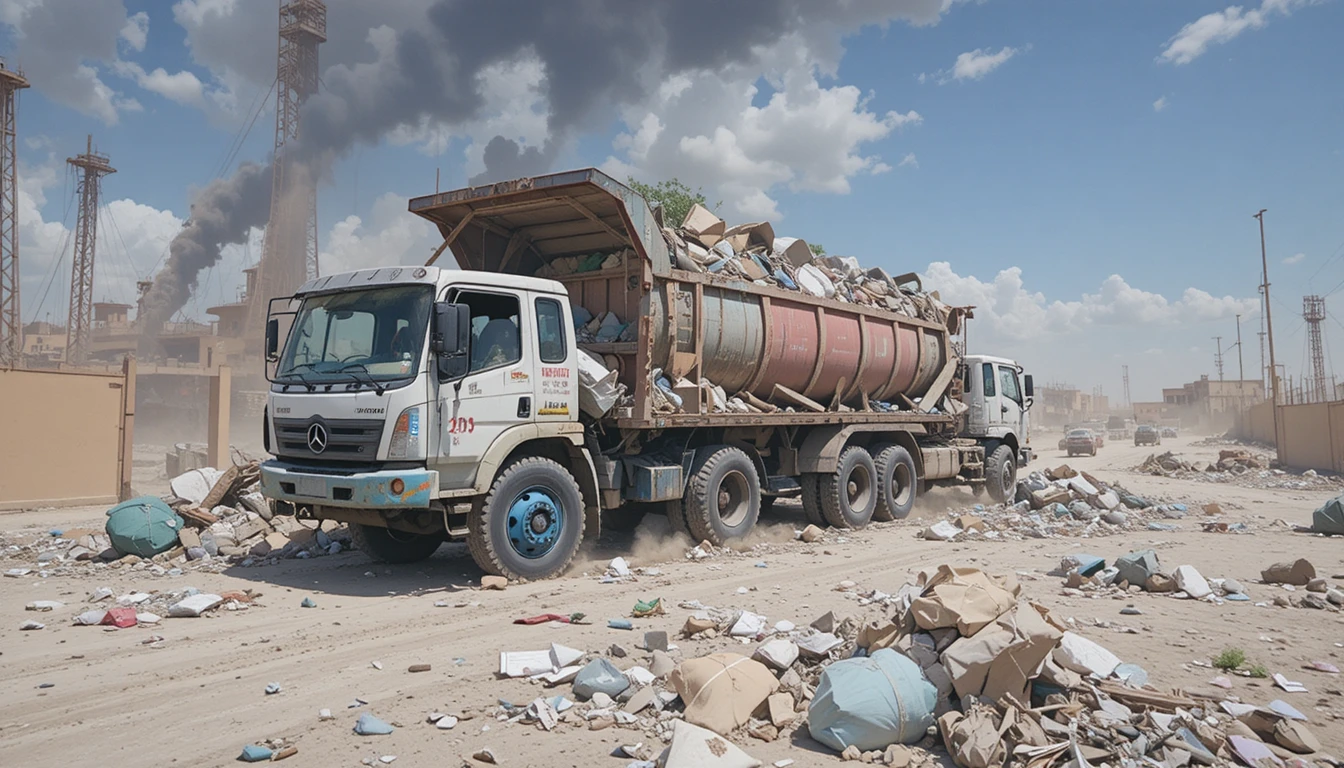
Waste Collection & Smart Waste Solutions: Sustainable Strategies
Waste Collection: Smart, Sustainable Solutions for Urban Futures
Introduction
We design practical, scalable plans that transform waste collection into value. Waste is not merely refuse; it’s a resource waiting for the right system, technology, and community effort. In this long-form guide, we outline waste collection strategies, sustainable models, smart technologies, policy levers, and community actions to turn municipal and commercial waste programs into efficient, circular processes. Think of waste collection as the circulatory system of a city: when it’s healthy, everything else thrives.
1. Waste Collection: Core Principles & Objectives
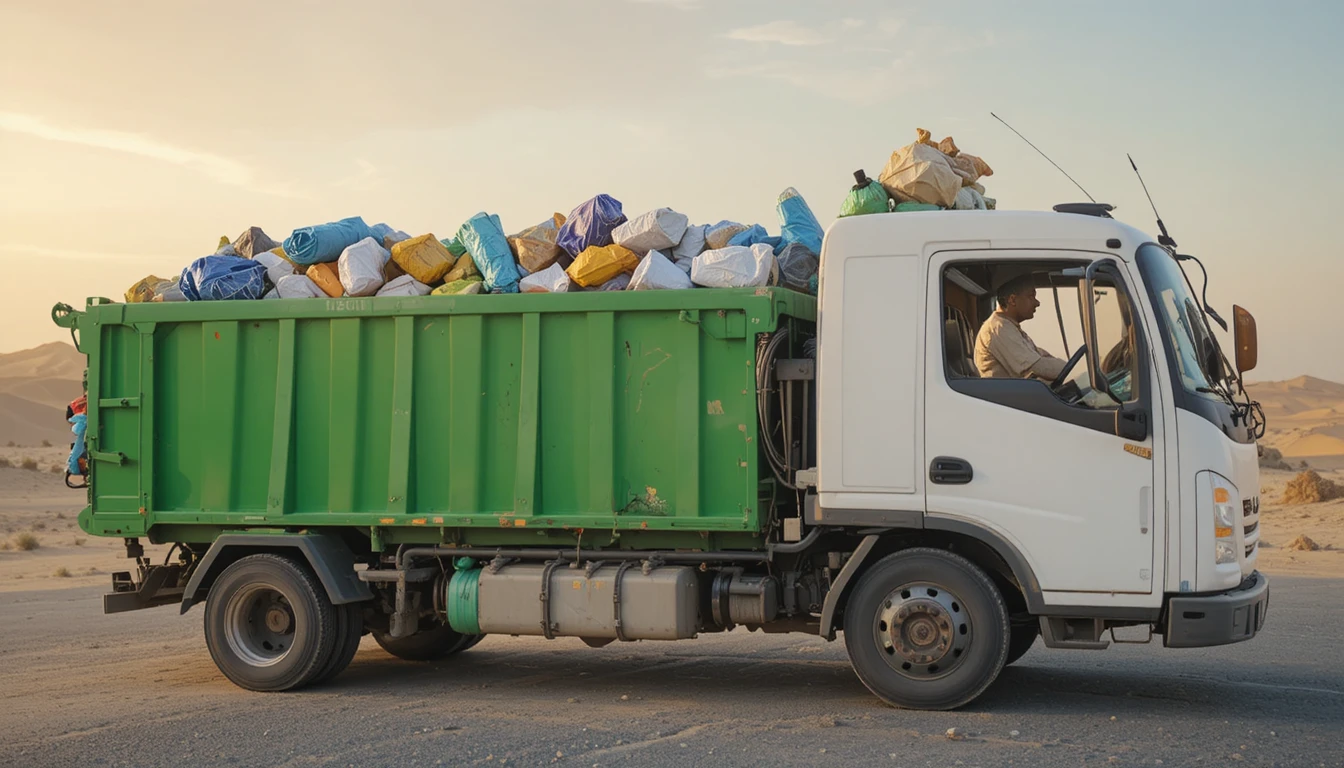
Key priorities: Reduce, Recover, Reuse, Recycle, and Rethink. We prioritize upstream reduction and downstream recovery equally. Efficient waste collection must balance service quality, cost control, environmental impact, and social acceptance. Imagine a library where each book (material) must be cataloged (sorted), returned (collected), and placed back on the shelf (recovered). A system that fails at cataloging creates a mess; that’s what happens when waste collection systems don’t embed clarity and incentives. We focus on designing collection zones, frequency schedules, multi-stream containers, transparent data flows, and stakeholder engagement. Clear signage, culturally tailored education, and convenient access points reduce contamination and increase diversion. Our objective is measurable: increase recycling rates, reduce landfill tonnage, lower greenhouse gas emissions, and create circular supply chains. By treating waste as feedstock rather than trash, we unlock new local jobs, revenue streams from resource recovery, and resilience in municipal services.
2. Waste Collection Optimization: Route Planning & Fleet Management
Route optimization is the backbone of modern waste services. We cut fuel, time, and emissions by analyzing collection frequency, bin fill patterns, and street-level constraints to design cost-effective routes. Using route optimization tools, we model vehicle types (electric-powered garbage trucks vs. diesel), compaction capacity, and accessibility to plan efficient rounds. Key metrics include kilometers per ton, stops per hour, and on-time pickups. We also adopt fleet telematics, predictive maintenance, and dynamic dispatch to reduce downtime. Efficient route planning reduces wear-and-tear and labor hours while improving reliability for residents. When paired with mobile waste compactors and compacting waste collection trucks, route frequency can be reduced without sacrificing service quality. Consider it akin to scheduling supermarket restocks only when shelves dip below a threshold, smart, demand-led service lowers cost and environmental impact.
3. Waste Collection: Smart Bins and Iot Waste Management Solutions
Smart bins change the game. Equipped with sensors, RFID, and telemetry, they report fill levels, contamination events, and temperature (vital for organic streams). IoT waste management solutions allow us to trigger pickups only when needed, saving routes and cutting emissions. Smart bins also provide data for outreach, helping target education programs where contamination is highest. Smart bins integrate with mobile applications for residents and operators, creating a two-way feedback loop: “your bin is full” and “your recycling contamination was corrected.” Such systems improve transparency and enable environmental impact assessments that reflect real-time operations.
4. Waste Collection Software Solutions and Cloud-Based Platforms
Cloud-based waste collection software ties data from smart bins, fleet telematics, billing, and customer service into one system. We use platforms that enable route optimization, analytics dashboards, and citizen engagement portals. With cloud storage, municipalities and private haulers share a single source of truth, improving coordination. Data visualization tools help managers see hotspots, seasonal trends, and recycling contamination rates. Integrations with payment systems and EPR reporting help close the loop between producers and regulators. Secure APIs connect to municipal systems, enabling cross-department collaboration for zoning, public works, and health inspections.
5. Waste Collection: Real-Time Waste Monitoring Technology
Real-time monitoring reveals what used to be invisible. Fill sensors, weight sensors, and optical sorting feedback generate continuous performance data. Using this telemetry, we can apply predictive analytics to forecast volumes and prioritize routes. Real-time dashboards also enable emergency alerts, for example, a temperature spike in organic bins that could signal a fire risk begins a rapid response. The real-time approach turns intermittent snapshots into an ongoing narrative of waste behaviors and helps fine-tune interventions like targeted education or adjusting pickup frequency.
6. Sustainable Supply Chain and Closed-Loop Systems
Shifting to a sustainable supply chain means designing products and packaging so materials re-enter manufacturing rather than landfills. Closed-loop systems and ecodesign reduce embedded carbon and virgin material demand. We work with suppliers and producers to adopt extended producer responsibility (EPR) programs and performance-based contracts, creating incentives to design recyclable or compostable products. Circular models like deposit-return schemes and material take-back programs reduce collection burdens and increase the quality of recovered materials.
7. Waste Collection: Environmental Impact Assessments for Waste Programs
We conduct environmental impact assessments (EIA) to quantify emissions, energy use, and ecosystem impacts of collection, transport, and disposal options. EIAs compare scenarios: traditional landfill vs. diversion with advanced recycling equipment vs. waste-to-energy conversion equipment. These assessments guide investment, informing trade-offs between local emissions and regional energy recovery. EIAs also identify social risks like siting impacts and environmental justice concerns, ensuring policies equitably distribute benefits and burdens.
8. Composting Bins for Apartments and Urban Composting Techniques
Composting bins for apartments and urban composting techniques bridge the gap between households and municipal organic programs. We design compact, vermicompost, and bokashi systems for dense living where space is scarce. Community compost hubs, building-level organics pickup, and IoT-enabled composting solutions ensure food waste becomes soil for urban gardens. Education on contamination, odor control, and separation at source increases program success. Urban composting turns neighborhood kitchens into soil factories, feeding urban agriculture and reducing food waste at the community level.
9. Resource Recovery and Advanced Materials Recovery
Resource recovery extracts value from post-use streams of plastics, metals, glass, organics, and e-waste. Advanced materials recovery facilities and optical sorting systems for recycling raise material purity, improving marketability. Innovations in sensor-based sorting, eddy-current separation, and robotics enable high-throughput extraction. With better recovery, municipalities reduce disposal costs and generate revenue from commodities. Resource recovery is the industrial-scale equivalent of upcycling at home, turning what we once discarded into something useful again.
10. Advanced Recycling Equipment and Optical Sorting Systems for Recycling
Advanced recycling equipment, near-infrared (NIR) sorters, ballistic separators, and AI-enhanced cameras improve separation and lower contamination. Optical sorting systems identify polymers and separate materials at scale, raising the quality of bales sold to manufacturers. Investing in automation reduces manual sorting costs and exposure to hazards. Combined with mechanical and chemical recycling innovations, these systems widen the types of plastics and composites that can be reused, supporting circular economy goals.
11. Circular Economy in Waste Management & Case Studies
A circular economy replaces linear take-make-waste with design for reuse and recovery. Case studies show municipalities that adopted deposit-return schemes, EPR, and local repair hubs cut waste volumes dramatically. Closed-loop procurement in public institutions drives demand for recycled content, creating stable markets. We document case studies and map their success metrics: diversion rate, job creation, greenhouse gas reductions, and cost savings. These blueprints help other communities replicate success.
12. Extended Producer Responsibility (EPR) & Policy Frameworks
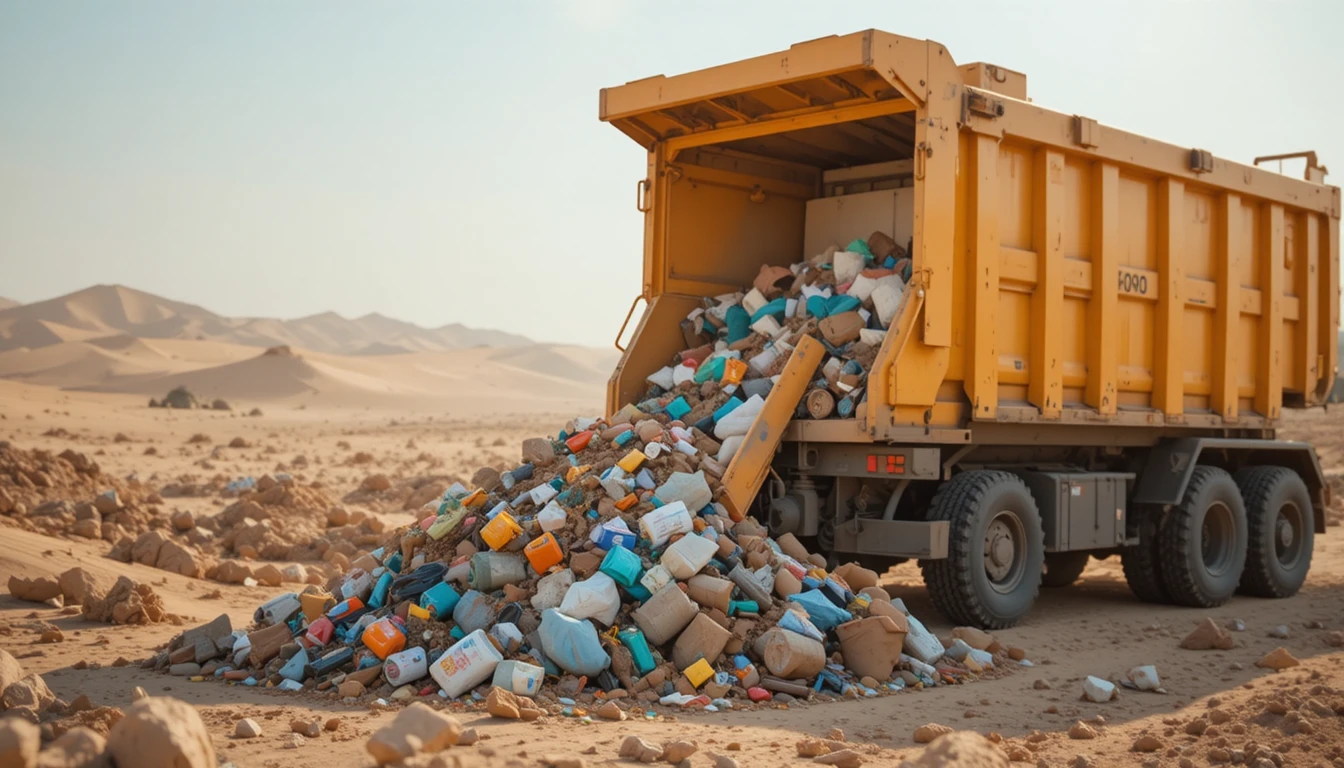
EPR shifts responsibility to manufacturers for end-of-life management. We design EPR frameworks that set collection targets, establish funding mechanisms, and require reporting. Effective EPR policies include performance metrics and encourage eco-design by linking fees to recyclability. Legislation aligned with EPR accelerates circular markets and reduces municipal burdens by making producers partners in waste collection and recovery.
13. Smart Bins for Waste Disposal & RFID Technology in Waste Tracking
Combining smart bins with RFID technology in waste tracking enables granular accountability. RFID-tagged containers and waste carts enable pay-as-you-throw schemes, track illegal dumping, and provide an audited chain-of-custody for recyclables. This transparency supports EPR reporting and reduces fraud. When residents see direct links between behavior and charges or incentives, compliance improves.
14. Green Business Practices & Sustainable Business Models
Businesses that adopt green business practices, from source reduction to closed-loop product linessee brand benefits and cost savings. We develop sustainable business models that integrate waste reduction, purchase of recycled materials, and service-based offerings like repair and leasing instead of selling. These models align with consumer demand for ethical products and reduce the burden on municipal waste collection services.
15. Waste Collection: Collaborative Consumption, Donation Programs, and Upcycling Innovations
Collaborative consumption platforms, donation programs, and upcycling innovations keep goods in use longer. Repair cafes, swap events, and marketplace apps support reuse. These programs reduce the volume that enters collection streams and foster circular economy behaviors. Upcycling can create local enterprises that earn revenue from diverted goods, a win for communities and municipal budgets.
16. Waste Reduction Strategies & Zero Waste Initiatives
Waste reduction strategies focus on source prevention: packaging redesign, bulk purchasing, and public campaigns. Zero-waste initiatives set aggressive diversion goals and combine policy (EPR, bans), infrastructure (composting, recycling), and behavior change. We deploy multi-channel education and performance metrics to move neighborhoods toward near-zero landfill contributions.
17. IoT-Enabled Composting Solutions & Organic Waste Recycling Methods
IoT-enabled composting solutions provide automated aeration, temperature control, and process monitoring for community and industrial-scale systems. Organic waste recycling methods include composting, vermicomposting, and anaerobic digestion. Anaerobic digestion returns energy and digestate, creating local energy loops for buildings or microgrids while diverting organics from landfill methane emissions.
18. Government Support for Zero Waste Initiatives & Grants
Government support via grants, policy incentives, and technical assistance accelerates zero-waste transition. Funding for pilot programs, composting infrastructure, and training workshops for waste management professionals lowers barriers. Public funding often catalyzes private investment, creating proof points that scale municipal programs.
19. Community Composting Initiatives and Neighborhood Recycling Partnerships
Community-scale programs foster ownership and resilience. Community composting initiatives transform local food scraps into soil for urban gardening. Neighborhood recycling partnerships consolidate collection points and share bulk processing resources. These local strategies reduce transport emissions and increase civic participation in waste reduction.
20. Training Workshops for Waste Management Professionals & eLearning
Capacity building is essential. Training workshops and eLearning platforms cover topics from health and safety to circular procurement and predictive analytics. Continuing education raises professionalism, improves operational efficiency, and spreads best practices across the sector.
21. Waste Sorting Robots, Machine Learning & Recycling Process Automation
Automation with waste sorting robots and machine learning accelerates throughput and improves precision. Vision systems classify waste in real time; robotic arms pick items based on AI predictions. The analogy: automation is like adding a microscope to a lab, it reveals detail that enables better decisions at scale.
22. Waste-to-Energy Solutions and Anaerobic Digestion
Waste-to-energy converts non-recoverable waste into power, while anaerobic digestion transforms organics into biogas. Both technologies reduce landfill demand and create energy streams, but must be carefully evaluated in EIAs to balance emissions and material recovery priorities.
23. Electric-Powered Garbage Trucks & Sustainable Refuse Collection Vehicles
Switching to electric-powered garbage trucks cuts local pollution and noise. We plan charging infrastructure, depot upgrades, and range-optimized routes. Sustainable refuse collection vehicles paired with mobile waste compactors improve payloads and reduce trips to disposal sites.
24. Automated Waste Collection Systems & Mobile Waste Compactors
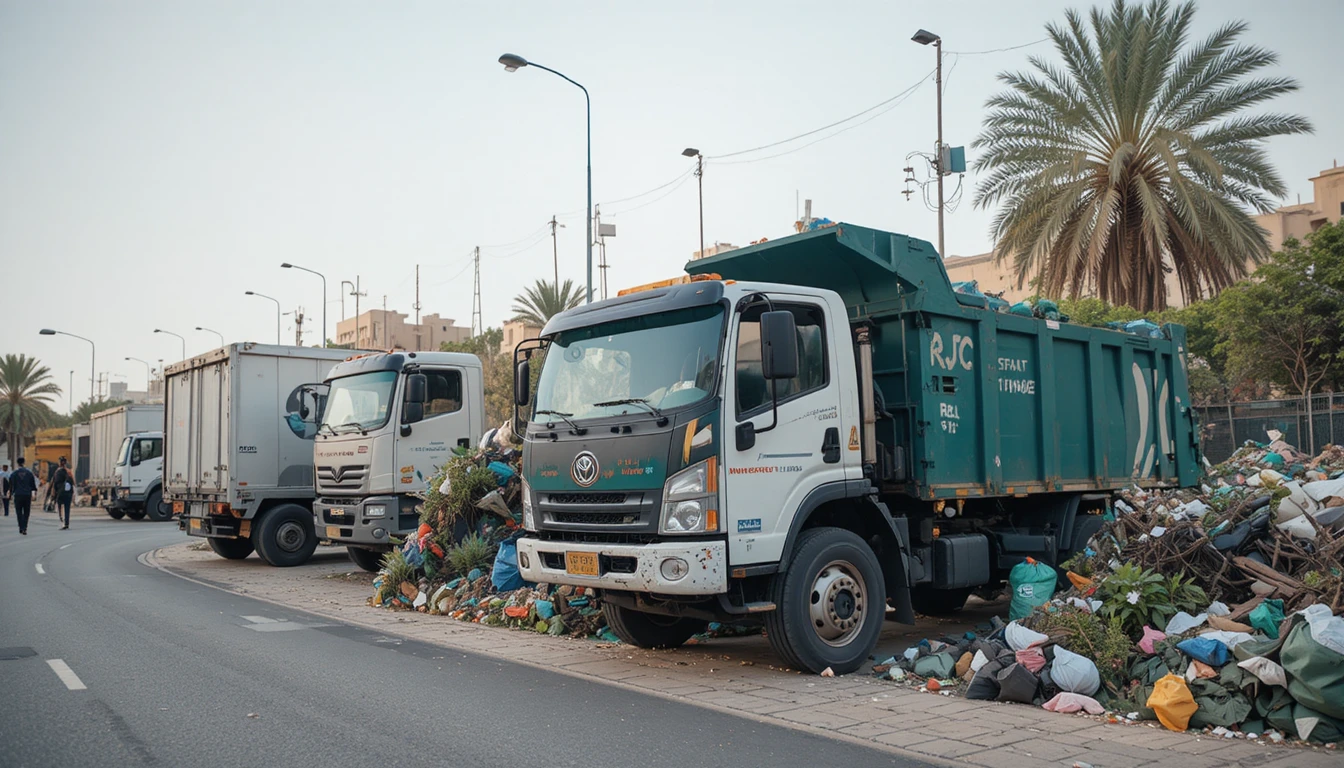
Automated waste collection systems, robotic arms on vehicles, and pneumatic networks streamline curbside pickup. Mobile waste compactors reduce transport frequency by increasing on-board density. Together, they minimize urban foot traffic from collection and reduce fleet miles.
25. Predictive Analytics in Waste Management & Data-Driven Sustainability
Predictive analytics leverages historical and sensor data to forecast volumes, identify contamination trends, and detect operational anomalies. Data-driven sustainability uses these insights to set targets, optimize procurement for recycled content, and model policy impacts before rollout.
26. Waste Collection Performance Metrics & Measuring Success
We track diversion rate, contamination rate, cost per tonne, first-time pickup rate, and resident satisfaction. Clear metrics enable continuous improvement. Dashboards translate complex datasets into actionable KPIs for managers and elected officials.
27. Waste Collection: Challenges in Implementing Smart Waste Systems & Policy Barriers
Barriers include capital costs, interoperability of systems, data privacy concerns, and regulatory misalignment. Overcoming these requires pilot projects, open standards, and stakeholder buy-in. We propose phased rollouts and public-private partnerships to manage risk.
28. Urban Composting Techniques & Food Waste Composting Solutions
Urban composting techniques include in-vessel units, community windrows, and building-level systems. Education on separation and small-scale odor management encourages adoption. Integrating compost into urban gardening demonstrates tangible benefits and closes the loop on food waste.
29. Waste Collection: Community Cleanup Events, Volunteer Opportunities & Public Participation
Community cleanup events are entry points for civic engagement. Volunteer opportunities build local stewardship and raise visibility for broader initiatives. Campaigns tied to neighborhood identities see higher participation and sustained behavior change.
30. Waste Collection: Local and National Waste Management Regulations & Compliance
We monitor local recycling challenges, national waste disposal policies, and evolving compliance requirements. Clear guidance on permitting, zoning laws affecting waste facilities, and reporting obligations is vital for planners and operators. Alignment between municipal goals and national regulations avoids costly retrofits.
31. Innovations in Waste Collection Technology & Compacting Waste Collection Trucks
From waste collection drones (for hard-to-reach sites) to compacting waste collection trucks, innovation speeds service and expands coverage. Pilot tests evaluate safety, cost, and social acceptance before scaling.
32. Zero Waste Business Practices, Certification & Successful Case Studies
Zero-waste businesses redesign operations to minimize discards. Certification programs benchmark performance and reward progress. Case studies show how packaging redesign, reverse logistics, and closed-loop procurement reduce both costs and environmental impacts.
33. Environmental Awareness Campaigns & Social Media for Waste Education
Effective campaigns use social proof, simple messaging, and local champions. Social media campaigns for waste awareness amplify events, promote donation programs, and advertise local recycling facilities. Interactive content and AR experiences can make learning engaging.
34. Waste Management Education Programs & Continuing Education
Formal degrees and short courses from waste management degree programs to webinars build the next generation of professionals. Curricula cover policy, engineering, data analytics, and community engagement. Mentorship programs and industry conferences keep skills current.
35. Conclusion: Roadmap to Transformative Waste Collection
We recommend integrated systems combining waste collection best practices, IoT monitoring, predictive analytics, and circular procurement. Pilots, community engagement, and policy alignment pave a path to measurable results: lower landfill rates, stronger local economies, and healthier neighborhoods. Like tuning an orchestra, each piece of technology, policy, community, and business must harmonize. When they do, waste collection moves from chore to strategy.
Conclusion
We commit to designing waste collection systems that are efficient, equitable, and circular. By combining technology, policy, and community engagement, we transform waste into resources. The result: cost savings, new jobs, cleaner streets, and resilient local economies. We stand ready to pilot, scale, and measure, guiding municipalities and businesses toward lasting impact.
FAQs
1. What are the first steps to modernize a municipal waste collection system?
We recommend a three-step start: audit existing flows (including contamination rates), pilot smart bins and route optimization on a representative zone, and implement targeted education while tracking KPIs.
2. How does EPR affect local waste collection budgets?
Extended Producer Responsibility reduces municipal burdens by shifting end-of-life financing to producers, lowering net cost for collection, and increasing funds for recycling infrastructure.
3. Can apartment buildings realistically implement composting bins for apartments?
Yes. With building-level solutions (vermicomposting, sealed bokashi units) and a collection service, apartments can divert significant organics with limited space needs.
4. Are electric-powered garbage trucks a practical alternative?
Yes, for many urban contexts. They reduce noise and emissions. Planning for depot charging, duty cycles, and vehicle procurement is essential for a successful transition.
5. How can communities measure the success of zero-waste initiatives?
Track diversion rate, contamination rate, cost per tonne, resident participation, and greenhouse gas reductions. Regular audits and transparent dashboards ensure accountability.
Trusted Junk Removal Services in Dubai for Homes & Businesses
In Dubai?
Address: Office No.101, 10th Floor, Al-Shafar Tower, Business Bay, Dubai.
Google Map Location
Read More: How Do You Manage Hotel Waste and Garbage