
Paper and Cardboard Recycling Dubai Services
Paper and Cardboard Recycling Dubai Services
Introduction
Living in a fast-paced city like Dubai means things move quickly. Packages arrive daily. Offices print documents non-stop. Online businesses ship orders in bulk. Before you know it, your home or workspace is filled with stacks of used cartons and paper. That’s where Paper and Cardboard Recycling becomes more than just a service; it becomes a necessity.
Have you ever looked at a pile of cardboard boxes after moving apartments in Marina or Jumeirah and wondered, “What do I do with all this?” You’re not alone. Clutter builds up quietly, like sand drifting across the desert, until it starts taking over your valuable space.
In a city where space is premium and cleanliness reflects professionalism, recycling is like giving your property a breath of fresh air. Let’s explore how recycling services in Dubai can transform your environment while protecting our planet.
1. Understanding Paper and Cardboard Recycling in Dubai
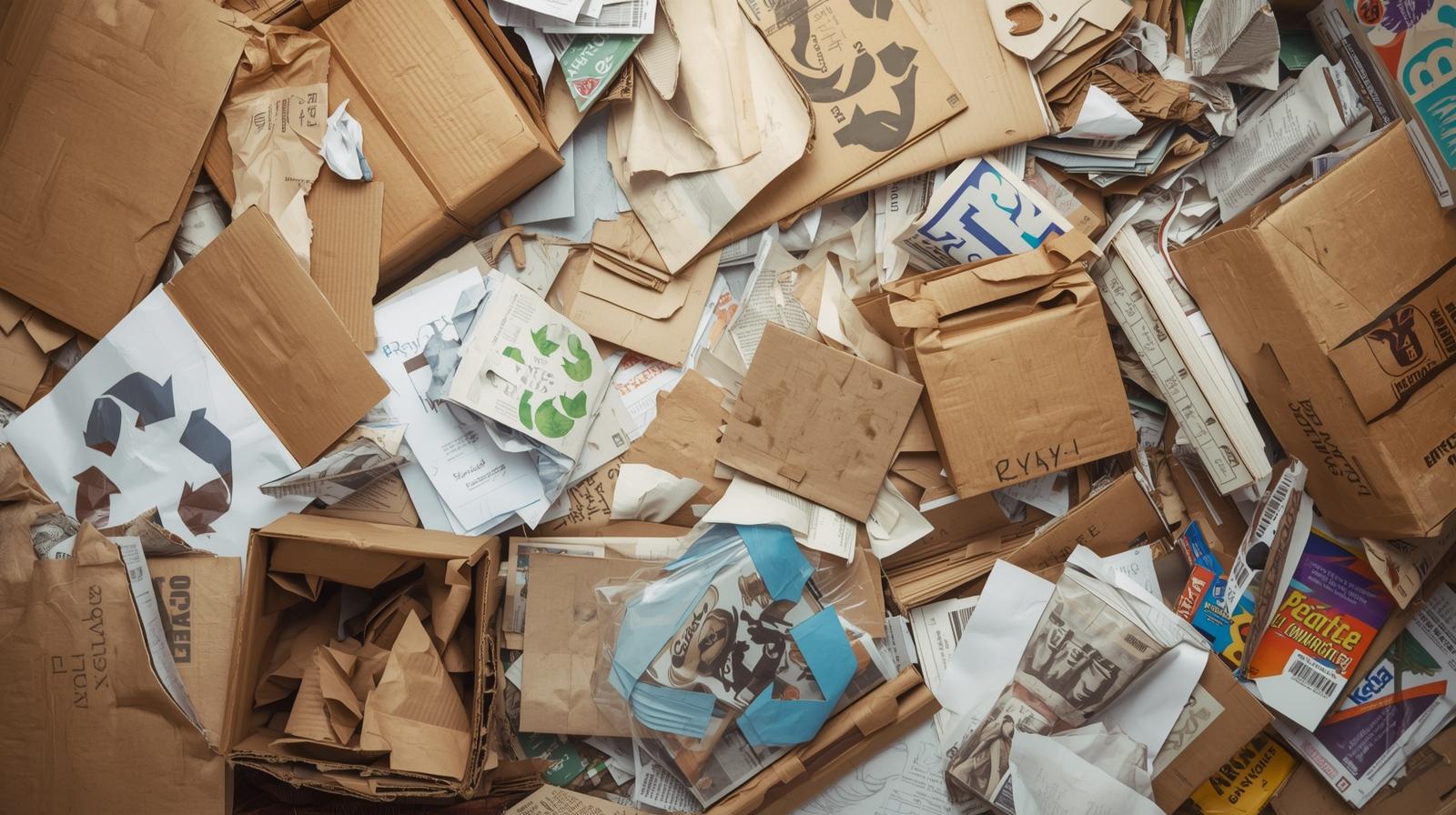
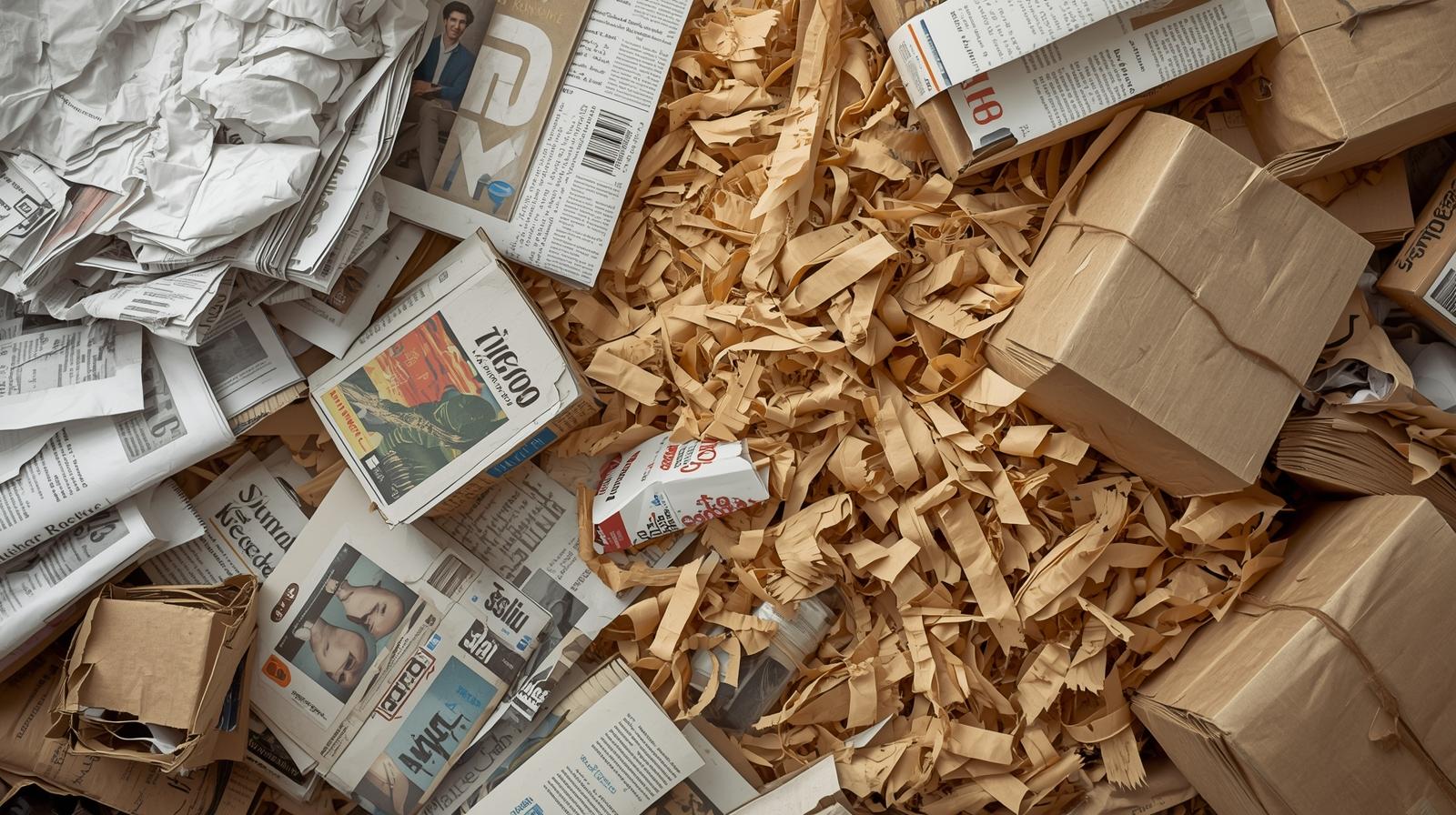
Paper waste is one of the most common types of waste generated in Dubai households and businesses. From daily delivery cartons to archived office files, paper products accumulate faster than most people expect. Paper and Cardboard Recycling helps convert this growing waste into reusable raw material instead of sending it to already burdened landfill sites. As a result, your discarded boxes can return to the market as new packaging or paper products.
In busy communities like Dubai Marina and Jumeirah, residential towers generate significant volumes of packaging waste every single day. With online shopping becoming a lifestyle, recycling systems are no longer optional; they are essential. Without an organized collection, disposal becomes inefficient and environmentally damaging.
Professional recycling companies collect, sort, compress, and process paper materials systematically. Consequently, landfill pressure decreases while natural resources such as trees and water are conserved. In a city that values cleanliness and sustainability, recycling supports both environmental responsibility and urban efficiency.
2. Why Recycling Matters in the UAE
The United Arab Emirates has made sustainability a national priority, especially as rapid urban expansion continues. With new residential projects, commercial hubs, and logistics centers emerging each year, waste management has become a critical issue. Therefore, recycling is not just a choice it is part of the country’s long-term environmental vision.
Recycling reduces the strain on landfill sites, which are costly to maintain and environmentally sensitive. Moreover, it lowers carbon emissions generated during paper production and conserves the energy required to manufacture new materials. Every ton of recycled paper saves trees, water, and electricity, making a measurable difference.
For Dubai residents and business owners, participating in recycling programs enhances their environmental credibility. Additionally, it demonstrates alignment with national sustainability initiatives. When your business recycles consistently, clients and partners recognize your commitment to responsible practices.
3. Common Sources of Paper Waste
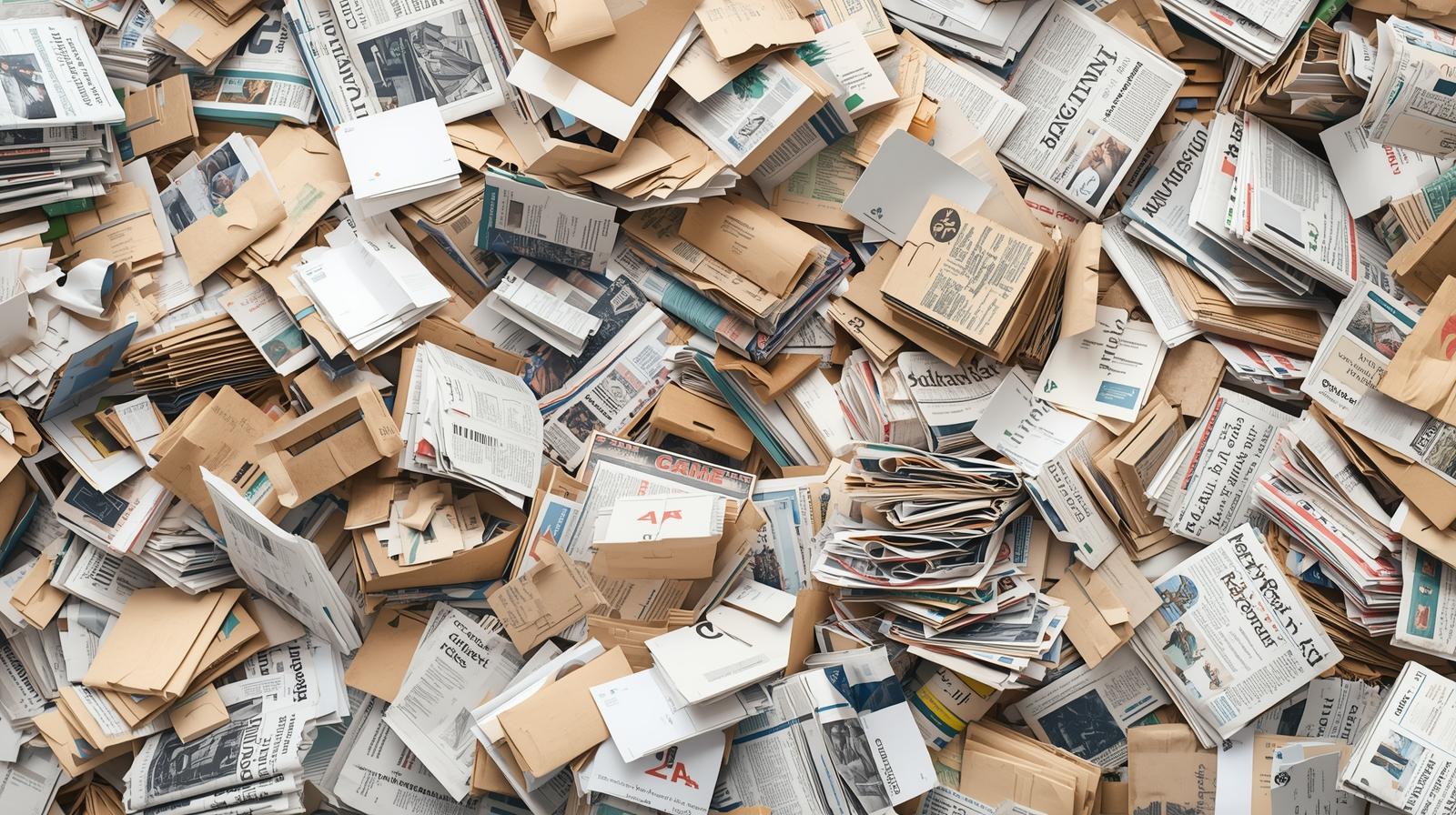
Paper waste originates from everyday activities in both homes and businesses. Households generate newspapers, magazines, school notebooks, shipping cartons, and grocery packaging. Over time, these small items accumulate into large volumes of recyclable material.
In commercial districts like Business Bay, offices produce documents, reports, packaging inserts, and marketing brochures daily. Meanwhile, retail stores discard bulk cartons after restocking shelves. Because of high consumer demand, the turnover of cardboard packaging is constant.
Restaurants and cafés also contribute through takeaway packaging and delivery boxes. Therefore, identifying your primary sources of waste helps you implement better sorting systems. Once you understand where your paper waste comes from, managing it becomes far more efficient and structured.
4. The Process of Paper and Cardboard Recycling Explained
Have you ever wondered what happens after your flattened boxes are picked up? The process of Paper and Cardboard Recycling follows several carefully managed steps to ensure efficiency and quality control. Each stage is designed to maximize material recovery and minimize environmental impact.
First, recyclable materials are collected and transported to specialized facilities. They are then sorted to remove contaminants such as plastic tape, food residue, or non-paper elements. Clean paper and cardboard are compacted into dense bales, making transportation and processing more efficient.
After sorting, the material undergoes pulping, where it is mixed with water to break down fibers. The pulp is filtered, cleaned, and processed into new paper products. As a result, this closed-loop system reduces raw material demand while promoting sustainable manufacturing.

5. Collection Services for Homes
For villa residents in areas like Deira, scheduled recycling pickups simplify waste management. Many providers offer flexible weekly or bi-weekly services tailored to household needs. Consequently, families can dispose of paper waste without disrupting their daily routines.
The process is straightforward. You separate paper and cardboard from general waste and place them in designated recycling bins. Collection teams handle transportation and processing professionally. Therefore, participation requires minimal effort from residents.
This convenience encourages consistent recycling habits. Over time, small household actions contribute to a significant environmental impact. By choosing organized collection services, you actively support cleaner neighborhoods and sustainable urban living.
6. Commercial Recycling Solutions: Paper and Cardboard Recycling
Businesses typically generate far more paper waste than households. Warehouses in Jebel Ali handle substantial volumes of shipping cartons daily due to import and export operations. Without structured recycling systems, this waste can quickly overwhelm storage areas.
Commercial recycling services offer bulk collection, customized pickup schedules, and on-site compactors. These compactors reduce the physical space required to store cardboard, improving warehouse efficiency. Additionally, scheduled collections prevent overflow and maintain organized workspaces.
Such structured systems not only improve cleanliness but also ensure compliance with environmental standards. As a result, companies maintain operational efficiency while demonstrating environmental responsibility to clients and regulatory authorities.
7. Recycling in High-Rise Buildings
Dubai’s skyline is defined by high-rise towers, which present unique waste management challenges. Limited storage areas and shared facilities require coordinated recycling strategies. Therefore, efficient planning is essential for successful implementation.
Service providers collaborate with building management to establish designated recycling zones. Elevators, loading docks, and service corridors must be scheduled carefully to avoid disruption. When systems are clearly organized, residents can participate without inconvenience.
With proper coordination, recycling in towers becomes seamless. Residents simply dispose of sorted paper waste in assigned areas. Consequently, high-rise communities can maintain cleanliness standards while supporting sustainability initiatives.
8. Role of Dubai Municipality Regulations
Dubai Municipality plays a vital role in shaping waste management policies across the city. Businesses are required to follow guidelines for proper waste segregation and responsible disposal. Therefore, compliance is both a legal and ethical responsibility.
Failure to adhere to regulations may result in penalties or fines. For this reason, partnering with licensed recycling providers ensures that your waste management practices align with official standards. Professional companies understand regulatory requirements and operate accordingly.
Beyond compliance, following municipality guidelines strengthens your public image. Clients and customers appreciate businesses that prioritize environmental responsibility. In a competitive market, sustainability can set you apart.
9. Costs of Paper and Cardboard Recycling Services
Many residents assume recycling services are expensive; however, the cost of Paper and Cardboard Recycling varies depending on waste volume, collection frequency, and location. In many cases, services are surprisingly affordable and offer long-term savings.
For households, fees are often minimal, especially when coordinated with community programs. Businesses generating large volumes of recyclable materials may even receive financial returns or rebates. Therefore, recycling can offset part of your waste management expenses.
Additionally, organized recycling reduces general waste disposal fees. By diverting paper waste from regular trash, you minimize landfill charges. Over time, these savings contribute positively to your operational budget.
10. Environmental Benefits: Paper and Cardboard Recycling
Recycling significantly reduces landfill dependency, which is crucial in a rapidly growing city. This is where Paper and Cardboard Recycling delivers measurable environmental impact. Every recycled ton reduces pressure on natural ecosystems.
By reusing fibers, fewer trees are cut down, preserving forests globally. Furthermore, energy consumption during paper production decreases substantially when recycled materials are used instead of virgin pulp. Consequently, carbon emissions drop as well.
Cleaner surroundings also contribute to improved community health. When waste is managed efficiently, urban areas remain tidy and hygienic. Ultimately, recycling supports a greener, healthier future for Dubai residents and businesses alike.
11. Reducing Clutter and Improving Space
Think of recycling as decluttering your life. Just as organizing a wardrobe creates breathing room, removing stacks of unused cartons and paperwork frees valuable physical and mental space. In a city like Dubai, where apartments and offices are designed for efficiency, every square meter counts. Therefore, eliminating unnecessary paper waste makes your environment feel instantly lighter.
Homes feel cleaner and more organized when paper piles disappear from corners and storage rooms. Likewise, offices look more professional when reception areas and workspaces are free from cardboard clutter. Clients and visitors immediately notice a tidy, well-managed space, which subtly communicates reliability and structure.
Moreover, a clutter-free environment boosts productivity and peace of mind. When storage areas are organized and recycling is scheduled regularly, your team spends less time managing waste and more time focusing on meaningful tasks. Clean space truly supports clear thinking.
12. Recycling for Corporate Sustainability
Sustainability reporting is becoming standard practice among Dubai companies, especially in commercial districts like Business Bay. Investors, stakeholders, and customers increasingly evaluate businesses based on environmental responsibility. Therefore, recycling is no longer optional it is a strategic decision.
Through responsible Paper and Cardboard Recycling, companies strengthen their Corporate Social Responsibility (CSR) profiles. Demonstrating measurable recycling efforts enhances credibility and builds long-term trust with partners and clients. Additionally, many tenders and contracts now prioritize environmentally responsible suppliers.
Sustainable waste management also improves operational efficiency. By separating recyclable materials and reducing landfill waste, businesses often lower disposal costs. Consequently, environmental responsibility aligns directly with financial performance, creating a win-win situation for forward-thinking organizations.
13. Weather and Storage Challenges in Dubai
Dubai’s hot climate and occasional humidity present unique challenges for storing recyclable materials. Exposure to moisture weakens paper fibers, reducing their recyclability and overall value. Therefore, proper storage planning is essential for maintaining quality.
In coastal areas such as Jumeirah, humidity levels can rise, especially during summer months. Covered bins, indoor storage rooms, and sealed containers protect cardboard from heat, sand, and unexpected moisture. These precautions ensure materials remain clean and suitable for processing.
Planning around seasonal weather improves recycling efficiency. Businesses that implement structured storage systems experience fewer material losses. As a result, they maximize recycling output while maintaining compliance with environmental standards and operational cleanliness.
14. Choosing the Right Paper and Cardboard Recycling Partner
Selecting a trusted provider for Paper and Cardboard Recycling is crucial for both households and businesses. Not all recycling companies operate with the same level of transparency or compliance. Therefore, careful evaluation ensures you receive reliable and professional service.
Look for licensed operators who comply with regulations set by the Dubai Municipality. Transparent pricing, flexible pickup schedules, and clear reporting systems are important indicators of professionalism. Additionally, ask about their recycling facilities and environmental certifications.
A dependable recycling partner acts like an extension of your operations. When pickups are timely and processes are efficient, your waste management becomes seamless. Ultimately, choosing the right provider ensures smooth, eco-friendly, and regulation-compliant disposal.
15. Eco-Friendly Disposal and Processing: Paper and Cardboard Recycling
Eco-conscious disposal methods significantly reduce environmental impact. Modern recycling plants use water-efficient pulping systems and energy-saving technologies to minimize resource consumption. As a result, recycling becomes both environmentally and economically sustainable.
Materials are carefully sorted to remove contaminants before processing. Clean paper fibers are then reused to manufacture new products, reducing the need for virgin raw materials. Consequently, fewer trees are cut down, and less energy is consumed during production.
This holistic approach aligns with the sustainability vision of the United Arab Emirates. By supporting eco-friendly processing facilities, residents and business owners actively contribute to a greener future. Every recycled box becomes part of a responsible environmental cycle.
16. Future of Recycling in Dubai: Paper and Cardboard Recycling
Dubai continues to invest heavily in sustainable infrastructure and smart city initiatives. Advanced waste management technologies, including AI-based sorting systems, are gradually transforming recycling operations. Therefore, efficiency and accuracy in material recovery are steadily improving.
Community awareness campaigns encourage residents to separate waste at the source. Schools, corporate offices, and residential communities are adopting structured recycling programs to increase participation. These initiatives build long-term environmental habits across generations.
With continuous innovation and regulatory support, recycling services will become even more accessible and streamlined. As Dubai moves toward ambitious sustainability targets, responsible waste management will remain a key pillar of urban development and environmental leadership.
17. Conclusion
Cluttered cartons and overflowing paper bins don’t have to define your home or office. Investing in Paper and Cardboard Recycling today means cleaner spaces, cost savings, and environmental responsibility tomorrow.
Whether you live in a high-rise apartment or manage a large warehouse, recycling is a practical solution that benefits everyone. It’s not just about waste removal, it’s about building a sustainable Dubai for future generations.
When you choose professional recycling services, you’re choosing efficiency, compliance, and peace of mind.
FAQs
Q1. Why is recycling important for Dubai residents and businesses?
Recycling reduces landfill waste, supports sustainability goals, and helps maintain clean residential and commercial spaces. It also ensures compliance with local regulations.
Q2. How often should businesses schedule recycling pickups?
The frequency depends on waste volume. High-traffic businesses may require weekly pickups, while smaller offices might opt for bi-weekly services.
Q3. Are there penalties for not following recycling regulations in Dubai?
Yes, non-compliance with waste management rules can result in fines. It’s important to follow municipality guidelines and work with licensed providers.
Q4. Can wet or damaged cardboard be recycled?
Wet cardboard can be difficult to recycle because moisture weakens fibers. Proper storage in dry areas ensures materials remain recyclable.
Q5. How can I start recycling at home in Dubai?
Begin by separating paper waste from other trash. Contact a local recycling provider for scheduled collection and use designated bins to keep materials clean and dry.
Trusted Junk Removal Services in Dubai for Homes & Businesses In Dubai?
Address: Office No.101, 10th Floor, Al-Shafar Tower, Business Bay, Dubai.
Google Map Location
Read More: Confidential Waste Disposal: Paper & Media


2 Comments