
Where Can You Throw Away Electronics: Safe E-Waste Disposal Guide
Where Can You Throw Away Electronics: Complete Guide to Safe, Legal & Eco-Friendly E-Waste Disposal
Introduction
We understand the urgency and responsibility around disposing of electronic devices. This guide lays out clear, practical steps for where you can throw away electronics, how to prepare devices, how recycling works, legal and environmental considerations, and ways to donate or arrange pick-ups. Think of this as a map for decluttering your digital life without harming the planet.
1. Where Can You Throw Away Electronics: Local Drop-off Basics
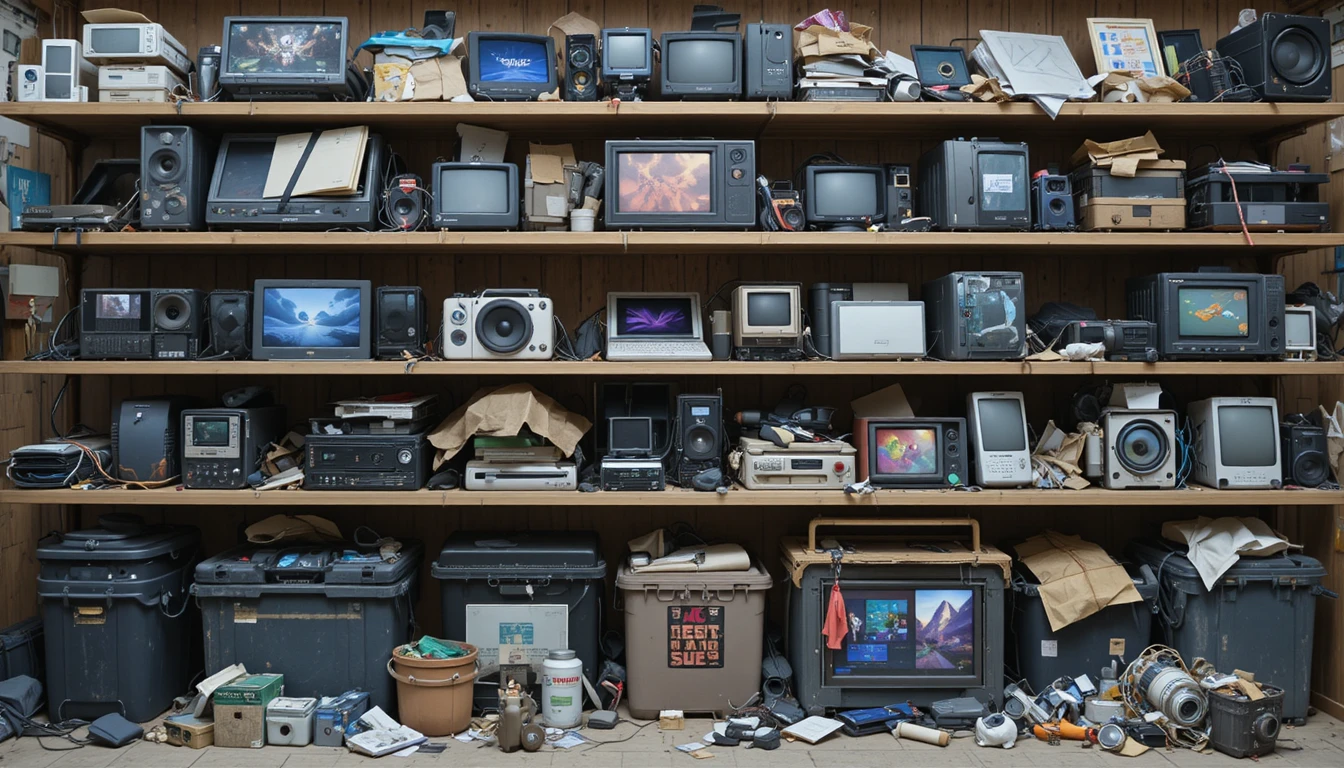
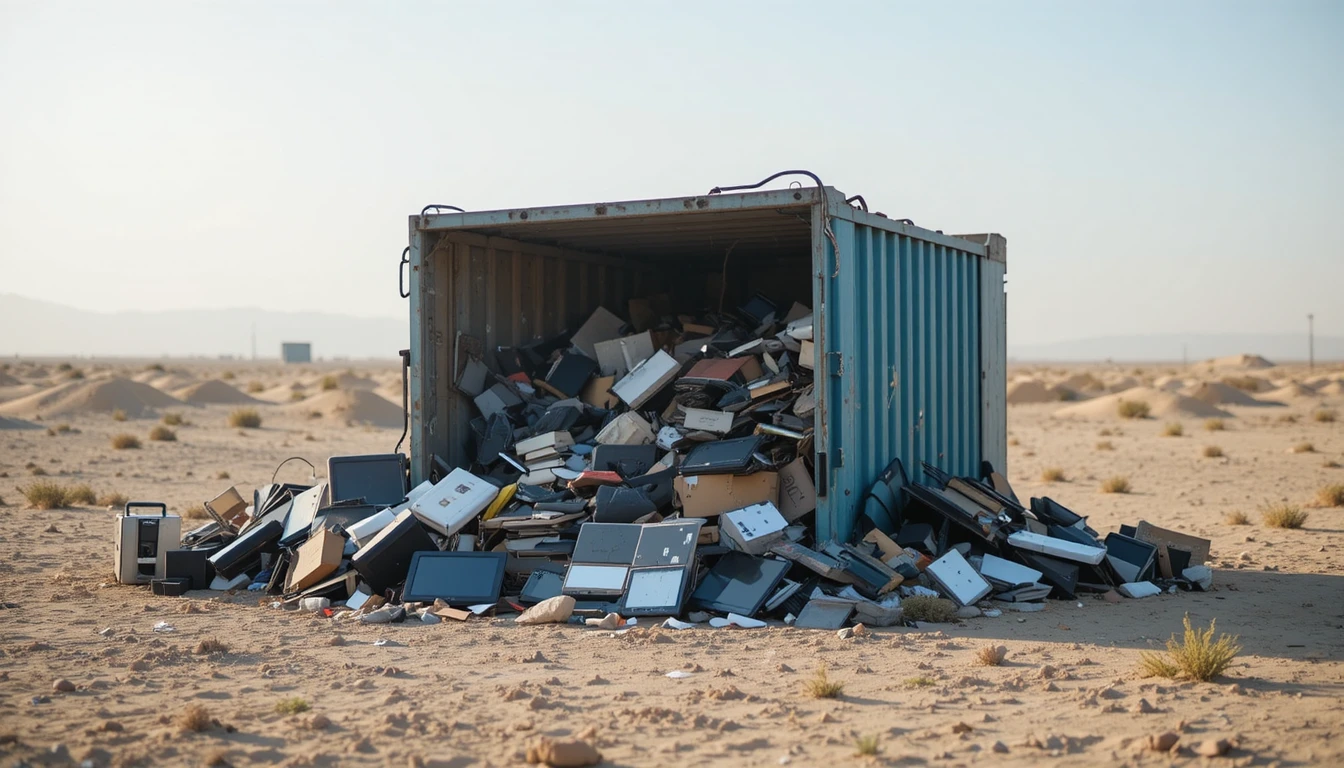
Where can you throw away electronics locally? Start with city or county hazardous waste programs and authorized drop-off centers. Municipalities usually designate specific days or permanent sites for electronic collection. We recommend calling your local waste authority or checking its website for schedules and accepted items. Common drop-off items include phones, chargers, laptops, printers, and small appliances, while large appliances and CRT TVs may require special handling. Think of local drop-off as the nearest “safe mailbox” for electronics: quick to reach, but governed by rules. When you arrive, staff may ask you to separate batteries, cords, or accessories.
Before heading out: remove data, backup important files, and pack fragile components. For battery-powered devices, tape or bag loose batteries separately. If the device contains hazardous components (like CRT glass or mercury lamps), the drop-off site will route it to specialized processing. Using local drop-off points minimizes shipping carbon footprint and ensures devices enter a certified recycling stream rather than landfills.
2. Where Can You Throw Away Electronics: Municipal Programs & Regulations
Local governments often lead the charge. Their websites list where can you throw away electronics through curbside pickups, monthly hazardous waste events, or permanent e-waste centers. Municipal programs often prohibit placing electronics in regular trash: fines may apply. Rules vary: some areas accept almost any electronics free of charge, others limit quantities or require appointment scheduling. Municipalities also provide guidance for businesses and schools.
We advise checking for seasonal community collection events and whether pre-registration is required. Municipal programs usually enforce data protection standards and may partner with certified recyclers. Use these programs for free, compliant disposal, and to support local sustainability goals. They’re designed to protect health, prevent toxic chemicals from leaching into soil and water, and divert valuable materials back into the supply chain.
3. Where Can You Throw Away Electronics: Retail Take-Back Options
We recommend starting with major retailers and manufacturers when deciding where can you throw away electronics. Many national and regional electronics stores run take-back or trade-in programs that accept phones, tablets, laptops, and sometimes larger items like monitors and small appliances. The appeal is convenience: you can drop items off during a routine shopping trip or initiate a mail-back via the manufacturer’s site. Before you go, check whether the program accepts mixed brands or only their own products, whether there’s a size or quantity limit, and if items are free or assessed a small fee.
Trade-ins are an attractive path if the device still powers on. Retailers often offer store credit or discounts that offset upgrade costs. If trade-in isn’t viable, in-store drop-off bins are common for small electronics and accessories. We always advise backing up and securely wiping personal data first, and removing SIM or memory cards. Ask the retailer for proof of recycling or a chain-of-custody statement when possible; manufacturers and certified retail partners commonly follow producer responsibility rules and will route electronics to certified recyclers. Using retail take-back programs is a practical, low-friction way to answer where can you throw away electronics responsibly while potentially receiving value in return.
4. Where Can You Throw Away Electronics: Community E-Waste Recycling Programs
Community programs are a grassroots answer to where can you throw away electronics, and they often deliver a strong local impact. Libraries, schools, civic groups, and local nonprofits host periodic e-waste drives and permanent collection points that accept functioning devices for refurbishment or broken units for recycling. These initiatives emphasize reuse first: devices in working condition are frequently refurbished and redistributed to students, job seekers, or community centers, which multiplies social good beyond simple disposal.
When using community programs, confirm whether items are refurbished locally or sent to certified refurbishers off-site: local refurbishment keeps jobs and benefits close to home. We suggest preparing devices by wiping data, including chargers, and noting defects so refurbishers can triage quickly. Community drives also foster volunteerism, education, and awareness: they’re ideal for groups that want to host collection events or partner with municipalities. Because these programs often operate on limited budgets, donations of accessories, time, or small funding help keep them sustainable. In short, community e-waste recycling programs provide a neighborly, impactful route for where can you throw away electronics while prioritizing reuse and social benefit.
5. Where Can You Throw Away Electronics: Scheduled Collection Events
Seasonal and scheduled collection events are an efficient solution for households asking where can you throw away electronics in bulk. Municipalities frequently organize these one- or multi-day events to accept a wide range of devices from small phones to bulky TVs that residents cannot otherwise place at curbside. These events usually require proof of residency and may have item limits, so check local notices before you arrive. Because they consolidate large volumes, collection events are cost-effective for municipalities and convenient for residents decluttering attics and garages.
At events, materials are triaged: working electronics are diverted for refurbishment or donation; hazardous components like batteries and fluorescent back lights are separated for specialist treatment. Volunteers or staff direct traffic, log items, and sometimes provide on-site data wiping or documentation for businesses and organizations. We recommend arriving prepared pack items securely packed, removing batteries if instructed, and bringing any necessary paperwork. These gatherings are community recycling rallies: organized, high-capacity, and focused on preventing improper disposal. When you have many devices, scheduled collection events are a practical, low-cost way to determine where can you throw away electronics responsibly.
6. Where Can You Throw Away Electronics: Corporate & Business Collection Services
For businesses, the question of where can you throw away electronics requires a structured, compliant answer. Companies generate larger volumes and often handle devices containing sensitive data, so municipal drop-offs aren’t usually appropriate. Instead, we recommend contracting certified e-waste service providers that offer scheduled pickups, secure chain-of-custody, and documented data destruction. Professional vendors can tailor services Bin Rental Near Me from locked containers and regular collections to one-time asset retirements and provide detailed manifests for auditing and regulatory compliance.
Commercial programs typically include on-site or in-facility data sanitization (software wiping or physical destruction), asset tagging, and Certificates of Recycling. These elements are critical for industries bound by privacy laws or corporate governance standards. Choosing firms with R2, e-Stewards, ISO, or similar certifications assures better environmental and social practices. Logistics matter too: secure transport, hazardous-material handling, and consolidated routes reduce risk and emissions. For high-value assets, remarketing or refurbishment through trusted partners can recover value. In short, businesses should use specialized corporate collection services to ensure legal compliance, protect data, and responsibly answer where can you throw away electronics at scale.
7. Where Can You Throw Away Electronics: Donation Drives for Electronics
Donation drives offer a meaningful alternative to where can you throw away electronics when devices are still functional. Schools, nonprofits, libraries, and community centers often run drives to collect working phones, laptops, and tablets for redistribution to low-income households, students, or job-training programs. Donating extends device life, reduces waste, and directly benefits people who need access to technology. Before donating, we recommend removing accounts, wiping personal data, and including power adapters or accessories to improve usability.
Host or participate in donation drives by partnering with reputable refurbishers or nonprofit programs that publish acceptance criteria and handle data security. If a device is partially functional, disclose defects to the refurbisher; minor repairs can make the difference between reuse and recycling. Request a donation receipt for tax purposes and ask the receiving organization about their refurbishment and distribution practices. Donation drives are not just disposal events; they’re community-building opportunities that convert where can you throw away electronics into a chance to create social value and close the digital divide.
8. Where Can You Throw Away Electronics: Best Places to Donate Old Electronics
When searching for where can you throw away electronics with donation in mind, we encourage prioritizing reputable channels that maximize reuse. Top options include local schools, literacy programs, Goodwill and similar social enterprises, certified nonprofit refurbishers, and community technology centers. These organizations often provide repair, data sanitization, and redistribution services and may issue receipts for tax deductions. Confirm the group’s acceptance policy, many will not take severely damaged items, obsolete connectors, or devices lacking necessary peripherals.
We advise checking whether donations are refurbished locally to benefit your community directly or sent to centralized refurbishing hubs that adhere to high environmental standards. For devices with residual economic value, some organizations participate in resale programs where proceeds fund charitable work. Always remove personal data, provide power supplies, and label items clearly. Donating to vetted organizations ensures your device gets a second life rather than being prematurely recycled or exported to informal markets. In short, the best donation places turn the question of where can you throw away electronics into an opportunity to support education and social programs sustainably.
9. Where Can You Throw Away Electronics? How to Donate Old Computers Safely
Donating computers responsibly answers both privacy and environmental concerns about where can you throw away electronics. Before donation, back up user data and securely erase drives using recognized data-sanitization tools or perform a full factory reinstall of the operating system. If you or your organization prefers, remove and retain storage drives for physical destruction. Include power adapters, peripherals, and a short note on condition and battery health. These details help refurbishers triage quickly.
We recommend documenting the wiping steps or using third-party services that provide certificates of data destruction for audit purposes. For organizations donating many units, work with refurbishers that offer pickup, grading, and refurbishment, and that comply with certifications like R2 or e-Stewards. Cleaning the unit and packaging it appropriately reduces transit damage and improves the likelihood of reuse. By taking these steps, you ensure that when people ask where can you throw away electronics, specifically computer,s your donation protects privacy while reinvesting technology into communities that need it.
10. Where Can You Throw Away Electronics? How to Wipe Data Before Disposal
Data sanitization is the most critical step when asking where can you throw away electronics. For smartphones and tablets, perform a factory reset, remove SIM and SD cards, and sign out of any linked accounts. For PCs and laptops, use certified secure-erase utilities that overwrite data multiple times or follow government-recommended standards for data destruction. If you’re decommissioning drives at scale, consider professional on-site shredding or degaussing for magnetic media and request a destruction certificate.
We urge businesses and privacy-conscious individuals to obtain written proof of data destruction when using third-party recyclers or refurbishers. Many consumer-grade “delete” steps are insufficient; a simple file delete leaves data recoverable. If in doubt, physically remove the drive and store it securely until you can arrange destruction. For most users, following device-specific factory-reset guides combined with account removal (e.g., Find My iPhone/Android protection) will suffice. Proper data wiping protects identity and ensures that the next owner and you are safe. This is the essential first step whenever you determine where can you throw away electronics.
11. Where Can You Throw Away Electronics: Preparing Devices for Donation
We recommend a short checklist before donating: clean, label, include chargers, and document defects. Wipe away grime, dust ports, and gently clean screens, presentation matters, and increase the chance a device will be reused. Clearly label each item with its make, model, condition, and any missing parts. A one-line note such as “Battery holds charge ~70%, missing power adapter,” saves refurbishers’ time and avoids surprises for recipients.
Always reset passwords and complete software updates where feasible; a patched device is safer and more useful. Remove SIM or memory cards and sign out of cloud accounts. If you can, perform a factory reset and note that the reset was done on your label. Provide chargers, cables, and any original documentation, even inexpensive adapters, make a big difference to someone receiving a device.
We also recommend testing key functions (power on, keyboard, Wi-Fi, camera) and noting their status. If a device has a failing battery, mention battery health; if it won’t boot, mark it as “for parts.” These small steps transform the question of where can you throw away electronics from a disposal problem into an opportunity to extend device life. Finally, ask the receiving organization about their acceptance criteria and whether they supply a donation receipt for tax purposes.
12. Where Can You Throw Away Electronics: Recycle or Donate Old Laptops?
When deciding whether to donate or recycle an old laptop, the first test is simple: Does it power on and hold a charge? If yes, donation or refurbishment should be the preferred route. Laptops that boot, even slowly, often make excellent candidates for schools or community programs after a clean OS reinstall. If the laptop is dead, physically damaged beyond repair, or contains non-replaceable cracked components, responsible recycling is usually the right choice to reclaim metals and plastics.
Assess repairability: replaceable batteries, modular RAM or storage, and intact motherboards raise the odds of refurbishment. A broken hinge or worn keyboard may be inexpensive to fix and could return the unit to service. If you lack tools or expertise, consult a local repair cafe or refurbishment nonprofit; many accept donations for minor repairs.
For recycling, choose certified recyclers who provide evidence of proper material recovery and safe handling of hazardous elements. Remove the hard drive or securely wipe it before handing over the device. Data protection is critical. By asking where can you throw away electronics in the context of laptops, we prefer reuse first, repair second, and only then recycling, keeping materials and social value in circulation as long as possible.
13. Where Can You Throw Away Electronics: How to Recycle My Old Phone
Recycling a phone starts with secure preparation: back up essential data, remove SIM and memory cards, sign out of accounts, and perform a factory reset. Disable activation locks (e.g., Find My iPhone) to ensure the next owner or refurbisher can access the device. For phones with removable batteries, follow local guidance: batteries are often handled separately for safety.
Options answering where can you throw away electronics like phones include carrier stores, manufacturer mail-back programs, retail take-back bins, and certified e-waste recyclers. Many carriers and manufacturers provide free in-store recycling or prepaid mailers; some offer trade-in credits if the device still functions. If you choose a drop-off, ask whether the facility offers data-erasure guarantees or certification of responsible material recovery.
Phone recycling recovers high-value materials gold, silver, copper, and rare earths, reducing the need for new mining. However, ensure you use a reputable channel; informal recycling can cause environmental harm. If the phone is in working order, consider donation first: refurbished phones are essential for people in need. When you handle the prep steps carefully, you turn the question of where can you throw away electronics into a secure, eco-friendly action that recovers resources and protects your privacy.
14. Where Can You Throw Away Electronics: Safe Methods for Disposing of TVs
Televisions require special handling because of their size and, in older models, hazardous components. CRTs (cathode-ray tubes) contain leaded glass and demand specialist processing to never break the glass. Flat-panel displays (LCD, LED, OLED) contain electronics, back lights with mercury or other substances in some models, and delicate assemblies that recyclers must treat properly.
To answer where can you throw away electronics like TVs, first check municipal collection events and retailer take-back programs; many large retailers accept TVs for recycling, sometimes for a fee. If your TV is bulky or heavy, scheduled municipal pickups or certified recyclers offering curbside collection are practical options. Before arranging pickup, prepare the TV by unplugging it, removing stands if required, and noting model details so recyclers can triage it efficiently.
For businesses or venues disposing of many TVs, use professional e-waste services that provide chain-of-custody documentation. If the TV still works, consider donating to community centers or schools, but verify compatibility with their AV setups. Regardless of route, prioritize certified recycling facilities to prevent toxic materials from reaching landfills. Taking these precautions makes the answer to where can you throw away electronics safe and environmentally responsible.
15. Where Can You Throw Away Electronics: What Happens to E-Waste After Disposal
Once electronics are deposited at a certified drop-off, they enter a structured path: sorting, data sanitization, dismantling, and material recovery. Initially, items are inspected and categorized. Reusable devices are set aside for refurbishment and resale; hazardous components like batteries and mercury lamps are isolated for special treatment. Data-bearing devices often receive documented erasure or physical destruction to protect privacy.
Dismantled parts follow different recovery streams: circuit boards and connectors are processed to extract precious metals via smelting or hydrometallurgical methods; plastic housings are shredded and may be pelletized for reuse; batteries undergo chemistry-specific recycling to recover lithium, cobalt, nickel, or lead. Facilities aim to close the loop by feeding recovered materials back into manufacturing.
Responsible recyclers manage emissions, effluents, and worker safety, often reporting recovery rates. Transparency matters: ask recyclers about end-markets for recovered materials and whether they export components. By understanding where can you throw away electronics and choosing certified channels, you help ensure devices are transformed back into resources, not pollution, completing a circular lifecycle that benefits society and the planet.
16. Where Can You Throw Away Electronics: E-Waste Dismantling Process
Dismantling is the backbone of responsible recycling. Technicians begin with manual disassembly, removing batteries, capacitors, and circuit boards while discharging stored energy safely. Components that pose hazards mercury bulbs, electrolytic capacitors, or certain batteries, are separated and routed to specialist processors. Skilled hand-sorting reduces contamination and preserves high-value modules like cameras, connectors, and memory modules for potential reuse.
After manual sorting, mechanical processes commence: shredders break down casings while magnets and eddy-current separators sort ferrous and non-ferrous metals. Circuit boards may undergo controlled thermal or chemical treatments to liberate precious metals. Some advanced facilities use robotics and AI to optimize disassembly, improving safety and throughput.
Worker safety and environmental controls are crucial for dust suppression, fume capture, and wastewater treatment to prevent toxic releases. Facilities that follow certifications (R2, e-Stewards) demonstrate these controls. When people ask where can you throw away electronics, the dismantling stage is where the environmental and social outcomes are decided: careful, certified dismantling protects health, recovers materials efficiently, and prevents hazards from reentering the environment.
17. Where Can You Throw Away Electronics: E-Waste Recovery Techniques
Recovery techniques blend mechanical, thermal, and chemical methods to reclaim metals and materials. Mechanical separation, shredding, sieving, and magnetic separation yield mixed metal fractions and plastics. Smelting processes then extract copper, aluminum, and base metals; precious metals like gold and silver are recovered through refining steps. Hydrometallurgy (chemical leaching) dissolves target metals for selective recovery, often using closed-loop chemistries to reduce waste.
Innovations such as bio-leaching use microbes to liberate metals with lower energy inputs. Some facilities capture rare earth elements through specialized hydrometallurgical lines. Plastics are sorted by polymer type and pelletized for remanufacture when clean; contaminated plastics may be converted to fuel or thermally treated under strict controls.
When deciding where can you throw away electronics, select recyclers who publish recovery rates and explain how they treat residues. Facilities that maximize recovery while minimizing emissions and hazardous byproducts provide higher environmental value. Effective recovery returns valuable materials to the supply chain and reduces the need for virgin extraction, making e-waste a resource rather than a problem.
18. Where Can You Throw Away Electronics: E-Waste Recycling Technologies
Modern recycling leverages automation, AI, and advanced chemistry. Automated disassembly lines can separate components with greater speed and safety, while AI-guided vision systems identify valuable modules for salvage. Robotic arms reduce manual exposure to hazards and increase precision. On the materials side, hydrometallurgical techniques and solvent extraction have improved yield and specificity for rare elements.
Closed-loop water and solvent systems reduce effluent, and emissions controls capture volatile compounds during thermal processing. Battery recycling technologies, including mechanical-chemical hybrid systems, recover lithium, cobalt, and nickel at improved rates. For plastics, optical sorting and near-infrared (NIR) spectroscopy enable higher-purity streams suitable for pelletizing.
If your question is where can you throw away electronics with an eye to technology, prioritize recyclers using modern equipment and transparent environmental controls. These investments often correlate with higher recovery rates and safer outcomes. Choosing advanced-tech facilities helps ensure that discarded devices are processed efficiently, with minimal harm and maximal material reclamation.
19. Where Can You Throw Away Electronics: E-Waste Logistics and Transportation
E-waste logistics demands secure handling, regulatory compliance, and efficient routing. From curbside drop-offs to industrial-scale consolidations, recyclers design transport so that hazardous items batteries, CRTs, and mercury-containing lamps, are packaged to prevent leakage or breakage. For businesses, locked containers and scheduled collections maintain a chain of custody and reduce theft risk.
Compliance with hazardous-material rules is essential during transit; this includes proper labeling, placarding where needed, and training for drivers. Consolidation centers reduce transport miles by aggregating local collections into larger loads destined for certified processing facilities, lowering the overall carbon footprint.
Traceability systems manifesting, bar-coding, and digital records help clients verify route-to-recycler and confirm final disposition. When determining where can you throw away electronics, ask providers about their logistics network, handling protocols, and whether they use carbon-efficient routing. Reliable logistics connect household or corporate disposal points to certified recyclers, ensuring safe, legal, and environmentally sound transport of e-waste.
20. Where Can You Throw Away Electronics: E-Waste Recycling Facilities
Choosing the right facility answers where can you throw away electronics definitively. Certified recyclers (look for R2, e-Stewards, ISO standards) follow strict protocols for worker safety, data protection, and environmental controls. A reputable facility will provide documentation: manifests, certificates of recycling, and, for businesses, detailed audit trails.
Facilities differ in capability; some focus on refurbishment and resale, others on material recovery for complex assemblies. Ask about their acceptance list, whether they handle CRTs or large appliances, and how they manage hazardous fractions. Transparency matters: facilities that publish recovery rates, downstream partners, and environmental performance offer higher accountability.
For consumers, locate municipal drop-offs or retail partners that route devices to certified facilities. For businesses, request service-level agreements, destruction certificates, and chain-of-custody documentation. By routing electronics to the right facility, you ensure hazardous materials are managed, valuable resources are reclaimed, and the question of where can you throw away electronics becomes a responsible action that closes the loop on device life cycles.
21. Where Can You Throw Away Electronics: E-Waste Collection Points & Drop-off Sites
We recommend starting with permanent collection points whenever you ask where can you throw away electronics. These include municipal household hazardous waste centers, retailer drop-off bins, nonprofit depots, and designated community hubs. Permanent sites operate year-round and are generally staffed or run to accept a wide range of items phones, chargers, laptops, small appliances, and sometimes larger items by appointment. Before you go, check accepted-item lists: many sites exclude CRT monitors, refrigerators, or items with PCBs unless scheduled separately.
Bring any required documentation: proof of residency for municipal programs or manifests for business disposals. Ask whether there are fees, appointment windows, or quantity limits. When dropping off, separate batteries and minor components if requested; this speeds processing and reduces risk. We also advise asking the drop-off operator where the items are routed afterward; responsible programs will send electronics to certified recyclers or refurbishers rather than informal channels.
Small checklist for drop-off: verify accepted items, confirm fees or appointment needs, remove personal data, pack fragile items securely, and label devices with condition notes. Choosing a certified permanent collection point answers where can you throw away electronics reliably and limits the chance your device ends up in a landfill or informal export stream.
22. National E-Waste Recycling Initiatives
Many countries now run national e-waste initiatives that make it clear where can you throw away electronics by law and by infrastructure. These programs often rest on Extended Producer Responsibility (EPR) frameworks that obligate manufacturers to fund take-back, collection, and recycling. Under EPR, producers create convenient drop-off networks, mail-back options, or retailer partnerships so consumers have clear, no-cost or low-cost paths for disposal.
National initiatives commonly include public education campaigns, certified recycling networks, and performance targets for material recovery rates. They also harmonize rules across jurisdictions so you don’t have to navigate disparate municipal systems. When EPR is in place, look for producer-run take-back kiosks, label programs, and consumer-facing portals that answer where can you throw away electronics by offering searchable collection maps and prepaid mailers.
We encourage using these national systems whenever available: they shift disposal costs off municipalities, increase economies of scale for recycling, and bolster monitoring and compliance. If you’re unsure whether a national program covers your product, visit the official program site or contact the manufacturer. Leveraging national initiatives is a straightforward way to ensure responsible handling and maximize material recovery.
23. E-Waste Disposal Regulations
Regulation sets the boundaries for where can you throw away electronics and how they must be processed. Local, regional, and national laws define which facilities may handle hazardous electronic components, who can export used electronics, and what documentation is required for commercial disposals. Businesses and institutions should be particularly mindful: noncompliance can trigger fines, legal exposure, and reputational harm.
For consumers, regulations typically prohibit placing e-waste in regular household trash and instead direct people to authorized collection points. For sellers and recyclers, rules often mandate manifesting, record-keeping, and adherence to standards such as proper hazardous-waste handling. Data-protection laws intersect as well some jurisdictions require documented data destruction before devices change hands.
We advise verifying local ordinances and confirming that the recycler or drop-off point follows applicable laws. Ask recyclers for proof of permits and certifications, and for businesses, ensure contracts include chain-of-custody documentation and certificates of recycling or destruction. Compliance is not just legal housekeeping; it guarantees that your answer to where can you throw away electronics follows safe, accountable channels.
24. Benefits of Responsible Electronic Disposal
When we choose responsible routes for where can you throw away electronics, the benefits are immediate and far-reaching. Proper disposal prevents toxic substances from leaching into soil and waterways, protecting public health and ecosystems. It also recovers valuable materials, copper, gold,and rare earths, returning them to the manufacturing stream and reducing demand for energy-intensive mining.
Social benefits follow as well: refurbished electronics support education and digital inclusion programs, while certified recycling operations create safe, skilled jobs in the formal sector rather than shifting burdens to informal processors. Environmentally, recycling reduces greenhouse gas emissions associated with primary material extraction and manufacturing, helping organizations meet sustainability targets.
From an individual perspective, responsible disposal reduces liability (by ensuring data destruction) and can provide financial upside through trade-ins or resale. For businesses, documented recycling supports compliance and corporate social responsibility reporting. In short, selecting the right place for disposal creates a virtuous cycle: we protect health, recover resources, and support local economies, powerful reasons to answer where can you throw away electronics with certified, transparent options.
25. Toxic Substances in Consumer Electronics
Understanding toxic substances clarifies why where can you throw away electronics matters. Consumer devices frequently contain lead, mercury, cadmium, brominated flame retardants, and specialized solvents. While enclosed and stable in functioning devices, these chemicals pose risks once devices are crushed, incinerated, or dumped in landfills: heavy metals can leach into groundwater, and brominated compounds may form hazardous byproducts when burned.
Because of this, authorized recyclers and hazardous-waste facilities isolate and treat such components under controlled conditions. Batteries, fluorescent lamps, and certain capacitors require separate handling. Recyclers use containment, fume capture, and chemical stabilization to prevent contamination. Asking where can you throw away electronics is effectively asking where these toxic substances will be managed safely, not how to dispose of them in the regular trash.
We recommend never breaking open devices yourself to access parts and always routing hazardous-containing electronics to certified handlers. Doing so protects sanitation workers, local communities, and the long-term integrity of soil and water resources.
26. Lead, Mercury, Cadmium & Flame Retardant Hazards
We highlight four recurring hazards that make where can you throw away electronics a critical safety question. Lead appears in older CRT glass and some solders; mercury is found in back lights and switches; cadmium resides in certain batteries and semiconductors; and brominated flame retardants persist in plastics and can migrate into the environment. Each substance has documented human-health and ecological effects if released uncontrolled.
Proper disposal routes separate these materials promptly. CRTs are treated with glass-specific processes to capture lead; mercury-containing lamps are directed to chemical recyclers; cadmium is reclaimed through battery recycling circuits; and brominated plastics are either processed in controlled recycling streams or safely disposed of to prevent combustion. Certified facilities incorporate air filtration, wastewater treatment, and worker protection to prevent exposure.
When you ask where can you throw away electronics, insist on a path that addresses these hazards. Municipal hazardous waste sites, certified recyclers, or manufacturer take-back schemes typically meet these standards. That ensures these dangerous substances are contained, treated, and, wherever possible, converted into recoverable resources.
27. Proper Disposal of Hazardous Electronics
Devices containing hazardous elements mercury lamps, large-format batteries, and appliances with PCBs, require specialized disposal. We advise against curbside placement. Instead, contact your municipal hazardous-waste program, certified recyclers, or manufacturer take-back services that accept hazardous fractions. These organizations follow protocols to prevent breakage, leakage, or combustion during transport and processing.
Proper disposal often involves segregating hazardous items, stabilizing them for transport, and routing them to processors with chemical recovery or secure containment capabilities. For example, mercury-bearing components are chemically captured and reclaimed; battery chemistries are separated and processed in dedicated facilities. Businesses should require service providers to supply manifests and destruction certificates; residents should ask drop-off operators where the hazardous fractions go.
If you’re uncertain whether a device is hazardous, err on the side of caution and contact local authorities or a certified recycler. Proper routing answers the question of where can you throw away electronics in a way that prevents environmental release and ensures regulatory compliance.
28. Recycling vs. Landfill for Electronics
Recycling and landfilling are not equivalent. When people ask where can you throw away electronics, the implied choice often pits recycling against landfill disposal. Recycling: recovers materials (metals, plastics, glass), reduces demand for virgin mining, and prevents toxic leachate. Landfilling: permanently removes recyclable materials from the supply chain and risks soil and groundwater contamination.
Many jurisdictions prohibit electronics in regular trash precisely because landfilling electronics leads to long-term environmental costs and resource loss. Even when landfills are engineered, they are not designed to manage the range of toxicants in e-waste. Recycling, by contrast, is resource-efficient but must be done by certified facilities to avoid transferring harm to informal recyclers or exporting waste to regions lacking controls.
We therefore recommend prioritizing donation, repair, or certified recycling over landfill. If no local recycling exists, consult the manufacturer’s mail-back programs or regional collection events rather than discarding items. That decision answers where can you throw away electronics in a way that protects the planet and conserves materials.
29. Where Can You Throw Away Electronics: Sustainable Electronic Waste Management
Sustainable e-waste management stretches beyond a single drop-off: it’s the combination of reduce, reuse, repair, refurbish, and recycle. We advise making procurement choices that favor longevity and repairability, using take-back programs, and supporting policies that promote design for disassembly. This systems perspective transforms where can you throw away electronics from an end-of-life question into a lifecycle strategy.
Municipalities can support sustainability by providing convenient collection networks, subsidizing refurbishers, and enforcing producer responsibility. Manufacturers contribute through modular designs, clear recycling labeling, and product stewardship funds. Consumers play a role by slowing upgrade cycles, choosing certified recyclers, and participating in donation or refurbishment programs.
By closing material loops, returning recovered metals and plastics into manufacturing, we reduce energy use and emissions. A sustainable program is transparent about downstream markets and forbids export to informal processing. When you ask where can you throw away electronics, think systemically: the best answer is the one that keeps materials circulating safely and reduces environmental impact across the product lifecycle.
30. E-Waste Recycling for Businesses
Businesses face larger volumes and higher data risk, so their answer to where can you throw away electronics must be procedural and auditable. We recommend contracting certified e-waste vendors that provide locked containers, scheduled pickups, secure transport, and documented chain-of-custody. For sensitive assets, demand on-site data destruction or certified physical shredding, plus certificates of destruction.
Service-level agreements should clarify scope (appliance types accepted), turnaround times, liability for data breaches, and downstream processing, including whether items are refurbished, re-marketed, or recycled domestically. Vendors with R2, e-Stewards, or ISO credentials typically offer better environmental and social safeguards.
Businesses should also consider resale and remarketing as avenues to recover value from functional equipment. Asset tagging and inventory reconciliation support financial controls and sustainability reporting. In short, corporate e-waste programs should be designed, documented, and executed to align compliance, security, and circular-economy objectives.
31. E-Waste Recycling Certifications & Standards
Certifications help answer where can you throw away electronics by signaling trusted recyclers. R2 (Responsible Recycling) and e-Stewards are two widely recognized certifications; ISO standards (e.g., ISO 14001) also indicate environmental management systems. These frameworks require traceability, worker safety measures, environmental controls, and restrictions on hazardous exports.
When evaluating a drop-off or recycler, request evidence of certification and ask about audit frequency, downstream partners, and whether the recycler provides manifests or recycling certificates. Certified facilities typically provide better assurances that electronics will be processed ethically and that recovered materials are sold to legitimate refiners.
We advise preferring certified partners for both household and corporate disposals. Certifications reduce the risk of your e-waste entering informal recycling streams or being exported to jurisdictions without adequate protections. Using certified channels is the most practical way to ensure your devices are handled responsibly.
32. Where Can You Throw Away Electronics: How to Organize an Electronics Recycling Drive
Organizing a recycling drive answers where can you throw away electronics for an entire community. Begin by partnering with local government, a certified recycler, and nonprofit organizations. Define accepted items, schedule a secure venue with traffic flow plans, and ensure you have volunteer teams for triage, safe unloading, and documentation. Publicize the drive widely, including accepted-item lists and data-wiping instructions.
Secure a certified recycler to receive, transport, and process materials; require manifesting and certificates of recycling. Offer on-site services where feasible, such as supervised data-wiping stations or battery segregation, and set limits to prevent abuse. Provide clear signage, a staging area for bulky items, and a protocol for hazardous fractions.
Collecting donations instead of immediate recycling can enable refurbishment programs, but ensure refurbishers follow data-protection and environmental best practices. A well-run drive answers the community’s where can you throw away electronics question efficiently, builds awareness, and often yields social benefits by refurbishing devices for local use.
33. Tips for Eco-friendly Tech Upgrades
When planning an upgrade, we ask: can we repair, trade in, or donate first? Choosing devices with modular designs, long warranties, and clear recycling programs reduces future disposal burdens and clarifies where can you throw away electronics later. Opt for energy-efficient models, manufacturers offering take-back, and certified refurbishers when buying used gear.
Before upgrading, transfer data and prepare the old device for donation or recycling: wipe data, include accessories, and obtain receipts or certificates. Trade-in programs and retailer take-back options often provide the simplest path for responsible disposal while offering value back. Consider refurbishing services that extend device lifespans and lower environmental effects.
We also recommend delaying upgrades that yield marginal benefits. Extending device life remains one of the most effective eco strategies. Planning upgrades with end-of-life in mind reduces waste, conserves resources, and makes the question of where can you throw away electronics easier to answer responsibly.
34. Overcoming Challenges in E-Waste Recycling
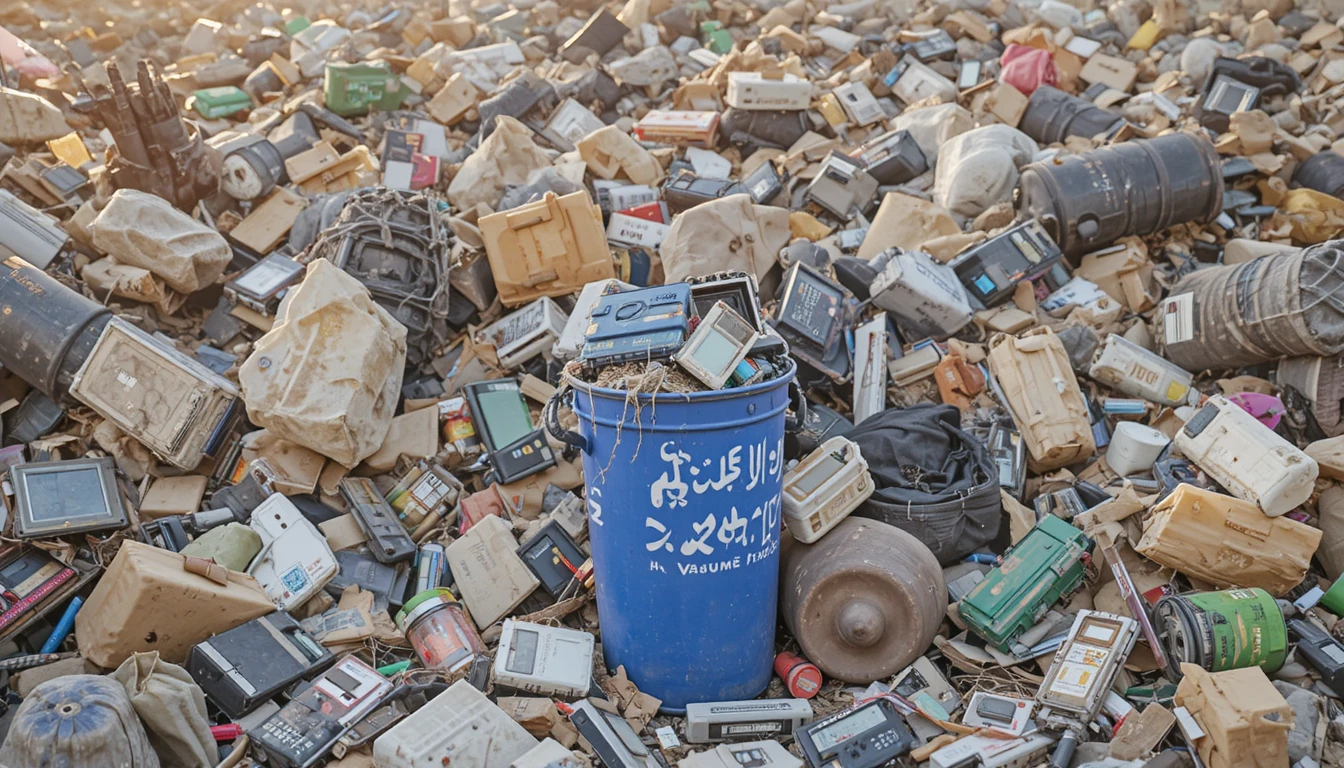
E-waste recycling faces real hurdles: informal recycling channels, data-security concerns, complex supply chains, and uneven regulatory enforcement. These issues complicate answering where can you throw away electronics in a way that guarantees safe, local processing. To overcome them, we recommend using certified recyclers, supporting producer-responsibility policies, and demanding transparency from service providers.
Education helps reduce informal channels: consumers must know how to remove data and use authorized drop-offs. Businesses need contract safeguards and audits. Investment in local refurbishment capacity and public collection infrastructure reduces the temptation to export waste. Finally, technological advances in sorting and recovery decrease residual waste volumes.
By addressing these challenges collectively, policy, infrastructure, and consumer behavior, we can make the responsible answer to where can you throw away electronics, the convenient and default choice, rather than the exception.
35. Final Checklist & Resources
We close with a practical checklist to resolve where can you throw away electronics quickly and safely: backup and wipe data, remove batteries and SIM cards, check accepted items and fees, choose certified drop-off points or recyclers (R2/e-Stewards), consider donation before recycling, and request certificates for business disposals. Keep contacts for municipal hazardous-waste programs, retailer take-back portals, and reputable nonprofit refurbishers.
Resources to bookmark: your local municipal waste website, manufacturer take-back pages, and certification directories for recyclers. For businesses, create a documented e-waste policy that specifies vendors, data-destruction standards, and reporting templates. For community organizers, maintain a list of volunteers, certified recycling partners, and publicity channels.
Following this checklist ensures we answer where can you throw away electronics responsibly, protect privacy and health, recover valuable materials, and contribute to a circular economy. Keep this checklist accessible, it turns an occasional disposal question into a routine, sustainable action.
Conclusion
We have mapped practical, safe, and legally sound options for where can you throw away electronics: from local drop-off centers to certified recyclers, donation pathways, and business services. Choosing the appropriate route protects data, human health, and the environment while recovering valuable materials for reuse. Follow the checklist, use certified partners, and make disposal a deliberate step toward sustainability.
FAQs
1. Where can you throw away electronics if they contain personal data?
Use certified recyclers or donation programs that provide secure data erasure or on-site destruction. Always factory reset devices and remove storage drives when possible; obtain certificates of data destruction for business disposals.
2. Where can you throw away electronics like old TVs and CRT monitors?
These require special handling due to leaded glass. Use municipal collection events, retailer take-back, or certified recycling centers that accept CRTs. Do not break the glass.
3. Where can you throw away electronics for free?
Many municipal programs and community drives accept common electronics for free; some retailers offer free take-back for specific items. Confirm with local authorities for eligibility and quantity limits.
4. Where can you throw away electronics if you want to donate them?
Local nonprofits, schools, and refurbishers are good options. Ensure devices are functional, data is wiped, and include cables/chargers if possible. Ask for donation receipts if you need tax documentation.
5. Where can you throw away electronics as a business?
Contract certified e-waste recyclers who offer pickups, chain-of-custody documentation, and certificates of recycling and data destruction. Look for R2 or e-Stewards certifications.
Trusted Junk Removal Services in Dubai for Homes & Businesses
In Dubai?
Address: Office No.101, 10th Floor, Al-Shafar Tower, Business Bay, Dubai.
Google Map Location
Read More: Where to Throw Old Furniture: Sustainable Disposal Guide