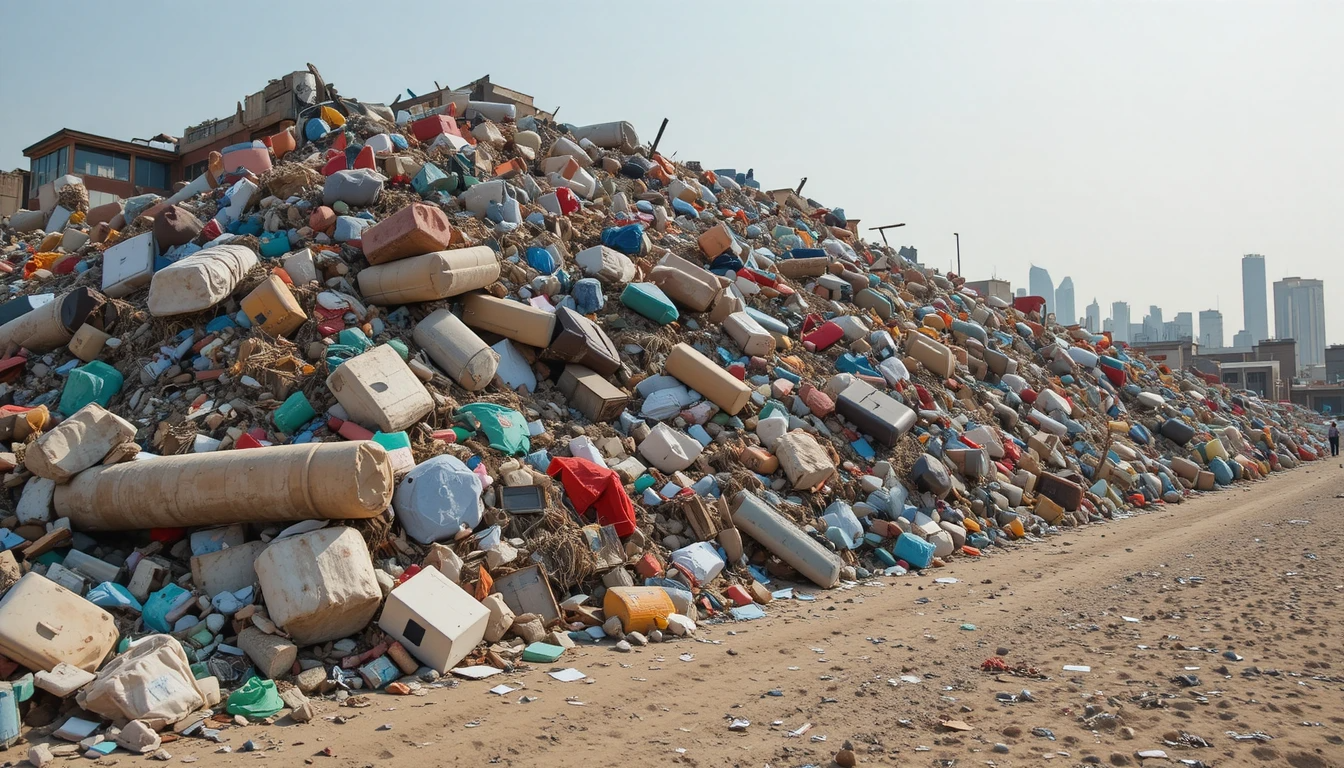
Waste Collection Dubai: Complete Guide
Waste Collection Dubai: Strategy, Services & Sustainable Action
Introduction
We present a complete, actionable guide to waste collection Dubai, focusing on municipal solid waste in Dubai, recycling benefits for the environment, and sustainable waste management strategies. As Dubai scales up integrated solutions from neighborhood residential waste collection services dubai to the Warsan waste-to-energy centre, we explain policies, on-the-ground practice, and the business and community steps that matter. We use clear language and practical examples so businesses, facility managers, and residents can follow a path toward compliance, cost control, and measurable environmental benefit. For readers asking, how can Dubai turn trash into value?, think of waste like a raw ingredient: if we sort and process it correctly, we recover energy, materials and jobs rather than a landfill. The Integrated Waste Management Strategy sets long-term targets and guides investment and operations.
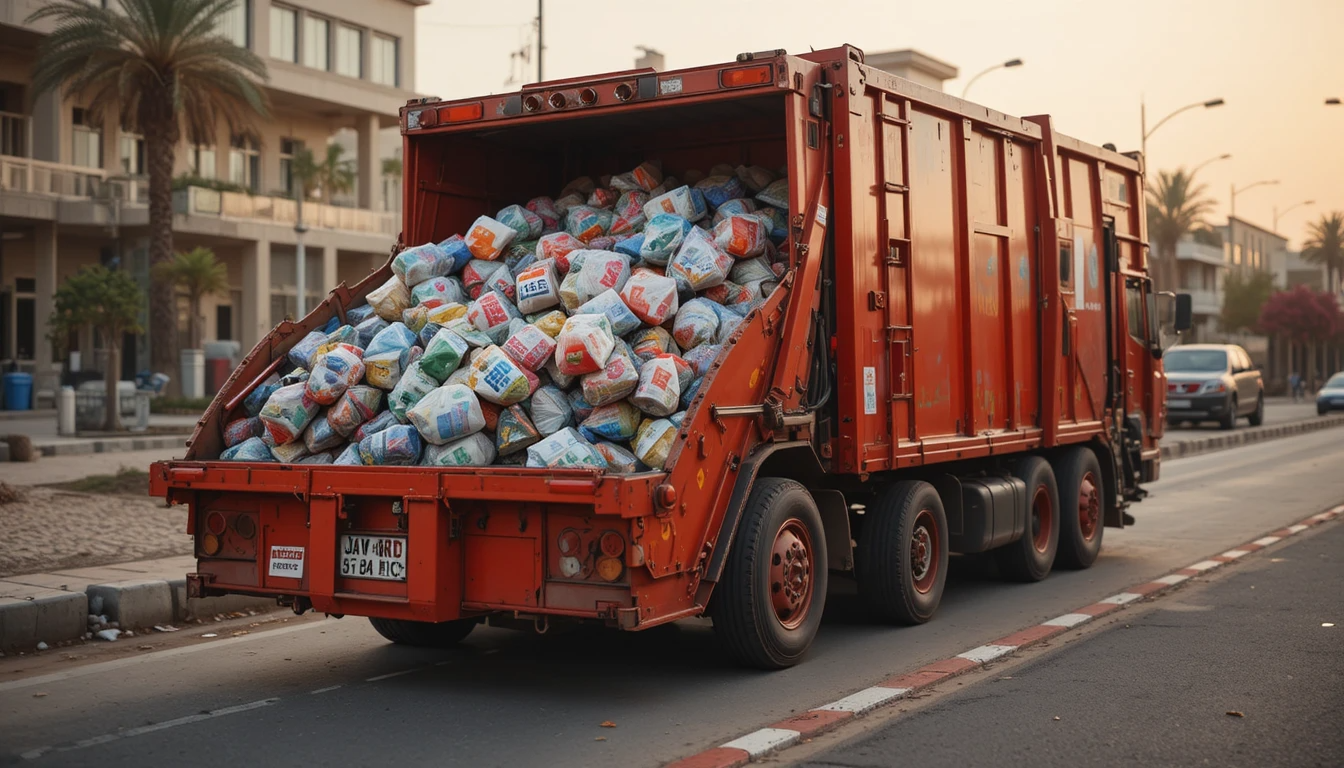
1. Overview: Waste Collection Dubai & Municipal Solid Waste in Dubai
What we collect, why it matters
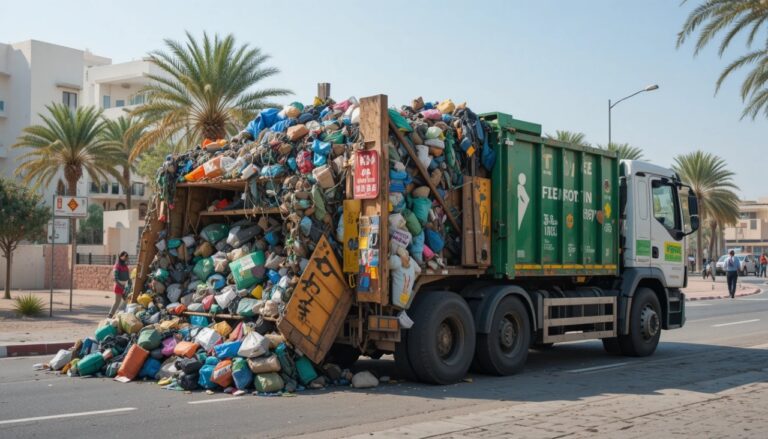
We frame waste collection Dubai as the first and most visible step in a complex circular system. Municipal solid waste in Dubai contains organics, plastics, paper, construction debris, glass, metals, and e-waste; understanding the composition guides collection design, sorting needs and downstream markets. We treat collection as the “first mile” of value recovery: if the first mile is efficient, the rest follows with less cost and better environmental outcome. In Dubai, authorities aim to dramatically reduce landfill disposal and divert high percentages of MSW into recycling and energy conversion. Recent official strategy documents outline the targets and the long-term shift away from uncontrolled disposal toward resource recovery.
Key points:
- We prioritize door-to-door segregation, frequent scheduled collection, and special pickup for bulk waste collection Dubai.
- We ensure municipalities and licensed private contractors meet service levels and safety standards.
- We measure diversion rates and align collection frequency to the waste composition of neighborhoods.
2. Dubai Integrated Waste Management Strategy: Goals & Timeline
Roadmap to 2041
The Dubai Integrated Waste Management Strategy (2021-2041) is the backbone for all municipal planning: it sets diversion goals, investment needs, and regulatory direction. The strategy promotes innovation, private sector partnerships and large-scale infrastructure such as the Warsan Waste Management Centre that integrates sorting, recycling and waste-to-energy capacity. By 2041 the plan aims to drastically cut landfill use and increase resource recovery, aligning with broader national sustainability goals.
Key points:
- We note the emphasis on public–private partnerships and private investment.
- We observe targets for high diversion rates and integration of circular economy principles.
- We use the strategy to align business compliance, community programs and technology adoption.
3. Key Waste Management Facilities in Dubai
Where waste becomes resource
Dubai’s network of processing facilities includes sorting hubs, transfer stations, composting plants, hazardous waste treatment facilities and a large scale waste-to-energy (WtE) complex. These facilities reduce truck miles, recover recyclable materials and provide alternative disposal paths for non-recyclable residuals. As a matter of practical planning, we coordinate collection routes to match facility capacities and operating windows. Official municipal reports list capacity expansions and new technologies being phased in.
Key points:
- We coordinate collection to avoid peak loads at facilities.
- We incentivize material recovery by ensuring reliable outlets for sorted recyclables.
- We monitor environmental performance (emissions, leachate, energy output).
4. Waste-to-Energy Projects in Dubai (Warsan WtE)
Turning waste into base-load energy
A cornerstone of Dubai’s infrastructure is the Warsan Waste Management Centre and its Waste-to-Energy lines. The facility processes roughly 5,500–5,666 tonnes of municipal waste per day and generates energy fed into Dubai’s grid; it reduces landfill burden and provides a value stream for residuals after sorting. This WtE approach is an integral complement to recycling and composting, particularly for contaminated or mixed waste streams.
Key points:
- We treat WtE as a last-resort recovery option after maximum diversion.
- We ensure incineration emissions are controlled through best-available technologies and ash recycling.
- We plan for integration with circular economy uses (ash recovery in construction).
5. Recycling Benefits for the Environment
Why recycling pays ecologically and economically
Recycling conserves raw materials, cuts greenhouse gas emissions, and reduces pressure on landfill space. For Dubai, recycling reduces demand for imported raw inputs and lowers embodied carbon in building materials and packaging. We see recycling as local climate action: diverting organics to composting lowers methane production, while recycling metals and plastics saves energy and emissions compared to virgin production.
Analogy: Think of recyclables like ingredients in a recipe: if you throw them away, the kitchen (planet) runs out of supplies; if you reuse them, you cook again with fewer new ingredients and less energy.
Key points:
- We link recycling to better air quality and fewer landfill gas emissions.
- We design incentives, community programs, and business partnerships to scale collection and processing.
6. Sustainable Waste Management Strategies for Businesses
From compliance to opportunity
Businesses in Dubai must balance compliance with local business waste disposal regulations and operational efficiency. To do so, we recommend waste audits, source segregation, supplier engagement (packaging take-back), and participation in recycling incentives for businesses Dubai. A clear compliance checklist and staff training can reduce waste fees while improving sustainability reporting.
Key points:
- We advise businesses to implement a business waste management compliance checklist, including permits and audit records.
- We emphasize staff training programs for waste management staff and on-site segregation.
- We encourage partnerships with licensed recycling services in Dubai.
7. Residential Waste Collection Services Dubai: What Residents Need
Frequency, segregation & fees
Residents must know their local waste collection schedule Dubai, what goes in mixed waste versus recyclable bins, and how to request bulk waste collection Dubai. We recommend routine segregation at source: organics, paper/card, plastics, and glass separated saves downstream processing costs. Transparent fee structures and simple communications increase participation in community recycling programs.
Key points:
- We recommend clear labeling, simple charts, and calendar reminders.
- We recommend residential collection services bundle options (standard, recycling, organics).
- We encourage reporting mechanisms for missed pickups and illegal dumping.
8. Bulk Waste Collection Dubai: Procedures & Costs
Handling large items and construction debris
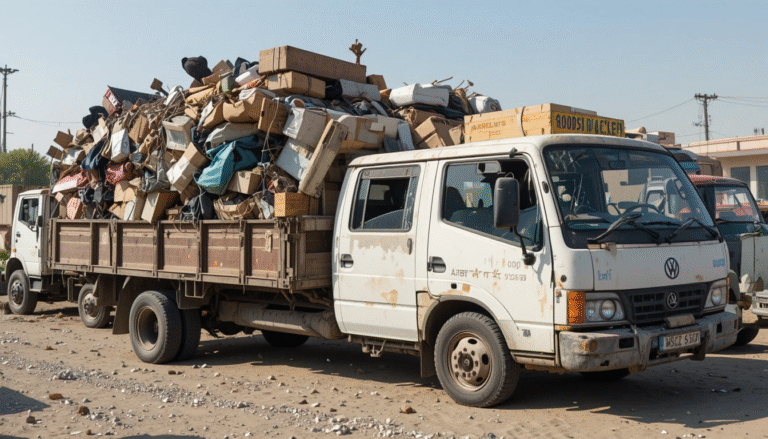
Bulk waste (furniture, appliances, demolition rubble) is handled via scheduled bulk pickups or licensed haulers. We recommend booking early, documenting volumes for fee estimates, and checking reuse options (donation or refurbish). For commercial generators, the waste disposal guidelines for commercial establishments require proper manifests and approved disposal pathways.
Key points:
- We advise businesses to verify local authorities waste management rules for companies before disposal.
- We ensure bulky items that can be recycled (metals, wood) are segregated to reduce costs.
- We note potential penalties for improper disposal under local regulations.
9. Organic Waste Collection Dubai & Composting
From food scraps to soil
Organic waste composting Dubai programs divert food and garden wastes into compost used for landscaping and agriculture. We promote steady collection streams and community composting hubs. Commercial kitchens should separate organics at source and partner with composters or anaerobic digestion facilities. This reduces landfill methane and produces useful soil amendments.
Key points:
- We support municipal organics collection services and decentralized community composting.
- We recommend education to prevent contamination (no plastics in organics).
- We explore anaerobic digestion for energy plus soil output where scale fits.
10. Construction Waste Management Dubai
Minimizing raw waste on sites
Construction sites are major generators of recyclable and residual waste concrete, metals, timber, packaging. We recommend waste minimization plans, in-site sorting, dust control, and partnerships with materials recyclers. Recycled aggregate from bottom ash or demolition debris reduces new quarry extraction. Complying with construction waste management dubai requirements also reduces penalties and enhances project sustainability ratings.
Key points:
- We prioritize reuse first, then recycling, then energy recovery.
- We recommend on-site labeling and trained waste champions for each project.
11. Hazardous Waste Management in Dubai
Safe handling, transport and storage
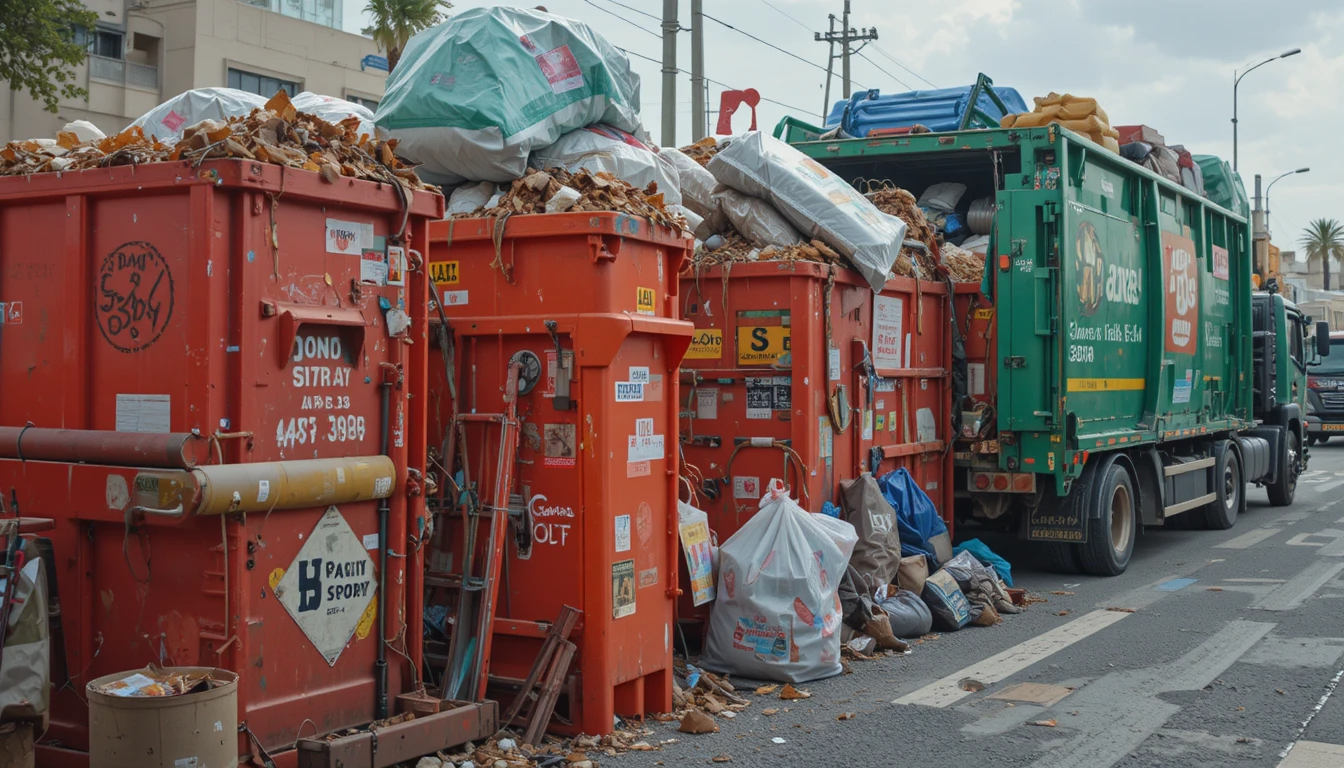
Hazardous waste (paints, solvents, chemicals) requires licensed handling and treatment. We emphasize robust chain-of-custody documentation, compliant storage, and transfer only to licensed facilities. Businesses must register hazardous outputs and follow environmental regulations for waste management to avoid contamination and public health risks.
Key points:
- We require hazardous manifests, staff training, spill kits and emergency response plans.
- We encourage consolidation of small hazardous waste streams to licensed carriers to cut cost and risk.
12. Medical Waste Treatment Dubai: Standards & Practice
Protecting patients and workers
Medical and clinical waste is strictly regulated: segregation at the source, secure containers, autoclave or incineration where required, and licensed transport. We ensure medical facilities comply with medical waste treatment dubai rules, staff PPE and documented disposal logs. Proper practice protects public health and aquatic/soil quality.
Key points:
- We stress color-coded bins, training and accredited service providers.
- We enforce tight recordkeeping for audits and inspections.
13. Electronic Waste Recycling Dubai & E-waste Regulations
Recovering metals and preventing pollution
E-waste contains valuable metals and hazardous chemicals. Dubai mandates licensed e-waste handling and sets rules to prevent illegal exports. We push corporate buy-back programs and certified recycling services to manage end-of-life electronics. Compliance with ewaste recycling regulations Dubai minimizes soil contamination and recovers critical materials.
Key points:
- We recommend secure data-erasure practices and certified e-waste processors.
- We promote public drop-off days, business collection programs and refurbishment channels.
14. Plastic Waste Reduction Dubai & Plastic Recycling Laws UAE
Moving beyond single-use
The UAE has adopted measures including charges and phased bans on single-use plastics; Dubai’s policies and bag charges have cut consumption and prepared the market for stricter bans. Reducing plastic at source, improving recycling streams, and supporting alternatives helps businesses comply and cut costs.
Key points:
- We highlight substitution, lightweighting, and reuse models for hospitality and retail.
- We encourage deposit schemes and collection partnerships to recover post-consumer plastics.
15. Textile Recycling Initiatives Dubai & Circular Economy
Clothing as material, not trash
Textile recycling initiatives in Dubai collect donations and process fabrics for reuse, fiber recovery or energy conversion. We advocate textile take-back by retailers, clothing banks, and partnerships with recyclers. Aligning textile programs with corporate social responsibility recycling Dubai improves brand image and reduces landfill loads.
Key points:
- We suggest sorting by quality: resale, repurpose, recycle fiber, or energy recovery.
- We support public awareness campaigns to boost participation.
16. Recyclable Materials in Dubai: Sorted Streams
How we classify and move materials
Typical recyclable streams include paper/cardboard, PET and HDPE plastics, glass, aluminum and steel, organics, and construction aggregates. We design collection and sorting systems to preserve material value clean, dry, and separated streams fetch higher market prices and lower contamination fees.
Key points:
- We recommend dual or multi-bin systems and clear consumer guidance.
- We track commodity markets to time sales and optimize revenue.
17. Waste Management and Climate Change
Reducing GHGs through smarter waste systems
Waste management affects emissions via landfill methane, transport fuel, and embodied emissions in materials. Composting organics, recycling, and energy recovery all reduce greenhouse gas footprints. Dubai’s strategy integrates climate targets and seeks to align with national carbon neutrality goals.
Key points:
- We prioritize methane avoidance (organics diversion) and circular procurement.
- We measure lifecycle emissions to choose the better option between recycling and energy recovery.
18. Landfill Gas Emissions & Effects of Waste Incineration
Managing air impacts and residuals
Landfill gas contains methane and CO₂; uncontrolled, it’s a major climate force. Where landfills remain, gas capture and flaring or power generation reduce emissions. Incineration can control emissions if modern emission controls are used, but requires ash management and continuous monitoring. We insist on the best available monitoring and mitigation technologies.
Key points:
- We require landfill gas collection and controlled combustion or energy recovery.
- We mandate air quality monitoring around incineration facilities.
19. Environmental Impact of Waste in Dubai & Effects on Ecosystems
Soil, water and wildlife at stake
Improper waste disposal harms soil and marine ecosystems, leading to contamination and loss of biodiversity. Plastics impact oceans and birds; landfill leachate can affect groundwater if unmanaged. We implement coastal and landfill protections, and engage in cleanup initiatives to mitigate harm.
Key points:
- We monitor soil contamination from waste and enforce remediation where needed.
- We promote habitat protection when planning new facilities.
20. Waste Management and Public Health
Linking sanitation, disease prevention and waste
Solid waste, if unmanaged, can harbor vectors and pathogens. Proper collection, storage and treatment reduces disease spread, improves living conditions and supports tourism and commerce. We prioritize medical waste controls, hazardous handling, and rapid removal of organic breeding grounds.
Key points:
- We align waste operations with public health departments and emergency planning.
- We track indicators like rodent complaints and neighborhood cleanliness to drive improvements.
21. Overview of Waste Management Regulations in Dubai
Permits, penalties and compliance tracks
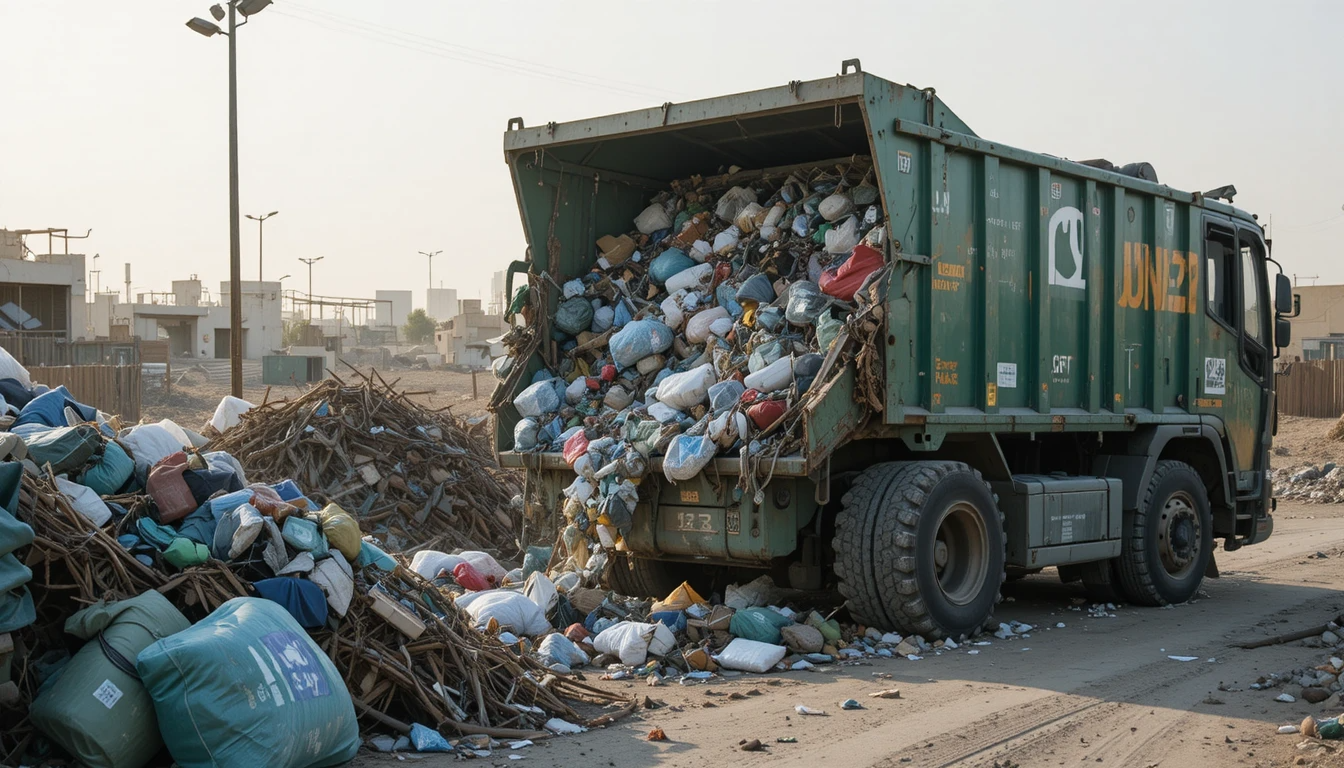
Regulatory frameworks require licensed haulers, manifest systems for hazardous streams, and penalties for illegal dumping. Dubai’s regulatory architecture references federal rules and local municipal ordinances for businesses and service providers. We support automated permit systems and digital manifests for traceability.
Key points:
- We ensure businesses maintain paperwork and meet local business recycling requirements.
- We recommend regular audits to avoid penalties for noncompliance.
22. Business Waste Management Compliance Checklist
A practical checklist for companies
We provide a stepwise checklist: register the business, classify wastes, schedule audits, appoint a waste manager, secure permits, run staff training, contract licensed haulers, maintain manifests, and publish performance metrics. This checklist helps small and large companies meet waste audit requirements for local businesses and avoid fines.
Key points:
- We stress documentation and continuous improvement.
- We suggest tying performance to procurement and CSR targets.
23. Waste Collection Schedule Dubai & Collection Fees
Predictability for residents and businesses
Collection schedules must be clear and posted; fees should reflect frequency, volume and service type. For commercial establishments, fees can be tiered by generator size and waste stream. We recommend digital notifications and flexible pick-up windows for bulk waste collection Dubai to reduce missed pickups and illegal dumping.
Key points:
- We advocate for transparent billing and easy online booking for special pickups.
- We recommend integration of fee data with waste audits.
24. Waste Audit Services Dubai: Why & How
A waste audit quantifies waste types, volumes and contamination rates, forming the baseline for reduction targets. We use audits to identify quick wins (source separation, supplier changes), calculate savings, and prove progress to stakeholders.
Key points:
- We perform sample audits, bin weighings, and volume checks.
- We recommend annual audits for changing business patterns.
25. Green Technologies in Waste Management
Emerging technologies optical sorters, robotics, IoT sensors on bins, and route optimization increase efficiency. We pilot smart collection sensors to cut unnecessary pickups and reduce emissions, while mechanical biological treatment and advanced recycling expand material recovery.
Key points:
- We test technologies in targeted neighborhoods before full roll-out.
- We evaluate ROI and social benefit in procurement decisions.
26. Community Recycling Programs Dubai & Community Involvement
Neighbors working together
Community recycling programs school drives, apartment building schemes and volunteer cleanups build local ownership. We encourage local champions and incentives for participation; community engagement reduces contamination and increases collection volumes for recyclables.
Key points:
- We recommend neighborhood competitions, deposit schemes and local drop-off points.
- We align programs with local events and municipal services.
27. Public Awareness Campaigns & Environmental Education
Changing behavior through information
Effective campaigns use clear visuals, repeated messaging, and measurable calls-to-action. We deploy simple instructions at point of disposal and use social media, schools and workplace training to change habits. Public awareness campaigns recycling Dubai must be multilingual and culturally sensitive.
Key points:
- We measure campaign success by diversion rate shifts and contamination drop.
- We partner with influencers, NGOs and businesses for wider reach.
28. Corporate Social Responsibility Recycling Dubai & Incentives
Business leadership in recovery
Companies can adopt circular procurement, sponsor collection programs, or create take-back systems. We note recycling incentives for businesses Dubai such as cost offsets, recognition programs and technical assistance to scale corporate action.
Key points:
- We recommend publishing annual waste and recycling metrics.
- We encourage cross-sector coalitions to stimulate innovation.
29. Government Partnerships, Policies & Incentives
Public policy enabling private delivery
Dubai’s government fosters partnerships with large concessions, private investors and technology firms to build capacity and scale. Incentives, streamlined permits and pilot programs accelerate adoption of green technologies and circular economy initiatives.
Key points:
- We support long-term contracts for WtE and recycling to reduce investor risk.
- We advise transparent tendering and community impact assessments.
30. Case Studies: Successful Waste Management in Dubai
What worked and why
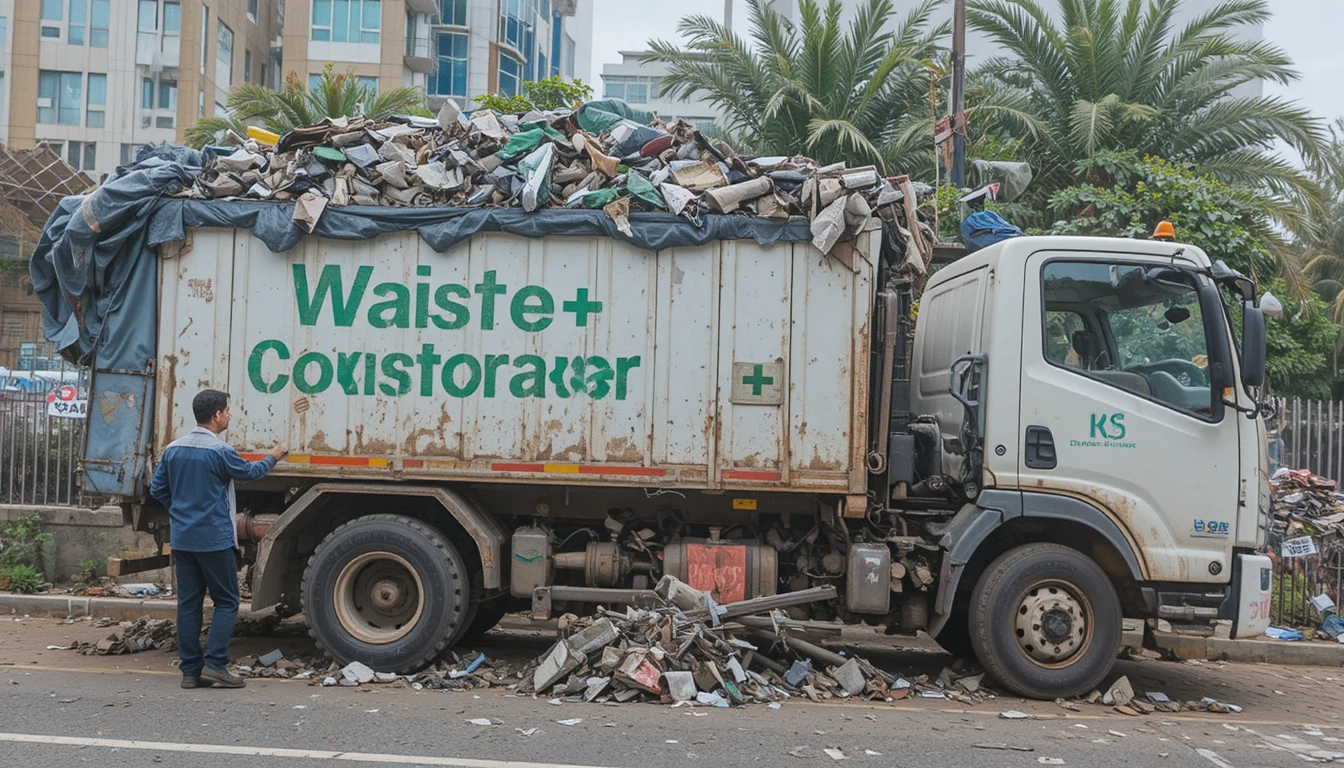
Case studies such as the commissioning of the Warsan WtE and municipal diversion pilots show tangible results: reduced landfill volume, energy generation and new markets for bottom ash and recyclables. By examining successes, we replicate best practices across the emirate.
Key points:
- We extract lessons on stakeholder alignment, data systems and procurement.
- We document economic benefits, jobs and emissions reductions.
31. Role of NGOs, Activists & Social Media in Waste Reduction
Voices that change norms
NGOs and activists drive public awareness, press for tougher policies, and organize community cleanups. Social media amplifies campaigns and holds businesses accountable. We partner with civic groups to scale behavior change and to spotlight gaps in service.
Key points:
- We encourage collaboration rather than confrontation for faster impact.
- We track campaign sentiment to inform communication strategies.
32. Urban Waste Management Challenges & Sustainable Urban Planning
Designing cities for waste minimization
High-density urban areas complicate collection logistics and increase contamination risk. Sustainable planning integrates collection points, underground containers, and public space design to reduce litter and ensure safe access for collection vehicles. We integrate waste planning into urban zoning and building codes.
Key points:
- We balance collection frequency with traffic and emissions constraints.
- We require construction projects to submit waste management plans before approval.
33. International Standards & Global Waste Management Frameworks
Learning from global best practice
Adopting international standards for recycling, hazardous handling and environmental management improves safety and market access. We align Dubai’s systems with ISO standards, Basel Convention obligations (e-waste movement), and World Bank best practice for landfill management.
Key points:
- We benchmark against peer cities and participate in knowledge exchanges.
- We encourage certification for large facilities and service providers.
34. How to Achieve Waste Management Compliance (Stepwise)
From audit to ongoing improvement
We advise a six-step compliance path: (1) classify wastes, (2) conduct an audit, (3) secure permits, (4) implement segregation and training, (5) contract licensed haulers and processors, (6) measure and report. This replicable approach helps companies and communities meet legal and sustainability goals.
Key points:
- We emphasize documentation and third-party verification.
- We incorporate waste metrics into company KPIs.
35. Monitoring, Reporting, Certifications & Future Directions
Transparency and continuous improvement
Monitoring and reporting through digital manifests, emissions testing and annual sustainability reports drive accountability. Certification programs and performance awards help raise standards. Looking forward, we expect expanded circular economy initiatives, stricter plastic policies and continued scaling of WtE and composting as part of an integrated system.
Key points:
- We recommend public dashboards for diversion rates and facility performance.
- We plan for periodic reviews of policy alignment with climate goals.
Conclusion
Summary & Call to Action
We have laid out an integrated, practical approach to waste collection Dubai, from regulatory basics and collection schedules to advanced treatment and circular economy routes. Clear plans, paired with audits, staff training, and partnerships, convert waste from a cost center into a resource stream. The keys are segregation at source, predictable collection, licensed processing, and measurable KPIs. By acting on these priorities and aligning with Dubai’s strategy businesses, communities and authorities will reduce environmental impact, create local value, and protect public health.
FAQs
Q1: What is the typical schedule for residential waste collection in Dubai?
A1: Schedules vary by district and provider; residents should check the local municipality portal or building management for exact days. Typical practice uses twice-weekly mixed waste pickup plus weekly recycling and organics where available.
Q2: How can a business get a waste management permit in Dubai?
A2: Businesses must register with the relevant municipal authority, classify their waste streams, and secure licensed contractors for removal. A documented waste management plan and periodic audits are usually required under local regulations.
Q3: Is electronic waste collection regulated in Dubai?
A3: Yes, e-waste must be handled by licensed processors; there are regulations and guidance on proper segregation, storage, data sanitization and certified recycling or refurbishment.
Q4: Will Dubai ban single-use plastics entirely?
A4: The UAE has phased measures to ban certain single-use plastics and apply charges; the policy roadmap indicates escalating restrictions and bans over the 2024–2026 period aimed at single-use items.
Q5: How much waste does the Warsan WtE facility process daily?
A5: The Warsan Waste Management Centre processes roughly 5,500–5,666 tonnes of municipal waste per day and supplies energy to the grid; it represents a large part of Dubai’s strategy to divert residual waste from landfills.
Trusted Junk Removal Services in Dubai for Homes & Businesses
In Dubai?
Address: Office No.101, 10th Floor, Al-Shafar Tower, Business Bay, Dubai.
Google Map Location
Read More: Junk Collection Dubai | Sustainable Junk Removal Guide