Tree Root Removal Service: Expert Root Solutions
Tree Root Removal Service: Expert Root Solutions for Safe, Lasting Results
Introduction
We provide pragmatic, safety-first solutions for homeowners and property managers dealing with troublesome roots. Ever wondered why a single root can crack a sidewalk or clog a sewer? Like a quiet river under a city, roots move, expand, and search for moisture and when they meet pipes or foundations, small problems quickly become expensive ones. In this guide we explain how our tree root removal service diagnoses problems, applies long-term fixes like root barriers, and works with local permits and arborists to protect trees and property. We write in clear, direct language and give you the tools to decide, whether you’re considering a tree root removal service for a construction project, a drainage problem, or a garden refresh.
1. About Our Tree Root Removal Service
Overview & Core Promise: We deliver professional, safe, and compliant tree root removal service that prioritizes tree health and property protection. Our approach balances preservation and problem-solving: we assess root systems, check for diseases and structural risk, and plan interventions that minimize harm.
What We Do: We inspect roots visually and with diagnostic tools, consult soil specialists, identify root competition and expansion patterns, and then recommend options: root pruning, root barrier installation, stump grinding, or full root excavation when necessary.
Our Guarantee: We use industry-standard techniques and best materials—root barrier systems, selective root pruning, and careful excavation so you get a long-term fix that reduces repeat issues. We coordinate permits and advise on legal steps when tree removal or root excavation affects public land or easements.
2. Why Choose Our Tree Root Removal Service?
Why We’re Different: We combine arboricultural expertise with construction-grade equipment to solve complex root problems without sacrificing tree health. Our teams include certified arborists, landscape architects, and drainage specialists.
Value Delivered: You receive a clear diagnosis, transparent cost estimation, and a step-by-step plan. Whether the problem is tree root damage to property, roots invading sewer lines, or surface roots that ruin lawns, we tailor the fix: from chemical root removal options for specific pipe intrusions to mechanical root barriers for sidewalks.
Customer Care: We handle tree removal permits, local regulations, and interactions with insurance companies when root damage triggers claims. Our process is documented in writing so homeowners and property managers understand liability, safety, and long-term maintenance.
3. Tree Root Removal Service: Comprehensive Tree Health Assessment
What We Inspect: A full tree health assessment includes canopy vigor, trunk integrity, soil compaction, visible root damage, and signs of stress like dieback. We evaluate mycorrhizal associations, which help water and nutrient uptake, and check for root diseases such as root rot or fungal pathogens.
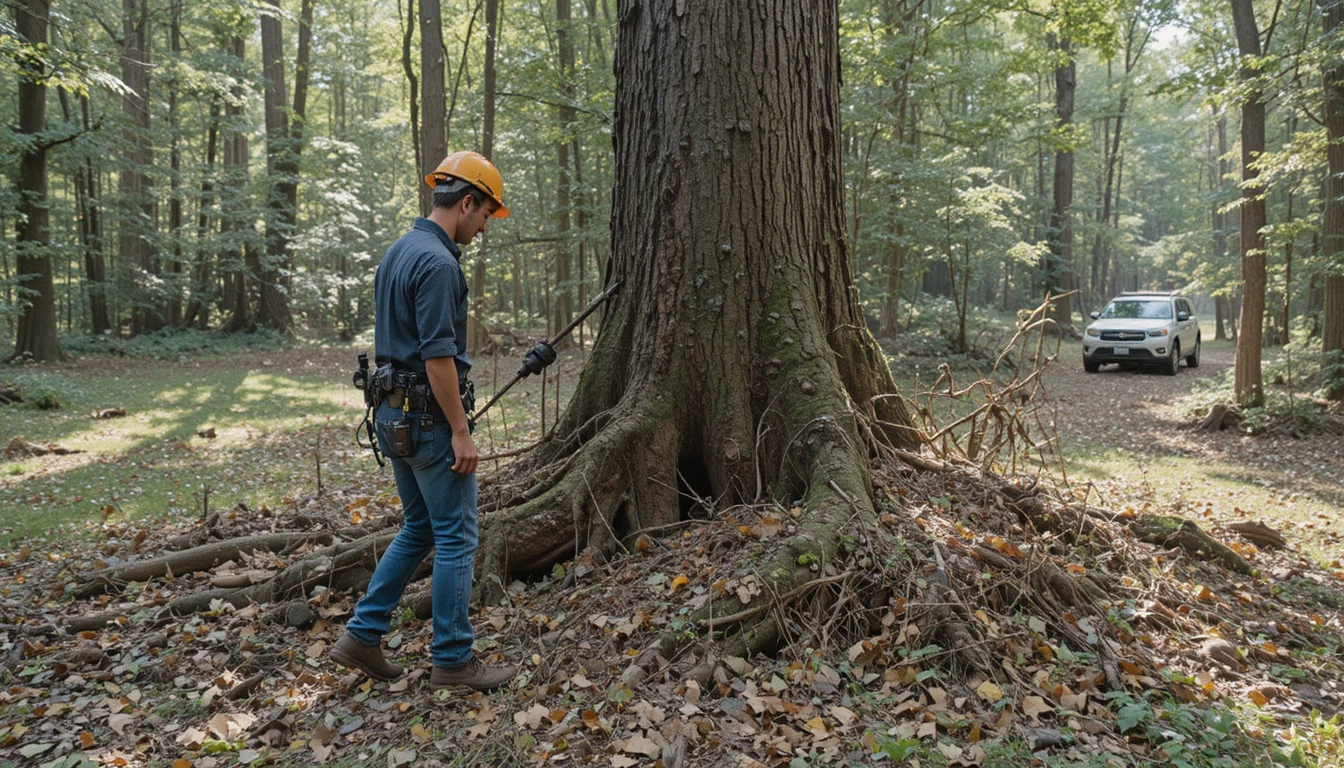
Diagnostics & Tools: We use root probes, soil tests, and sometimes non-invasive imaging to map root systems. Visual clues of root damage include cavities at the root collar, fungal fruiting bodies, and surface roots that are brittle or decayed.
Action Plan: Based on the assessment, we recommend options: root pruning where safe, installation of root barriers, soil remediation to improve water absorption, or professional removal when roots threaten foundations or utilities. This ensures actions align with tree preservation ordinances and long-term tree health.
4. Tree Root Removal Service: How We Diagnose Root Problems
Step-by-step Diagnosis: First, we order a site survey checking hardscapes, irrigation, sewer lines, and slope. Second, we examine visual symptoms: leaning, repeated dieback, or soil heaving. Third, we run soil and root tests to spot rot, compaction, or chemical imbalances.
Tools & Techniques: We use trenching, root mapping, and camera inspection inside sewer pipes to confirm root intrusion. For complex sites, we bring in environmental engineers or soil specialists to evaluate impacts on drainage and structural foundations.
From Symptoms to Solution: Diagnosis ties symptoms (e.g., waterlogged soil, reduced canopy) to root behaviors (competition, expansion). Then we propose a tailored repair pruning, barrier installation, or excavation based on preservation goals and legal constraints like tree removal permits.
5. Signs of Unhealthy Trees and Tree Root Problems
Key Symptoms: Look for wilting, early leaf drop, dead branches, exposed or decayed roots, and fungal growth. Root rot indicators include spongy root tissue, poor bud set, and slow canopy recovery after pruning.
Visual Clues of Root Damage: Soil heaving, leaning trunks, and cracks in nearby hardscaping often point to root expansion. Sewer backups, repeated pipe blockages, or localized lawn decline near a tree base are red flags.
When to Call Us: If you notice a combination of canopy stress and ground-level signs (soggy soil, spongy roots), call for an inspection. Early detection of root problems prevents costly repairs and preserves tree value.
6. Tree Root Removal Service: How Deep Do Tree Roots Grow?
Typical Depths: Most tree roots concentrate in the top 12–18 inches of soil where oxygen and nutrients are plentiful; however, certain species develop deep taproots or vertical sinker roots for stability and water access. Soil type plays a major role compacted clay forces roots shallower, while well-drained sandy soils encourage deeper spread.
Implications for Removal: Because most roots are shallow and widespread, tree root removal service work often involves lateral excavation rather than deep digging. That knowledge helps us protect structural roots and design effective root barriers placed at appropriate depths to intercept lateral spread.
Planning: When planning root work near foundations or utilities, we combine knowledge of depth with root growth patterns and the effects of irrigation to avoid unnecessary damage while achieving a permanent fix.
7. Tree Root Removal Service: Root Growth Patterns & Expansion
How Roots Expand: Roots grow where resources are best moisture, oxygen, and nutrients. In urban settings that means roots frequently travel laterally into landscaped beds, irrigation zones, and soil cracks, creating surface roots and root competition with turf or other plants.
Patterns to Know: Some species display aggressive surface root systems that undermine sidewalks, while others invest in deep structural roots. Recognizing the species-typical growth pattern helps us recommend pruning or barrier systems.
Designing Interventions: We map root zones and predict future growth using knowledge of root expansion. This informs where to place tree root barrier systems, how to prune roots safely, and how to design landscapes that coexist with mature trees.
8. Common Tree Root Problems and Surface Roots in Trees
Typical Problems: Surface roots cause lawn damage, trip hazards, and can lift patios. Roots invading pipes cause slow drains and sewer backups. Root competition reduces water availability for lawns and ornamentals.
Diagnosis: We look for localized turf dieback, raised pavers, and frequent pipe clogs; these symptoms help us differentiate root issues from irrigation or soil problems.
Management: Solutions range from managed root pruning and targeted mulching to installing root barriers and redesigning irrigation. We never recommend haphazard root cutting—because the wrong cut can destabilize a tree or encourage decay.
9. Tree Root Removal Service: Effects on Sewer Lines & Drainage
Root Intrusion Risks: Roots are naturally attracted to moisture and nutrients inside cracked pipes. Once inside, they create blockages that cause backups and structural pipe failure.
Our Approach: We combine camera inspection of sewer lines with careful excavation only where necessary. Chemical root removal options may be used as a temporary measure, but long-term solutions favor physical pipe repair and root barrier installation.
Prevention & Maintenance: Installing root barrier systems around sewer easements, regular sewer inspections, and fixing leaks promptly reduce the chance of roots re-entering pipes.
10. How to Remove Tree Roots Safely with a Tree Root Removal Service
Safety First: The goal is to remove or contain problematic roots without killing the tree or destabilizing it. We plan cuts to avoid cutting large structural roots and use incremental pruning over time when needed.
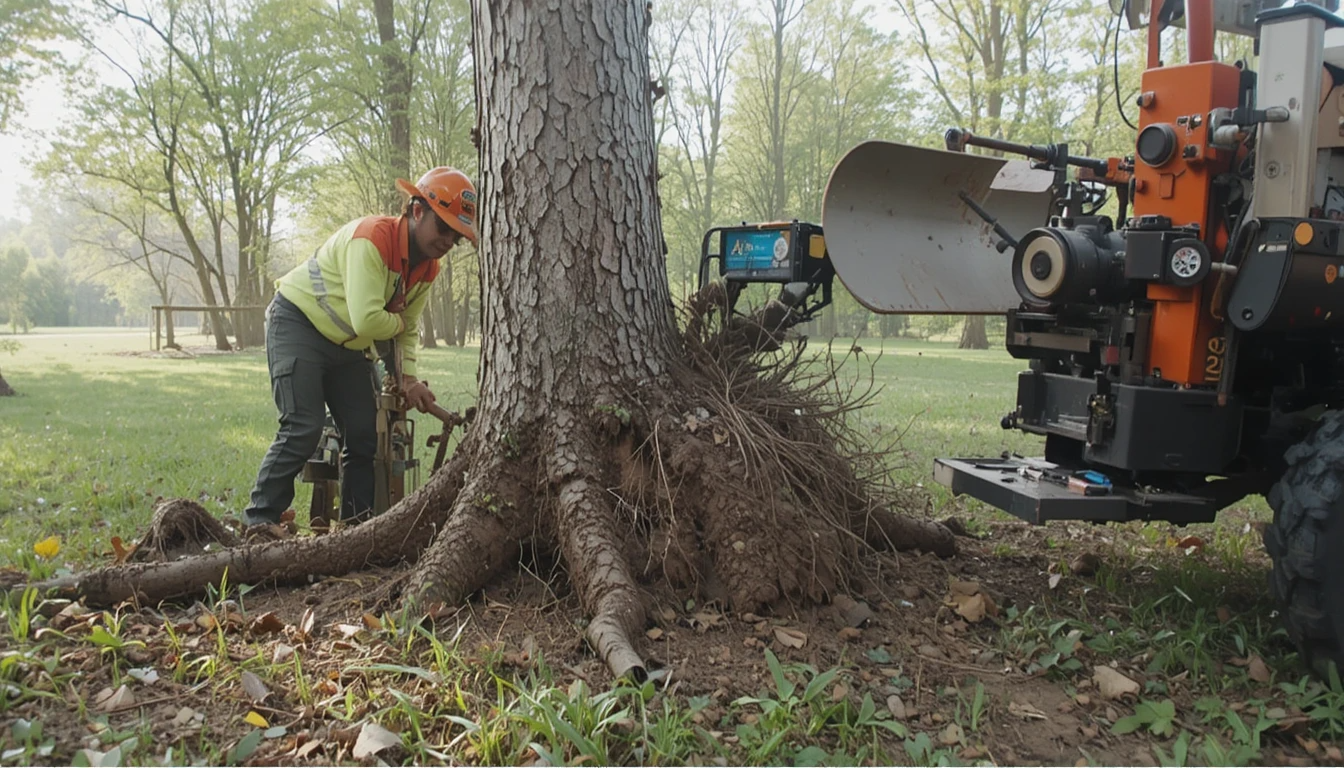
Techniques: We use targeted trenching, controlled root cutting with sharp tools, and stump grinders for remaining stumps. For deep roots near utilities, hydro excavation can remove soil safely using pressurized water.
Post-Removal Care: After removal we stabilize soil, backfill appropriately, and recommend fertilization or mycorrhizal inoculants to help remaining roots recover. Proper aftercare reduces symptoms of tree stress and promotes recovery.
11. Tree Root Removal Service: Tree Root Pruning Methods & Techniques
Selective Pruning: We prioritize small feeder root pruning and avoid severing more than a recommended percentage of a tree’s root mass. When deeper cuts are required, we stage the pruning to allow progressive adaptation.
Root Cutting Techniques: Clean cuts with sharp tools minimize infection risk. For major roots, we use specialized saws and grinders, then seal and monitor the site for decay or stress.
When Not to Prune: We never prune roots that are essential for structural stability unless removal is unavoidable and paired with a stabilization plan.
12. Tree Root Diseases, Indicators of Root Rot, and DIY Treatments
Common Diseases: Root rot (caused by Phytophthora, fungi) and other pathogens cause decay, poor water uptake, and canopy decline. Symptoms include spongy roots, fungal fruiting bodies, and sudden canopy dieback.
DIY Treatments: Homeowners can improve drainage, reduce soil compaction, and stop overwatering to limit rot. Fungicides are rarely effective without addressing underlying water issues.
Professional Care: For confirmed root disease, we recommend professional diagnosis, soil remediation, and careful pruning to remove infected tissues and restore root health.
13. Tree Root Removal Service: Root Barrier Installation Techniques & Benefits
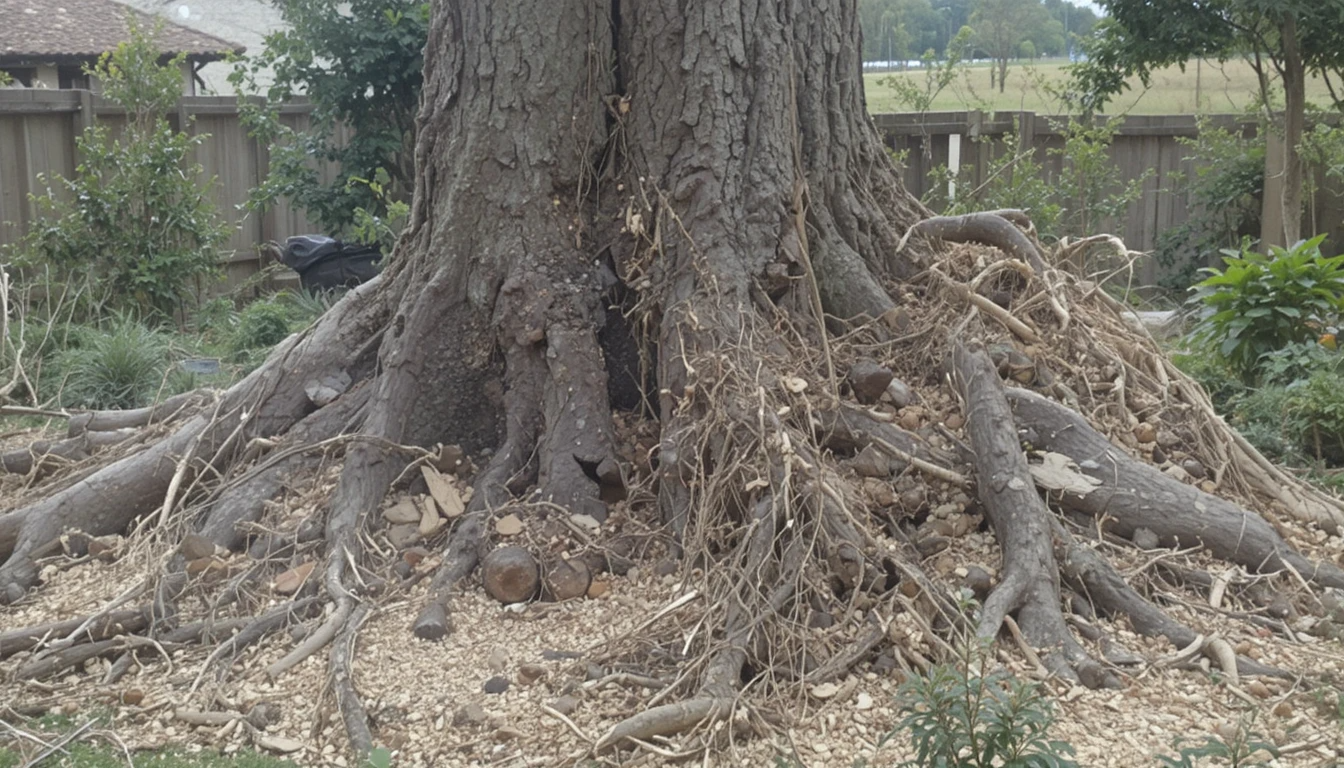
What Root Barriers Do: Root barrier systems physically redirect roots away from vulnerable infrastructure foundations, sidewalks, and sewer lines without harming the tree when installed correctly.
Installation Techniques: We select materials (plastic, composite, metal) sized and installed at depths and angles that intercept lateral roots. Proper trenching, backfill, and integration with drainage are essential to prevent root deflection causing new issues.
Benefits: A correctly designed barrier minimizes the need for repeat excavations, protects hardscapes, and preserves the tree offering a low-maintenance, long-term solution for many root problems.
14. Cost of Tree Root Barrier Installation and Tree Root Removal Service Options
Upfront Costs: Root barrier materials and excavation vary by depth and length required. Typical drivers of cost include site access, excavator needs, length of barrier, and proximity to utilities.
Comparing Options: We present options from short root barrier installations for sidewalks to full perimeter barriers for foundations along with cost-effective alternatives like irrigation redesign and selective root pruning.
Value Consideration: While barrier installation may have higher upfront cost, it often prevents recurring repair expenses for pipes, paving, and foundations making it a smart long-term investment.
15. Tree Root Removal Service: Pricing, Cost Calculator, and Cost Factors
What Affects Price: Costs depend on root system size, soil type, depth and extent of excavation, whether a stump grinder is required, need for permits, and whether utilities require hand-digging or hydro excavation.
Cost Calculator Factors: When we prepare estimates, we factor in access difficulty, disposal of excavated material, root insurance claims potential, and post-removal restoration so our quotes are realistic and transparent.
Payment Options & Financing: We offer phased work, financing options, and prioritization plans to match budgets. Emergency tree root removal pricing is higher; planned work always reduces cost.
16. Professional vs. DIY Tree Root Removal Costs
Why Professionals Cost More: Professionals provide insured work, correct diagnostics, and minimize the risk of tree failure or damage to utilities. DIY attempts risk hidden costs pipe replacement, foundation repairs, and even personal injury.
When DIY Makes Sense: Minor surface root trimming and improving soil health can be DIY. Anything involving large roots near foundations, sewer lines, or public easements should be handled by pros.
Cost Comparison: We show side-by-side scenarios short-term DIY savings vs. long-term professional value so you can choose responsibly.
17. Tree Stump Removal vs. Root Removal: What Our Tree Root Removal Service Recommends
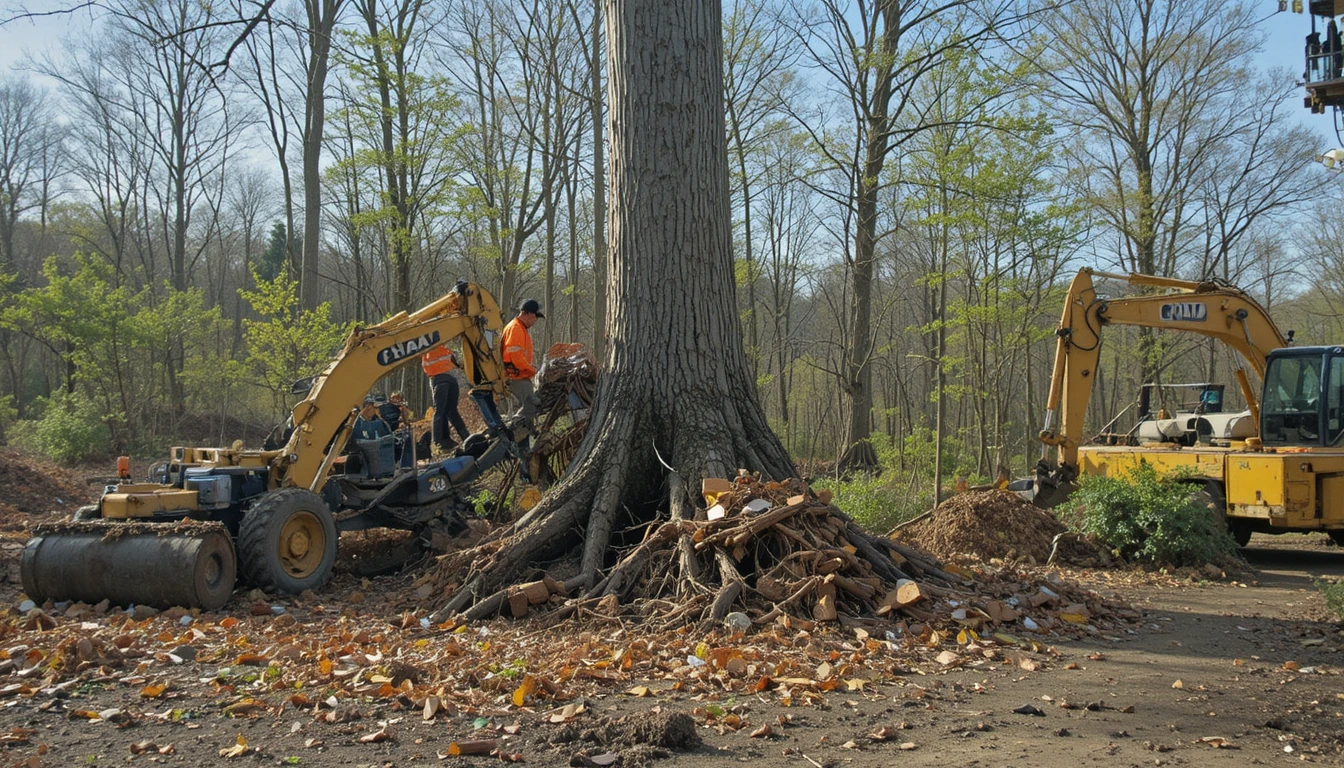
Stump Grinding: Removes the above-ground stump and reduces tripping hazards; some roots remain and can resprout. Stump grinders are efficient for visible stumps but don’t remove all root mass.
Full Root Removal: Necessary when roots threaten foundations, hardscape, or underground utilities. It’s more invasive but prevents issues like root regrowth, lawn damage, and repeated pipe intrusions.
Our Recommendation: Choose stump grinding for aesthetics and minor issues; choose full root removal where roots cause structural or utility problems. We evaluate and advise based on long-term outcomes.
18. Long-term Solutions for Tree Root Problems: Barriers, Pruning, and Design
Integrated Solutions: The most durable outcomes pair root barriers with irrigation redesign, selective pruning, and landscape redesign that reduces root competition.
Design Principles: Use planting distances, root-friendly soil amendments, and hardscape choices that allow root growth without conflict. For example, flexible paving over root zones reduces lifting.
Monitoring & Maintenance: Regular root inspections, seasonal care, and minor follow-up pruning prevent small issues from becoming emergencies.
19. Alternatives to Tree Root Removal and Natural Solutions
Non-invasive Options: Redirect irrigation, improve soil health, add mulch, and plant shallow-rooted companion species. These steps reduce root pressure and minimize surface roots.
Natural Barriers: Planting hedges or using dense groundcovers can mask surface roots and stabilize soil without heavy excavation.
When Alternatives Work: For moderate issues lawn lifting, surface roots non-invasive methods often restore function and appearance while preserving tree root systems.
20. Tree Root Removal Service: Landscaping Ideas for Homes with Tree Roots
Design Around Roots: Embrace mature trees use raised beds, mulched root zones, and permeable pavers to avoid digging into root zones. Create planting islands that respect the root flare.
Plant Selection: Choose shade-tolerant, shallow-rooted plants for under-canopy planting. Avoid deep-rooting shrubs near foundations.
Practical Additions: Install tree root barrier systems between trees and hardscapes, and incorporate proper edging to prevent turf encroachment into root zones this preserves both lawn and tree health.
21. Tree Root Barrier Systems for Sidewalks, Lawns, and Commercial Spaces
Types & Uses: Barriers vary from thin plastic sheets under sidewalks to heavy composite barriers around commercial foundations. Selection depends on expected root pressure and site longevity.
Installation Best Practices: Proper depth, trench compaction, and drainage integration prevent water pooling against barriers, which could stress the tree.
Maintenance: Inspect barrier edges periodically; correct any deflection points and ensure irrigation does not channel water against barrier surfaces.
22. Best Tools and Equipment for Tree Root Removal Service Professionals
Essential Tools: Stump grinders, excavators, air/hydro excavation systems, root saws, and soil testing equipment. For sewer work: pipe cameras and root cutters.
Hand Tools: Sharpened root saws, mattocks, and root pruners for fine, careful work near foundations or utilities.
Safety & Precision: We choose gear that minimizes root trauma and protects workers using non-destructive techniques where possible to preserve the tree’s integrity.
23. Environmental Impact of Root Removal and Tree Root Barriers
What to Consider: Root removal and barriers can affect soil biota, mycorrhizal networks, and drainage. We weigh ecological impact and prefer targeted, minimal interventions that preserve tree-associated fungi and soil structure.
Mitigation: Use mycorrhizal inoculants, restore organic matter, and avoid chemicals unless absolutely necessary. Barriers should redirect roots, not completely sever ecological connections.
Long-term View: Thoughtful management preserves urban canopy and reduces pressure for tree removals benefiting stormwater management and property value.
24. Tree Preservation Ordinances, Permits, and Tree Removal Permits
Local Rules: Many municipalities regulate tree removal and root excavation, especially for protected species or on public land. Permits often require arborist reports and mitigation plans.
Our Role: We handle permit applications, prepare required documentation, and liaise with local authorities so projects proceed legally and with minimal delay.
Compliance Benefits: Proper permitting reduces liability and helps preserve trees where feasible while addressing safety and infrastructure concerns.
25. Homeowner Liability, Insurance Claims, and Legal Implications of Tree Roots
Who’s Responsible: Liability for tree root damage varies: it may fall on the tree owner, neighboring property owners, or local governments depending on location and easements.
Insurance Claims: Roots that damage sewage lines or foundations may trigger claims. We document damage, provide inspection reports, and support claim submissions.
Legal Process: In contested cases, we provide expert testimony, root system diagrams, and evaluations to clarify causation and responsibility.
26. Consulting with Arborists, Landscape Architects & Tree Removal Service Experts
Multidisciplinary Approach: We collaborate with arborists, landscape architects, and soil specialists to create solutions that balance property needs with tree sustainability.
What Each Professional Brings: Arborists assess health and structural risk; landscape architects reconfigure landscapes to reduce future conflict; soil specialists recommend remediation for compaction or poor drainage.
Coordination: This teamwork produces permits-ready plans, planting strategies, and maintenance guidance that extend the life of both trees and your hardscape investments.
27. Seasonal Tree Root Care Tips and Tree Root Maintenance
Seasonal Care: Spring and fall are ideal times for root inspections, mulching, and minimal root pruning. Avoid extensive root work during drought or late winter stress periods.
Routine Maintenance: Keep irrigation uniform, aerate compacted areas, and avoid piling soil against trunks. Seasonal care reduces the need for invasive root removal.
Monitoring: Annual root inspections can spot early surface roots, symptoms of stress, or growing conflicts with new hardscaping before they require major fixes.
28. How Tree Roots Affect Soil Health, Water Absorption, and Property Value
Soil Dynamics: Roots aerate soil, improve structure, and host mycorrhizal fungi that increase nutrient cycling. However, aggressive root spread or poor soil conditions can undermine lawns and structures.
Water Absorption: Healthy root systems improve infiltration and reduce erosion, but root density near foundations can change drainage patterns—necessitating corrective design.
Property Value: Well-managed trees and landscapes increase value. Conversely, visible root damage or repeated repairs lower appeal and resale value.
29. Emergency Tree Root Removal Pricing and Rapid Response Services
When Emergency Strikes: Sewer backups, collapsing sidewalks, or sudden root-related structural damage demand fast, safe action. Emergency pricing reflects rapid mobilization, after-hours work, and expedited permits.
Rapid Response: We maintain teams for emergency root excavation, temporary stabilization, and immediate repairs to limit damage.
Follow-up: Emergency work is followed by a permanent plan—barrier installation, targeted pruning, or more extensive excavation if required to prevent recurrence.
30. Choosing a Responsible Tree Root Removal Service: Long-term Care Plans
What to Look For: Choose companies that provide written diagnostics, permit handling, insured crews, and tree preservation plans. Ask for references, diagrams, and post-work maintenance schedules.
Long-term Care: We deliver a plan that includes inspections, root maintenance tips, and landscape adjustments to keep roots from becoming problems again.
Final Thought: A responsible service balances safety, tree health, and cost turning a reactive fix into a proactive stewardship plan that protects your property and the urban canopy.
Conclusion
We stand ready to diagnose and resolve root conflicts with technical precision and ecological care. When you choose our tree root removal service, you get transparent pricing, respectful tree treatment, and practical, long-lasting fixes from root barrier installation and pruning methods to legal and permit assistance. Like anchoring a ship in a safe harbor, our work secures your property against future root storms. Contact us for an inspection and a clear, written repair plan that protects both your landscape and your budget.
Frequently Asked Questions
Q1: How much does a tree root removal service typically cost?
A1: Costs vary widely small surface root jobs can be a few hundred dollars; major excavations or barrier installations can run into thousands. Key factors include root size, access, permits, and disposal.
Q2: Will removing roots kill my tree?
A2: Not necessarily. Careful, staged root pruning and professional techniques preserve the tree’s health. Removing large structural roots is risky and used only when necessary with stabilization plans.
Q3: What is a root barrier and how long does it last?
A3: A root barrier is a material installed underground to redirect root growth away from structures. Properly installed barriers last decades and greatly reduce repeat conflicts.
Q4: Can tree roots damage sewer lines and how do you fix that?
A4: Yes, roots seek moisture and infiltrate cracks. We use camera inspections, pipe repair, and root barrier installation; sometimes chemical root treatments are used as a temporary stopgap.
Q5: Do I need a permit for tree root removal or tree cutting?
A5: Many localities require permits for significant root excavation or tree removal. We handle permitting and ensure compliance with tree preservation ordinances.
Trusted Junk Removal Services in Dubai for Homes & Businesses
In Dubai?
Address: Office No.101, 10th Floor, Al-Shafar Tower, Business Bay, Dubai.
Google Map Location
Read More: Affordable Tree Removal: Expert Guide & Cost Tips