
Throw Away Furniture Guide: Sustainable Solutions & Upcycling
Throw Away Furniture: Sustainable Alternatives, Upcycling & Smart Disposal
Introduction
We help homeowners, renters, and designers turn the moment of deciding to throw away furniture into a practical, eco-minded opportunity. Whether you’re downsizing, renovating, or clearing out a long-neglected room, this definitive guide walks through donation, refurbishing, thrift-store strategies, repair, recycling programs, and small-space designs. We use plain language, real-world tips, and step-by-step techniques so you can make choices that save money, reduce landfill contributions from furniture waste, and refresh your home with personality. Think of furniture like clothing: when it outlives its first life, a small amount of creativity or a second home can keep it valuable. Below, we provide a full table of contents and deep-dive sections that cover every stage of the furniture lifecycle from throw-away furniture dilemmas to circular-economy solutions.
1. Throw away furniture: an overview
What counts as throw-away furniture? We call any item designated for disposal sofas, tables, wardrobes, mattresses, and throw-away furniture. It’s the end-of-use moment when an item leaves your home. Yet “throw away” is only one option. Before hauling items to waste, pause and evaluate condition, repairability, material, sentimental value, and reuse potential. A chipped coffee table might become a chic upcycled statement; a structurally unsound sofa might become upholstery practice or reclaimed wood. We encourage a quick checklist: can it be donated, repaired, repurposed, recycled, or swapped? That checklist flips the script from waste to opportunity. Treating furniture decisions like a mini audit saves landfill space and encourages circular thinking. Metaphorically, furniture is a book: a scratched cover doesn’t ruin the story, it just signals a new reader and a new chapter.
2. Why throw away furniture that harms the environment
Landfill contributions and climate effects. When people throw away furniture, materials like foam, treated wood, synthetic fabrics, and composite boards break down slowly, releasing methane and leaching chemicals. Furniture manufacture also consumes timber, energy, and water; prematurely discarding items multiplies that footprint. The environmental effects of furniture disposal compound: raw material extraction, manufacturing emissions, transport, and final disposal add to climate change. Proper disposal and reuse reduce demand for raw materials and curb landfill contributions from furniture waste. We advise prioritizing reuse, repair, and donation to reduce greenhouse gas emissions and resource depletion. Small actions choosing an eco-friendly furniture brand, repairing rather than replacing, scale across communities.
3. Benefits of Donating Over throw Furniture Away
When deciding between donating or throwing to throw away furniture, donation almost always wins for sustainability, community impact, and convenience. By donating, we divert massive volumes of furniture from overcrowded landfills and help people who genuinely need functional items. Each donated sofa, chair, or dresser reduces landfill contributions from furniture waste and lessens the pressure on raw material extraction for new production. Donating also saves the energy and emissions associated with manufacturing new pieces, conserving embodied carbon. Many charities even offer pickup services, so the process is simple and accessible. We encourage photographing your furniture, checking donation center requirements, and arranging local drop-offs to minimize transportation emissions. A well-timed donation can support shelters, college students, or families rebuilding homes. Plus, donations to registered charities often qualify for tax deductions, providing both emotional and financial rewards. In short, donating extends your furniture’s lifecycle, supports the circular economy, and nurtures a sense of responsibility toward the planet. Instead of “throw away furniture,” think of donation as “pass it forward.”
4. Throw Away Furniture: Best Charities for Furniture Donation
When furniture has served its purpose, finding the right charity turns potential throw away furniture into an act of generosity. Trusted national organizations such as Habitat for Humanity ReStores, Salvation Army, and Goodwill accept gently used pieces and resell them to fund community programs. Local shelters, church groups, and thrift stores also appreciate furniture donations, especially beds, tables, and dressers. For specific items, specialized charities focus on mattresses, antiques, or office furniture. We recommend verifying pickup availability, accepted item lists, and condition requirements before scheduling. Many ReStores resell donated furniture, using proceeds to build affordable homes, an inspiring example of waste transformed into hope. Always ask for a receipt to qualify for tax deductions. Donating to credible charities ensures your items are genuinely reused and not sent to landfill under the guise of “recycling.” By selecting organizations with transparent reuse or resale models, we amplify the positive ripple effects of each donation. A simple table or chair can become the foundation of someone else’s story.
5. Donation Centers & Furniture Donation Centers Near Me
Before you throw away furniture, check for local donation centers that welcome used items. Most communities have hidden gems nonprofits, municipal reuse hubs, or college furniture exchanges that gladly accept sturdy pieces. Websites like Nextdoor, local Facebook groups, and donation directories help locate nearby centers. We recommend calling ahead to confirm size limits, pickup availability, and drop-off hours. Many cities now operate furniture waste recycling programs with scheduled collection days, helping reduce landfill disposal. When donating locally, you save fuel, time, and reduce transportation emissions. Some community centers or “repair cafes” refurbish donated furniture before reselling it, ensuring nothing usable goes to waste. Always clean your items and check that they’re in fair condition to meet donation standards. By prioritizing local furniture donation centers near you, you help strengthen neighborhood sustainability networks. The next time you think of throw away furniture, pause and search for the closest charity warehouse. You’ll likely find one ready to give your items new life.
6. Tax Deduction for Furniture Donation: What to Know
Donating instead of choosing to throw away furniture can bring not only environmental satisfaction but also tangible financial benefits. Most countries allow charitable tax deductions for donated furniture, provided it’s given to qualified organizations. To claim this benefit, keep an itemized record of each item, noting its condition, estimated fair market value, and the name of the recipient charity. Take clear photos before donation for proof of value. For higher-value items or large batches, secure a written appraisal. Many donation centers, such as Habitat for Humanity or Goodwill, provide receipts upon pickup or drop-off. These records are crucial during tax season to substantiate your claim. Consulting a tax professional helps ensure compliance with regional requirements and optimizes deductions. Beyond monetary value, this process rewards conscious living; every documented donation proves that sustainability can align with financial wisdom. So, before you throw away furniture, consider that your generosity may return as both community good and a tax-time bonus.
7. Donation App for Furniture & Local Pickup Options: Throw Away Furniture
Technology makes sustainable living simpler. Instead of rushing to throw away furniture, use donation apps or pickup services that connect donors directly to recipients. Platforms such as Freecycle, Share Waste, OfferUp, or Facebook Marketplace’s free section allow you to list items with photos, dimensions, and pickup details. Many local charities partner with these apps, scheduling volunteer pickups within days. We suggest providing clear images, accurate condition descriptions, and flexible pickup times to improve success rates. For bulky furniture, check municipal pickup programs or community upcycling groups; they often help transport items for free. This digital approach minimizes time and keeps furniture out of landfills while fostering community sharing. By leveraging mobile apps, you transform giving away a sofa into an effortless, eco-friendly act. Every time you post instead of discarding, you promote circular living and sustainable reuse.
8. Throw Away Furniture: Donation Centers That Accept Furniture Guidelines
Knowing donation center requirements prevents rejected drop-offs and wasted effort. Before hauling your couch or table out the door, verify what your chosen charity accepts. Most centers welcome clean, gently used furniture without significant stains, rips, odors, or pet damage. Structural integrity matters; unsafe items are often declined due to liability. Mattresses, cribs, and upholstered items may face hygiene restrictions, though specialized programs exist for them. Always ask whether the center offers pickup services or requires self-delivery. Disassembling large pieces like bed frames can ease transportation. Clean surfaces and remove drawers to check for pests. Donating staff will appreciate the care. Following these donation guidelines boosts acceptance rates, ensuring your items avoid landfill fate. The goal is simple: if it’s safe, sturdy, and sanitary, it can find a second life. By respecting each center’s rules, we sustain the donation ecosystem that keeps usable furniture circulating instead of being discarded.
9. Donating Furniture vs. Selling: Pros and Cons
When decluttering, we often ask: “Should we sell or donate?” The answer depends on priorities. Selling used pieces on platforms like Craigslist, Facebook Marketplace, or OfferUp can recoup some value but requires effort, photography, listing management, and negotiations. Donating, however, saves time and benefits local charities while reducing landfill waste. For expensive designer or antique pieces, selling might make sense; for bulky, low-value furniture, donation is usually best. Donating also eliminates the stress of coordinating buyers and pickups. Plus, it delivers social value, helping families furnish homes affordably. Many donors appreciate the simplicity of scheduling a charity pickup versus arranging multiple buyer visits. In both cases, your furniture stays in use rather than joining the mountains of throw away furniture heading to dumps. Whether for cash return or community good, choose a route that keeps items useful and reduces environmental impact.
10. Furniture Recycling Programs and Landfill Diversion Strategies
If furniture can’t be donated or sold, recycling programs offer a smart alternative to simply throw away furniture. Many municipalities now operate furniture waste recycling programs that dismantle items into recyclable components wood, metal, foam, and textiles. Some manufacturers run take-back schemes, reclaiming materials from their products for new production. Landfill diversion strategies include bulk collection events, community repair workshops, and reuse hubs where discarded items are repaired and redistributed. We advocate for separating parts before recycling, unscrewing metal hardware, detaching cushions, and sorting materials makes processing easier. Participating in these programs ensures valuable resources reenter the production cycle instead of sitting idle underground. By choosing recycling, you help reduce raw material demand and limit methane emissions from decomposing furniture. It’s one of the most direct ways to transform waste into opportunity.
11. Throw Away Furniture: Community Reuse Programs and Swaps
Community reuse programs bring neighbors together while keeping furniture out of landfills. Local “swap days,” repair cafes, or community exchange markets allow residents to trade or refurbish items free of charge. These initiatives create shared value someone’s throw away furniture becomes another person’s needed treasure. Join online groups or local bulletin boards to find scheduled swaps or drop-off events. Many neighborhoods also host periodic “furniture rescue” weekends where residents leave reusable items curbside for others to claim. Participating strengthens community ties and fosters circular living habits. The more we normalize reuse, the less we depend on mass-produced, short-lived furniture. By choosing swaps and reuse over disposal, we convert clutter into connection and waste into shared wealth.
12. Refurbishing Old Furniture: Tools and First Steps
Refurbishing bridges the gap between “used” and “new.” Before opting to throw away furniture, inspect it; most pieces only need minor fixes. Start with cleaning surfaces, tightening loose joints, and replacing outdated hardware. A toolkit with sandpaper, brushes, a power drill, wood filler, and clamps handles most refurbishing needs. Apply primer and low-VOC paint for a refreshed look while avoiding toxic fumes. For wood, use natural oils or waxes for eco-friendly finishes. When reupholstering, choose sustainable fabrics like organic cotton or hemp. Refurbishing not only saves money but also preserves the quality craftsmanship often missing in mass-produced pieces. Each restored table or chair you rescue keeps one more item out of the landfill, helping combat the environmental effects of furniture disposal. The process is satisfying and creative, a chance to blend sustainability with design flair.
13. Furniture Repair and Restoration: Basics
Repairing furniture is both an environmental act and a creative challenge. Rather than buying replacements or opting to throw away furniture, we can fix loosened joints, replace broken parts, and restore finishes. Basic supplies wood glue, clamps, nails, screws, and varnish, cover most home repairs. Start by assessing structural stability; repair before refinishing. For antique or high-value pieces, consult restoration experts who specialize in preserving original materials. Restoration also offers a personal reward, reviving family heirlooms or vintage finds, builds connection and pride. Use nontoxic adhesives and low-VOC finishes to maintain air quality. Every successful repair extends an item’s lifespan and reduces carbon emissions associated with producing new furniture. Through patience and skill, we transform broken pieces into functional art and demonstrate that restoration is the opposite of waste.
14. Furniture Restoration vs. Upcycling: Which to Choose?
Both restoration and upcycling give new life to furniture, but the choice depends on goals. Restoration keeps the original look, focusing on authenticity and preservation, while upcycling transforms design and purpose. For instance, restoring a mid-century dresser preserves craftsmanship; upcycling might turn it into a bathroom vanity or sideboard. We recommend restoration for quality wood or antique items, and upcycling for pieces with damage or outdated styles. Both paths prevent you from having to throw away furniture and reduce the demand for new production. The deciding factor often lies in sentimental value and creativity if you admire the piece’s history, restore; if you crave transformation, repurpose. In both cases, the environment benefits, and you end up with something uniquely your own.
15. Upcycling Old Furniture: Step-by-Step Furniture Upcycling
Upcycling is art meeting sustainability. Begin by evaluating your item’s structure and materials. Solid wood and metal pieces make the best candidates. Clean thoroughly, sand rough surfaces, and prime before applying paint or stain. Replace outdated knobs, legs, or fabric with reclaimed materials. Add personal flair with stencils, wallpaper, or decoupage. For functional transformation, repurpose drawers into wall shelves or doors into benches. Always test paints or adhesives in small areas to ensure compatibility. By creatively reimagining what others might call throw away furniture, you reduce waste while adding character to your home. Each upcycled piece tells a story of renewal, a second chapter where craftsmanship and creativity converge.
16. Budget-Friendly Upcycling Tips and Thrift Store Furniture Hacks
Sustainable design doesn’t have to be expensive. We can transform throw away furniture using smart, low-cost ideas. Save leftover wall paint for accent furniture projects. Replace knobs and handles with mismatched vintage finds from thrift stores. Apply chalk paint for a rustic finish without sanding. For fabric pieces, use secondhand curtains or tablecloths as upholstery material. These budget-friendly hacks cut costs and reduce waste simultaneously. When shopping thrift stores, inspect frames and joints; if the structure is solid, cosmetic flaws can easily be fixed. Sometimes, adding caster wheels or shortening table legs completely refreshes functionality. Each small alteration showcases creativity and prevents perfectly usable furniture from heading to the landfill. Upcycling is less about spending and more about imagination, proving that sustainability can be stylish and affordable.
17. Upcycled Thrift Store Furniture: Before and After Ideas
Thrift store treasures often hide beneath scratches or outdated finishes. We’ve seen throw away furniture turned into masterpieces with a little ingenuity. Try repainting a dull dresser in matte sage green with brass handles, or reupholster a worn chair using patterned organic fabric. Transform wooden ladders into chic shelving, or convert an old desk into a vanity. Documenting “before and after” photos helps track progress and inspires others. Common combinations include sanding + staining for a reclaimed-wood look, stenciling + sealing for bohemian flair, and decoupage + lacquer for artistic charm. Every transformation saves resources and reduces landfill strain. What was once destined for disposal now becomes a conversation piece, proof that beauty often hides beneath a layer of dust.
18. Thrift Store Shopping Tips & Hidden Gems in Thrift Stores
Smart thrift shopping turns you into a treasure hunter. When searching for sustainable pieces or throw away furniture candidates, plan visits to mid-week stores often restock after weekends. Bring a tape measure and check furniture for sturdiness, joint security, and pest signs. Solid wood and metal frames signal long-term durability. Ask staff about upcoming donations or clearance events; relationships often yield first picks of hidden gems. Don’t overlook small details: vintage handles, carved legs, or unusual finishes can elevate a piece once restored. Combining thrift finds with upcycling skills keeps costs low and creativity high. With patience, you’ll find affordable, character-rich pieces that make mass-produced furniture seem bland. Every thrift visit becomes an eco-adventure, saving money, preventing waste, and proving that sustainable style is timeless.
19. Best Thrift Store Finds & Thrift Store Fashion Finds
Thrift stores are treasure troves for anyone committed to sustainable living. The best thrift store finds often include solid wood furniture, vintage lighting, and unique hardware that can be refurbished or upcycled into show-stopping statement pieces. These items carry craftsmanship rarely seen in mass-produced goods, making them ideal for creative furniture repurposing projects. In addition to furniture, thrift stores also hide gems in fashion, think leather jackets, wool coats, or classic denim that outlast fleeting trends.
To maximize success, we recommend building a routine: visit local shops on restock days, arrive early, and carry a tape measure and flashlight. Pay attention to brands known for quality materials and durability, as these often indicate longer-lasting items that won’t end up as throw away furniture. In fashion, check seams, zippers, and fabric condition. Many garments simply need minor repairs. This mindful shopping approach not only supports sustainable thrift shopping but also encourages the circular economy, where reuse replaces overconsumption. Each thrift store trip becomes a chance to rescue quality pieces, reduce landfill contributions, and embrace style with purpose.
20. Thrift Store Decor Ideas & Vintage Furniture Upcycling
Decorating sustainably doesn’t mean sacrificing aesthetics. Thrift store decor ideas combine charm, creativity, and eco-consciousness. Blending vintage furniture upcycling with modern interiors creates a layered, lived-in look that tells a story. A mid-century dresser painted in soft matte tones can balance a minimalist space, while reclaimed wood shelving adds warmth to a sleek apartment. The secret lies in contrast pairing rustic textures with clean lines or mixing eras for visual depth.
Upcycling vintage furniture enhances this process. Replace outdated knobs with brass hardware, or refinish a thrifted table using low-VOC finishes for a polished but sustainable outcome. For renters or small-space dwellers, lightweight, modular furniture sourced secondhand is ideal, functional, movable, and visually unique. Each design choice is a small act of resistance against disposable culture, proving that throw away furniture can transform into heirlooms through imagination.
Sustainability meets style when we decorate with purpose, choosing reclaimed, eco-friendly materials, and supporting local thrift stores that champion reuse and community connection.
21. Thrift Store Flip Projects & Thrifted Furniture Before and After
Thrift store flip projects have become a cornerstone of zero-waste living, combining creativity, sustainability, and profit. Successful flipping starts with selecting furniture that has “good bones,” solid structure, quality materials, and timeless form. Avoid particleboard or heavily damaged pieces, and instead, seek out reclaimed wood furniture or vintage hardwoods that respond well to refinishing.
Documenting the process from before and after not only showcases the transformation but also inspires others to rethink throw away furniture. Sanding, priming, and applying eco-friendly finishes breathe life back into forgotten pieces. Reupholstering with organic cotton or natural latex cushions ensures both comfort and sustainability. Selling these upcycled items through online marketplaces or local fairs extends their lifecycle and promotes responsible consumption.
Flipping is more than a trend; it’s part of the circular economy in furniture, where discarded items gain renewed purpose. By repurposing instead of replacing, we minimize environmental impacts and contribute to community-based reuse systems that strengthen local economies and foster creativity.
22. Where to Donate Furniture in City location & Local Resources
Finding the right place to donate furniture in your area can be as easy as a quick search for “furniture donation centers near me.” Many cities now maintain reuse directories, municipal collection calendars, and local thrift stores accepting furniture donations. These initiatives reduce landfill waste while providing essential items to families, students, and shelters.
Before donating, contact organizations to confirm pickup options and condition requirements. National charities like Habitat for Humanity and Salvation Army often provide free collection services, but smaller community reuse programs or church-run donation drives can also benefit directly from your contribution. Always clean, photograph, and measure items to streamline the process.
Choosing donation over disposal helps divert thousands of tons of furniture from landfills annually, creating tangible environmental benefits. When you give locally, you also reduce transport emissions and strengthen neighborhood resilience. Instead of throwing away furniture, connect with your city’s sustainability networks. Each act of giving extends a product’s lifecycle and supports a circular economy.
23. Furniture Waste Management Solutions and Policies
Managing furniture waste responsibly requires coordinated policies that address both disposal and reuse. Around the world, municipalities are adopting furniture waste recycling programs and landfill diversion strategies to reduce environmental impact. Some governments impose producer responsibility regulations, requiring manufacturers to take back old items or fund recycling initiatives.
Local policies often dictate how residents dispose of large furniture. Bulk waste days, collection points, or repair cafes provide alternatives to dumping. We advocate for a green waste policy that encourages recycling infrastructure and public education on furniture sustainability. Businesses and households alike can adopt internal waste tracking and lifecycle management to monitor environmental effects.
Ultimately, managing furniture waste isn’t just about what happens after disposal; it’s about preventing throw away furniture through smarter purchasing, repair, and design. When policymakers, companies, and consumers collaborate, the entire system shifts toward a zero-waste furniture design model that values durability, reuse, and resource efficiency.
24. Environmental Effects of Furniture Disposal & Climate Links
Few people realize that furniture disposal has a direct connection to climate change. When throw away furniture ends up in landfills, materials like foam, textiles, and wood decompose and release methane, a potent greenhouse gas. Meanwhile, manufacturing replacements consumes vast amounts of water, energy, and raw materials.
Reusing, donating, or refurbishing extends the lifecycle of furniture products, dramatically cutting emissions associated with production and transport. Studies show that reusing one ton of furniture can prevent over two tons of CO₂ emissions. Adopting a circular economy in furniture means designing for longevity, repair, and recyclability. Each action reduces overall climate impact.
Consumers can also make climate-conscious decisions by choosing FSC-certified wood furniture, recycled materials, and eco-friendly furniture alternatives. Every small step, repairing a chair, upcycling a table, or donating a sofa, reduces the global carbon footprint. By treating furniture choices as environmental choices, we build a future where design and sustainability coexist harmoniously.
25. Lifecycle of Furniture Products & Circular Economy in Furniture
Understanding the lifecycle of furniture products is key to reducing waste. From raw material sourcing to disposal, each stage presents opportunities for sustainability. Designing for disassembly, repairability, and recyclability ensures furniture can be easily refurbished or repurposed. The circular economy in furniture redefines ownership. Furniture isn’t disposable, it’s renewable.
Manufacturers can implement take-back programs, enabling customers to return used pieces for recycling or resale. Consumers can choose durable materials like bamboo, reclaimed wood, or metal that withstand decades of use. Waste reduction initiatives and green furniture certifications further promote ethical production and responsible sourcing.
This model keeps materials circulating, conserves natural resources, and prevents the accumulation of throw away furniture in landfills. It transforms what was once a linear “make-use-dispose” system into a continuous loop of value. As sustainability becomes a design standard, every product becomes part of an ecosystem that values both people and the planet.
26. Sustainable Design Principles for Furniture & Zero Waste Furniture Design
Sustainable design principles prioritize durability, simplicity, and longevity. By embracing zero-waste furniture design, creators minimize material waste from conception to completion. Choosing standard fasteners instead of adhesives allows for easy disassembly and repair, while mono-material construction improves recyclability.
Designers should avoid composites that mix wood, plastic, and metal, as they complicate recycling. Instead, focus on renewable resources like bamboo furniture, cork, and reclaimed wood. Incorporating modularity ensures that furniture can adapt to changing spaces, reducing the need for disposal when lifestyles evolve.
Each eco-conscious home furnishing decision, whether in material choice or production, reduces waste streams and encourages sustainable furniture manufacturing. Together, these design principles build the foundation for a future where throw away furniture becomes a relic of the past, replaced by adaptable, timeless, and ethically produced designs.
27. Sustainable Furniture Brands, Eco-friendly Furniture Brands & Upcycled Furniture Brands
A growing number of sustainable furniture brands are revolutionizing the market by emphasizing transparency, ethical sourcing, and innovation. These brands use eco-friendly materials like recycled metal, organic fabrics, and reclaimed wood. Companies like West Elm (Fair Trade Certified) and Avocado Green focus on low-VOC finishes, natural latex, and FSC-certified wood.
Upcycled furniture brands are particularly exciting; they rescue old furniture, reimagine it, and sell it as unique, character-filled pieces. Supporting these makers helps reduce landfill contributions from furniture waste and encourages a shift toward local, artisanal production.
When shopping, check for certifications, supply chain details, and product take-back options. Prioritize companies that share information about responsible sourcing in furniture production and embrace circular models. Each purchase from a sustainable brand signals consumer demand for quality over quantity, one more step toward ending the throwaway culture.
28. Throw Away Furniture: Reclaimed Wood Furniture Styles & Furniture Made from Recycled Materials
Reclaimed wood furniture tells a story through every grain and imperfection. Each piece carries the marks of its past life, beams from old barns, factory floors, or shipping crates now transformed into elegant, sustainable furniture. These reclaimed wood furniture styles not only celebrate craftsmanship but also reduce the demand for virgin timber, directly lowering deforestation and energy use. The textures and tones of reclaimed wood create warmth and depth unmatched by new lumber, giving interiors character and history.
Meanwhile, furniture made from recycled materials such as metals, plastics, and textiles extends the lifecycle of existing resources. Innovative designers now repurpose industrial scraps, ocean plastics, and fabric remnants into beautiful, functional forms. This practice keeps valuable materials circulating within the economy, aligning with the circular economy in furniture principles. When selecting finishes, prioritize low-VOC and nontoxic adhesives to maintain indoor air quality and ensure a healthier living space.
In short, reclaimed and recycled furniture represents both style and sustainability. By opting for these materials, we shift from a “throw away furniture” mindset toward thoughtful consumption where every piece contributes to environmental preservation and aesthetic authenticity.
29. Throw Away Furniture: FSC Certified Wood Furniture & Responsible Sourcing in Furniture Production
FSC-certified wood furniture guarantees that your purchase supports responsible forestry. The Forest Stewardship Council (FSC) certifies wood that is harvested with care for ecosystems, communities, and biodiversity. This certification provides full chain-of-custody transparency, ensuring that materials can be traced back to sustainably managed forests. Choosing FSC products directly combats illegal logging and protects endangered habitats.
Responsible sourcing doesn’t stop at certification. Manufacturers embracing ethical sourcing in furniture production also consider workers’ rights, fair wages, and reduced emissions during manufacturing and transport. As conscious consumers, we can demand greater accountability from brands by checking for green furniture certifications, fair trade labels, and supplier transparency.
Every time we choose FSC-certified or responsibly sourced products, we vote for forests, biodiversity, and sustainable livelihoods. This deliberate choice not only reduces the environmental footprint but also discourages the production of disposable, throw away furniture that depletes the planet’s resources.
30. Throw Away Furniture: Bamboo Furniture Benefits, Cork Furniture Advantages & Natural Finishes
Bamboo furniture stands as one of the most promising eco-friendly alternatives to traditional hardwoods. As one of the fastest-growing plants on Earth, bamboo can regenerate without replanting, sequesters large amounts of carbon, and thrives without pesticides. Its strength-to-weight ratio rivals steel, making it ideal for lightweight furniture projects and small-space solutions.
Similarly, cork furniture offers unique advantages: it’s renewable, naturally antimicrobial, and provides superior acoustic and thermal insulation. Cork’s buoyant texture brings a natural softness to modern interiors while remaining biodegradable and recyclable.
Pairing these sustainable materials with natural finishes like beeswax, linseed oil, or tung oil enhances durability without emitting harmful VOCs. These finishes preserve wood’s natural beauty while keeping indoor environments toxin-free. By using renewable, biodegradable, and low-impact materials, bamboo and cork designs embody zero-waste furniture design principles, reducing both environmental strain and landfill contributions from furniture waste.
31. Throw Away Furniture: Eco-friendly Upholstery Options, LowVOC Finishes & Organic Cotton Furniture
Comfort and sustainability can coexist beautifully. Modern eco-friendly upholstery options are designed to replace synthetic foams and chemical-laden fabrics with healthier alternatives. Natural latex cushions provide resilient comfort without off-gassing, while organic cotton furniture and hemp textiles create breathable, durable surfaces free from toxic treatments.
In addition, low-VOC finishes significantly improve indoor air quality by minimizing harmful volatile organic compounds. These finishes protect furniture without releasing pollutants, making them essential for households with children, pets, or allergies. Nontoxic furniture options from wood sealants to adhesives help create a safe, chemical-free home environment.
Choosing sustainable upholstery isn’t only about health; it’s about longevity and responsibility. Investing in materials that can be repaired or replaced extends product life and discourages wasteful replacement cycles. Together, these options redefine luxury not through excess, but through care, conscience, and craftsmanship that outlasts throwaway culture.
32. Biodegradable Furniture Materials & Composting Furniture Materials
Can furniture return to the earth safely? Biodegradable furniture materials are making this possible. Items made from untreated solid wood, natural fibers, cork, and organic latex can decompose naturally under industrial composting conditions. When designed with minimal adhesives and synthetic coatings, they can reenter the soil as nutrients rather than pollutants.
However, most conventional furniture includes plastics, resins, or chemical finishes that inhibit biodegradability. To move toward sustainable disposal, consumers should prioritize products labeled as compostable or biodegradable, and manufacturers should disclose material content. Before composting, dismantle items to remove recyclable parts such as metal hardware or glass inserts.
Incorporating biodegradable materials into furniture design aligns with zero-waste living principles and minimizes the environmental effects of furniture disposal. It also helps close the loop in the lifecycle of furniture products, ensuring nothing becomes permanent waste. The next generation of furniture won’t just fade out it will truly go back to nature.
33. Furniture Waste Recycling Programs & Landfill Diversion Techniques: Throw Away Furniture
Furniture waste recycling programs are essential to reducing global landfill burden. These programs dismantle and separate materials, wood, metal, foam, and textiles for reuse, recycling, or energy recovery. Some municipalities offer dedicated bulk-waste collection for furniture, ensuring valuable resources don’t end up discarded.
Landfill diversion techniques go further by encouraging repair, resale, and material reclamation. Reuse hubs, community exchanges, and furniture recycling programs run by manufacturers allow customers to return unwanted items. Municipal landfill diversion strategies can include composting biodegradable furniture, creating incentives for upcycling, or imposing disposal fees for non-recyclable items.
Through education and participation, consumers play a critical role. By avoiding throw away furniture, supporting community reuse programs, and choosing products designed for recyclability, we extend the life of every material used. The end goal is a closed-loop system where furniture never becomes waste but a resource reborn in another form.
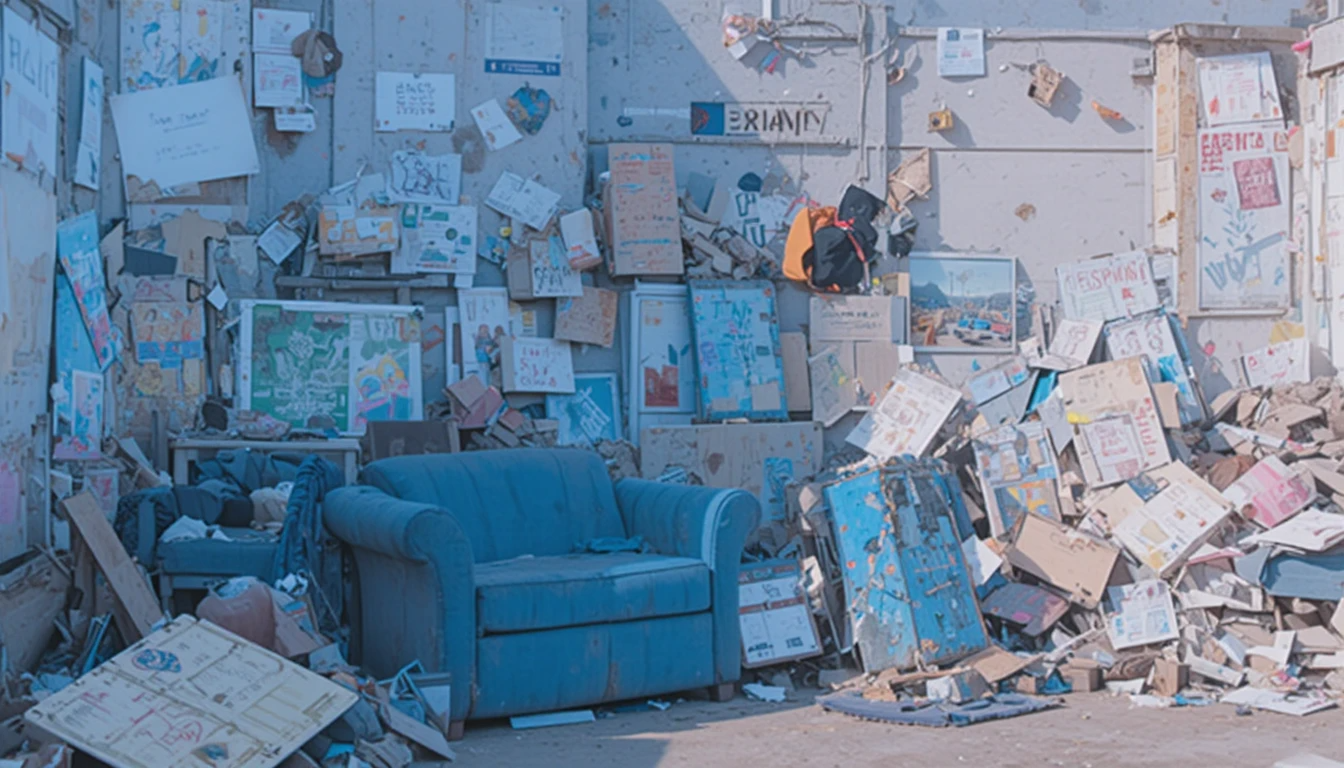
34. Small-Space Solutions: Small Space Furniture Ideas & Multifunctional Furniture DIY: Throw Away Furniture
In compact homes, every inch counts. Clever small space furniture ideas help maximize comfort and efficiency without clutter. Modular sofas that convert into guest beds, wall-mounted desks, and foldable dining tables are excellent examples of multifunctional furniture DIY concepts tailored for small areas.
DIY projects like a storage bench or a bed with integrated drawers eliminate the need for additional pieces, cutting down on both expenses and potential waste. By crafting custom solutions from reclaimed or recycled materials, you can create furniture that fits perfectly functionally and aesthetically into limited spaces.
These designs embody sustainable furniture for small spaces, reducing the need to buy cheap, disposable alternatives that often end up as throw away furniture. Compact living isn’t about sacrificing style or comfort it’s about smart, sustainable design that aligns with minimalism, creativity, and environmental responsibility.
35. DIY Projects: Small Dining Table DIY, Shelving, Ottoman & Compact Furniture Projects
Creating your own furniture empowers you to reduce waste while personalizing your space. A small dining table DIY project built from reclaimed wood provides charm and sustainability. Likewise, DIY shelving solutions from salvaged planks or DIY ottomans using upcycled textiles combine creativity with eco-conscious craftsmanship.
Compact furniture projects such as foldable chairs, pallet benches, or corner storage units are ideal for apartment living. These sustainable furniture projects for small homes encourage resourcefulness and drastically minimize environmental impact. You save money, reduce manufacturing demand, and prevent additional landfill waste.
Conclusion
We advocate for practical, creative choices instead of reflexively deciding to throw away furniture. Donations, refurbishing, thrift-store finds, recycling, and smart purchasing shift the balance from waste to reuse. Small changes repairing a leg, swapping upholstery for organic fabric, or listing an item on a donation app, multiply into meaningful environmental and social benefits. Treat furniture lifecycle decisions as design choices: with a little time and intent, you can reduce landfill contributions from furniture waste, save money, and create a home with character.
FAQs
Q1: Can I donate a sofa that has stains or wear?
We recommend contacting the donation center first many accept sofas if structural integrity is sound and there are no severe stains, pest issues, or odors. Mattresses face stricter rules.
Q2: How do I dispose of furniture that can’t be repaired or donated?
Look for municipal bulk pickup, furniture recycling programs, or manufacturers’ take-back schemes. Splitting components (metal, wood) can increase recycling options.
Q3: What are lowVOC finishes and why do they matter?
LowVOC finishes emit fewer volatile organic compounds, improving indoor air quality. They’re safer for refinishing and an eco-conscious choice for refurbishing projects.
Q4: Are upcycled furniture brands environmentally better than new eco-friendly furniture brands?
Both have benefits. Upcycled brands repurpose existing materials (lower embodied carbon), while eco-friendly manufacturers use sustainable materials and responsible sourcing. Assess transparency and lifecycle claims.
Q5: How can I find furniture donation centers near me quickly?
Search municipal websites, donation apps, local charity directories, and community social pages. Always confirm acceptance criteria and whether pickup is available.
Trusted Junk Removal Services in Dubai for Homes & Businesses
In Dubai?
Address: Office No.101, 10th Floor, Al-Shafar Tower, Business Bay, Dubai.
Google Map Location
Read More: Where Can You Throw Away Electronics: Safe E-Waste Disposal Guide