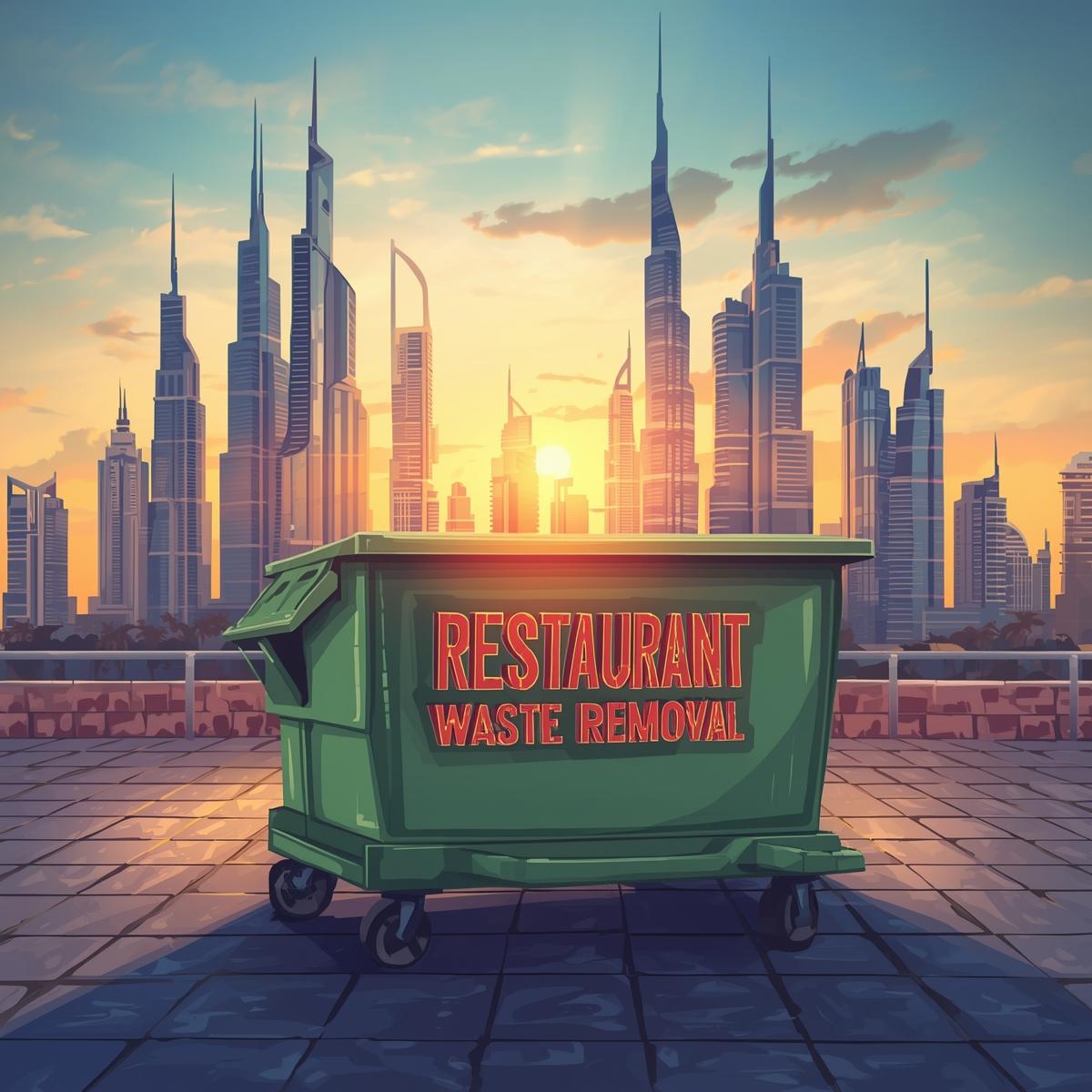
Restaurant Waste Removal & Equipment
Restaurant Waste Removal & Equipment in Dubai: A Complete Guide for Restaurants
Introduction
Running a restaurant in Dubai is exciting. The city never sleeps. From busy cafés in Dubai Marina to fine-dining spots in Jumeirah, competition is strong, and customer expectations are high. But behind every successful kitchen, there’s a challenge most customers never see: waste. That’s where Restaurant Waste Removal becomes critical.
Think about it. Food scraps, used oil, packaging materials, broken equipment, it all piles up quickly. In a hot climate like Dubai, waste doesn’t just sit quietly. It smells, attracts pests, and creates hygiene risks within hours. If you ignore it, it can damage your reputation faster than a bad review.
So how do you stay compliant with Dubai Municipality rules while keeping your restaurant spotless and professional? Let’s break it down step by step.
1. Understanding Restaurant Waste in Dubai
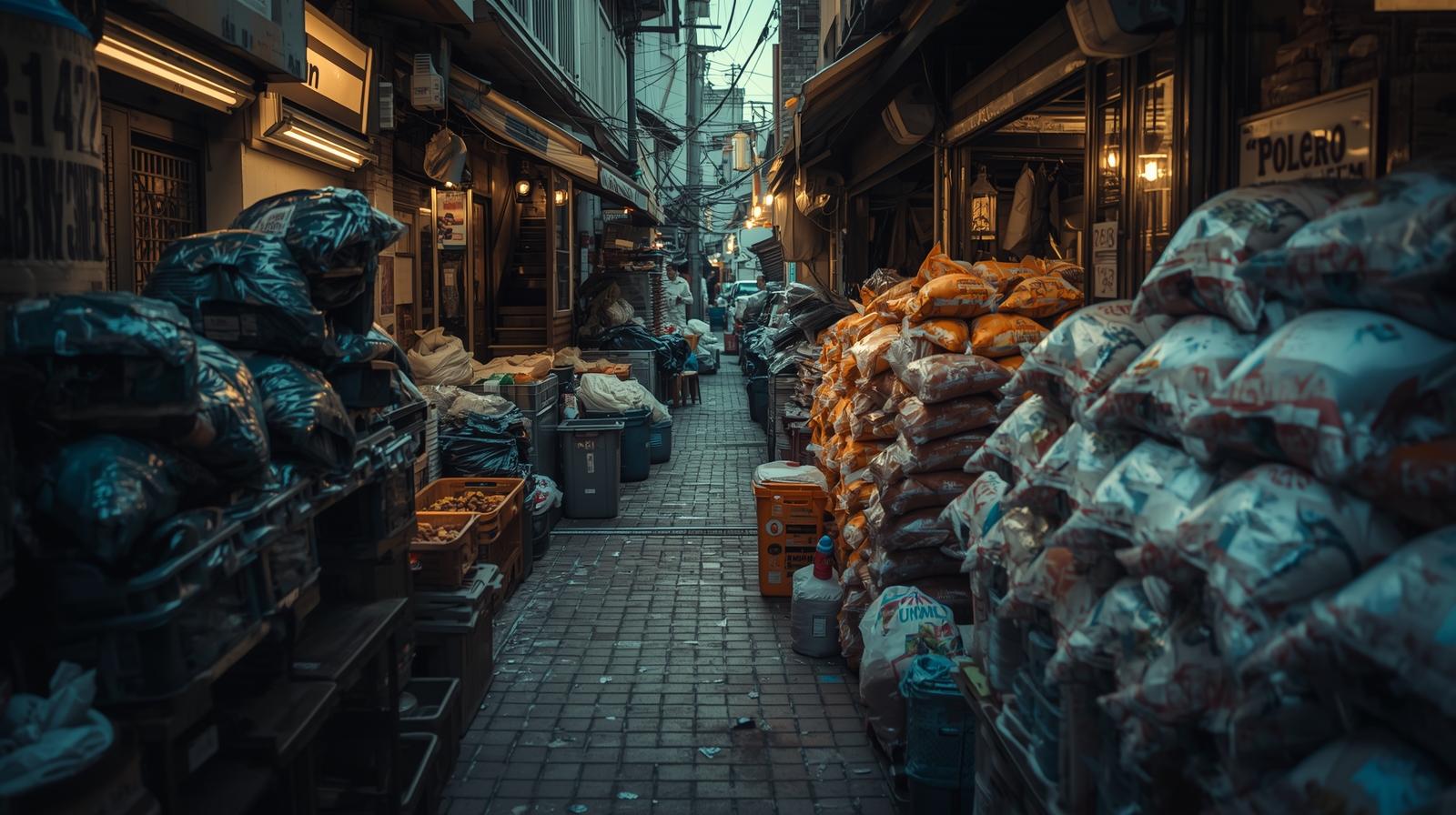
Dubai’s food scene is vibrant and competitive. From small cafeterias in Karama to luxury dining spots in DIFC, every outlet generates waste daily. Restaurant Waste Removal ensures that all this waste is handled professionally, safely, and in line with local regulations. Without a proper system, even a well-managed kitchen can quickly feel overwhelmed.
Firstly, the climate plays a major role. With summer temperatures often crossing 40°C, food waste decomposes rapidly and produces strong odors. As a result, regular collection is not just convenient, it is essential for hygiene and comfort. Delayed disposal can attract pests within hours.
Secondly, restaurants in busy zones like Downtown and Business Bay often struggle with limited storage space. Shared bin areas require coordination and strict timing. Therefore, planning your waste management strategy in advance helps prevent overflow and operational stress.
2. Why Restaurant Waste Removal is Essential
Cleanliness is the backbone of any successful restaurant. It directly affects customer trust, staff productivity, and inspection results. Professional Restaurant Waste Removal keeps your kitchen odor-free and aligned with safety standards, helping you focus on serving great food.
Moreover, inspections are conducted under the guidelines of Dubai Municipality. Improper disposal or unmanaged grease traps can result in warnings, fines, or even temporary closure. No business owner wants their reputation damaged due to avoidable waste issues.
Additionally, think of waste like clutter in your home. The longer it sits, the more stressful it becomes. Similarly, routine removal keeps your workspace organized, improves efficiency, and allows your team to operate smoothly without unnecessary distractions.
3. Types of Waste Generated by Restaurants
Restaurants produce different types of waste every single day. Organic waste includes vegetable peels, leftover food, expired ingredients, and plate scrapings. This type of waste requires frequent collection, especially in Dubai’s hot weather.
Then comes packaging waste. Cardboard boxes, plastic wrapping, and supply containers accumulate quickly after deliveries. Proper segregation is important because recyclable materials must not mix with food waste. Clear labeling and staff training make this process easier.
Finally, liquid waste such as used cooking oil and grease requires specialized handling. Pouring oil down the drain can damage plumbing and violate regulations. Therefore, separating and storing liquid waste properly ensures compliance and prevents costly repairs.
4. Dubai Municipality Regulations
Waste management in Dubai is governed by strict rules set by Dubai Municipality. These regulations are designed to maintain public hygiene and protect the environment. Every restaurant must comply, regardless of size or location.
Firstly, waste must be separated into categories such as organic, recyclable, and hazardous materials. Approved waste collectors must handle disposal. Random dumping or mixing different waste types is strictly prohibited and punishable.
Furthermore, grease trap maintenance is mandatory for commercial kitchens. Regular cleaning prevents blockages in drainage systems and avoids penalties. By following these regulations carefully, restaurant owners protect their licenses and maintain a positive business standing.
5. The Restaurant Waste Removal Process
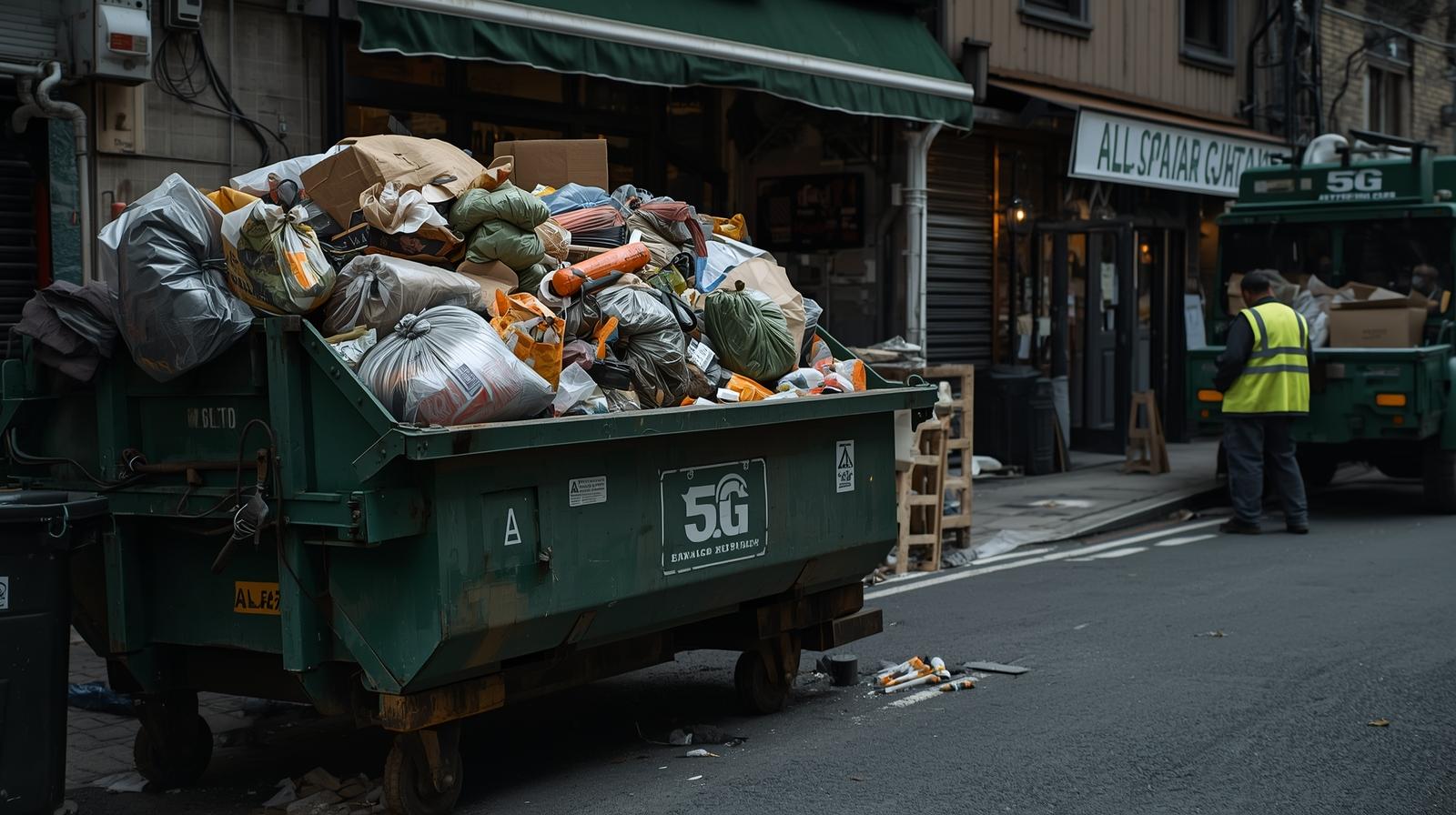
The Restaurant Waste Removal process begins with a detailed assessment. Service providers evaluate your daily waste volume, kitchen layout, and storage capacity. This helps create a customized plan that suits your restaurant’s operations.
Next comes scheduled collection. Depending on your output, pickups may be daily or several times a week. Timely removal prevents overflow and ensures waste never disrupts service hours.
Finally, the collected waste is transported to approved treatment or recycling facilities. This step ensures compliance with environmental standards. A structured process not only maintains hygiene but also simplifies documentation during inspections.
6. Equipment Used in Waste Handling
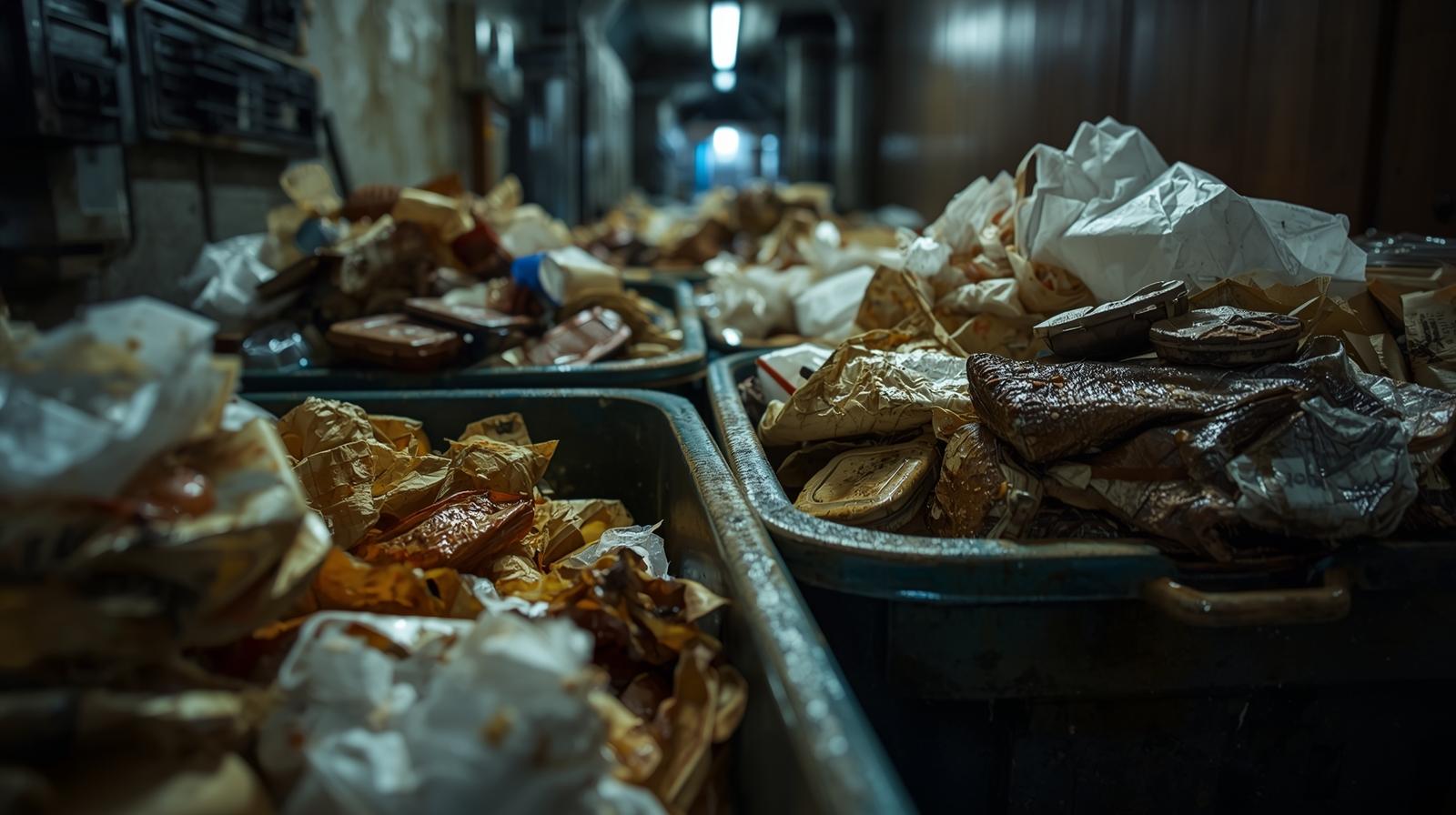
Efficient Restaurant Waste Removal depends heavily on the right equipment. Heavy-duty bins with secure lids prevent leakage and contain odors effectively. Choosing the correct bin size is crucial for smooth operations.
Compactors are especially useful in high-density areas like Dubai Marina. They reduce the volume of cardboard and packaging waste, saving valuable storage space. This is ideal for restaurants operating in high-rise buildings with limited backroom areas.
Additionally, sealed oil containers prevent spills during storage and transport. Proper equipment reduces accidents, maintains cleanliness, and makes waste management safer for your staff. Investing in quality tools pays off in long-term efficiency.
7. Grease Trap Management
Grease traps play a vital role in commercial kitchens. They capture fats, oils, and grease before these substances enter drainage systems. Without regular cleaning, grease traps can clog pipes and cause unpleasant backups.
Professional teams remove accumulated grease and clean the trap thoroughly. This process prevents foul odors and costly plumbing repairs. In busy restaurant districts, scheduled maintenance is highly recommended.
Moreover, proper grease trap management ensures compliance with local health standards. It protects both your kitchen and the surrounding infrastructure. Consistent maintenance keeps operations smooth and avoids unexpected shutdowns.
8. Food Waste Recycling Solutions
Food waste does not always have to end up in landfills. Many providers now offer recycling solutions that convert organic waste into compost or biofuel. This approach supports Dubai’s sustainability goals.
Eco-friendly Restaurant Waste Removal services focus on sorting and redirecting organic materials for reuse. Instead of contributing to environmental strain, your waste can become a valuable resource.
Additionally, customers increasingly appreciate sustainable businesses. By adopting recycling practices, you not only reduce landfill impact but also enhance your brand image. Small changes in waste management can create a big positive impression.
9. Oil Collection and Disposal
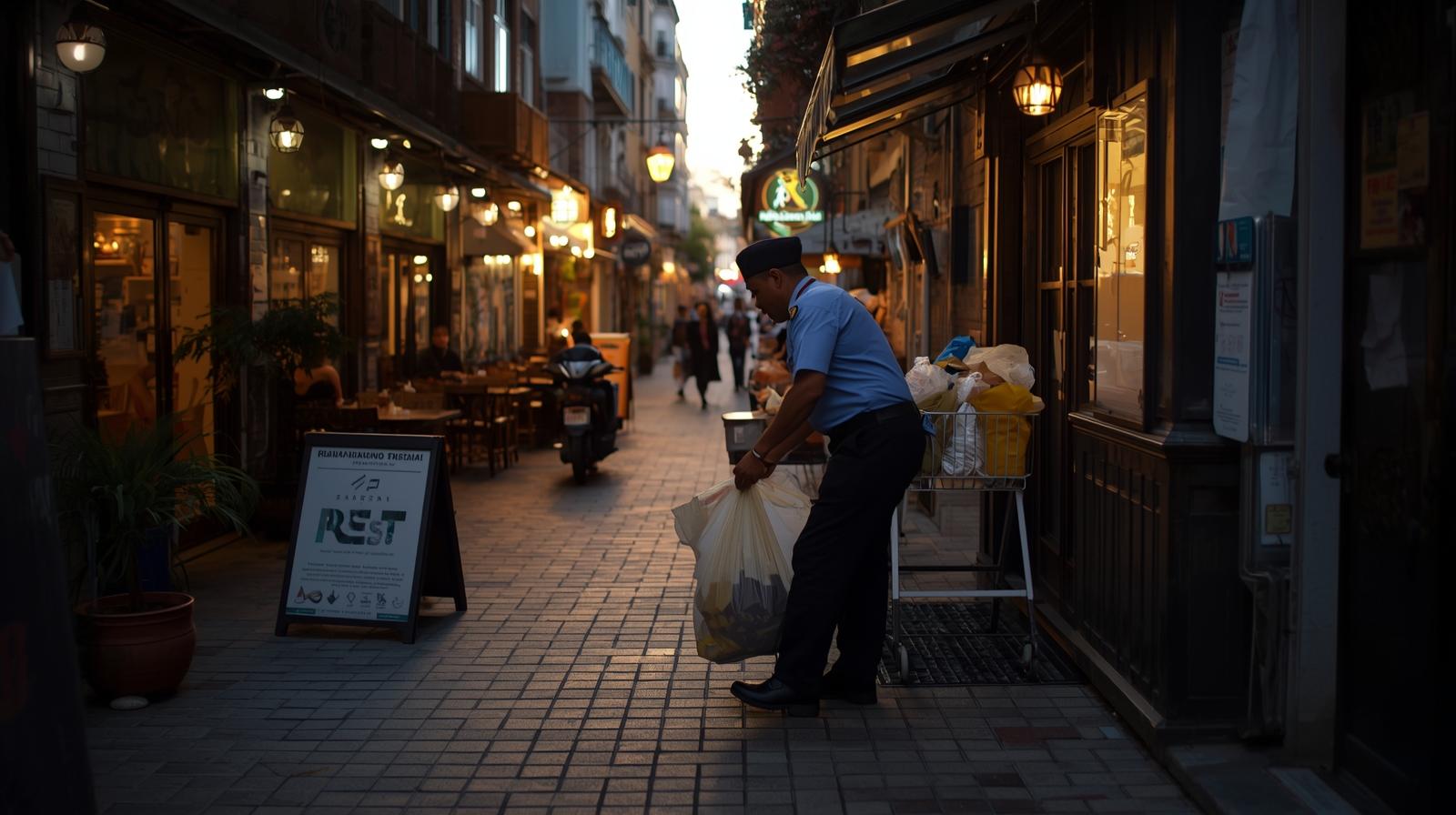
Used cooking oil requires special handling. Pouring it into drains can damage pipes and lead to legal trouble. Therefore, proper storage and collection are essential.
Licensed collectors gather oil in sealed containers and transport it safely. In many cases, it is recycled into biodiesel, which supports renewable energy initiatives.
This process protects your plumbing system and ensures compliance with local regulations. At the same time, it contributes to environmental sustainability, making it a responsible choice for modern restaurants.
10. High-Rise & Mall Restaurant Challenges
Restaurants located in malls such as The Dubai Mall face unique logistical challenges. Waste collection must follow strict schedules and building management guidelines.
Service elevators are often shared with other tenants. Therefore, timing and coordination become critical. Delays can disrupt both your operations and those of neighboring businesses.
Similarly, high-rise restaurants in Dubai Marina must transport waste through limited service corridors. Careful planning prevents inconvenience and maintains professionalism in shared commercial spaces.
11. Eco-Friendly Disposal Methods
Sustainability is becoming central to Dubai’s long-term vision under initiatives supported by the UAE Government. Restaurants are encouraged to adopt greener waste practices.
Modern Restaurant Waste Removal companies separate recyclable materials and minimize landfill usage. Composting, recycling, and energy recovery are increasingly common methods.
By choosing eco-friendly disposal options, you demonstrate responsibility and forward thinking. Customers are more likely to support restaurants that care about environmental impact and community well-being.
12. Cost Factors in Dubai: Restaurant Waste Removal
The cost of waste removal depends on several factors. Volume, pickup frequency, and location all influence pricing. Restaurants in remote industrial areas may face higher transportation fees.
Additionally, emergency or same-day services usually come at a premium. However, scheduled contracts are more cost-effective in the long run.
Transparent pricing structures help restaurant owners plan budgets confidently. Investing in professional services may seem like an expense, but it ultimately prevents fines and operational disruptions.
13. Choosing the Right Service Provider
Selecting the right partner for Restaurant Waste Removal is crucial. Always ensure the company is licensed and approved by local authorities.
Check reviews and request proof of compliance documentation. Experience in handling restaurant waste specifically makes a significant difference in service quality.
A reliable provider offers timely pickups, clear communication, and transparent pricing. With the right partner, waste management becomes seamless and stress-free.
14. Benefits for Business Owners
Professional waste management improves overall workplace hygiene. Clean kitchens create a safer and more pleasant environment for your team.
Regular removal also reduces pest risks and prevents unpleasant odors. This directly supports positive inspection outcomes and protects your reputation.
Furthermore, customers notice cleanliness even if they never see your kitchen. A well-managed operation builds trust, encourages repeat visits, and strengthens long-term profitability.
15. Emergency & Same-Day Services: Restaurant Waste Removal
Unexpected waste overflow can occur during peak seasons like Ramadan or tourist surges. High demand means increased food preparation and, naturally, more waste.
Emergency Restaurant Waste Removal services provide quick solutions when regular schedules are not enough. Fast response prevents odors and operational disruptions.
Having access to same-day services ensures your restaurant continues functioning smoothly. Flexibility is essential in Dubai’s fast-paced hospitality industry.
16. Waste Audits & Compliance Documentation
Professional waste companies often provide detailed disposal records. These documents are valuable during inspections and audits.
Waste audits analyze your disposal patterns and identify areas for improvement. Reducing waste volume can lower costs and improve efficiency.
Maintaining proper documentation proves compliance with regulations and strengthens your professional image. Organized records make inspections stress-free and straightforward.
17. Sustainability & Brand Image: Restaurant Waste Removal
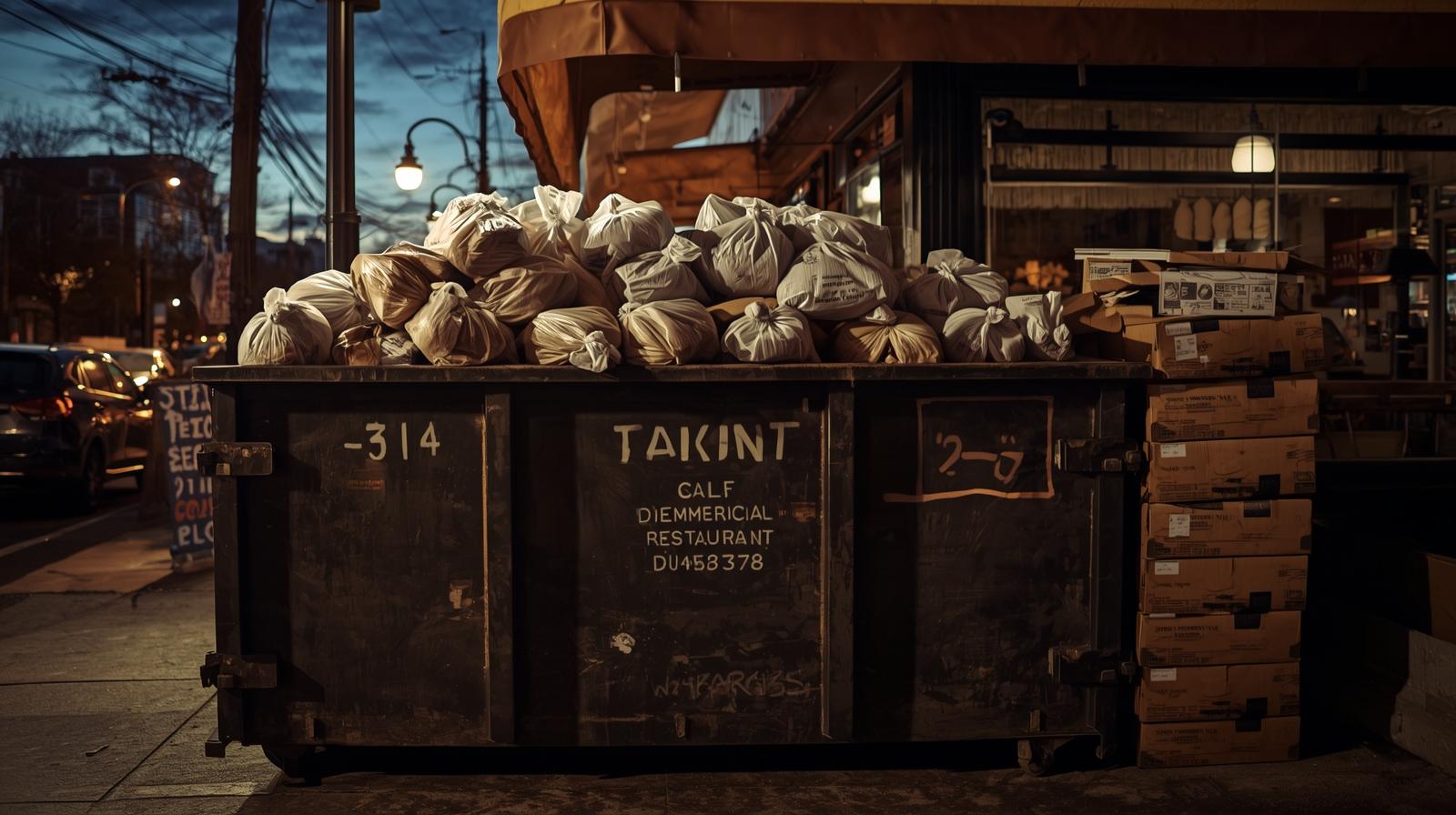
Today’s diners prefer eco-conscious brands. Sustainable waste practices show that your restaurant cares about more than profits.
Promoting responsible Restaurant Waste Removal in your marketing materials can enhance your public image. It demonstrates commitment to quality and responsibility.
Ultimately, sustainability and cleanliness go hand in hand. When your operations are organized and environmentally friendly, your brand stands out in Dubai’s competitive restaurant industry.
Conclusion
In Dubai’s fast-paced restaurant industry, waste management is not optional. It is a core part of operations. From grease traps to oil recycling, every step matters.
By investing in professional Restaurant Waste Removal, you protect your brand, comply with regulations, and create a healthier environment. In a city that values excellence, cleanliness is your silent ambassador.
FAQs
Q1. What is Restaurant Waste Removal, and why is it important in Dubai?
Restaurant Waste Removal refers to the professional collection and disposal of food waste, oil, grease, and packaging materials. In Dubai, it is essential due to strict municipality rules and extreme heat conditions.
Q2. How often should restaurants schedule waste collection?
Most restaurants require daily or alternate-day pickups. However, frequency depends on waste volume and location.
Q3. Are restaurants required to follow Dubai Municipality guidelines?
Yes. All food establishments must comply with waste management and grease trap regulations to avoid fines.
Q4. Can restaurant waste be recycled in Dubai?
Yes. Food waste can be composted, and cooking oil can be converted into biodiesel through licensed recycling services.
Q5. How much does Restaurant Waste Removal cost in Dubai?
Costs depend on volume, service frequency, and location. High-rise and mall restaurants may pay slightly more due to logistics.
Trusted Junk Removal Services in Dubai for Homes & Businesses In Dubai?
Address: Office No.101, 10th Floor, Al-Shafar Tower, Business Bay, Dubai.
Google Map Location
Read More: Restaurant Junk Removal: Old Equipment