Junk Removal Service Guide | Affordable & Ecofriendly
Ultimate Guide to Junk Removal Service: Ecofriendly, Cost-Effective & Time-Saving
Introduction:
We deliver a practical guide to junk removal service that helps homeowners, renters, real estate agents, and businesses make smarter decisions. We explain how junk removal service works, compare costs, map ecofriendly disposal routes for electronics and appliances, and show budget-friendly options from DIY junk removal to cheap junk removal service near me. Whether you’re prepping for spring cleaning, moving, renovating, or managing an estate cleanout, this guide gives clear steps, checklists, and professional tips that save time, money, and headaches. Think of decluttering like pruning a garden: done right, it frees space for healthier growth and higher value.
1. What Is a Junk Removal Service?
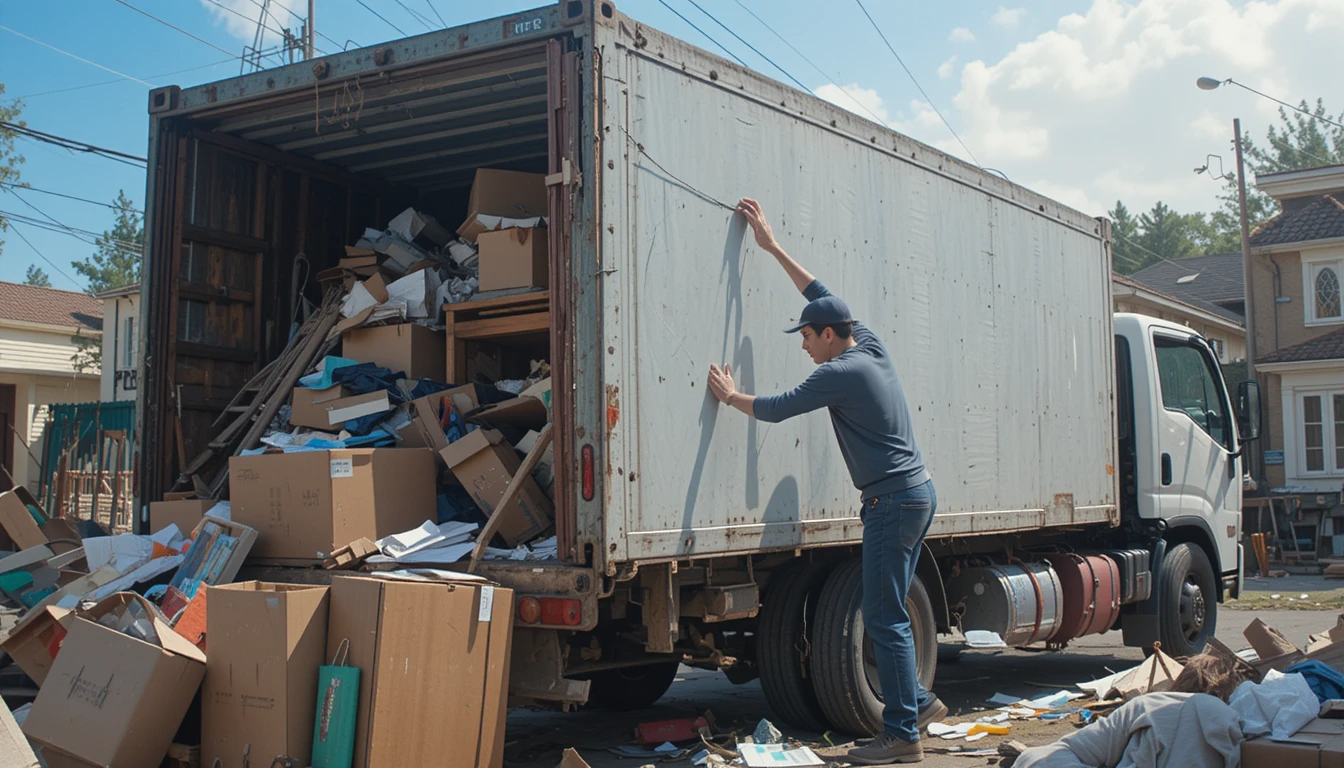
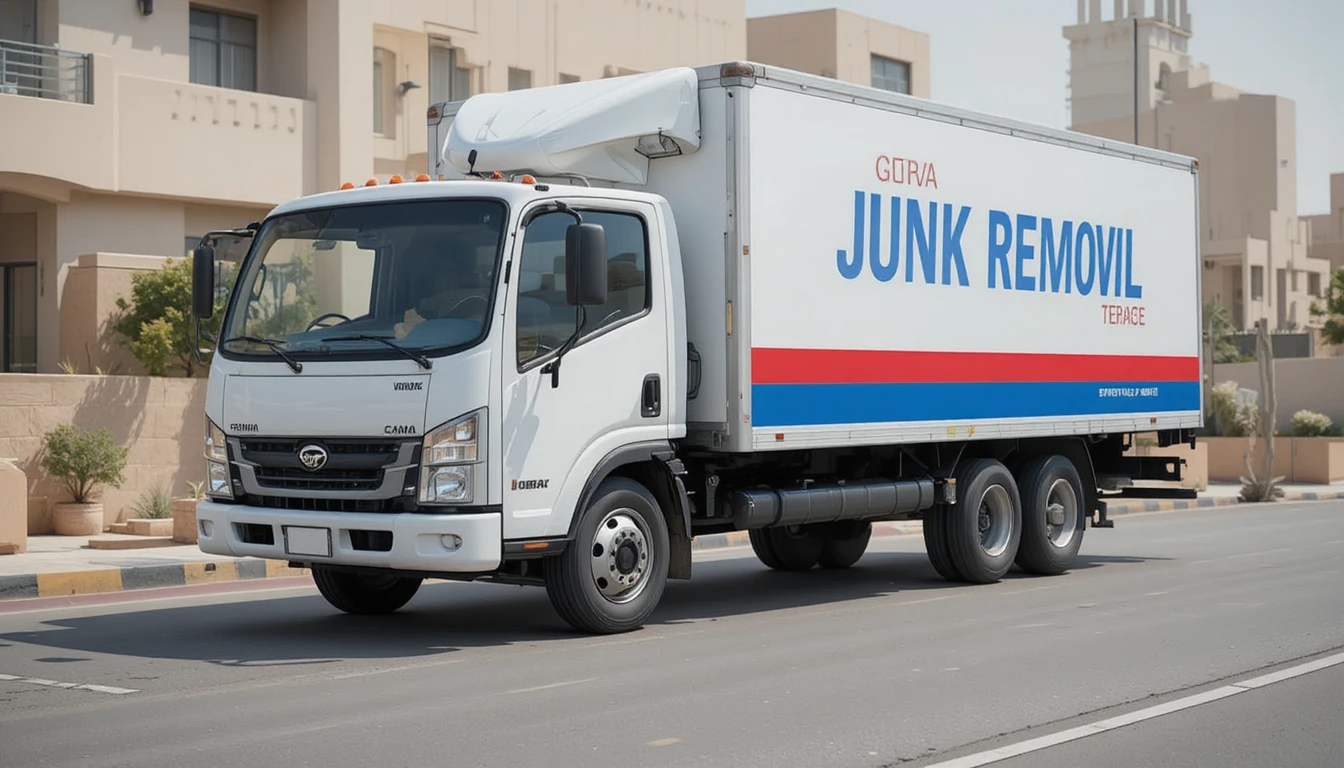
A junk removal service is a professional team that collects, hauls, and disposes of unwanted items from homes, businesses, and construction sites. We handle bulky items (furniture, mattresses), appliances (refrigerators, washers), electronics (TVs, computers), yard waste, and general household clutter. Unlike regular trash pickup, junk removal addresses large or awkward items and offers disposal pathways landfill, recycling, donation, or resale. We sort on-site where possible, prioritizing donation and recycling to reduce environmental impact. Think of a junk removal crew as a fast, local logistics and recycling partner we coordinate trucks, manpower, and responsible disposal so you don’t spend a weekend wrestling sofas through doorways.
Key benefits: time-saving, safer handling of heavy items, proper disposal of hazardous waste or electronics, and simplified scheduling for busy homeowners or property managers. We emphasize eco-friendly junk removal: we evaluate items for donation, resale, or recycling before sending anything to landfill. That measured approach reduces cost for cheap junk removal service options while improving environmental outcomes.
2. How Junk Removal Service Works: Step-by-Step
We follow a clear process that removes the stress and uncertainty from clearing unwanted items. The simplified flow below shows the typical steps a reputable provider uses:
Step details:
Contact & Estimate: We provide transparent quotes either a flat fee or volume/pricing by truckload. Scheduling: book online, by phone, or request same-day pickup when available. On-site assessment: trained crews verify items and hazards. Sorting: we separate electronics for safe recycling, pull out appliance refrigerants for certified disposal, and identify reusable furniture for donation. Haul & Disposal: trucks transport items to recycling centers, donation partners, or licensed facilities. Paperwork: for large jobs, we give disposal receipts or manifests useful for estate cleanouts or commercial clients.
This predictable process is why many ask, “How junk removal works?” and why choosing a licensed company matters: responsible disposal, nontoxic disposal methods for electronics, and documentation for compliance.
3. How to Choose a Junk Removal Service
Choosing the right provider matters. We recommend evaluating reputation, licensing, disposal practices, and pricing transparency. Start with local junk removal service reviews: real customer experiences reveal punctuality and how often items are diverted from landfill. Ask providers:
- Do you offer on-site estimates? (important for fair cost comparison)
- Where do you donate or recycle items? (shows ecofriendly practices)
- Are you licensed and insured? (safety and liability)
- Do you handle hazardous items and appliances? (specialty handling)
We prefer companies that show proof of partnerships with thrift stores, recycling centers, and documented green junk recycling services. A good provider will explain how to prepare for junk removal (clear pathways, separate hazardous materials) and give a clear price structure: fixed truckload vs. per-item fees. For businesses or real estate agents, ask about flexible scheduling, sameday junk removal services, and estate-cleanout experience. Remember: the cheapest quote isn’t always best if it ends with improper disposal or hidden fees. We advise balancing cost with environmental responsibility and safety.
4. Cost Comparison of Junk Removal Service
Cost depends on volume, item type, labor, travel, and disposal fees. We break the typical pricing models into three main types:
- Per-item pricing: ideal for single, identifiable items (sofa, refrigerator).
- Truckload or volume pricing: common when clearing rooms or houses quoted by cubic yard or by truck size.
- Flat rates for specialized jobs: estate cleanouts, hoarding cleanup, or commercial projects.
Hidden charges to watch for: appliance disposal fees (for refrigerant handling), hazardous waste surcharges, stairs or tight access fees, and long-haul/transfer station fees. For an accurate cost comparison of junk removal services, get multiple on-site estimates and ask providers to itemize donation, recycling, and landfill costs. Also consider the time value: DIY hauling adds truck rental, dump fees, and labor often making professional cost-effective junk removal solutions more efficient.
Tip: ask about discounts, promotions, or bundled pricing for multiple pickups. For recurring business cleanouts, negotiate a discounted rate.
5. Cheap Junk Removal Service Near Me: Finding Local Options
Searching “cheap junk removal service near me” is a first step, but local evaluation matters. We recommend:
- Checking local classifieds and community boards for vetted small operators.
- Reading local business reviews for reliability and disposal practices.
- Asking about community pickup days or municipal programs that partner with private haulers.
Cheap options often come from companies with efficient routing and strong donation/recycling partnerships. Avoid offers that sound too good to be true: they may skip proper disposal and dump illegally. We look for providers that balance low cost with importance of responsible disposal methods such as certified e-waste recycling and donation manifests.
Pro tip: combine pickups (garages, basements, yards) into one job to leverage truckload pricing. Local barter networks or resale platforms can offset removal costs if salvage and resale options for unwanted items are viable.
6. Cost-Effective Junk Removal Solutions
Cost-effectiveness is more than the cheapest price it’s about maximizing value. We focus on three levers:
- Prevent landfill charges by donating or recycling many items have reuse value.
- Consolidate loads to reduce trip and fuel costs.
- Choose the right service model (one-time hauler vs. scheduled cleanouts vs. dumpster rental).
We recommend pre-sorting: set aside donate/resale, recycle, hazard materials, and true trash. This reduces labor on pickup day and can reduce fees. For businesses, schedule routine cleanouts to avoid large one-time fees. For estate or real estate cleanouts, staggered pickups tied to donation schedules can reduce disposal costs and generate donation receipts for tax records.
Analogy: treating junk removal like supply chain optimization reduce handling steps, route efficiently, and repurpose items whenever possible.
7. How to Save Money on Junk Removal
How can you cut costs without sacrificing safety? We advise:
- Declutter before hiring: sort and remove small items yourself.
- Donate high-value items to get pickup credits from certain charities.
- Ask for bundled pricing if you have multiple rooms or properties.
- Time your job outside peak seasons spring and fall can be busier.
- Use free pickup programs for specific items (check local government offers).
Avoid unnecessary charges by revealing stairs, elevator dependence, or hazardous items ahead of time. We also recommend leveraging community networks and resale marketplaces to recover value before disposal. Small steps like clearing hallways and bundling yard waste often shave meaningful dollars off your final bill.
8. DIY Junk Removal vs. Hiring Pros
DIY may save cash on small jobs, but it’s a tradeoff. We weigh these considerations:
DIY pros: cheaper for small items, full control over sorting, and immediate scheduling.
DIY cons: time, effort, truck rental, disposal fees, and risk of injury.
Hiring pros: safer handling of heavy or hazardous items, faster completion, responsible disposal, and often better value for larger jobs. Hiring cons: upfront cost.
We recommend DIY for minimal loads and when you have time and the right vehicle. For bulky loads, appliances needing certified handling, or tight schedules (e.g., for real estate listings), professional services deliver better time-saving junk removal services and peace of mind.
9. Scheduling Cheap Junk Removal Service
We understand urgency. Scheduling options typically include:
- Standard scheduled pickup (1–7 days).
- Sameday or next-day pickup (higher fee but immediate).
- Recurring cleanouts for businesses.
To get cheaper scheduling, book in advance, avoid peak times, and bundle items. For listings or showings, ask providers about emergency junk removal for property showings they often offer priority slots. Confirm cancellation policies and whether deposits apply.
10. Items Junk Removal Services Accept
Most reputable services accept:
- Furniture and mattresses
- Appliances (fridges, washers may incur refrigerant fees)
- Electronics (TVs, computers)
- Yard waste and construction debris (non-hazardous)
- Boxes of household items
- Discarded fixtures and cabinetry
Exceptions: hazardous waste (batteries, asbestos, certain chemicals) requires special handling ask providers before scheduling. We advise listing unusual items upfront to avoid surprises.
11. Specialty Junk Removal: Electronics & Appliances
Electronics and appliances need special handling. We follow strict steps to:
- Identify hazardous components (batteries, mercury switches).
- Drain refrigerants by certified technicians.
- Route e-waste to certified recyclers for data security and toxics control.
Many green junk recycling services partner with certified e-waste processors to ensure nontoxic disposal methods for electronics and to recover valuable materials. For appliances, always confirm the hauler’s certification for refrigerant removal.
12. Nontoxic Disposal Methods for Electronics
Safe electronics disposal prevents toxin leakage. We recommend:
- Data wiping or physical destruction for hard drives.
- Certified e-waste recyclers for recovery of gold, copper, and rare earths.
- Battery separation and recycling through specialized programs.
Disposing electronics properly reduces long-term environmental costs and supports circular economy goals. Many municipalities offer e-waste drop-off days; professional haulers can consolidate and route electronics to these centers or to certified private recyclers.
13. Best Practices for Recycling Appliances
For appliances, best practices include:
- Disconnecting and preparing appliances: unplug, drain fluids, and defrost fridges.
- Scheduling certified pick-up for appliances with refrigerants.
- Salvaging usable parts for resale or refurbishment.
We coordinate with repair shops and recyclers to harvest reusable components, minimizing landfill and often reducing disposal fees.
14. What to Do with Hazardous Waste
Hazardous waste paint, solvents, pesticides, lead-acid batteries, and asbestos requires special programs. We never mix hazardous materials with general loads. Instead, we:
- Identify hazardous items during scheduling.
- Direct clients to municipal hazardous waste collections or arrange specialized hazardous waste contractors.
- Provide clear labeling and containment instructions.
Improper disposal can lead to fines and environmental harm; always use licensed handlers for these materials.
15. How to Recycle Old Furniture
Old furniture often has resale or donation value. We recommend:
- Assessing condition: repairable items can be sold or donated.
- Partnering with furniture banks and shelters that offer pickup.
- Refurbishing or upcycling worn frames into new pieces.
If furniture is unsalvageable, separate wood, metal, and fabric for appropriate disposal or energy-recovery streams. We find that modest refurbishment often unlocks the best environmental and financial outcomes.
16. Where to Donate Unwanted Items & Thrift Store Donation Tips
Donations extend item life. We recommend local charities, shelters, and thrift stores. Tips:
- Call ahead to confirm acceptance standards.
- Get a donation receipt for tax purposes.
- Donate clean, functional items many thrift stores have strict quality guidelines.
Some charities provide free pickup for large items; verify scheduling and documentation for estate or real estate cleanouts.
17. How to Donate Unwanted Items Responsibly
Responsible donation means ensuring usefulness. We advise:
- Check local guidelines for accepted items.
- Avoid dumping items in donation bins without documentation.
- Coordinate with charities for large donations and obtain manifests for tax or legal records.
Donating responsibly reduces wasted effort at donation centers and increases the chance your items help someone in need.
18. Salvage and Resale Options for Unwanted Items
Salvage and resale can offset disposal costs. We recommend:
- Online marketplaces for furniture and appliances in working condition.
- Consignment shops for higher-end items.
- Scrap yards for metal or machinery.
For estate cleanouts, specialty auctions and antiques dealers may retrieve unexpected value.
19. Ecofriendly Junk Removal: Green Junk Recycling Services
Ecofriendly providers prioritize diversion: donation, recycling, and resale. We measure success by diversion rates and partner credentials. Look for services that publish their recycling and donation percentages. Green junk recycling services reduce landfill use, conserve materials, and often return resale proceeds to clients or charities.
20. Zero-Waste Junk Disposal Ideas & Sustainable Options
Zero-waste approaches require creativity: refurbish, repurpose, and repair. We suggest:
- Upcycling old items into new uses (e.g., turning dresser drawers into storage).
- Community swaps and freecycle networks to redistribute usable goods.
- Composting organic waste and diverting yard waste to municipal green waste programs.
Small behavior changes compound into significant waste reduction.
21. Ecofriendly Junk Removal on a Budget
Budget constraints shouldn’t block green options. We recommend:
- Mixing donation and resale to reduce landfill loads.
- Leveraging community pickup events for free or low-cost recycling.
- Selecting haulers with high diversion rates so landfill fees are minimized.
Often the cheapest route is the one that avoids disposal surcharges through smart reuse.
22. How Junk Removal Improves Home Value
Decluttering improves perceived space, light, and flow. We have seen properties selling faster and at higher prices after professional cleanouts. Key benefits: cleaner staging, easier showings, and faster turnovers. Realtors often recommend pre-listing junk removal to maximize sale potential and reduce days on market.
23. Junk Removal Before Renovation & Post-Renovation Tips
Before renovation, clear the space to protect surfaces and ease contractor access. After renovation, promptly remove debris and leftover fixtures. We coordinate with contractors to schedule pickups timed with demolition phases, ensuring efficient environmentally safe construction debris removal and reduced worksite hazards.
24. Health Benefits of a Clutter-Free Home
Decluttering reduces dust, mold risk, and tripping hazards. Psychological benefits include reduced stress and improved focus. We often hear clients describe the relief of “breathing easier” after a cleanout the health gains are tangible and immediate.
25. Timesaving Junk Removal Services & Reducing Stress
Professional haulers compress days of work into hours. We reduce scheduling friction, supply labor, and manage disposal logistics. For busy households, this means more time for family and work and less mental load. Asking “Why not let professionals handle it?” is common because we free up what you value most: time.
26. Junk Removal Safety Precautions & Licensing Requirements
Safety is non-negotiable. We require crew training, proper PPE, insurance, and, when applicable, licenses for hazardous material handling. Ask providers for insurance proof, worker safety practices, and credentials for refrigerant handling or asbestos abatement.
27. Junk Removal Service Tips for Renters
Renters face unique constraints: lease rules, move-out timelines, and security deposit concerns. We suggest:
- Coordinate with landlords before large cleanouts.
- Use certified receipts for donated items to avoid deposit disputes.
- Schedule pickups aligned to move-out inspections.
Renters can often save money through local donation programs or community pickup days.
28. Community Junk Pickup Services & Local Government Programs
Many municipalities offer seasonal pickups, bulky item days, and hazardous waste events. We advise checking local government programs first they can be free or low cost. When combining municipal services with private haulers, plan logistics to avoid duplicate fees.
29. Dumpster Rental for Spring Cleaning vs. Hauling Services
Dumpster rental suits multi-day projects and heavy construction debris; hauling services are better for single-day clearouts and when you want the provider to do the heavy lifting. We recommend dumpster rental for extensive renovations and junk removal services for rapid clearouts, staging, or estate cleanouts where time and labor matter.
30. Ecofriendly Moving Tips & Impact on Moving Efficiency
Declutter before a move to reduce load and cost. We encourage clients to donate, sell, or recycle items rather than paying to move them. The result: lower moving bills, faster packing, and a smoother transition.
31. Spring Cleaning Checklist: How to Prepare for Spring Cleaning
We recommend a concise checklist: identify donate/recycle/trash piles, schedule pickup, confirm appliance handling, and sort hazardous items separately. Bundle tasks by room and assign time windows to avoid overwhelm during seasonal cleanup.
32. Garage Cleanout Ideas & Yard Waste Disposal
Garages often hold the heaviest junk: old tools, tires, and yard waste. We sort for salvageable tools, recycle metal, and divert yard waste to municipal composting. For large yard waste, check seasonal pickup schedules or bundle into a single hauler job for cost savings.
33. Office Cleanouts & Ecofriendly Office Cleanouts
Commercial cleanouts demand scheduling around business hours and secure handling of office electronics and records. We offer secure data destruction, certificates of recycling, and scalable crews to minimize downtime. Many businesses combine cleanouts with donation drives to support local charities.
34. Estate Cleanouts, Real Estate Agents & Fast Cleanout Services
Estate cleanouts require sensitivity, documentation, and speed. We provide donation manifests, receipts, and inventory for family records. Real estate agents benefit from fast cleanout services for home listings, which improve staging and shorten time to sale.
35. Junk Removal Checklist: How to Prepare for Junk Removal
We recommend a final checklist: clear access paths, separate hazardous materials, label donation piles, note large or unusual items, and confirm pickup time. Provide contact info and confirm pricing ahead of arrival to ensure a smooth, stress-free removal.
Conclusion
We trust this guide empowers you to plan and execute junk removal with clarity and confidence. From cost-effective junk removal solutions and how to recycle old furniture, to nontoxic disposal methods for electronics and eco-friendly disposal, we’ve outlined practical steps that conserve resources and protect property value. Have you considered the long-term benefits? Like pruning a tree to encourage strong branches, a well-executed cleanout makes space for better living and greater returns. Choose responsible providers, evaluate costs carefully, and prioritize donation and recycling where possible those choices save money, time, and the planet.
Frequently Asked Questions
1. What items does junk removal service accept?
Most accept furniture, appliances, electronics, yard waste, construction debris (non-hazardous), and boxes. Hazardous materials (chemicals, asbestos, certain batteries) usually require special handling.
2. How do I find a cheap junk removal service near me?
Compare local providers, read junk removal service reviews, ask for on-site estimates, and check municipal programs. Bundle items to reduce per-truck costs.
3. Can junk removal services recycle electronics and appliances?
Yes reputable services route e-waste to certified recyclers and use licensed technicians for refrigerant removal in appliances.
4. Should I choose dumpster rental or a hauling service?
Choose dumpster rental for multi-day renovation debris and hauling services for single-day clearouts or when you need provider labor for loading.
5. How can junk removal service improve my home’s sale prospects?
Clearing clutter improves staging, speeds showings, and often increases perceived value helping homes sell faster and closer to asking price.
Read more : Take My Junk Eco-Friendly Junk Removal Guide