
Curtain and Blind Disposal: Window Treatments
Curtain and Blind Disposal: Window Treatments
Introduction
Are your old curtains and blinds gathering dust in your Dubai home or office? Curtain and Blind Disposal is a task many residents and business owners overlook, but it’s essential for keeping your space organized, hygienic, and visually appealing. Whether you’re redecorating, moving out from Jumeirah, Marina, or Downtown Dubai, or simply replacing worn-out window treatments, knowing how to dispose of them properly can save you time, money, and environmental headaches.
Just like spring cleaning, getting rid of outdated blinds or curtains can feel like a fresh start an opportunity to reclaim your space and breathe new life into your interiors. But in Dubai, disposal isn’t as simple as tossing items in the trash. Between Dubai Municipality regulations, high-rise building logistics, and the scorching heat that can damage materials if left out, careful planning is essential. In this article, we’ll guide you through everything you need to know about Curtain and Blind Disposal in Dubai, ensuring your process is smooth, eco-friendly, and cost-effective.
1. Understanding Curtain and Blind Disposal
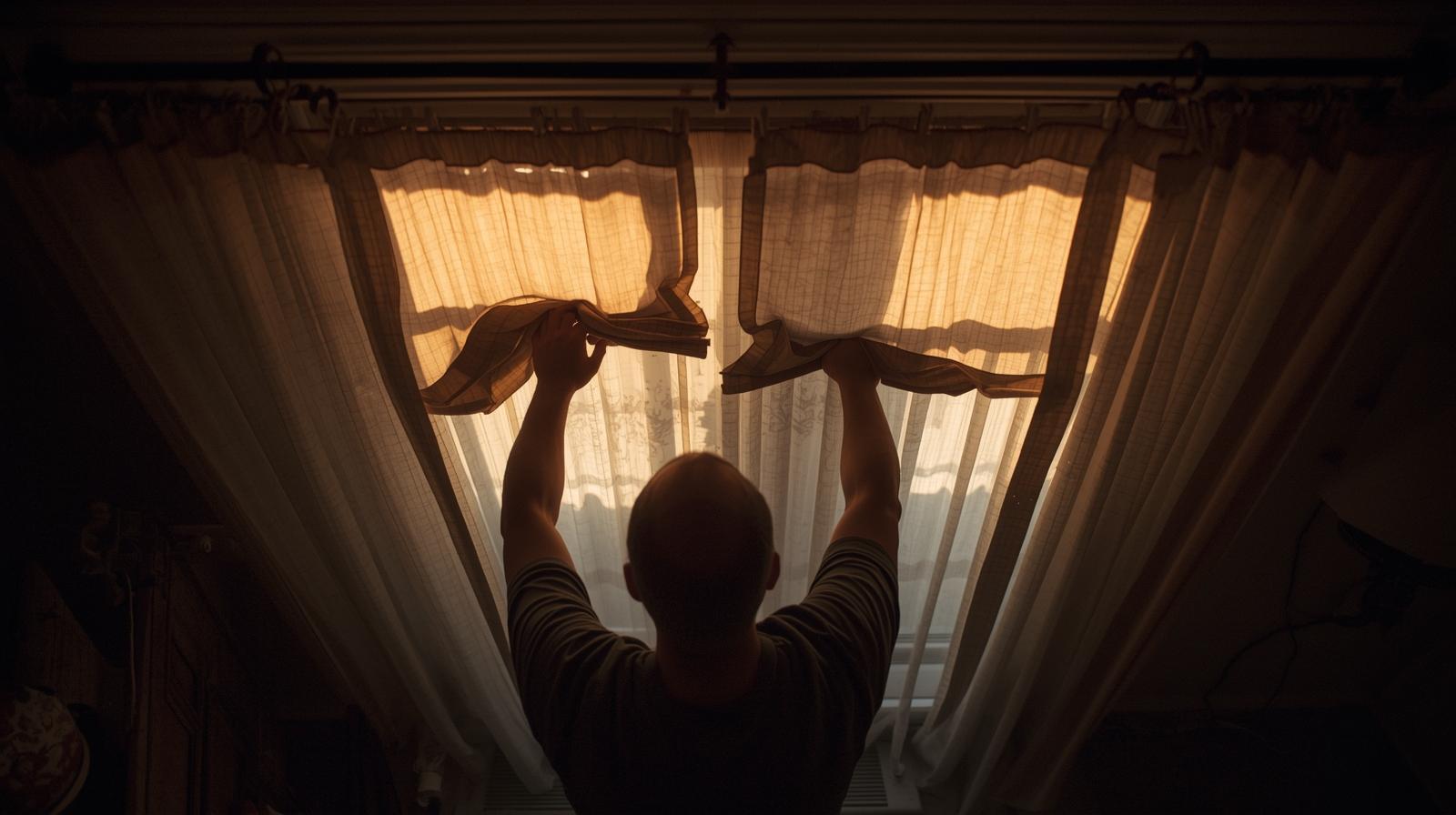
When we talk about Curtain and Blind Disposal, we mean the safe removal, handling, and proper disposal of window coverings that are old, damaged, or simply no longer needed. In Dubai, this process is often more complicated than it seems. High-rise apartments, villas, and commercial buildings all present unique logistical challenges. Moving bulky curtains or heavy blinds from upper floors, especially in areas like Jumeirah or Dubai Marina, requires careful planning to prevent damage or injury.
Curtains and blinds are made from a variety of materials fabric, metal, plastic, or wood and each material has a different disposal requirement. Simply throwing them in your household trash isn’t allowed and can even lead to fines. Dubai Municipality has clear rules for bulky and mixed-material waste. Think of disposal like sorting recyclables at home; each material must go to the right place. One-size-fits-all disposal doesn’t work here.
Proper Curtain and Blind Disposal not only clears space but also prevents hazards such as dust accumulation, mold growth, and pest infestation. This is especially important in humid areas like JBR or Marina, where moisture can deteriorate fabrics and cause odor or mold. Removing old window treatments also creates a fresh, welcoming space, giving residents and business owners alike a sense of renewed comfort and cleanliness.
2. Why Proper Disposal Matters in Dubai
Why should you care about proper Curtain and Blind Disposal? Beyond aesthetics, incorrect disposal can have legal, financial, and environmental consequences. Dubai enforces strict rules for bulky waste, and ignoring these rules can result in fines. For homeowners in Downtown Dubai or commercial tenants in DIFC, following proper procedures demonstrates responsibility and professionalism. Proper disposal ensures that old window treatments don’t become a safety hazard or cluttered eyesore.
Disposing of curtains and blinds correctly also benefits the environment. Materials like aluminum, wood, and certain fabrics can often be recycled, reducing landfill waste. In a city like Dubai, which emphasizes sustainable development, recycling window treatments aligns with broader green initiatives. Donating usable fabrics or components is another eco-friendly option that gives your items a second life.
Old curtains and blinds can harbor dust mites, allergens, and bacteria, which can affect indoor air quality. By disposing of these items responsibly, you’re not just reclaiming space you’re also creating a healthier living or working environment. Think of your apartment or office as a canvas: removing old, cluttered blinds is like wiping a smudged painting clean, ready for a fresh start.
3. Local Regulations and Guidelines
Dubai Municipality has clear rules regarding the disposal of bulky items, including curtains and blinds. Throwing these items into your regular household trash is not allowed. Residents are required to contact authorized waste management services or use designated collection points. High-rise buildings in areas like Business Bay or Downtown Dubai often have scheduled bulky waste collection days, and understanding your building’s system is crucial to avoid penalties.
Some materials, like aluminum blinds or treated wooden rods, may have special recycling requirements. Dubai authorities encourage separating these materials to ensure safe processing. Fabric curtains, for example, may need to go to textile recycling or donation centers, while metal and wood components are directed to recycling facilities. Following these regulations ensures compliance and avoids unnecessary fines.
Eco-conscious disposal is highly encouraged in Dubai. Proper Curtain and Blind Disposal aligns with the city’s environmental goals by reducing landfill waste and promoting recycling. By adhering to local guidelines, you’re not only keeping your space clean and organized but also contributing to a greener, more sustainable Dubai.
4. Types of Curtains and Blinds in Dubai Homes
Dubai homes and offices feature a wide variety of window treatments, each designed for different purposes. Heavy blackout curtains are popular in villas and high-end apartments in Palm Jumeirah because they block sunlight and provide privacy. Roller blinds, often seen in modern apartments, offer a sleek, minimalistic look. Venetian blinds, with horizontal slats made of aluminum or wood, are widely used in offices, while vertical blinds suit large windows or sliding doors in Marina residences.
Understanding the type of curtains or blinds you have is key for proper Curtain and Blind Disposal. Each material requires a different disposal approach. Fabric curtains may need to be donated, repurposed, or processed as textile waste, while aluminum blinds are recyclable. Wooden blinds might require special collection at municipal facilities. Proper sorting ensures compliance with Dubai Municipality regulations and contributes to eco-friendly disposal efforts.
By knowing your window treatments’ material and design, you can plan disposal more efficiently. For instance, thick blackout curtains in a high-rise apartment require careful handling to avoid accidents during removal. Matching the disposal method to the type of blind or curtain saves time, reduces risk, and ensures environmentally responsible management of your home or office space.

5. Assessing Condition: Repair vs Disposal
Before discarding curtains or blinds, it’s important to assess their condition. Ask yourself: Can this item be repaired or reused? Minor damage, like a small tear in fabric curtains or a bent slat in a Venetian blind, can often be fixed with professional services in Dubai. Repairing saves money, reduces waste, and extends the life of your window treatments.
However, if curtains or blinds are severely worn, faded, or damaged, proper Curtain and Blind Disposal is the best solution. Accumulating broken or outdated window treatments can lead to clutter, dust, or even pest problems. In coastal areas like Jumeirah Beach Residences or Marina, humidity accelerates fabric deterioration, making timely disposal even more critical.
Assessing repair versus disposal also aligns with eco-friendly practices. Instead of sending minorly damaged items to the landfill unnecessarily, you can repair, donate, or recycle them. Thoughtful evaluation ensures that only items beyond repair enter the disposal process, promoting sustainability while keeping your space clean and organized.
6. DIY Curtain and Blind Removal Tips
Removing curtains and blinds yourself can save money, but it requires planning and safety precautions. High-rise apartments in Jumeirah or Marina, or commercial spaces in DIFC, often have large or heavy window treatments that need careful handling. Using a stable ladder and having a second person to assist is essential for safety.
Start by detaching hooks, rods, brackets, and other hardware. Keep small components in labeled containers for potential reuse or recycling. Roll or fold fabric curtains carefully to prevent wrinkles or damage during transport. For blinds, ensure slats are secured so they don’t bend or break.
While DIY removal works well for smaller apartments, heavy or bulky blinds and curtains may require professional services. Proper planning, protective covers, and safe handling techniques ensure that your Curtain and Blind Disposal process is efficient, reduces risk of damage, and keeps your Dubai space safe during the transition.
7. Hiring Professional Disposal Services
For many residents and businesses, hiring a professional disposal service is the easiest and safest option. These companies manage the entire Curtain and Blind Disposal process from disassembly and collection to transport and recycling. In high-rise areas like Marina, Jumeirah, and Downtown Dubai, professional teams have the tools and experience to handle bulky items safely.
Services often include removal of heavy blinds, dismantling rods and brackets, and proper disposal or recycling at authorized facilities. For commercial clients in Dubai Internet City, hotels in Jumeirah, or large offices in DIFC, professional services offer bulk collection and ensure compliance with Dubai Municipality regulations.
Hiring professionals not only saves time and effort but also minimizes the risk of accidents during removal. It ensures your items are disposed of responsibly, supporting Dubai’s environmental initiatives while providing peace of mind that everything is managed efficiently.
8. Step-by-Step Disposal Process
A structured approach makes Curtain and Blind Disposal stress-free. First, assess which curtains or blinds need removal, considering damage and usability. Next, sort items by material aluminum, wood, and textiles so recycling and disposal can be done according to Dubai Municipality guidelines.
The removal stage involves carefully dismantling rods, brackets, and blinds to prevent accidents or damage. Once items are removed, place them in designated bags or bins, or schedule a professional pickup for bulk collection. Finally, transport the items to approved recycling centers or landfills. For large commercial or residential buildings, coordination with building management ensures smooth disposal without disrupting other residents.
Following a step-by-step process guarantees compliance, efficiency, and safety. It also allows you to consider eco-friendly options, like recycling or donation, before final disposal, ensuring your Dubai property remains organized and environmentally responsible.

9. Costs Involved in Curtain and Blind Disposal
The cost of Curtain and Blind Disposal in Dubai depends on several factors, including size, material, and service type. DIY disposal is the most economical option, limited mainly to transport or vehicle rental costs. For small apartments or villas, this can be minimal.
Professional services are more convenient, especially for high-rise apartments or commercial spaces. Prices typically range from AED 200 to AED 1,000 per collection, depending on bulk size, building access, and the number of items. Businesses with regular disposal needs may opt for subscription services, which streamline recurring collections and offer predictable costs.
When comparing costs, consider potential fines for improper disposal. Paying for professional services not only ensures safety and compliance but often saves money in the long run. Effective Curtain and Blind Disposal balances affordability, efficiency, and responsible waste management.
10. Eco-Friendly Disposal Options: Curtain and Blind Disposal
Eco-friendly Curtain and Blind Disposal is increasingly important in Dubai. Recycling metal and wooden components, donating fabric curtains, or composting natural fibers reduces landfill waste and supports city sustainability goals. Choosing responsible disposal is a way to extend the life of materials while keeping your space clean.
Residents and businesses can also explore donation options. Usable curtains and blinds can be given to local charities, schools, or community centers. Even commercial offices can benefit by contributing items to nonprofit projects. This not only reduces waste but also helps those in need.
In addition, separating materials for recycling allows facilities to process them properly. Aluminum blinds, wooden rods, and certain textiles can often be repurposed. By adopting eco-conscious practices, Dubai residents ensure that their Curtain and Blind Disposal process is both sustainable and compliant with local regulations.
11. Recycling Curtains and Blinds in Dubai
Recycling is a key component of responsible Curtain and Blind Disposal in Dubai. Aluminum blinds, wooden rods, and certain plastics can be processed at municipal recycling facilities. Fabric curtains, while less commonly recycled, can be repurposed as cleaning rags or donated to textile reuse programs. Sorting materials before disposal ensures that everything goes to the correct recycling stream.
Several Dubai recycling centers accept these materials, but pre-sorting helps reduce processing costs and speeds up recycling. High-rise residents in Marina or Jumeirah may need to coordinate with building management to safely transport items to collection points. For commercial offices, arranging bulk pick-ups ensures efficient handling of larger quantities.
By embracing recycling, you contribute to a cleaner Dubai and reduce landfill waste. It also supports citywide sustainability goals and demonstrates corporate social responsibility for businesses. Ultimately, proper recycling makes Curtain and Blind Disposal eco-friendly, efficient, and legally compliant.
12. Donation and Reuse Opportunities
Not all old curtains and blinds need to end up in landfills. If they are still in usable condition, donating them is a practical and eco-conscious option. Organizations like Dubai Cares, local mosques, schools, and community centers often accept gently used curtains and blinds for reuse.
Donation not only reduces waste but also supports underprivileged communities. Fabric curtains can be repurposed in homes, schools, or community projects, while metal and wooden components can sometimes be reused in DIY or refurbishment initiatives. Businesses in Dubai Media City or hotels in Jumeirah can also participate by donating surplus window treatments.
In addition to helping others, donation aligns perfectly with Dubai’s eco-friendly initiatives. It allows residents and businesses to practice responsible Curtain and Blind Disposal, turning old items into valuable resources while keeping the environment clean and organized.

13. Disposal for High-Rise Apartments: Curtain and Blind Disposal
High-rise buildings in Dubai present unique challenges for Curtain and Blind Disposal. Elevators, balconies, and narrow corridors can make transporting bulky curtains or heavy blinds difficult. Attempting DIY removal without proper tools or planning can be risky and may even damage property.
Professional disposal services are particularly beneficial in high-rise areas like Marina, Jumeirah, or Downtown Dubai. Experienced teams use specialized equipment to safely remove items from high floors, minimizing the risk of accidents. Coordinating with building management is often necessary to access disposal points or schedule collection days.
Proper planning ensures both safety and compliance with Dubai Municipality rules. By considering logistics, elevator access, and material types, high-rise residents can complete Curtain and Blind Disposal efficiently, avoiding fines, injuries, and clutter.
14. Commercial Curtain and Blind Disposal
Commercial spaces, including offices, hotels, and retail stores, face stricter disposal requirements due to scale. Bulk Curtain and Blind Disposal requires coordination, scheduling, and sometimes specialized equipment to manage large quantities of items safely.
Many professional disposal providers offer scheduled pickups, inventory assessments, and eco-friendly recycling for commercial clients. Hotels in Jumeirah, offices in Dubai Internet City, and shopping centers in Downtown Dubai often rely on these services to remain compliant with Dubai Municipality regulations. Proper disposal prevents fines and demonstrates corporate responsibility to employees, customers, and the local community.
Businesses also benefit from time and cost savings. Handling large volumes internally can be disruptive, whereas outsourcing ensures that curtains and blinds are removed efficiently, recycled when possible, and transported according to legal and environmental standards.
15. Seasonal Considerations for Disposal
Dubai’s extreme climate can affect Curtain and Blind Disposal timing. Fabrics left outside during summer months can fade, weaken, or attract pests. Moisture and heat may damage materials before disposal or recycling, particularly in coastal areas like Marina or Jumeirah.
Planning disposal for cooler months, or storing items in shaded, dry areas until collection, prevents deterioration. High-rise apartments should also consider elevator and corridor availability to avoid damage during hot months. Professional services can help coordinate timing for bulk collections and seasonal constraints.
Seasonal planning ensures that your disposal process is smooth, safe, and efficient. By aligning Curtain and Blind Disposal with Dubai’s climate and logistical conditions, residents and businesses protect their materials, comply with regulations, and contribute to cleaner, healthier spaces.
16. Common Mistakes to Avoid
Improper Curtain and Blind Disposal can lead to fines, safety hazards, and environmental issues. A common mistake is ignoring Dubai Municipality guidelines and simply throwing items into household trash, which is prohibited for bulky waste.
Another error is attempting DIY removal for large or heavy blinds in high-rise buildings without the proper tools or support. Accidents or damage to property are common when planning is inadequate. Failing to separate materials before disposal is also a frequent oversight, preventing effective recycling.
Avoiding these mistakes ensures a smooth, safe, and eco-conscious disposal process. Following proper procedures keeps your Dubai home or office organized, protects the environment, and demonstrates responsibility, making Curtain and Blind Disposal stress-free and efficient.
17. Benefits of Regular Disposal: Curtain and Blind Disposal
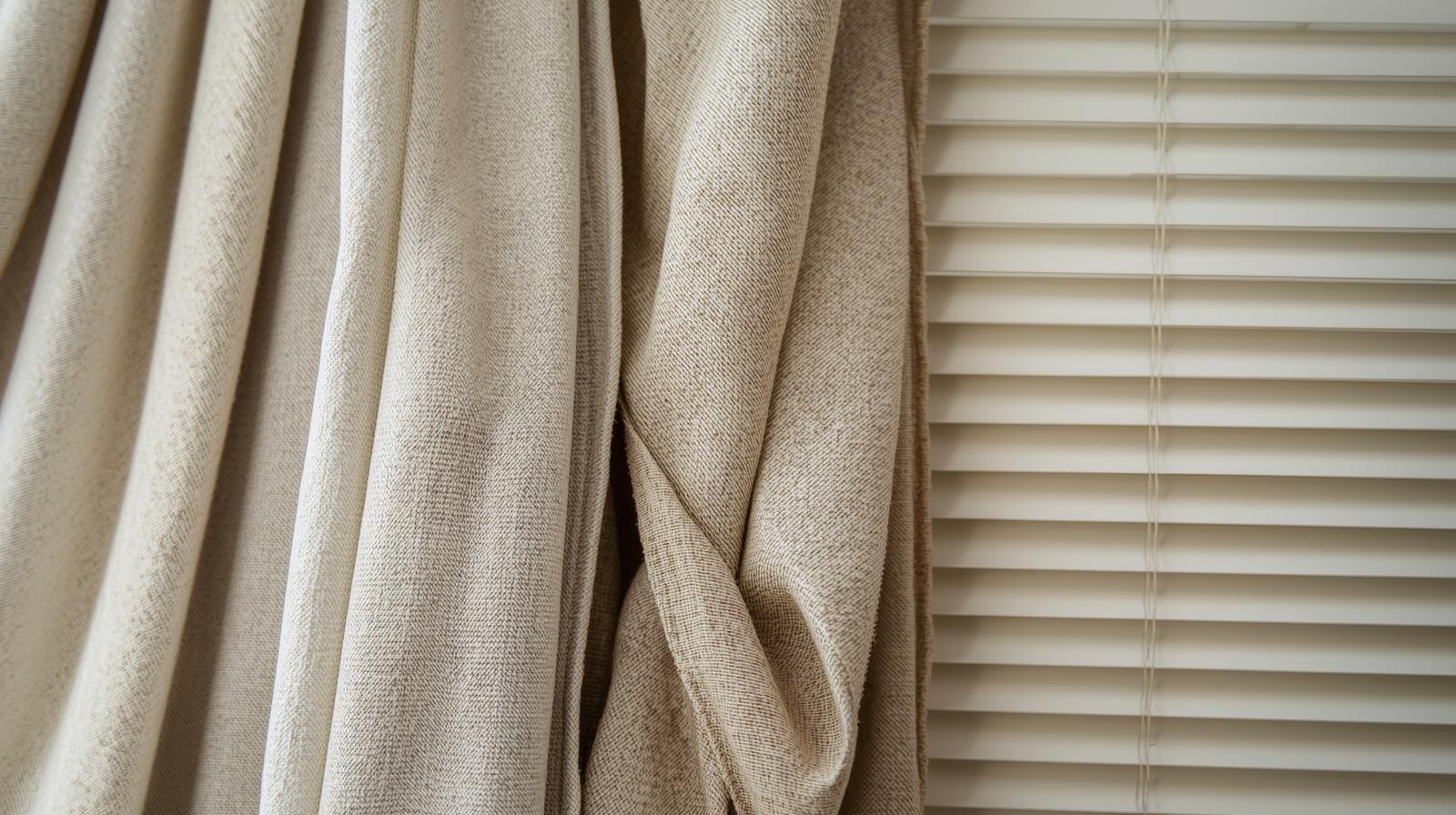
Regular Curtain and Blind Disposal keeps your living or working space clutter-free and hygienic. Old curtains and blinds often accumulate dust, allergens, and bacteria, which can affect health. Removing them periodically enhances indoor air quality and promotes a cleaner environment.
For businesses, regular disposal demonstrates professionalism and environmental responsibility. Maintaining modern, functional window treatments contributes to an appealing workspace for employees and clients alike. It also reduces the risk of fines from improper waste handling.
From a practical perspective, regular disposal makes redecorating or upgrading window treatments easier. Like clearing out old files from your computer, it creates space for new designs, fresh colors, and improved aesthetics, making your home or office feel rejuvenated.
18. Tips for Replacing Window Treatments: Curtain and Blind Disposal
When disposing of old curtains and blinds, consider planning replacements simultaneously. In Dubai, sunlight exposure, heat, and insulation needs are key factors in choosing new window treatments. Thermal blinds, UV-resistant fabrics, and blackout curtains help reduce energy costs while protecting interiors from sun damage.
Take measurements carefully and select materials that suit your building type. High-rise apartments may need lighter, easy-to-handle blinds, while villas in Jumeirah or Palm Jumeirah can accommodate heavier curtains. Combining disposal with replacement streamlines the process and reduces downtime.
Proper planning ensures that your new window treatments complement your space aesthetically and functionally. By aligning Curtain and Blind Disposal with replacement, you save time, minimize waste, and upgrade your Dubai home or office efficiently.
19. Innovative Storage Solutions Before Disposal
Sometimes, immediate disposal isn’t possible, especially for high-rise apartments or offices. Proper storage ensures your curtains and blinds remain in good condition until they can be collected. Vacuum-sealed bags for fabrics or protective covers for blinds prevent dust accumulation and damage.
Storing items in a cool, dry area is especially important in Dubai’s heat and humidity. Balconies, storage rooms, or temporary holding areas in offices can be used with care. Clearly labeling bags or containers helps with easy sorting during disposal or donation.
Thoughtful storage keeps your Curtain and Blind Disposal organized and efficient. It allows time for recycling, donation, or professional pickup, ensuring that even temporary delays don’t compromise safety, hygiene, or compliance with local regulations.
20. Conclusion
Curtain and Blind Disposal is more than just throwing away old items it’s about reclaiming space, maintaining hygiene, and contributing to Dubai’s eco-friendly goals. Whether you DIY, hire a professional, or recycle and donate, following proper procedures ensures efficiency, safety, and compliance with local regulations.
By addressing disposal thoughtfully, Dubai residents and businesses can transform cluttered spaces into clean, vibrant environments ready for new designs and enhanced living or working experiences.
FAQs
Q1: What is the best way to dispose of old curtains in Dubai?
The best way is to separate materials, use authorized disposal services, or donate usable fabrics. Check the Dubai Municipality guidelines for bulk waste rules.
Q2: Can blinds be recycled in Dubai?
Yes, aluminum, wood, and some plastics can be recycled at authorized centers. Fabric blinds may be repurposed or donated.
Q3: How much does professional curtain and blind disposal cost?
Costs range from AED 200 to 1000 depending on size, materials, and high-rise requirements. Businesses may pay more for bulk services.
Q4: Are there fines for improper disposal in Dubai?
Yes. Dubai Municipality can issue fines for throwing bulky items, including curtains and blinds, in regular trash.
Q5: Can I DIY removal for high-rise buildings?
DIY is possible but risky. Professional services are recommended for safety and compliance, especially in Marina or Jumeirah towers.
Trusted Junk Removal Services in Dubai for Homes & Businesses In Dubai?
Address: Office No.101, 10th Floor, Al-Shafar Tower, Business Bay, Dubai.
Google Map Location
Read More: Luxury Furniture Removal in Jumeirah 2