
Bathroom Strip Out: Waste Disposal
Bathroom Strip Out: Waste Disposal in Dubai
Introduction
You’ve finally decided to renovate your bathroom. The tiles are dated, the fittings are worn, and clutter has slowly taken over. Sound familiar? In Dubai where apartments in Marina, villas in Jumeirah, and offices in Business Bay are constantly being upgraded Bathroom Strip-Out projects are more common than ever. The first step isn’t choosing new tiles; it’s safely and legally clearing out the old mess.
Think of your bathroom like a suitcase before a big trip. If you don’t empty it properly, nothing new fits. Waste disposal during a strip-out is the foundation of a clean, stress-free renovation. And in Dubai, rules, logistics, and sustainability matter more than you might expect.
1. Bathroom Strip Out: What It Really Means
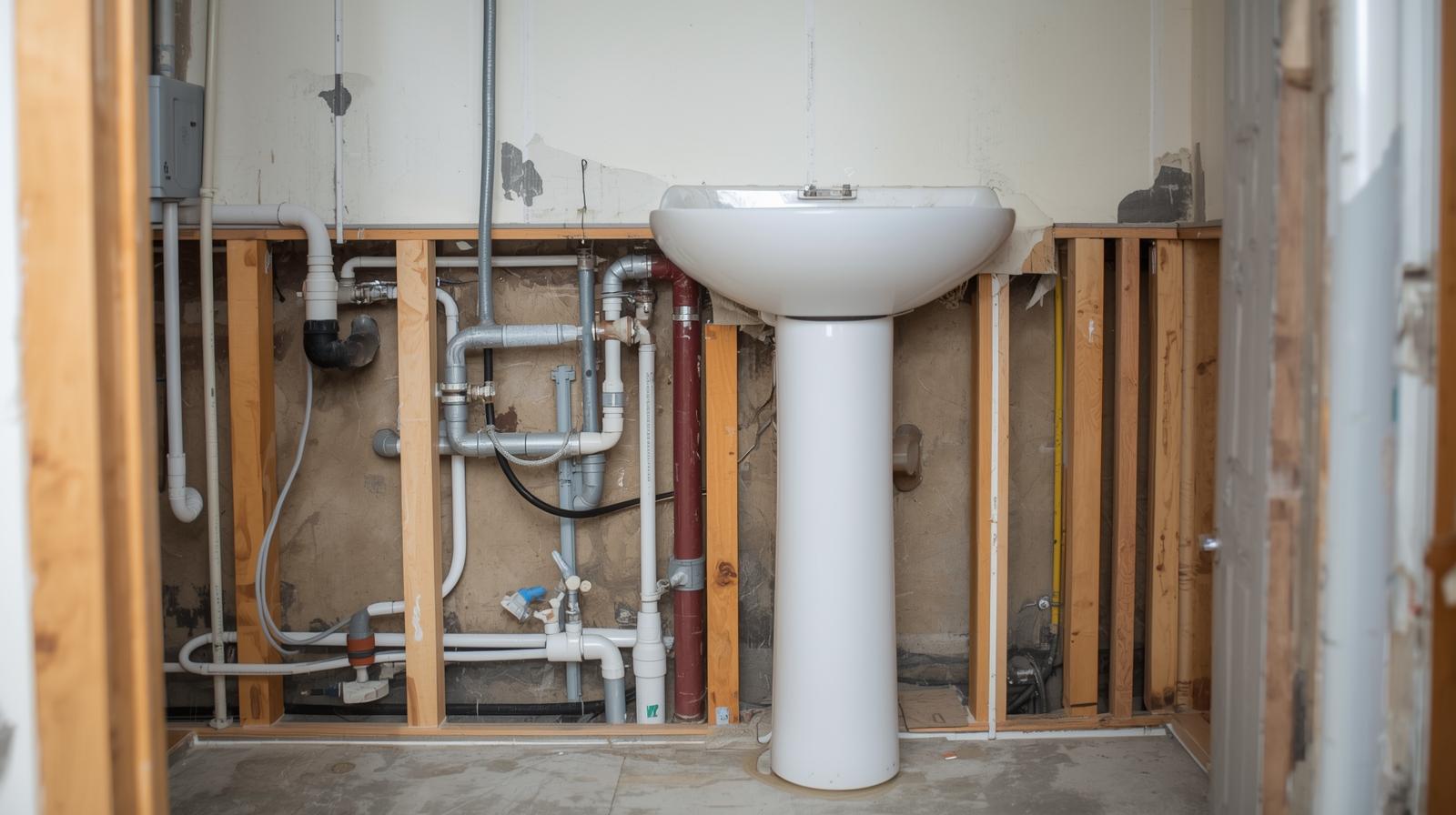
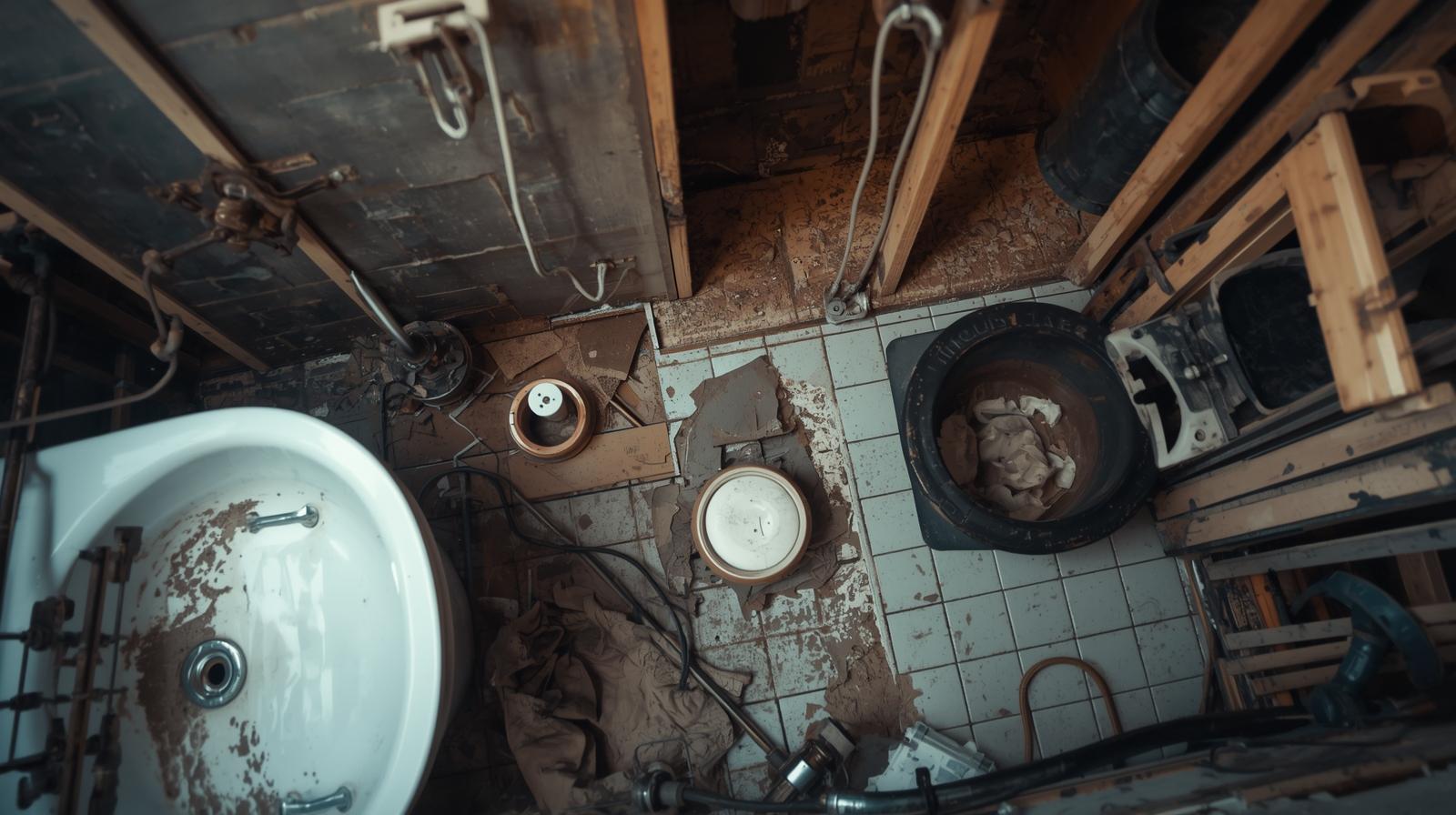
A bathroom strip out is the process of completely removing everything inside your existing bathroom so you’re left with a clean, bare shell. This includes wall and floor tiles, sanitary ware like toilets and sinks, cabinets, mirrors, plumbing fixtures, and sometimes even old waterproofing or screed layers. In many Dubai properties especially older apartments in Deira, Karama, or Bur Dubai this stage often uncovers hidden leaks or outdated pipework.
The purpose of a strip out is not random demolition. Instead, it’s a controlled and methodical removal that protects surrounding areas. When done correctly, it prepares the space for modern finishes and efficient layouts without damaging structural elements.
For homeowners and business owners, understanding this scope is essential. A proper Bathroom Strip Out helps you budget accurately, avoid delays, and ensure waste is handled legally and responsibly from day one.
2. Why Proper Waste Disposal Matters: Bathroom Strip Out
Proper waste disposal is a critical part of any bathroom renovation, especially in Dubai’s regulated environment. Leaving debris in corridors, stairwells, or shared dumpsters can quickly lead to complaints from neighbors and warnings from building management. In some cases, fines are issued without notice.
Bathroom waste often includes broken tiles, sharp ceramics, glass, and metal fittings. These materials can cause injuries if handled carelessly. Cleaners, security staff, and even residents are all at risk when waste is not managed correctly.
Beyond safety, Dubai is strongly focused on sustainability. Responsible disposal supports recycling targets and reduces landfill pressure. When you manage waste properly, you’re not just protecting your project you’re also supporting the city’s long-term environmental goals.
3. Common Waste Generated During Bathroom Removal
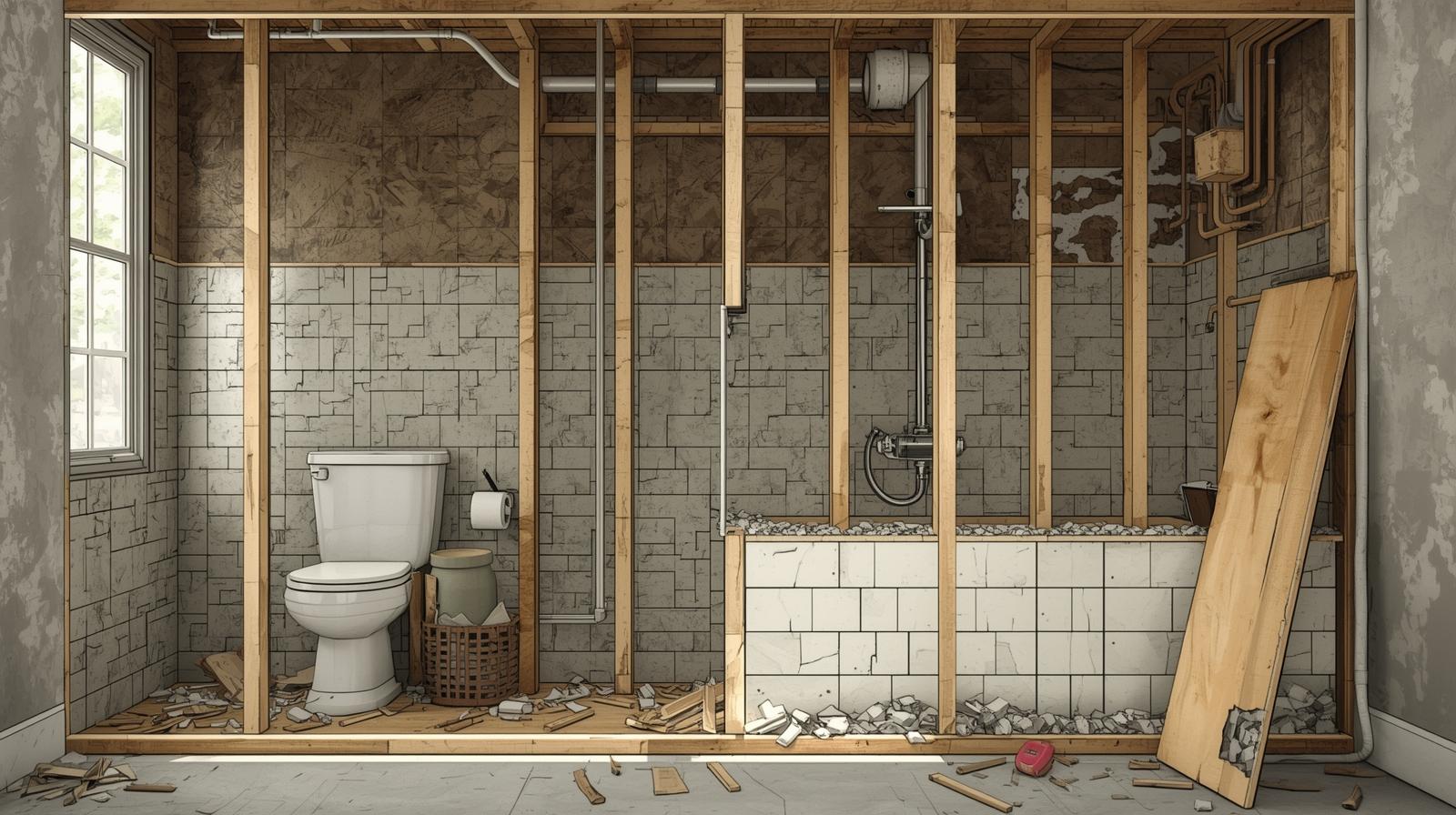
Bathroom renovations create a wide range of waste materials, which is why proper sorting is so important. The largest portion is usually heavy waste, such as ceramic tiles, concrete backing, and old screed. These materials are common in UAE bathrooms where full tiling is standard.
In addition, there’s bulky waste like toilets, bathtubs, vanity units, shower screens, mirrors, and cabinets. You’ll also find mixed materials including plastics, wood panels, silicone sealants, and metal fixtures.
Separating waste at the source makes a big difference. It reduces disposal costs, speeds up removal, and increases recycling opportunities. Many Dubai communities now encourage this approach as part of responsible renovation practices.
4. Bathroom Strip Out Planning for Dubai Properties
Planning a Bathroom Strip Out in Dubai requires more preparation than many people expect. Before any work begins, you usually need approval from building management and, in some cases, a No Objection Certificate. Skipping this step can stop your project instantly.
In high-end towers in areas like Dubai Marina, Downtown, or JLT, working hours are strictly controlled. Noise, debris movement, and elevator usage are often limited to specific time slots to avoid disturbing residents.
Good planning also includes booking service elevators, arranging waste skips, and confirming disposal schedules. When everything is organized in advance, the strip-out process runs smoothly, keeps neighbors happy, and avoids unnecessary stress or delays.
5. Dubai Municipality Rules You Must Follow: Bathroom Strip Out
Dubai Municipality has clear regulations for construction and demolition waste, and bathroom strip outs fall under these rules. You cannot dispose of renovation debris in regular household bins or unauthorized dumping areas.
All waste must be transported by licensed carriers to approved disposal or recycling facilities. For commercial properties, documentation and waste tracking may also be required as proof of compliance.
Ignoring these rules can result in fines, project stoppages, or issues with building management. Following municipality guidelines ensures your renovation stays legal and hassle-free. It also reflects well on you as a responsible property owner or business operator in Dubai.
6. High-Rise Apartments and Access Challenges
High-rise living adds a layer of complexity to bathroom strip out waste disposal. Moving debris from the 15th or 30th floor is very different from ground-level access. Elevators, narrow corridors, and shared spaces must all be protected.
Most buildings require debris to be bagged, covered, and transported during approved hours. Protective padding inside service elevators is often mandatory to prevent damage.
Experienced teams understand these challenges and plan accordingly. They coordinate with security, use proper coverings, and move waste efficiently. This careful approach prevents damage, avoids complaints, and keeps your renovation on good terms with building management.
7. Villa vs Apartment Strip Out Logistics
The logistics of a bathroom strip out vary greatly between villas and apartments. Villas in communities like Arabian Ranches or Jumeirah Village offer easier access. Trucks can park nearby, and waste can be removed quickly without shared-space restrictions.
Apartments, on the other hand, require more coordination. Parking permits, service elevator bookings, and security approvals are usually needed before work begins.
Understanding your property type helps you plan timelines and costs realistically. While villas may complete strip outs faster, apartments need structured scheduling. Knowing this upfront helps avoid frustration and ensures your project runs smoothly from start to finish.
8. Step-by-Step Waste Removal Process
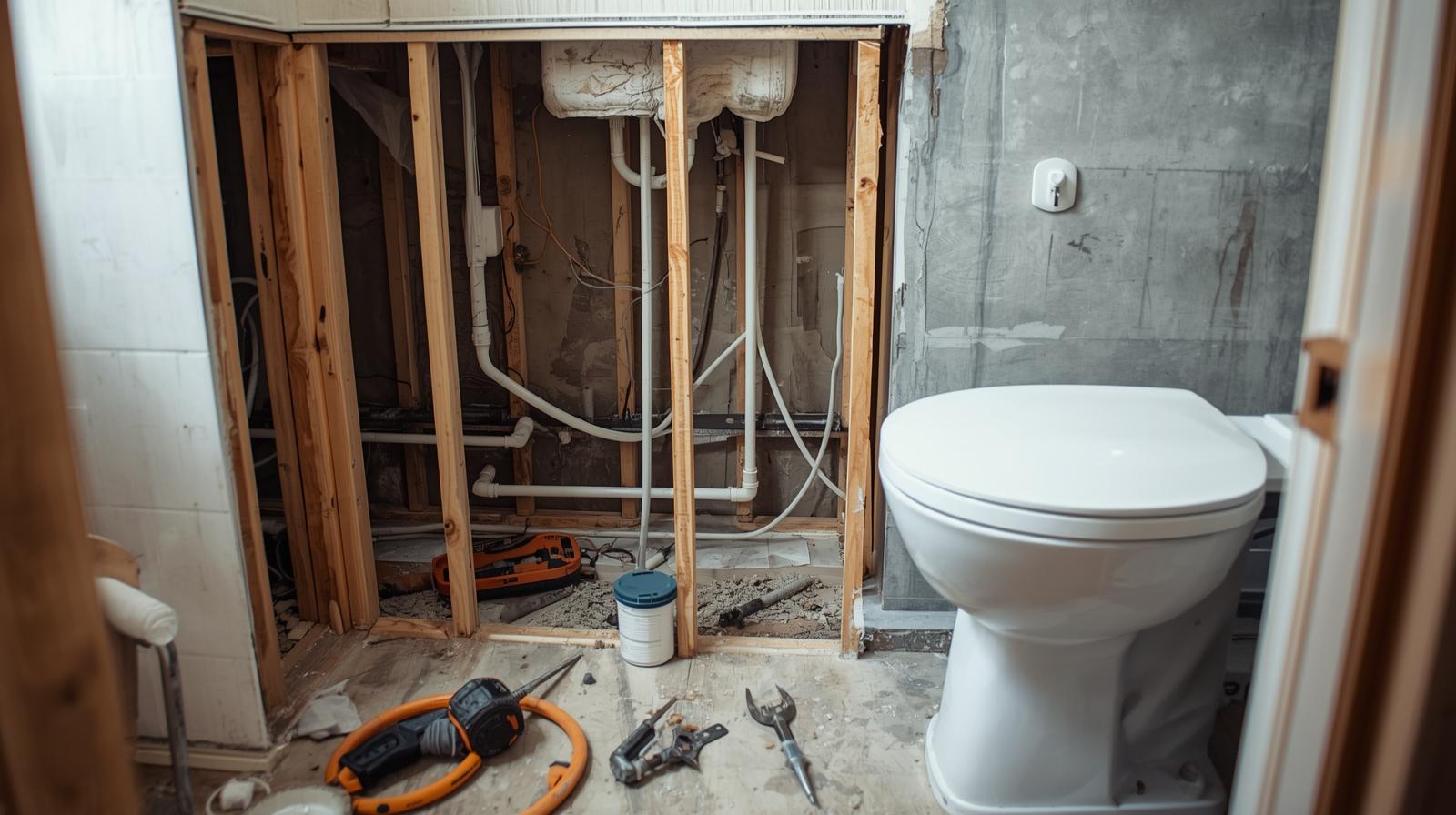
The waste removal process during a bathroom strip out follows a clear sequence. First, utilities like water and electricity are safely disconnected to avoid accidents. Fixtures are then carefully dismantled rather than smashed.
Next, waste is sorted on-site into categories such as ceramics, metals, and general debris. This step improves safety and supports recycling efforts across Dubai.
Finally, licensed transporters remove the waste and deliver it to approved facilities. Once cleared, the bathroom is swept and ready for the next renovation stage. A structured process like this keeps projects efficient, compliant, and stress-free.
9. Bathroom Strip Out Waste Streams Explained
A Bathroom Strip Out produces multiple waste streams, each requiring different handling methods. Heavy waste includes tiles, concrete, and screed, which make up the largest volume.
Light waste covers plastics, wood, insulation, and packaging materials. These are easier to handle but still require proper sorting.
Some bathrooms may also produce minor hazardous waste, such as old adhesives, sealants, or chemical residues. Managing each stream correctly reduces environmental impact, improves recycling rates, and often lowers disposal costs. In Dubai, this approach aligns well with municipality guidelines and sustainability goals.
10. Eco-Friendly Disposal Options in the UAE
Dubai actively promotes eco-friendly construction and renovation practices. Many materials removed during a bathroom strip out can be recycled or reused instead of going to landfill.
Metal pipes, fittings, and frames are highly recyclable. Some ceramic materials can be crushed and reused in road base or construction fill.
Choosing eco-friendly disposal options helps reduce environmental impact and supports the UAE’s sustainability vision. In some cases, recycling can even lower overall disposal costs. For residents and businesses alike, it’s a smart and responsible choice that benefits both your project and the wider community.
11. Recycling Opportunities in Dubai
Dubai offers several dedicated recycling facilities for construction and demolition waste, including materials generated during bathroom renovations. Licensed contractors are familiar with approved recycling centers and know which materials can be diverted from landfill. This includes metals, certain plastics, and selected ceramic waste.
Recycling plays a major role in reducing landfill usage across the UAE. When waste is recycled instead of dumped, it supports the circular economy by turning old materials into resources for new projects. For property owners, this also demonstrates responsible renovation practices.
In some developments, especially newer residential and commercial projects, proof of recycling is required. Developers and building managers may request documentation before approving future renovation stages, making recycling an essential step rather than an optional one.
12. Health and Safety During Disposal
Bathroom strip out waste is often heavier and sharper than expected. Broken tiles, shattered ceramics, and exposed metal edges can easily cause injuries if handled without proper precautions. This makes personal protective equipment, such as gloves, safety shoes, and masks, essential.
Dust is another major concern during bathroom removals. Tile cutting and demolition release fine particles that affect air quality, particularly in enclosed bathrooms with limited ventilation. Without proper sealing and dust control, this dust can spread into living or working areas.
A safety-first approach protects everyone involved. Workers remain injury-free, residents avoid health risks, and building management is less likely to raise concerns. In Dubai’s tightly managed properties, strong safety practices are not just recommended they are expected.
13. Cost Factors You Should Know
The cost of bathroom strip out waste disposal varies based on several factors. Bathroom size, type of property, and volume of waste all play a role. High-rise apartments generally cost more due to elevator use, access restrictions, and longer handling times.
Licensed waste disposal and recycling may appear more expensive upfront. However, these services protect you from potential fines, project delays, and compliance issues with Dubai Municipality or building management.
Transparent pricing is key. A clear quotation that includes labor, transportation, recycling, and disposal helps avoid surprises later. Knowing what you’re paying for allows you to plan your renovation budget with confidence and control.
14. Bathroom Strip Out for Commercial Spaces
Commercial bathrooms in offices, hotels, and retail spaces operate under tighter timelines. A Bathroom Strip Out in these environments must be fast and carefully coordinated to minimize disruption to staff, customers, or tenants.
Night shifts or phased strip outs are commonly used in Dubai’s business districts. This approach allows normal operations to continue during the day while renovation work progresses after hours. Waste removal must also follow stricter commercial regulations.
Professional planning ensures business continuity. From scheduling waste pickups to complying with municipality rules, every step must be precise. When handled correctly, commercial bathroom strip outs stay efficient, compliant, and virtually invisible to daily operations.
15. Choosing the Right Waste Disposal Partner
Experience in Dubai makes a real difference when choosing a waste disposal partner. Local contractors understand municipality regulations, building management expectations, and access challenges across different areas of the city.
Always look for licensed and insured providers. Experience with high-rise towers, such as those in Dubai Marina or JLT, is especially important. Reviews and testimonials from similar properties are a strong indicator of reliability.
The right partner doesn’t just remove waste they manage the entire process. From approvals to recycling and documentation, a professional team ensures your bathroom strip out stays on schedule, compliant, and stress-free from start to finish.
16. Mistakes to Avoid During Strip Out: Bathroom Strip Out
One of the most common mistakes is starting work without approvals. Skipping building management or municipality permissions often results in work stoppages, fines, or strained relationships with neighbors.
Another frequent error is mixing all waste together. When materials aren’t separated, recycling becomes impossible and disposal costs increase. It also slows down removal and may violate building rules.
Planning ahead helps avoid these problems. Understanding regulations, scheduling logistics, and arranging licensed disposal services early keeps your project moving smoothly. A little preparation can save time, money, and unnecessary frustration.
17. Timeline Expectations in Dubai: Bathroom Strip Out
Most residential bathroom strip outs in Dubai take between one and three days. Villas and ground-floor properties often fall on the shorter end, while high-rise apartments may require additional time.
While Dubai’s weather rarely affects indoor work, logistics often do. Elevator availability, approved working hours, and waste removal schedules can extend timelines if not planned properly.
Clear scheduling is essential. When we discuss and confirm timelines in advance, contractors can work efficiently, and building management stays informed. This structured approach keeps the renovation process predictable and well-organized.
18. Preparing the Space After Disposal: Bathroom Strip Out
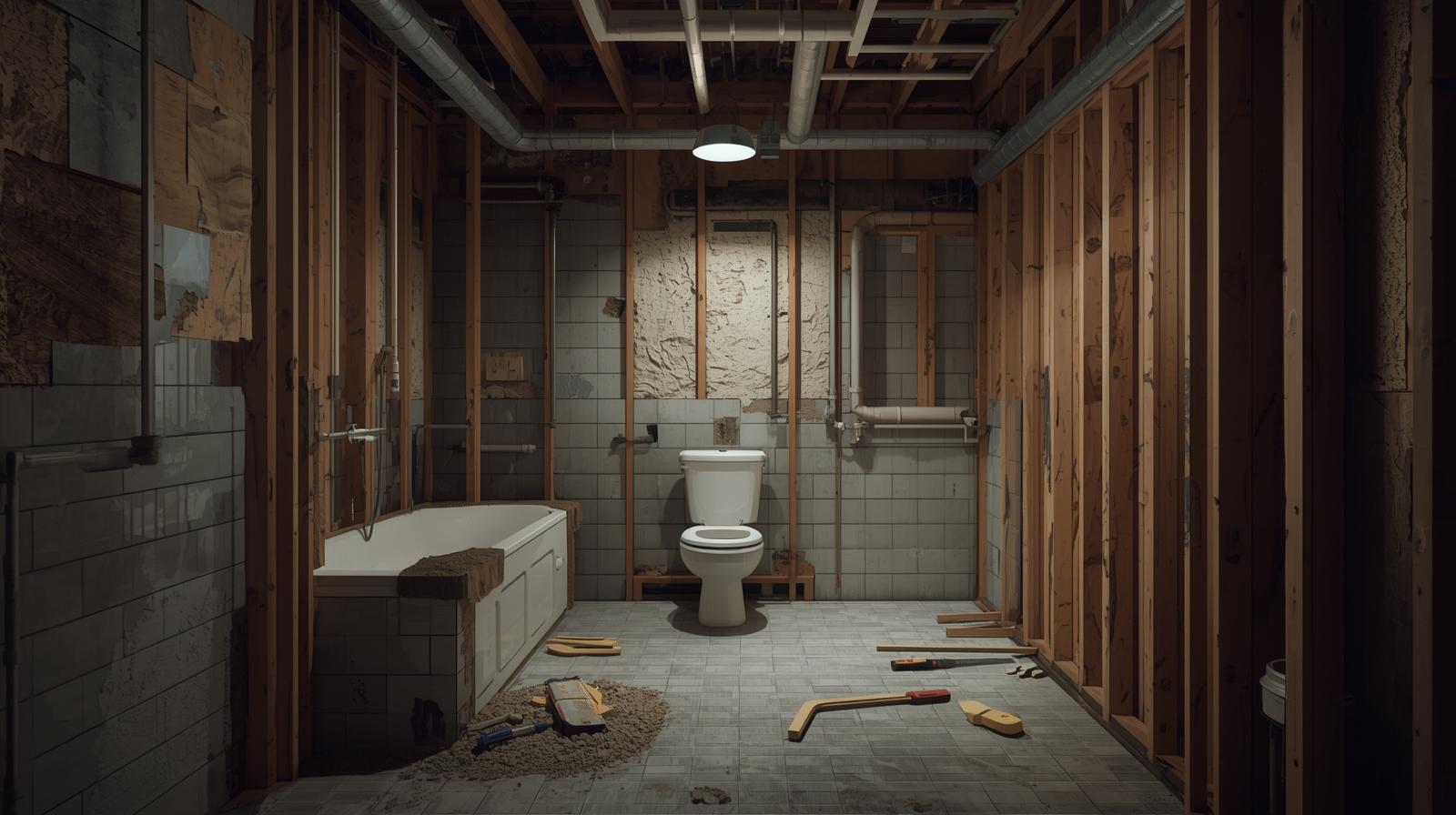
After removing all waste, thoroughly clean the bathroom. This step reveals the true condition of walls, floors, and plumbing connections that old finishes had hidden. Identify and address any cracks, moisture damage, or pipe issues before starting new work. Fixing these problems early prevents costly repairs later in the renovation process.
This stage marks a fresh start. With a clean, empty space, designers and contractors can move forward confidently. It’s the quiet pause before transformation the moment where preparation meets possibility and the rebuild truly begins.
Conclusion
A well-planned Bathroom Strip Out is the foundation of any successful bathroom renovation in Dubai. From safe waste disposal and regulatory compliance to recycling and cost control, every step plays a vital role. When waste is handled responsibly, projects run smoother, risks are reduced, and sustainability goals are met. Whether you’re upgrading a home or a commercial space, proper planning and the right disposal approach ensure your renovation starts clean and finishes strong.
FAQs
Q1. How long does a bathroom strip out take in Dubai?
Most residential projects take one to three days, depending on size and access.
Q2. Do I need permission from building management?
Yes, especially in apartments. Approvals are usually mandatory.
Q3. Can bathroom waste be recycled in Dubai?
Yes, many materials like metal and some ceramics are recyclable.
Q4. Is professional waste disposal mandatory?
For compliance and safety, licensed disposal is highly recommended.
Q5. What happens if waste is disposed of incorrectly?
You may face fines, project delays, or complaints from authorities.
Trusted Junk Removal Services in Dubai for Homes & Businesses In Dubai?
Address: Office No.101, 10th Floor, Al-Shafar Tower, Business Bay, Dubai.
Google Map Location
Read More: Renovation Waste Disposal: Kitchen & Bath