Labor Camp Waste Removal: Bulk Cleanup
Labor Camp Waste Removal: Bulk Cleanup
Introduction
Managing a labor camp in Dubai can be a challenging task, especially when it comes to Labor Camp Waste Removal. Whether you are a business owner overseeing multiple construction projects in Jumeirah or a resident managing a workers’ accommodation in Dubai Marina, heaps of waste can pile up quickly. From leftover construction materials to household garbage, inefficient disposal can create health hazards and attract fines from the Dubai Municipality.
Think of your labor camp as a small city: without proper cleanup, waste spreads like clutter in a busy kitchen, making the space unsafe and stressful. This is where professional Labor Camp Waste Removal services come into play. They not only keep your premises clean but also ensure compliance with local laws.
In this guide, we will walk you through everything you need to know about bulk cleanup, from the process and benefits to costs and eco-friendly disposal, helping you maintain a safe, hygienic environment for everyone living or working in your labor camp.
1. Understanding Labor Camp Waste
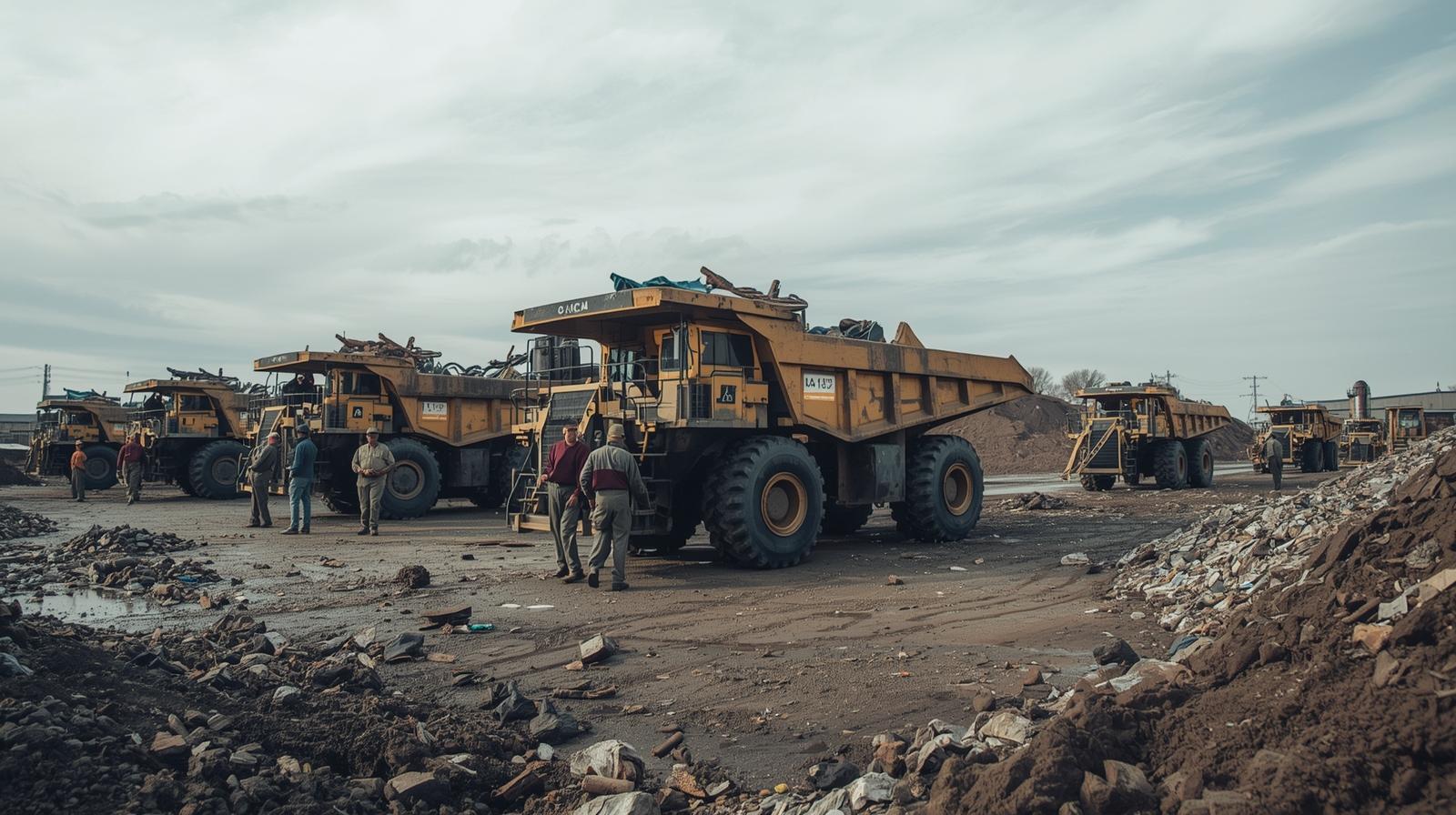
Labor camps in Dubai are often bustling hubs with dozens, sometimes hundreds, of workers. Over time, waste accumulates from multiple sources, creating a cluttered, unhygienic environment. Labor Camp Waste Removal is not just about removing trash; it’s about improving health, safety, and efficiency.
The waste can range from food leftovers, packaging, and broken furniture to construction debris. Left unmanaged, it can attract pests, emit foul odors, and even violate Dubai Municipality regulations. By understanding the types of waste generated, camp managers can implement strategies for organized disposal.
Think of waste like a snowball; it starts small but quickly grows if ignored. Regular cleanup schedules, proper bins, and professional removal services ensure that your labor camp remains a safe, clean, and welcoming space for workers.
2. Why Labor Camp Waste Removal is Crucial
Effective Labor Camp Waste Removal is essential for multiple reasons. First, it ensures compliance with Dubai’s strict waste management regulations, avoiding hefty fines and penalties. Secondly, it enhances worker health and productivity by creating a clean and organized environment.
Neglecting waste disposal can lead to serious consequences, including pest infestations, water contamination, and even legal action. A clean labor camp also boosts worker morale; employees are more motivated in hygienic, well-maintained surroundings.
Moreover, timely waste removal prevents construction debris and food waste from piling up, which can make evacuation and emergency access difficult in high-density camps. Think of it as clearing traffic from a busy street; if left unmanaged, chaos ensues.
3. Dubai-Specific Regulations for Waste Management
Dubai has strict rules regarding labor camp sanitation and waste disposal. The Dubai Municipality mandates regular waste collection, proper segregation, and eco-friendly disposal practices. Failure to comply can result in fines or suspension of permits.
Businesses must ensure that all construction and household waste is separated, stored properly, and removed by licensed contractors. For labor camps near Dubai Marina or Jumeirah, authorities often inspect waste collection points to ensure hygiene standards are maintained.
Understanding local laws and regulations is crucial for efficient Labor Camp Waste Removal. Compliance not only prevents penalties but also promotes sustainability, aligning with Dubai’s vision for a cleaner, greener city.
4. Common Types of Waste in Labor Camps
Labor camps produce a variety of waste types that require different disposal approaches. Common items include:
- Food waste: Leftover meals and expired goods.
- Plastic and packaging: Bottles, wrappers, and cartons.
- Construction debris: Cement bags, wood, metal scraps.
- Hazardous materials: Paint, chemicals, and batteries.
Segregating waste at the source ensures efficient removal and recycling. For example, separating organic waste from construction debris allows for eco-friendly composting while safely disposing of heavy materials.
Knowing the type of waste is the first step in designing an effective cleanup strategy. A well-planned removal system minimizes health risks, keeps your camp compliant, and ensures smooth day-to-day operations.
5. Step-by-Step Labor Camp Waste Removal Process
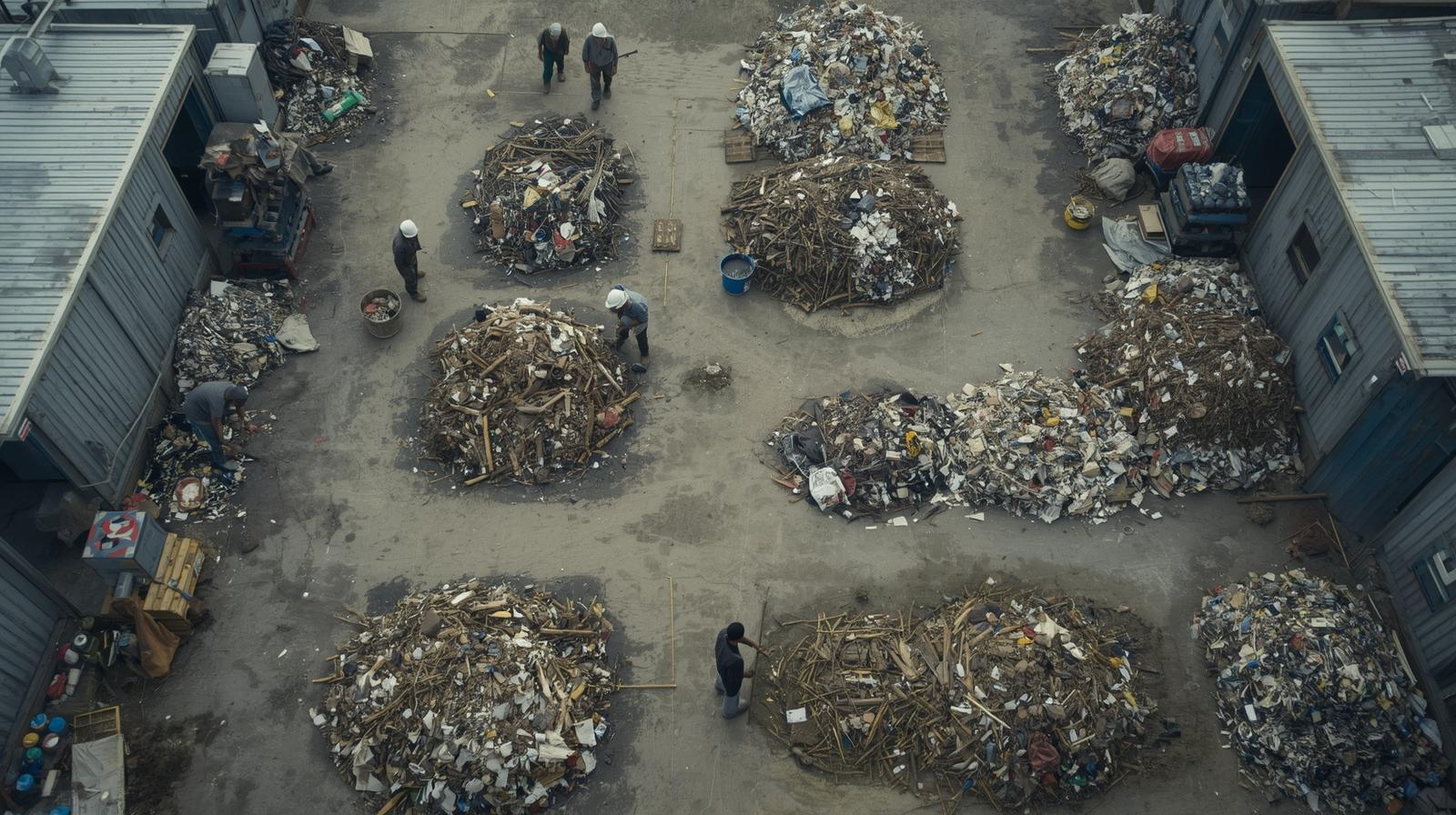
When it comes to Labor Camp Waste Removal, a systematic approach ensures efficiency and safety. The process usually begins with a site assessment, where professionals inspect the camp to identify the type and volume of waste. This step helps in planning the cleanup strategy, especially for large camps in Dubai Marina or Jumeirah, where space is limited.
Next, waste is segregated into categories like organic, recyclable, and hazardous materials. Proper segregation ensures that each type of waste is disposed of or recycled according to Dubai Municipality guidelines. This step also minimizes environmental impact and promotes eco-friendly disposal practices.
Finally, professional services employ bulk removal techniques using trucks, compactors, and high-capacity bins. The site is then sanitized to ensure a hygienic environment. Following these steps not only keeps your labor camp clean but also boosts worker morale and safety, making cleanup a smooth and hassle-free experience.
6. Tools and Equipment Used in Bulk Cleanup
Efficient Labor Camp Waste Removal requires the right tools and equipment. Standard items include heavy-duty garbage bins, wheelbarrows, industrial brooms, and compactors. For construction or demolition debris, cranes or forklifts may be necessary.
High-rise labor camps in Dubai present unique challenges. For instance, in buildings near Jumeirah or Dubai Marina, waste often needs to be transported via service elevators or hoists due to limited ground access. Specialized trucks and collection bins are used for bulk waste to prevent spillage or accidents.
Using the right equipment speeds up cleanup, reduces labor costs, and ensures compliance with municipal regulations. Imagine trying to clean a sandy beach with a teacup. It’s inefficient and frustrating. Professional-grade tools make the task faster, safer, and more effective, transforming a messy labor camp into a well-organized and sanitary environment.
7. Hiring Professional Services vs DIY Cleanup
You might wonder, “Can I handle Labor Camp Waste Removal myself?” While DIY cleanup may seem cost-effective, it often falls short for large-scale operations. Professionals bring expertise, specialized equipment, and knowledge of local regulations that DIY methods can’t match.
Professional services handle heavy lifting, hazardous waste, and bulk debris efficiently. They also ensure compliance with Dubai Municipality rules, avoiding fines or health hazards. For high-rise labor camps or multi-story buildings, professionals can navigate logistical challenges with minimal disruption.
On the other hand, DIY cleanup can be time-consuming and risky. Workers may get injured lifting heavy items, or waste may be improperly segregated, causing environmental harm. By hiring experts, you save time, reduce liability, and guarantee a safe and clean environment for your camp residents.
8. Cost Factors for Labor Camp Waste Removal in Dubai
The cost of Labor Camp Waste Removal varies based on multiple factors. Key considerations include camp size, type of waste, frequency of cleanup, and accessibility. Camps near Dubai Marina or high-density areas often incur higher costs due to logistical challenges.
Additional costs may arise for hazardous waste disposal, such as chemicals or paint, which require special handling. Seasonal factors, like summer heat, can also influence labor and equipment efficiency, impacting overall pricing. Bulk cleanup services usually offer tiered packages, single-time cleanup, weekly, or monthly services to fit different budgets.
Investing in professional cleanup may seem expensive upfront, but the long-term benefits of health, safety, compliance, and morale far outweigh the costs. Think of it as preventive maintenance: a clean, organized labor camp saves money on fines, repairs, and medical expenses down the line.
9. Eco-Friendly Disposal Practices
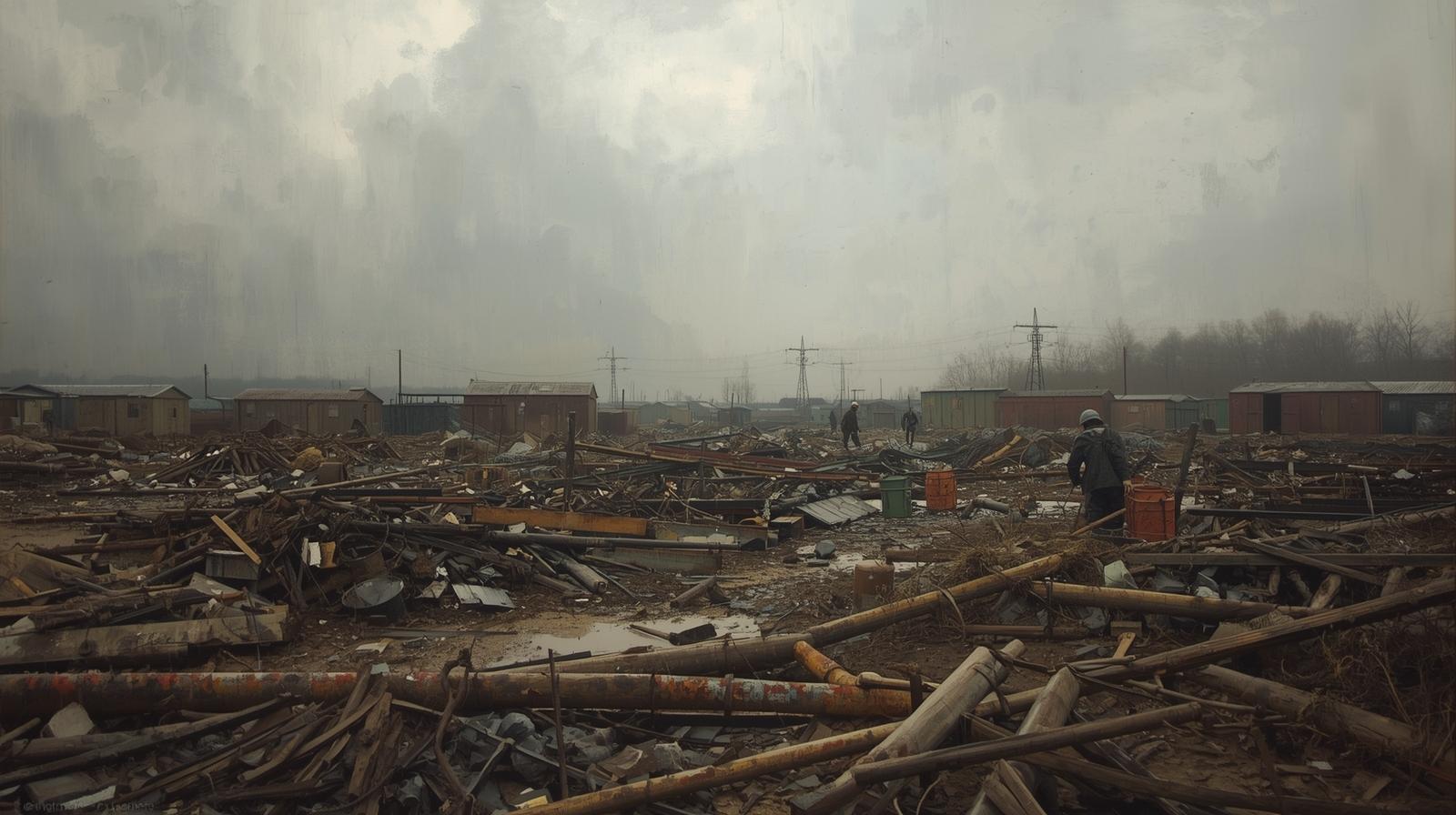
Dubai is increasingly emphasizing sustainability, making eco-friendly Labor Camp Waste Removal more important than ever. Professionals separate recyclables, compost organic waste, and ensure hazardous materials are disposed of safely.
For instance, food waste from labor camps can be sent for composting, while plastics, metals, and paper are recycled. Some companies even work with Dubai Municipality-approved recycling centers to minimize landfill contributions. Hazardous materials, like batteries and chemicals, are handled with strict protocols to prevent environmental contamination.
Implementing eco-friendly practices not only aligns with Dubai’s green initiatives but also enhances your company’s reputation. Think of it like planting seeds in a garden, each small effort contributes to a cleaner, healthier environment for everyone living and working in your labor camp.
10. Scheduling and Frequency of Waste Collection
Effective Labor Camp Waste Removal requires regular scheduling. Depending on camp size and occupancy, collection may range from daily to weekly. Large camps in areas like Jumeirah or industrial zones often benefit from twice-weekly pickups to prevent waste buildup.
Establishing a fixed schedule ensures that workers know when and where to dispose of trash, reducing clutter and confusion. During Dubai’s hot summer months, more frequent collection may be necessary to prevent foul odors and bacterial growth.
Professional waste management companies can customize schedules to match your labor camp’s needs. With a consistent routine, your camp remains hygienic, organized, and compliant with Dubai Municipality rules, creating a stress-free environment for both residents and management.
11. Bulk Waste Segregation Techniques: Labor Camp Waste Removal
Segregating waste is critical in Labor Camp Waste Removal. Professionals divide materials into categories: organic, recyclable, hazardous, and bulk construction waste. This improves efficiency, safety, and environmental compliance.
Labeling bins clearly in Arabic and English helps workers dispose of waste correctly. For construction-heavy camps, separating cement, wood, and metals prevents accidents and facilitates recycling. Organic waste is collected in sealed containers to minimize odors and pests.
Proper segregation also simplifies disposal logistics for contractors. It ensures that Dubai Municipality guidelines are met, hazardous materials are handled safely, and recyclable items contribute to sustainability initiatives. Think of it as a sorting puzzle. Pieces make the bigger picture cleaner and more organized.
12. Handling Hazardous and Construction Waste Safely: Labor Camp Waste Removal
Labor camps often generate hazardous waste, including paint, solvents, and sharp objects. Mishandling these items can endanger workers, damage the environment, and result in fines.
Professional removal services in Dubai use specialized containers, gloves, and protective gear to safely collect hazardous waste. Construction debris, like concrete, metals, and wood are transported separately to minimize risk. For high-rise labor camps, elevators and hoists are used to safely move heavy items without damaging property.
Proper handling is not optional; it’s a legal requirement. By following safety protocols, you protect workers, maintain compliance with Dubai Municipality regulations, and ensure the labor camp remains a safe, organized space.
13. Labor Camp Waste Removal for High-Rise Buildings
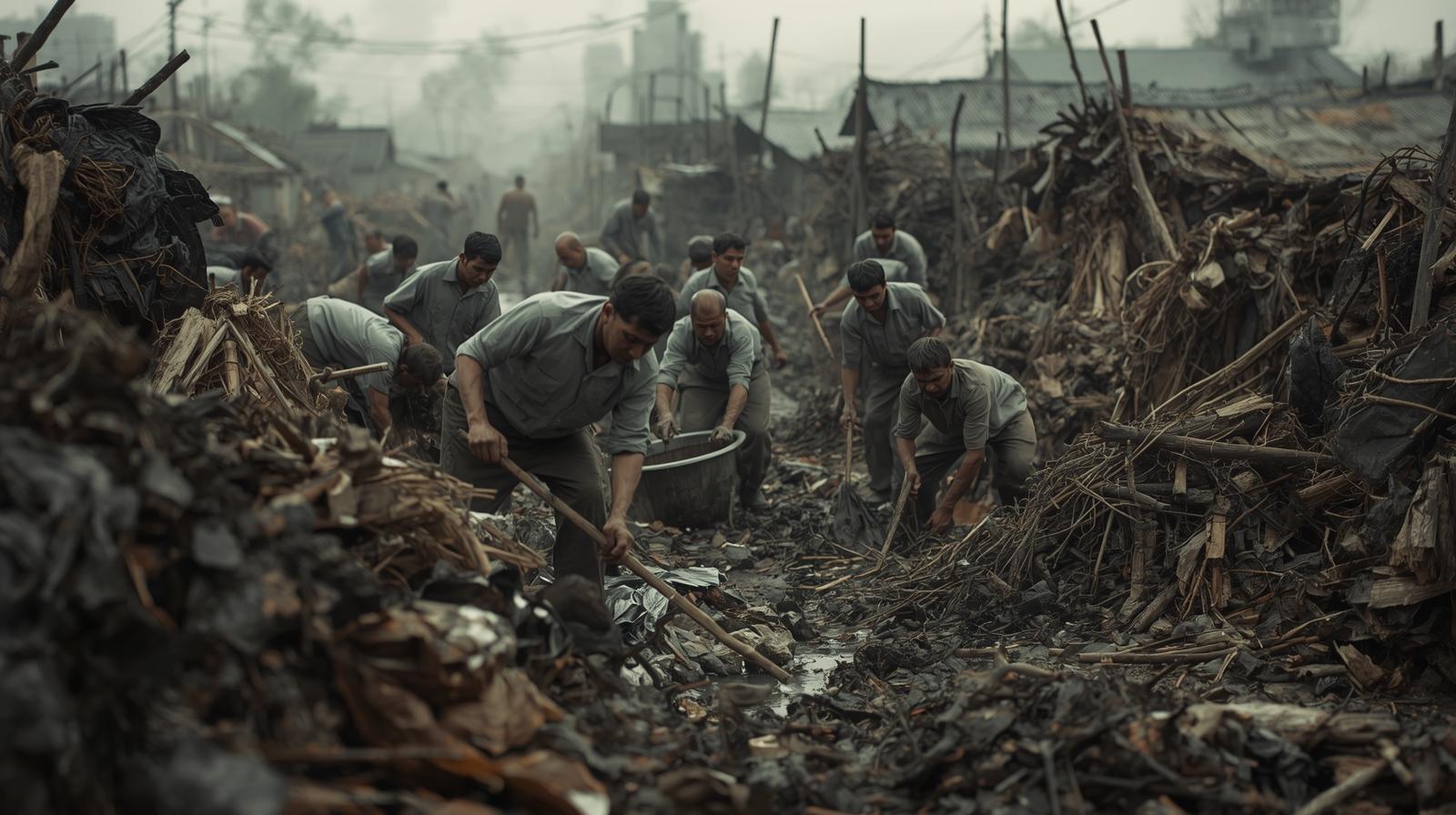
High-rise labor camps in Dubai, such as those near Marina or Jumeirah, pose unique challenges for Labor Camp Waste Removal. Access to upper floors can be limited, and elevators may not accommodate large bins or construction debris.
Professionals use specialized hoists, compactors, and service elevators to transport bulk waste safely. Scheduling cleanup during off-peak hours ensures minimal disruption to workers and prevents accidents in tight corridors. High-rise waste management also requires careful planning for heavy items like furniture or construction material, which could damage floors or walls if handled improperly.
By hiring experienced services, you ensure a safe, efficient cleanup, even in the most challenging high-rise environments. Proper logistics not only keep your labor camp sanitary but also enhance compliance with Dubai Municipality regulations, protecting both residents and management from fines or legal issues.
14. Seasonal Challenges in Dubai and Their Impact on Waste
Dubai’s weather plays a significant role in Labor Camp Waste Removal. During the summer months, extreme heat accelerates decomposition of organic waste, creating foul odors and attracting pests. Dust storms and strong winds can scatter improperly stored trash, making cleanup more difficult.
Winter and rainy periods bring different challenges. Drainage issues in low-lying camps can cause water accumulation in waste areas, creating health hazards. Professional services account for these seasonal variations by adjusting cleanup frequency, using covered bins, and scheduling waste collection strategically.
Anticipating seasonal issues ensures that your labor camp remains hygienic year-round. Think of it as tuning a car for different terrains. Adaptation keeps the system running smoothly, minimizing risks and maintaining a healthy environment for your workers.
15. Technology in Efficient Waste Management: Labor Camp Waste Removal
Modern Labor Camp Waste Removal increasingly relies on technology to streamline operations. GPS-enabled trucks track waste collection in real-time, ensuring timely pickups in multiple Dubai locations like Jumeirah, Al Quoz, or Dubai Marina.
Apps and digital platforms allow camp managers to schedule collections, monitor bin capacity, and receive notifications when waste piles up. Some services even offer AI-powered sorting at disposal centers to maximize recycling and reduce landfill contributions.
By integrating technology, labor camp management becomes more efficient, cost-effective, and eco-friendly. It’s like having a smart assistant who monitors cleanliness around the clock, allowing you to focus on operations rather than worrying about overflowing waste.
16. Improving Worker Safety During Cleanup
Worker safety is a critical component of Labor Camp Waste Removal. Handling heavy waste or hazardous materials without proper equipment can lead to injuries and legal liabilities.
Professional services provide PPE (personal protective equipment) such as gloves, masks, and steel-toed boots. Staff are trained in proper lifting techniques, handling sharp objects, and safely segregating hazardous items. Clear signage and safety protocols prevent accidents during the cleanup process.
Maintaining safety standards ensures that labor camp residents are protected and reduces the risk of work-related injuries. Clean, safe surroundings also improve morale and productivity, creating a win-win situation for both management and workers.
17. Case Study: Successful Cleanup in Dubai Marina
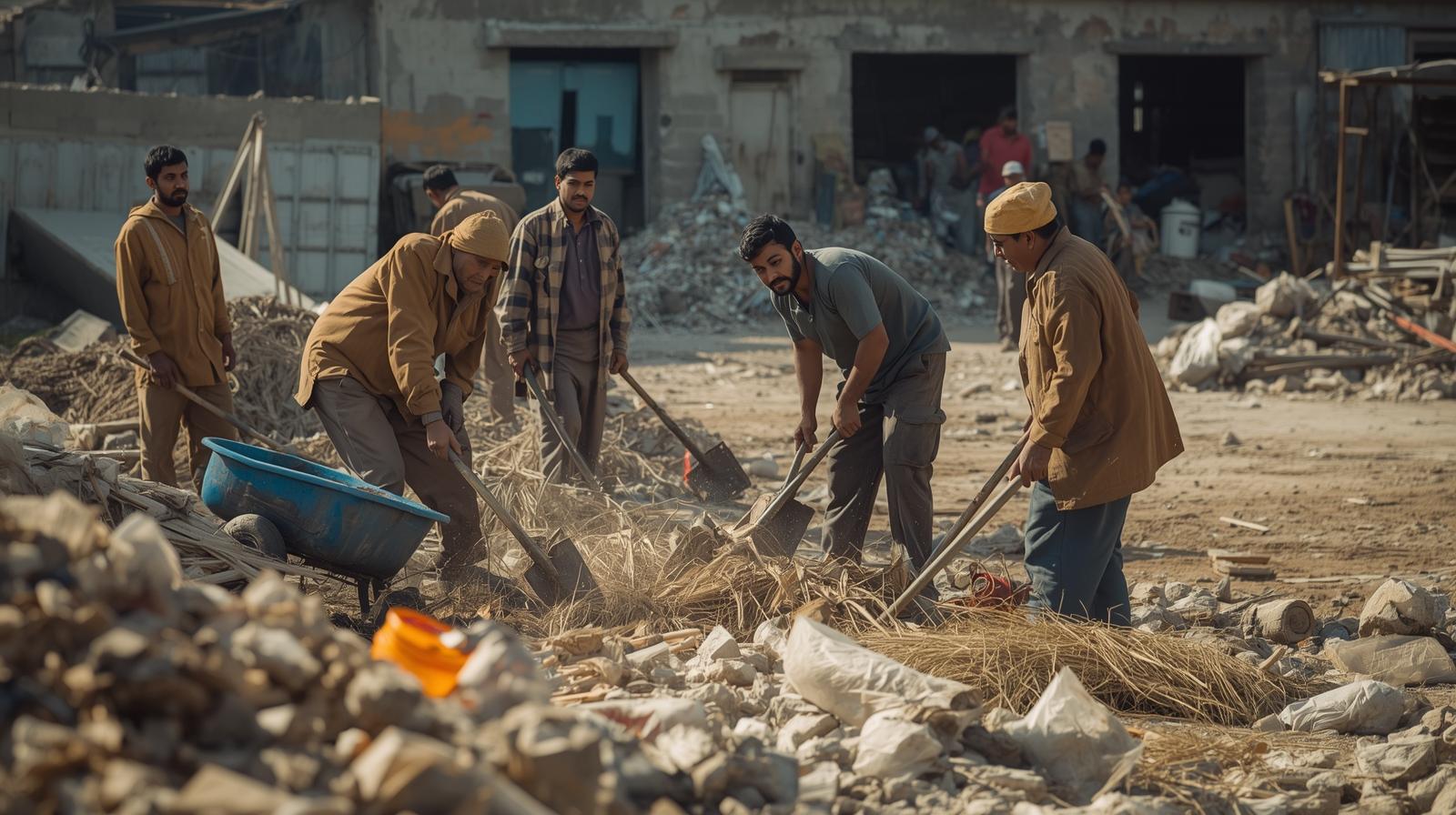
A large labor camp in Dubai Marina, housing over 200 workers, struggled with unorganized waste. Food leftovers, construction debris, and recyclable materials were scattered across multiple floors, creating health and safety hazards.
By hiring professional Labor Camp Waste Removal services, the camp underwent a complete assessment, segregation, and bulk removal process. Specialized equipment handled high-rise logistics, while eco-friendly disposal methods ensured compliance with Dubai Municipality rules. Regular scheduled pickups were implemented, reducing clutter and improving hygiene.
Within a few weeks, the camp was transformed. Residents reported better living conditions, management avoided fines, and the sustainable disposal practices aligned with Dubai’s environmental initiatives. This case highlights the impact of professional, structured cleanup services on both health and operational efficiency.
18. Tips for Maintaining a Clean Labor Camp Long-Term
Maintaining cleanliness is an ongoing process. Start by educating residents on proper waste disposal and clearly labeling bins for organic, recyclable, and hazardous waste.
Implement a consistent cleanup schedule and hire professional services for bulk waste removal. Small daily habits, like the timely collection of food waste and regular sanitization, prevent large accumulations. Seasonal adjustments, such as more frequent pickups during summer, also help.
Think of your labor camp as a well-maintained garden. The more attention you give, the less effort is needed later. Following these tips ensures safe, hygienic, and efficient waste management, benefiting both residents and management while avoiding regulatory penalties.
19. Common Mistakes to Avoid in Waste Disposal
Many labor camp managers make mistakes that complicate Labor Camp Waste Removal. The first is mixing hazardous and non-hazardous waste, which violates Dubai Municipality rules and increases disposal risks.
Another common error is neglecting bulk waste like construction debris or furniture, allowing clutter to accumulate and create unsafe conditions. Finally, relying solely on DIY cleanup without professional oversight can lead to inefficient removal and fines.
Avoiding these mistakes ensures smooth, legal, and eco-friendly waste management. Proper planning, hiring experts, and regular monitoring are key to keeping labor camps clean, safe, and compliant with local regulations.
20. Conclusion
In Dubai, efficient Labor Camp Waste Removal is crucial for hygiene, safety, and regulatory compliance. From high-rise buildings in Dubai Marina to sprawling camps in Jumeirah, managing bulk waste requires a structured approach, specialized tools, and professional expertise.
Implementing eco-friendly disposal practices, scheduling regular pickups, and training residents on proper waste segregation ensure long-term success. Investing in professional cleanup services not only prevents fines but also enhances worker morale, productivity, and overall camp safety.
Think of waste removal as the foundation of a well-functioning labor camp. Neglect it, and everything else suffers; maintain it, and your camp thrives. Following the strategies outlined here will keep your camp clean, safe, and compliant while supporting Dubai’s vision for a sustainable, healthy urban environment.
FAQs
Q1: What is included in Labor Camp Waste Removal services?
Labor Camp Waste Removal services cover collection, segregation, transportation, and eco-friendly disposal of all waste types, including organic, recyclable, bulk, and hazardous materials. Professionals also handle high-rise logistics, ensuring compliance with Dubai Municipality regulations.
Q2: How often should waste be removed from labor camps in Dubai?
Frequency depends on camp size and occupancy. Small camps may require weekly cleanup, while large or high-density camps often need daily or twice-weekly pickups, especially during Dubai’s hot summers, to prevent odors and bacterial growth.
Q3: Are eco-friendly methods used in labor camp cleanup?
Yes. Many services implement recycling, composting, and safe disposal of hazardous materials. Dubai Municipality-approved recycling centers are often used, promoting sustainability while reducing environmental impact.
Q4: Can I manage labor camp cleanup myself?
DIY cleanup is possible for small amounts of waste, but large camps require professional expertise. Handling hazardous or bulk waste without equipment and training can be unsafe and may violate regulations.
Q5: What are the costs of Labor Camp Waste Removal in Dubai?
Costs depend on camp size, waste type, accessibility, and service frequency. Additional charges may apply for hazardous materials or high-rise logistics. Investing in professional services ensures efficiency, safety, and compliance, often saving money in the long term.
Trusted Junk Removal Services in Dubai for Homes & Businesses In Dubai?
Address: Office No.101, 10th Floor, Al-Shafar Tower, Business Bay, Dubai.
Google Map Location
Read More: Furniture Removal Dubai Cost: Get a Quote