Waste Management Dubai for Small Biz
Waste Management Dubai for Small Biz
Introduction
Running a small business in Dubai is exciting, but let’s be honest, it can also get messy. Boxes pile up after deliveries, food waste builds fast in cafés, and offices somehow collect clutter overnight. In a city where space is premium and cleanliness is taken seriously, unmanaged waste can feel like trying to fit a week’s groceries into a tiny fridge. You know it won’t work unless you organize it properly.
For Dubai residents and business owners, waste isn’t just about trash. It’s about compliance, reputation, and daily efficiency. From Marina high-rises to small shops in Deira, how you handle waste affects costs, staff morale, and even customer trust. The good news? With the right approach, waste handling can become simple, predictable, and even eco-friendly.
This guide breaks everything down in plain English, with local insight you can actually use. Whether you run a salon, café, clinic, or office, you’ll find practical steps tailored for Dubai’s unique environment.
1. Understanding Small Business Waste in Dubai
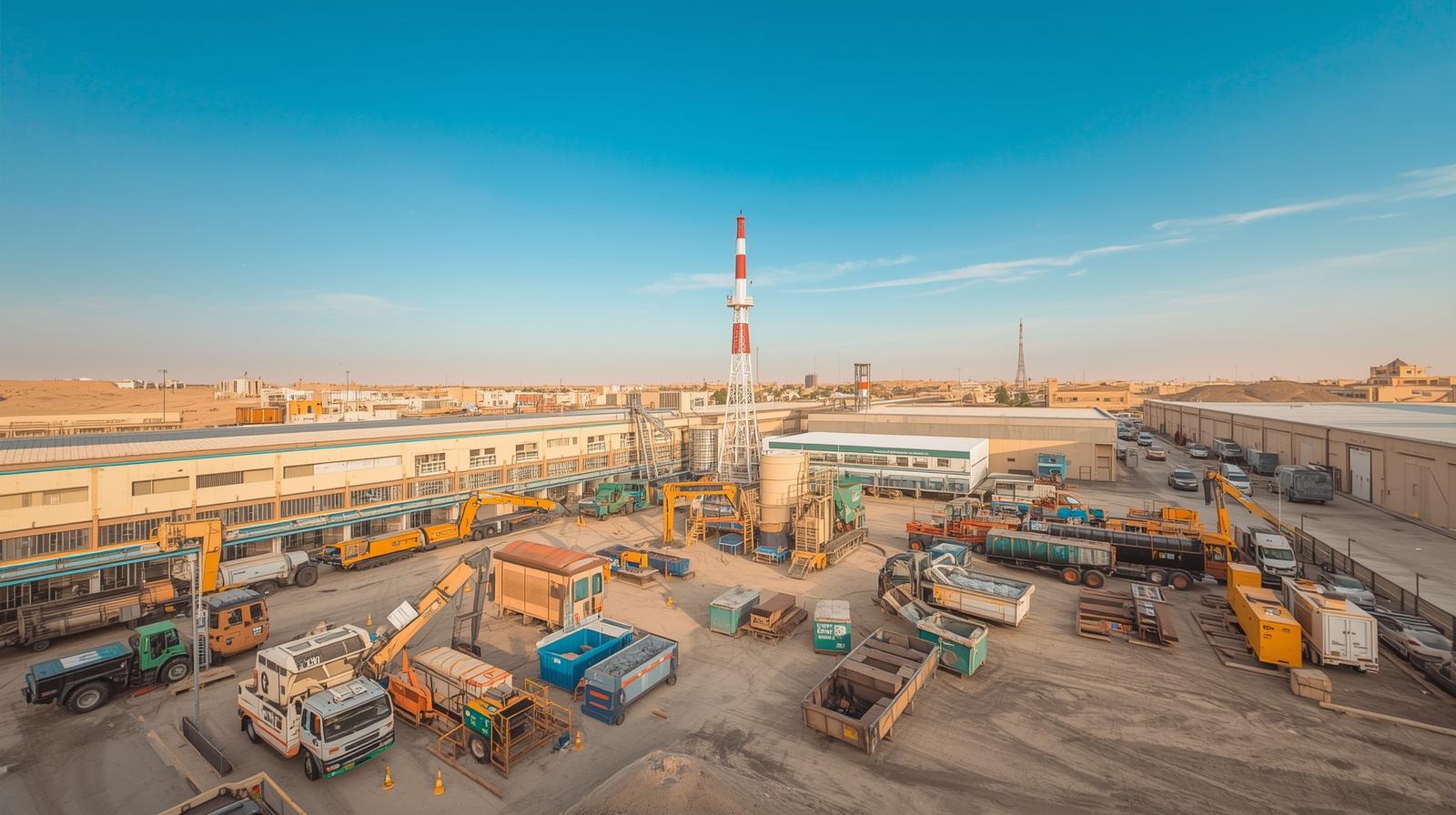
Small businesses in Dubai often underestimate how much waste they generate each day. From cardboard boxes and plastic wrapping to food leftovers and paper waste, it adds up quickly. Retail shops, offices, salons, cafés, and clinics all produce different waste streams that need proper handling to avoid clutter and compliance issues. Because most businesses operate in compact spaces, waste can pile up faster than expected if not managed daily.
Dubai’s hot climate makes waste management even more critical. Heat speeds up odors, attracts pests, and causes food waste to break down rapidly. What might sit safely for a day in cooler countries can become a serious hygiene issue within hours here. This makes daily planning and regular disposal a necessity, not a luxury.
Beyond operations, perception matters. Dubai is known for cleanliness and order. A messy waste area sends the wrong message to customers and inspectors alike, impacting trust and brand image.
2. Why Proper Waste Handling Matters Locally
Dubai holds businesses to high cleanliness standards, and for good reason. Residents expect tidy streets, clean buildings, and hygienic commercial spaces. Inspectors from Dubai Municipality regularly check businesses, especially in busy areas like Jumeirah, Business Bay, and Deira. Poor waste handling can quickly lead to warnings or fines that disrupt operations.
Proper waste handling also improves your internal workflow. When waste is organized and removed on schedule, staff spend less time managing clutter and more time focusing on customers. It’s like keeping your workspace uncluttered; everything flows better when there’s room to move and think.
Most importantly, responsible waste practices align with Dubai’s sustainability vision. The city is investing heavily in green initiatives, and small businesses are expected to contribute through smarter waste handling and recycling.
3. Waste Management Dubai: Rules Every Business Must Know
Every registered business in Dubai must comply with official waste management regulations. These rules cover how waste should be separated, stored, and collected by approved service providers. Ignoring these requirements can lead to penalties, delayed inspections, or even business disruptions.
Businesses are generally required to separate general waste from recyclable materials wherever possible. Food waste must be securely stored in sealed bins to prevent leaks, smells, and pest problems, especially in shared buildings or malls. Improper disposal is one of the most common reasons businesses fail inspections.
Understanding these rules early makes daily operations smoother. When your waste process aligns with local expectations, inspections become routine rather than stressful, allowing you to focus on growing your business.
4. Dubai Municipality Regulations Explained
Dubai Municipality plays a central role in regulating waste handling across the emirate. They define how waste should be stored, how often it must be collected, and which licensed companies are allowed to handle it. Compliance is mandatory for all commercial activities, regardless of business size.
For example, bins must be covered, clearly labeled, and placed in approved locations. Overflowing bins or waste left in public areas is considered a violation, especially in high-traffic zones. Inspectors often check bin cleanliness, segregation practices, and collection schedules during routine visits.
Regulations can evolve as Dubai pushes toward more sustainable urban living. Staying informed and adjusting your processes ensures your business remains compliant and avoids unexpected issues.
5. Waste Challenges in High-Rise Buildings
Running a business in a high-rise building in areas like Dubai Marina or Downtown comes with unique waste challenges. Shared waste rooms, limited loading docks, and strict disposal timings can make daily waste handling more complex than in standalone locations.
Businesses must coordinate closely with building management to move waste during approved hours. Missing these time windows may force waste to be stored longer than ideal, which is especially problematic for food outlets and cafés operating in warm conditions.
Clear routines and staff awareness help overcome these challenges. When everyone understands the system, waste movement becomes predictable and efficient, even in busy towers with multiple tenants.
6. Waste Management Dubai for Offices and Retail Stores
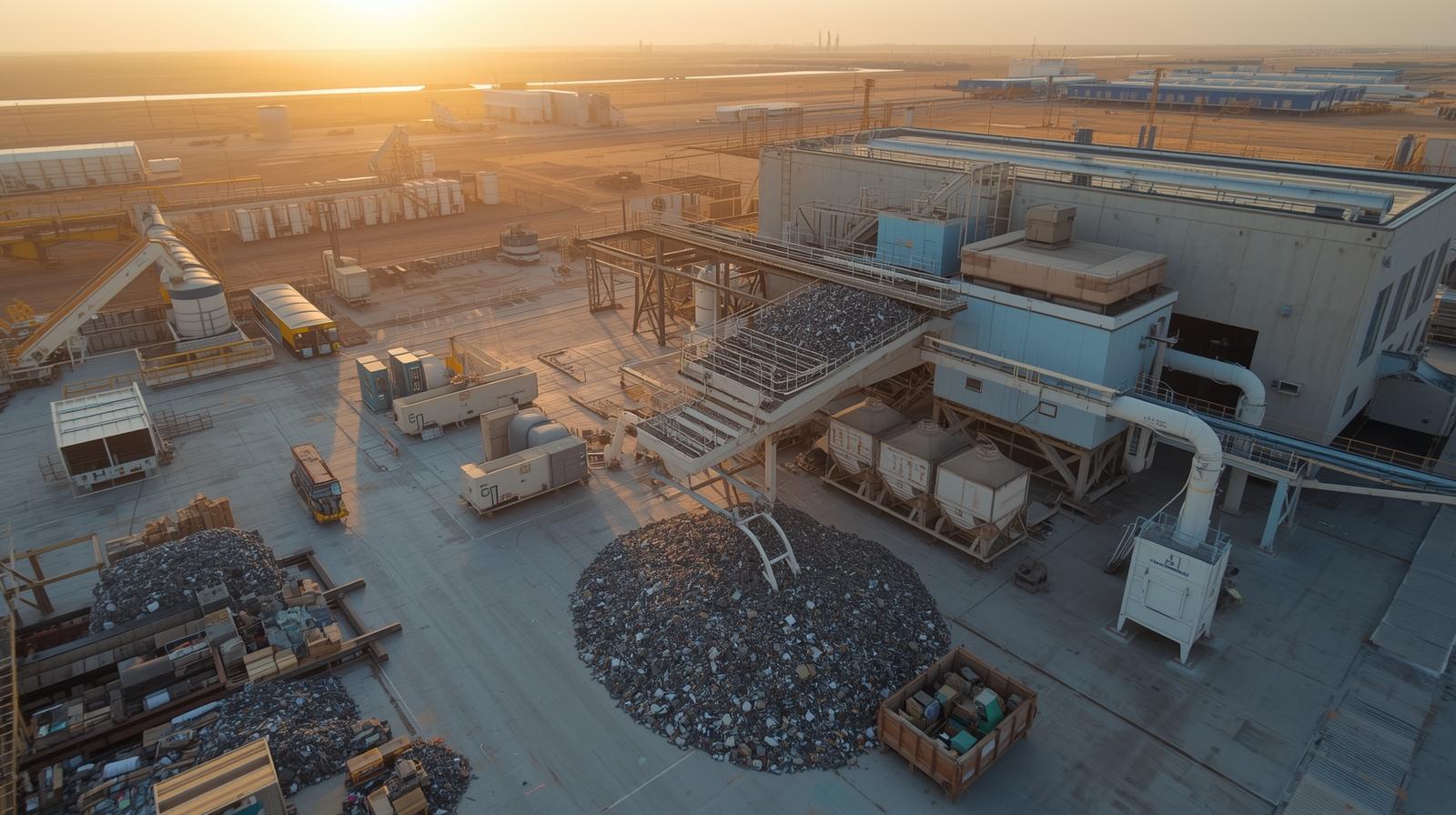
Offices and retail stores mainly generate dry waste such as paper, cardboard, packaging, and light plastics. While this type of waste seems easy to manage, volumes can increase rapidly during promotions, sales seasons, or office expansions if not monitored.
Retailers operating in malls must follow mall-specific waste guidelines in addition to city regulations. This often includes using designated service corridors, waste compactors, and scheduled disposal times to avoid customer areas.
Offices benefit from simple systems like clear desk policies, centralized waste points, and labeled bins. When employees know exactly where waste goes, compliance improves naturally, and clutter is reduced.
7. Waste Solutions for Cafés and Restaurants
Cafés and restaurants face stricter waste requirements due to organic waste. Food scraps, used packaging, and liquids must be removed frequently to prevent smells, pests, and hygiene issues, especially during Dubai’s long summer months.
Separating food waste from recyclables like bottles and cardboard makes disposal more efficient and reduces contamination. Many food businesses also work with recycling partners to handle glass, plastics, and cooking oil responsibly.
A clean waste area reflects your overall hygiene standards. Customers may never see it, but inspectors will. Maintaining high standards behind the scenes supports smooth inspections and protects your reputation.
8. Cost Factors for Small Businesses
Waste management costs for small businesses depend on several factors, including waste volume, type, and pickup frequency. A small office typically pays less than a busy restaurant, but poor planning can increase costs unnecessarily.
Overfilled bins, missed pickups, or improper waste segregation often result in extra charges or emergency collections. These hidden costs add up over time and strain operating budgets.
Think of waste expenses like electricity or water bills. When you monitor usage, adjust schedules, and reduce waste at the source, costs naturally come down without affecting daily operations.
9. How the Waste Collection Process Works
Waste collection usually follows a fixed schedule arranged with a licensed provider. Waste is collected from your premises, recorded, and transported to approved treatment or disposal facilities in line with regulations.
Businesses must ensure bins are accessible at pickup times. Blocked access, locked service areas, or late placement can delay collection and disrupt the entire process, particularly in congested commercial zones.
Clear communication with your provider is essential. When expectations are aligned, collections run smoothly, and issues are resolved quickly without affecting your business day.
10. Scheduling Pickups in Busy Areas: Waste Management Dubai
In crowded areas such as Deira, Al Barsha, or Sheikh Zayed Road, waste pickup timing is critical. Collections often take place early in the morning or late at night to avoid traffic and customer disruption.
Planning pickups around delivery schedules and peak business hours reduces operational interruptions. It also prevents waste from sitting too long on-site, which is especially important for food-related businesses.
Consistency is key. Once a reliable routine is established, waste handling becomes predictable, helping your business stay clean, compliant, and stress-free.
11. Eco-Friendly Waste Management Dubai Options
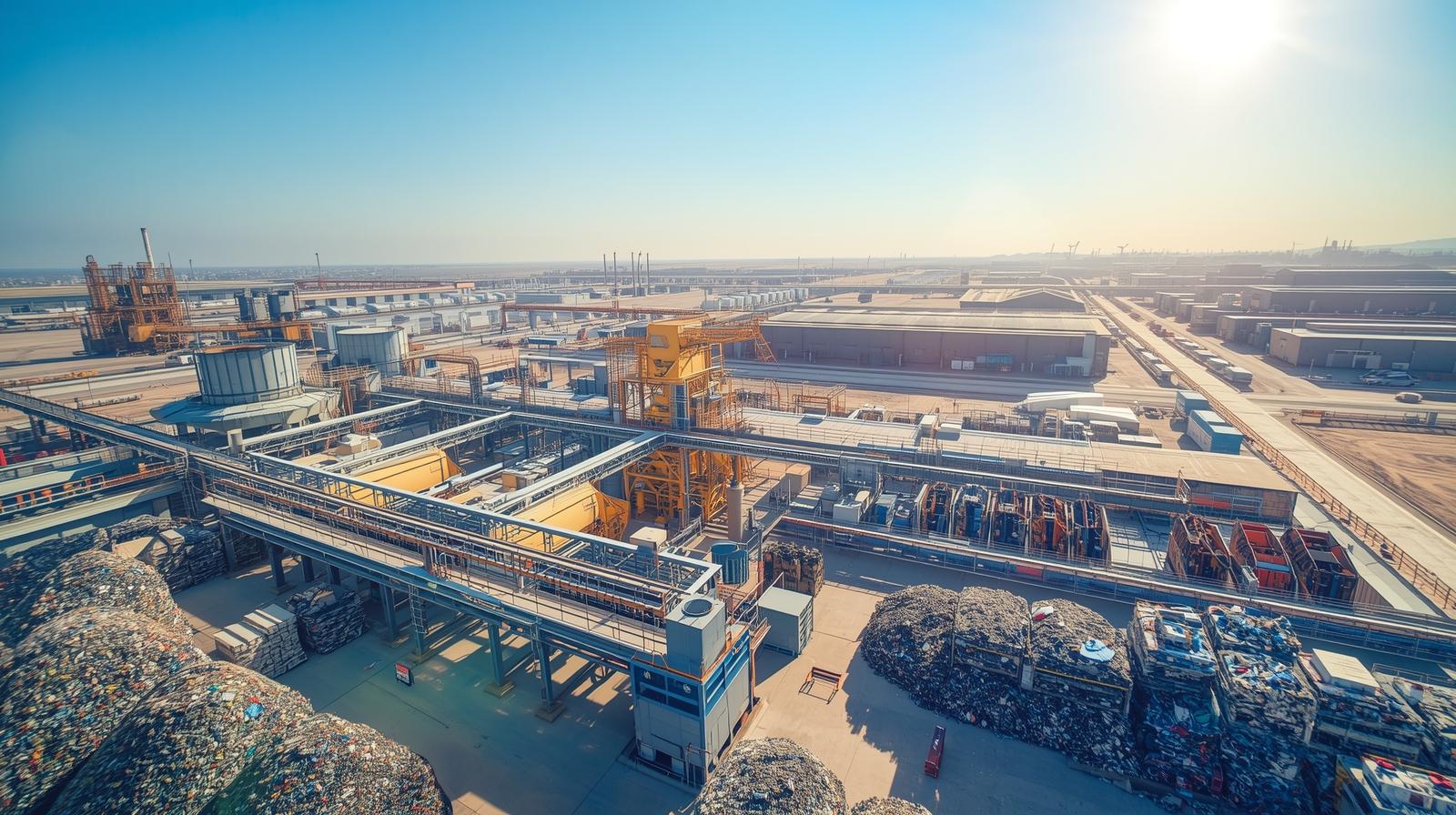
Eco-friendly Waste Management Dubai solutions are rapidly growing, giving small businesses more sustainable choices. Recycling, composting, and waste-to-energy initiatives are now accessible even to cafés, offices, and retail shops. These programs help reduce landfill contributions and promote cleaner city streets, aligning your business with Dubai’s environmental goals.
Choosing green options also boosts your brand image. Customers increasingly prefer businesses that demonstrate environmental responsibility, whether through reducing plastics, separating recyclables, or donating food waste. Small businesses can stand out in competitive areas like Marina or Jumeirah by visibly committing to eco-friendly practices.
Even minor changes make a significant impact. Simple steps such as switching to biodegradable packaging, using reusable containers, or separating recyclables can create long-term environmental benefits. Over time, sustainable waste handling becomes a part of daily operations and company culture.
12. Recycling Practices That Work in the UAE
Recycling in Dubai works best when processes are simple and consistent. Clearly labeled bins for paper, plastics, metals, and cardboard, combined with staff awareness, reduce contamination and improve efficiency. A confused or cluttered system can lead to recyclable waste being rejected.
Cleanliness is critical. Dirty or wet recyclables are often discarded instead of reused, negating efforts. Businesses should rinse containers, flatten cardboard, and keep bins organized to ensure maximum material recovery. This is especially important in high-density areas like Deira or Bur Dubai, where waste is collected frequently.
Partnering with experienced recyclers ensures that materials actually get reused rather than sent to landfill. Reputable providers in Dubai also offer collection schedules, reporting, and staff training, simplifying compliance with local Waste Management Dubai regulations.
13. Handling Special and Hazardous Waste
Some small businesses produce special or hazardous waste, such as electronics, batteries, medical waste, or cleaning chemicals. Handling these improperly can endanger staff, clients, and the environment, and can result in fines from Dubai Municipality.
Licensed disposal providers are mandatory for these materials. They ensure proper storage, transport, and recycling or disposal, keeping your business safe and compliant. Early identification of these waste streams prevents last-minute emergencies or unsafe practices.
Businesses should develop a clear plan for hazardous materials, including separate bins, staff training, and regular pick-ups. Following official protocols ensures your business maintains safety standards while avoiding violations in Dubai’s regulated environment.
14. Choosing the Right Service Provider: Waste Management Dubai
Choosing a reliable provider is critical for effective Waste Management Dubai. Not all companies offer the same level of service. Licensed operators with local experience are best suited to navigate Dubai’s regulations, high-rise logistics, and scheduling requirements.
Ask potential providers about flexibility, emergency pickups, and reporting. Transparent pricing prevents unexpected costs, while proactive communication ensures that collections run smoothly. A good provider acts as a partner rather than just a waste collector.
A dependable service saves time, money, and stress. Businesses can focus on operations instead of worrying about missed collections, fines, or compliance, which is particularly important for small businesses in busy commercial hubs like Business Bay or Al Quoz.
15. Training Staff for Better Waste Control
Even the best systems fail without trained staff. Waste handling is a shared responsibility, and consistency across shifts prevents contamination and mismanagement. Simple training sessions and regular refreshers ensure everyone follows the same procedures.
Signage, labeled bins, and step-by-step instructions help staff quickly identify where each type of waste belongs. Regular reminders or short workshops reinforce proper practices, especially in busy cafés or offices with high staff turnover.
When employees feel empowered and understand the importance of clean practices, they take pride in maintaining a tidy workspace. This strengthens compliance with Waste Management Dubai standards while fostering a culture of responsibility and teamwork.

16. Waste Management Dubai: Long-Term Benefits for Small Biz
Implementing effective Waste Management Dubai practices provides long-term advantages for small businesses. Lower costs, smoother inspections, and improved brand reputation are immediate benefits. Organized waste systems reduce operational inefficiencies and prevent penalties.
Efficient waste management also frees mental space. Business owners and staff spend less time dealing with clutter or managing emergency collections, allowing focus on growth, customer service, and innovation. It’s like building a strong foundation for your operations.
Finally, clean operations attract customers, retain staff, and improve public perception. Over time, sustainable waste handling becomes a quiet, yet critical, part of your business identity, supporting growth and aligning with Dubai’s eco-conscious vision.
17. Common Mistakes to Avoid: Waste Management Dubai
Small businesses often make avoidable mistakes in Waste Management Dubai. One of the most common is ignoring segregation rules. Mixing recyclables with general or organic waste can lead to fines, higher fees, or rejected collections.
Another frequent error is underestimating waste volume, particularly during peak seasons. Overflowing bins not only create hygiene issues but also disrupt collection schedules. Planning ahead and scaling bin capacity helps prevent problems.
Regular reviews and audits of your waste processes catch mistakes early. Checking staff compliance, bin placement, and collection schedules ensures operations run smoothly, preventing costly surprises while maintaining professional standards.
18. Preparing for Inspections and Audits: Waste Management Dubai
Dubai Municipality inspections are part of regular business life. Proper preparation reduces stress and ensures smooth compliance. Clean storage areas, organized bins, and updated waste contracts create a positive impression during audits.
Businesses should maintain clear documentation of collection schedules, provider licenses, and staff training records. Inspectors value organization and consistency, which can prevent unnecessary fines or follow-up visits.
By integrating inspections into your daily routine, compliance becomes habitual rather than stressful. Over time, adhering to Waste Management Dubai rules ensures inspections are routine check-ins rather than disruptive events.
19. The Future of Waste Solutions in Dubai
Dubai is moving toward smarter, more sustainable waste systems. Technology, stricter environmental targets, and public awareness are transforming Waste Management Dubai for all businesses. Smart bins, data-driven pickup schedules, and eco-friendly initiatives are becoming mainstream.
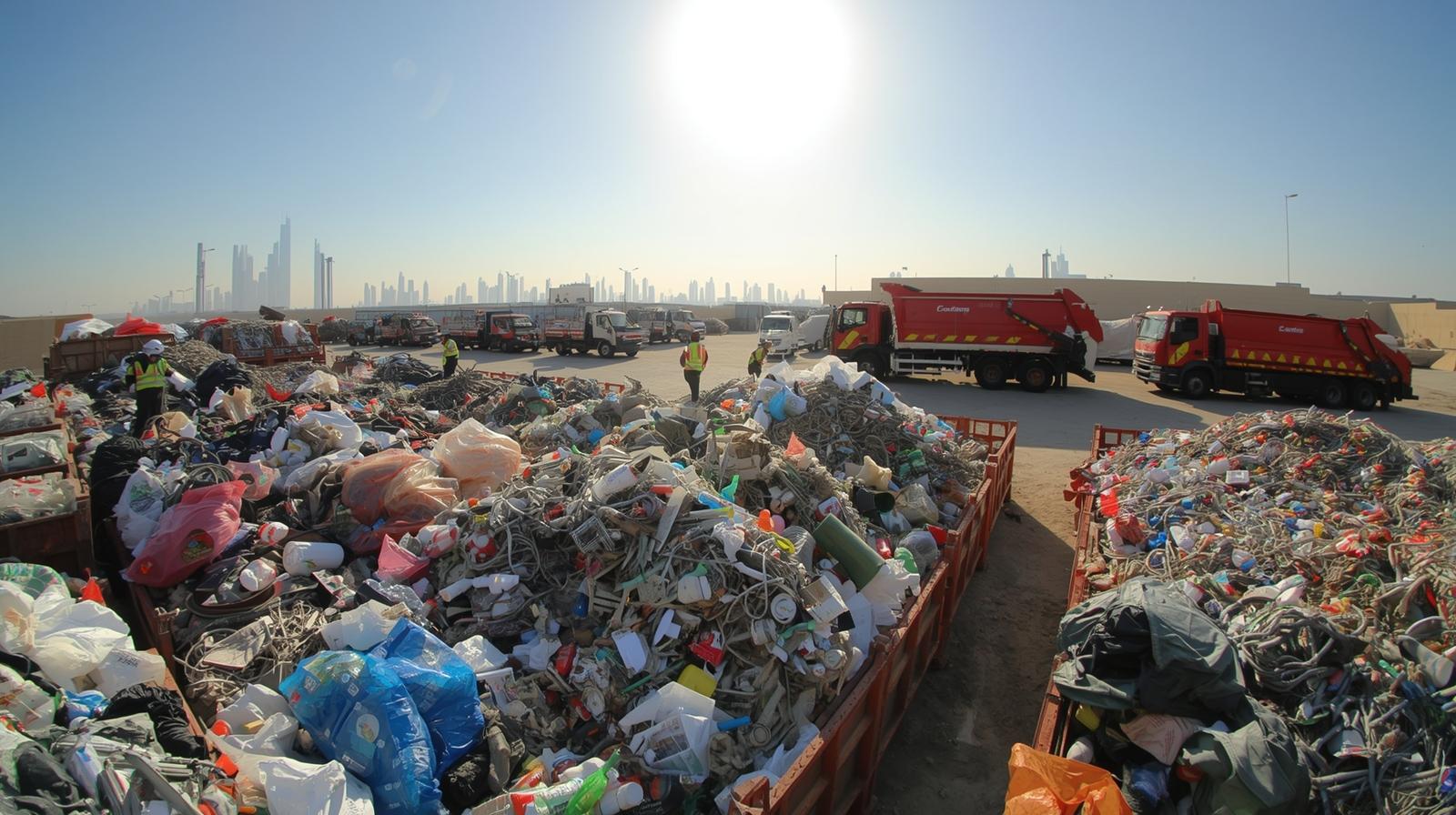
Small businesses that adapt early gain a competitive edge. Sustainable practices are no longer optional; they influence customer perception, branding, and long-term operational efficiency. Early adoption also aligns with government incentives and eco-friendly regulations.
Staying informed about emerging trends and innovations ensures your business remains compliant and competitive. By embracing these changes, small businesses in Dubai can operate efficiently while contributing to a greener, cleaner city.
20. Conclusion
Waste may not be glamorous, but it’s fundamental. For small businesses in Dubai, managing it well protects your operations, reputation, and peace of mind. With the right habits and partners, waste handling becomes just another smooth part of your daily routine, quiet, efficient, and out of the way.
FAQs
Q1: What types of waste must small businesses separate in Dubai?
Most businesses should separate general waste from recyclables like paper, plastic, and metal. Food businesses must also manage organic waste carefully.
Q2: How often should waste be collected for small shops?
It depends on volume and location. High-traffic or food-related businesses often need daily pickups, while offices may require fewer.
Q3: Are recycling services mandatory in Dubai?
Recycling is strongly encouraged and increasingly expected, especially in commercial buildings and malls.
Q4: What happens if my business fails an inspection?
You may receive a warning, fine, or required corrective action depending on the severity of the issue.
Q5: Can small businesses afford eco-friendly waste solutions?
Yes. Many options are scalable and cost-effective, especially when waste reduction lowers overall disposal needs.
Trusted Junk Removal Services in Dubai for Homes & Businesses In Dubai?
Address: Office No.101, 10th Floor, Al-Shafar Tower, Business Bay, Dubai.
Google Map Location
Read More: Efficient Commercial Cardboard Collection for Offices