Concrete Disposal for Driveway Projects
Concrete Disposal for Driveway Projects in Dubai
Introduction
You’ve finally decided to renovate or remove that old driveway. The work starts, the concrete breaks, and suddenly you’re staring at a mountain of rubble. Now what? For many Dubai residents and business owners, this is where stress kicks in. Space is limited, rules are strict, and the desert heat doesn’t wait.
Think of leftover concrete like clutter in a small apartment. If you don’t clear it properly, it eats up space, creates hazards, and attracts fines. That’s where smart planning and proper disposal come in. Whether you live in Dubai Marina, Jumeirah, or manage a commercial site in Al Quoz, understanding the right way to handle this waste saves time, money, and headaches.
This guide walks you through everything you need to know step by step, locally focused, and easy to follow.
1. Understanding Concrete Waste
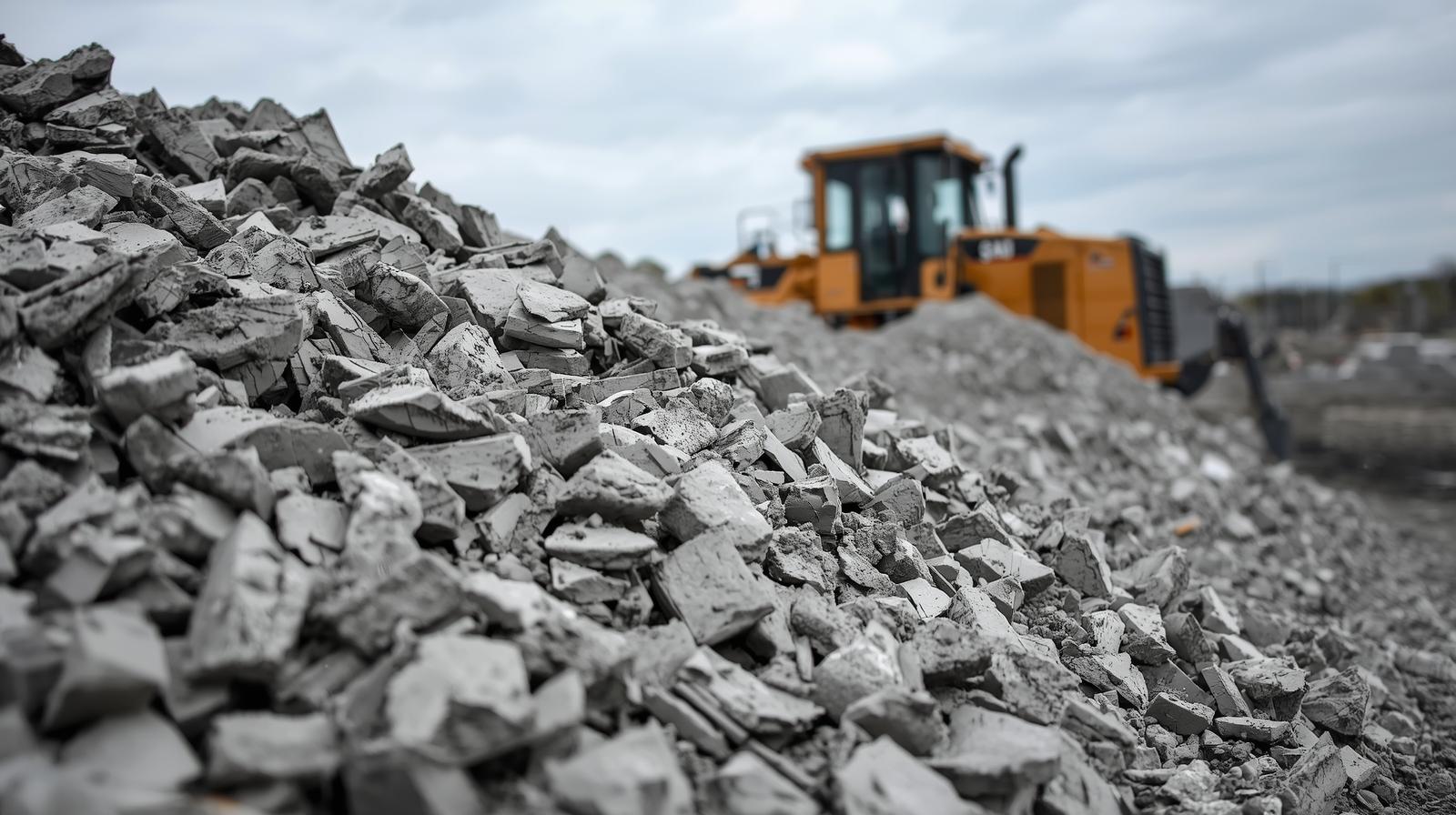
Concrete waste isn’t just broken slabs sitting on the ground. It usually contains a mix of crushed concrete, sand, steel reinforcement bars, and sometimes asphalt or tiles. In Dubai, this material falls under construction and demolition waste, which means it must be handled carefully and legally. You can’t treat it like regular household junk.
To put things into perspective, even a small residential driveway can generate several tons of waste. Concrete is dense and heavy, and once it’s broken, its volume increases. Because of this weight, Dubai Municipality closely monitors Concrete Disposal, especially when transportation is involved.
Improper handling can cause serious damage. Elevators, parking ramps, pavements, and even underground utilities can be affected, particularly in high-rise buildings. Understanding the nature of concrete waste helps you choose the right disposal method, whether recycling, hauling, or approved landfill dumping.
2. Why Driveway Projects Create Heavy Debris
Driveways are designed to withstand years of vehicle pressure, heat, and weather. That strength comes from thick concrete layers and steel reinforcement, which makes removal far more demanding. When broken, these materials don’t disappear; they multiply into heavy debris that needs careful handling.
In villa communities like Jumeirah, Arabian Ranches, or Palm Jumeirah, driveways are often larger than they look. Once demolition starts, the broken concrete quickly fills skips or trucks. Many homeowners are surprised by how much waste a single driveway produces.
Dubai’s climate adds another layer of difficulty. Over time, intense heat hardens concrete even more. Older driveways are especially tough to break, requiring powerful equipment and planned Concrete Disposal, not rushed or last-minute decisions.
3. Local Rules for Concrete Disposal in Dubai
Dubai Municipality has clear regulations for construction waste, including concrete. Dumping concrete in public skips, empty plots, or desert areas is illegal and can result in heavy fines. These rules are strictly enforced to keep the city clean and organized.
For most driveway projects, permits are required, especially when large volumes are involved. Concrete must be transported by licensed carriers and disposed of only at approved facilities. Random dumping is not an option, even for small projects.
In areas like Dubai Marina, Downtown Dubai, or gated villa communities, building management may impose additional rules. Approved timings, noise restrictions, and access permissions are common. Following these regulations ensures your Concrete Disposal process remains legal, smooth, and stress-free.
4. Concrete Disposal Planning Before Demolition
Good planning starts before the first hammer touches the driveway. The first step is estimating how much concrete will be removed. This helps you decide the number of trucks, skips, or trips required, avoiding delays later.
Next, assess access points. Can trucks enter the property easily? Are there narrow roads, basement height limits, or shared driveways? In many Dubai homes, access planning is just as important as demolition itself.
Timing also matters. Dubai’s midday heat slows down work and increases safety risks. Scheduling demolition and Concrete Disposal during early mornings or evenings keeps workers safe and improves efficiency. Proper planning saves time, money, and unnecessary frustration.
5. Safety Measures During Concrete Removal
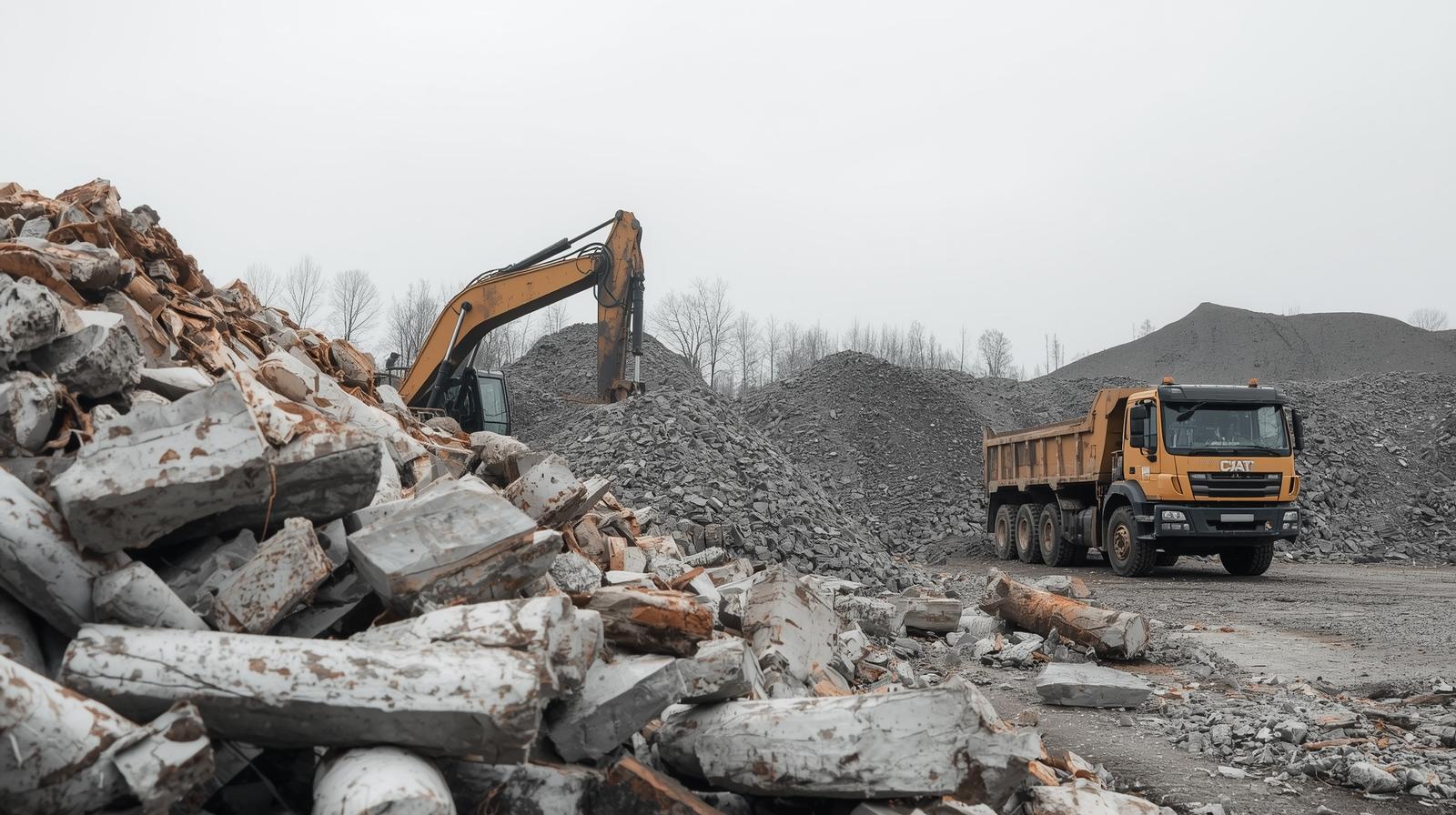
Concrete removal is physically demanding and risky if not done correctly. Flying debris, dust clouds, and heavy lifting can cause injuries. This is why most experts advise against treating concrete removal as a DIY project.
Workers should wear helmets, gloves, safety boots, and eye protection at all times. Dust control is especially important in residential areas, where nearby homes and cars can be affected. Water spraying is often used to minimize dust.
In high-rise buildings, extra precautions are required. Elevators, hallways, and parking areas must be protected to prevent cracks or scratches. Safety is not optional, it’s a fundamental part of responsible Concrete Disposal in Dubai.
6. Concrete Disposal Options for Homeowners
Homeowners in Dubai generally have three main disposal options. The first is skip bins, which are suitable for small projects. However, they require permits and enough space for placement, which isn’t always available.
The second option is hiring a hauling service. These companies collect the broken concrete and transport it to approved facilities. This option works well if demolition is already done and you just need removal.
The third and most convenient option is full-service contractors. They handle demolition, loading, transportation, and Concrete Disposal from start to finish. For busy homeowners, this option offers peace of mind and saves valuable time.
7. Commercial Concrete Disposal for Businesses
Commercial driveway projects come with added pressure. Offices, warehouses, and retail spaces need to minimize disruption to daily operations. Noise, dust, and blocked access can affect customers and employees.
In business areas like Business Bay, Al Quoz, or JAFZA, timing is critical. Many projects are scheduled at night or on weekends to avoid peak hours. This requires proper coordination and experienced handling.
Commercial sites also generate larger volumes of waste. Multiple truckloads and heavy-duty equipment are often needed. Professional Concrete Disposal ensures compliance with regulations while keeping business activities running smoothly.
8. High-Rise & Villa Logistics in Dubai
High-rise buildings present unique challenges for concrete removal. Debris often needs to be transported through service elevators or designated chutes. Poor planning can disturb residents and damage shared property.
Villa compounds, on the other hand, may have narrow internal roads or strict community guidelines. Noise restrictions and limited working hours are common, especially in family-oriented neighborhoods.
Weather plays a major role as well. Dubai’s summer heat affects workers, machinery, and scheduling. Understanding these logistical factors helps streamline Concrete Disposal, whether you’re dealing with a tower in Marina or a villa in Jumeirah.
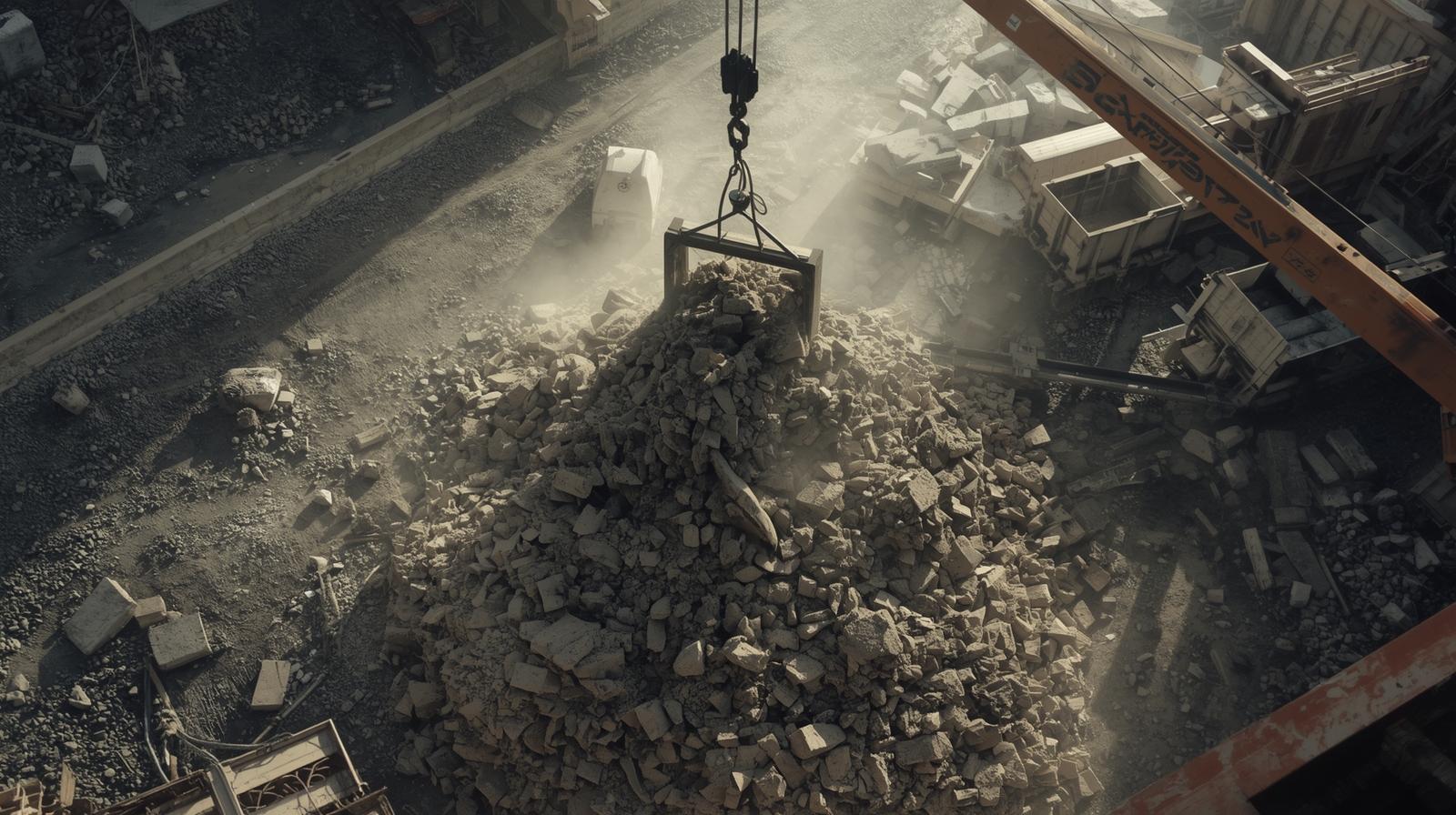
9. Costs Involved in Concrete Disposal
The cost of concrete disposal in Dubai depends on several factors. Volume is the biggest one which means more labor, transport, and disposal fees. Location and accessibility also influence pricing.
Permit costs, truck rentals, fuel, and manpower all add to the total. High-rise projects usually cost more due to extra handling and time requirements. However, cheap shortcuts often lead to fines or property damage.
Investing in proper Concrete Disposal may seem expensive upfront, but it prevents legal issues and rework. In the long run, doing it right the first time saves both money and stress.
10. Eco-Friendly Concrete Disposal Practices
Dubai is actively promoting sustainability, and construction waste management plays an important role. Concrete doesn’t have to end up in landfills it can be recycled and reused in new projects.
Crushed concrete is often used as a base material for roads, pavements, and landscaping. This reduces the demand for new raw materials and lowers environmental impact.
Choosing eco-friendly Concrete Disposal supports UAE green initiatives and shows social responsibility. It’s a smart move for homeowners and businesses who care about the environment and long-term urban development.
11. Recycling Concrete in the UAE
Recycling concrete is becoming increasingly common across the UAE, especially in Dubai where sustainability is a growing priority. Approved recycling facilities accept clean concrete waste, which is then crushed and processed into reusable material for new construction projects such as roads, pavements, and foundations.
One major advantage of recycling is cost efficiency. Recycled concrete is often cheaper to process than dumping waste in landfills. However, the concrete must be free from contaminants like wood, plastic, or excessive soil. Mixed waste can be rejected, causing delays and extra charges.
As Dubai continues to promote green building practices, recycling has become a preferred Concrete Disposal method. Choosing recycling not only reduces environmental impact but also aligns your project with UAE’s sustainability goals.
12. Choosing a Licensed Disposal Company
Selecting the right disposal company is one of the most important steps in any driveway project. Always verify that the company is licensed and approved by Dubai Municipality. Licensed providers follow legal procedures and know where and how concrete can be disposed of safely.
Beyond licensing, ask about insurance coverage, equipment quality, and whether they offer recycling options. A professional company will clearly explain its process and provide transparent pricing without hidden fees.
Working with a reliable partner removes stress from the entire process. From permits to transportation, a trusted provider makes Concrete Disposal smooth, efficient, and worry-free for both homeowners and business owners.
13. Timeline for Concrete Disposal Projects
The project size and complexity determine the concrete disposal timeline. Contractors can usually complete small residential driveways within one or two days, including removal and disposal. Larger or reinforced driveways require more time due to heavier materials and equipment needs.
Permits and approvals also affect schedules. Managed communities, high-rise buildings, and commercial areas often require formal approvals that take several days. Scheduling restrictions may further extend the process.
This is why planning ahead matters. When you coordinate demolition, transport, and disposal in advance, you keep your concrete disposal project on track and prevent unnecessary delays and last-minute complications.
14. Common Mistakes to Avoid
Many people make the mistake of dumping concrete illegally. Although it may seem like a shortcut, it usually leads to heavy fines and legal trouble. Dubai enforces strict waste management laws, and authorities rarely ignore violations.
Another common mistake is underestimating the volume of concrete. This mistake causes multiple trips, higher costs, and wasted time. Accurate assessment from the start prevents these problems.
People also create delays by ignoring safety rules and permits. Skipping approvals or protective measures can damage property and disrupt project timelines. When you avoid these mistakes, you make concrete disposal simpler and far less stressful.
15. Benefits of Professional Concrete Disposal
Professional services offer clear advantages. They handle heavy lifting, specialized equipment, permits, and transportation tasks that most individuals cannot manage alone. This approach significantly reduces physical strain and safety risks.
Professionals also understand local regulations and community rules. Whether the site is a villa in Jumeirah or a commercial property in Business Bay, they work within approved timings and access restrictions.
For most projects in Dubai, professional concrete disposal saves time, prevents costly mistakes, and ensures compliance. It delivers peace of mind and consistently reliable results.
16. Conclusion
Removing an old driveway may feel overwhelming at first, but with the right approach, it becomes manageable. Proper planning, understanding local rules, and choosing the right disposal method make all the difference.
Think of concrete removal like clearing out a packed storage room. Once the clutter is gone, the space feels lighter, cleaner, and more usable. The same applies to your property once the concrete waste is removed.
For Dubai residents and business owners, responsible Concrete Disposal keeps projects clean, legal, and stress-free. Done right, it sets the foundation literally and figuratively for your next improvement.
FAQs
Q1: Do I need permission from Dubai Municipality for concrete disposal?
Yes, especially for large volumes. Permits ensure legal transport and disposal.
Q2: Can concrete be recycled in Dubai?
Yes. Many facilities recycle clean concrete for reuse in construction.
Q3: How much does concrete disposal cost in Dubai?
Costs vary by volume, access, and location, but proper disposal avoids fines.
Q4: Is concrete disposal different for villas and high-rises?
Yes. High-rises need special logistics, while villas focus on access and noise rules.
Q5: Why hire professionals for concrete disposal?
They manage safety, permits, and transport, making the process efficient and compliant.
Trusted Junk Removal Services in Dubai for Homes & Businesses In Dubai?
Address: Office No.101, 10th Floor, Al-Shafar Tower, Business Bay, Dubai.
Google Map Location
Read More: Building Waste Collection: Sustainable Construction Guide