
Construction Debris Removal for Contractors
Construction Debris Removal for Contractors in Dubai
Introduction
You’ve just wrapped up a construction or renovation project in Dubai. The walls are up, the tiles are polished, and the space is almost ready. But there’s one problem staring right back at you, piles of debris. Broken concrete, wood scraps, packaging, dust everywhere. It feels a bit like trying to enjoy a clean home while your storage room is overflowing. Until the mess is gone, the job never truly feels finished, does it?
For contractors, business owners, and even homeowners across Dubai Marina, Jumeirah, or Business Bay, dealing with post-construction waste can be stressful. Between tight deadlines, Dubai Municipality regulations, and high-rise logistics, debris removal becomes a project of its own. That’s where a professional approach makes all the difference. Let’s walk through everything you need to know, step by step, so you can focus on what you do best: building great spaces.
Understanding Construction Waste in Dubai
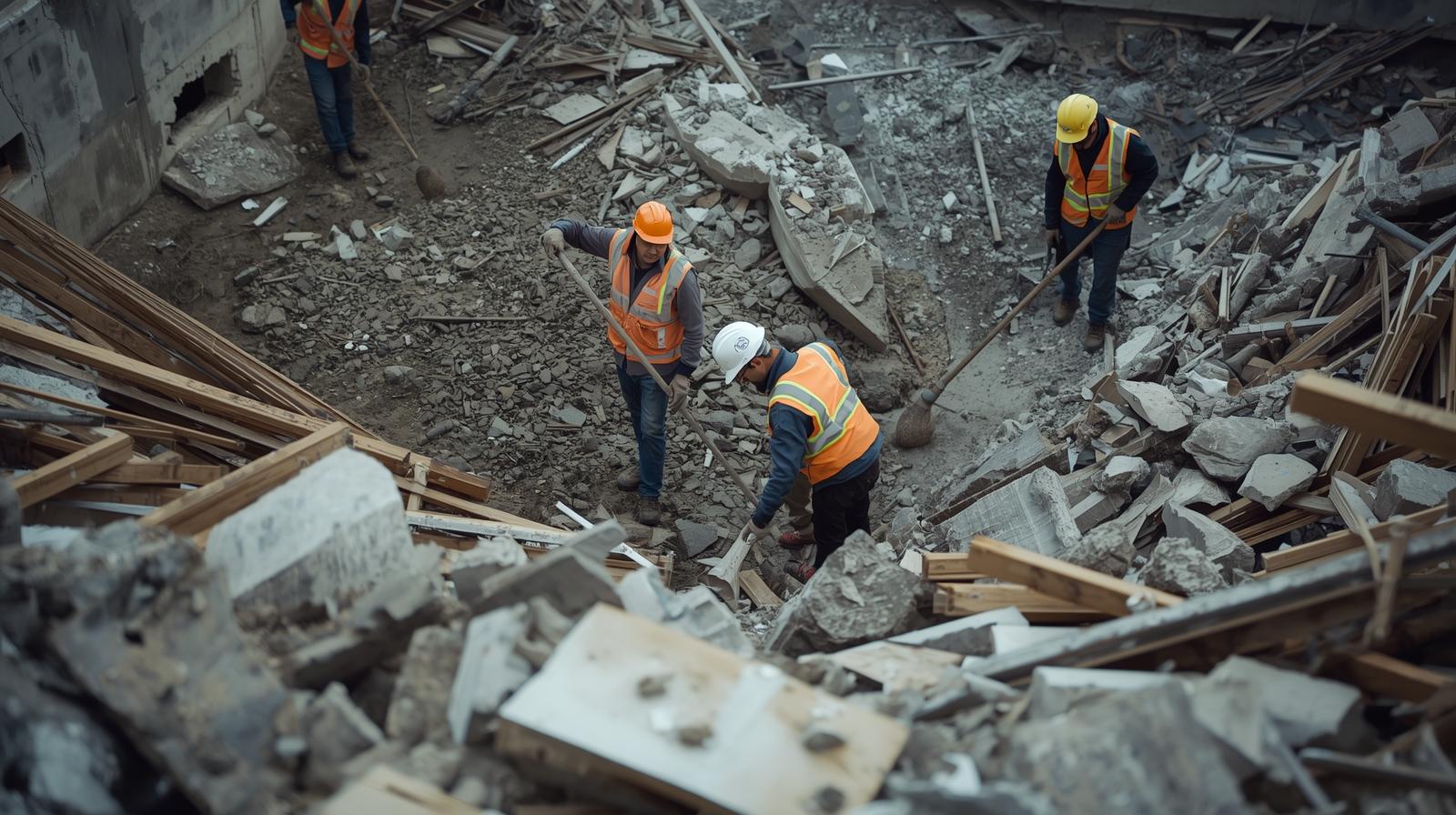
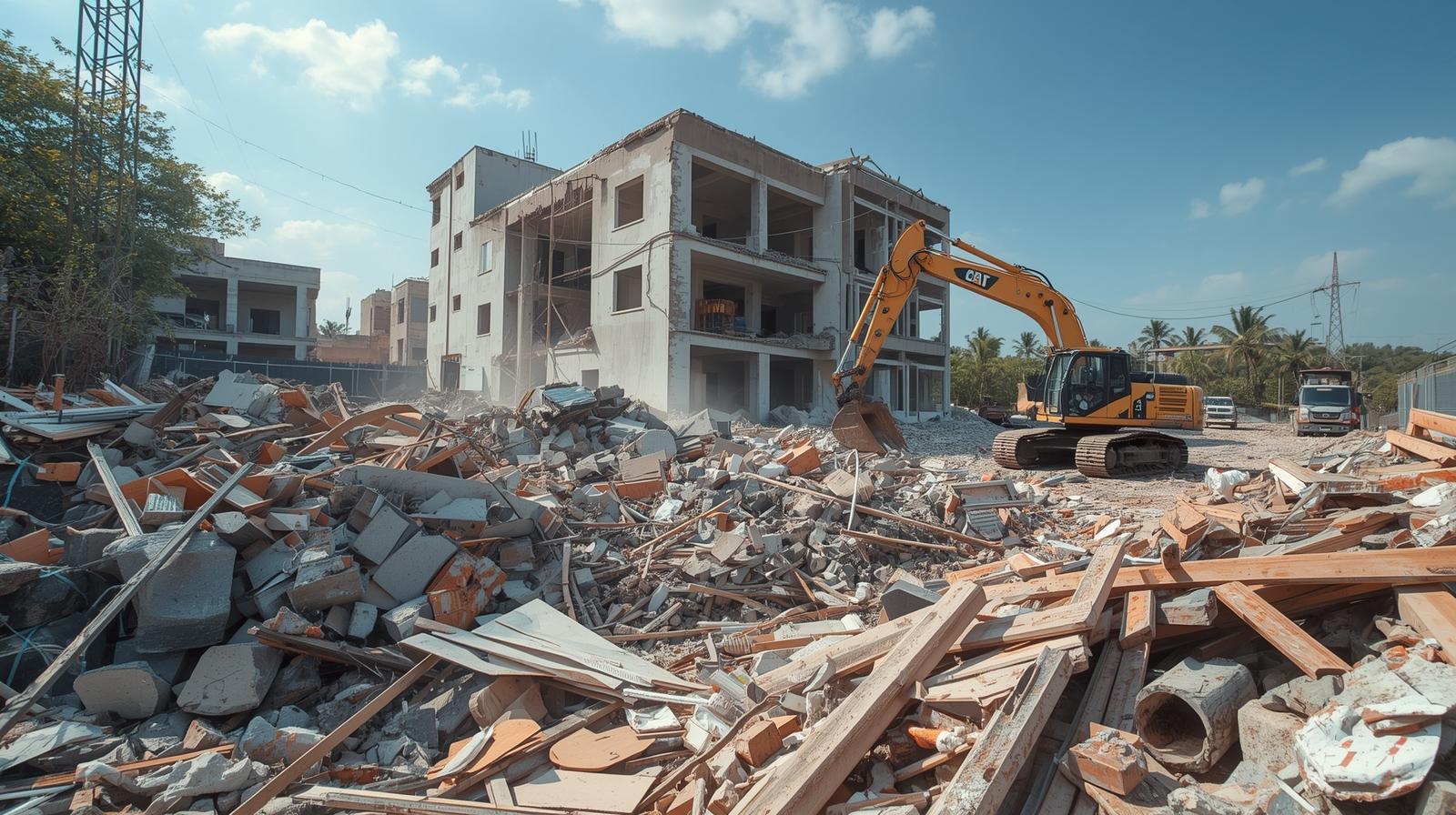
Construction waste in Dubai is far more than just leftover rubble. It includes concrete chunks, steel rods, wood offcuts, glass panels, insulation material, and large amounts of packaging. With continuous development across areas like Downtown Dubai, JLT, and Al Quoz, managing this waste responsibly has become a necessity, not a choice. Every project, big or small, contributes to the city’s overall waste footprint.
In high-density locations, space is extremely limited. Leaving debris unattended can block service roads, slow down deliveries, and create safety risks for workers and pedestrians. Dubai Municipality regularly monitors sites, and violations can lead to warnings or fines. This makes organized waste handling critical for smooth project flow.
Think of construction waste like clutter in a storage room. When it piles up, productivity drops. Clearing it regularly keeps your site efficient, safe, and inspection-ready.
1. What Is Construction Debris Removal and Why Does It Matter?
Construction debris removal refers to the systematic clearing of leftover materials once construction or renovation work is completed. This includes collecting, sorting, transporting, and disposing of waste through approved channels. It’s not just about cleanliness, it’s about compliance and professionalism in Dubai’s regulated construction environment.
Dubai has strict rules regarding waste disposal. Contractors are required to use licensed waste carriers and approved dumping facilities. Ignoring these rules can delay project approvals, affect handovers, and even result in penalties. Proper debris removal ensures your project stays on track.
Beyond regulations, a clean site sends a strong message. Clients and investors in Dubai expect high standards. A well-managed site reflects attention to detail and builds long-term trust in a competitive market.
2. Types of Construction Debris Common in UAE Projects
Construction projects across the UAE generate different types of debris depending on their scale and purpose. Residential villas in Jumeirah or Arabian Ranches often produce tiles, gypsum boards, wood, and plumbing waste. These materials can quickly accumulate if not removed regularly.
High-rise buildings in areas like Dubai Marina or Business Bay generate heavier debris such as concrete blocks, steel frames, glass panels, and insulation material. Managing this type of waste requires specialized handling and equipment due to weight and safety concerns.
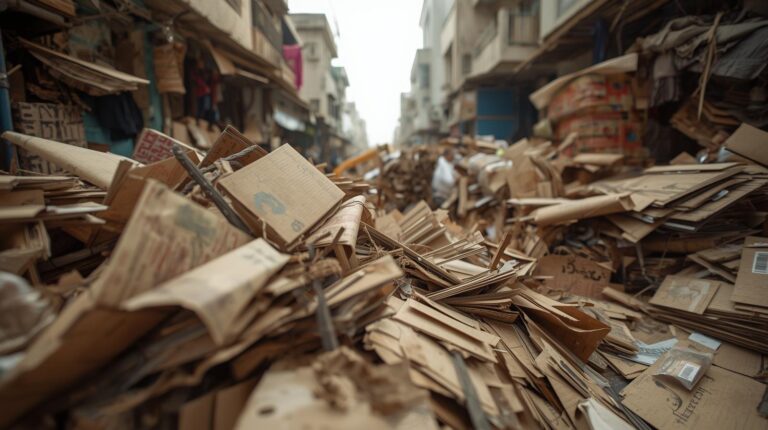
Packaging waste is also significant. Since many construction materials are imported, cardboard boxes, plastic wraps, and pallets pile up fast. Identifying debris types early helps plan efficient removal, reduces costs, and supports recycling initiatives in the UAE.
3. Dubai Municipality Rules You Must Follow
Dubai Municipality has established clear regulations for construction waste management. Contractors must ensure waste is collected by licensed service providers and disposed of at approved facilities. Random dumping or using unauthorized transport is strictly prohibited.
Failure to comply can result in fines, site warnings, or even temporary suspension of work. In certain areas, permits are required for placing skips or scheduling nighttime debris removal to avoid traffic disruption.
Following these rules is like following road signs, it keeps projects moving without unnecessary stops. Compliance not only protects your business legally but also contributes to Dubai’s vision of a clean and sustainable city.
4. Construction Debris Removal Process Explained
The debris removal process usually begins with a site assessment. Professionals evaluate the amount and type of waste, access points, and site constraints. This step is especially important in crowded zones where timing and logistics matter.
The next step is segregation. Materials are sorted into recyclable, reusable, and disposable categories. Proper segregation supports UAE sustainability goals and helps reduce landfill waste while keeping disposal costs under control.
Finally, debris is transported using approved vehicles to licensed facilities. Everything is documented, ensuring compliance with local regulations. The end result is a clean, organized site ready for inspection or handover.
5. High-Rise Building Challenges in Areas Like Marina
High-rise projects in Dubai Marina, JLT, and Business Bay come with unique debris removal challenges. Limited loading bays, shared elevators, and strict building management rules require careful coordination.
Debris removal often needs to be scheduled during off-peak hours to minimize disruption to residents, office workers, and nearby traffic. Noise restrictions and access permissions also play a major role in planning.
Experienced debris removal teams understand these challenges. They coordinate closely with building management, use proper containment methods, and ensure smooth operations without complaints or delays.
6. Benefits of Professional Construction Debris Removal
Professional debris removal services save valuable time. Your construction crew can focus on core tasks instead of handling waste, which improves overall productivity on site.
Safety is another major benefit. Loose debris increases the risk of slips, cuts, and accidents, especially during Dubai’s hot months when fatigue sets in faster. Professionals follow strict safety protocols.
Most importantly, expert services ensure compliance with Dubai Municipality rules. This reduces the risk of fines, rework, or inspection failures, giving you peace of mind throughout the project.
7. Time Management for Busy Contractors
In Dubai’s fast-paced construction industry, delays can be costly. One missed deadline can affect suppliers, inspections, and client handovers.
Scheduled debris removal keeps your site organized and efficient. Regular pickups prevent waste buildup, making it easier for workers to move around and complete tasks without interruption.
When cleanup is handled professionally, timelines become more predictable. This helps contractors manage multiple projects smoothly and maintain strong relationships with clients and stakeholders.
8. Cost Factors You Should Know
The cost of debris removal depends on several factors, including waste volume, material type, and site location. High-rise buildings or remote areas may involve additional logistics costs.
However, professional services often reduce hidden expenses. Less downtime, fewer safety incidents, and avoidance of fines all contribute to long-term savings.
Think of debris removal as an investment rather than an expense. Spending wisely on proper cleanup today can prevent costly problems tomorrow.
9. Weather Considerations in Dubai Construction Cleanup
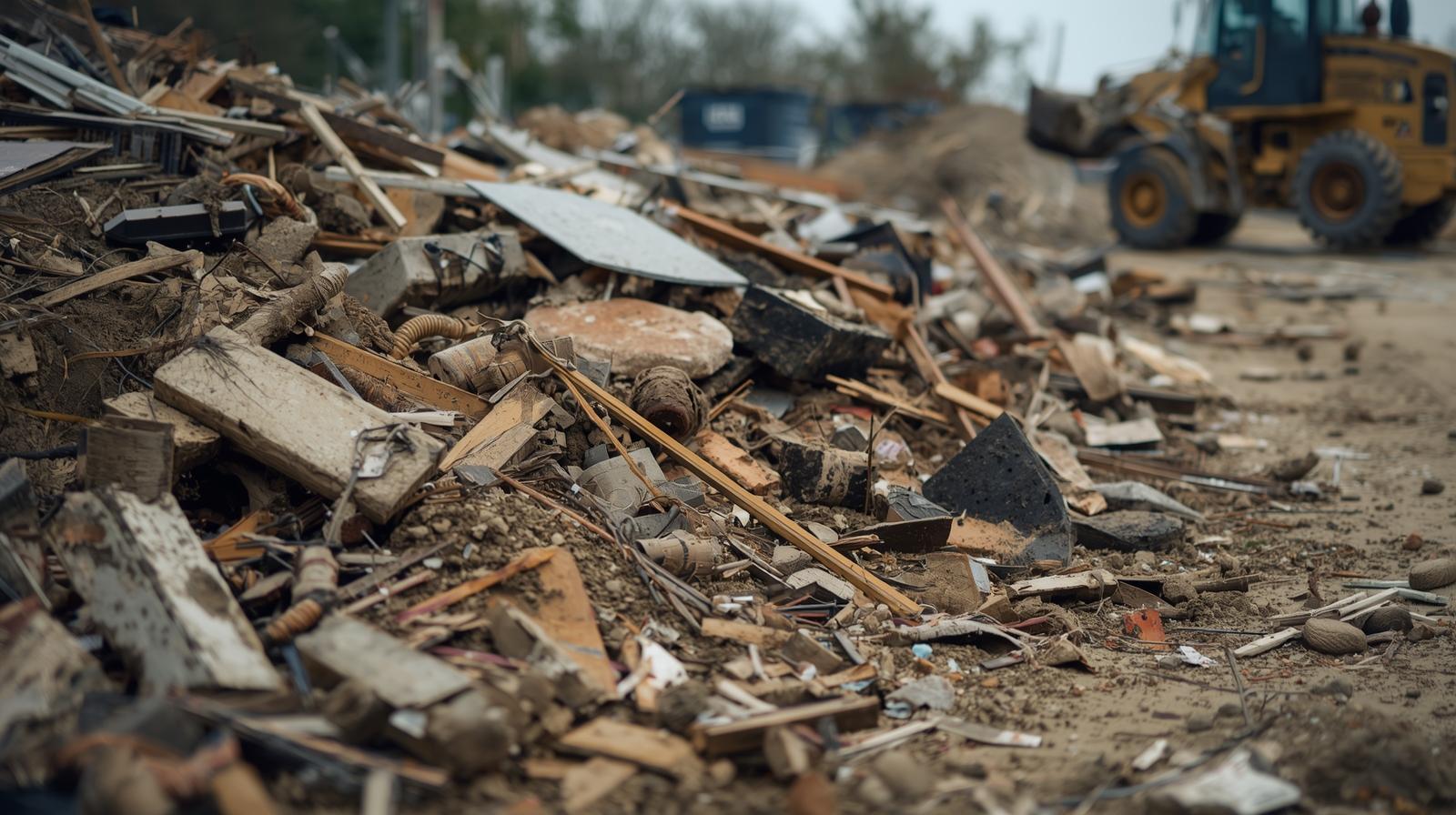
Dubai’s climate plays a big role in debris management. Extreme heat can affect worker safety, while sandstorms can spread dust and debris quickly across sites.
Timely removal helps control dust, improve visibility, and reduce health risks. Covered trucks and sealed containers are essential during windy conditions.
Planning debris removal around weather patterns keeps sites cleaner and safer, ensuring work continues smoothly throughout the year.
10. Eco-Friendly Construction Debris Removal Practices
Sustainability is becoming a top priority in the UAE construction sector. Contractors now recycle and reuse many materials instead of sending them to landfills.
Teams crush concrete for reuse, recycle metals, and repurpose wood for new applications. These practices reduce environmental impact while lowering disposal costs.
Eco-friendly debris removal aligns your project with Dubai’s green initiatives and strengthens your reputation with environmentally conscious clients.
11. Recycling and Sustainability in the UAE
Dubai actively promotes recycling through dedicated waste management facilities and government-led sustainability initiatives. As construction activity rises across the city, contractors play a direct role in reducing landfill waste. Recycling construction debris supports Dubai’s long-term environmental goals and aligns projects with local green building standards.
Contractors improve recycling efficiency by sorting waste at the source. Separating concrete, metal, wood, and packaging materials also reduces transportation and disposal costs while simplifying compliance with Dubai Municipality sustainability guidelines.
Today, many Dubai clients actively choose contractors who demonstrate eco-conscious practices. Sustainable waste management is no longer optional it’s a competitive advantage that builds trust and strengthens market reputation.
12. Safety Standards and Worker Protection
Poor debris management creates serious safety risks on construction sites. Sharp edges, unstable piles, heavy lifting, and airborne dust quickly cause injuries and health issues. Dubai’s hot climate intensifies these dangers as worker fatigue increases faster.
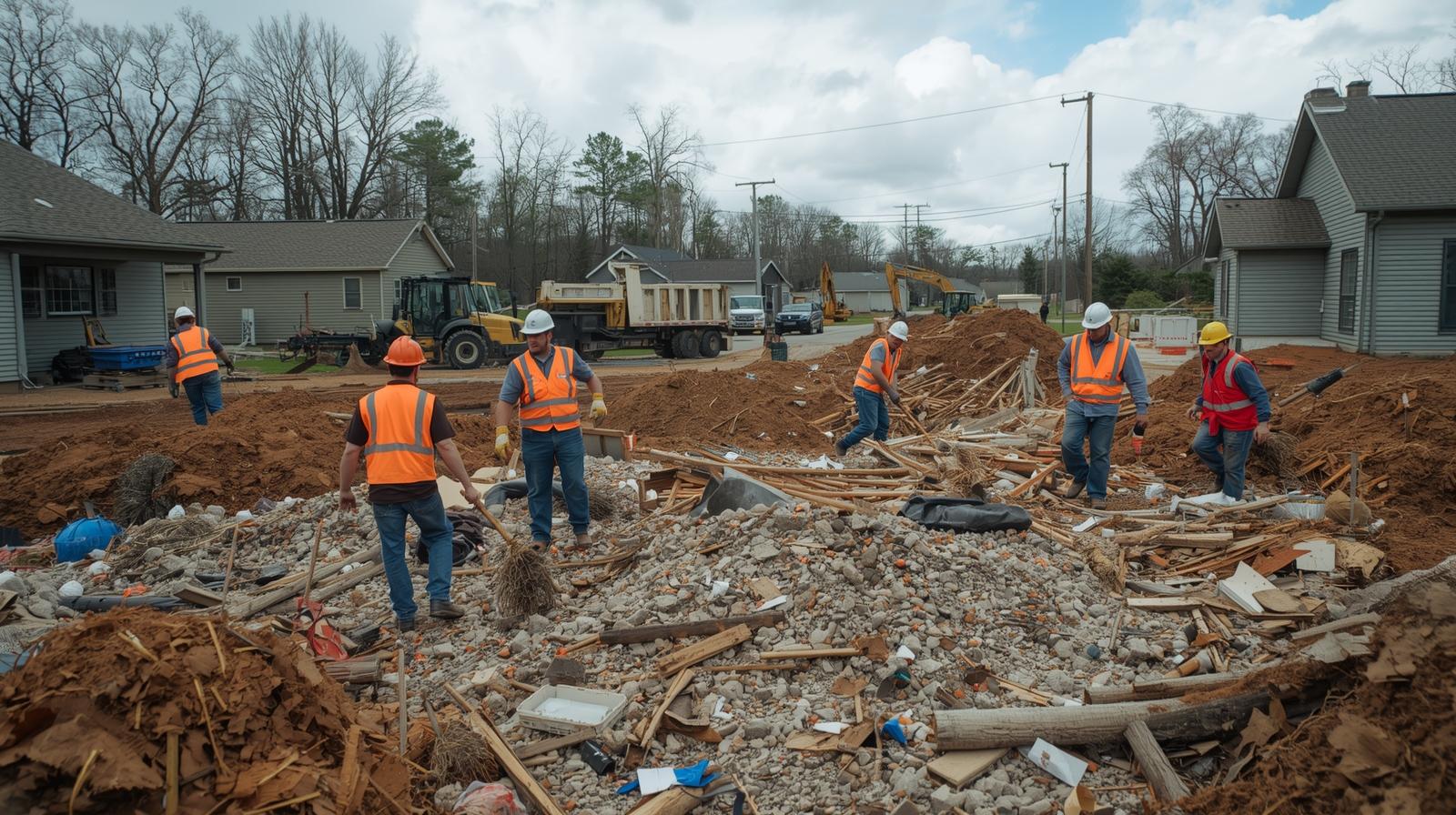
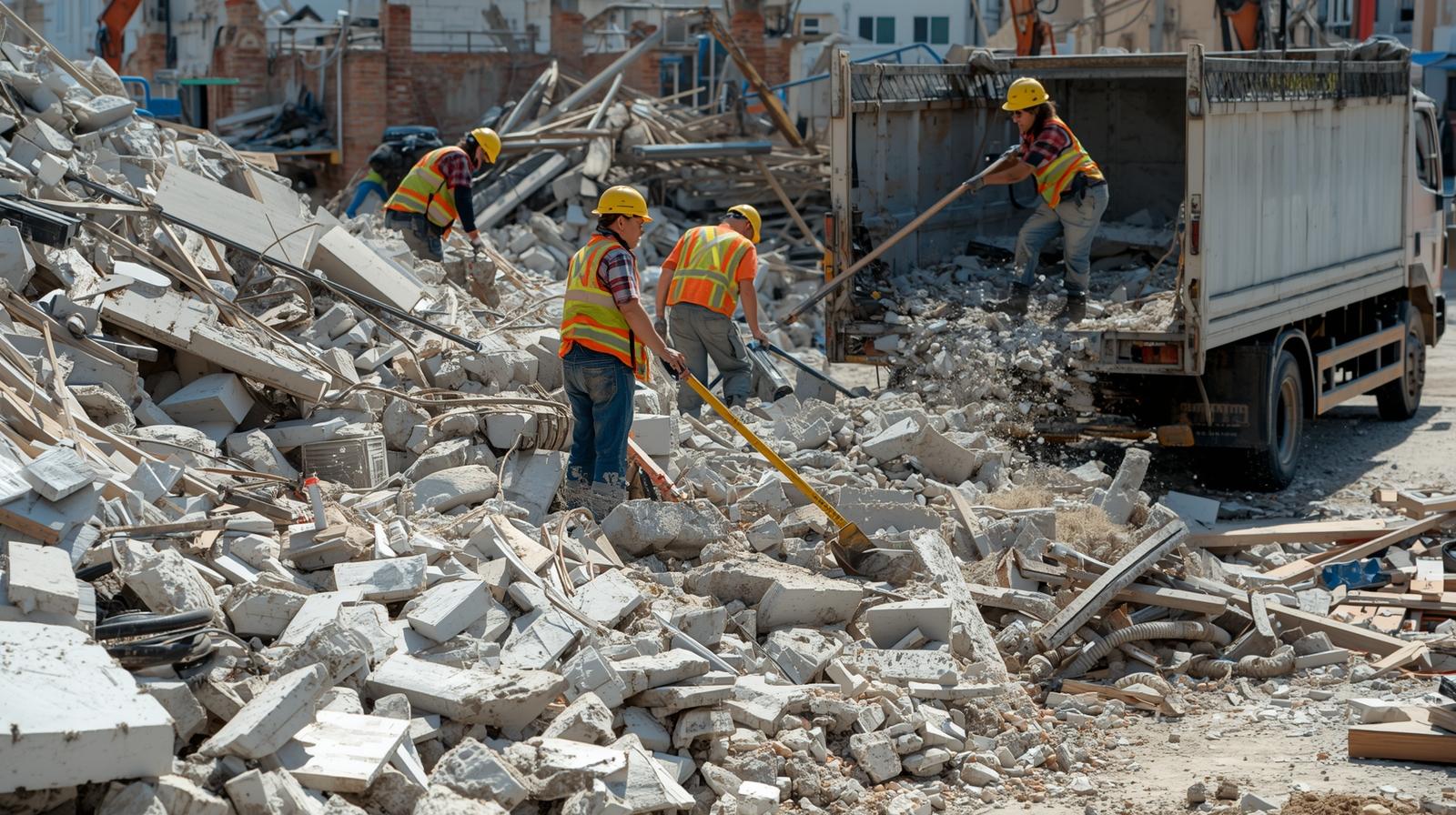
Professional debris removal teams follow strict safety standards. They use protective equipment, specialized tools, and safe lifting techniques to prevent accidents. Controlled waste handling also improves site visibility and movement, reducing slips and falls.
A safe construction site protects workers, visitors, inspectors, and nearby residents. Strong safety practices demonstrate professionalism and responsibility in Dubai’s regulated construction industry.
13. Choosing the Right Debris Removal Partner
The right debris removal partner can significantly improve project success. Contractors should work only with licensed providers who understand Dubai Municipality regulations and local disposal requirements. Experience in the UAE market adds real operational value.
Local knowledge plays a critical role in efficiency. Providers who understand traffic flow, restricted access zones, building management rules, and permit requirements prevent delays and disruptions. Skilled partners plan removal schedules effectively, even in high-density areas.
A dependable debris removal company becomes an extension of your construction team. Clear communication and professional cleanup practices keep projects running smoothly and reduce operational stress.
14. Residential vs Commercial Projects
Residential construction projects demand a careful approach to debris removal. Contractors must control noise, maintain cleanliness, and respect neighbours, especially in villas and apartment communities across Jumeirah and Mirdif. Teams must minimize disruption at every stage.
Commercial projects prioritize speed and scale. Office towers, retail spaces, and mixed-use developments generate large debris volumes that require fast, efficient removal to meet strict timelines.
Tailored debris removal strategies ensure teams handle both residential and commercial projects correctly. Project-specific cleanup planning improves efficiency, compliance, and overall client satisfaction.
15. Final Project Handover and Clean Site Importance
A clean construction site signals true project completion. Inspectors, clients, and tenants immediately recognize when a space is ready for use. Leftover debris delays approvals and damages final impressions.
A clean handover feels like entering a finished, organized space. Every detail reflects professionalism, care, and respect for client expectations.
Proper debris removal enables smooth inspections, faster approvals, and satisfied clients. In Dubai’s competitive construction market, a clean handover strengthens reputation and drives repeat business and referrals.
Conclusion
Construction projects in Dubai don’t end when the last brick is laid. They end when the site is clean, compliant, and ready for use. Managing debris properly protects your timeline, your workers, and your reputation. With the right approach and professional support, debris removal becomes a smooth final step, not a lingering problem. Clean spaces build trust, and in Dubai’s competitive market, trust builds success.
FAQs
Q1: What types of waste are included in construction debris removal?
Construction debris includes concrete, wood, metal, glass, tiles, gypsum, and packaging materials generated during building or renovation work.
Q2: Is debris removal mandatory under Dubai Municipality rules?
Yes, all construction waste must be disposed of through licensed carriers and approved facilities to remain compliant.
Q3: How often should debris be removed from a construction site?
Regular removal is recommended, especially for large projects, to maintain safety and workflow efficiency.
Q4: Can construction waste be recycled in Dubai?
Many materials can be recycled. Dubai has facilities for concrete, metal, and other recyclable waste.
Q5: Does professional debris removal save money in the long run?
Absolutely. It reduces labour downtime, prevents fines, and speeds up project completion.
Trusted Junk Removal Services in Dubai for Homes & Businesses In Dubai?
Address: Office No.101, 10th Floor, Al-Shafar Tower, Business Bay, Dubai.
Google Map Location
Read More: Building Waste Removal Meydan Dubai


One Comment