
Garden Debris Cleanup After a Storm
Garden Debris Cleanup After a Storm: A Practical Guide for Dubai Residents & Business Owners
Introduction
A sudden storm in Dubai can turn a neat garden into a messy puzzle overnight. Fallen branches, soaked soil, scattered pots, and blocked pathways are not just unpleasant to look at; they can also become safety hazards. Whether you live in a villa in Jumeirah or manage landscaping for a business in Dubai Marina, the stress feels the same. You step outside and think, Where do I even start?
Just like trying to organize a wardrobe after everything has been dumped on the floor, post-storm garden mess needs a calm, step-by-step approach. You don’t want to rush and make mistakes, but you also don’t want debris piling up in the heat. That’s where a clear plan and local know-how make all the difference.
In this guide, we’ll walk you through everything you need to know after a storm hits Dubai. From safety and local regulations to costs, eco-friendly disposal, and professional help, you’ll know exactly how to reclaim your outdoor space with confidence.
1. Understanding Storm Damage in Dubai Gardens
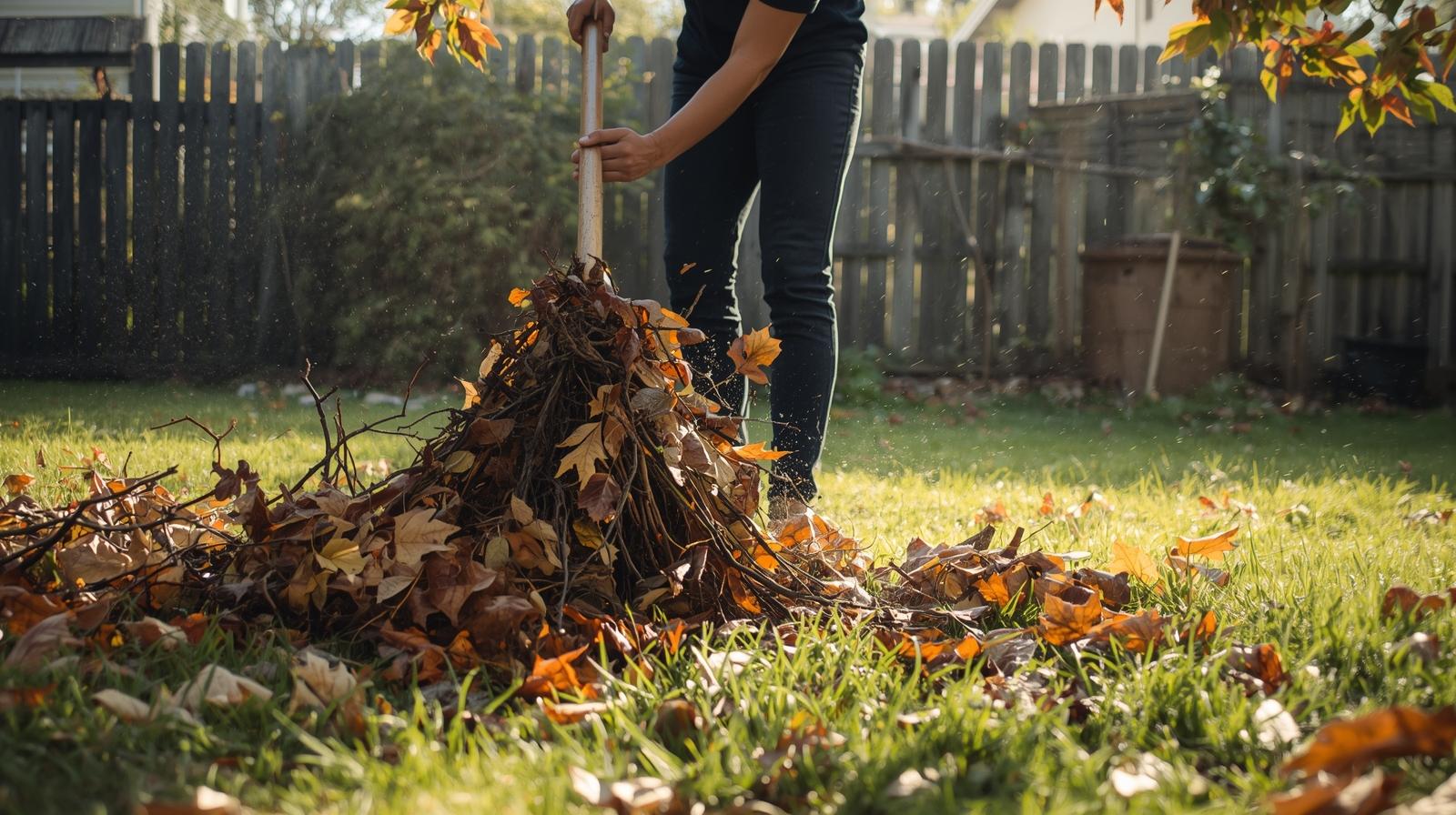
Storms in Dubai are different from those in cooler climates. Because rainfall is rare, when it does happen, it often comes suddenly and heavily. Strong winds combined with rain can easily uproot shallow-rooted plants, especially in landscaped areas built on imported soil.
Moreover, many gardens in areas like Arabian Ranches or Palm Jumeirah rely on decorative elements, planters, pergolas, and artificial grass edges that aren’t designed for storm pressure. These items shift, crack, or collapse, adding to the debris load. As a result, the mess is often more complex than just leaves on the ground.
Additionally, drainage plays a big role. Poor water flow can cause soil erosion, exposing roots and damaging irrigation lines. Understanding the nature of this damage helps you plan cleanup logically instead of reacting emotionally to the mess in front of you.
2. Why Garden Debris Cleanup Matters After a Storm
At first glance, storm debris may look harmless. However, leaving it unattended can lead to bigger problems. Wet branches and leaves create breeding grounds for insects, especially mosquitoes, which are a concern in humid conditions after rain.
Furthermore, debris can block walkways and emergency exits, which is a serious issue for businesses and residential communities. In high-traffic areas like JBR or Downtown Dubai, this can quickly turn into a liability problem.
Just as importantly, timely cleanup protects your plants. Broken branches, if not pruned properly, invite disease. By clearing debris quickly, you’re not just restoring appearances, you’re actively protecting your garden’s long-term health.
3. Common Types of Garden Debris After Storms
Storm debris in Dubai gardens usually falls into a few predictable categories. The most common include palm fronds, tree branches, and scattered leaves. Palm trees, while sturdy, shed heavy fronds that are difficult to move without proper tools.
In addition, you’ll often find displaced soil, broken pots, and damaged outdoor furniture. Decorative gravel and mulch may wash into unwanted areas, clogging drains or covering pathways. This kind of mixed debris requires careful sorting.
Finally, there’s hidden debris. Small branches tangled in hedges or debris lodged near irrigation systems often go unnoticed. Yet, these small items can cause long-term damage if ignored, making thorough inspection essential.
4. Safety First: What You Should Check Before Cleanup
Before you start lifting or cutting anything, safety must come first. Storms can damage electrical garden lighting or expose wiring. Always check for loose cables or broken fixtures, especially in gardens with decorative lighting.
Next, look for unstable trees or hanging branches. These “widow makers” can fall unexpectedly. In areas like Al Barsha, where gardens are close to buildings, this risk is even higher. Keeping distance until hazards are assessed is critical.
Also, consider personal safety. Wet surfaces are slippery, and sharp debris can cause injuries. Wearing gloves, sturdy shoes, and eye protection reduces risk. A safe start ensures the cleanup doesn’t create new problems.
5. Garden Debris Cleanup: Step-by-Step Process
The most effective approach starts with assessment. Walk through your garden slowly and identify major hazards first. Fallen trees, blocked drains, and damaged structures should top your list.
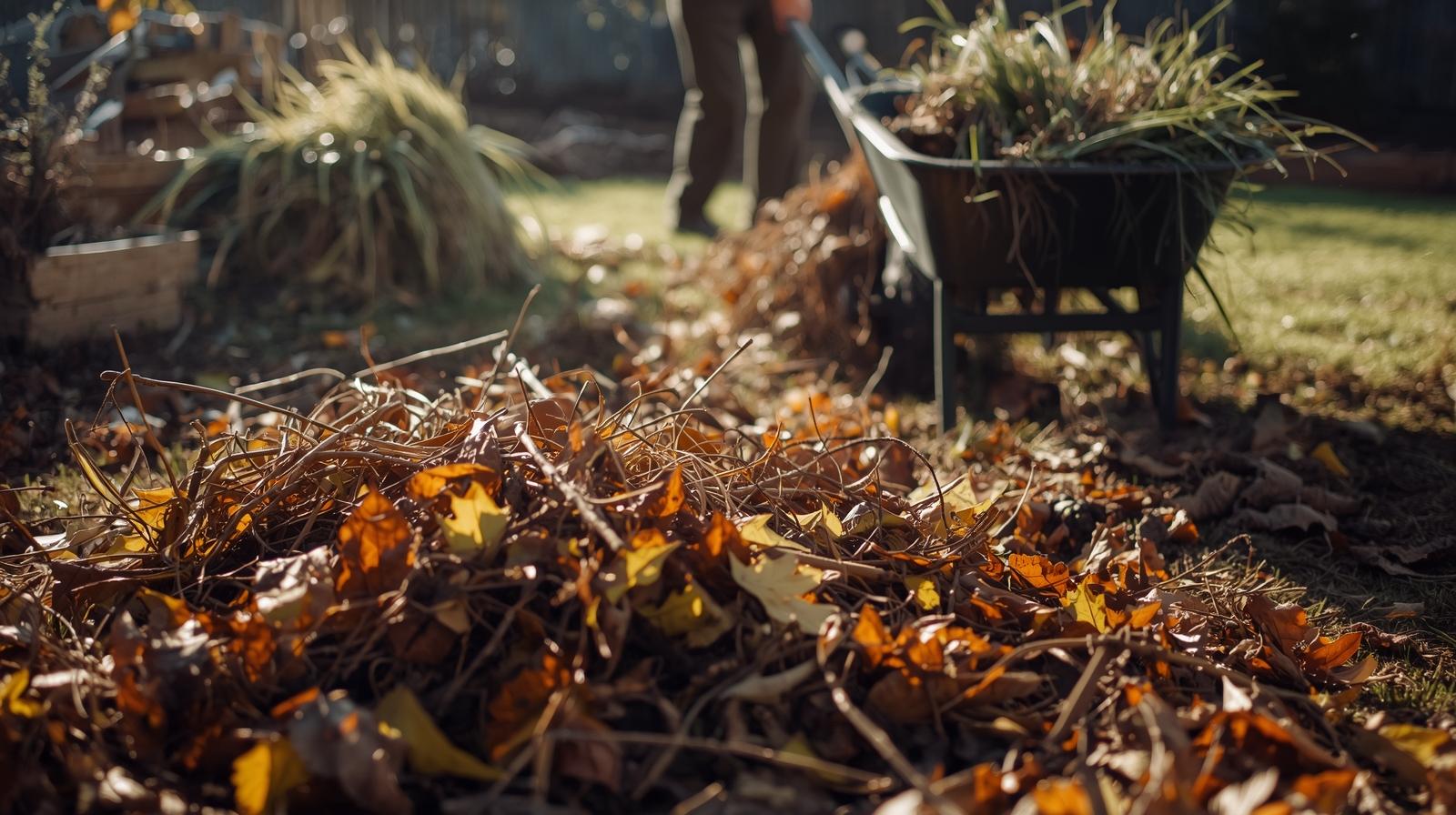
Next, clear large debris before moving to smaller items. This makes the space manageable, much like clearing big boxes before organizing a room. Once the bulky waste is removed, leaves, soil, and smaller branches are easier to handle.
Finally, finish with detailed cleaning. Rinse pathways, check irrigation lines, and prune damaged plants. This step restores order and prepares your garden for recovery. A structured process saves time and prevents overlooked issues.
6. Tools and Equipment Needed for Efficient Cleanup
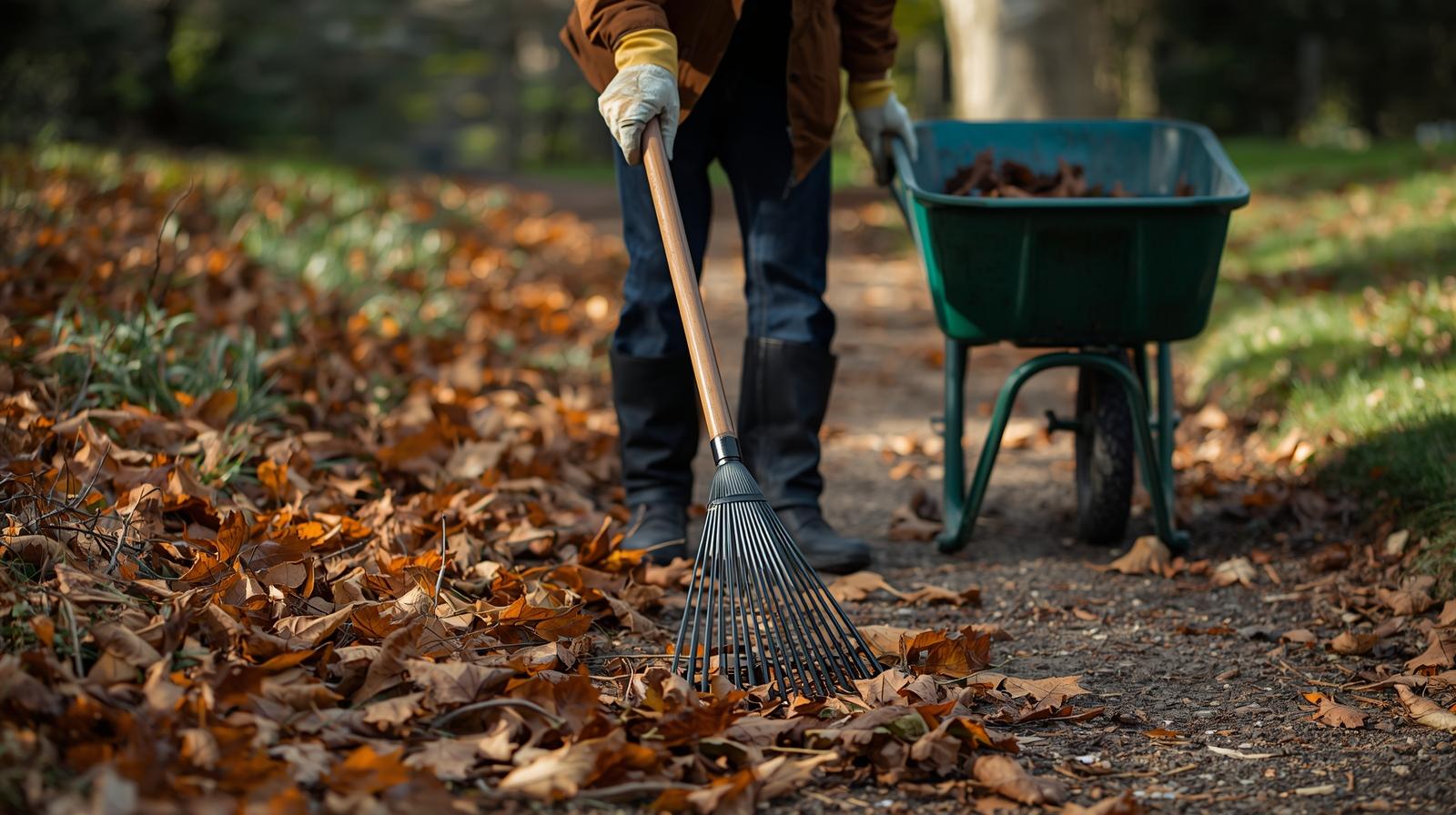
Using the right tools during garden debris cleanup can turn an exhausting chore into a well-organized task. Basic equipment such as heavy-duty gloves, pruning shears, rakes, and strong waste bags helps you safely collect sharp branches, wet leaves, and scattered debris without risking injury. These essentials are suitable for most residential gardens across Dubai.
For larger outdoor spaces, especially villas with lawns and trees, wheelbarrows or garden carts are extremely useful. They reduce physical strain and speed up the cleanup process by limiting repeated back-and-forth trips. This is particularly important in warmer weather when prolonged physical work can be draining.
When storms cause heavier damage, thicker branches may require chainsaws or electric cutters. However, these tools should only be handled by trained professionals. Pressure washers are also valuable for removing mud from patios and walkways, especially in Dubai’s sandy environment, where residue builds up quickly.
7. Garden Debris Cleanup for Villas in Jumeirah & Emirates Hills
Villa gardens in Jumeirah and Emirates Hills often include lawns, palm trees, hedges, and decorative landscaping. After a storm, debris usually spreads across multiple areas, making cleanup more complex than it appears. A structured approach is essential to avoid damaging plants or outdoor features.
One common challenge homeowners face is limited access. Narrow side passages and glass doors mean debris must be removed carefully to prevent scratches or dirt from entering indoor spaces. Sorting debris into manageable piles near garden exits helps keep the process controlled and efficient.
Additionally, many villa communities follow specific waste disposal guidelines. Green waste may only be placed out on certain days or collected by approved providers. Understanding these rules ensures compliance, prevents fines, and makes garden debris cleanup smoother for residents.
8. Garden Debris Cleanup for Businesses & High-Rise Properties
Commercial properties in areas like Dubai Marina and Business Bay face unique cleanup challenges. Gardens are often located on podium levels, rooftops, or shared spaces, which adds complexity to debris removal after storms. Logistics play a bigger role than manual labor alone.
Safety and appearance are critical for businesses. A cluttered outdoor area can negatively affect customer impressions and employee morale. That’s why garden debris cleanup for businesses is usually scheduled early in the morning or after business hours to avoid disruption.
Coordination with building management is also essential. Service elevators, loading zones, and disposal schedules must be approved in advance. Following these protocols ensures efficient cleanup while maintaining safety standards and building regulations.
9. Dealing with Fallen Trees and Large Branches
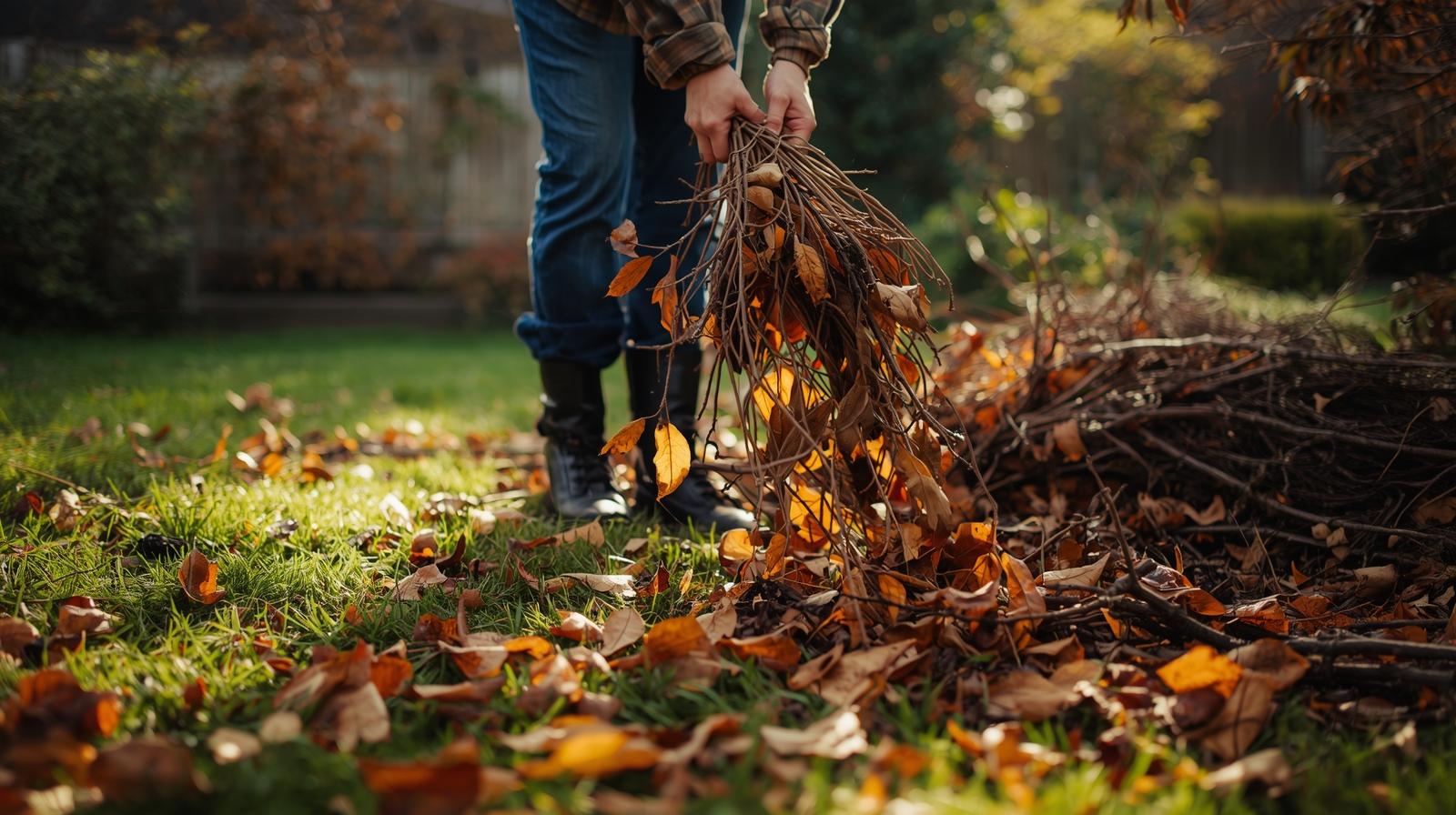
Fallen trees and heavy branches are among the most dangerous forms of storm damage. These situations should never be treated as DIY tasks, as improper handling can cause injuries or serious property damage. Walls, fences, and underground utilities are often at risk.
Professional teams approach this type of garden debris cleanup with careful planning. They assess weight distribution, tension points, and surrounding structures before cutting. This prevents sudden shifts that could damage nearby buildings or harm people.
Once the tree is cut into sections, disposal becomes the next concern. Large wood pieces must be removed using approved methods and taken to designated facilities. Proper handling ensures safety, compliance, and complete restoration of the affected area.
10. Waste Segregation and Dubai Municipality Rules
Dubai Municipality has strict regulations regarding waste segregation, and garden debris is no exception. Green waste must never be mixed with household or construction waste, as this disrupts the city’s waste management system.
During garden debris cleanup, organic materials such as leaves, branches, and grass clippings should be separated from plastics, broken pots, or metal items. Proper segregation not only ensures compliance but also supports recycling and sustainable disposal efforts.
Improper dumping, such as placing garden waste in roadside bins or empty plots, can result in fines. Understanding and following municipality rules saves time, avoids penalties, and contributes to a cleaner, well-organized community across Dubai.
11. Eco-Friendly Disposal and Recycling Options
Sustainability remains important even after a storm. Many elements collected during garden debris cleanup can be recycled or reused instead of being sent to landfills. Organic waste, in particular, offers several eco-friendly options.
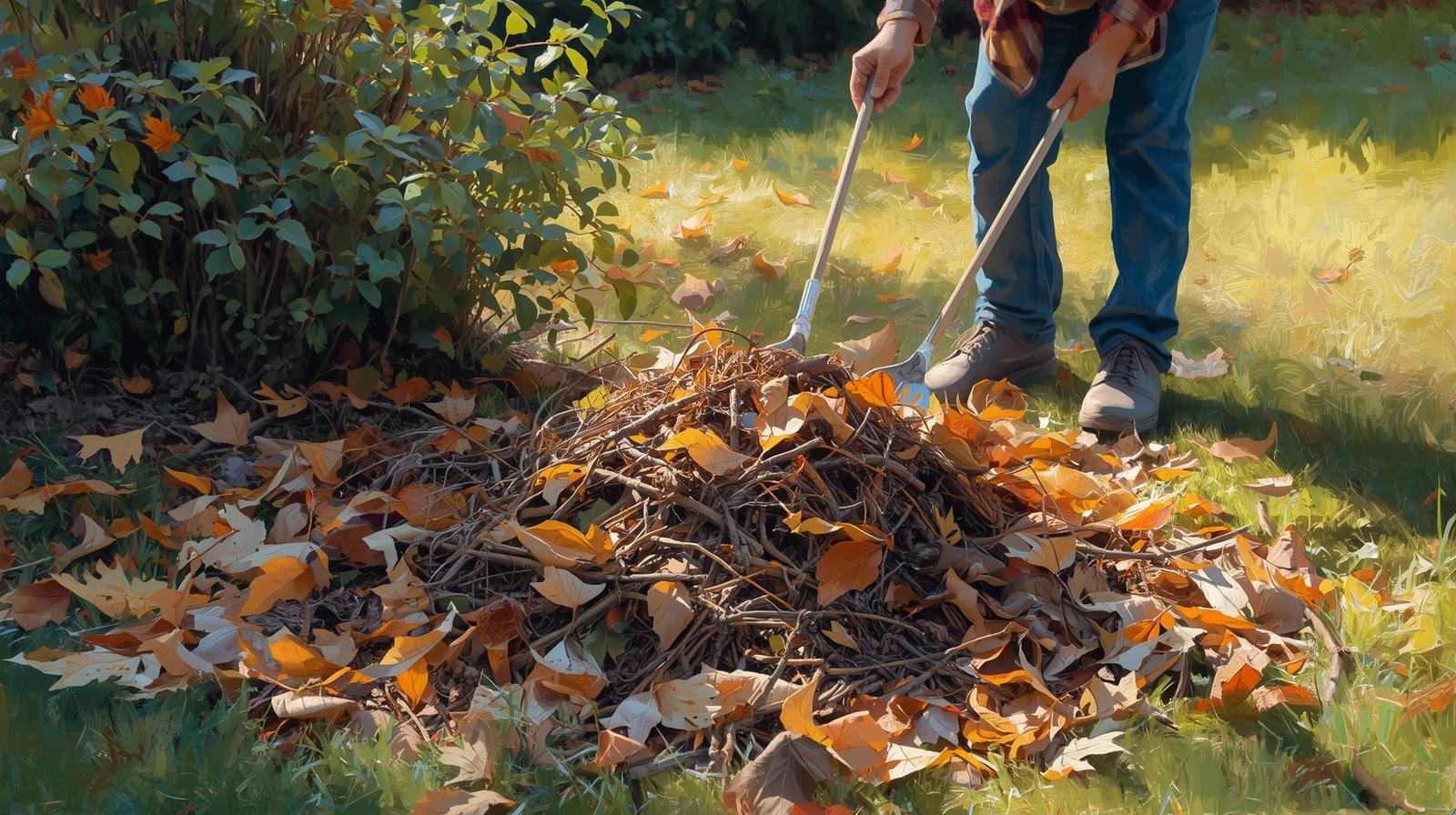
Leaves, grass, and small branches can be composted or processed into mulch. This mulch can later be reused in gardens to improve soil quality and moisture retention, which is especially useful in Dubai’s climate.
Some approved facilities and service providers also recycle green waste on a larger scale. Choosing eco-friendly disposal methods is like giving your garden a second life, turning storm damage into a resource that benefits both your space and the environment.
12. Cost Factors for Post-Storm Garden Cleaning in Dubai
The cost of garden debris cleanup in Dubai depends on several factors. Garden size is the most obvious larger villas with mature trees naturally require more labor and time than smaller landscaped areas.
Accessibility also affects pricing. Gardens located on rooftops, podiums, or properties with limited access may cost more due to additional logistics. The type and volume of debris, especially fallen trees, also play a significant role.
Urgency is another factor. Same-day or emergency services often come at a premium, but quick action can prevent further damage and reduce long-term repair costs. Understanding these factors helps you plan realistically and avoid unexpected expenses.
13. DIY Cleanup vs Professional Services
DIY cleanup is suitable for minor storm damage. If your garden only has scattered leaves or small branches, basic tools and a few hours of work may be enough to restore order.
However, when storms cause extensive damage, professional garden debris cleanup services are safer and more efficient. Professionals bring proper equipment, trained staff, and knowledge of Dubai’s disposal regulations, reducing risk and saving time.
Choosing the right option depends on the scale of damage, safety concerns, and your availability. When cleanup feels overwhelming or risky, professional help offers peace of mind and ensures the job is done correctly.
14. Timeframes: How Long Does Cleanup Usually Takes
The time required for garden debris cleanup depends largely on the size of your outdoor space and the amount of damage caused by the storm. A small residential garden with light debris can often be cleared within a few hours using basic tools and proper planning.
Larger villas, commercial landscapes, or properties with fallen trees may require one to several days. Heavy debris, damaged structures, and restricted access points can all extend the cleanup timeline. High-rise properties or rooftop gardens also take longer due to logistics and disposal coordination.
Weather conditions in Dubai can further affect progress. High humidity, lingering rain, or extreme heat may slow work for safety reasons. Setting realistic timelines helps manage expectations while ensuring cleanup is done thoroughly, not rushed.
15. Preventing Future Storm Damage to Your Garden
Preventing storm damage begins with smart garden design and plant selection. Native and storm-resistant plants are better suited to withstand strong winds and sudden rainfall, making them ideal for Dubai’s climate and soil conditions.
Simple maintenance steps can significantly reduce future risk. Securing lightweight pots, reinforcing pergolas, improving drainage, and scheduling regular pruning all help minimize damage. Think of it as storm-proofing your garden, similar to childproofing a home.
Consistent upkeep also allows you to identify weak branches or unstable features before storms hit. These small, preventive actions save time, money, and effort later, reducing the need for extensive garden debris cleanup after every severe weather event.
16. Garden Debris Cleanup and Property Value Protection
A well-maintained garden plays a major role in property value, especially in competitive markets like Dubai. After a storm, visible debris and neglect can instantly reduce curb appeal and leave a negative impression on visitors or potential buyers.
Prompt garden debris cleanup restores order and protects landscaping investments. Removing damaged plants and debris early prevents long-term soil issues, pest problems, and plant disease that could lead to costly repairs later.
For businesses, clean outdoor spaces reflect professionalism and reliability. For homeowners, they help preserve resale value and community standards. In both cases, timely cleanup is not just maintenance; it’s a smart investment in your property’s long-term worth.
17. Choosing the Right Local Cleanup Service
Selecting the right local service for garden debris cleanup can make a significant difference in results and experience. Look for companies with proven experience in Dubai and a clear understanding of local weather patterns, property types, and regulations.
Customer reviews from nearby communities such as Jumeirah, Marina, or Arabian Ranches provide valuable insight into reliability and service quality. Transparent pricing, written estimates, and clear timelines are strong signs of professionalism.
Avoid providers who ignore safety standards or waste disposal rules. A reliable local team will handle cleanup efficiently, comply with Dubai Municipality guidelines, and adapt to the city’s unique environment, making the entire process smooth and stress-free.
18. Conclusion
Storms may be unpredictable, but your response doesn’t have to be. With the right approach, tools, and local awareness, restoring your garden is completely manageable. Whether you handle it yourself or seek professional help, timely action protects safety, aesthetics, and value. A clean garden after a storm feels like a fresh start, order restored, space reclaimed, and peace of mind regained.
FAQs
Q 1. What is the first step after a storm damages my garden?
Start with a safety inspection. Check for loose branches, exposed wiring, and unstable trees before touching any debris.
Q 2. Can I dispose of garden waste in regular bins in Dubai?
No. Green waste must follow Dubai Municipality guidelines and should not be mixed with household trash.
Q 3. How soon should cleanup be done after a storm?
Ideally, within 24–48 hours. Quick action prevents pests, plant disease, and further damage.
Q 4. Is professional cleanup necessary for small gardens?
Not always. Minor debris can be handled DIY, but larger damage benefits from professional expertise.
Q 5. Does post-storm cleanup help my garden recover faster?
Yes. Removing damaged material allows plants to heal and reduces the risk of disease, supporting healthy regrowth.
Trusted Junk Removal Services in Dubai for Homes & Businesses In Dubai?
Address: Office No.101, 10th Floor, Al-Shafar Tower, Business Bay, Dubai.
Google Map Location
Read More: Garden Waste Removal Dubai: Eco-Friendly Solutions