Garbage Tank Rental Guide: Affordable, Compliant Waste Solutions
Garbage Tank Rental: The Complete Guide to Smart, Compliant & Cost-Effective Waste Solutions
Introduction
We present a comprehensive, practical guide to garbage tank rental that helps property managers, contractors, event planners, and homeowners choose smart, compliant, and cost-effective waste solutions. We’ll walk through sizing, costs, regulations, safety, sustainability, and the real-world steps needed to rent and use a garbage tank responsibly. Consider this your blueprint: concise, direct, and built for action, like a good toolbox, every section is a tool you can use right away.
1. What Is Garbage Tank Rental?
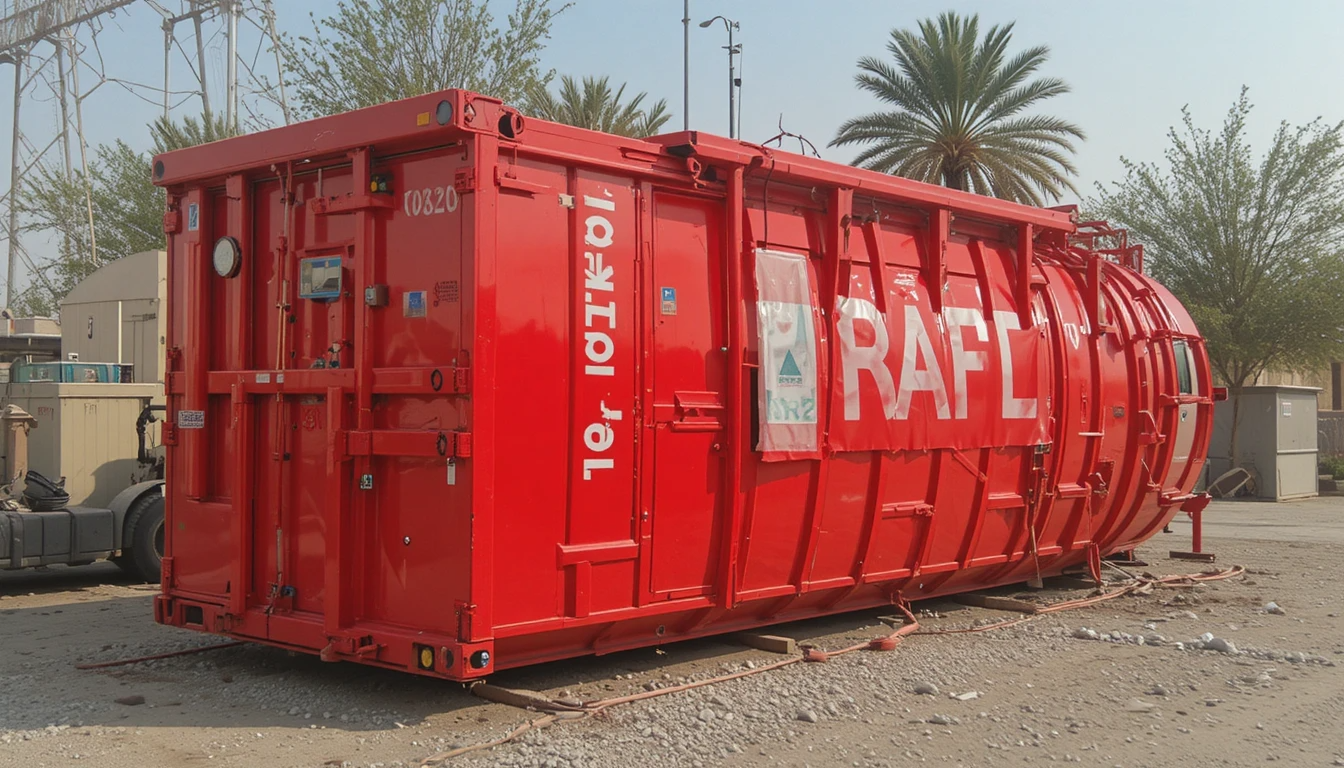
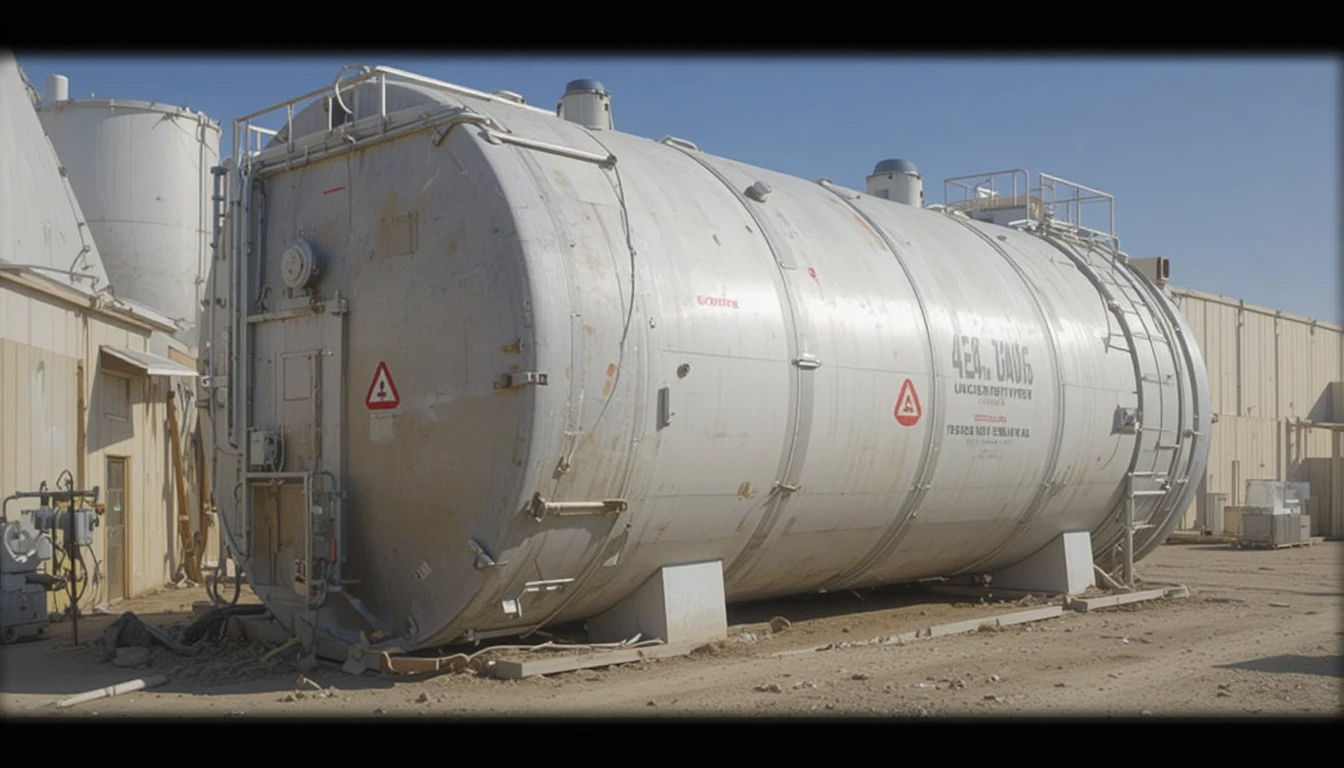
A garbage tank rental is a flexible waste management service where companies provide temporary or long-term containers, such as roll-off dumpsters, front loaders, or specialized garbage tanks, to collect, store, and transport debris or refuse efficiently. This service acts as an operational extension of your site, replacing the need for repeated trips to landfills or transfer stations. Instead of managing multiple small waste hauls, you have a centralized, mobile waste solution that’s delivered, serviced, and removed by professionals. Renting a garbage tank helps reduce handling time, lower transportation costs, and simplify recycling or disposal. It’s particularly cost-effective for short-term projects, construction sites, or seasonal operations where buying a permanent bin isn’t practical. In essence, you’re leasing a managed waste hub, fill it up, and the provider handles the rest. Our team guides you through the full process, from selecting the right size and type to understanding pricing and compliance requirements, ensuring your rental performs reliably, safely, and legally.
2. How to Rent a Dumpster: Step-by-Step Guide
Learning how to rent a dumpster involves several clear steps that simplify your cleanup or construction workflow. Start by defining your project scope, what kind of waste you are generating, and for how long. Identify materials like construction debris, household junk, green waste, or even e-waste, since disposal rules can vary. Next, choose the right dumpster size and type: roll-offs for heavy-duty construction waste, front-load containers for businesses, or specialized event bins for temporary use. Check local ordinances to see if a permit is needed, especially for street or curb placement. Before confirming, review your rental agreement closely, pay attention to included tonnage, pickup schedules, and overage fees. Prepare your site by clearing space, marking placement, and ensuring enough clearance for delivery trucks. Finally, ask your provider about recycling options, manifests, or weight tickets for documentation. Following this step-by-step guide ensures your garbage tank rental is efficient, compliant, and hassle-free from drop-off to pickup.
3. Standard Dumpster Sizes & Garbage Tank Sizes
Understanding standard dumpster sizes and garbage tank sizes helps ensure your waste solution matches your project’s needs. Dumpsters are typically measured in cubic yards, ranging from 2 to 40 cubic yards. The most common roll-off sizes are 10, 20, 30, and 40 yards, ideal for everything from small clean-outs to large construction projects. Residential jobs often use 10–15 yard bins, while commercial or demolition projects require 30–40 yard containers. Front-load dumpsters, typically used for ongoing business waste, are measured in cubic yards (2–8 yards, or approximately 300–1,200 gallons). When selecting a size, remember that weight limits differ by material: dense waste like concrete or soil can quickly exceed capacity. Calculating both the cubic volume and expected tonnage helps prevent excess weight charges. Our garbage tank rental experts can advise on size and weight combinations that optimize cost, efficiency, and compliance so your waste handling remains seamless from start to finish.
4. How to Choose Dumpster Size
Knowing how to choose dumpster size can prevent costly mistakes and improve on-site efficiency. Start by estimating how much waste your project will generate, measured in cubic yards. A small home renovation might fill a 10-yard bin, while larger remodels, demolitions, or commercial cleanouts may need 30–40 yards. Waste density is key: lightweight debris like drywall or wood fills more space but weighs less, while concrete, tile, or soil reach tonnage limits faster. Also, consider delivery logistics: can a large rolloff truck access your site, or is a smaller container safer? If uncertain, it’s often smarter to choose a slightly larger dumpster, as overage fees or extra hauls can exceed the cost difference. You can also stage rentals, start mid-sized, and upgrade if needed. Our garbage tank rental specialists provide project-based consultations, ensuring the chosen size fits your waste type, available space, and budget with no hidden surprises.
5. Comparing Dumpster Sizes for Projects
When comparing dumpster sizes for projects, matching capacity to your workload makes all the difference. A 10-yard dumpster suits small residential renovations or garage clean-outs; a 20-yard unit handles kitchen remodels or light construction; and 30–40-yard containers are best for demolitions, roofing jobs, or large commercial projects. Consider the container’s shape and loading style, too. Walk-in doors and lower sidewalls simplify safe loading. Pricing also depends on rental duration: a medium bin kept longer may cost less than a larger one for a shorter term. Think of it like choosing a vehicle compact for light debris, heavy-duty for bulk loads. Comparing options side-by-side allows you to balance cost, weight capacity, and accessibility. Our garbage tank rental experts help clients choose the right size and style for maximum efficiency, ensuring you only pay for the space and strength you actually need.
6. Capacity of Construction Waste Bins
The capacity of construction waste bins determines how smoothly your project runs and how much you spend on waste removal. Construction dumpsters are measured in cubic yards and typically range from 20 to 40 yards, with weight limits from 1 to 10 tons depending on the provider. For small sites or renovations, a 20-yard container is often sufficient; for major builds, 30–40-yard bins handle high-volume waste. However, heavy materials like concrete, brick, or dirt reach tonnage limits long before the bin is full. For these, request heavy-duty roll-offs or schedule more frequent pickups. Calculating both cubic and weight capacities is essential to avoid extra fees. Our garbage tank rental professionals provide clear weight tables, so you can estimate correctly and plan for compliance. Choosing the right construction waste bin keeps your site clean, legal, and operational without delays or overcharges.
7. Can You Overload a Garbage Tank?
Yes, you can overload a garbage tank, and doing so poses serious safety and financial risks. Overloading happens either by exceeding the bin’s weight limit or filling it beyond the top rim. A dumpster that exceeds the weight limit can damage trucks, strain hydraulic systems, or lead to fines at disposal sites. Overfilled containers may cause debris to spill during transit, violating local safety codes and resulting in refused pickups. To avoid this, maintain a balanced load: keep heavy materials at the bottom and ensure all waste remains below the top edge. If you suspect your container is nearing its limit, contact your provider for an exchange or weight adjustment. Many garbage tank rental companies offer swap-out or add-on options for overloaded bins. Treat your container like a safety-critical piece of equipment. Proper use not only prevents accidents but also keeps your project compliant and efficient.
8. How to Avoid Overloading Dumpsters
Knowing how to avoid overloading dumpsters can save you from penalties, damaged property, and project delays. The key is planning and disciplined loading. Start by breaking large items into smaller pieces and layering heavy debris, like concrete or soil, evenly across the base. Keep materials below the container’s rim and never exceed fill lines. Overstuffing or compacting materials too tightly can cause excess weight and unsafe conditions. Schedule regular pickups rather than waiting until the dumpster is overflowing. Communicate with your garbage tank rental provider to confirm weight limits and potential add-ons if your load increases unexpectedly. Many providers mark safe fill levels on container interiors for easier tracking. With thoughtful loading, you’ll avoid safety risks, prevent rejected hauls, and ensure a smooth, uninterrupted waste management process from start to finish.
9. Cost of Garbage Tank Rental & Pricing Structure
The cost of garbage tank rental varies based on multiple factors, including size, rental period, waste type, and local disposal fees. Providers typically charge a base rental fee covering container delivery, a set pickup date, and a predefined weight allowance. Additional fees may apply for overages, extra days, permits, or handling specific materials such as tires or hazardous waste. Urban or restricted-access areas may also add logistical surcharges. To manage costs effectively, request a detailed quote that breaks down base rates, includes tonnage, per-ton overage rates, and any optional services. Seasonal demand can influence pricing as well. Comparing quotes from local garbage tank rental providers ensures transparency and helps identify hidden costs. We always recommend verifying recycling rebates or disposal credits, which can offset expenses while keeping your project environmentally responsible and compliant.
10. Cost of Different Dumpster Sizes
Understanding the cost of different dumpster sizes helps you select the most economical waste solution for your project. Smaller dumpsters (10–15 yards) typically offer the lowest base rate and are ideal for light residential cleanups or short-term use. Medium sizes (20–30 yards) strike a balance between price and capacity, handling renovations or mid-scale construction efficiently. The largest 40-yard roll-offs cost more upfront but may prove cheaper long-term by minimizing hauls and landfill trips. Pricing is influenced by both volume and tonnage limits. Some materials fill space quickly but stay light, while dense debris can push weight thresholds early. When comparing, factor in all associated costs: rental duration, landfill fees, permits, and overage penalties. Our garbage tank rental experts help clients evaluate total project cost, ensuring the container you choose delivers true value without surprises or excess charges.
11. Analysis of Rental Costs for Waste Containers
A thorough analysis of rental costs for waste containers separates sticker price from total project expense. We break costs into clear drivers: container rental rate, delivery and pickup fees, landfill or transfer-station tipping charges, weight overage fees, permit costs, recycling credits, and administrative or environmental surcharges. To make this actionable, we model three typical scenarios: light waste (dry, low-density materials like cardboard and drywall), mixed waste (wood, gypsum, packaging), and heavy waste (concrete, brick, soil). Light waste typically maximizes volume before hitting weight limits, while heavy loads trigger per-ton fees early. Recycling and source-separation lower landfill costs but can add sorting labor and transport costs. Our approach: estimate cubic yards × expected pounds-per-cubic-yard by material, then map those totals to vendor fee schedules and local tipping fees. We also factor in seasonal and regional variations, urban disposal rates, and peak-season demand can change quotes. By modeling different scenarios and requesting itemized quotes, we reduce budgetary surprises and improve accuracy in bids and project forecasting.
12. Average Cost of Construction Waste Removal
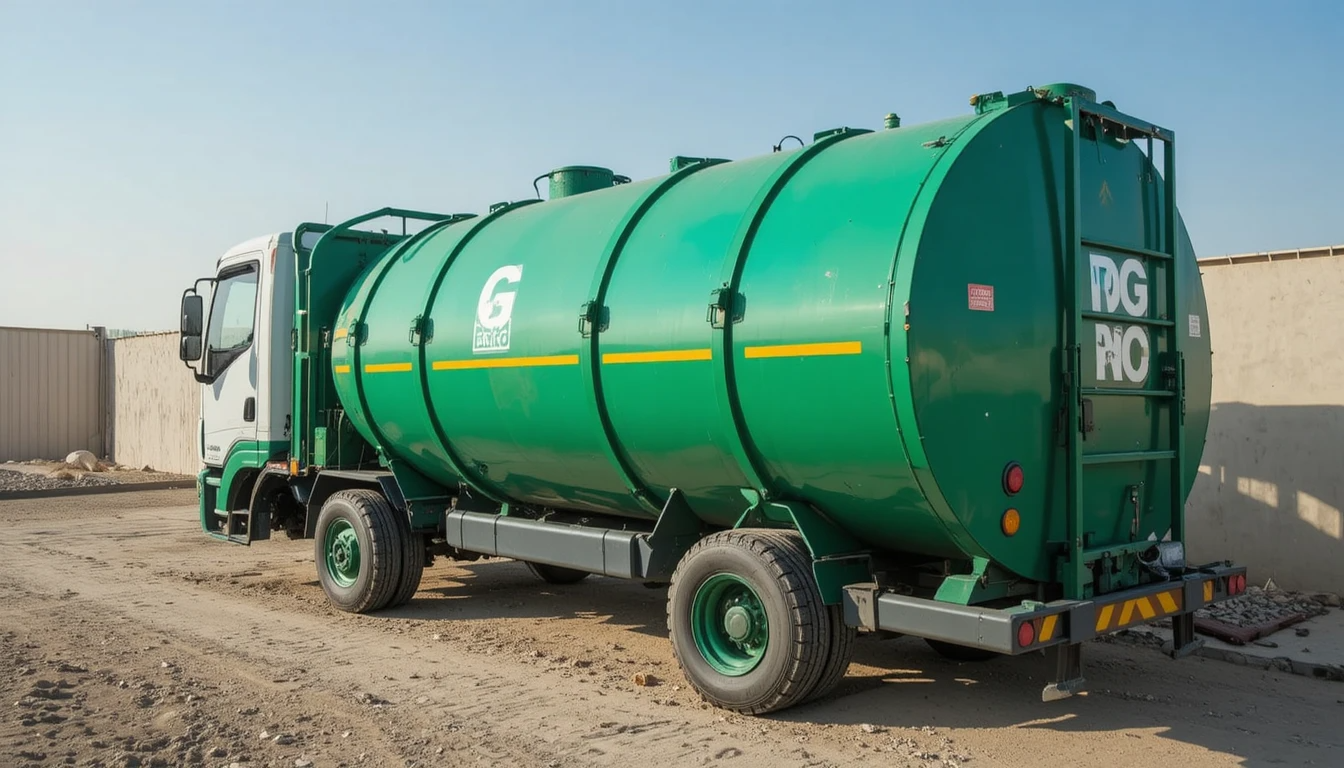
The average cost of construction waste removal varies considerably by region, material type, and scale. Broadly speaking, when all factors are included, rental, hauling, tipping fees, labor, and permit prices frequently fall between $30 and $200+ per cubic yard, depending on material density and disposal complexity. For a common home renovation, most homeowners budget between $300 and $1,200 for dumpster rental and disposal across the project lifecycle. Larger commercial or demolition jobs scale into the thousands, particularly when hazardous-material handling or heavy debris (concrete, soil) is involved. We lower averages by recommending early materials separation, steel, cardboard, and clean wood often carry salvage value or lower recycling fees, and negotiating flat-rate agreements for prolonged site needs. Regional tips: coastal and urban centers usually face higher tipping fees, while rural areas sometimes add long-haul charges. Accurate inventories, early engagement with your vendor, and incorporating recycling streams convert volatile averages into predictable line items for project budgets.
13. Hidden Fees in Dumpster Rental
Understanding hidden fees in dumpster rental prevents post-job surprises. Common hidden charges include heavier-load penalties, extended rental or day-over charges, specific surcharges for dirt or concrete, small-load minimums, permit acquisition fees, and fuel or environmental administrative fees. Some providers add mobilization or demobilization charges for restricted access sites or steep driveways. Holidays and weekend pickups can attract premium pricing, and contamination fees are common when prohibited materials or mixed hazardous waste are found in your load. To avoid these costs, we insist on an itemized quote upfront showing base rental, delivery, included tonnage, per-ton overage cost, and any conditional fees (e.g., extra trips, swaps, or washouts). Additionally, confirm whether weight tickets will be supplied, how holidays affect scheduling, and what exactly triggers hazardous-material surcharges. Documenting agreed rates in writing and choosing vendors transparent about fee schedules is the best defense against hidden costs.
14. What Is Included with Garbage Tank Rental?
When you sign a garbage tank rental agreement, understand precisely what’s included: delivery to the site, a defined rental period (often with a default pickup date), removal and hauling, and a standard weight allowance. Many contracts also cover basic placement on stable surfaces and the initial lift-and-haul service. Items typically excluded or extra include additional pickups, container swaps or exchanges, surcharge for very heavy material, hazardous waste handling, and permit procurement services. Some vendors provide recycling options, manifests for regulated streams, or insurance during transit. These are valuable inclusions for commercial and regulated projects. For compliance-heavy jobs, request disposal manifests and weight tickets as part of the package. We recommend listing all inclusions and exclusions in the rental agreement to avoid ambiguity, clarifying who handles permits, and specifying responsibility for any site damage. A fully transparent inclusion list makes budgeting and legal compliance straightforward.
15. Delivery and Pickup of Rental Dumpsters
Delivery and pickup of rental dumpsters are operationally simple but logistically sensitive. Drivers require safe access, a load-bearing surface (concrete, asphalt, gravel), and sufficient turning radius; overhead obstructions power lines, awnings, and low branches, must be cleared. For street or curb placement, a municipal permit may be necessary and should be arranged well in advance. We advise scheduling deliveries to minimize worksite disruption, with clear on-site markings (paint, cones) and a designated contact person for the driver. Pickup timing must allow adequate final cleanup; providers normally allow quick rescheduling but may charge for last-minute changes or emergency pickups. For sites with soft turf or sensitive driveways, confirm whether boards, pads, or protective measures are required and whether additional fees apply. Clear communication about site conditions and confirmed placement instructions prevents delays and potential property damage, ensuring the container is placed and collected efficiently.
16. Do Garbage Tanks Come with Delivery?
Yes, most garbage tanks come with delivery, but the scope of that delivery varies by vendor and quote. Standard quotes usually include one delivery and one pickup within the agreed rental window. Additional deliveries, container swaps, or exchanges typically cost extra. In dense urban areas or properties with limited access, extra fees are common due to restricted maneuvers or special permits. Verify whether the delivery includes placement on gravel, concrete, or asphalt, since many companies will refuse to position heavy roll-offs on soft soil without protective boards or reinforcement, sometimes for an added charge. We recommend securing a precise delivery window in writing and clarifying liability for property damage during placement and removal. Confirm whether the provider supplies placement assistance (spotting), protective ground pads, or post-pickup cleanups so there are no surprises on arrival or invoice.
17. Duration of Garbage Tank Rental
The duration of garbage tank rental should align with project milestones rather than calendar days to save cost and improve efficiency. Residential rentals typically run 3–14 days, which covers most renovation projects and clean-outs. Construction projects often require monthly or phased contracts, with some long-term projects running several months and benefiting from discounted monthly rates. Longer rentals reduce per-day costs but may increase cumulative disposal or environmental charges. We advise planning delivery around major demolition activities, scheduling interim pickups at milestone completions, and avoiding idle rental time. Confirm contract clauses for automatic renewal, late-return penalties, and how extensions are billed to prevent unexpected charges. For seasonal or uncertain timelines, negotiate flexible start/stop options so the rental period reflects actual project needs rather than rigid dates.
18. Rental Agreements & Terms for Waste Tanks
A robust rental agreement for waste tanks defines responsibilities, reduces risk, and ensures regulatory compliance. Key items include the rental period, included tonnage, overage rates, prohibited materials, and liability for container or property damage. Look for clauses on cancellation policy, force majeure, site access, and who secures required permits. For regulated or hazardous streams, insist on disposal manifests and weight tickets being provided with each haul. Multi-unit sites or shared-access projects should explicitly allocate responsibility for overage payments and damage claims to prevent inter-party disputes. We also recommend including an indemnification clause and clarifying insurance coverage during transit. Clear, written terms protect both the renter and the provider, and they offer an auditable trail for compliance with environmental or municipal regulations.
19. Rental vs. Purchase of Garbage Tanks
The rental vs. purchase of garbage tanks decision hinges on utilization, storage capability, and lifecycle cost. Renting eliminates upfront capital expense, storage logistics, maintenance needs, and municipal registration, making it ideal for sporadic or project-based needs. Ownership may make sense for high-frequency, predictable operations (large property portfolios, continuous commercial output) where long-term cost-of-ownership calculations show savings after accounting for maintenance, repairs, and replacement. Ownership also brings responsibilities: regular maintenance, compliance with local codes, signage, graffiti removal, and parking/storage when not in use. From an operational perspective, we usually recommend rental for short- to mid-term requirements because it offers flexibility, avoids depreciation, and shifts regulatory and logistical burdens to the vendor. Purchase is appropriate only when utilization rates and total cost-of-ownership clearly justify the investment.
20. Emergency Dumpster Rental Services
Emergency dumpster rental services are tailored to urgent needs storm cleanup, unexpected demolition overflows, or rapid site cleanups after accidents. These services often include priority scheduling, expedited delivery, and weekend or after-hours pickups for an additional fee. For organizations that may need emergency response, we recommend pre-qualifying vendors, negotiating standby agreements, and setting aside a contingency budget for premium rates during peak demand or disaster response. Many providers offer an account setup or on-call contract to accelerate approval and dispatch. In emergency scenarios, fast decision-making and pre-established vendor relationships are essential; they reduce downtime and help sites return to normal quickly. We also suggest clarifying emergency cancellation and extension fees in advance so that your response plan is financially predictable.
21. Choosing the Right Waste Container for Events
Choosing the right waste container for events means balancing capacity, attendee convenience, aesthetics, and logistics. For public festivals, mix large roll-offs backstage with smaller, labeled recycling and compost stations across the grounds for audience use. For corporate or formal events, enclosed compactors and discrete, branded bins maintain visual appeal while handling high volumes. Durable, lockable, and weather-resistant units help prevent vandalism and pests. Placement should follow attendee flow near food courts, entrances, and high-traffic pathways while maintaining unobstructed emergency exits. For multi-day events, coordinate scheduled pickups to avoid overflow during peak days and consider interim swap-outs. We also recommend staffing waste attendants to guide proper sorting and reduce contamination in recycling streams. A well-designed event waste plan enhances guest experience, reduces cleanup costs, and increases recycling diversion rates.
22. Event Waste Management Containers
Event waste management containers vary from portable waste tanks and front loaders to specialized recycling stations and composting bins. Portable waste tanks are modular and can be configured with split compartments for source separation, helping maximize diversion. Front loaders and compactors are useful for vendor areas where high-volume, continuous disposal is expected. For attendee-facing areas, provide clearly labeled bins with visual cues and multilingual signage to encourage correct sorting. For large-scale events, use a combination of container types: roll-offs for backstage and production waste, compactors for dense food and packaging waste, and distributed recycling/organics stations for guests. Real-time monitoring and midday pickups during busy hours prevent overflow. We recommend partnering with event waste coordinators who supply manifests and diversion reports, giving you measurable sustainability outcomes and post-event analytics.
23. Temporary Waste Tanks for Events
Temporary waste tanks for events are designed to be modular, secure, and visually unobtrusive while providing efficient waste throughput. These tanks often include lockable lids, optional branding, and compartments for recyclables and organics. Material selection matters. UV- and weather-resistant designs reduce maintenance and increase lifespan during outdoor festivals. Placement strategy should keep tanks away from main sightlines but within short walking distance for attendees and vendors; ensure truck access for rapid swap-outs. Contract terms for temporary tanks should include contingencies for extra pickups and rapid exchanges during unexpected surges. We advise contracts that provide a clear escalation protocol for mid-event swaps and immediate emergency service. Properly specified temporary tanks minimize odors, reduce pest attraction, and keep the event footprint clean while maximizing diversion.
24. Best Garbage Tank for Residential Renovations
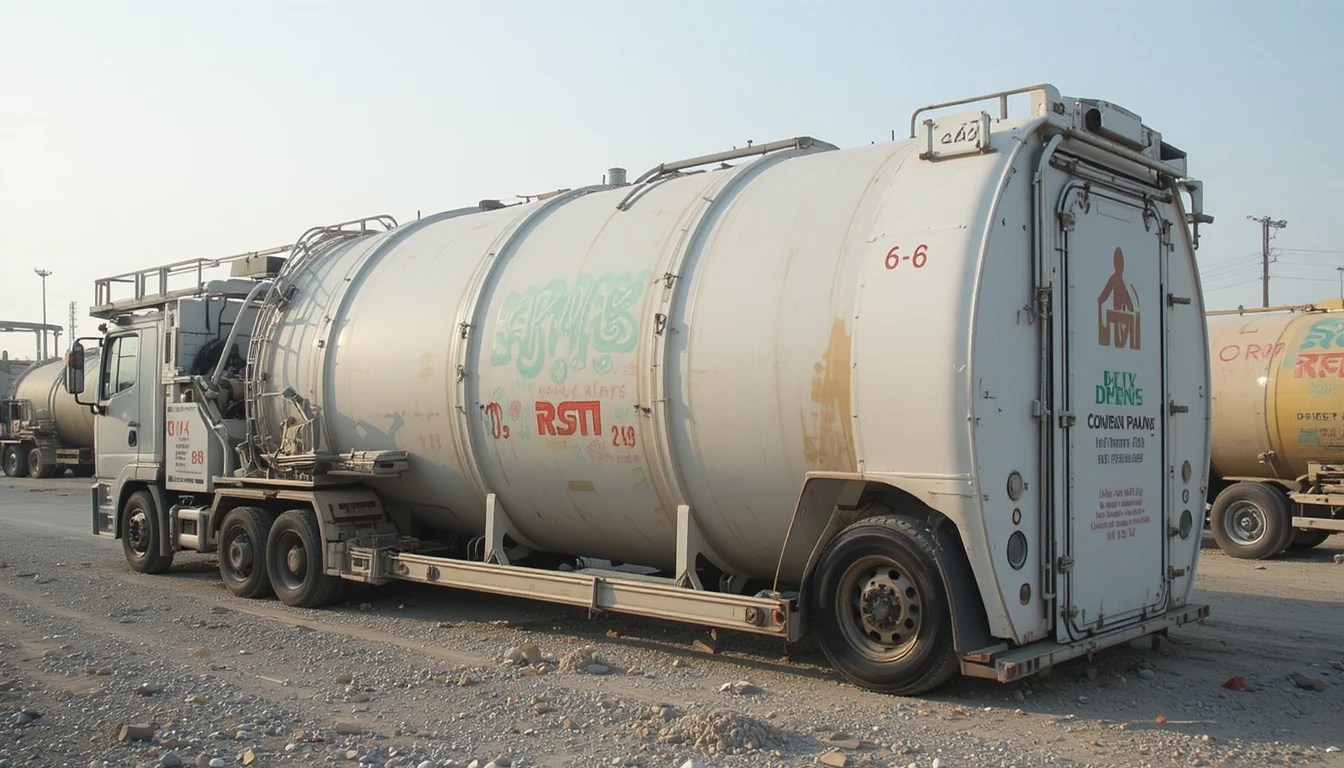
For most residential renovations, the best garbage tank is typically a 10–15 yard roll-off large enough to accommodate drywall, cabinetry, and light demolition debris while remaining compact enough for driveway placement. The low curb height simplifies hand-loading and decreases the risk of manual handling injuries. For heavier materials, tile, concrete, or soil, consider a smaller but heavier-rated container or arrange for more frequent pickups to stay within tonnage limits. Use driveway protection boards under the bin to prevent damage and coordinate delivery times to avoid street congestion. We also recommend clear signage and neighbor notifications about delivery/pickup windows to maintain positive community relations. Our experience shows that selecting the right residential tank reduces handling time, lowers disposal costs, and keeps renovation sites safer and tidier.
25. Best Garbage Tank for Construction
On construction sites, the best garbage tank selection depends on debris type and operational flow. For major structural demolition, 30–40 yard roll-offs provide high-volume capacity and are compatible with mechanical loading. Heavy-duty, reinforced bins are essential for concrete, brick, and tile to avoid premature damage and to meet weight tolerances. Enclosed compactors and balers are suitable for interior finish phases where cardboard, packaging, and light waste dominate these reducing hauling frequency and improving site cleanliness. For mixed or phased projects, a combination of roll-offs for heavy demolition and compactors for daily trade waste optimizes both cost and logistics. Select containers with drop doors for machine loading or reinforced sides for heavy equipment contact. Above all, prioritize providers who offer heavy equipment waste solutions and rapid swaps, since timely removal of bulk waste maintains safety and workflow continuity on busy construction projects.
26. Industrial Garbage Container Types & Heavy-duty Bins
Industrial sites demand robust industrial garbage container types that go beyond standard residential dumpsters. Common options include oversized roll-offs, roll-on/roll-off compactor units, large front loaders, and specialized bulk-solid containers designed for materials like scrap metal, aggregate waste, or manufacturing byproducts. Heavy-duty garbage bins are built with reinforced steel, gusseted corners, and thicker floors to withstand repeated mechanical loading and forklift interaction. Many feature removable liners, skid pockets for forklift access, and reinforced lift points for safe handling. For continuous-throughput operations processing plants, recyclers, or distribution hubs, onsite waste management systems that integrate compactors, balers, and conveyance reduce transfer frequency and labor costs. When selecting industrial containers, review compatibility with your loading equipment (excavators, loaders, forklifts) and confirm transport provider specs (axle loads, legal weight limits). We also advise auditing spill containment, wash-down procedures, and corrosion resistance, particularly for chemical or wet waste, to ensure longevity and regulatory compliance. A properly specified garbage tank rental or purchase strategy increases uptime, lowers handling costs, and improves safety across industrial operations.
27. Roll-off Garbage Bins, Front-load & Rear-load Options
Understanding roll-off garbage bins, front-load, and rear-load options helps match equipment to site logistics. Roll-off bins are ideal for construction, demolition, and large clean-outs; they come in 10–40 yard sizes and are delivered by trucks that roll the container on and off with a cable-and-rail system. Their open tops and drop doors enable machine loading. Front-load dumpsters are common for retail, restaurants, and smaller commercial properties; they’re picked up by trucks that lift the bin from the front, usually on a weekly schedule. Rear-load containers used by municipalities and larger commercial accounts are designed for automated or semi-automated rear-lift trucks; they work well in compact service lanes and for properties that generate large volumes daily. Each design has trade-offs: roll-offs offer capacity and machine compatibility but need space for truck maneuvering; frontloads are compact but limited in size; rearloads require compatible trucks and infrastructure. Align your choice with access, frequency of pickup, waste characteristics, and whether you need temporary garbage tank rental flexibility or a permanent servicing arrangement.
28. Garbage Tank Materials and Sustainability
The material composition of a garbage tank has direct implications for durability, maintenance, and environmental impact. Most tanks are constructed of high-grade steel for structural strength; some use galvanized or coated steel to resist corrosion. Composite lids and polymer liners reduce weight, control odors, and improve handling ergonomics. Sustainability hinges on build-to-last, repairability, and recyclability: steel tanks are highly repairable and almost entirely recyclable at end-of-life, reducing embodied carbon over long service lives. Modular designs that allow component replacement (lids, hinges, wheels) extend usable life and reduce waste. We encourage selecting tanks from manufacturers with take-back or re-manufacturing and choosing finishes that minimize repainting frequency and avoid volatile organic compounds. For projects seeking lower environmental footprints, consider containers with insulated or sealed lids to reduce emissions from decomposing organics, and tanks compatible with compaction or baling to minimize haul frequency. A thoughtful garbage tank rental decision considers not just upfront cost but the cradle-to-cradle lifecycle impact of the equipment.
29. Eco-friendly Garbage Tank Options & Recycling
Eco-friendly garbage tank options prioritize diversion, reduced hauling, and contamination prevention. Look for multi-compartment containers that enable source separation of organics, recyclables, and landfill waste right at the point of discard. Lids with tight seals reduce odors and pest attraction, while integrated compaction systems decrease haul frequency and emissions. Modular, stackable tanks can be consolidated during transport to lower vehicle trips. For maximal recycling impact, partner with providers who offer documented recycling streams and diversion reporting; that transparency lets you quantify landfill avoidance and sometimes realize rebates for recovered material. Renting rather than owning can itself be Eco-friendly: shared assets used across many projects spread manufacturing impacts and optimize fleet utilization. Additionally, some vendors supply compostable liners or preferential routing to facilities that recover energy or materials. When planning an eco-focused project, include garbage tank rental providers in early procurement so container spec, pickup cadence, and downstream processing align with sustainability goals.
30. Sustainable Waste Management Practices
Sustainable waste management is a proactive combination of planning, separation, and behavior. Implement the hierarchy: Reduce → Reuse → Recycle → Recover → Landfill. Begin project planning with a waste audit to identify high-volume or high-value streams for salvage steel, copper, clean wood, and cardboard often recover value. Designate a materials recovery area on site with labeled skips or compartments and train crews on contamination avoidance. Use signage and visual cues to ensure correct sorting; pair human attendants or spot checks during peak operations. For construction, schedule deconstruction where salvage is highest and minimize commingling before transport. Contract with recycling vendors who provide manifests and diversion reports to support sustainability claims. Where appropriate, adopt on-site compactors or balers to reduce transport frequency and emissions. Mobility and flexibility in garbage tank rental for mid-project swaps, extra pickups, or temporary segregation tanks help maintain diversion targets and keep lifecycle disposal costs lower while supporting circular-economy principles.
31. Hazardous Waste Disposal Guidelines
Hazardous waste disposal guidelines demand strict adherence to federal, state, and local regulations. Materials such as solvents, paints with free liquids, certain adhesives, asbestos-containing materials (when friable), lead-based paint debris, pesticides, and clinical wastes are typically prohibited from standard garbage tank rental containers. These streams require classification, labeling, packaging, and transport under a manifest system using licensed hazardous waste haulers and approved treatment or disposal facilities. Generate a hazardous waste management plan before demolition or renovation: identify regulated materials via testing (asbestos, lead), segregate them onsite, and arrange for certified abatement where necessary. Keep records, manifests, chain-of-custody documents, and certificates of destruction for audits and regulatory compliance. Noncompliance risks heavy fines, cleanup orders, and reputational damage. Engage licensed hazardous-waste contractors early; they will advise on proper containerization, stabilization (e.g., absorbing free liquids), and disposal options to ensure legal and safe handling.
32. What Can’t Go in a Garbage Tank?
Knowing what can’t go in a garbage tank prevents regulatory violations and additional costs. Prohibited items commonly include asbestos (friable), bulk liquids and free-flowing solvents, paint cans with liquid paint, vehicle tires in some jurisdictions, batteries (lead-acid, lithium), mercury-containing devices, many electronics or e-waste items, appliances with refrigerants (fridges, A/C units without certified refrigerant recovery), medical or sharps waste, and various hazardous chemicals. Even trace contamination of regulated materials like lead dust mixed in demolition debris may trigger hazardous-waste classification. Municipalities often have specific lists and may require a separate drop-off for e-waste and appliances. When unsure, separate questionable items and consult your garbage tank rental provider or local waste authority; they can advise on proper handling, required manifests, and licensed disposal routes. Proper segregation protects workers, reduces liability, and prevents costly rejection or remediation.
33. Waste Segregation & Recycling with Rental Dumpsters
Effective waste segregation and recycling with rental dumpsters improves diversion rates and lowers disposal costs. Start with a source-separation plan: dedicate tanks for concrete/brick, clean wood, metals, cardboard, organics, and general waste. Use clear, consistent labeling, color-coded bins, and pictorial signage to reduce contamination. This is especially valuable on multi-lingual worksites. Schedule dedicated pickups for high-value recyclables to avoid cross-contamination. For construction demolition, staged separation at the point of demolition increases salvage value and reduces sorting later. Many garbage tank rental providers offer split-container solutions or separate roll-offs for recyclables and will provide diversion reports that document tonnage recycled versus landfilled. These reports support sustainability certifications and stakeholder reporting. Also factor in the cost-benefit balance: sometimes the labor to separate is offset by reduced tipping fees and potential revenue from salvaged materials.
34. Safety, Pests & Smell: Common Concerns
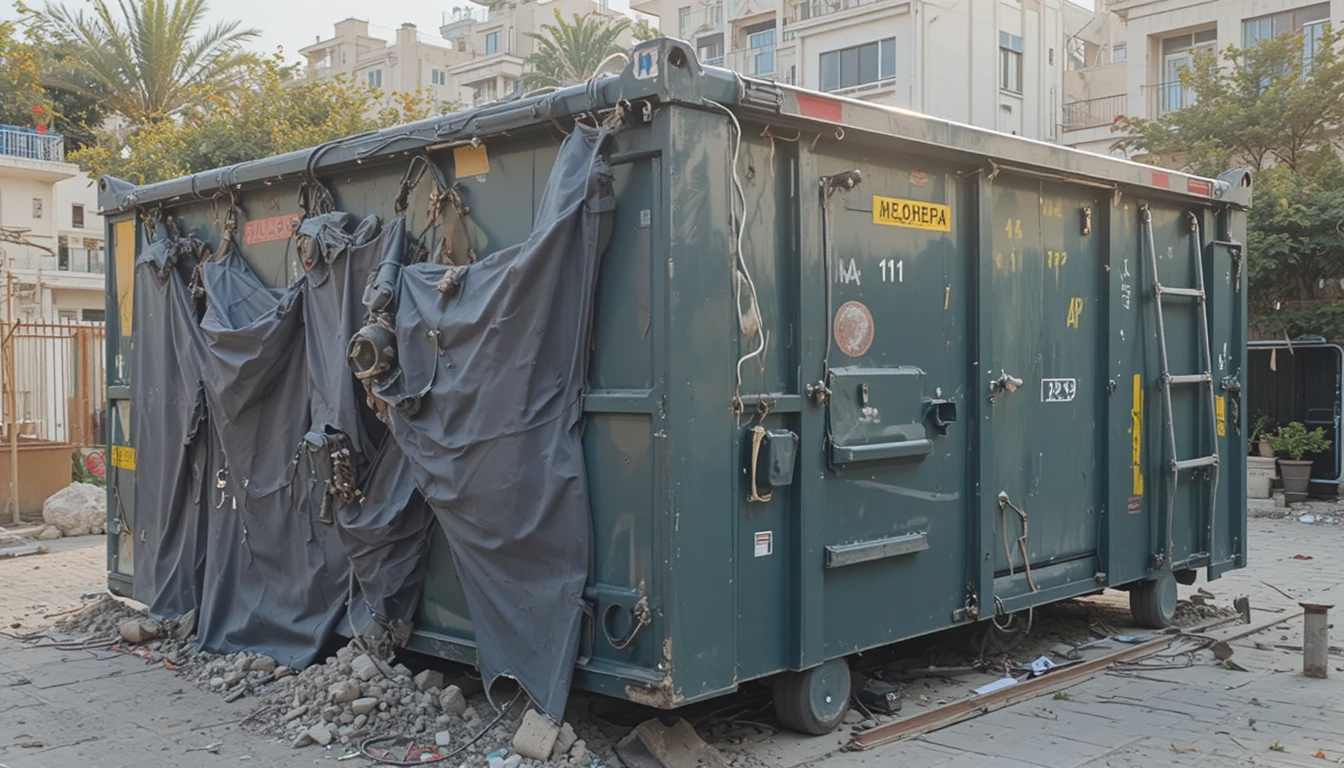
Addressing concerns about whether garbage tanks attract pests or smell bad is largely about proactive design and service cadence. Covered and lockable containers block access by rodents and wildlife, while sealed lids reduce odor transmission. Frequent pickups during warm months, draining of standing liquids, and avoiding food waste left uncovered minimize fermentation and pest attraction. Use absorbent pads or biodegradable kitty-litter-style media for damp loads, and schedule periodic washouts for long-term rentals on multi-unit properties. Odor-neutralizing products, bio-enzymatic treatments, and carbon filters can further control smells. For residential and multi-unit settings, lockable dumpster options and regular service windows reduce scavenging and illegal dumping. Educate tenants or crews on proper disposal of organics and liquids; an ounce of preventive sorting is worth avoiding complaints, fines, and sanitary issues. A well-managed garbage tank rental program keeps sites hygienic and neighbor-friendly.
35. Regulations, Permits & Compliance for Garbage Tanks
Navigating regulations, permits & compliance for garbage tanks requires early engagement with municipal codes, zoning rules, and environmental regulations. Many jurisdictions require a dumpster permit for street placements, curbside blocking, or long-term occupancy of public right-of-way, often specifying signage, time limits, and protective measures for sidewalks. Construction sites may face additional requirements: waste tracking, manifests for regulated materials, mandatory recycling percentages, and erosion-control rules if materials are exposed. For hazardous streams, manifesting, licensed hauler use, and secure containerization are mandatory. Permit lead times vary; some cities issue same-day permits, others require several business days, so arrange permits well before delivery. Maintain documented records: rental agreements, weight tickets, manifests, and diversion reports to demonstrate compliance during inspections. Working with experienced garbage tank rental providers who understand local permitting and reporting reduces the risk of fines and project delays.
Conclusion
We trust this guide equips you to plan, rent, and manage garbage tank rental solutions with confidence. From sizing and costs to environmental compliance and practical loading tips, the right approach minimizes expense, reduces risk, and supports sustainability goals. Ready to take the next step? Assess your project’s waste profile, contact vetted local providers, and execute the checklist: measure, order, protect, load, and document.
FAQs
1. What’s the single most important thing when booking a garbage tank rental?
Always confirm weight allowances and included disposal tonnage in writing these determine total cost and prevent overage surprises.
2. Are there materials that can’t go into a typical garbage tank?
Yes, batteries, asbestos, solvents, certain electronics, and large quantities of liquids typically require special handling and cannot go in a standard rental tank.
3. How can we minimize costs for long construction projects?
Implement waste segregation for recyclables, negotiate longer-term rental discounts, and schedule predictable pickups to avoid per-haul penalties.
4. Do I need a permit for dumpster placement on public streets?
Often, yes; curbside placement usually requires a municipal permit. Arrange permits well before delivery to avoid schedule delays.
5. How do I choose between renting and buying a waste tank?
Renting is best for variable or short-term needs; buying makes sense for continuous, large-volume operations where capital investment can be amortized over time.
Trusted Junk Removal Services in Dubai for Homes & Businesses
In Dubai?
Address: Office No.101, 10th Floor, Al-Shafar Tower, Business Bay, Dubai.
Google Map Location
Read More: Garbage Removal Near Me: Trusted, Affordable Waste Services