
Trash Removal & Sustainable Waste Solutions
Comprehensive Guide to Trash Removal & Sustainable Waste Management
1. Introduction
We believe that efficient trash removal is foundational to healthy communities, compliant businesses, and sustainable living. Waste left unmanaged degrades environments, raises operating costs, and damages reputations. Whether you manage a single rental, run a retail space, or lead a community recycling drive, practical trash removal systems reduce risk, save money, and protect local ecosystems. This guide places actionable, prioritized steps at your fingertips from curbside trash pickup strategies to on-demand trash removal solutions and hazard-safe disposal practices. Think of trash removal like home maintenance: neglect it and small issues compound into large repairs; maintain it and systems run smoothly with minimal cost and friction. Throughout, we will show concrete procedures, checklists, and policy-aware advice so you can implement solutions today.
2. Understanding Trash Removal: Definitions & Scope
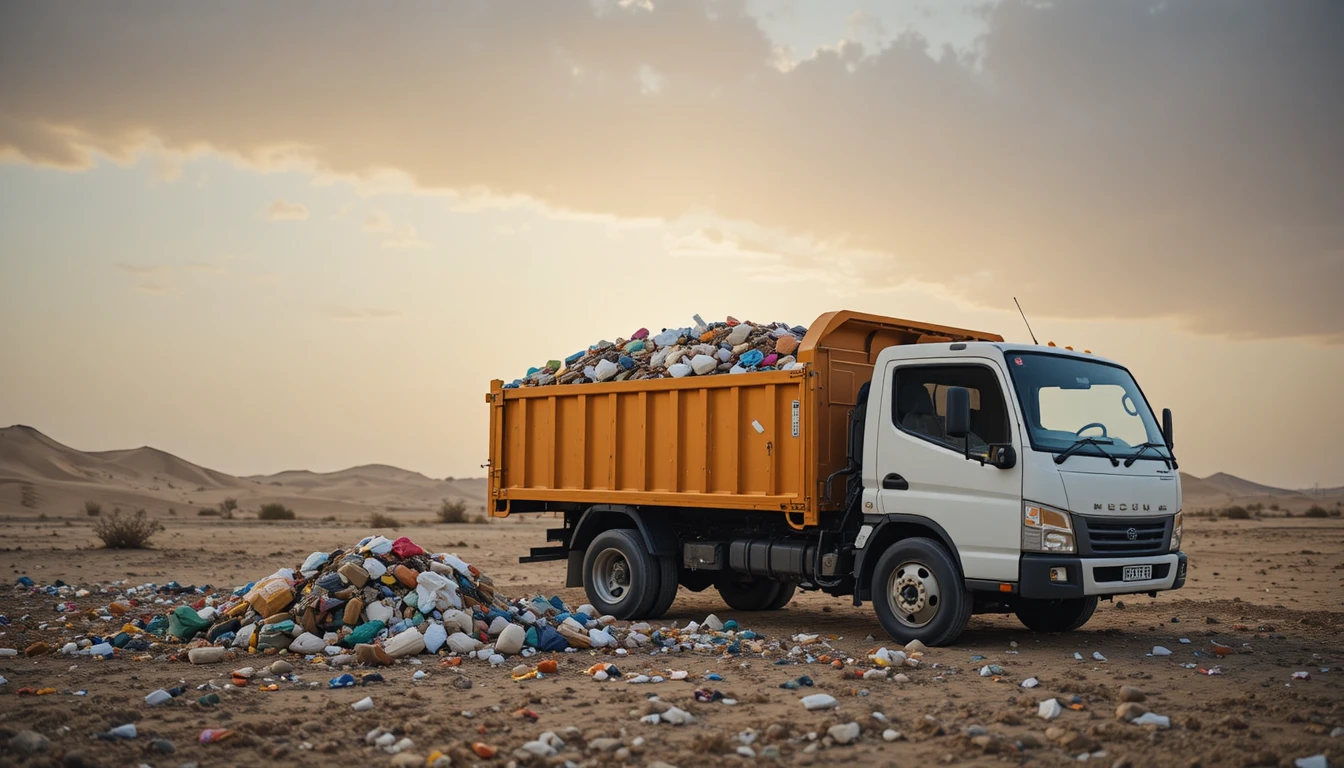
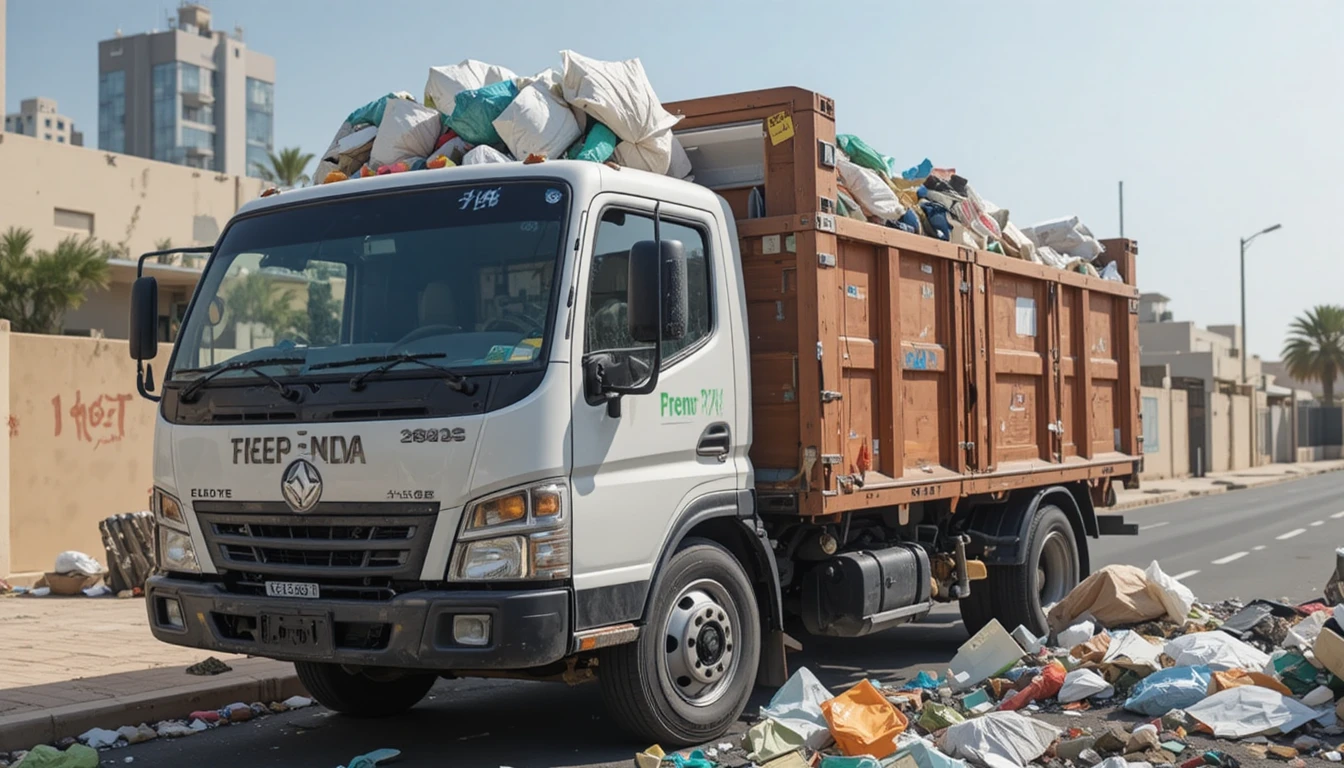
Trash removal covers collection, transport, processing, and lawful disposal of residential, commercial, and construction waste. It includes routine curbside trash pickup, scheduled commercial service, on-demand junk removal, and regulated hazardous waste removal. A clear scope helps stakeholders assign responsibility homeowner, tenant, property manager, or business owner and ensures compliance with local waste disposal regulations. We emphasize mapping waste streams: organic, recyclable, hazardous, e-waste, and construction debris. Create a simple flowchart to track who generates what, who handles pick-up, and where materials end up (recycling facility, landfill, composting site, or hazardous disposal). Proper classification speeds service selection and reduces accidental contamination penalties. When planning trash removal, account for seasonal volume changes, special collection events, and the possibility of partnering with local recycling centers or non-profits for diversion.
3. Curbside Trash Pickup: How It Works
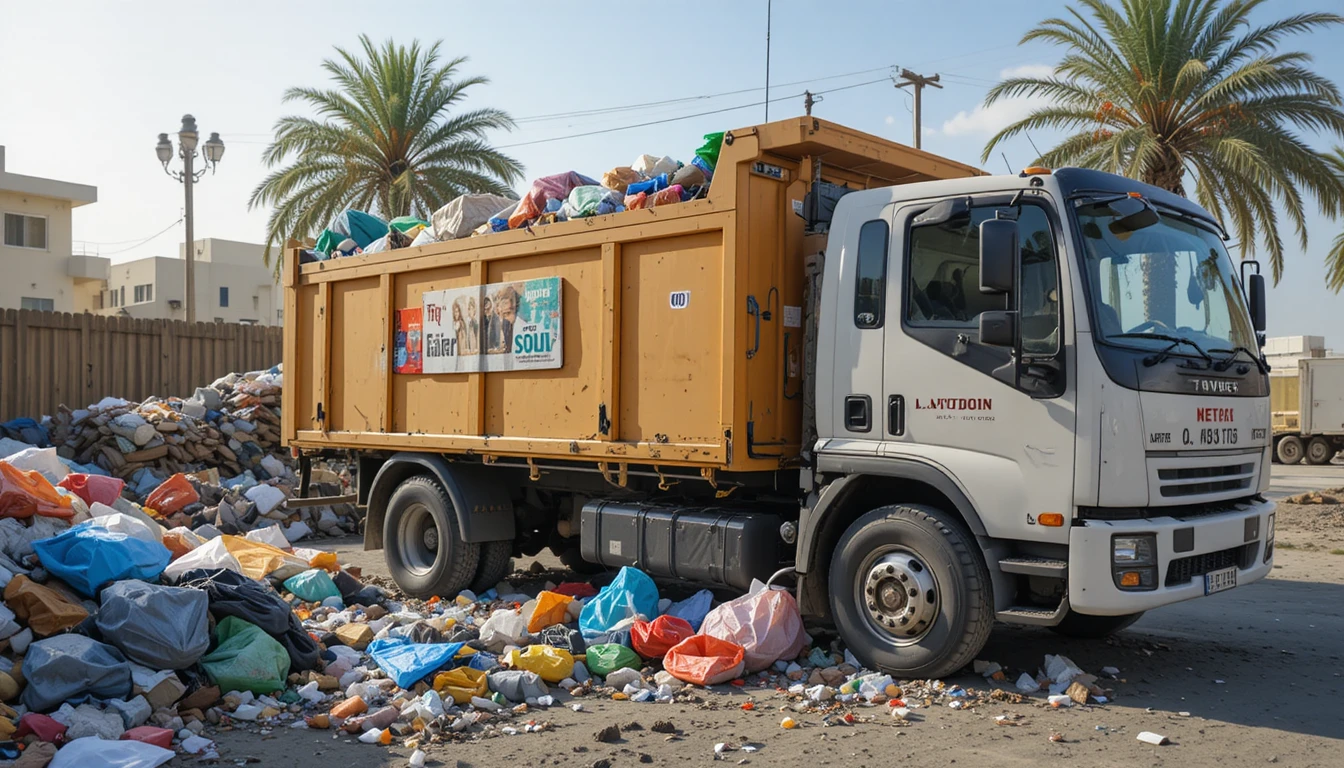
Curbside trash pickup remains the backbone of residential waste management. Municipal or contracted private services typically provide scheduled collection for general trash and separate recycling or organics. Successful curbside programs hinge on clear communication: set-out times, container sizing, contamination rules, and holiday schedule adjustments. For property managers and homeowners, labeling bins, distributing short user guides, and organizing periodic reminders reduce contamination and missed collections. To optimize costs, compare container sizes and collection frequencies. Weekly mixed collection versus more frequent organics pickup can change pricing dramatically. If you operate multi-unit housing, centralizing collection points and providing visual signage improves compliance. For businesses, curbside pickup often requires commercial roll-off or compacting options suited to the volume and type of waste. Emphasize trash removal best practices at move-in orientations and lease renewals to sustain correct use long-term.
4. On-Demand Trash Removal: When to Use It
On-demand trash removal fills gaps that routine services cannot: bulky furniture, renovation debris, estate cleanouts, and urgent commercial clear-outs. These services offer flexible scheduling, itemized quotes, and sometimes same-day pickup. On-demand providers often route items differently; some recycle or donate salvageable goods while disposing of remaining waste. For homeowners and property managers, this is the ideal service for large-item removal during turnovers or renovations. We recommend obtaining written estimates that detail disposal destinations, recycling/diversion commitments, and proof of proper hazardous item handling. On-demand trash removal can be cost-effective when paired with pre-sorting: separating recyclables and reusable items before pickup reduces landfill loads and may lower fees. Keep contact information for reputable on-demand firms and document disposal receipts to demonstrate compliance and environmental responsibility.
5. Trash Removal Services: Choosing the Right Provider
Selecting a trash removal provider requires balancing price, reliability, compliance, and sustainability practices. Start with a clear inventory of your needs: average weekly volume, types of waste (organic, e-waste, hazardous, construction), and special events. Evaluate providers on credentials: licenses, insurance, route coverage, and whether they subcontract. Ask about diversion rates and partnerships with recycling centers or donation organizations. Request service-level agreements that specify pickup windows, missed-collection responses, and invoicing transparency. For property managers, insist on tenant-friendly scheduling and overflow solutions. For businesses, verify that providers supply manifests for hazardous or regulated waste and offer audits or reporting tools. Compare pricing models per-ton fees, flat monthly rates, or volume-based billing and choose the model that aligns with your predictability needs. Finally, prioritize partners who demonstrate commitment to recycling and landfill reduction.
6. Commercial Trash Removal for Businesses
Commercial waste streams are diverse, from mixed municipal trash to food organics and packaging from retail. A business-focused trash removal strategy assesses waste generation points, containers, and staff responsibilities. We advise conducting a waste audit (see Heading 27) to quantify streams and then implementing an operational plan: designated bin stations, signage, staff training, and contract terms aligned to collection frequency and container size. For foodservice, consider separate organics pickup or onsite composting where regulations allow. Retail environments benefit from compacting equipment or balers for cardboard. Documented service agreements, manifest tracking for special wastes, and contingency plans for spikes (holiday seasons) keep operations compliant and cost-stable. Promotional value exists too: marketing waste diversion achievements can improve brand reputation and customer trust.
7. Trash Removal vs. Donation: Best Practices
When items are serviceable, donation trumps disposal. Trash removal decisions should prioritize reuse: clothing, furniture, appliances, and functional construction materials can often be diverted. Create a simple triage protocol: salvageable (donate), recyclable (redirect), hazardous (handle separately), and landfill (last resort). For property managers and on-demand crews, establish partnerships with local charities and salvage stores to streamline pickup and documentation. Maintain donation receipts and condition photos to demonstrate effort. Donation reduces landfill burden and often provide tax benefits; however, ensure that transported donations meet recipient standards. For renovation projects, consider deconstruction rather than demolition to maximize reusable salvage.
8. Junk Removal vs. Trash Removal: Key Differences
Junk removal usually refers to one-time, item-specific pickups such as sofas, mattresses, or appliances. In contrast, trash removal denotes regular collection of household or commercial waste. These crews often handle labor-intensive removals from interiors and may also sort items on-site for donation or recycling. Trash removal contracts usually cover scheduled curbside or commercial pickups. Selecting between the two depends on frequency and the nature of materials: use junk removal for episodic cleanouts and specialized pickups, and trash removal services for routine, regulated waste streams. For property management, integrating both services, regular trash removal plus on-call junk removal, creates a complete waste solution.
9. Hazardous Waste Removal: Safety & Compliance
Hazardous waste paints, solvents, pesticides, batteries, and certain cleaning chemicals require specialized trash removal channels. Regulations mandate specific labeling, containment, transport, and disposal methods; mishandling risks fines and environmental harm. We recommend segregating hazardous materials immediately, educating occupants about prohibited items in regular bins, and using licensed hazardous waste haulers for pickup. Maintain manifests and disposal certificates to prove chain-of-custody. For businesses, periodic hazardous waste training and secure storage areas are essential. Homeowners should use municipal hazardous waste drop-off events or certified private collectors. Treat hazardous waste like toxic paperwork: file and retain disposal records.
10. E-Waste Disposal Laws and Practices: Trash Removal
E-waste contains valuable recoverable materials and hazardous components lead, mercury, and flame retardants, so proper trash removal is legally required in many jurisdictions. We advise using certified e-waste recyclers and participating in manufacturer take-back or municipal drop-off programs. For businesses, maintain an inventory of retired electronics, ensure data destruction, and obtain recycling certificates. For property managers, coordinate tenant electronics collection events and promote secure e-waste disposal to prevent illegal dumping or data breaches. Compliance reduces liability and supports circular economy goals by recovering raw materials.
11. Local Waste Management Laws & Compliance: Trash Removal
Local ordinances govern collection schedules, container standards, landfill tipping fees, and prohibited disposal items. Trash removal plans must align with municipal codes; failure can lead to fines, service interruptions, or legal actions. We recommend consulting local waste management offices for current rules, maintaining compliance checklists, and requesting written clarifications for edge cases such as composting or on-site processing. For real estate and property managers, integrate local rules into lease agreements to shift responsibility to tenants where appropriate and to educate occupants on local recycling and composting requirements.
12. Property Management Waste Compliance: Trash Removal
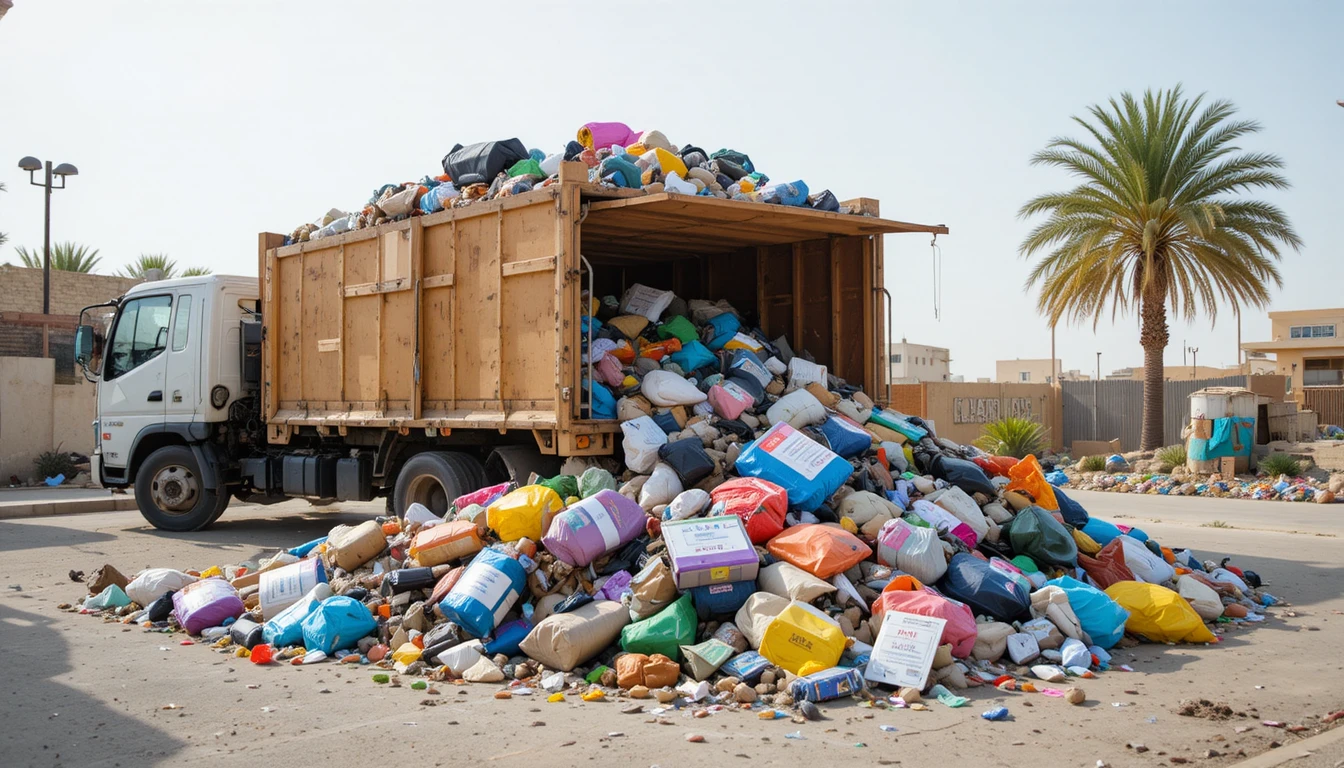
Property managers face specific trash removal responsibilities: ensuring proper container placement, preventing illegal dumping, and educating tenants. Implement lease clauses that specify tenant obligations for recycling, bulky-item disposal, and hazardous waste prohibition. We suggest routine inspections, clear signage at collection points, and a tenant welcome packet that explains the building’s waste stream protocols. For large rental complexes, consider centralized composting or recycling partnerships and require contractors to follow diversion rules during renovations. Recordkeeping service reports, pickup confirmations, and violation notices protect managers from compliance disputes.
13. Recycling Programs for Businesses: Implementation Guide
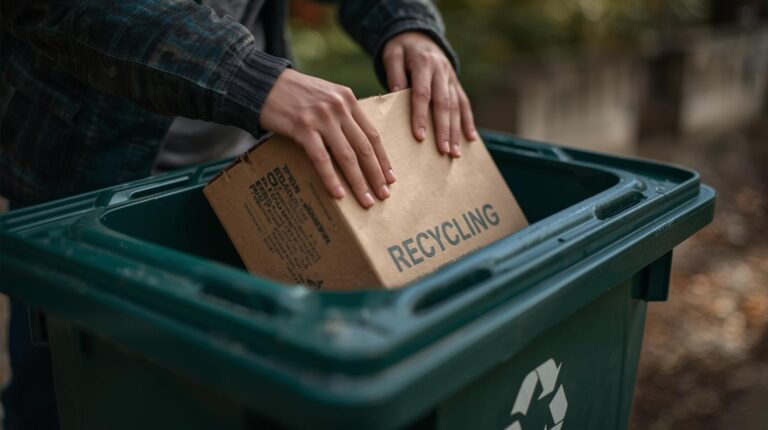
Launching a recycling program begins with a waste audit to identify high-volume streams (paper, cardboard, plastics, metals). Create convenient bin stations with clear labeling, place small recycling containers at desks and larger ones in shared spaces, and appoint a sustainability champion to drive adoption. Offer incentives and monthly metrics to show progress. Partner with your trash removal provider to ensure collected recyclables are processed correctly and not landfilled. Train custodial teams on contamination prevention and set up communications posters, emails, and quick training sessions to maintain momentum. Businesses that report diversion rates can use them in sustainability reporting and marketing.
14. School Recycling Programs: Building Engagement
Schools are ideal hubs for establishing lifelong recycling habits. Implement age-appropriate curriculum integration, student recycling clubs, and gamified competitions between classes. Provide color-coded bins, volunteer monitors, and monthly reporting to celebrate achievements. Engage parents and local businesses for support and donation pickups. Partner with municipal recycling services for educational field trips to sorting centers. Schools can expand into composting cafeterias and reuse programs for supplies. Early education creates ripple effects as students influence households and community practices.
15. Community Recycling Initiatives & Success Stories
Community initiatives from neighborhood recycling drives to citywide swap meets amplify trash removal impacts. Successful programs combine clear logistics (drop-off points, schedules), robust communications, and local champions. Documented success stories highlight measurable diversion rates, volunteer hours, and social benefits. For communities starting out, begin with low-friction events: electronics drop-offs, clothing drives, and neighborhood cleanups. Scaling up, negotiate with local haulers for dedicated recycling collection and explore grants to fund infrastructure like community compost sites.
16. How to Start a Local Recycling Program
Begin with stakeholders: residents, local government, schools, and businesses. Conduct a community waste audit, create a pilot area, and secure drop-off locations. Develop rules for accepted materials and contamination prevention. Recruit volunteers and leverage social media for outreach. Measure outcomes, tons diverted, participation rates, and iterate. Early wins (successful collection days, donation totals) build momentum and can justify municipal support or private sponsorship. Provide ongoing education and celebrate milestones publicly to sustain participation.
17. Composting at Home for Beginners: Trash Removal
Home composting diverts food scraps and yard waste from landfills, reducing methane emissions. For beginners, choose a method: countertop bins with compostable liners, backyard tumblers, or simple heap composting. Maintain balance: greens (food scraps) with browns (dry leaves, shredded paper). Turn regularly and monitor moisture, aiming for a damp sponge feel. Avoid meat, dairy, and oily foods unless using specialized systems. Finished compost enriches soil, reduces fertilizer needs, and closes the loop between household waste and food production. Composting at home is practical, satisfying, and a concrete way to participate in local trash removal reduction.
18. Community Garden Composting: Cooperative Models
Community garden compost systems collect neighborhood organic waste and convert it into shared soil amendments. Cooperative models assign volunteers to turn piles, monitor temperatures, and harvest finished compost. Successful programs set clear acceptance lists, educate contributors, and create drop-off schedules. They may partner with local municipalities for bins or receive tools funded by grants. Garden composting increases local food production, reduces hauling needs, and fosters community stewardship, turning trash removal into community resource creation.
19. Regulations on Composting at Home: Trash Removal
Many municipalities allow home composting but regulate odor, pests, and runoff. Homeowners should check local rules on compost pile size, setbacks from property lines, and banned materials. Some regions restrict open-air composting in dense urban areas and may require sealed systems. For compliant composting, use covered tumblers, keep piles aerated, and avoid attracting pests by not composting meat. Educate tenants and neighbors to reduce complaints; include composting rules in property guidelines to ensure long-term success.
20. How to Reduce Household Waste: Practical Steps
To meaningfully reduce household waste, adopt the three R’s: Reduce, Reuse, and Recycle in that order. Reduce purchases with mindful consumption and bulk buying to minimize packaging. Reuse containers, repurpose items, and choose durable goods. Recycle correctly: rinse containers, follow local sorting rules, and avoid “wishcycling.” Meal planning (Heading 21), proper storage, and composting reduce food waste. For cleaning, switch to concentrated or refillable products and DIY formulations. Each small habit reduces pickup volume, lowers trash removal costs, and improves environmental outcomes.
21. How to Minimize Food Waste: Meal Planning & Storage
Minimizing food waste starts at purchase: shop with a list, favor shelf-stable staples, and choose “ugly” produce when possible. Use FIFO (first in, first out) in refrigerators, label leftovers, and standardize portion sizes to reduce plate waste. Embrace batch cooking and preserve surplus via freezing or pickling. Compost unavoidable scraps. For businesses and properties, partner with food rescue organizations to donate surplus edible food and reduce the volume sent to trash removal routes.
22. DIY Natural Cleaning Products & Zero-Waste Cleaning
DIY cleaners (vinegar, baking soda, castile soap) reduce plastic waste and often cost less than pre-packaged alternatives. Make concentrated cleaners in refillable bottles and provide reusable microfiber cloths to reduce single-use wipes. Formulate clear labeling and safe storage practices. For shared properties, offer refill stations for tenants and provide instructions for safe disposal of chemical cleaners. These small changes shrink cleaning waste streams and ease the burden on trash removal services.
23. Zero-Waste Home Tips & Minimalist Living
Zero-waste living centers on mindful consumption and choosing reusable over disposable. Start with simple swaps: reusable bags, beeswax wraps, and stainless steel water bottles. Declutter responsibly, donate or sell before discarding, and adopt the “one-in, one-out” policy for new purchases. Minimalism reduces accumulation and, by extension, trash removal volume, lowering costs and simplifying household logistics.
24. Sustainable Packaging Alternatives & Purchasing Guides
Transitioning to sustainable packaging reduces long-term waste. Favor manufacturers using post-consumer recycled materials, compostable packaging for organics, and refillable systems for household goods. Purchase in bulk to reduce per-unit packaging and evaluate product life cycles before buying. For businesses, request packaging innovation from suppliers and choose vendors that accept returns or refills. The procurement choices you make upstream significantly cut downstream trash removal demands.
25. Green Construction Debris Recycling & Renovation Waste
Renovation waste drywall, lumber, metal, and concrete, constitutes a major volume of construction trash. Implement deconstruction techniques to salvage reusable materials, separate streams on-site, and contract with construction-material recyclers. For large projects, rent roll-off containers labeled by material to reduce contamination. Many jurisdictions require special permits or manifests for construction waste; document disposal destinations and diversion rates to remain compliant and reduce landfill fees.
26. Sustainable Waste Management Practices for Properties
Property-level sustainability includes centralized recycling, organics programs, and tenant engagement. Install clear signage, schedule regular audits, and work with trash removal partners offering diversion reporting. Consider on-site compactors for high-volume properties and secure e-waste and hazardous drop-off points. Train maintenance and cleaning staff to support separation efforts and track metrics to show progress to stakeholders.
27. Waste Audit Checklist for Businesses
A waste audit identifies what goes into your bins and where reductions are possible. Checklist items include: mapping waste generation areas, weighing sample loads, categorizing materials, and documenting disposal frequency. Recordable outputs (weight, volume, costs) guide container sizing, contract adjustments, and diversion targets. Re-audit annually or when major operational changes occur to maintain alignment with goals.
28. Cost of Trash Removal Services: What to Expect
Trash removal pricing varies by service type (residential curbside, commercial roll-off, on-demand), frequency, and local tipping fees. Expect monthly flat rates for routine pickup, per-ton charges for demolition debris, and itemized fees for hazardous disposal. Negotiate contracts with annual escalation caps and clear inclusions/exclusions. Cost savings come from volume reduction, source separation (less landfill-bound waste), and leveraging municipal recycling incentives.
29. Incentives & Funding for Local Recycling Programs
Many municipalities, utilities, and foundations offer grants, rebates, or in-kind support for recycling infrastructure. Nonprofits and corporate sponsors may fund community drives or educational campaigns. When planning local programs, research available incentives, prepare basic project proposals, and document expected impact (tons diverted, participants engaged) to strengthen funding applications.
30. Waste Management Apps & Tools for Households
Apps and digital tools streamline trash removal by providing schedules, contamination guidance, and reporting. Households benefit from reminders for collection days, maps of local drop-off centers, and sorting guides specific to local programs. For property managers, software can track service tickets, generate reports, and communicate with tenants, improving accountability and compliance.
31. Avoiding Single-Use Plastics: Easy Swaps
Swap single-use plastics for durable alternatives: cloth bags, refillable bottles, and reusable produce bags. Encourage bulk buying to minimize disposable packaging, and select products in recyclable or refillable containers. For events, mandate reusable dishware or compostable alternatives where permitted. Reducing single-use plastics directly cuts trash removal volumes and contamination in recycling streams.
32. Recycling Myths Debunked
Myth: “All plastics are recyclable.” Reality: Recycling depends on local markets and resin types. Myth: “If it has a recycle symbol, it’s recyclable.” Symbols don’t guarantee local acceptance. Myth: “Recycling is enough.” Recycling is vital, but reduction and reuse are higher priorities. Clarifying these myths improves household and business behavior, reducing contamination and improving recycling program efficacy.
33. Educating Tenants & Staff: Best Practices
Effective education combines clear signage, short how-to guides, onboarding sessions, and reminders. Use visuals for bin labels, run periodic audits with feedback, and share diversion successes. Engage staff and tenants with incentives, competitions, or recognition to maintain program participation and reduce reliance on corrective enforcement.
34. Enforcement & Local Compliance Fines: Avoiding Penalties
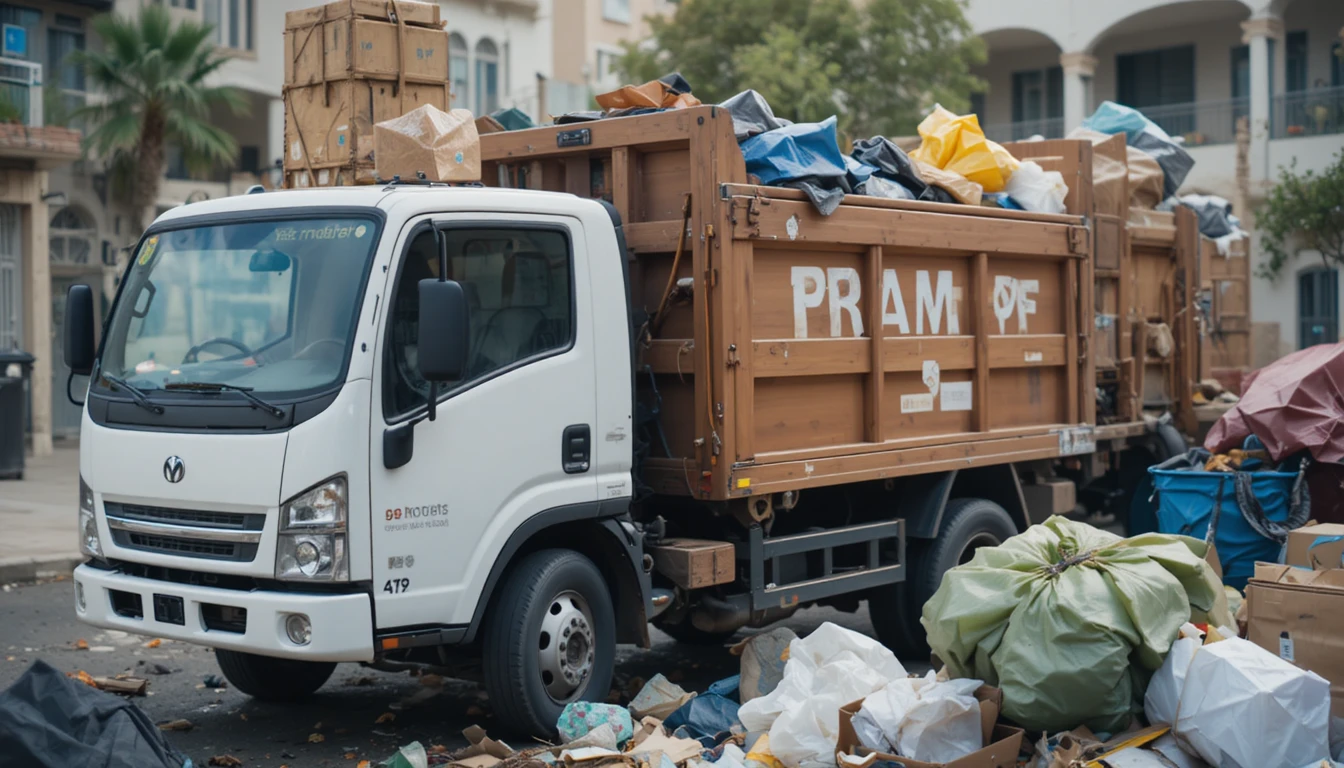
Noncompliance, contaminated recycling bins, illegal dumping, or improper disposal of hazardous materials can trigger fines. Maintain clear documentation of policies, regular inspections, and rapid corrective actions. For landlords and property managers, ensure that leases specify waste responsibilities and outline penalties for repeated violations. Proactive education and accessible disposal options dramatically reduce enforcement risk.
35. Conclusion
We encourage immediate action: perform a quick waste audit, contact your local waste authority for applicable rules, and choose a trash removal partner aligned with your diversion goals. Start small, set up clear recycling stations, launch a pilot composting program, or host a neighborhood clean-up, and scale from documented successes. Effective trash removal is a continuous improvement process that saves resources, protects the environment, and builds stronger communities.
FAQs
Q1: How often should I schedule trash removal for my rental property?
We recommend weekly curbside pickup for typical residential units; high-volume multi-unit properties may need multiple weekly pickups or compacting solutions. Conduct a waste audit to determine the optimal frequency.
Q2: What items should never go in regular trash removal bins?
Hazardous materials (paints, solvents), electronics, batteries, and certain chemicals should be handled via hazardous or e-waste programs. Check local guidelines for specifics.
Q3: How can we reduce trash removal costs for a small business?
Implement source separation, reduce packaging through procurement changes, bulk purchasing, and partner with recyclers to divert high-volume materials like cardboard.
Q4: Are there legal risks to improper trash removal?
Yes, municipal fines and environmental liabilities can result from illegal dumping and improper hazardous waste disposal. Keep disposal receipts and work with licensed haulers.
Q5: How do I start composting if I live in an apartment?
Start with a countertop compost bin for scraps and use local community compost drop-offs or mason-jar vermicomposting if allowed. Coordinate building-wide programs if feasible.
Trusted Junk Removal Services in Dubai for Homes & Businesses
In Dubai?
Address: Office No.101, 10th Floor, Al-Shafar Tower, Business Bay, Dubai.
Google Map Location
Read More: Rubbish Removal Services & Waste Management Guide


3 Comments