
Clear Junk: Sustainable Declutter Guide
Clear Junk: A Practical, Sustainable Guide to Decluttering and Responsible Disposal
Introduction
We believe a calmer home starts with clear choices. This guide unpacks practical, sustainable steps to clear clutter responsibly, reuse and recycle where possible, and donate or sell items that still have life, all while supporting mindful consumerism and reducing waste. Are you ready to treat decluttering like a small revolution? We’ll move systematically, from how to start decluttering to recycling old furniture, donation pickup services, and digital decluttering tips for home documents. Think of decluttering as pruning a tree: careful cuts encourage healthier growth.

1. Clear junk: Why decluttering matters for home and planet
Key point: Decluttering improves mental clarity, saves time, and reduces waste.
We see decluttering as both a personal and a planetary act. Clearing excess reduces the energy and resources required to maintain, clean, heat, and move belongings. When we remove items from the home, our next step is crucial: choose donation, resale, upcycling, or responsible recycling. That choice connects decluttering to sustainable living practices and waste reduction strategies. By prioritizing donation pickup services and finding recycling centers near me, we keep usable goods in circulation and minimize landfill load. Decluttering also supports conscious consumerism practices, fewer impulse buys, and more intentional living, so we reduce our ecological footprint over time.
2. Clear junk: How to start decluttering today
Begin with a small, visible zone: a kitchen counter, a single closet shelf, or a junk drawer. Set a timer for 30 minutes and sort into four bins: keep, donate, sell, recycle. Use clear storage containers for organizing what stays. We recommend creating a simple schedule: 15 minutes daily or a 2-hour weekend sprint for electronics, label items for e-waste, and research responsible e-waste recycling and local rules. If you encounter emotional attachment, use a “display then decide” method. Keep an item visible for a week; if you don’t use it, let it go. This reduces decision fatigue and supports the decluttering mindset shifts necessary to make lasting change.
3. Clear junk: Easy decluttering tips and mindset shifts
Adopt small rituals: the one-in, one-out rule for clothing; a 30-day holding area for items you’re unsure about; and automatic donation bags that go out monthly. Ask ourselves: Does this item fit the life we intend to live? That question trains mindful buying habits and helps overcome attachment to belongings. We often compare decluttering to gardening; removing dead leaves gives the plant room to thrive. Use decluttering apps to catalog items for sale or donation; they speed the process and connect you with donation pickup services and secondhand shops that pick up donations. Over time, these habits shift us toward intentional living and mindful consumption.
4. Clear junk: Room-by-room minimalist organization techniques
We approach each room with the same five-step rhythm: surface clear → sort → assess function → store smartly → label. In bedrooms, limit visible items on nightstands; in bathrooms, group items by routine. For small spaces, multifunctional living room furniture solves storage and seating needs. Use color palettes for minimalist homes to calm visual clutter. Create zones: sleeping, working, relaxing. That focus turns chaotic spaces into serene environments. Minimalist organization techniques reduce time spent searching for items and increase productivity by simplifying decisions.
5. Clear junk: Pantry organization ideas and kitchen solutions
We recommend creating three zones: everyday, occasional, and overflow. Use clear storage containers, stick-on labels, and a running shopping list to avoid duplicates. Rotate food items using FIFO (first in, first out). For reducing packaging waste, consider reusable containers and buying in bulk, which is a direct zero-waste lifestyle tip. Tidying the pantry reduces food waste and supports mindful buying habits. Small hooks and magnetic racks free counter space, and a well-organized pantry makes meal prep faster and more joyful.
6. Clear junk: Closet organization hacks and wardrobe editing
Sort clothing into keep, mend, donate, and recycle. A curated capsule wardrobe makes daily decisions easier and reduces impulse shopping. Use slim hangers, shelf dividers, and labeled bins for seasonal items. For fast fashion items past repair, research responsible e-waste recycling for garments (textile recycling programs) or upcycling ideas for old clothes. Donation drives near me or local charities accepting donations often take wearable items; others may accept fabrics for reuse. Closet organization hacks help us embrace minimalist lifestyle tips and intentional living purchases.
7. Clear junk: Living room storage solutions and multifunctional furniture
Choose pieces that double as storage ottomans with compartments, sofas with hidden drawers, and wall-mounted shelves. Multifunctional living room furniture maximizes square footage and supports space-saving storage solutions. For decor, embrace simple, minimalist interior design and nature-inspired minimalist decor to keep surfaces calm. Consider open concept designs that allow sightlines and reduce visual clutter. A living room with intentional storage encourages gatherings, reading, and relaxation, not screen overuse, helping reduce screen time and promoting minimalist living room designs.
8. Clear junk: Home office organization tips and digital minimalism
We favor a single inbox for physical mail, cable management for devices, and a strict rule for papers scanned and stored or recycled. Create a minimalist digital filing system: consistent folder names, version control, and a routine backup strategy. Use cloud storage for minimalists paired with local backups to protect privacy. Reducing digital clutter increases focus and productivity. Minimalism and productivity go hand in hand. If you use multiple email accounts, establish a daily processing routine to declutter your email and streamline online accounts.
9. Clear Junk: How to recycle electronics and responsible e-waste recycling
E-waste contains valuable materials and hazardous components. Before disposing, wipe devices, remove batteries, and harvest parts that still function. Locate certified recyclers and responsible e-waste recycling programs; many cities have drop-off days or curbside recycling rules by state. If an item still works, consider donating or selling online; many secondhand shops that pick up donations accept working electronics. For sensitive data, follow digital privacy and decluttering steps to erase personal information before handing off devices.
10. Clear junk: What to do with old appliances and hazardous waste
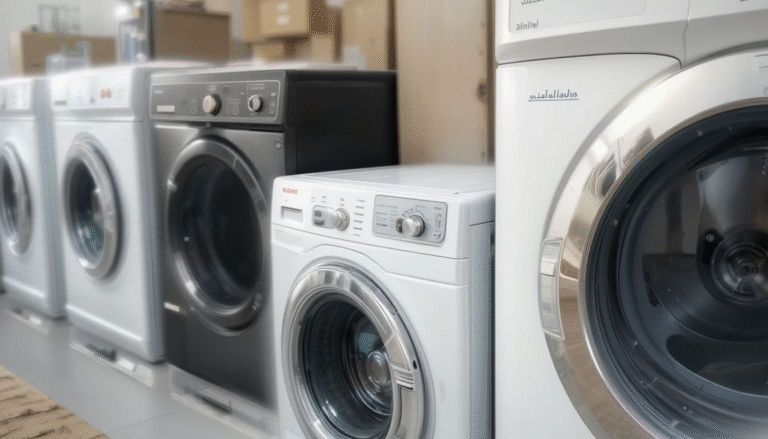
Large appliances often contain refrigerants or components that require special handling. Check municipal hazardous waste events or manufacturer take-back programs. Some donation pickup services accept working appliances; others require drop-off. For hazardous waste (batteries, chemicals, paint), consult local recycling centers near me and the green disposal of hazardous waste guidelines. Proper disposal protects sanitation workers and prevents toxins from entering soil or waterways, a key part of sustainable waste management solutions.
11. Clear junk: Where to donate, donation pickup services & local centers
We map items to local charities accepting donations: clothing to shelters, working appliances to housing charities, and books to community centers. Many organizations offer donation pickup services or secondhand shops that pick up donations. For large volumes, consider organizing a donation drive or using Freecycle groups in my area and neighborhood swap events. Always call ahead to confirm what is accepted. Donation etiquette reduces wasted trips and ensures items quickly find new homes.

12. Clear junk: How to sell unwanted items online and host donation drives near me
Good photos and honest descriptions sell faster. We suggest researching similar listings and using secure payment methods. For bulk items, community marketplaces and local buy/sell groups can help reduce transportation emissions. Hosting donation drives near me or coordinating community swaps builds sharing economy momentum and reduces landfill waste while organizing. Promote sustainability by pairing a clothing drive with upcycling workshops to show how items can be repurposed.
13. Clear junk: Recycling old furniture and upcycling ideas
Before discarding furniture, assess if repair or repurposing is feasible. Sand and refinish wood pieces, reupholster cushions, or convert tables into shelves. If recycling is necessary, dismantle into recyclable parts and search for recycling centers near me that accept wood, metal, or upholstery. Upcycling ideas for old clothes and furniture decrease the ecological footprint and offer creative DIY minimalist decoration projects that maintain a minimalist aesthetic with character.
14. Clear junk: Zero waste decluttering tips and composting biodegradable waste
Separate biodegradable waste and start a home compost bin for suitable kitchen scraps and yard waste. For zero-waste decluttering tips, favor reusing and donating before recycling. Composting biodegradable waste reduces landfill methane and returns nutrients to soil. Implement a waste reduction plan for the home by auditing purchases, using refillable containers, and applying waste-free shopping tips. Community compost hubs can accept larger volumes and are a great way to engage neighbors in sustainable living practices.
15. How to find recycling centers near me & neighborhood programs
Start with municipal websites and local waste-management pages. Look for specialized programs textile recycling, battery drop-offs, or electronics events. Neighborhood recycling programs and curbside rules vary by state; knowing local guidelines ensures we do the right thing. Many regions publish lists of what items can be recycled curbside and which require special handling. Keep a quick reference sheet next to your trash to avoid contamination in recycling streams.
16. Decluttering apps, digital decluttering tips, and cleaning up your device
We recommend decluttering apps for inventorying items, listing for sale, or scheduling pickups. For devices, clear cache, remove unused apps, and consolidate accounts. Establish folders and naming conventions for documents; delete duplicates and use a versioning strategy. Periodic device audits prevent digital bloat and protect digital privacy. A simple rule: if a file or photo hasn’t been used in three years, archive or delete it.
17. Organizing digital photos, cloud storage for minimalists, and backup strategies
Pick one cloud provider for everyday access and maintain an offline backup for critical records. Use date-based folders and consistent naming to make searches easy. Tools that find duplicates speed cleanup, and regular backup schedules ensure you don’t lose memories. For minimalists, limit cloud albums to meaningful collections and purge blurry or redundant shots. Organizing digital photos reduces emotional clutter and simplifies family sharing.
18. Pantry and kitchen: best kitchen organization tips and space-saving storage solutions
Group items by cooking style: baking, breakfast, snacks. Use vertical space with tiered racks and mount under-shelf baskets. Label expiry dates and maintain a rotating inventory to reduce food waste. Spacesaving storage solutions include pull-out drawers, corner carousels, and stackable bins. A tidy kitchen makes healthy eating easier and aligns with mindful spending tips by preventing duplicate purchases.
19. Minimalist room layout inspiration & simple minimalist interior design
Minimalist design favors intentional pieces, natural textures, and a calm palette. Arrange furniture to support circulation and conversation. Open-concept minimalist designs amplify light and reduce the need for excess decor. We recommend choosing one focal piece per room and keeping surfaces uncluttered. This approach simplifies cleaning and fosters mindfulness in daily routines.
20. Minimalist lifestyle tips: benefits of minimalist living and intentional living
Benefits of minimalist living include reduced stress, lower expenses, and easier maintenance. Intentional living is about aligning spending with valuesquality over quantity, shopping, and mindful buying habits. We suggest creating a minimalist vision board and budgeting for intention-based purchases. Over time, the practice builds resilience against advertising-driven consumerism and helps reduce your carbon footprint.
21. Decluttering and happiness: mental health and minimalism
Decluttering can reduce decision fatigue, improve sleep, and foster a sense of control. When we clear physical clutter, we often see emotional benefits: less anxiety and more focus. Decluttering for mindfulness is a gentle practice; prioritize one area at a time and celebrate incremental wins. If clutter is tied to grief or trauma, we advise paced steps and, where needed, professional support.
22. The psychology of letting go: overcoming attachment to belongings
Objects carry memories, but memory doesn’t need every object. Use the “photograph then release” method: take a photo of an item before donating it to preserve the memory. Ask: Does this object serve my life today? That single question is a powerful mindset shift. Embracing solitude and finding joy in less helps us reframe identity beyond possessions.
23. Conscious consumerism practices: how to buy less and mindful spending tips
We encourage waiting 48 hours before non-essential purchases, comparing durability and repairability, and favoring brands that practice corporate responsibility and sustainability. Keep a shopping list to simplify choices and reduce emotional purchasing triggers. Quality over quantity shopping reduces waste and supports sustainable practices for home organization.

24. Consumerism and climate change: effects of fast fashion on the environment
Fast fashion drives textile waste and pollution. To reduce impact, buy secondhand, mend garments, and choose timeless pieces. The ecological footprint of consumerism is vast, from raw material extraction to disposal. Conscious consumerism and decluttering go hand in hand: by buying less, we produce less waste and encourage brands to adopt more sustainable models.
25. Responsible disposal methods: how to recycle plastic properly & green disposal
Rinse containers, remove food residue, and follow local material-specific rules. Not all plastics are recyclable curbside; check recycling rules by state or municipality. For items that cannot be recycled locally, explore take-back programs or eco-friendly disposal methods. Reducing single-use plastic is a high-impact habit for reducing landfill waste while organizing.
26. Donation etiquette: what to donate to food banks and local charities accepting donations
Food banks often accept shelf-stable, non-expired items. Clothing should be clean and in good condition. Call before donating large items or appliances. Be aware of what local charities accepting donations need right now; many have seasonal priorities. Following the donation pickup services’ guidelines ensures donations actually reach people in need.
27. Community swaps, freecycle groups in my area, and sharing economy options
Community swaps and freecycle groups are brilliant for items that are useful but not sellable. They nurture the sharing economy for unused items and reduce landfill waste. Organize neighborhood swap days or use online groups to match items with new users. This fosters social connection and extends item lifecycles.
28. Sustainable decluttering checklist and waste reduction strategies
Create a checklist: sort, repair, donate/sell, recycle, dispose responsibly, and track results. Prioritize reuse and donation over disposal. Plan an annual declutter day and log what went where to measure impact. Small changes like swapping disposable cleaning products for reusable alternatives compound into major waste reduction strategies.
29. Minimalist decor ideas: minimalist wall art ideas, color palettes, and zen-inspired spaces
Minimalist wall art emphasizes negative space and single focal pieces. Use muted or nature-inspired color palettes to calm the eye. Combining minimalist and rustic styles adds warmth without clutter. Keep seasonal minimalist decorating tips in mind: rotate 1–2 items rather than redecorating entirely to stay lean and intentional.
30. Organizing a home library and living room storage solutions
Organize books by theme, frequency of use, or color for visual calm. Limit shelving to what fits your lifestyle; rotate access with storage boxes for overflow. Living room storage solutions like built-ins or floating shelves keep high-use items accessible while reducing visual clutter. A curated home library becomes a source of calm and knowledge rather than a storage problem.
31. Decluttering for kids’ rooms, toy organization, and shared living spaces
Use labeled bins, rotation systems, and donation rituals so children learn mindful consumerism from an early age. Effective methods for toy organization include clear containers and open shelving at child height. Shared living spaces benefit from agreed-upon zones and time-saving organizing methods so everyone knows where items belong.
32. Efficient garage organization methods and what to do with old tools
Wall-mounted racks, pegboards, and overhead storage free floor space. For old tools, donate to community workshops or list them for local swaps. Hazardous waste, like old solvents, requires green disposal via municipal programs. A well-organized garage extends the life of tools and reduces trips to buy duplicates.
33. Tips for decluttering with a conscience: donate vs. recycle clutter
We choose donation when an item is functional, resale when it has market value, upcycling for creative reuse, and recycling for non-repairable materials. Composting unused items where suitable is another green option. Consider the lifecycle of a product before buying: this prevents future clutter and supports sustainable decluttering checklist goals.

34. Creating a calming environment at home: how to create a serene workspace
Natural light, a good chair, plants for air quality, and minimal surface items help create a serene workspace. Declutter digital notifications to reduce distractions and minimize screen time for clearer thinking. A calming workspace supports productivity and mental health. Minimalism and happiness are closely linked.
35. Measuring impact: reducing your carbon footprint and tracking sustainable living practices
Track donations, items sold, items recycled, and reduced purchases. Use online carbon calculators to approximate the effect of reduced consumption and fewer shipments. These metrics help us refine our approach and demonstrate that decluttering can support larger goals like reducing your carbon footprint and combating the environmental consequences of overconsumption.
Conclusion
We have presented a practical, actionable blueprint for clearing clutter responsibly, from quick declutter tactics to recycling old furniture, using donation pickup services, and reducing waste through mindful consumption. By following these strategies, you not only create a calmer home but also contribute to sustainable waste management solutions. Clear junk, when handled thoughtfully, transforms from burden into resource; measured action makes long-term impact.
Frequently Asked Questions
Q1: How do I find reliable donation pickup services near me?
A1: Search municipal sites, charity pages, and local community groups. Call organizations directly to confirm pickup availability and accepted items. Many charities and secondhand shops post pickup details online.
Q2: What is the best way to recycle electronics safely?
A2: Back up and erase personal data, remove batteries when possible, and use certified e-waste recyclers or municipal electronic recycling events. Some manufacturers offer take-back programs.
Q3: Which items should I never donate to food banks or shelters?
A3: Expired food, heavily worn or stained clothing, and unsafe baby items are typically refused. Always check the specific guidelines of the receiving organization.
Q4: How can we reduce waste when organizing a family home?
A4: Prioritize reuse, repair, and donation; choose multifunctional furniture; set up recycling/composting stations; and adopt mindful buying habits to prevent future clutter.
Q5: Are there apps to help with decluttering and selling unwanted items?
A5: Yes, inventory and marketplace apps speed listing and connect you with buyers. Also, use apps for scheduling donation pickups and finding local recycling centers.
Trusted Junk Removal Services in Dubai for Homes & Businesses
In Dubai?
Address: Office No.101, 10th Floor, Al-Shafar Tower, Business Bay, Dubai.
Google Map Location
Read More: Take My Junk Free: Eco Decluttering & E-Waste Guide