

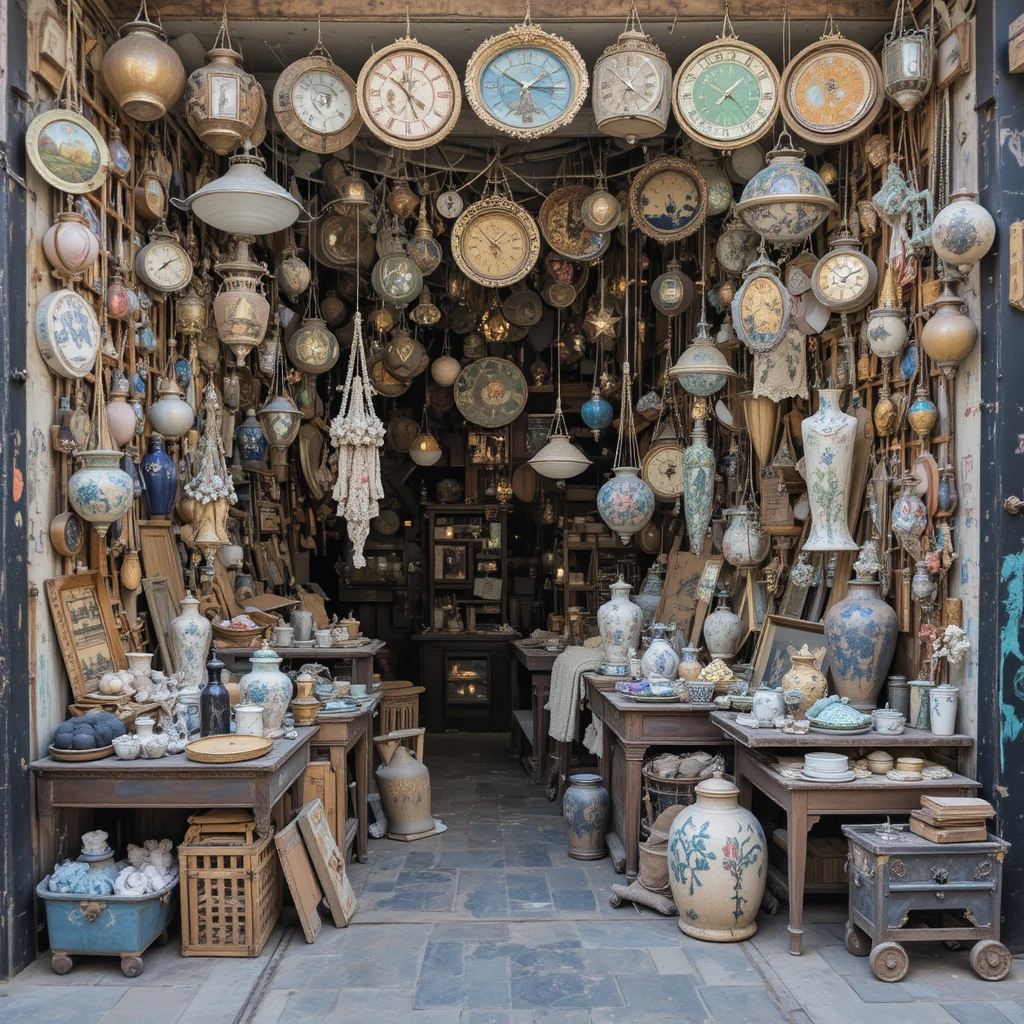
Junk Shop in Dubai: Vintage Finds & Budget Tips
Dubai Vintage & Junk Shop Guide: Thrifting, Upcycling & Antique Finds
Introduction
We are passionate curators of secondhand style, and this guide is our definitive playbook for anyone who wants to master the art of shopping at a junk shop in Dubai. Whether you’re hunting vintage collectibles, scouting antique furniture auctions, planning a DIY furniture makeover, or building a sustainable home with eco-friendly decor options in Dubai, we cover every step. Expect practical shopping strategies, restoration tips, seasonal deal alerts like Black Friday home decor deals and Christmas decor sales, and realistic budgeting methods for collectors and decorators alike.
1. Why choose a junk shop in Dubai for vintage shopping?
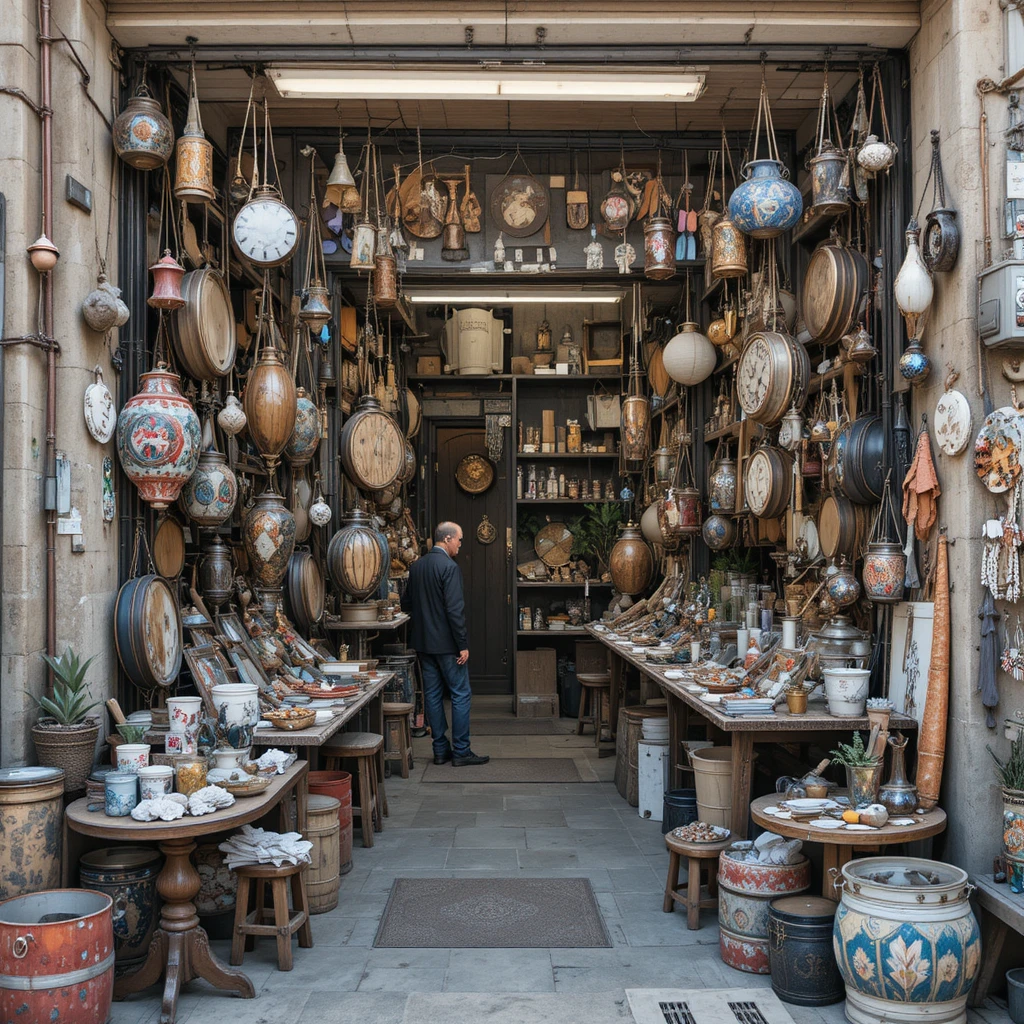
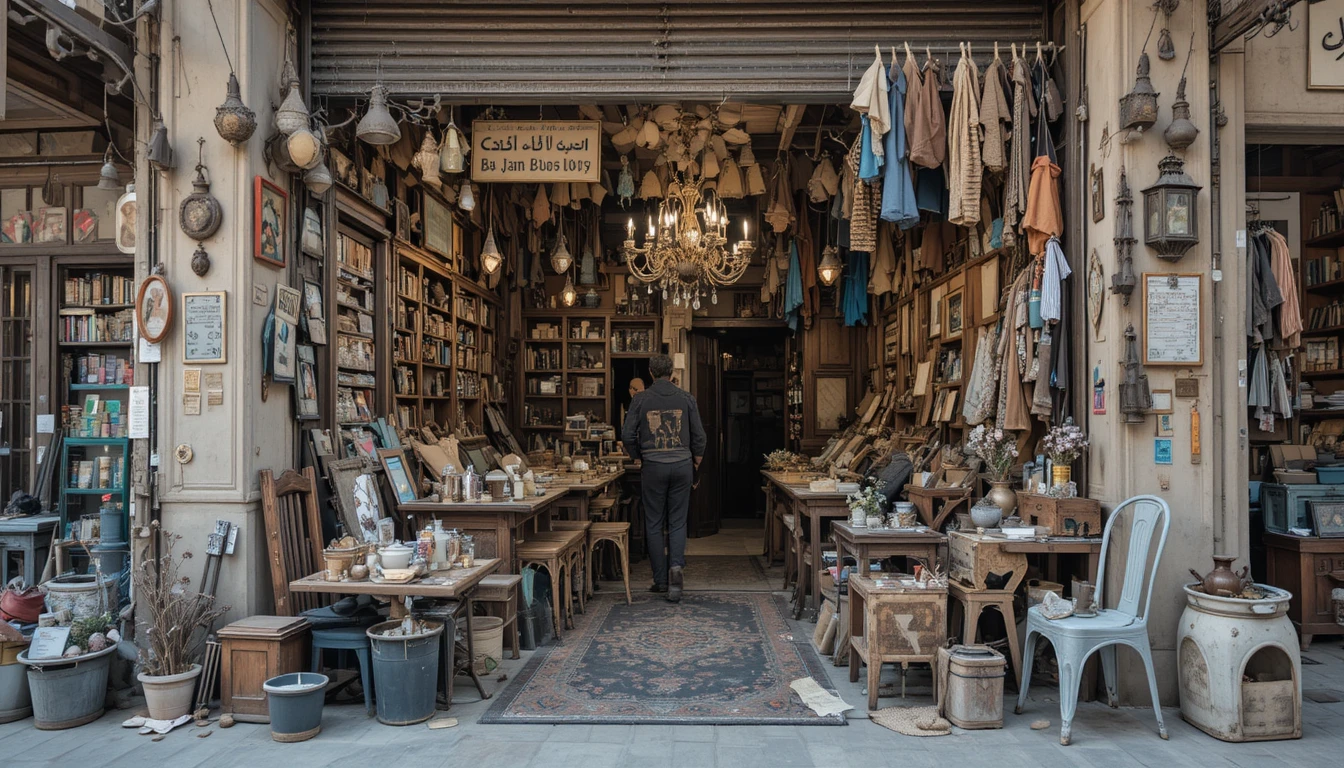
A junk shop in Dubai is more than a place to buy secondhand goods; it’s a compact museum of potential. Dubai’s mix of global expatriates, rotating households, and active estate sales produces a steady flow of vintage collectibles and antique furniture. We prefer these shops because they offer affordable shopping in Dubai, unique souvenirs, and eco-conscious solutions like eco-friendly decor options in Dubai. Unlike big-box stores, junk shops reward curiosity: a single afternoon can yield vintage kitchen decor ideas, rare collectible vintage fashion, or a table needing cosmetic restoration that becomes a statement piece.
When hunting, treat the junk shop as a conversation: ask staff about provenance, inspect items for signs of a valuable collectible, and imagine how a small upcycling project can transform the piece. A small vintage treasure that needs work often has much higher flavor for less money than a polished but generic new item. For decorators and collectors who want timeless vintage furniture with a story, a junk shop in Dubai is an excellent starting point.
2. How to find the best junk shop in Dubai: hidden gems and markets
Finding a true junk shop in Dubai is about research and presence. Start by mapping Dubai flea markets, garage sales, and estate sales; these are where hidden gems surface. Explore community noticeboards, local Facebook groups, Instagram hashtags like #dubaitrashandtreasure (or similar local tags), and marketplaces for listings. Weekend markets, monthly vintage fairs, and seasonal vintage and antique fairs in Dubai are hotspots for serious finds.
When you visit, note the shop’s layout: well-curated chaos often indicates seasoned sellers who rotate stock. Talk to owners and ask about upcoming home decor sample sales or end-of-season clearance events. Touristy areas may have overpriced antiques; the best bargains come from neighborhoods and local artisans in Dubai junk shops. Remember to check out the backrooms and storage racks; many shops stash their best things out of sight. Building relationships with proprietors yields early heads-up on hidden gems in Dubai and private antique furniture auctions.
3. Top vintage collectibles to hunt for at a junk shop in Dubai
At a junk shop in Dubai, you’ll often find a diverse mix: vintage wall art styles, collectible vintage fashion, small vintage art pieces to own, and unique vintage items for interior design. We prioritize items that are small to medium (easy to transport) but with high visual impact: brass candleholders, carved wooden frames, mid-century lamps, and retro kitchenware ideal for vintage kitchen decor ideas.
Search for maker marks, unique patina, and quality construction; these signs point to pieces with resale value and enduring style. For collectors, categories that typically appreciate include designer furniture labels, limited-run ceramics, and branded decorative objects. Keep an eye out for iconic vintage pieces; they’re often the fastest to authenticate and the easiest to flip or integrate into a modern home. Even inexpensive finds can become signature accents with a little care, such as cleaning and upcycling fabric from old furniture.
4. Junk shop in Dubai: Tips for thrifting and negotiating prices
Negotiation is a craft. At a junk shop in Dubai, our approach is courteous, informed, and patient. Start by inspecting the item thoroughly; recognizing quality in secondhand goods helps you make an informed offer. Ask open questions: “Has this been in stock long?” or “Do you have provenance for this piece?” Use visible flaws, minor chips, worn hardware, or faded upholstery as levers for a fair discount.
Offer a cash payment when possible; many small sellers prefer it and might lower the price. If the seller is firm, ask about bundled discounts; sellers will often reduce the price if you buy multiple items. Be respectful of junk shop etiquette: handling items gently, asking before opening boxes, and being clear about your intent. In Dubai’s market, polite persistence often pays off, if you truly want an item, leaving a contact number and returning later can win you a deal, especially for larger purchases like vintage furniture in Dubai.
5. Finding hidden gems in a junk shop in Dubai: where to look
Hidden gems hide in plain sight: under stacks, behind large furniture, or in the shop’s storage. Focus on corners where less-curious shoppers glance past. For vintage collectibles, check drawers, small display cases, and boxes labeled with vague descriptions. For furniture, look behind upholstery; sometimes an old stamp, label, or maker’s mark will be concealed.
We also recommend scanning the shop’s floor at eye level and below; a well-aged rug, lamp base, or architectural salvage piece might be hidden under other items. If a shop owner sees interest, they might bring out a “closed” box with estate sale finds. Don’t ignore small shops near repair workshops or upholsterers; these are often overlooked places where sellers leave items to be fixed and never pick them up. Patient searching is the secret: treat each junk shop visit as an archaeological dig, slow, methodical, and unexpectedly rewarding.
6. Junk shop in Dubai for antique furniture auctions: a primer
Many junk shop in Dubai owners consign items to local antique furniture auctions or host private bidding events. Auctions are ideal when you need provenance and a competitive price. Rare pieces often surface here. Start by registering for auction catalogs and preview days; this lets you inspect items to identify rare finds and potential restoration needs.
Understand auction terms (reserve prices, buyer’s premium, and collection windows) and set a strict maximum bid to avoid emotional overspending. For bulky items, factor in transport and restoration when calculating maximum bids. For those new to auctions, attend as an observer first; you’ll learn tempo and vendor behavior. If unsure about authenticity, bring a photo to an antique appraisal guide source or use an online appraisal community; this reduces the risk of buying fake antiques at scale. Auctions can be thrilling, but our rule is simple: research, preview, and bid with discipline.
7. Junk shop in Dubai: Upcycling and DIY furniture makeover ideas
A junk shop in Dubai is a dream for DIYers. Imperfect pieces make excellent canvases for upcycling thrift store finds. For a classic makeover: sand the surface, apply a stabilizing primer, choose a durable best paint for upcycling wood furniture, and finish with a protective wax or polyurethane. For upholstery: use upcycled fabric from old furniture or new remnant textiles to refresh seats and cushions. Mix in reclaimed hardware for character.
Common projects include turning an old dresser into a bathroom vanity, converting vintage trunks into coffee tables, or repainting a wooden sideboard in a modern, matte tone. Simple changes, new knobs, decoupage panels, or re-gluing loose joints can transform a piece and add resale value. We recommend eco-friendly materials when possible. Eco-friendly restoration materials and low-VOC paints improve indoor air quality and align with sustainable decor choices.
8. Junk shop in Dubai: Best thrift stores and flea markets nearby
Dubai’s secondhand scene blends organized flea markets, weekend bazaars, and clustered thrift stores. Look for community markets and monthly vintage and antique fairs in Dubai, plus neighborhood Dubai garage sales held on social platforms. Popular flea markets often rotate seasonally attend regularly, and follow event pages for monthly home decor events.
Smaller, independent junk shops near residential neighborhoods often carry better-priced items than tourist-heavy districts. Also, specialized shops focused on antiques or vintage furniture Dubai are great when you want higher-quality pieces. For bargains, seek out thrift store sales events and end-of-season clearance events. These are when shops clear inventory before new shipments arrive, often revealing authentic vintage treasures at low prices.
9. Junk shop in Dubai: Budget tips for vintage shopping
Budgeting is essential for a sustainable collecting habit. We set a clear monthly or per-trip cap how to budget for thrift shopping and prioritize items that serve multiple roles in the home. Use a simple rule: if restoration and transport costs exceed 60% of the item’s fair market value, pass. For large items, factor in logistics: shipping, taxes, and upcycled furniture Dubai costs.
Track purchases and outcomes (resold, kept, gifted) to understand spending patterns. This helps refine future budgets. Use cash envelopes or app-based budgets for discipline. Look for budget-friendly vintage decor, affordable vintage finds, and sample sales, these are reliable sources for building a cohesive look without overspending. When in doubt, choose pieces with quality construction; they’re easier and cheaper to restore than flimsy alternatives.
10. Junk shop in Dubai and sustainable home decor options
Secondhand shopping through a junk shop in Dubai is inherently sustainable: it extends product life, reduces landfill waste, and curbs the need for new manufacturing. Sustainable home decor with vintage finds allows us to create unique interiors while minimizing environmental impact. We favor eco-friendly decor options in Dubai like reclaimed wood, organic textiles used in upcycling, and low-VOC finishes.
Mixing vintage with new can be a strategic purchase, durable vintage furniture, and pair it with sustainable new textiles or lighting. When restoring, choose eco-friendly restoration materials such as natural beeswax polish, water-based primers, and responsibly sourced upholstery fabric. Sustainability is not only ethical; it often leads to cost savings cost savings of secondhand furniture can be significant compared to buying new equivalents.
11. Junk shop in Dubai: How to spot fake antiques and identify collectibles
Identifying authenticity is a critical skill. At a junk shop in Dubai, check signs like consistent patina, appropriate wear patterns, and maker stamps. Beware of artificially aged finishes and inconsistent wear; these are classic signs of fake antiques. Investigate joinery: dovetail joints in drawers, pegged mortise-and-tenon constructions, and hand-planed surfaces usually indicate age and quality.
Use simple tests: smell upholstery for newer chemical scents, inspect hardware for modern screw heads, and look for modern glue or machine-made cuts. Ask about provenance and request photos of marks. If in doubt, take clear photos and consult an antique appraisal guide or online expert groups before paying a premium. Spotting valuable vintage items is a blend of knowledge, experience, and healthy skepticism.
12. Junk shop in Dubai: Selling vintage items online and pricing
If you plan to resell finds from a junk shop in Dubai, choose platforms carefully: local classified sites handle bulky furniture well, while curated online marketplaces suit higher-end vintage collectibles. Price based on comparable sales, factoring in condition, restoration needs, and shipping logistics. Provide honest descriptions and transparent photos; buyers appreciate clarity on wear and provenance.
Optimize listings with keywords like vintage furniture Dubai, antique furniture auctions, and collectible vintage fashion to reach targeted buyers. For large items, offer local pickup and consider professional photographs for high-ticket pieces. Selling online expands your market, but remember that fees, packing, and shipping costs may significantly impact profit; always account for these when setting a price.
13. Junk shop in Dubai: Networking with local artisans and estate sales
Local artisans, upholsterers, and estate-sale organizers are invaluable allies. We build relationships by hiring services and offering barter or referral opportunities. These networks provide early access to estate sales, Dubai estate sales, and the chance to purchase high-quality pieces that need minor restoration. Artisans can advise on upcycling techniques, sourcing upcycled furniture in Dubai, or even take on a restoration project with better pricing than commercial vendors.
Attend local craft fairs and community garage sales for home goods to meet people and trade contacts. Often, an artisan will point you toward hidden gem stores in Dubai or private collections being liquidated; these opportunities produce the best finds and competitive pricing.
14. Junk shop in Dubai: Seasonal sales, Black Friday, Christmas decor sales & more
Seasonal events are key buying windows. Black Friday home decor deals, Christmas decor sales, and end-of-season clearance events often show up at junk shops as owners clear inventory for new stock or holidays. We track event calendars, sign up for shop newsletters, and follow social channels to catch holiday home decor sales and monthly home decor events.
During these times, sellers may discount bulky or slower-moving items, making affordable home decor in Dubai accessible. Combine seasonal deals with negotiation strategies, ask for additional markdowns if you bundle items or pick up immediately. Remember to align purchases with your restoration schedule; buying impulsively during a sale can lead to clutter if you lack a plan.
15. Vintage furniture restoration tips: Step-by-step best practices
Restoration is a craft of respect—restore for stability and beauty while preserving character. Begin with a thorough inspection: check joints, woodworm, structural damage, and finishes. Antique restoration techniques often start with gentle cleaning using mild soap and water or specialized wood cleaners. For loose joints, use hide glue or appropriate wood adhesives, and clamp until cured.
When refinishing, strip only if necessary, retain original patina wherever possible. Sand lightly, apply a stain if needed, and finish with shellac, varnish, or modern low-VOC poly depending on the piece’s use. For upholstery, evaluate original fabrics for salvageable lining and replace padding with high-density foam or natural fillings. Keep an inventory of tools needed for furniture restoration and protect yourself with masks and gloves. Restoration should increase longevity and value, not erase the item’s history.
16. Best paint for upcycling wood furniture and finish choices
Choosing the best paint for upcycling wood furniture balances durability, aesthetics, and environmental impact. Water-based acrylic or latex paints are popular for ease of use and low odor. Chalk paint remains beloved for a matte, vintage look without heavy prep; it adheres well to imperfect surfaces and requires minimal sanding. For high-use surfaces, consider enamel or a tough water-based lacquer topcoat for better longevity.
Priming is crucial: use a stain-blocking, adhesion-promoting primer for tannin-rich woods or tricky finishes. For eco-conscious projects, pick low-VOC paints and finishes; these align with eco-friendly restoration materials. Always test a paint and finish on an inconspicuous area before committing. The right finish can transform a salvaged piece into a contemporary focal point or preserve a classical patina, depending on your desired style.
17. Vintage kitchen decor ideas sourced from thrift stores
Thrifted kitchens are charming and functional. Look for enamelware, retro tea tins, brass utensils, vintage wall art, and old wooden cutting boards at a junk shop in Dubai. These pieces create a layered, lived-in feel when combined with modern stainless steel appliances. Repurpose small items: use a vintage ladder as a pot-plant rack, convert enamel bowls into pendant lamp shades, or mount old utensils as wall hooks.
For countertops, reclaimed butcher block or a repurposed wooden table can be refinished safely for kitchen use. Keep hygiene in mind: thoroughly clean and seal any food-contact surfaces. Combining thrifted items with new, durable essentials gives you a kitchen that feels collected over time, rich with personality, and budget-friendly at every turn.
18. Tools needed for furniture restoration and DIY projects
Reliable tools matter. For most restoration projects from a junk shop in Dubai, we recommend: orbital sander, set of chisels, clamps, drill/driver, paint sprayer or brushes, foam roller, staple gun for upholstery, brad nailer, wood glue, hide glue, and assorted hand tools (screwdrivers, mallet, measuring tape). Safety gear dust masks, gloves, and eye protection, is non-negotiable.
Specialty tools like a heat gun (for finish removal), pocket-hole jigs (for joinery), and upholstery pliers become valuable for advanced work. Start with a modest kit and expand as skill and project scope increase. Having the correct tools needed for furniture restoration reduces frustration, speeds work, and produces professional results.
19. Identifying rare finds: spotting valuable vintage items
Recognizing rarity is detective work. Seek maker marks, limited edition stamps, and unusual materials. For furniture, seek solid hardwoods, hand-turned legs, dovetailed drawers, and original hardware; these qualities often denote timeless vintage furniture or classic vintage finds. For decorative objects, rarity correlates with brand, run size, and provenance. Signed prints, limited ceramic series, or rare textile patterns are prime examples.
Reference guides, auction archives, and price-tracking on curated marketplaces help establish market value. Watch for items trending in resale. Vintage collecting trends can change quickly. If an item is structurally sound and distinct, it may be worth investing in restoration to unlock both aesthetic and resale potential.
20. How to research antiques before buying: appraisal & resale value
Research reduces risk. Before buying from a junk shop in Dubai, look up similar items in auction databases, marketplace sale records, and specialist forums. Use keywords like antique appraisal guide and how to assess antique value when querying. For high-ticket items, consider a professional appraisal or consult local experts.
Assess resale value by comparing completed sales, not asking prices. Factor in restoration, transport, and marketing costs. For authentic antiques, provenance documentation or a chain of custody improves value. Armed with research, we can negotiate more confidently at a junk shop, flea market, or auction.
21. How to care for antiques: cleaning, polishing, and safe storage
Caring for antiques requires respect and restraint. Dust gently with soft cloths, avoid harsh cleaning agents on patina, and use specialized polishes sparingly. For wood, beeswax or high-quality microcrystalline wax protects surfaces without stripping the finish. For metal, gentle polishing only when necessary; over-polishing can remove desirable patina and reduce value.
Store items in stable temperature and humidity conditions; avoid direct sunlight and basements prone to moisture. For textiles and paper, acid-free storage protects them long-term. Routine maintenance, tightening loose joints, addressing rust early, and periodic gentle cleanings keep antiques safe for decades. Proper care preserves both beauty and investment potential.
22. Recognizing quality in secondhand goods: what to inspect
Quality is visible on closer inspection. For wooden furniture, check for solid joinery, hardwood cores, and even grain patterns. For upholstery, inspect springs, webbing, and the frame for rot or termite damage. Ceramics should be free from hairline cracks and extensive restoration; original glazes often indicate authenticity.
Assess hardware: brass or bronze fittings are preferable to cheap plated replacements. Check for signs of past repairs; professional restorations are acceptable, but amateur repairs can be costly to fix. Recognizing quality prevents purchases that become expensive projects and ensures that purchases from a junk shop in Dubai stand the test of time.
23. Upcycling thrift store finds: creative project blueprints
Upcycling is where imagination meets thrift. Typical projects include transforming an old ladder into shelving, reupholstering chairs in bold fabrics, converting a dresser into a kitchen island, or using salvaged doors as headboards. Combine simple structural work, reinforcing legs, replacing hardware with cosmetic interventions, paint, decoupage, and new upholstery to achieve a designer look at a fraction of the price.
When planning, create a materials list, timeline, and cost estimate; these keep projects on budget. For beginners, we recommend starting with small projects repainting side tables, replacing knobs, or making statement wall art from thrifted frames, before attempting structural restoration.
24. Affordable home decor Dubai: sample sales, outlets, and clearance hacks
Scoring affordable home decor in Dubai often means timing and local knowledge. Seek home decor sample sales, designer outlet promotions, and end-of-season clearance events. Also, explore online marketplaces offering returned items at discounts and clearance racks at furniture stores. Pair sample sale finds with thrifted anchors from a junk shop in Dubai to craft a layered, designer-looking room on a budget.
Timing purchases around summer clearance sales for decor or labor-holiday promotions maximizes savings. For tourists, bundle shipping or plan purchases around flight allowances when buying bulky items abroad.
25. Where to find vintage collectibles in Dubai: markets, shops, online
Start locally: neighborhood junk shop in Dubai, community flea markets, and Dubai flea markets. Expand online with local classified platforms, curated vintage shops, and global marketplaces that ship to the UAE. Attend vintage and antique fairs in Dubai for concentrated access to curated sellers and appraisal services.
Use a mix: physical shops let you inspect the condition, while online sources broaden the selection. Always verify seller reviews, request provenance when possible, and compare prices across platforms to ensure fair value.
26. Best practices for junk store treasure hunting
Treasure hunting is methodical. Bring cash, a measuring tape, a camera, and a list of target pieces. Start with a sweep of the store, then inspect favorites carefully. Ask about delivery options and bargaining flexibility. Keep a flexible budget for a true bargain yet avoid impulsive buys that don’t fit your plan.
Document finds with photos and notes, which help compare prices and plan restoration. Build rapport with owners; they’ll often call you about new stock. Treasure hunting is persistence paired with strategy.
27. Tips for thrifting in Dubai as a tourist: souvenirs and logistics
Tourists can find unique souvenirs in a junk shop in Dubai that differ from typical mall purchases. Prioritize small, portable items: vintage jewelry, art, ceramics, and textiles. Check customs rules for antiques and export paperwork for items of historic value. Pack fragile finds carefully or use local shipping services to send goods home.
Plan trips to markets outside tourist hubs for better pricing, and set aside time for exploration. Some of the best finds require patience. Keep receipts for customs and resale documentation if you plan to sell later.
28. How to avoid overspending at flea markets and garage sales
Set strict spending limits before you go. Create a prioritized list of target categories and avoid impulse buys that don’t meet your criteria. Take photos rather than purchases when unsure, review later with a calm head. For high-ticket items, sleep on the decision; many bargains return if you wait.
Bring a measuring tape to avoid buying furniture that won’t fit. Finally, track average market prices using phone apps to quickly check fair value on-site.
29. Budget-friendly vintage decor: styling small spaces
Small spaces benefit from curated vintage pieces. One statement piece paired with small accents creates depth without clutter. Use vertical space: mounted shelves from reclaimed boards, vintage frames for gallery walls, and multipurpose furniture like trunks that double as storage and tables.
Choose compact vintage chairs, mirrored surfaces to expand perceived space, and a limited color palette to maintain cohesion. Thrifted textiles, cushions, and lighting are high-impact, low-cost ways to refresh a room.
30. Mixing vintage pieces with contemporary design: style rules
Combine old and new deliberately: use vintage furniture as focal points and contemporary accents for balance. Keep proportions and scale consistent, pair a substantial vintage sofa with sleek, modern side tables. Use color to connect items (a throw, cushion, or a painted trim).
Layer textures worn leather, spun wool, and metal so rooms feel curated, not chaotic. Design is like a conversation: vintage pieces provide stories, while contemporary items translate those stories into modern living.
31. Vintage vs antique: what’s the difference and why it matters
Vintage typically refers to items 20–100 years old; antique generally means 100+ years. This difference affects value, restoration approach, and legal considerations. Antiques often require specialist care and provenance to maximize resale value, while vintage items are usually more forgiving for upcycling. Knowing the difference guides buying decisions and budget allocation. Rare antiques command different markets and antique appraisal processes than vintage décor.
32. How to start a vintage collection: strategy & budgeting
Begin with a theme, era, material, or object type and build depth, not breadth. Allocate a starter budget for a “shelf” of quality items and a smaller monthly amount for opportunistic buys at a junk shop in Dubai. Document acquisitions and provenance; over time, your collection gains coherence and potential investment value. Network with collectors and join local fairs to discover trends and meet sellers.
33. Online vintage marketplaces vs local junk shops in Dubai
Online marketplaces offer reach and convenience; local junk shops offer tactile inspection and negotiation. For fragile or large items, local pickup reduces shipping costs and risks. For rare or niche pieces, online sourcing can uncover items not present locally. Best practice: combine both using online research to set price expectations and visiting local shops to secure tactile, immediate purchases.
34. Sustainable design choices: environmental impact of secondhand shopping
Buying from a junk shop in Dubai reduces demand for new goods and saves resources. Reusing furniture cuts carbon and landfill waste. We advocate sustainable home design with vintage pieces repaired rather than replaced, choose low-impact restoration materials, and buy locally to limit transport emissions. Secondhand shopping is both an ethical and practical route to beautiful, affordable homes.
35. Final checklist: how to plan a successful junk shop in Dubai treasure hunt
Checklist: measure spaces before you shop; bring cash and a tape; research comparable prices; inspect items for structural soundness; ask about provenance; factor restoration and transport into your budget; prioritize quality construction over pure aesthetics; follow sellers for seasonal deals; and maintain respectful junk shop etiquette. A well-planned trip transforms browsing into a productive treasure hunt.
Conclusion
We have presented a practical, actionable, and richly detailed roadmap for making the most of a junk shop in Dubai, from locating hidden gems and mastering negotiations to restoring furniture and building a sustainable, vintage-filled home. With patience, strategy, and respect for sellers and items, every trip becomes an opportunity to curate a distinctive, budget-friendly space that reflects both history and personal style.
Frequently Asked Questions (FAQs)
1. How do I find the best junk shop in Dubai for rare vintage collectibles?
Search local flea markets, join community sale groups, follow shop newsletters, and attend monthly vintage fairs. Build relationships with shop owners and artisans who often preview items before public sale.
2. What are the most reliable signs that an antique is genuine and worth buying?
Look for hand tool marks, dovetail joints, maker’s stamps, consistent patina, and appropriate wear. When in doubt, research comparable auction sales or consult an appraisal guide.
3. Can I safely restore furniture from a junk shop in Dubai myself?
Yes, many projects are DIY-friendly. Start with small repairs, use basic tools (sander, clamps, glue), and learn restoration basics like stabilizing joints and choosing appropriate finishes. For complex antique restorations, consult a professional.
4. Where can I sell vintage items I find in Dubai for the best returns?
Use curated online marketplaces for high-end pieces, local classifieds for bulky furniture, and specialized auctions for true antiques. Clear, honest listings with good photos attract serious buyers.
5. How can tourists buy and ship large vintage pieces from Dubai?
Measure items, confirm export rules for antiques, and get shipping quotes before purchase. Consider using local freight forwarders who handle packing and customs to ensure safe transport.
Trusted Junk Removal Services in Dubai for Homes & Businesses
In Dubai?
Address: Office No.101, 10th Floor, Al-Shafar Tower, Business Bay, Dubai.
Google Map Location
Read More: Old Furniture Removal: Pickup, Donate, Sell & Recycle





One Comment