

Building Waste Collection: Sustainable Construction Guide
Building Waste Collection: A Practical Guide to Sustainable Construction Waste Management
Introduction
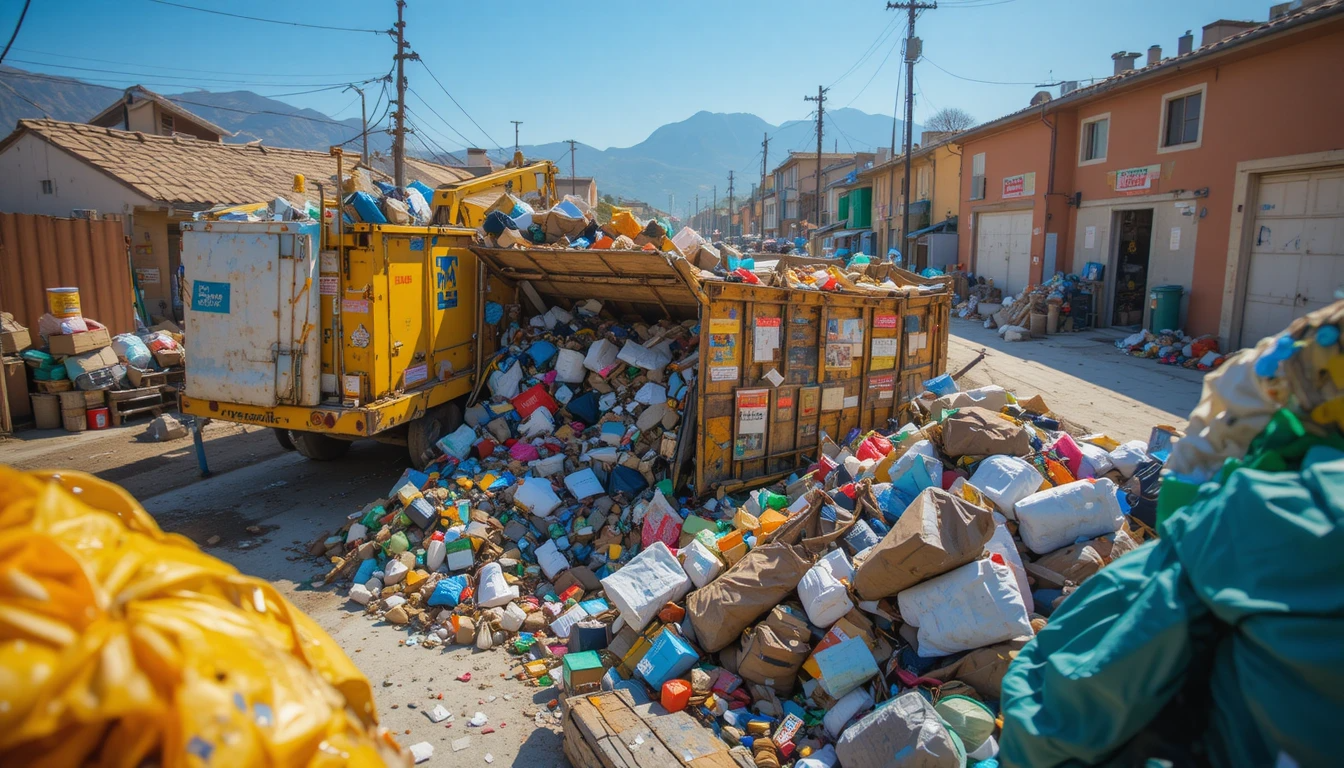
We build cities, but do we build the systems to deal with their leftovers? Building waste collection is the backbone of sustainable construction the quieter logistics that keep projects clean, legal and climate-smart. Like the circulatory system of a city, waste flows must be channelled, filtered and routed so resources are recovered rather than lost. In this guide we explain laws, technologies, tactics and practical steps we can apply on-site and across municipal programs to reduce disposal costs, avoid regulatory fines, and recover value from debris. We use clear language, real-world analogies, and actionable examples so project teams, contractors and local authorities can act now.
1. Building Waste Collection: Overview and Importance
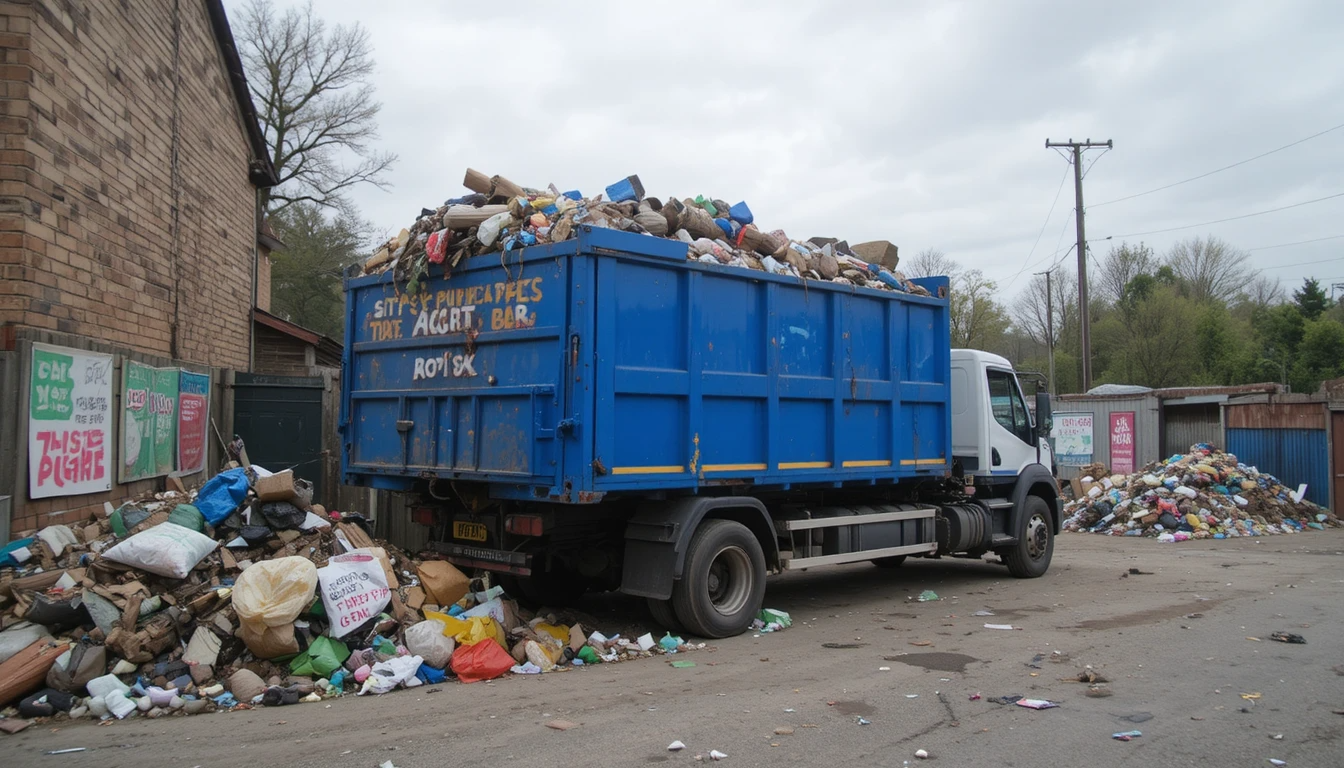
Construction and demolition produce large volumes of materials concrete, timber, metals, plastics, gypsum, and organics. We define building waste collection as the coordinated set of activities that move those materials from the point of generation on a site to appropriate endpoints: reuse, recycling, recovery, or safe disposal. Effective collection reduces landfill loads, limits water contamination and air emissions, and recovers materials that can be reintroduced into the supply chain. Practically, good collection cuts cost by reducing haulage, tipping fees and material purchases and improves schedule predictability because cleaner sites work faster. From an environmental standpoint, collection is where policy meets practice: extended producer responsibility laws, recycling legislation and landfill regulations are meaningless without on-the-ground systems that sort, store and document material flows.
Key components: source separation, temporary storage, dedicated containers, transport logistics and reporting. We recommend starting projects with a waste management plan embedded in procurement and site setup. That plan should align with municipal solid waste management policies and sustainability laws, and it should name responsibilities for daily collection tasks. Think of collection as the plumbing for a circular economy: if the pipe is leaky or clogged, resources wash away. By investing in well-designed collection systems, we unlock resource recovery, lower environmental impact of waste management initiatives, and make it feasible to meet ambitious zero waste initiatives.
2. Building Waste Collection Regulations and Compliance
Construction projects operate in a dense regulatory field. Building waste collection must comply with landfill regulations, hazardous waste laws, e-waste legislation and municipal waste disposal policies. To stay compliant, we start with a clear understanding of national waste management strategy documents and statelevel waste policies that dictate acceptable pathways for materials and required documentation. For hazardous streams paints, solvents, asbestos, certain adhesives hazardous waste laws require specialized handling, manifesting, and licensed contractors. Electronic waste must follow e-waste legislation which often mandates certified recycling and proper chain-of-custody.
Practical steps: perform an initial regulatory scan during pre-construction; include environmental impact assessments for large projects; secure permits for temporary on-site storage and for off-site transfer where required. Also integrate waste tracking software and manifests to prove compliance with recycling legislation and landfill diversion targets. Meeting these requirements not only reduces legal risk but can create access to incentives under circular economy policies, such as credits for resource recovery or fee reductions for documented recycling performance.
3. Building Waste Collection Strategies for Zero Waste
Zero waste is ambitious, but we can implement pragmatic strategies that move projects toward it. First, adopt waste reduction strategies design for minimal offcuts, order accurate quantities, and prefer demountable connections for reuse. Second, implement robust segregation: separate inert aggregates, clean timber, metal, mixed recyclables and hazardous streams at source. Third, foster supplier agreements that support take-back and extended producer responsibility laws; for example, pallet and packaging return schemes. Fourth, measure and report via waste tracking software so diversion rates are transparent.
Operational tips: appoint a waste champion on site, provide clear signage and training behavior change matters and use compactors, balers or advanced composting technologies for organics. Where feasible, set up on-site sorting stations to reduce contamination and preserve material value. Zero waste initiatives often pay back in lower disposal fees and material offsets; we should treat them as both environmental policy compliance and smart cost management.
4. Building Waste Collection: Segregation Guidelines
Segregation is the single most effective step in maximizing recycling returns. We recommend a simple, color-coded system: inert (concrete, brick), recyclables (metal, clean timber), mixed construction (insulated boards, contaminated materials), organics (green waste, food), and hazardous (asbestos, solvents). Containers must be sized to site waste flows and placed at logical work cells to minimize transport. Clear labeling and rapid induction training reduce contamination.
Tools and controls: use designated skips for each stream, enclose organics to prevent stormwater contamination, and deploy sampling protocols for loads leaving site to ensure receiving recyclers accept materials. For performance, set target diversion rates tied to contractor KPIs and run weekly audits. Segregation is also where resource recovery from waste becomes feasible: clean, segregated aggregates can be crushed and reused; metals can command market prices; organics can feed composting systems.
5. Building Waste Collection and Recycling Construction Materials
Recycling construction materials creates tangible value. Concrete can be crushed into recycled aggregates and used for sub-base, landscaping or fill; timber can be reused, re-milled, or turned into engineered products; metals are high-value streams with established demand. Finding buyers for recycled materials involves quality control testing crushed concrete for strength and contamination, drying timber and removing nails and packaging the material with clear specifications. Local recycling facilities for construction debris often provide testing and certification, making transactions smoother.
Market approach: establish relationships with material brokers, municipal reuse centers and manufacturers that accept recycled input. Use waste tracking software to document tonnages and quality claims this helps unlock incentives under circular economy policies or sustainability laws. Recycled materials used in construction reduce embodied carbon, satisfy green procurement rules and align with lifecycle analysis goals.
6. Building Waste Collection: Smart Waste Management Technology
Technology transforms collection from a labor problem into an optimized workflow. IoT in waste management smart bins with fill-level sensors, GPS tracking for trucks, and connected compactor units reduces unnecessary trips and speeds response to overflows. Waste tracking software provides dashboards showing diversion rates, hauler performance and material flows for audits or environmental impact assessments.
What we implement: sensor-enabled skips, route optimization (GPS tracking), and digital manifests to replace paper. These systems integrate with municipal platforms and enable data analytics in procurement and compliance. Data-driven collection reduces fuel use, lowers emissions, and improves municipal waste management policies by providing accurate evidence for planning. For contractors, smart tech can reduce labor time and help reach effective municipal waste management strategies.
7. Building Waste Collection: Automated Systems & Robotics
Automated waste collection systems and robotics are moving beyond large-scale municipal applications into construction logistics. Compact robotic sorters can pre-sort mixed loads; automated bin lifters and tele-operated loaders speed transfer and reduce manual handling injuries. These tools integrate into a smart waste management ecosystem: automated collection removes variability, increases throughput, and improves material purity for recycling.
Deployment considerations: prioritize safety, calibrate systems for heterogeneous construction loads, and maintain human oversight for contaminant detection (e.g., hazardous items). Robotics in waste collection often pair with AI-powered recycling solutions that identify and separate materials via imaging and mechanical sorting boosting recovery rates for tricky streams like mixed plastics.
8. Building Waste Collection: Landfills, Alternatives & Sustainable Disposal
Landfills remain necessary in limited cases, but sustainable practice requires minimizing their use. Properly managed landfills follow landfill regulations that prevent groundwater contamination, limit methane emissions and protect public health. However, alternatives waste-to-energy projects, material recovery facilities, and engineered landfill diversion should be preferred where viable.
Policy and practice: we push for landfill diversion through recycling legislation incentives and by integrating waste-to-energy only when material recovery is not feasible. Lifecycle analysis of landfilling versus recycling should guide decisions: often, recycling concrete and metals yields larger environmental benefits than combustion. Additionally, sustainable landfill practices include gas capture, leachate treatment and post-closure land use planning.
9. Building Waste Collection: Hazardous & E-waste Management
Hazardous wastes and e-waste pose unique risks. Hazardous waste laws require strict segregation, containment, licensed transport and proper disposal at permitted facilities. Electronic waste must be handled according to e-waste legislation which often requires certified recyclers who can recover precious metals and prevent toxic leachates.
Best practices: create a hazardous materials register on site, label containers, use secure bunding, and ensure chain-of-custody documentation. For e-waste, engage certified recyclers early in procurement cycles to create take-back options and avoid illegal exports. Compliance reduces environmental consequences of construction waste and protects workers and communities.
10. Building Waste Collection: Composting & Organics
Green waste from site landscaping, food waste from canteens, and vegetation removed during demolition can be redirected to composting. Advanced composting technologies in-vessel composters, aerated static piles and digesters accelerate stabilization and reduce odors and vectors. For organic waste to be compostable, segregation and contamination control are essential.
Implementation: keep organics separate and dry, use composting partners or on-site in-vessel units when scale permits, and ensure finished compost meets local guidelines for use in landscaping. Integrating organics into resource recovery reduces landfill methane and creates a usable soil amendment for future projects.
11. Building Waste Collection: Policy, EPR & Circular Economy
Extended producer responsibility laws shift accountability upstream encouraging manufacturers to design for recyclability and to finance end-of-life treatment. Circular economy policies further encourage reuse, remanufacture and resource recovery. For construction, this means procuring materials with take-back clauses, preferring products with recycled content, and documenting flows to meet policy metrics.
What we do: negotiate EPR clauses in procurement, favor suppliers participating in circular programs, and map material loops to demonstrate compliance. These measures align building projects with national waste management strategy goals and help secure sustainability certifications.
12. Building Waste Collection: Cost-Effective Contractor Practices
Contractors can lower costs through careful planning: bulk ordering to reduce packaging waste, phased demolition to segregate reusable elements, and onsite crushing to reuse aggregates each reduces haulage and tipping fees. Training crews on segregation reduces contamination that would otherwise devalue loads.
Practical moves: include waste performance in tender evaluation, set diversion KPIs with clear incentives, and invest in capital equipment like compactors or balers where lifetime savings justify cost. Cost-effective strategies often align with sustainability laws and may improve client reputation and tender competitiveness.
13. Building Waste Collection: Monitoring, Tracking & Reporting
Measurement is central. Waste tracking software, digital manifests and GPS truck logs provide audit-ready records for environmental impact assessments and compliance with recycling legislation. Tracking helps quantify the environmental benefits of recycling, guides route optimization and supports claims for circular economy reporting.
Key metrics: diversion rate, tonnes by stream, contamination rate, cost per tonne, and embodied carbon avoided. Automated reports support regulatory submissions and can feed into corporate sustainability disclosures turning collection into a measurable business advantage.
14. Building Waste Collection: Case Studies & Success Stories
Real-world examples teach faster than theory. Successful projects often show a common recipe: early planning, supplier contracts with take-back clauses, clear segregation and a dedicated waste manager. Case studies of waste-to-energy projects, landfill diversion campaigns and contractor-led recycling programs demonstrate that material recovery can be both profitable and scalable.
Insights: document successes with before-and-after metrics, publish lessons learned, and convert demonstrated practices into standard operating procedures. These stories build trust with regulators and communities and can become templates for national waste management strategy improvements.
15. Sustainability Laws & Environmental Impact Assessments
Sustainability laws are designed to ensure that construction projects respect environmental limits, conserve resources, and mitigate damage. For effective building waste collection, these laws often mandate an environmental impact assessment (EIA) before large projects begin. The EIA reviews waste generation estimates, disposal pathways, and potential environmental consequences such as water contamination from construction debris or air quality impacts. This process ensures that project managers adopt waste reduction strategies and select eco-friendly waste management solutions rather than simply relying on landfilling.
Sustainability laws also require consideration of zero waste initiatives, lifecycle analysis of construction waste, and the long-term environmental consequences of chosen disposal methods. For example, a demolition project may be required to prove that materials were segregated, tracked, and sent to authorized facilities under waste management regulations. These assessments also evaluate how projects align with national waste management strategy goals and circular economy policies, encouraging responsible deconstruction and reuse over traditional demolition.
16. Recycling Legislation & Compliance
Recycling legislation has evolved to push industries, including construction, toward higher diversion rates and lower landfill reliance. For building waste collection, this means that contractors must follow clear waste segregation guidelines and meet benchmarks defined by municipal solid waste management policies or state-level waste policies. Compliance is not optional failure to recycle certain materials may result in penalties or project delays.
For example, many regions now require the diversion of concrete, asphalt, metals, and timber, with minimum percentages set by recycling legislation. These policies aim to unlock the environmental benefits of recycling, such as reduced greenhouse gas emissions and conservation of raw materials. In addition, extended producer responsibility laws require that suppliers take back packaging and sometimes even leftover materials, further reducing landfill volumes.
17. Waste Reduction Strategies & Tips
Reducing waste at the source is always more effective than managing it at the end. In building waste collection, practical waste reduction strategies can significantly decrease disposal costs and environmental impact. A good starting point is design optimization: ordering precise material quantities and choosing modular construction methods to minimize offcuts. Prefabrication and digital modeling (like BIM) help estimate material needs more accurately, reducing surplus.
On site, simple waste reduction tips include using standardized dimensions, storing materials properly to prevent weather damage, and reusing temporary structures like scaffolding and formwork. Contractors can also adopt waste segregation guidelines early, as segregated waste is easier to recycle and less likely to be rejected by facilities. For organics, composting best practices help convert biodegradable waste into useful soil rather than sending it to landfill.
18. Resource Recovery from Waste & Upcycling Ideas
Resource recovery from waste is the process of extracting valuable materials from discarded construction debris. For building waste collection, it represents the key to transitioning from a linear “take-make-dispose” model to a circular economy in waste management. Instead of treating debris as a liability, resource recovery sees it as a stockpile of raw materials waiting for a second life.
Concrete, when crushed and processed, becomes a high-quality aggregate for new construction. Metals whether steel, aluminum, or copper can be smelted and reintroduced into manufacturing with minimal quality loss. Even gypsum boards can be recycled into new drywall or used as soil amendments. This recovery not only conserves resources but also reduces the environmental impact of mining and raw material processing.
19. Recycling Construction Materials Benefits & Challenges
Recycling construction materials is central to effective building waste collection, offering both environmental and economic advantages. The benefits are clear: reduced landfill use, lower demand for virgin resources, and cost savings through recovered materials. Recycling reduces the environmental impact of waste management initiatives by minimizing greenhouse gas emissions associated with raw material extraction and transportation. It also supports sustainability laws, green certifications, and circular economy policies, enhancing project reputations.
Contractors benefit financially as well. Recycled aggregates can replace costly virgin stone in road base or non-structural applications, while metals such as steel and copper command high resale value. Timber, once cleaned and treated, can be reused or sold to secondary markets. This process also helps companies comply with waste management regulations and recycling legislation, avoiding costly fines.
20. How to Recycle Concrete Waste & Reuse Aggregates
Concrete represents the largest fraction of construction debris, making its recycling crucial to building waste collection. Recycling concrete waste involves crushing it into smaller aggregates that can replace natural stone in sub-base layers, road foundations, or landscaping applications. When done properly, recycled concrete can meet quality standards and even be used in new construction, provided testing validates its strength and durability.
The process begins with on-site segregation keeping concrete separate from wood, metals, and hazardous materials. Specialized crushers reduce large slabs into smaller aggregates, while magnets remove embedded steel. This produces a stream of clean, usable material that can either be used on-site or sold to buyers. Using waste tracking software ensures that volumes are recorded and compliance with environmental regulations for construction waste disposal is documented.
21. Green Building Practices & LEED for Demolition
Modern construction increasingly embraces green building practices, with waste reduction strategies forming a central part of sustainability certifications like LEED (Leadership in Energy and Environmental Design). For demolition projects, integrating building waste collection into green frameworks ensures materials are properly segregated, recycled, and documented for compliance.
LEED certification, for example, awards credits for diverting construction and demolition waste from landfills. This requires contractors to implement waste segregation guidelines, use waste tracking software, and report diversion percentages accurately. Recycling streams such as metal, concrete, and timber contribute significantly to achieving these credits. Beyond LEED, other certifications also highlight the importance of sustainable construction waste management practices and eco-friendly waste management solutions.
22. Sustainable Demolition Techniques & Deconstruction
Traditional demolition focuses on speed, often resulting in large volumes of mixed debris destined for landfills. In contrast, sustainable demolition techniques emphasize resource recovery, reduced pollution, and cost efficiency. At the heart of these approaches is deconstruction, a method that carefully dismantles structures to preserve reusable and recyclable components.
Deconstruction involves methodical removal of elements like timber, windows, fixtures, and flooring, which can then be sold, reused, or donated. This contrasts sharply with bulldozing, which mixes materials and increases contamination. The benefits are significant: reduced landfill disposal, higher resource efficiency in construction projects, and opportunities for community waste management initiatives.
23. Municipal Solid Waste Management Policies
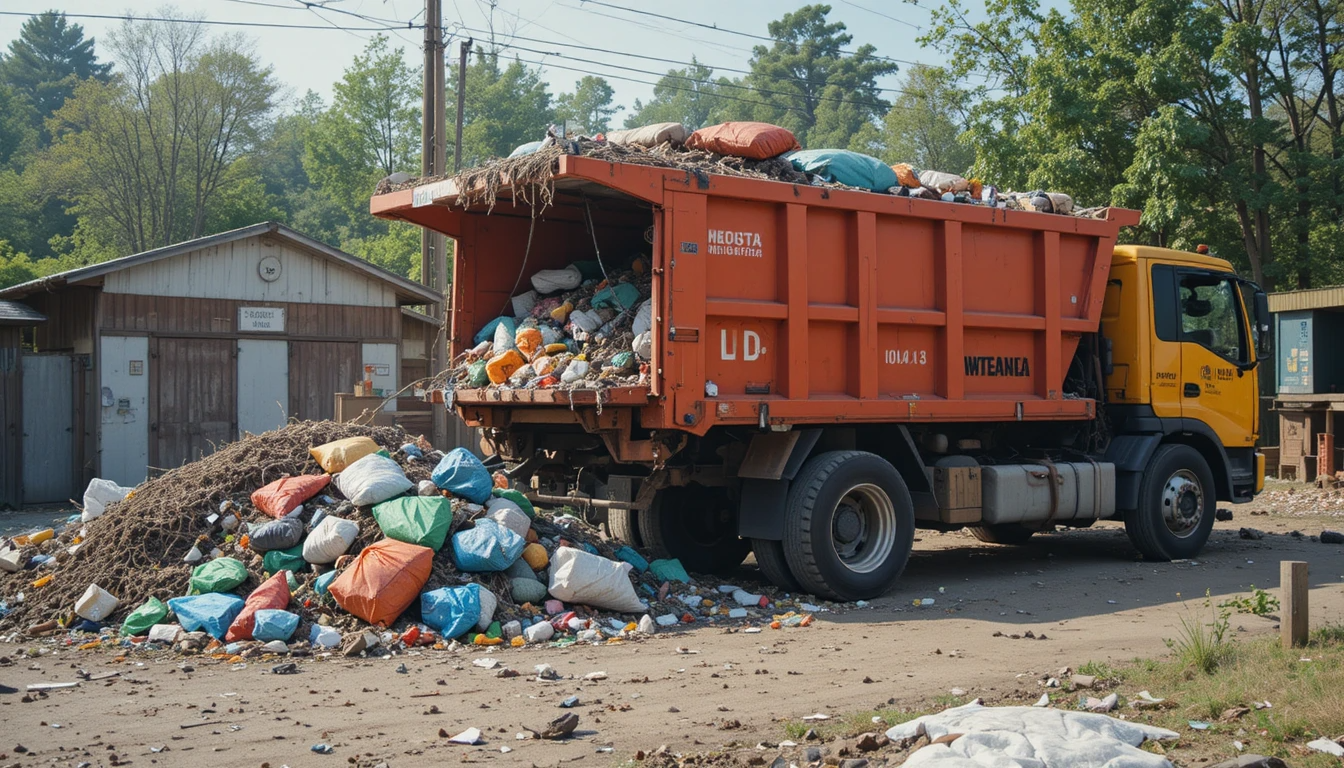
Municipal policies are a critical driver of building waste collection. These regulations dictate how construction and demolition debris must be handled within city limits and set benchmarks for diversion, recycling, and landfill use. Municipal solid waste management policies often integrate with state-level waste policies and the national waste management strategy, creating a tiered compliance framework.
For contractors, these policies outline accepted collection methods, permitted disposal sites, and requirements for community recycling programs. They may also define rules for landfill regulations, restricting the disposal of certain construction materials and pushing companies toward sustainable waste disposal methods like recycling, composting, or waste-to-energy. Compliance with these municipal policies is not only a legal obligation but also a way to maintain community trust.
24. Community Recycling Programs & Public Education
Community involvement is an essential complement to formal building waste collection systems. While contractors handle large debris, community recycling programs create pathways for residents, small businesses, and neighborhoods to participate in waste reduction efforts. These initiatives support broader municipal waste management regulations and embed sustainable habits into everyday life.
Effective programs often include drop-off centers for materials like metal scraps, wood, and tiles that individuals can contribute. Some cities operate reuse centers where salvaged materials from construction and demolition sites are sold at low cost, promoting upcycling ideas for waste materials. This approach reduces pressure on landfills and creates local economic opportunities.
25. Waste-to-Energy Projects & Success Stories
Waste-to-energy (WtE) projects are redefining how we view building waste collection and disposal. Instead of treating debris and residues as a burden, WtE facilities convert combustible waste materials into electricity, heat, or fuel. This approach not only diverts significant amounts of construction debris away from landfills but also contributes to energy resilience and emission reduction goals.
26. Case Studies on Circular Economy Implementation
The circular economy in waste management emphasizes designing out waste, keeping materials in use, and regenerating natural systems. Case studies show how applying circular strategies in building waste collection reduces environmental impacts and supports economic growth.
For instance, in Europe, construction projects guided by circular economy policies have successfully reused structural steel, recycled aggregates, and even repurposed insulation materials. By prioritizing resource efficiency in construction projects, these initiatives drastically cut down on raw material demand while lowering the environmental impact of waste management initiatives.
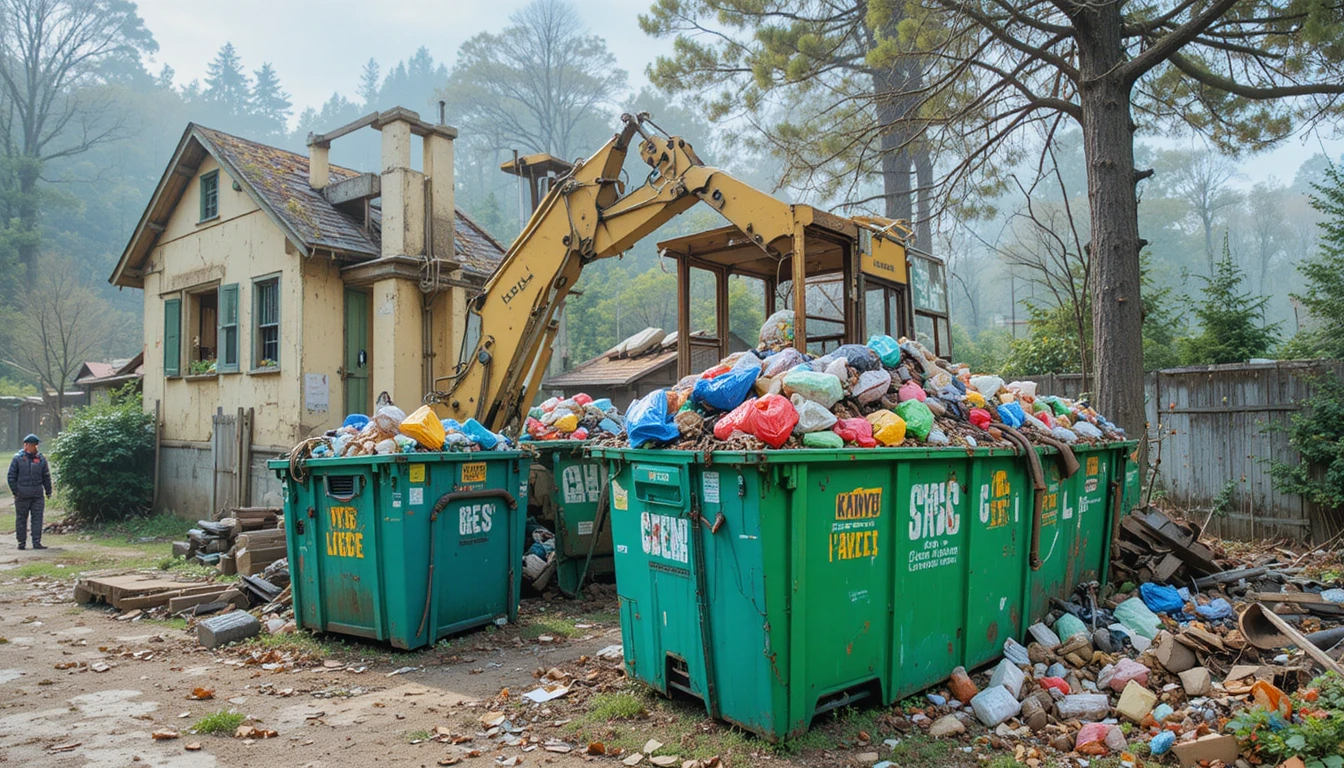
27. Comparative Analysis of Waste Management Systems
To understand the strengths and weaknesses of different approaches to building waste collection, a comparative analysis of global waste management systems is crucial. Countries adopt varied strategies depending on their regulations, infrastructure, and cultural attitudes toward waste.
For example, Scandinavian countries have long invested in zero waste initiatives, prioritizing waste reduction strategies and innovative recycling programs examples. Their systems integrate automated waste collection systems, waste collection drones, and smart bins for waste disposal, creating highly efficient loops. By contrast, developing nations often struggle with infrastructure gaps, relying heavily on informal recycling sectors and landfilling.
28. Impact of Technology on Waste Handling
Technology is reshaping every stage of building waste collection. Where once manual collection and sorting dominated, today we see an integration of IoT in waste management, robotics in waste collection, and AI-powered recycling solutions that streamline efficiency and reduce environmental harm.
At the collection stage, smart bins for waste disposal equipped with fill sensors alert operators when service is required. This data feeds into efficient waste collection routes, reducing unnecessary truck trips and cutting emissions. Combined with GPS tracking for waste trucks, the result is a leaner, greener logistics system.
29. AI-Powered Recycling & Smart Bins
Artificial intelligence is rapidly advancing building waste collection through smarter, faster, and more efficient recycling solutions. One of the most promising innovations is AI-powered recycling solutions, which combine machine learning, robotics, and computer vision to automatically identify and sort materials with remarkable accuracy.
On construction sites, AI-equipped systems can recognize different debris types concrete, metal, glass, or wood and direct them into the correct waste stream. This ensures strict compliance with waste segregation guidelines while reducing contamination that often undermines community recycling programs. By improving sorting accuracy, AI boosts recovery rates and reduces reliance on landfills and public health risks.
30. Sustainable Construction Waste Collection Apps
Digitalization is changing the face of building waste collection, and one of the most impactful tools is sustainable waste collection apps. These platforms allow contractors, municipalities, and communities to log, monitor, and optimize waste management activities in real time.
For construction sites, apps can track volumes of concrete, steel, timber, and drywall being disposed of. Integrated with waste tracking software, they provide instant reporting for environmental impact assessments and help meet waste management compliance requirements. Some apps also feature GPS tracking for waste trucks, allowing users to monitor when and where waste has been collected, ensuring transparency across the supply chain.
31. Robotics, Drones & IoT in Waste Logistics
The integration of robotics in waste collection, drones, and IoT devices is transforming building waste collection into a highly automated and efficient process. These technologies are reducing costs, improving safety, and increasing compliance with waste management regulations.
Robotics are being widely adopted in sorting facilities, where robotic arms guided by sensors and AI can separate construction debris at lightning speed. They handle heavy materials like concrete chunks or scrap metals more safely than human workers, minimizing injuries and improving throughput. When combined with AI-powered recycling solutions, these robots create a seamless loop of automated waste recovery.
32. Lifecycle Analysis & National Waste Strategy
Lifecycle analysis (LCA) is a critical tool for assessing the environmental impact of waste management initiatives. In the context of building waste collection, LCA examines the journey of materials from extraction and use to disposal or recycling. This holistic perspective helps policymakers, contractors, and regulators identify where the greatest environmental burdens lie.
For example, LCAs show that recycling construction materials benefits extend far beyond landfill diversion. When steel or aluminum is recycled, energy savings can reach up to 90% compared to producing virgin materials. Similarly, crushed concrete used in new projects avoids emissions linked to cement production and reduces construction debris and climate change impacts.
33. Final Recommendations & Future Outlook
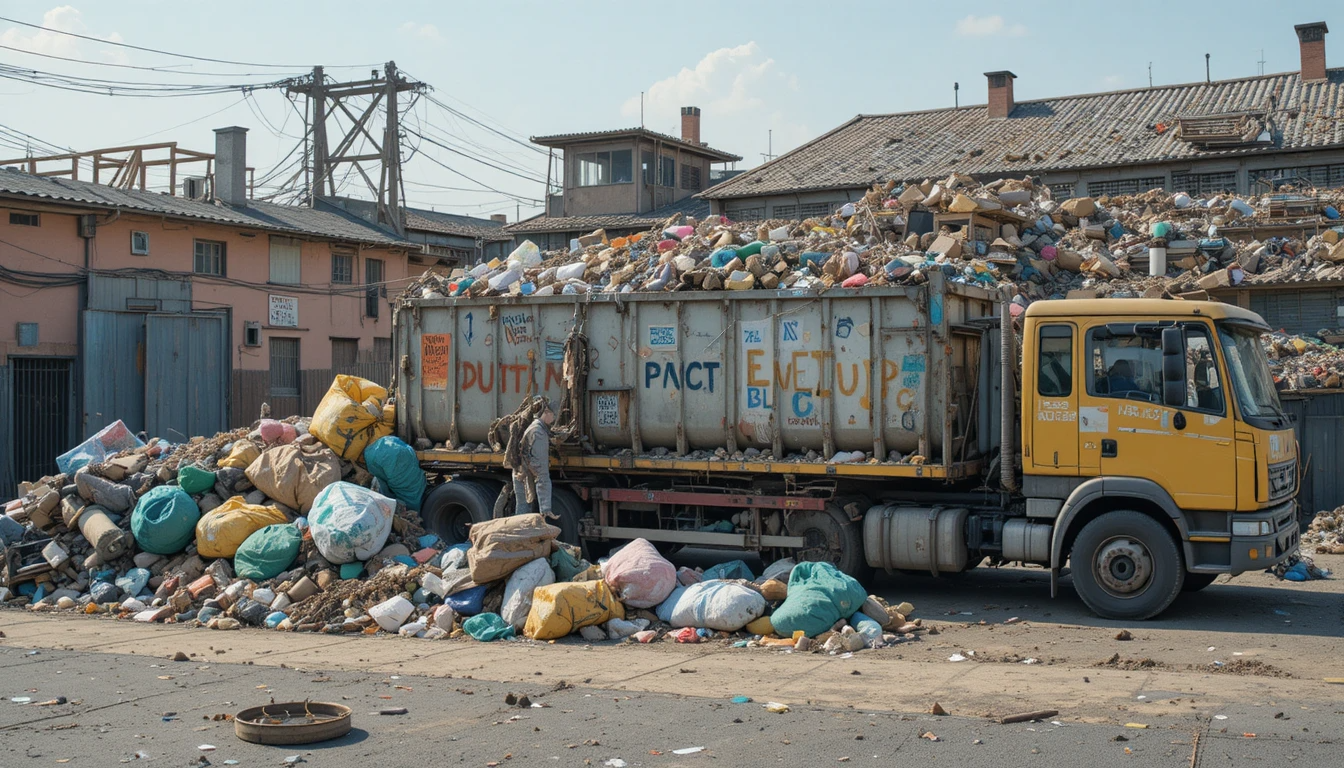
Looking forward, building waste collection must evolve into an integrated, technology-driven, and policy-aligned system. The construction industry is one of the largest generators of waste, and tackling this challenge requires a multi-pronged strategy that balances environmental responsibility, regulatory compliance, and economic efficiency.
Future strategies should prioritize expanding zero waste initiatives and embedding waste reduction strategies into every project. Governments must continue refining waste management regulations, particularly in areas such as hazardous waste management in demolition and ewaste legislation, to close compliance gaps and protect communities from risks like landfills and groundwater contamination.
Conclusion
We present a practical roadmap that connects policy, technology and on-site practice to transform how we handle construction debris. With clear planning, use of smart waste management technology, adherence to hazardous waste laws and extended producer responsibility laws, and commitment to segregation and recycling, we can reduce the environmental consequences of construction projects while recovering value. Building waste collection is not just regulatory housekeeping, it’s a strategic lever for cost-saving, carbon reduction and resilient project delivery.
Frequently Asked Questions (FAQs)
Q1: What is the first step we should take to improve building waste collection on a construction site?
A1: Begin with a waste management plan integrated into the project schedule identify streams, set diversion targets, appoint a waste champion, and arrange partnerships with recyclers and licensed hazardous waste handlers.
Q2: How do extended producer responsibility laws affect building waste collection?
A2: EPR shifts some end-of-life responsibility to material suppliers, encouraging take-back programs and design-for-recycling this changes procurement and can open take-back channels reducing disposal needs.
Q3: Are there technologies that make on-site collection more efficient?
A3: Yes IoT sensors, smart bins, GPS route optimization for trucks, waste tracking software and automated sorters all reduce trips, cut costs and increase material purity.
Q4: Can recycled concrete be used in structural applications?
A4: Recycled concrete is commonly used for sub-base, road base and fill; for structural use it requires testing and certification proper processing and quality control are key.
Q5: How do we handle hazardous construction waste to remain compliant?
A5: Segregate hazardous streams, use licensed storage and transporters, complete manifests and engage permitted treatment facilities document everything to meet hazardous waste laws.
Trusted Junk Removal Services in Dubai for Homes & Businesses
In Dubai?
Address: Office No.101, 10th Floor, Al-Shafar Tower, Business Bay, Dubai.
Google Map Location
Read More: Junk Collection Dubai | Sustainable Junk Removal Guide





One Comment