Logistics Waste Management Dubai
Logistics Waste Management Dubai
Introduction
Cluttered spaces, overflowing bins, and unused junk can make both homes and businesses feel chaotic. Have you ever wondered how much easier life would be if waste disposal were handled efficiently and professionally? In Dubai, the fast-paced lifestyle, high-rise buildings, and strict regulations make Logistics Waste Management not just a convenience but a necessity.
Whether you’re a business owner in Jumeirah or a resident in Dubai Marina, managing waste isn’t just about aesthetics; it’s about safety, compliance, and sustainability. Think of it like a well-organized kitchen: without proper storage and disposal, even the smallest mess can disrupt your entire system. In this article, we’ll guide you through every aspect of logistics waste management, highlighting processes, benefits, costs, and eco-friendly practices that make life easier in Dubai.
1. Understanding Logistics Waste Management
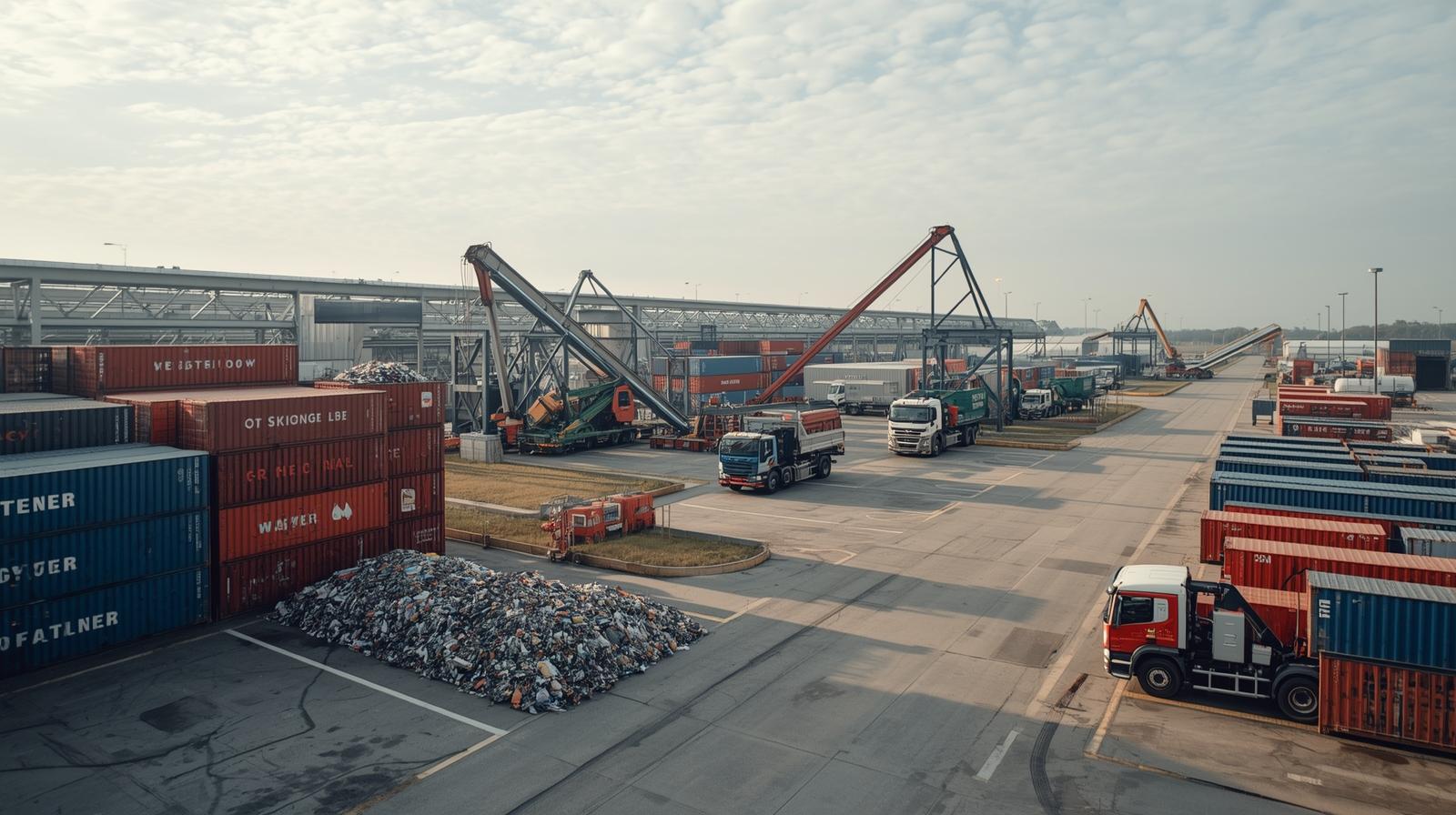
Logistics Waste Management refers to the organized handling of waste generated during the movement, storage, and delivery of goods. In Dubai, with its dense commercial hubs like Business Bay and bustling residential areas like Downtown Dubai, the sheer volume of waste from cardboard boxes to plastic packaging requires systematic processes.
Efficient management ensures that waste does not pile up in warehouses, offices, or apartment complexes. It is more than just picking up trash; it includes segregation, transportation, recycling, and safe disposal. By implementing a structured approach, businesses can reduce operational disruptions and maintain compliance with local laws.
Moreover, proper logistics waste management reflects your brand’s professionalism. Clients visiting your warehouse or office will notice the difference when areas are clean, organized, and free from clutter. Think of it as tidying a high-rise balcony after a party without proper planning; leftover trash quickly becomes a problem.
2. Importance of Waste Management in Dubai
Dubai is a city known for its pristine streets and modern infrastructure, and residents expect high standards of cleanliness. Poor waste management can lead to several issues: environmental pollution, fines from Dubai Municipality, and health risks.
For businesses, improper waste handling can disrupt operations. Imagine a warehouse in Jumeirah, cluttered with discarded packaging. Workers spend more time navigating waste than focusing on productive tasks. Effective Logistics Waste Management ensures that these risks are minimized.
In addition, Dubai’s hot climate accelerates the decomposition of organic waste, creating foul odors and attracting pests. Timely removal and proper disposal are therefore critical. Not only does it maintain hygiene, but it also enhances public perception, promoting your commitment to sustainability and corporate responsibility.
3. Types of Waste in Logistics Operations
Waste in logistics can be broadly categorized into three types: general waste, recyclable materials, and hazardous waste.
- General waste includes food packaging, office trash, and damaged goods. This is the most common type and requires regular collection.
- Recyclable materials such as cardboard, plastics, and metals can be reused or sold to recycling companies, reducing environmental impact.
- Hazardous waste includes batteries, chemicals, and electronic components, which need special handling to avoid environmental contamination or legal penalties.
Understanding these categories allows businesses and residents to implement targeted disposal methods. In Dubai, high-rise buildings require careful handling of waste types during elevator and truck transport. Using designated containers and following segregation protocols not only ensures compliance but also supports Dubai’s sustainability goals.
4. Step-by-Step Logistics Waste Management Process
An efficient Logistics Waste Management process involves multiple steps, each critical for smooth operations.
- Assessment of Waste Sources: Identify where waste is generated in your logistics chain.
- Segregation: Sort waste into recyclables, non-recyclables, and hazardous materials.
- Collection: Use containers, trolleys, or compactors depending on volume.
- Transportation: Move waste safely to collection points or treatment facilities.
- Treatment & Disposal: Recycle, compost, or dispose of waste according to Dubai Municipality regulations.
Following this process ensures that your operations remain clean, safe, and eco-friendly. Skipping even one step can result in clutter, fines, or environmental damage. Think of it like assembling IKEA furniture: skipping steps leads to a wobbly end result that causes more stress than it saves.
5. Collection & Segregation Techniques
Proper collection and segregation form the backbone of effective Logistics Waste Management.
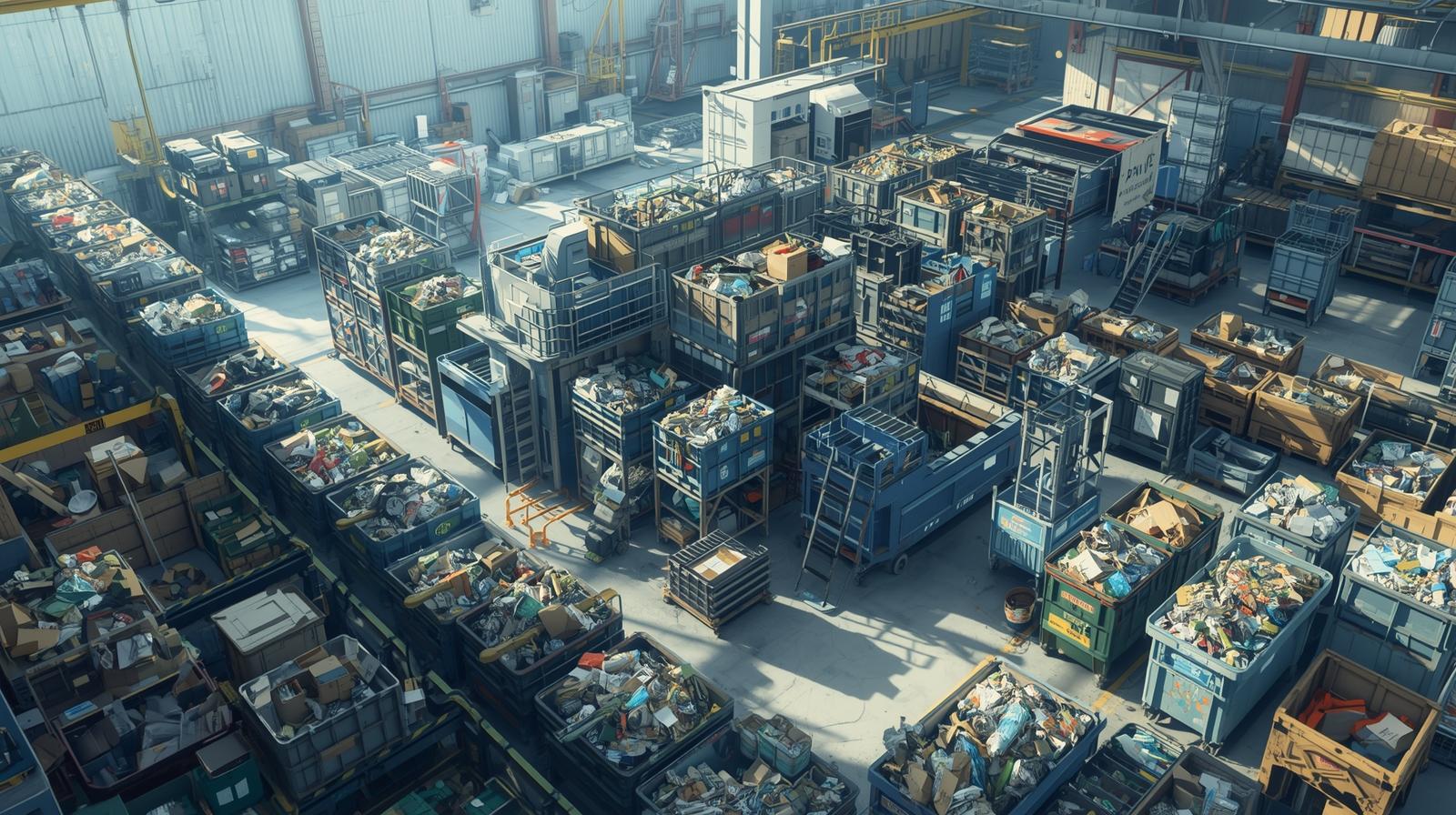
Businesses and residential complexes should provide clearly labeled bins for different types of waste. In Dubai Marina, high-rise apartments often use chute systems, while warehouses may rely on trolleys and compactors. By separating recyclable and non-recyclable waste at the source, disposal becomes faster and cheaper.
Additionally, collection schedules should align with Dubai Municipality guidelines. Frequent collection prevents odor build-up in hot climates and reduces pest infestations. Using color-coded bins or QR-coded tracking systems also enhances efficiency, ensuring no waste is left behind.
6. Transportation Strategies for Dubai’s High-Rises
Transporting waste in a city like Dubai, especially in high-rise areas like Downtown Dubai or Jumeirah Lakes Towers, requires planning. Standard trucks may not always access upper floors directly.
Many logistics companies now use mini dumpers or compact trucks capable of navigating tight roads and parking areas. Some high-rise buildings even have specialized lifts for waste transport. Scheduling transport during off-peak hours minimizes traffic congestion and ensures timely removal.
By incorporating technology, GPS tracking, and optimized routes, waste collection becomes faster, safer, and cost-effective. Effective Logistics Waste Management isn’t just about disposal; it’s about smart transportation that aligns with urban infrastructure.
7. Role of Technology in Efficient Waste Management
Technology plays a transformative role in modern waste management. IoT-enabled bins, GPS tracking, and automated reporting systems allow businesses to monitor waste levels in real-time.
Dubai’s commercial areas, such as Business Bay, can leverage smart sensors to avoid overflows and optimize pickup schedules. Artificial intelligence helps predict waste generation trends, allowing for proactive logistics planning.
Moreover, digital platforms connect residents and businesses to certified waste disposal companies, ensuring compliance and eco-friendly disposal. By integrating technology, Logistics Waste Management becomes more transparent, measurable, and efficient, much like using a smart thermostat to optimize energy consumption in a home.
8. Legal Guidelines: Dubai Municipality Regulations
Dubai Municipality enforces strict rules for waste disposal. Businesses must comply with regulations regarding the segregation, transportation, and recycling of waste materials.
Non-compliance can lead to fines, operational delays, and reputational damage. For example, hazardous waste must be handled by licensed operators, while recyclable and general waste must be sorted correctly before collection.
Following these rules not only avoids penalties but also demonstrates corporate responsibility. Implementing a structured Logistics Waste Management plan ensures your business aligns with local laws, maintains hygiene standards, and contributes positively to Dubai’s clean city initiative.
9. Cost Factors in Logistics Waste Management
Costs of waste management vary based on volume, waste type, and disposal method. In Dubai, commercial areas with heavy footfall generate more waste, increasing operational costs.
Factors include container rental, transportation, manpower, and disposal fees. However, investing in proper logistics waste management can reduce long-term costs by minimizing damage, fines, and inefficiencies. Recycling also creates potential revenue streams from paper, plastic, and metal.
Ultimately, viewing waste management as an investment rather than an expense pays off. Efficient processes save time, resources, and reputation, making the cost of good management far lower than the consequences of poor handling.
10. Eco-Friendly Disposal Methods
Sustainability is a top priority in Dubai, where climate conditions make environmental impact more visible. Eco-friendly disposal methods include recycling, composting, and safe treatment of hazardous materials.
Businesses can collaborate with certified recyclers to ensure materials like cardboard, plastics, and metals are reused. Organic waste from food or landscaping can be converted to compost, reducing landfill load.
Implementing eco-friendly strategies as part of your Logistics Waste Management not only helps the environment but also enhances your brand image. Customers and residents increasingly prefer companies that take visible steps toward sustainability.
11. Recycling Opportunities in Dubai
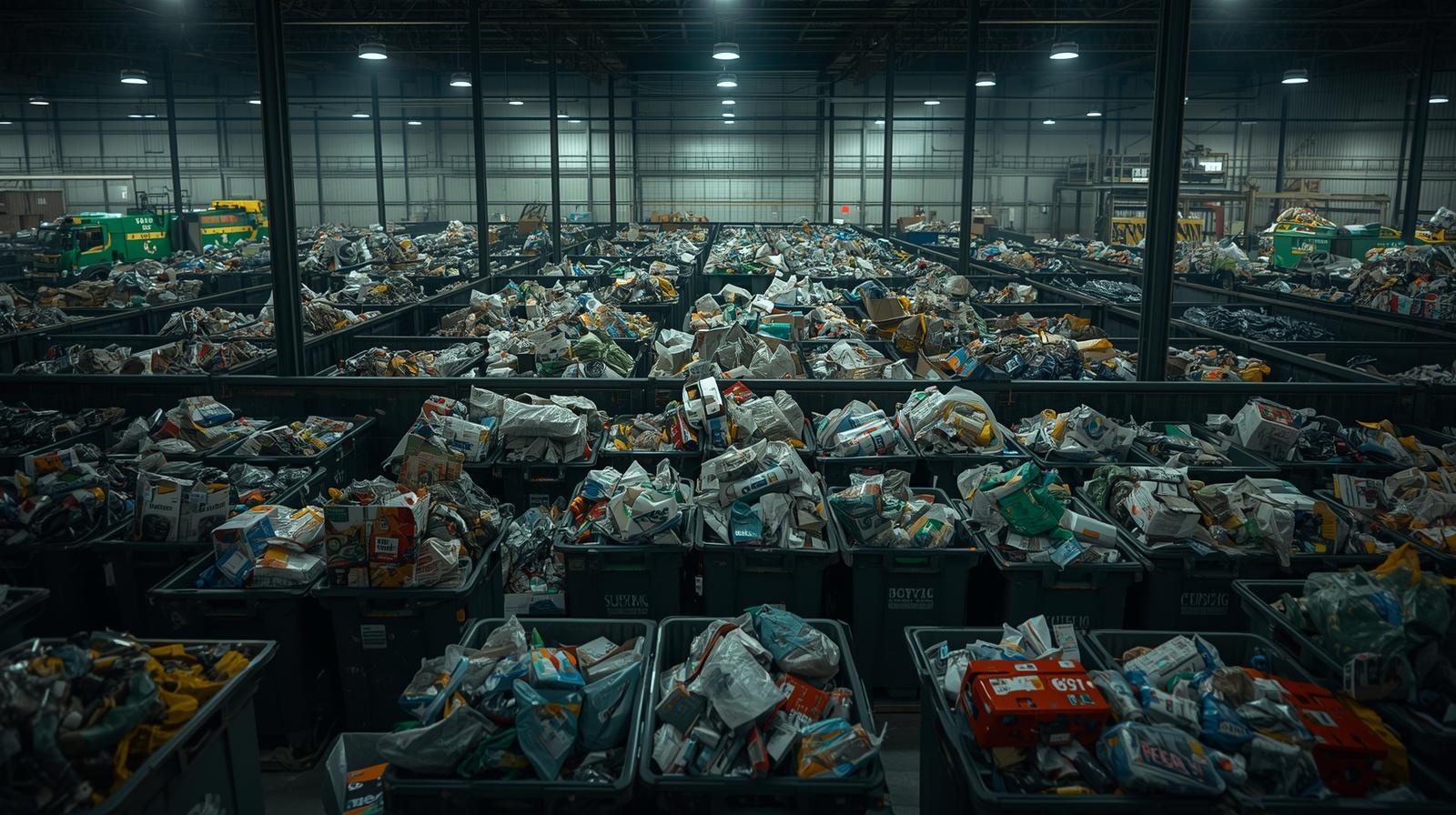
Dubai has extensive recycling initiatives for both residents and businesses. Plastics, cardboard, glass, and metals can be recycled efficiently, reducing landfill pressure.
Many companies in Dubai Marina and Jumeirah have adopted on-site recycling centers to streamline the process. Residents can also participate in community recycling programs, often coordinated by Dubai Municipality.
Integrating recycling into your Logistics Waste Management plan ensures a circular approach waste is transformed into resources, promoting economic and environmental benefits while keeping Dubai cleaner and greener.
12. Reducing Waste at the Source
One of the most effective strategies in logistics waste management is waste reduction at the source. By optimizing packaging, reusing materials, and streamlining supply chains, businesses can generate less waste.
For example, restaurants in Dubai Marina can switch to biodegradable packaging, while e-commerce companies can implement returnable boxes for product shipments. Residents can also adopt minimalistic practices and recycle unused items instead of discarding them.
Reducing waste at the source decreases disposal costs, lessens environmental impact, and simplifies Logistics Waste Management operations. Think of it as cleaning your room regularly small, consistent actions prevent massive clutter later.
13. Storage Solutions for Logistics Waste
Temporary storage is often required before waste is transported to recycling or disposal facilities. In high-rise buildings, secure storage rooms or designated bins prevent clutter and maintain hygiene.
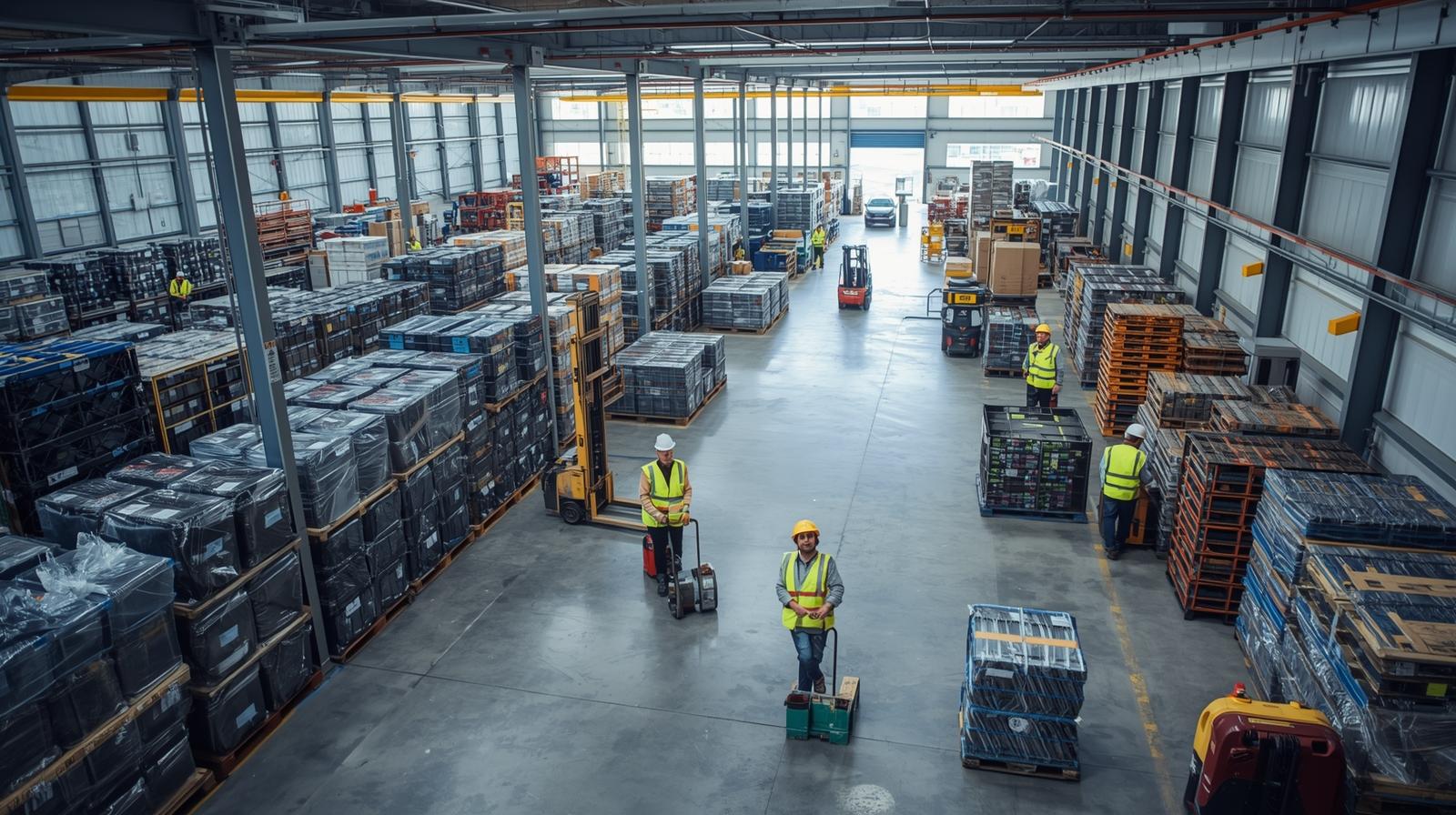
Businesses may use compactors, dumpsters, or covered containers to store different types of waste separately. Proper labeling and access control are essential to prevent mix-ups or accidental contamination.
Integrating storage into your Logistics Waste Management system improves workflow efficiency, ensures compliance, and reduces the risk of accidents caused by scattered or improperly stored waste.
14. Managing Hazardous Waste Safely
Hazardous waste, including chemicals, batteries, and electronic components, requires special attention. Improper handling can cause environmental contamination, legal penalties, or even health hazards.
Dubai businesses must work with licensed operators to manage hazardous materials. These experts provide proper packaging, labeling, transport, and treatment, ensuring compliance with Dubai Municipality regulations.
A robust Logistics Waste Management plan addresses hazardous waste proactively, protecting employees, residents, and the environment while minimizing risk and liability.
15. Corporate Responsibility and Community Impact
Effective waste management reflects your organization’s commitment to community well-being. Companies in Dubai can enhance public perception by maintaining clean offices, warehouses, and delivery areas.
Participation in community recycling initiatives, green campaigns, and educational programs also strengthens your brand’s reputation. Residents benefit from reduced pollution and cleaner neighborhoods.
By incorporating corporate responsibility into Logistics Waste Management, businesses not only comply with laws but also foster loyalty, trust, and a positive community image.
16. Seasonal Waste Management Challenges
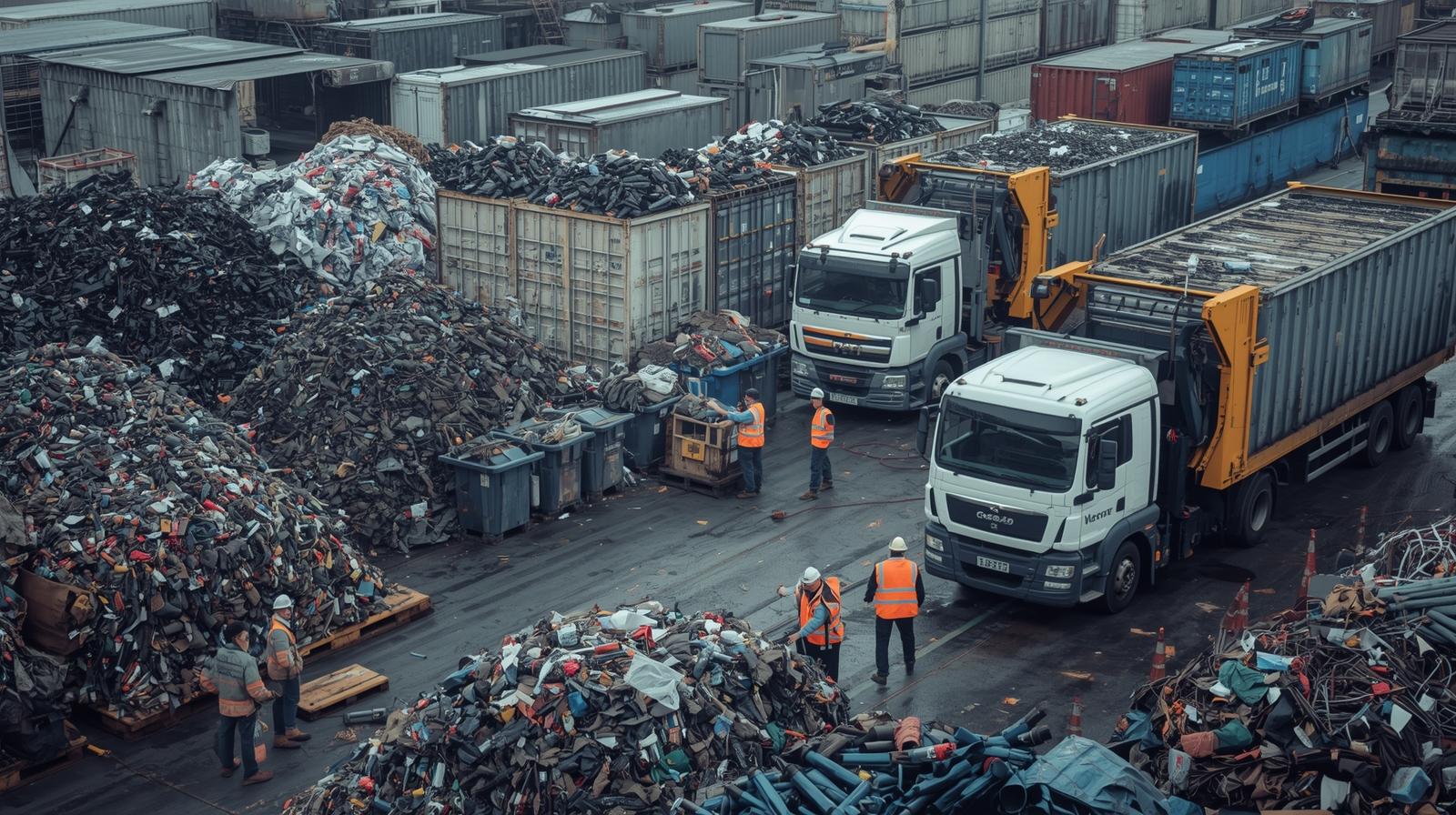
Dubai’s weather, especially during summer heat and sandstorms, affects waste management. Organic waste decomposes faster, and construction or renovation projects may produce higher volumes of debris.
Adjusting collection frequency, using covered storage containers, and scheduling pickups during cooler hours can mitigate these challenges. Businesses must remain flexible, adapting logistics waste management strategies to seasonal demands.
Planning ahead ensures waste does not accumulate, maintaining hygiene, safety, and compliance regardless of environmental conditions.
17. Choosing a Reliable Waste Management Partner
Selecting the right waste management company is crucial. Look for certified operators with experience in Dubai’s high-rise and commercial environments.
Key considerations include: collection efficiency, eco-friendly disposal practices, adherence to Dubai Municipality regulations, and transparent pricing. A reliable partner makes Logistics Waste Management seamless, allowing businesses and residents to focus on core operations.
Partnerships also enhance sustainability efforts, as experienced companies are better equipped to implement recycling and hazardous waste management practices effectively.
18. Common Mistakes to Avoid
Even with the best intentions, mistakes in waste management can happen:
- Mixing hazardous and general waste
- Irregular collection schedules
- Ignoring recycling opportunities
- Poor storage and labeling
Avoiding these mistakes ensures efficient operations, compliance with Dubai Municipality rules, and a safer environment. A proactive Logistics Waste Management approach saves time, money, and stress.
19. Future Trends in Dubai’s Waste Management Industry
Dubai is moving toward smart, technology-driven waste management solutions. Expect innovations like AI-powered collection schedules, IoT-enabled bins, and automated recycling facilities.
Sustainability and circular economy initiatives will become increasingly important. Businesses and residents who adopt forward-thinking logistics waste management strategies will benefit from cost reductions, compliance, and environmental impact.
Staying informed ensures you remain competitive while contributing to a cleaner, greener Dubai.
20. Conclusion
Effective Logistics Waste Management in Dubai is essential for residents and businesses alike. By implementing structured processes, embracing eco-friendly practices, and adhering to local regulations, you can reduce clutter, save costs, and enhance community well-being.
From collection and segregation to transportation and recycling, each step matters. Think of it as orchestrating a symphony: when every part works in harmony, the result is a clean, efficient, and sustainable environment.
Investing in smart waste management not only meets immediate needs but also prepares for future growth and sustainability goals in Dubai.
FAQs
Q1: What is logistics waste management?
Logistics waste management is the organized process of handling waste generated during the storage, transport, and distribution of goods. It includes segregation, collection, transportation, recycling, and safe disposal.
Q2: Why is logistics waste management important in Dubai?
With high-rise buildings, strict Dubai Municipality regulations, and a fast-paced urban lifestyle, effective waste management prevents clutter, fines, environmental pollution, and health hazards.
Q3: How can businesses reduce waste at the source?
Businesses can reduce waste by optimizing packaging, reusing materials, and adopting eco-friendly practices like composting organic waste or using returnable containers.
Q4: What are the costs involved in logistics waste management?
Costs depend on waste volume, type, and disposal method. Expenses may include container rentals, collection, transport, manpower, and treatment fees. Efficient practices can lower overall costs.
Q5: How do I choose a reliable waste management partner in Dubai?
Look for certified operators experienced in high-rise logistics, eco-friendly disposal, and Dubai Municipality compliance. Transparency, efficiency, and recycling capabilities are key factors.
Trusted Junk Removal Services in Dubai for Homes & Businesses In Dubai?
Address: Office No.101, 10th Floor, Al-Shafar Tower, Business Bay, Dubai.
Google Map Location
Read More: Cabinet Disposal: Kitchen & Filing Services