University Waste Management: Campus Cleanups
University Waste Management: Campus Cleanups
Introduction
Ever walked across a university campus in Dubai after a busy semester and noticed overflowing bins, scattered packaging, or unused furniture stacked like forgotten luggage? You’re not alone. Managing waste in academic environments is no small task, especially in a city known for high-rise campuses, strict regulations, and intense summer heat.
This is where University Waste Management becomes more than just cleaning it becomes a system. Think of it like organizing a crowded storage unit: if everything has a place, the space breathes again. For Dubai residents and business owners working with universities, effective campus cleanups protect health, enhance reputation, and ensure compliance with Dubai Municipality standards.
Whether you’re in Knowledge Village, Jumeirah, or Dubai Marina, proper waste handling on campuses directly affects students, staff, and surrounding communities. Let’s break it all down in a clear, local, and practical way.
1. Understanding Campus Waste Challenges
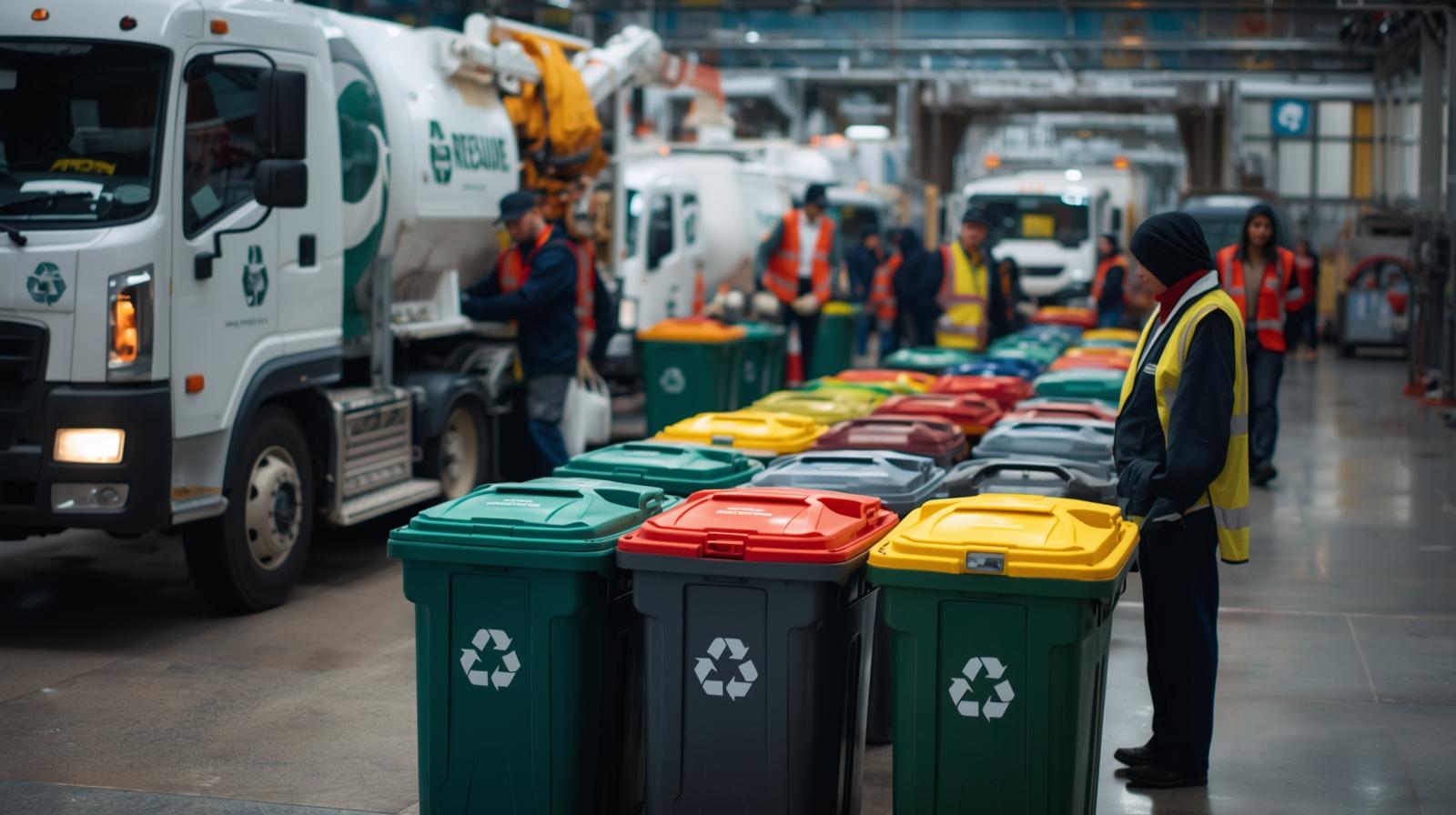
University campuses function like compact cities, with thousands of students, faculty members, and visitors moving through classrooms, dormitories, libraries, and cafeterias every single day. This constant movement creates a steady stream of waste that must be handled efficiently to keep operations running smoothly. Without a proper system, clutter builds up quickly and becomes difficult to control.
In Dubai, these challenges are amplified by limited landfill capacity and strict waste disposal regulations. Universities operate on tight academic schedules, meaning waste spikes during exam periods, semester breaks, and campus events. If waste is not addressed promptly, it can overwhelm storage areas and disrupt daily activities.
Poor waste planning often leads to hygiene risks, unpleasant odors, and unnecessary expenses. When systems fail, the impact is felt across the campus and nearby residential areas. A structured cleanup approach ensures waste is removed safely, sorted correctly, and disposed of responsibly.
2. University Waste Management in Dubai Campuses
University Waste Management in Dubai goes far beyond simple trash collection. It involves aligning campus operations with local environmental regulations, sustainability goals, and operational efficiency. Universities must balance cleanliness with compliance while managing large volumes of diverse waste every day.
Dubai Municipality requires proper waste segregation, licensed transporters, and disposal at approved facilities only. Universities that ignore these requirements risk fines, reputational damage, and operational disruptions. This makes having a compliant system not just important but essential.
Campuses in areas like Dubai Academic City frequently deal with bulk waste during semester transitions, including outdated furniture, lab equipment, and electronics. A professional waste management system ensures smooth handling from collection to disposal, even during high-volume cleanup periods.
3. Why Campus Cleanups Matter Locally
Dubai places a high value on cleanliness, much like a library values silence it sets the standard for everything else. Clean university campuses reflect positively on the institution and contribute to the overall image of the surrounding community. First impressions matter, especially in an education-driven city like Dubai.
For nearby business owners, poorly managed campus waste can affect foot traffic, customer experience, and even property values. For residents, unmanaged waste impacts air quality, hygiene, and overall comfort, particularly during hot and humid months.
Regular campus cleanups also reduce pest problems, which can escalate quickly in Dubai’s climate. When waste is removed on time, campuses remain safe, welcoming, and compliant. Ultimately, campus cleanliness isn’t just a university concern it’s a shared community responsibility.
4. Types of Waste Generated on Campuses
Universities generate a wide range of waste types, far beyond simple paper and food scraps. Understanding these categories is the first step toward managing them efficiently and staying compliant with UAE regulations. Each waste stream requires a different handling and disposal method.
Common waste includes general waste from classrooms and offices, food waste from cafeterias, and e-waste from labs and IT departments. During renovations or upgrades, universities also generate significant amounts of furniture and bulk waste that cannot be handled through regular disposal channels.
Under UAE law, mixing waste types increases disposal costs and raises compliance risks. Proper identification and segregation help reduce expenses and environmental impact. When campuses understand what they’re throwing away, they can manage it smarter and more sustainably.
5. The Step-by-Step Cleanup Process
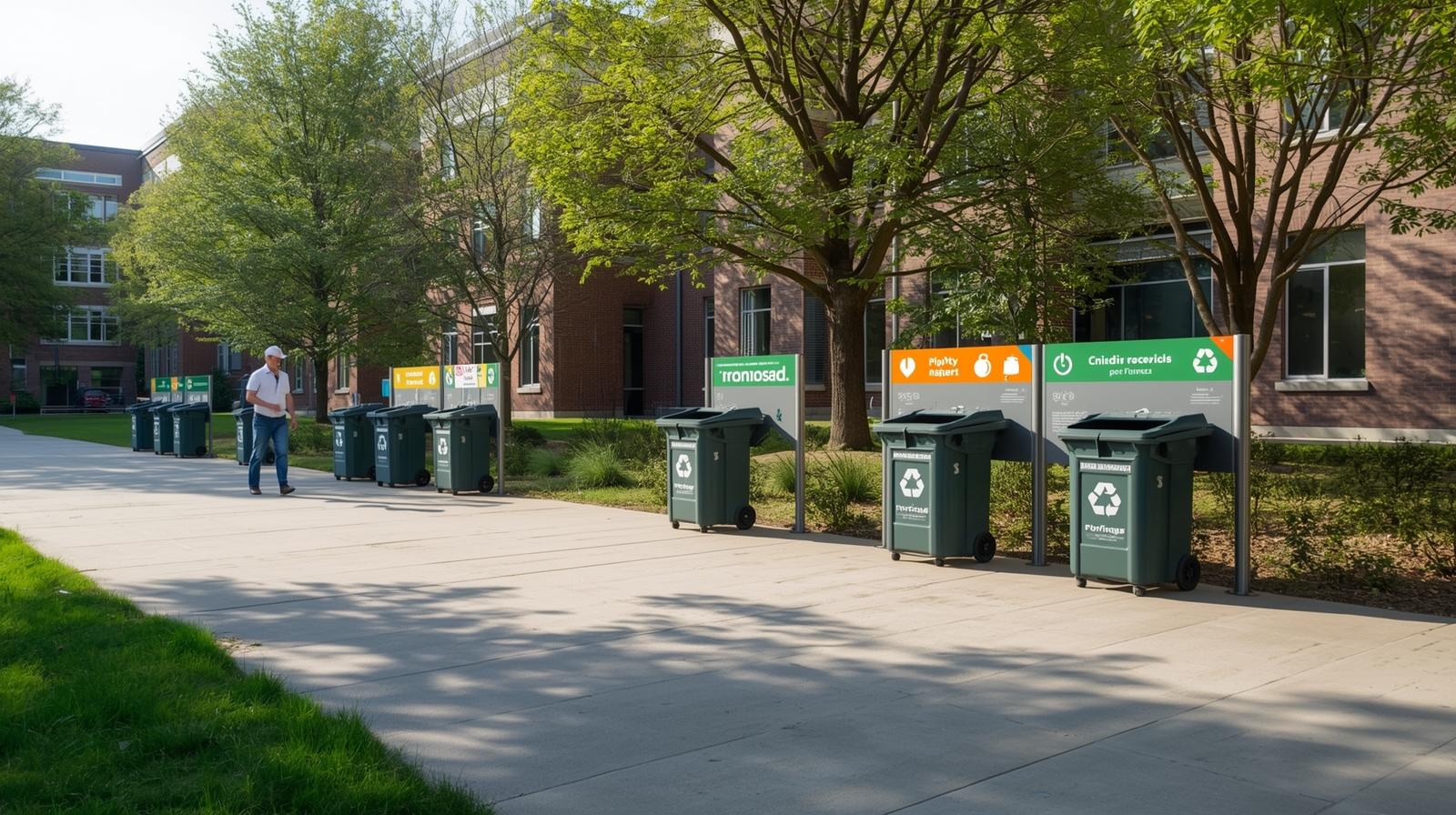
An effective campus cleanup follows a clear, structured process. Skipping steps is like cleaning a room by pushing everything under the bed it may look fine temporarily, but problems resurface quickly. A systematic approach ensures long-term results.
The process begins with waste assessment and volume estimation. This helps determine the number of bins, collection frequency, and required resources. Next comes segregation at the source, ensuring recyclable, hazardous, and general waste are separated correctly.
Finally, licensed transporters move the waste to approved disposal or recycling facilities. Proper documentation is maintained for audits and inspections. This step-by-step method ensures efficiency, regulatory compliance, and cost control throughout the cleanup process.
6. High-Rise University Logistics: University Waste Management
Many universities in Dubai operate within multi-story buildings, especially in areas like Dubai Marina and Downtown. Waste removal in these environments requires careful logistical planning to avoid disrupting daily academic activities.
Service elevators, controlled access points, and scheduled collection times are essential. Without proper coordination, waste movement can block entrances, violate building regulations, or interfere with student flow during peak hours.
Professional waste management teams understand how to navigate high-rise constraints efficiently. They plan routes, timings, and equipment use to ensure smooth operations. Proper logistics keep campuses clean without compromising safety or convenience for students and staff.
7. Dubai Municipality Compliance
Dubai Municipality enforces strict waste management regulations to maintain the city’s cleanliness and sustainability goals. Universities are required to follow approved disposal routes, use licensed waste carriers, and maintain proper records.
Failure to comply can lead to fines, warnings, or delays in operations, especially during inspections. Compliance is not optional it’s a legal responsibility for all educational institutions operating in the UAE.
Maintaining accurate documentation and working with approved service providers ensures peace of mind. It also reassures parents, partners, and regulatory authorities that the university takes its environmental responsibilities seriously.
8. Eco-Friendly Disposal Methods: University Waste Management
Sustainability is no longer optional for universities; it’s an expectation. Campuses are seen as leaders in shaping future behavior, making eco-friendly waste disposal an important responsibility.
Eco-friendly methods include recycling, composting food waste, and minimizing landfill usage. Think of it as giving waste a second life rather than sending it to a dead end. These practices reduce environmental impact and align with Dubai’s green initiatives.
By adopting sustainable disposal methods, universities not only protect the environment but also enhance their public image. Small changes in waste handling can lead to significant long-term benefits for both the campus and the community.
9. Recycling Programs for Universities
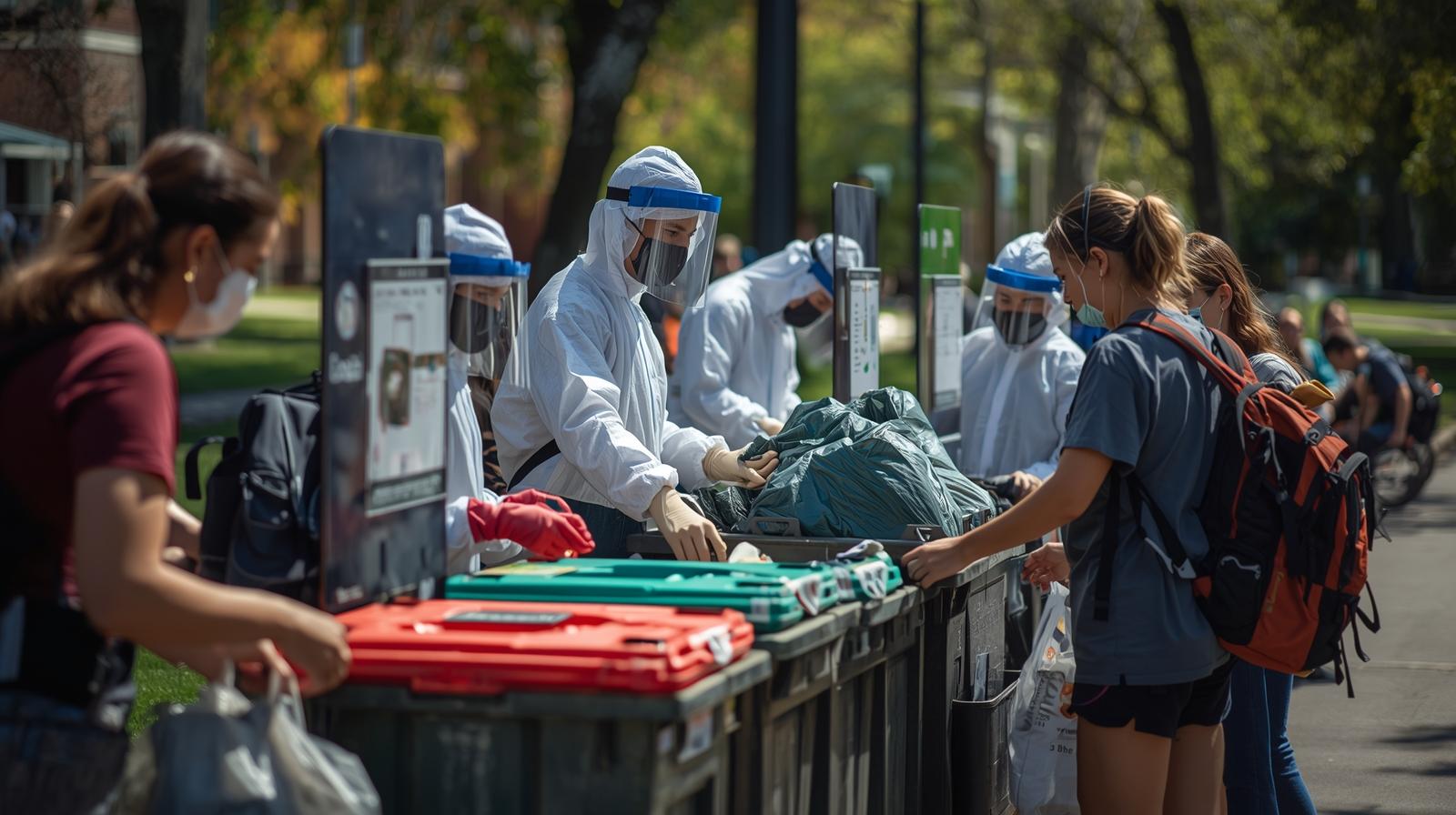
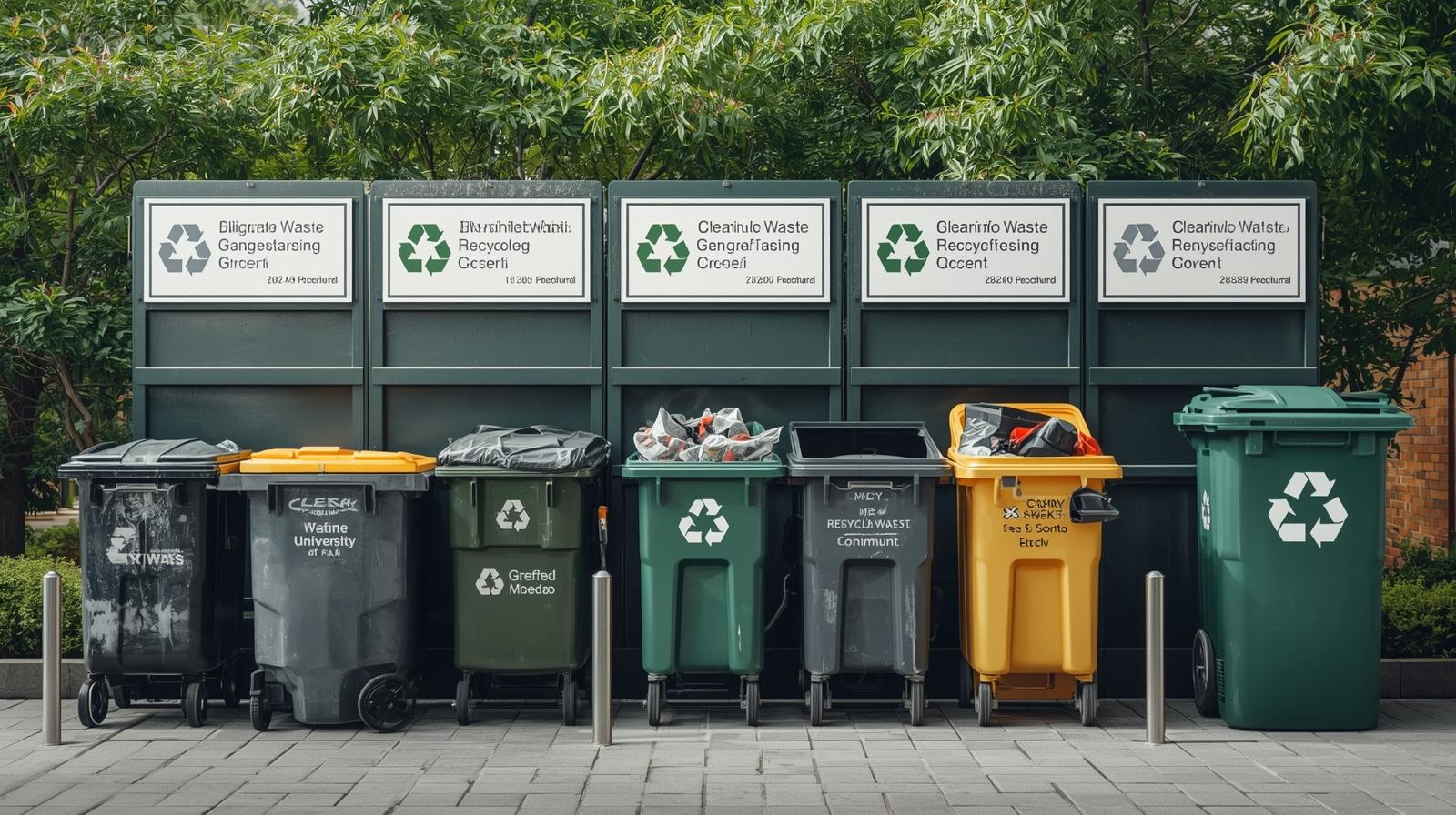
Recycling programs are most effective when they’re simple and visible. Clear bin labeling, accessible collection points, and regular pickups encourage participation from students and staff alike.
Universities commonly recycle paper, plastic, metal, and electronic waste. Over time, these programs significantly reduce disposal costs and landfill dependency while supporting Dubai’s sustainability goals.
Students appreciate institutions that actively promote environmental responsibility. Visible recycling efforts build trust, pride, and engagement across the campus. When recycling becomes part of daily life, it creates lasting habits that extend beyond university walls.
10. Cost Breakdown for Campus Cleanups
The cost of campus cleanups depends on several factors, including waste volume, collection frequency, and waste type. Bulk waste, hazardous materials, and e-waste typically cost more to handle due to specialized disposal requirements.
However, structured cleanup plans help reduce unexpected expenses. Emergency pickups, which are often costly, become less frequent when waste systems are predictable and well-managed.
Transparent pricing and scheduled services make budgeting easier for university administrators. Over time, efficient waste management not only controls costs but also improves operational efficiency and compliance, making it a smart long-term investment.
11. Seasonal Waste Challenges in Dubai: University Waste Management
University campuses in Dubai experience noticeable waste spikes during specific times of the year, especially at the end of semesters. Students clear out dorm rooms, departments upgrade equipment, and temporary installations are dismantled. This sudden surge can overwhelm standard waste systems if not anticipated.
Dubai’s extreme summer heat adds another layer of complexity. High temperatures accelerate odors, bacterial growth, and hygiene issues when waste is stored too long. Food waste, in particular, becomes a serious concern during hotter months and requires faster collection cycles.
Planning ahead is the key to managing seasonal challenges. Adjusting pickup schedules, increasing bin capacity, and coordinating bulk waste removal in advance prevent last-minute chaos. Seasonal strategies keep campuses safe, compliant, and fully operational year-round.
12. Health & Safety Benefits
A clean campus is a safer campus. Proper waste management reduces slip hazards, blocked walkways, and fire risks caused by accumulated materials. These improvements directly protect students, staff, and visitors moving through the campus daily.
In Dubai’s climate, unmanaged waste can quickly turn into a health hazard. Heat accelerates decomposition, attracting pests and affecting indoor air quality. This can lead to discomfort, illness, and even regulatory action if conditions deteriorate.
Regular campus cleanups support a healthier learning environment. When waste is handled efficiently, campuses remain hygienic and welcoming. Safety isn’t optional; it’s essential, and effective waste management plays a critical role in maintaining it.
13. Role of Facility Managers
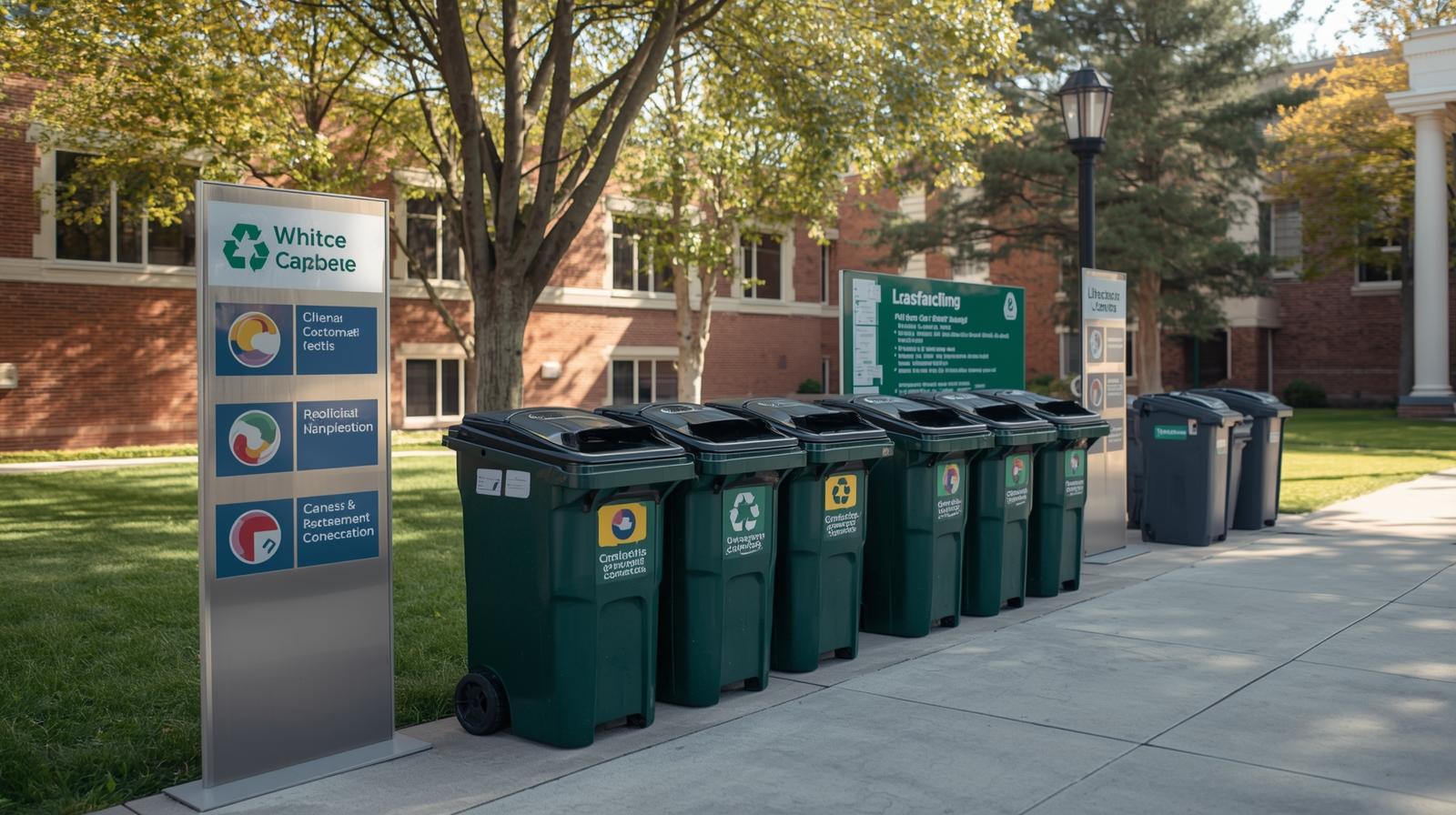
Facility managers are the backbone of university operations, ensuring that every system works together seamlessly. Waste management is a key part of their responsibilities, requiring coordination between cleaning teams, waste vendors, and administrative staff.
They manage collection schedules, monitor waste volumes, and ensure compliance with Dubai Municipality regulations. Clear communication helps prevent missed pickups, overflow issues, and regulatory violations that can disrupt campus operations.
By overseeing waste processes, facility managers ensure nothing falls through the cracks. Their proactive planning keeps campuses clean, safe, and compliant. Without strong oversight, even the best waste systems can fail to deliver consistent results.
14. Student & Staff Participation: University Waste Management
Successful waste management isn’t just about systems, it’s about people. Awareness campaigns help students and staff understand their role in keeping campuses clean. Simple instructions make it easier for everyone to participate correctly.
When people know where and how to dispose of waste, contamination decreases significantly. Clear signage, orientation sessions, and reminders encourage consistent behavior across the campus community.
Active participation improves overall results. Recycling rates increase, disposal costs drop, and campuses become more sustainable. When everyone plays a part, waste management stops being a challenge and becomes a shared responsibility.
15. Technology in Waste Tracking
Technology is transforming how universities manage waste. Smart tracking tools monitor bin fill levels, pickup times, and waste volumes in real time. This data-driven approach improves efficiency and reduces guesswork.
With accurate insights, campuses can optimize collection schedules and identify problem areas. For example, bins that fill faster during certain periods can be serviced more frequently, preventing overflow and hygiene issues.
Technology turns waste management into a strategic operation. Instead of reacting to problems, universities can plan ahead and reduce costs. As campuses grow more complex, digital tools will play an increasingly important role.
16. Choosing the Right Waste Partner
Selecting the right waste management partner is critical for campus success. Experience in Dubai matters, as local regulations, building layouts, and climate conditions require specialized knowledge.
Licensed providers ensure compliance with Dubai Municipality rules and handle waste responsibly. They also understand logistics for high-rise buildings and large campuses, minimizing disruption during collections.
The right partner saves time, reduces costs, and provides peace of mind. Reliable service allows university administrators to focus on education rather than operational issues. A strong partnership makes waste management efficient and stress-free.
17. Long-Term Sustainability Goals: University Waste Management
Universities play a powerful role in shaping future leaders, and their waste practices send a strong message. Long-term sustainability goals demonstrate commitment to environmental responsibility and social awareness.
By reducing landfill use, increasing recycling, and adopting eco-friendly disposal methods, campuses lower their environmental footprint. These actions align with Dubai’s broader sustainability vision and green initiatives.
Sustainability isn’t about one-time efforts, it’s about consistency. Building habits among students and staff ensures long-lasting impact. When waste management becomes part of campus culture, positive change continues well beyond graduation.
18. Future of Campus Waste Management
The future of campus waste management in Dubai will be shaped by automation, analytics, and stricter environmental regulations. Universities will need to adapt to smarter systems and higher compliance standards.
Data-driven decisions will replace manual tracking, improving efficiency and transparency. Advanced sorting technologies and increased recycling requirements will further reduce landfill dependency.
Campuses that adapt early will lead the way. Clean, organized environments support better learning and reflect institutional excellence. As the saying goes, clean spaces inspire clear thinking, and universities that embrace innovation will set the benchmark for others to follow.
Conclusion
Effective campus cleanups are more than routine maintenance; they are a vital part of responsible university operations in Dubai. With proper planning, compliance, and community involvement, campuses can manage waste efficiently while protecting health, safety, and the environment. From seasonal challenges to long-term sustainability goals, University Waste Management helps create cleaner spaces that support learning, reflect professionalism, and align with Dubai’s vision for a greener future.
FAQs
Q1. Why is campus waste management important in Dubai?
Dubai has strict environmental regulations and limited landfill space. Proper systems ensure compliance and community well-being.
Q2. How often should universities schedule cleanups?
Most campuses benefit from daily general waste removal and scheduled bulk cleanups each semester.
Q3. What happens to electronic waste from universities?
E-waste must be handled by licensed recyclers approved by Dubai Municipality.
Q4. Can campus cleanups reduce operational costs?
Yes. Proper segregation and planning lower emergency pickup and disposal fees.
Q5. How can students support cleanup efforts?
By following bin guidelines, reducing waste, and participating in recycling programs.
Trusted Junk Removal Services in Dubai for Homes & Businesses In Dubai?
Address: Office No.101, 10th Floor, Al-Shafar Tower, Business Bay, Dubai.
Google Map Location
Read More: Junk Collection University City Sharjah