Take My Junk Free: Eco Decluttering & E-Waste Guide
Take My Junk Free: The Complete Guide to Eco-Conscious Decluttering & E-Waste Recycling
Introduction:
We introduce a single clean path to declutter, donate, recycle and repurpose with purpose. We guide readers through mindful consumption, practical decluttering, ecofriendly junk removal, e-waste management, donation drives and DIY upcycling so you can simplify life, reduce landfill waste, and help your community. Like pruning a garden to let stronger plants thrive, decluttering clears mental and physical space so better things can grow. Throughout we use clear steps, checklists and real-world options from junk donation centers to ewaste recycling and we balance immediate action with long term sustainability.
1. What “Take My Junk Free” Means
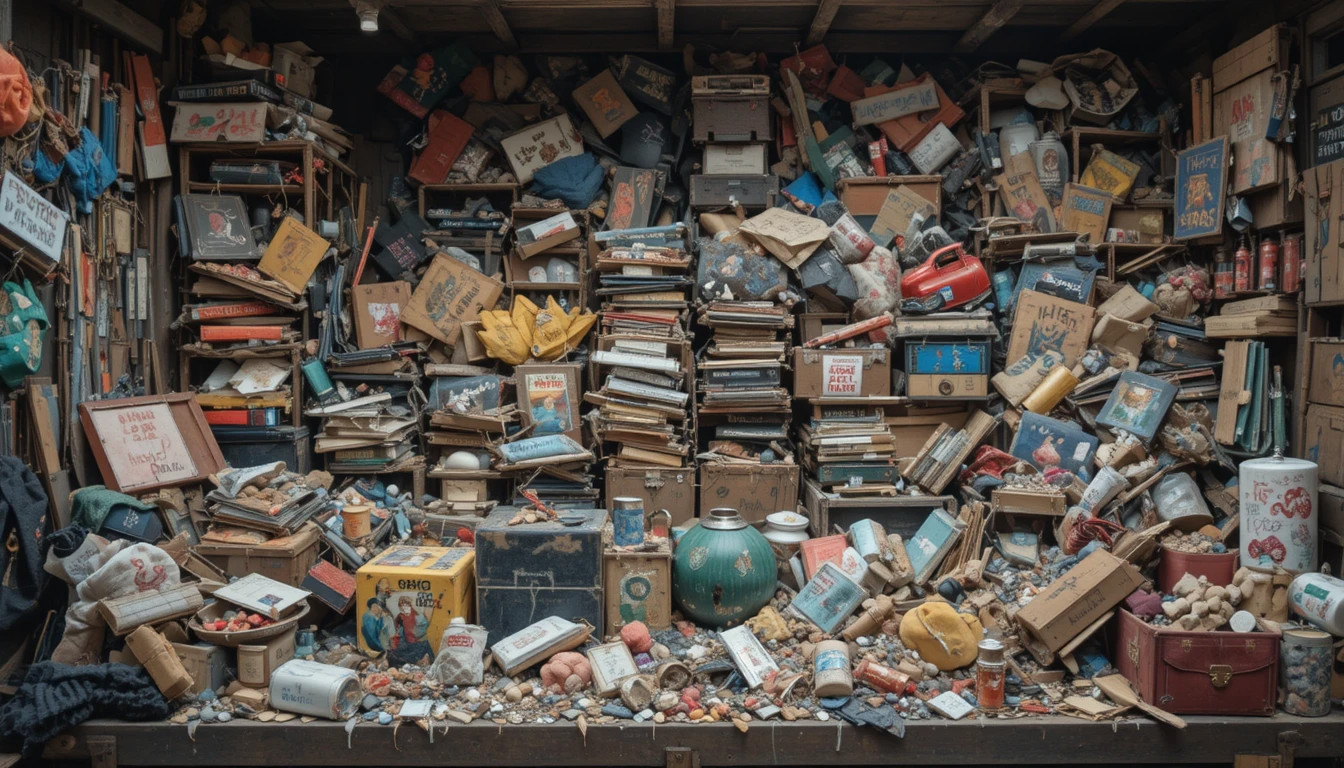
What it is: Take My Junk Free is an approach and service mindset that treats unwanted items as opportunities rather than only refuse. We promote responsible junk disposal, donation, recycling, and upcycling so that every item is evaluated for reuse, repurposing or safe disposal. This mindset shifts the story of junk from “waste” to “resource.”
Key ideas: First, reduce: practice mindful consumption and avoid acquiring more than necessary. Next, redirect: find junk donation centers, local recycling centers and ewaste recycling programs to give items a second life. Finally, repurpose: apply DIY recycling projects and upcycled furniture tutorials. When we act collectively, we reduce landfill pressure and support ecoconscious decluttering strategies.
How we approach it: We combine clear checklists, local-action steps, and communication templates (for donation drives or pickup requests). The guide below covers how to start decluttering, find ewaste recycling centers near me, plan community events, and use creative projects like turning trash into treasure. If your goal is a clutter- free home and a lighter environmental footprint, this is the path practical, stepwise, and community oriented.
2. Why Choose Take My Junk Free Advantages of Minimalism for the Planet
Planetary benefits: Minimalism isn’t just a lifestyle choice it’s a climate action. By choosing minimalism vs. consumerism, we reduce resource extraction, manufacturing emissions and waste generation. Advantages of minimalism for the planet include fewer new products bought, less packaging, and lower transport emissions. Consequently, less ends up in landfills or incinerators.
How decluttering helps: Decluttering reduces waste by steering usable goods into donation centers and secondhand stores for junk, lengthening product lifecycles. Even when items are recycled, electronic waste recycling and proper hazardous waste disposal are essential to avoid toxins entering soil and water. We should therefore adopt ecofriendly junk removal practices and encourage local household recycling programs.
Practical ripple effects: Moreover, a minimalist household often buys higher-quality items that last longer, which is, in effect, a vote for sustainable products for minimalists. Socially, sharing and donating strengthens communities, so social benefits of decluttering in communities accompany environmental wins.
3. How to Start Decluttering First Steps
Start small: Begin with a decluttering checklist and allocate short, timed sessions. We recommend the “15-minute rule” to break inertia: set a timer and sort one small area. This yields quick momentum and reduces decision fatigue.
Sort method: Adopt the four-box method: Keep, Donate, Recycle, Dispose. For electronics or hazardous items, place them in a hazardous waste disposal pile and research local recycling centers or ewaste collection events. Label boxes clearly and move them out quickly to avoid “maybe” traps.
Mindset & habits: Embrace mindful decluttering techniques ask, “Do I use this?” or “Does this add value?” If you struggle with sentimental items, see the dedicated section on how to let go of sentimental items. In parallel, craft a simple creating a decluttering plan: goals, timelines, and local partners (donation centers, recycling services).
Next steps: Finally, we advise scheduling pickups or drop-offs immediately. For items that qualify, find junk donation centers, ewaste recycling centers near me, or secondhand stores for junk to turn removal into positive action rather than waste.
4. Room-by-Room Decluttering Guide: Take My Junk Free
Kitchen: Start with the fridge and counters. Dispose of expired food responsibly and separate items to donate (moveable small appliances, duplicates) to donation centers. For plastic containers and glass bottles, follow recycling guidelines for households and try how to repurpose glass bottles projects.
Bedroom & Wardrobe: Use the minimalist wardrobe essentials approach: keep versatile, quality pieces and consider donation tax deductions for clothes donated. For a minimalist closet, follow capsule principles: neutral palette and multi-purpose items.
Living Areas: Prioritize function and comfort. Recycle electronics you no longer use through ewaste recycling and donate books or furniture to local charities or junk donation centers if in good condition.
Garage & Garden: This is where hazardous items often hide batteries, paints, solvents so plan for hazardous waste disposal at a local facility. Turn scrap wood into planters or repurposing wood pallets projects; transform broken pots into garden art.
Small spaces and bathrooms: Use vertical storage, purge old cosmetics (follow hazardous disposal if needed), and repurpose jars like unique uses for mason jars to keep counters tidy.
5. Decluttering Checklist A Practical Toolkit
Core checklist: We provide a straightforward checklist you can print and use:
- Start: set a decluttering date and allocate time.
- Tools: boxes, labels, cleaning supplies, camera for item condition photos.
- Sort: Keep | Donate | Recycle | Hazardous | Repair.
- Donate: list nearby junk donation centers and charities.
- Recycle: note local recycling centers and household recycling programs.
- Dispose: find municipal hazardous waste disposal instructions.
- Follow-up: schedule pickups, get donation tax deductions receipts, update inventory of kept items.
Why it works: This checklist balances speed and responsibility. Using it ensures items that could still be useful are diverted from landfill and helps with how to reduce landfill waste by decluttering.
Tip: Photograph items before donating this helps for records and tax receipts and eases letting-go decisions. Use online tools to list donations or find ewaste recycling services in your area.
6. Decluttering Tips for Beginners Simple Wins: Take My Junk Free
Begin with quick wins: Target visible clutter: tabletops, counters, and the top shelf of a closet. Quick wins build confidence and habit. Use timers and set small, measurable goals (three boxes per session).
Decision shortcuts: Apply rules like “one-year rule” (if unused for a year, consider donate/recycle) and “one in, one out” for new purchases. Use best decluttering methods such as the KonMari tweak (keep what sparks joy) and the four-box sort for efficiency.
Prevent rebound: After decluttering, create routines: daily ten-minute tidy, weekly donation box rotation, and storage solutions that make putting things away effortless. These steps support how to maintain a minimalist lifestyle with less friction.
Community & support: For motivation, join a group or schedule a swap or donation drive with neighbors. Heroic change is more sustainable when we act together.
7. Decluttering Challenges How to Stay on Track
Common obstacles: We face emotional attachments, decision fatigue, and the false comfort of “maybe.” To counter these, use structured timelines, accountability partners, or professional organizers.
Sentiment & guilt: If you feel guilty about donating, remember how donation centers transform lives and reduce waste. Keep photos of special items for memory while releasing the physical object.
Logistics: Sometimes the hurdle is not emotional but logistical: how to transport large items or how to recycle electronics. Prepare lists of charities that accept large items, ewaste recycling centers near me, and ecofriendly junk removal services.
Budget & time limits: You can declutter in budget-friendly ways: community swaps, barter with friends, or use free pickup programs from donation centers. A practical plan and small, consistent sessions will overcome inertia.
8. How to Let Go of Sentimental Items: Take My Junk Free
Respectful release: Emotional objects deserve a thoughtful exit. Photograph heirlooms, write a short memory, or repurpose pieces into keepsakes (e.g., fabric squares from old clothes). This balances memory preservation with physical minimization.
Questions that help: Ask: “Does this item support my life now?” or “Could someone else benefit from this?” Use measured rituals a goodbye box or a mini ceremony to help closure.
Practical alternatives: Donate to museums, historical societies, or specialty charities if items have cultural value. For personal keepsakes, create a small curated shelf rather than keeping everything. This aligns with how to simplify your life and life after decluttering.
Support: If letting go is very hard, enlist a friend, therapist, or a professional organizer for emotional decision support.
9. Creating a Decluttering Plan From Chaos to Clarity
Set goals: Define what “decluttered” means to you. Maybe it’s a clutter-free living room, or a whole-house reset. Set timelines and measurable milestones.
Breakdown: Segment tasks by room, type (clothes, electronics, paperwork), or outcome (donate, recycle, sell). Allocate times and resources for bulky items plan pickups, for chemicals locate hazardous waste disposal days.
Resources: Build a contact list: nearby junk donation centers, ewaste recycling centers, local recycling centers, and green disposal methods. Prepare labels, boxes and a simple inventory.
Follow-through: Track progress and celebrate milestones. Use the plan to maintain habits so clutter doesn’t return. This plan also supports how to start decluttering for beginners and those tackling decluttering for minimalism.
10. Decluttering for Minimalism Benefits of a Clutter-Free Environment
Clarity & calm: A clutter-free space reduces cognitive load and stress. Studies show tidy environments support focus and better sleep; in short, minimalism is mental hygiene.
Environmental benefits: Fewer possessions often mean fewer replacements, less waste and lower consumption. This is core to ecofriendly minimalism and how decluttering reduces waste.
Financial upside: Selling or donating items reduces the urge to re-purchase. When we simplify, we typically spend less and invest more in quality items echoing the sustainable products for minimalists idea.
Social & community benefits: Donating unwanted items supports local charities and creates circular flows of goods reinforcing benefits of donating unwanted items and waste reduction through donations.
11. Minimalist Home Design Principles & Practical Moves
Principles: Minimalist design emphasizes function, light, neutral palettes, decluttered surfaces and multipurpose furniture. Minimalist home design is not empty; it’s curated.
Practical moves: Choose furniture with storage, reduce decorative clutter, and favor natural materials that age well. For kitchens, favor durable utensils and minimal counter appliances to avoid excess.
Sustainability tie-ins: Prioritize sustainable products for minimalists and upcycled pieces. Reclaimed wood tables (from repurposing wood pallets) and refurbished furniture are both stylish and planet-positive.
Maintenance: Use storage routines and monthly mini-declutters so your home remains functional and serene.
12. Minimalist Wardrobe Essentials Capsule Closet Guide
Capsule wardrobe: Build a small, interchangeable set of quality pieces classic tops, one good coat, two pairs of shoes, and a few bottoms. This reduces decision fatigue and laundry loads.
How to start: Audit your clothes using the one-year rule. Donate excess to junk donation centers or secondhand stores for junk. Keep items that mix easily and that you wear often.
Care & longevity: Repair rather than replace; learn simple sewing or use local tailors. Reusing and repairing reduces textile waste and supports eco-conscious decluttering.
Travel & minimalism: Pack light, choose versatile items and use minimalist travel tips to maintain simplicity on the road.
13. Minimalism and Mental Health The Psychological Upside
Why it matters: Clutter can increase cortisol and reduce attention. Conversely, clear spaces can foster calm and creativity. We find that minimalism often aligns with better routines and less anxiety.
Practical steps: Start with one visible surface, build daily micro-habits, and create designated drop zones to avoid clutter accumulation. Mindful routines like a nightly tidy produce big psychological returns.
Balance: Minimalism is not perfection; it’s purpose. We encourage flexibility and self-compassion. When possessions feel overwhelming, ask whether each item supports your values and wellbeing.
Social connection: Decluttering for donation helps us connect through giving, so mental wellbeing is supported by both internal calm and community benefits.
14. How Decluttering Reduces Waste Environmental Benefits
Direct effects: Donating and recycling prolongs product life, reducing the demand for new manufacturing. Thus, decluttering and recycling directly help lower emissions and raw material extraction.
E-waste focus: Proper electronic waste recycling ensures metals and plastics are recovered rather than contaminating soil. This avoids dangerous ewaste hazards to health and leaching into ecosystems.
Landfill alternatives: By reallocating goods, we support landfill alternatives such as reuse networks, repair cafés, and material recovery programs. Collectively, these reduce municipal disposal loads and promote sustainable waste disposal.
Policy leverage: Consumer actions also send signals to manufacturers and policymakers, which fosters better ewaste sustainability practices and circular economy initiatives.
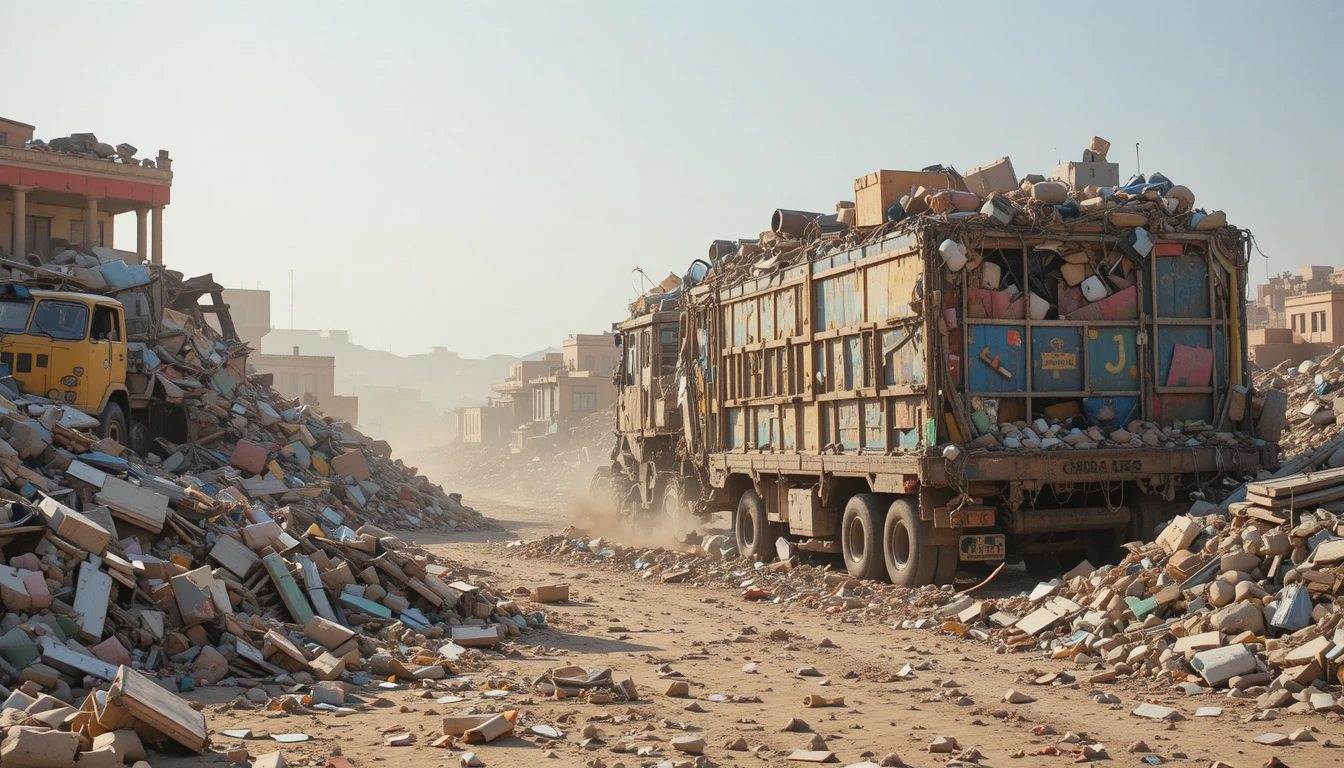
15. What Is E-Waste? Definition and Key Facts: Take My Junk Free
Definition: What is ewaste? E-waste or electronic waste includes discarded electrical or electronic devices: phones, laptops, TVs, batteries, and household electronics. These items often contain valuable metals and hazardous compounds.
Components: E-waste commonly contains copper, gold, rare earths, lead, mercury, and flame retardants. Proper handling recovers materials and prevents toxic release.
Why it matters: E-waste is the fastest-growing waste stream globally. Addressing it is essential for public health and resource conservation. We must treat e-waste as a resource via ewaste management solutions rather than simply garbage.
Our advice: When discarding electronics, prioritize electronic waste recycling, ewaste donation programs, or refurbishment. Avoid throwing electronics into household trash.
16. E-Waste Statistics & Environmental Impact of E-Waste
Scope: E-waste volumes have soared worldwide as electronics proliferate. While figures vary by year and region, the trend is clear: more devices, shorter lifespans, and more material throughput.
Impact: Improper disposal leads to toxic exposures and lost recoverable materials. For communities near dumps, there are documented health risks. Conversely, robust recycling recovers metals and reduces mining demand.
Local action: We should track local ewaste collection events, support manufacturer take-back schemes, and encourage corporate responsibility in ewaste management to improve nationwide metrics.
Takeaway: Accurate ewaste statistics motivate action donate, recycle, and buy durable devices.
17. Electronic Waste Recycling How It Works: Take My Junk Free
Collection: E-waste recycling starts with proper collection through municipal programs, retailer take-back, or ewaste recycling centers near me. Events and scheduled drop-offs make it accessible.
Dismantling & sorting: Recyclers disassemble devices, separate plastics, glass, and metals, and remove batteries and hazardous components for special handling.
Material recovery: Metals like copper, aluminum, and precious metals are recovered and fed back into manufacturing. This supports the circular economy in electronics.
Certification & trust: Use certified recyclers with transparent practices to ensure materials are handled responsibly and ewaste hazards to health are mitigated.
18. How to Prepare Electronics for Recycling & Hazard Mitigation
Data security: Before you recycle or donate electronics, wipe personal data and reset devices to factory settings. Remove SIM cards and external drives.
Safe handling: Remove batteries where practical and store them separately for hazardous waste disposal. Tape battery terminals if storing for transport, and avoid damaging them.
Documentation: Note make/model and condition for recyclers or donation centers. For donations, provide cords and accessories if possible they increase reuse potential.
Transport: Use original packaging or cushioned boxes. For large items, coordinate with drop-off sites or pickup services to avoid unsafe handling.
19. E-Waste Management Solutions & Corporate Responsibility
Solutions: Effective ewaste management solutions combine extended producer responsibility, certified recycling, consumer education, and repair pathways. Legislated take-back programs and producer funds can scale proper recycling.
Corporate role: Corporations significantly influence outcomes. Corporate responsibility in ewaste management includes design for repair, take-back programs, transparent recycling chains, and using recycled content.
Our role: As consumers and community organizers, we amplify responsible behavior by prioritizing companies with strong sustainability records and by supporting local repair cafés to reduce premature disposal.
Policy: Push for clearer government regulations on ewaste disposal, and support initiatives that integrate e-waste into the circular economy.
20. How to Dispose of Old Electronics Local Options & Regulations
Drop-off centers: Identify ewaste recycling centers near me, municipal drop-offs, or retailer take-back services. Many cities host periodic hazardous and e-waste collection events.
Donations: If devices still work, join ewaste donation programs or local nonprofits that refurbish for schools or community centers. This is often the highest-value option.
Regulations: Follow local laws on electronics and batteries; some places ban electronics from household trash. Contact your local authority for guidance and check for government regulations on ewaste disposal.
Avoiding harm: Never burn electronics or send them to informal dumps. Instead, choose certified recyclers and document your disposal if needed.
21. Local Recycling Centers & Household Recycling Programs
Map your options: Compile a list of local recycling centers, municipal curbside programs, and private recyclers. Know what materials each accepts: paper, glass, plastics, metals, electronics, and hazardous waste.
Household programs: Participate in household recycling programs and learn their sorting rules contamination is a leading problem. For example, empty and rinse containers and avoid bagging recyclables unless specified.
Community rollouts: Advocate for expanded services if your area lacks e-waste pickup or hazardous waste days. Local governments often respond when residents request improvements.
Tips: Keep an up-to-date folder of collection days, accepted materials and links to certified recyclers to make responsible disposal second nature.
22. Junk Donation Centers & What to Donate to Charity: Take My Junk Free
What works best: Donate gently used furniture, clothing, appliances, books, toys and tools. Check guidelines for item donations of each charity before dropping items off.
Large items: For bulky furniture or appliances, ask about pickup services many charities have schedules or partner with ecofriendly junk removal services to collect large donations.
Tax & receipts: Keep donation receipts for donation tax deductions. Document condition and value with photos where required for tax records.
How donation centers help: How donation centers help the environment and impact of donation centers on local communities cannot be overstated they prevent landfill waste and support social programs.
23. How to Start a Donation Drive Organizing & Promotion: Take My Junk Free
Plan: Choose a cause and date, coordinate with beneficiary charities, and determine logistics such as drop-off points or pickups.
Promotion: Create clear promotional materials: posters, social posts, and community emails. Use online tools for organizing a cleanup and donation campaigns.
Volunteer engagement: Recruit volunteers, assign roles (sorting, transport, communication), and offer appreciation like certificates or social media shoutouts. Engaging volunteers for cleanup events uses similar tactics.
Follow-up: Provide donors with receipts and impact summaries to build trust and encourage future participation.
24. Upcycling & DIY Recycling Projects Turning Trash into Treasure
Philosophy: Turning trash into treasure reframes waste as material. Upcycling preserves character and reduces demand for new goods.
Projects: Simple projects include turning glass bottles into vases, mason jars into storage or lights, and cardboard boxes into kids’ furniture. For larger items, upcycled furniture tutorials can transform pallets into benches.
Skill building: Upcycling teaches repair skills and fosters creativity. Even small projects like fun projects using bottle caps or creative ways to use scrap metal make striking decor.
Community: Host workshops or share tutorials to spread skills these creative recycling projects build community while reducing landfill volumes.
25. Repurposing Materials Wood Pallets, Glass, Cardboard & More
Wood pallets: Repurposing wood pallets is versatile: garden planters, outdoor seating, and shelving. Seal and sand pallets for indoor use to avoid splinters.
Glass bottles & mason jars: How to repurpose glass bottles includes lights, herb planters, and kitchen storage. Unique uses for mason jars range from pantry storage to soap dispensers.
Cardboard & plastic containers: Use repurposing cardboard boxes to create drawer dividers, gift boxes, or seed starters. Reusing plastic containers reduces packaging and organizes small items.
Garden waste: Repurposing garden waste into compost or mulch closes nutrient loops and reduces green waste pickup loads.
26. Upcycled Furniture Tutorials & Creative Recycling Projects
Small builds: Start with projects requiring minimal tools: pallet coffee tables, stool refurbishes, or refurbishing an old dresser with fresh paint and new hardware.
Techniques: Sanding, sealing, and learning to use a basic jigsaw or drill yield big returns. For upholstery repairs, simple re-padding tips extend furniture life.
Safety: When repurposing, especially with painted or older wood, check for lead paint or contaminants. For electronics converted into art or furniture, ensure components containing hazardous materials are removed and recycled properly.
Showcase & sell: Successfully upcycled pieces can be donated, displayed at community markets, or listed online a way to reduce junk and fund further sustainable projects.
27. Composting Household Waste & Natural Waste Disposal Methods
What to compost: Food scraps, coffee grounds, yard trimmings, and shredded paper are excellent for home compost. Avoid meats, dairy, and diseased plant material unless using advanced systems.
Methods: Use backyard heaps, tumblers, or community compost sites. Composting household waste reduces organic waste in landfills and returns nutrients to soil.
Alternatives: For non-compostable organics, seek anaerobic digestion or municipal green waste programs. Natural waste disposal methods like composting are essential to zero waste lifestyle tips.
Tips: Balance greens and browns, aerate, and monitor moisture to produce rich compost for gardens or planters.
28. Zero Waste Lifestyle Tips & Ecofriendly Minimalism: Take My Junk Free
Core habits: Reduce single-use items, repair before replacing, and buy in bulk where possible. Swap disposable cleaning tools for durable alternatives.
Kitchen specifics: Embrace reusable containers, repurposing glass bottles, and bulk storage. Tips for a minimalist kitchen include one multipurpose pan and decluttering duplicate utensils.
Shopping mindset: Choose multipurpose, long-lasting products and avoid impulse purchases. This aligns with mindful consumption and helps avoid clutter rebound.
Progress over perfection: Little changes compound. We encourage practical, incremental adoption of zero waste lifestyle tips rather than all-or-nothing approaches.
29. Community Cleanups Planning, Volunteers & Best Practices: Take My Junk Free
Planning: Define scope, secure permits, set safety protocols, and identify how to handle hazardous waste in cleanup. Coordinate with municipal services for waste pickup.
Volunteers: Recruit via schools, businesses, and social platforms. Provide tools, gloves, waste sorting stations, and refreshments. Use engaging volunteers for cleanup events techniques: clear roles, recognition, and fun.
Sponsorship & partners: Seek cleanup event sponsorship ideas from local businesses donation of supplies, transport or promotional help. Collaborating with local companies builds goodwill.
Best practices: Emphasize ecofriendly cleanup practices, ensure proper disposal of hazardous items, and post event reports to show impact and encourage future participation.
30. Life After Decluttering Maintenance, Minimalist Travel & Long-Term Habits
Maintenance: Schedule seasonal reviews, keep a donation box, and practice one-in, one-out to prevent clutter accumulation. Use decluttering faqs and quick routines to stay on track.
Travel: Apply minimalist travel tips: pack light, choose versatile clothing, and use carry items that serve multiple functions. Minimalist travel reduces stress and consumption.
Long-term culture: Make decluttering part of family routines. Teach children repair and reuse habits, and hold annual household swaps or donation days.
Outcomes: Over time, you’ll notice lower waste, calmer living spaces, and more sustainable consumption the core promise of Take My Junk Free.
Conclusion
We have provided a comprehensive, practical framework for Take My Junk Free from the first small steps to full household systems: decluttering checklists, local recycling options, e-waste protocols and vibrant DIY upcycling ideas. By combining mindful consumption, organized donation drives, and verified recycling, we protect public health, reduce landfill stress, and create local value. Begin with one 15-minute session today, use the checklist, connect with local junk donation centers and ewaste recycling centers near me, and let the ripple effects spread. Minimalism, when paired with sustainability, becomes a public good and that is the promise we invite you to adopt.
Frequently Asked Questions (FAQs)
Q1: How do I locate reliable ewaste recycling centers near me?
We recommend checking municipal websites, searching certified recycler directories, and calling local electronics retailers for take-back programs. Many communities list local ewaste collection events and certified centers online.
Q2: What items should never go in household recycling?
Do not place batteries, electronics, paint, solvents, or hazardous materials in curbside recycling. These need special handling through hazardous waste disposal or e-waste programs.
Q3: Can I get a tax deduction for donated items?
Yes. Keep receipts from junk donation centers and document item condition and estimated value; consult tax rules for allowable donation tax deductions in your jurisdiction.
Q4: How can I responsibly dispose of large furniture or appliances?
Contact charities that accept large items, schedule a pickup with ecofriendly junk removal services, or find municipal bulky-item pickup programs. Verify charities’ acceptance policies for large items.
Q5: What are simple upcycling projects for beginners?
Starter projects include turning mason jars into storage, making glass bottle vases or lights, converting pallets into planter boxes, or refreshing an old dresser with paint and new hardware. These DIY recycling projects are beginner-friendly and impactful.
Trusted Junk Removal Services in Dubai for Homes & Businesses
In Dubai?
Address: Office No.101, 10th Floor, Al-Shafar Tower, Business Bay, Dubai.
Google Map Location
Read More: Take My Junk Eco-Friendly Junk Removal Guide