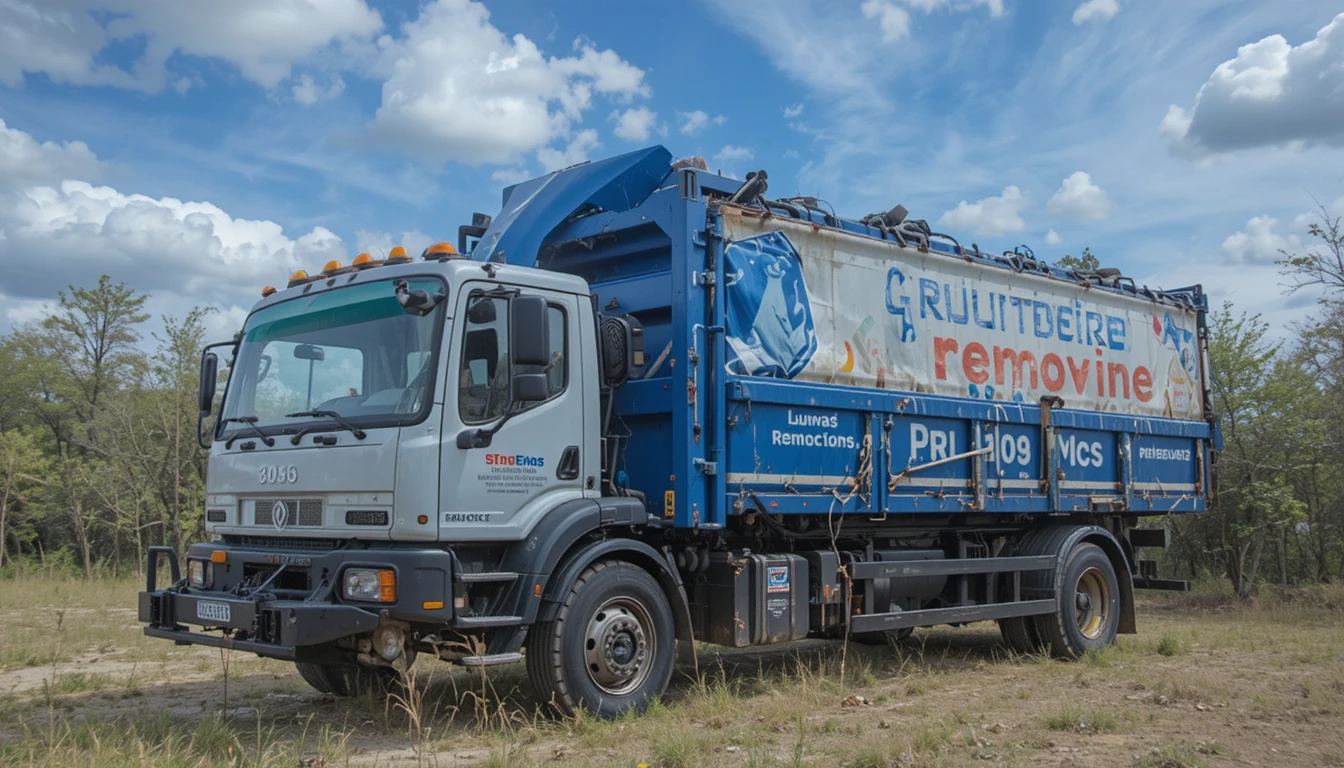
Rubbish Removal Services & Waste Management Guide
Rubbish Removal Services & Waste Management: Ultimate Guide
Introduction
Keeping a space clean and organized isn’t just about appearances it impacts our health, productivity, and the environment. That’s why choosing the right rubbish removal services, following efficient waste management systems, and embracing eco-friendly disposal practices is essential for homeowners, property managers, and contractors alike.
In this detailed guide, we break down everything from debris removal services and construction waste disposal to decluttering tips, waste reduction strategies, and community recycling programs. Whether you’re moving house, managing rental properties, or starting a major renovation, you’ll find step-by-step advice and practical solutions to handle waste responsibly while saving money.
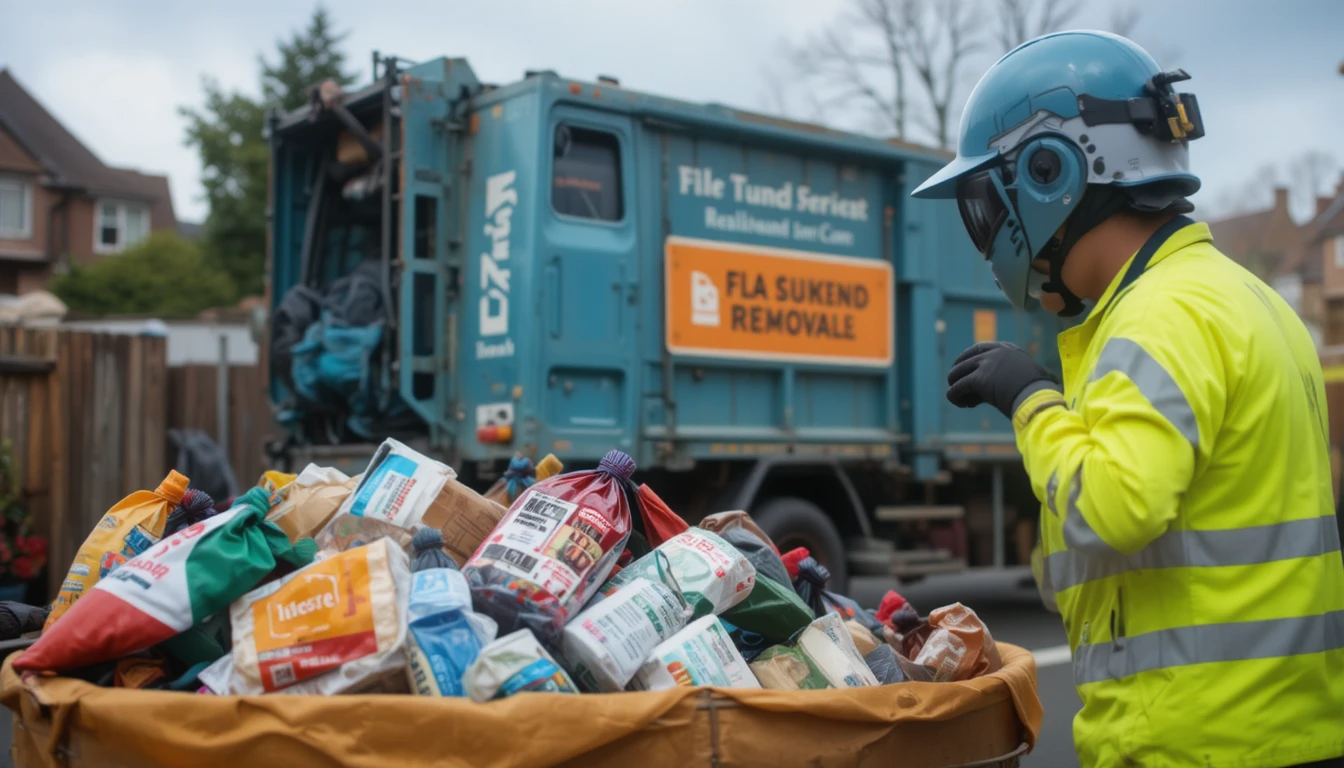
1. Importance of Professional Rubbish Removal Services
Professional rubbish removal services go far beyond simply hauling away garbage. They ensure eco-friendly rubbish removal options, proper waste disposal methods, and compliance with local waste disposal laws. This is crucial not just for aesthetics but also for community health.
When rubbish piles up, pests find shelter, unpleasant odors spread, and property values can suffer. Hiring the best rubbish removal services for property managers helps maintain a safe, hygienic, and visually appealing environment. For homeowners, regular waste collection means reduced clutter, better air quality, and fewer safety hazards.
Professionals also manage waste removal frequency recommendations, separating recyclables, compostables, and hazardous items according to municipal waste management guidelines. This reduces landfill waste and supports sustainable recycling methods.
2. Choosing the Right Debris Removal Services
Selecting the right debris removal services is about more than cost it’s about reliability, compliance, and environmental responsibility. Property managers often need on-demand rubbish removal for property management with flexible scheduling, while homeowners may prefer budget-friendly junk removal for seasonal cleanouts.
Key considerations include:
- Service Coverage: Are they local rubbish removal providers familiar with state-specific waste regulations?
- Eco Practices: Do they offer eco-friendly junk removal services and donate usable items to community recycling programs?
- Transparency: Look for clear pricing, no hidden fees, and customer reviews. Reading rubbish removal service reviews can save time and avoid headaches.
- Compliance: Ensure they meet waste disposal reporting requirements and have proper waste disposal permits.
Think of hiring debris removal like choosing a moving company: you want someone careful, efficient, and trustworthy not just the cheapest option.
3. Construction Waste Disposal & Site Cleanup Best Practices
For contractors and property developers, proper construction waste disposal is a critical step in any project. It’s not just about clearing the site but following environmental compliance for waste disposal and reducing environmental impact.
Best practices include:
- Segregation of Waste: Keep concrete, metals, wood, and general debris separate for construction waste recycling options.
- Temporary Waste Storage Solutions: Use labeled bins or dumpster rental for construction projects to avoid cross-contamination.
- Documentation & Compliance: Maintain records for waste tracking and documentation requirements to meet recycling compliance laws.
- Site Debris Cleanup Strategies: Schedule regular cleanups to keep work areas safe and efficient.
4. Benefits of Recycling & Waste Reduction Strategies: Rubbish Removal Services
Recycling is more than a feel-good action it’s a direct investment in our future. When we recycle, we reduce the demand for virgin raw materials, lower energy consumption, and keep unnecessary waste out of landfills. Proper recycling compliance laws and waste reduction strategies help households, businesses, and municipalities contribute to a cleaner environment while saving money on waste collection fees.
Benefits of recycling include:
- Reduced Landfill Waste: Every ton of paper recycled saves up to 17 trees and conserves water.
- Lower Greenhouse Gas Emissions: Recycling metals, plastics, and glass consumes far less energy than creating new materials.
- Economic Opportunities: Recycling supports local jobs and encourages innovative waste management technologies.
Households can start small by adopting responsible waste separation techniques, using sustainable packaging alternatives, and trying composting tips for beginners to recycle kitchen scraps. Businesses can perform waste audits for apartment complexes or office spaces to find new ways to cut waste and save on disposal costs.
Waste reduction strategies can be simple: buying in bulk, switching to refillable containers, and practicing a zero waste lifestyle. Municipalities encourage participation through community recycling programs and incentives such as recycle and save on rubbish removal costs initiatives.
5. How to Start Decluttering Your Home
Decluttering can feel overwhelming, especially if your space is filled with years of sentimental items. But breaking it into small, manageable steps transforms it into a rewarding process. Start with a declutter your home checklist to outline rooms and categories.
Steps to declutter your living space:
- Choose One Area at a Time: Work room by room or even drawer by drawer to avoid burnout.
- Use the Four-Box Method: Sort items into keep, donate, recycle, and rubbish.
- Schedule Regular Decluttering Sessions: Aim for 1530 minutes daily to maintain momentum.
Be mindful of decluttering mistakes to avoid, such as getting stuck reminiscing over old items or starting multiple rooms at once. For emotional items, try how to declutter sentimental items techniques take photos before letting go, or pass them to a family member.
Decluttering is like pruning a tree it may feel uncomfortable at first, but it allows new growth and space to breathe. Over time, a lighter, cleaner home brings mental clarity and peace.
6. Waste Management Systems & Methods Explained
Modern waste management systems are designed to handle different types of waste efficiently from household rubbish to construction demolition waste. Understanding these systems helps homeowners, property managers, and businesses comply with waste management regulations while minimizing their environmental footprint.
Types of waste management services include:
- Collection Services: Regular pickups for residential and commercial waste.
- Recycling Programs: Segregation of plastics, metals, paper, and glass.
- Composting Solutions: Turning organic waste into nutrient-rich compost.
- Hazardous Waste Handling: Proper environmentally safe disposal of hazardous waste to prevent contamination.
Waste management also includes digital decluttering tips to keep our online storage clean, reducing data center energy usage. Implementing waste management practices for homeowners like waste sorting bins, eco-friendly waste disposal options, and scheduling pickups reduces the risk of overfilled containers and pests.
By following best practices for waste management compliance and leveraging innovative waste management technologies, communities can build sustainable waste plans that serve long-term environmental goals.
7. EPA Waste Disposal Regulations & Compliance
Compliance with EPA waste disposal regulations is critical for businesses and contractors handling large-scale waste. These regulations protect soil, water, and air quality by setting strict rules for hazardous waste disposal, waste tracking and documentation requirements, and waste disposal reporting requirements.
Failing to comply can result in regulatory penalties for waste violations, legal liabilities, and even project shutdowns. Property managers must understand waste disposal liability issues, particularly when dealing with tenant eviction waste or hazardous materials in rental units.
Compliance checklist for waste management:
- Obtain necessary waste disposal permits before starting major projects.
- Follow municipal waste management guidelines for segregation.
- Keep proper records for audits and inspections.
- Train staff using waste management education resources to ensure everyone understands their responsibilities.
Environmental impact assessments may also be required for large developments. These reports measure potential risks and outline strategies to mitigate pollution. Staying compliant is not just about avoiding fines it protects your reputation and demonstrates corporate responsibility.
8. Residential Waste Management Solutions for Homeowners
Homeowners play a critical role in reducing overall waste. Implementing simple residential waste management solutions can transform a household into a model of sustainability.
Practical solutions include:
- Curbside Recycling: Make use of municipal recycling programs.
- Home Composting: Follow composting tips for beginners to reduce food waste.
- Seasonal Waste Management: Declutter seasonally using a seasonal decluttering guide to keep things manageable.
- Eco-Friendly Decluttering Options: Donate gently used items to charities and reuse where possible.
Some neighborhoods also offer free rubbish removal programs or community waste disposal initiatives to encourage participation. Keeping up with waste collection schedules for tenants or households prevents overflow and keeps neighborhoods clean.
Homeowners should also be aware of waste removal and pest control issues overflowing bins attract rodents and insects. By maintaining proper waste management frequency recommendations, you ensure a healthier, more organized home.
9. Environmental Impact of Proper Waste Removal
Every piece of waste we properly dispose of makes a difference. Environmental impact assessments for waste show that mismanaged waste pollutes rivers, contributes to climate change, and harms wildlife. Proper eco-friendly waste disposal prevents this chain reaction.
Positive impacts of waste management include:
- Cleaner Communities: Regular rubbish clearance services for real estate properties improve neighborhood appeal.
- Better Public Health: Reduced exposure to pathogens lowers disease risk.
- Higher Property Values: Clean, well-maintained surroundings boost real estate appeal.
Proper waste handling also supports sustainable construction waste practices and reduces demand for new landfills. It’s a community-wide effort: when one property neglects rubbish, it impacts everyone’s living quality. Choosing eco-friendly rubbish removal options is a step toward safeguarding our shared future.
10. Eco-Friendly Waste Disposal & Zero Waste Lifestyle Tips
Living a zero waste lifestyle may sound extreme, but even small steps toward eco-friendly waste disposal have big payoffs. Begin by swapping disposable products for reusable ones, like water bottles and shopping bags.
Practical zero waste tips:
- Buy in Bulk: Reduce packaging waste and save money.
- DIY Cleaners: Use natural ingredients to avoid plastic bottles.
- Repair Instead of Replace: Extend product life and reduce consumption.
- Composting: Convert kitchen scraps into natural fertilizer.
For rubbish removal, choose providers offering eco-friendly rubbish collection on a budget and sustainable recycling methods. Property managers can integrate green waste management solutions for landlords to encourage tenants to separate waste properly.
By following these strategies, we move closer to a world where waste is not just thrown away but transformed into resources, reducing pressure on our planet and promoting long-term sustainability.
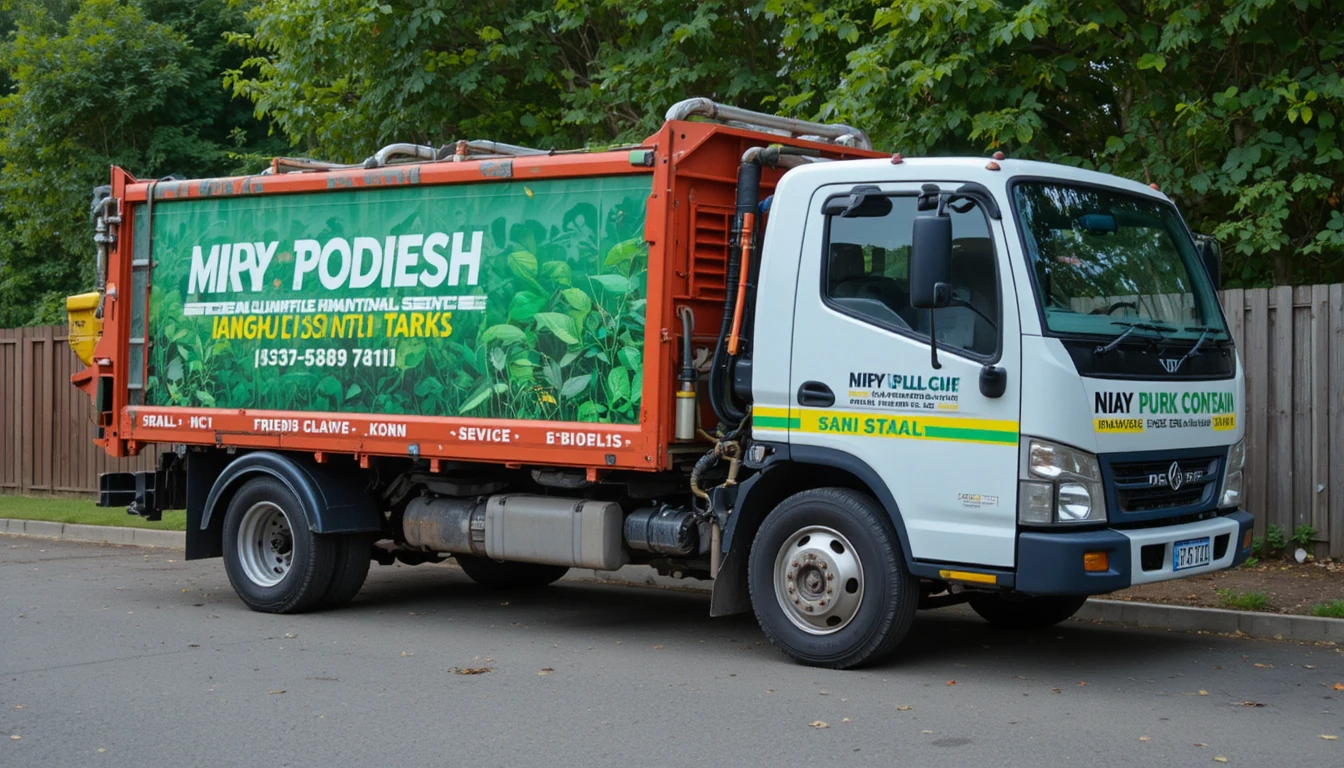
11. Community Recycling Programs & Participation
Community recycling programs are the backbone of sustainable waste management. They make it easy for residents and businesses to divert recyclable materials from landfills and turn them into valuable resources. Participation in these programs is not just good for the environment , it strengthens community engagement and encourages shared responsibility.
Many municipalities run curbside collection services, drop-off centers, and community waste disposal initiatives where residents can bring recyclables like glass, metal, plastic, and e-waste. Participating helps reduce overall collection costs and supports municipal waste management guidelines.
To increase participation, local authorities and property managers can provide clear responsible waste separation techniques, distribute collection calendars, and promote recycling awareness through newsletters or social media. Offering incentives such as seasonal rubbish cleanup specials or discounts on junk removal services can boost engagement.
Community events like tips for organizing a community cleanup days are a great way to bring neighbors together while beautifying shared spaces. Imagine a street where every household recycles consistently , not only does it look cleaner, but the entire neighborhood enjoys better air quality, fewer pests, and improved curb appeal.
12. Decluttering Mistakes to Avoid: Rubbish Removal Services
Decluttering can quickly become frustrating if common mistakes aren’t avoided. One of the biggest pitfalls is trying to tackle the entire house in a single day. This leads to exhaustion and discouragement. Instead, break the process into smaller, achievable tasks following a room-by-room decluttering guide.
Another mistake is holding onto too many “just in case” items. If something hasn’t been used in over a year, it’s likely safe to donate, sell, or recycle. Be cautious about decluttering sentimental items , emotional attachment can slow progress. Take photos of special items to preserve memories before letting go.
Buying new organizational products too soon is another trap. First, declutter and minimize; then see what storage you actually need. Otherwise, you risk replacing clutter with new clutter.
Avoid neglecting digital spaces as well. Digital decluttering tips can help you clear old files, emails, and duplicate photos, which can improve mental clarity just like physical decluttering.
13. Best Decluttering Methods for Small Apartments
Decluttering in small apartments can feel like solving a puzzle with too many pieces. Limited space means every item counts. The key is to use best decluttering methods that maximize available storage while reducing clutter.
Start with vertical space , wall-mounted shelves, hooks, and hanging organizers free up floor space and make a small home feel bigger. Utilize under-bed storage and furniture with built-in compartments to keep things hidden but accessible.
Apply minimalist decluttering strategies by focusing on quality over quantity. For example, choose multipurpose items like a sofa bed or folding dining table. Decluttering tips for small apartments often emphasize keeping surfaces clear , when countertops and tables are clean, the entire space feels more organized.
Don’t forget seasonal items. Use vacuum-sealed bags for off-season clothes or store them in a labeled bin. Regular seasonal decluttering keeps things from piling up and ensures your apartment stays functional.
14. Decluttering for Moving House & Open Houses
Decluttering before a move is one of the smartest decisions you can make. It saves time, money, and stress because you only pack what you truly need. Follow decluttering for moving house checklists to sort through each room weeks before the move date.
For open houses, a clean and clutter-free space makes a home feel larger and more inviting to potential buyers. Real estate experts recommend tips for decluttering before an open house, such as removing personal items and excess furniture. This allows buyers to picture themselves living in the home.
Be strategic , pack seasonal or rarely used items first. Donate, sell, or use eco-friendly rubbish removal options for items you no longer need. Consider hiring property cleanout services for landlords or junk removal for real estate listings if there’s a large amount of waste to clear.
15. Minimalist Decluttering Strategies & Time Management
Minimalism is about keeping what adds value to your life and letting go of the rest. Using minimalist decluttering strategies ensures you focus on what truly matters rather than being buried in possessions.
Start with a single drawer or closet and ask yourself: “Does this serve me or spark joy?” If not, it’s time to part ways. Create a decluttering schedule and practice time management for decluttering by setting short, focused intervals. This avoids burnout and keeps momentum going.
Minimalism doesn’t mean living with nothing , it’s about living with intention. Homeowners who embrace minimalism often find that maintaining a clutter-free home becomes effortless over time, reducing cleaning hours and mental stress.
16. Maintaining a Clutter-Free Home Year-Round
Decluttering once isn’t enough , the challenge is keeping the clutter from returning. To maintain a clean space, establish simple daily habits like putting items back where they belong, sorting mail immediately, and following a seasonal decluttering guide every few months.
Implement time management for decluttering strategies, such as dedicating five minutes a day to a “reset routine.” Families can teach kids to follow decluttering ideas for kids’ rooms, making cleanup fun and interactive.
Regularly check for expired products in the kitchen and bathroom, donate unused clothes, and schedule eco-friendly decluttering options to avoid unnecessary waste. By making decluttering part of your routine, you keep chaos at bay and enjoy a consistently organized home.
17. Eco-Friendly Decluttering Options & Donation Tips
Decluttering doesn’t mean everything must end up in a landfill. Today, there are many eco-friendly decluttering options that allow you to give your items a second life. Donate clothing to local charities, furniture to shelters, and electronics through community recycling programs.
Use sustainable recycling methods or upcycling ideas for household items to turn old jars into planters or furniture into DIY projects. When items are beyond saving, choose eco-friendly rubbish removal options that ensure responsible disposal.
Organizing donation drives can also strengthen communities. Imagine decluttering as a form of sharing , what no longer serves you could be exactly what someone else needs.
18. How to Select the Best Rubbish Removal Services
With so many providers out there, choosing the right rubbish removal company can be tricky. Start by comparing services with a rubbish removal service comparison guide and reading customer testimonials for rubbish removal services.
Ask questions to ask a rubbish removal company, including:
- How do you handle recyclables and hazardous waste?
- Do you offer eco-friendly rubbish removal options?
- Are you licensed and insured under waste management certification programs?
For property managers, integrating rubbish clearance services for real estate properties into maintenance schedules ensures consistent cleanliness. Look for providers offering on-demand rubbish removal for property management and flexible contracts to match your needs.
19. Affordable & Budget-Friendly Rubbish Removal Services
Waste management doesn’t have to be expensive. Many companies offer cheap waste disposal options, budget-friendly junk removal, and even free rubbish removal programs for eligible residents.
Search for local affordable junk haulers that provide rubbish removal coupons and deals or seasonal discounts. Contractors and renovators can benefit from budget junk removal for renovators programs that bundle multiple pickups at a lower cost.
DIY waste disposal can also save money if done safely. Use DIY waste disposal tips such as renting your own dumpster or coordinating with neighbors for bulk pickups to split costs.
20. Contract Terms & Legal Considerations for Waste Services
Before signing up for rubbish removal services, review the contract carefully. Understand the contract terms for rubbish removal services, including pickup frequency, included materials, and additional fees for special items like electronics or hazardous waste.
Property managers should also verify compliance with local waste disposal laws, statespecific waste regulations, and waste disposal liability issues to protect their property. A clear agreement helps avoid disputes and ensures reliable service.
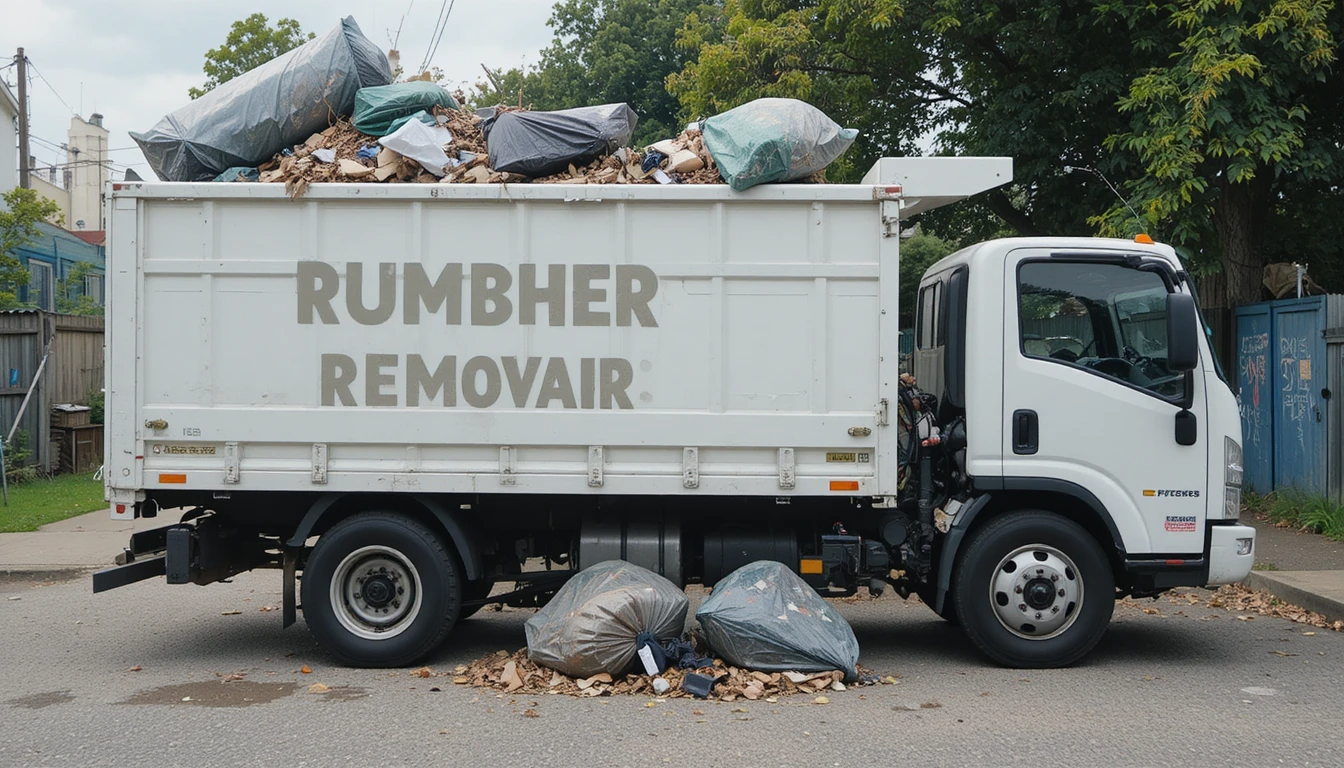
21. Seasonal Rubbish Disposal Tips for Property Managers
Property managers face unique waste challenges with changing seasons. During spring, tenants often clean out garages and storage units, generating bulky rubbish that needs timely pickup. Offering seasonal rubbish cleanup specials helps residents dispose of unwanted items responsibly.
In summer, garden waste increases. Managers can provide green waste management solutions for landlords like designated bins for leaves, branches, and grass clippings. Autumn brings fallen leaves and pre-holiday cleanouts, making it a perfect time to encourage community waste disposal initiatives or bulk pickup days.
Winter often results in packaging waste from holiday shopping. Property managers can send reminders on waste collection schedules for tenants to prevent overflow during busy times. Organizing emergency waste removal services for properties after storms is also crucial to maintain safety.
These seasonal strategies not only keep properties clean but also support community recycling programs and reduce landfill waste.
22. Waste Management for Construction & Renovation Projects
Construction projects generate massive amounts of waste, from wood scraps to demolition debris. Having a solid waste management plan for construction projects is critical for safety and compliance.
Begin with site debris cleanup strategies, ensuring workers separate materials for recycling. Use dumpster rental for construction projects and temporary waste storage solutions to prevent clutter that can become a hazard.
Contractors should follow best practices for construction waste removal, such as salvaging materials for reuse and transporting recyclables to approved facilities. Many companies now offer construction waste recycling options to minimize landfill use.
This not only ensures compliance with environmental compliance for waste disposal but also reduces costs and improves site efficiency.
23. Waste Tracking, Permits & Documentation Requirements
Tracking waste from collection to disposal is vital for accountability and compliance. Waste tracking and documentation requirements help verify that waste is disposed of legally and safely.
Businesses must maintain detailed records of waste quantities, disposal methods, and facility destinations. Many regions also require waste disposal permits for large projects. Failing to produce documentation can lead to regulatory penalties for waste violations.
Digital tools make tracking easier, offering dashboards that monitor waste reduction strategies and recycling rates in real time. Maintaining documentation also supports waste disposal reporting requirements and protects businesses from liability.
24. Hazardous Waste & Electronic Waste Disposal Best Practices
Hazardous waste, including paints, chemicals, and batteries, requires careful handling to prevent environmental harm. Always follow environmentally safe disposal of hazardous waste guidelines and use certified collection facilities.
For e-waste, like old computers or phones, use best practices for electronic waste disposal to recycle components safely. Many municipalities offer drop-off points or collection days. Property managers can schedule managing electronic waste in rental properties pickups to encourage tenants to participate.
Separating hazardous items from general rubbish ensures compliance with waste management regulations and protects soil and water sources from contamination.
25. Sustainable Packaging Alternatives & Upcycling Ideas
Reducing packaging waste is a powerful step toward sustainability. Switch to sustainable packaging alternatives such as paper, glass, or compostable materials instead of plastic.
Households can practice upcycling ideas for household items, like turning glass jars into storage containers or using pallets for DIY furniture. Businesses can cut costs by redesigning packaging to be reusable or refillable.
Encouraging tenants or customers to return packaging for reuse creates a circular system that minimizes waste. This is an excellent way to minimize plastic waste and support a zero waste lifestyle.
26. Waste Management Education & Community Awareness
Education is key to changing habits. Providing waste management education resources to residents, employees, and contractors helps everyone understand the importance of proper disposal.
Workshops, webinars, and posters can teach waste management basics, explain waste disposal methods, and highlight the benefits of proper waste management. Creating a compliance checklist for waste management helps keep everyone accountable.
Community awareness campaigns can highlight success stories, showing how proper disposal improves neighborhoods. Community recycling programs thrive when people are informed and motivated to participate.
27. Innovative Waste Management Technologies
Technology is revolutionizing waste management. Smart bins now track fill levels, allowing for optimized pickup schedules that save fuel and reduce emissions.
Other innovative waste management technologies include waste-to-energy plants, automated sorting systems, and AI-powered recycling solutions. These tools help achieve reducing landfill waste targets and make eco-friendly waste disposal more accessible.
Digital platforms also help businesses comply with waste tracking and documentation requirements, improving transparency and sustainability reporting.
28. Cost of Waste Management Services & Saving Tips
Waste management costs can vary based on volume, frequency, and type of waste. Understanding the cost of waste management services allows property managers and homeowners to budget effectively.
Savings tips include:
- Reducing waste generation through waste reduction strategies.
- Using eco-friendly rubbish collection on a budget services.
- Scheduling pickups less frequently by maximizing bin capacity.
Look for discounts on junk removal services and partner with local affordable junk haulers to negotiate better rates. Regular audits can reveal unnecessary expenses and lead to more cost-effective rubbish removal solutions.
29. Waste Management Challenges & Solutions for Property Managers
Property managers face challenges such as inconsistent tenant participation, illegal dumping, and rising disposal costs. These can be addressed by:
- Implementing clear waste collection schedules for tenants.
- Providing waste storage solutions for multifamily units to prevent overflow.
- Encouraging recycling through rewards or community waste disposal initiatives.
- Offering tenant waste disposal services for bulky items.
Investing in waste audits for apartment complexes helps identify problem areas, while partnering with reliable rubbish removal providers for property managers ensures efficient cleanup and compliance.
30. Conclusion & Steps Toward a Cleaner, Healthier Community
Proper waste management is more than a chore , it’s a commitment to public health, safety, and sustainability. By adopting eco-friendly waste disposal, using professional rubbish removal services, and engaging with community recycling programs, we build cleaner, healthier, and more valuable living spaces.
Property managers, homeowners, and businesses all share responsibility for keeping neighborhoods clean. Whether it’s following seasonal rubbish disposal tips, embracing zero waste lifestyle tips, or investing in innovative waste management technologies, every step counts. Together, we can reduce landfill waste, protect natural resources, and create communities we’re proud to live in.
FAQs
1. How often should rubbish be removed from residential properties?
Most experts recommend following waste removal frequency recommendations based on household size , weekly for average homes, bi-weekly for smaller households.
2. What are the best eco-friendly rubbish removal options?
Choose companies offering recycling, donation partnerships, and environmentally safe disposal of hazardous waste.
3. How can property managers save money on waste disposal?
Use budget-friendly junk removal providers, schedule bulk pickups, and encourage tenant participation in community recycling programs.
4. What are the benefits of regular rubbish removal?
Regular rubbish removal prevents pests, improves air quality, enhances property value, and ensures compliance with municipal waste management guidelines.
5. What are effective strategies for decluttering sentimental items?
Take photos before letting go, gift items to family, or repurpose them creatively using upcycling ideas for household items.
Trusted Junk Removal Services in Dubai for Homes & Businesses
In Dubai?
Address: Office No.101, 10th Floor, Al-Shafar Tower, Business Bay, Dubai.
Google Map Location
Read More: Rubbish Removal Dubai: Eco & Affordable Waste Care