Renovation Waste Disposal: Kitchen & Bath
Renovation Waste Disposal: Kitchen & Bath
Introduction
You finally decided to renovate your kitchen or bathroom. The tiles are up, the cabinets are out, and suddenly your home looks less like a dream upgrade and more like a storage yard. Broken tiles, old sinks, drywall, and packaging pile up faster than expected. Sound familiar?
For Dubai residents and business owners, renovation clutter can feel overwhelming, especially in apartments, villas, or high-rise towers where space is limited. Managing waste after a kitchen or bathroom remodel isn’t just about cleanliness; it’s about safety, compliance, and peace of mind. Think of waste like sand in your shoes at JBR, ignore it, and it ruins the whole experience.
This guide walks you through everything you need to know about Renovation Waste Disposal, tailored specifically for Dubai’s rules, buildings, and lifestyle. Let’s clear the mess the smart way.
1. Understanding Renovation Waste
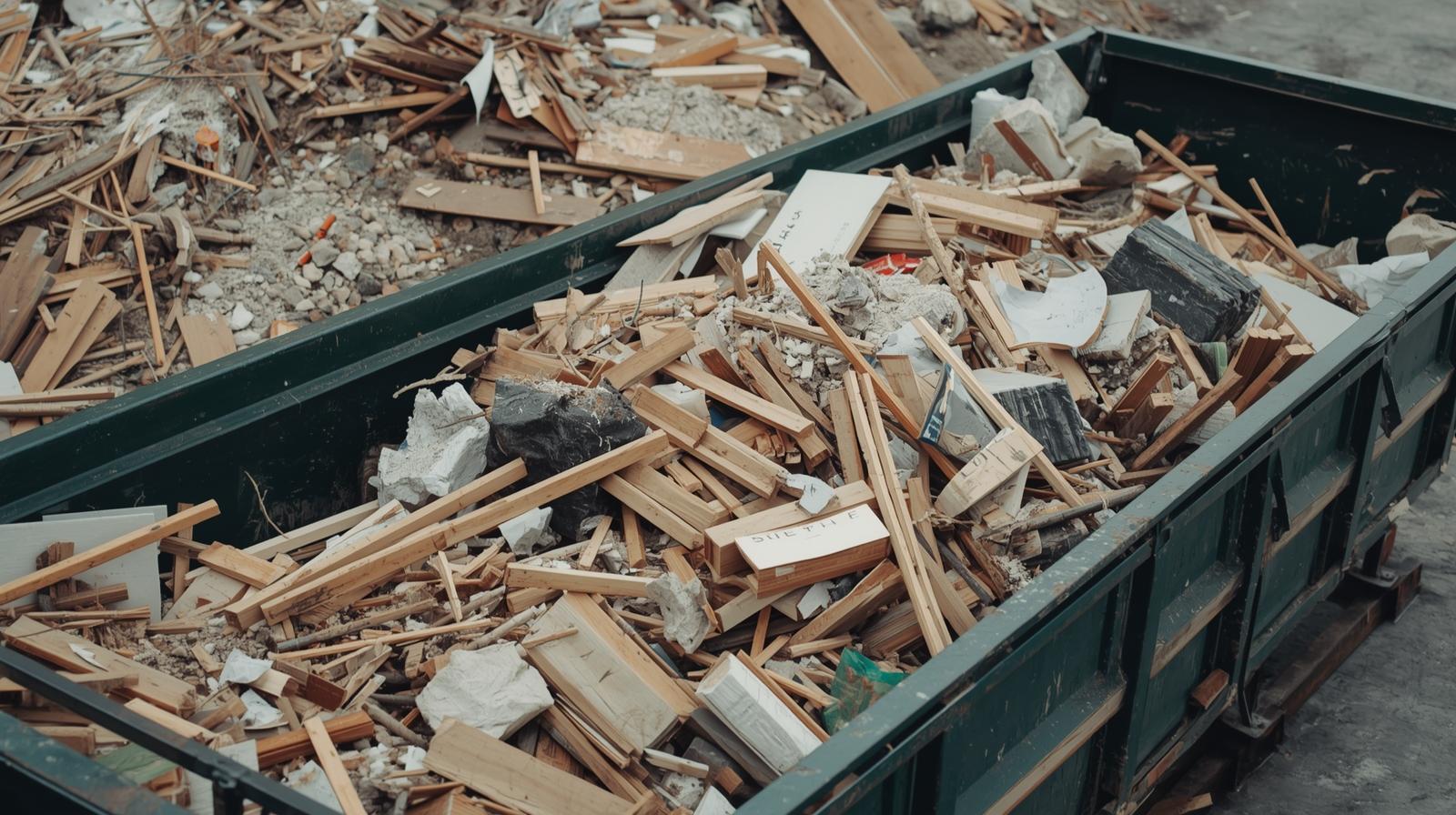
Renovation waste refers to all leftover materials generated during remodeling or construction activities. In kitchen and bathroom projects, this waste can become heavy and unmanageable very quickly. Items like broken tiles, concrete chunks, old plumbing fixtures, wood panels, and outdated appliances start piling up before you realize it.
In Dubai, renovation waste is not treated like normal household trash. Strict waste management systems are in place to keep residential and commercial areas clean and safe. You cannot leave debris near your villa, apartment, or shop. Areas such as Dubai Marina, Jumeirah, and Business Bay are especially regulated due to shared spaces and high population density.
Proper Renovation Waste Disposal protects your property, avoids fines, and keeps your surroundings clean. When you understand what qualifies as renovation waste, planning removal becomes easier and far less stressful.
2. Why Kitchen & Bath Waste Needs Special Handling
Kitchen and bathroom renovations produce a complex mix of waste materials. Unlike general household clutter, these spaces involve plumbing parts, electrical fittings, adhesives, sealants, and moisture-affected materials. Items like sinks, bathtubs, and cabinets are often bulky, heavy, and difficult to move safely.
Bathrooms typically generate broken ceramic tiles, toilets, and sanitary ware that can crack or shatter easily. Kitchens add metal, wood, glass, and grease-stained components to the mix. In Dubai, mixing these materials with regular trash is unsafe and often against waste disposal rules.
Handling this waste properly is like organizing a wardrobe; everything needs its own place. With Renovation Waste Disposal, separating materials early reduces risks, saves time, and supports responsible recycling.
3. Dubai Municipality Rules You Must Know
Dubai Municipality has clear and strict guidelines for handling renovation and construction waste. Any debris created during kitchen or bathroom remodeling must be removed using approved waste disposal methods. Dumping waste in public areas, parking spaces, or regular bins can lead to heavy fines.
For larger renovation projects, permits may be required. Some communities like Emirates Hills, Downtown Dubai, and gated compounds also enforce additional building management rules. These policies are designed to protect residents, shared facilities, and public safety.
When you follow official regulations, Renovation Waste Disposal becomes straightforward and stress-free. You stay compliant, avoid unnecessary delays, and ensure your renovation does not disturb neighbors or nearby businesses.
4. Renovation Waste Disposal in High-Rise Buildings
Renovating in a high-rise apartment or office tower comes with unique challenges. Elevators, loading areas, and service timings must be carefully coordinated with building management. You cannot move debris freely or during peak hours without permission.
In towers across Dubai Marina, DIFC, and Downtown, waste removal usually requires booking service elevators and using covered trolleys. Dust control, noise reduction, and proper packaging are also essential to prevent complaints from other residents or tenants.
Professional Renovation Waste Disposal services understand these logistics. They plan removals around building rules, ensuring waste is handled discreetly, efficiently, and without disrupting daily operations in the building.
5. Common Types of Kitchen Renovation Waste
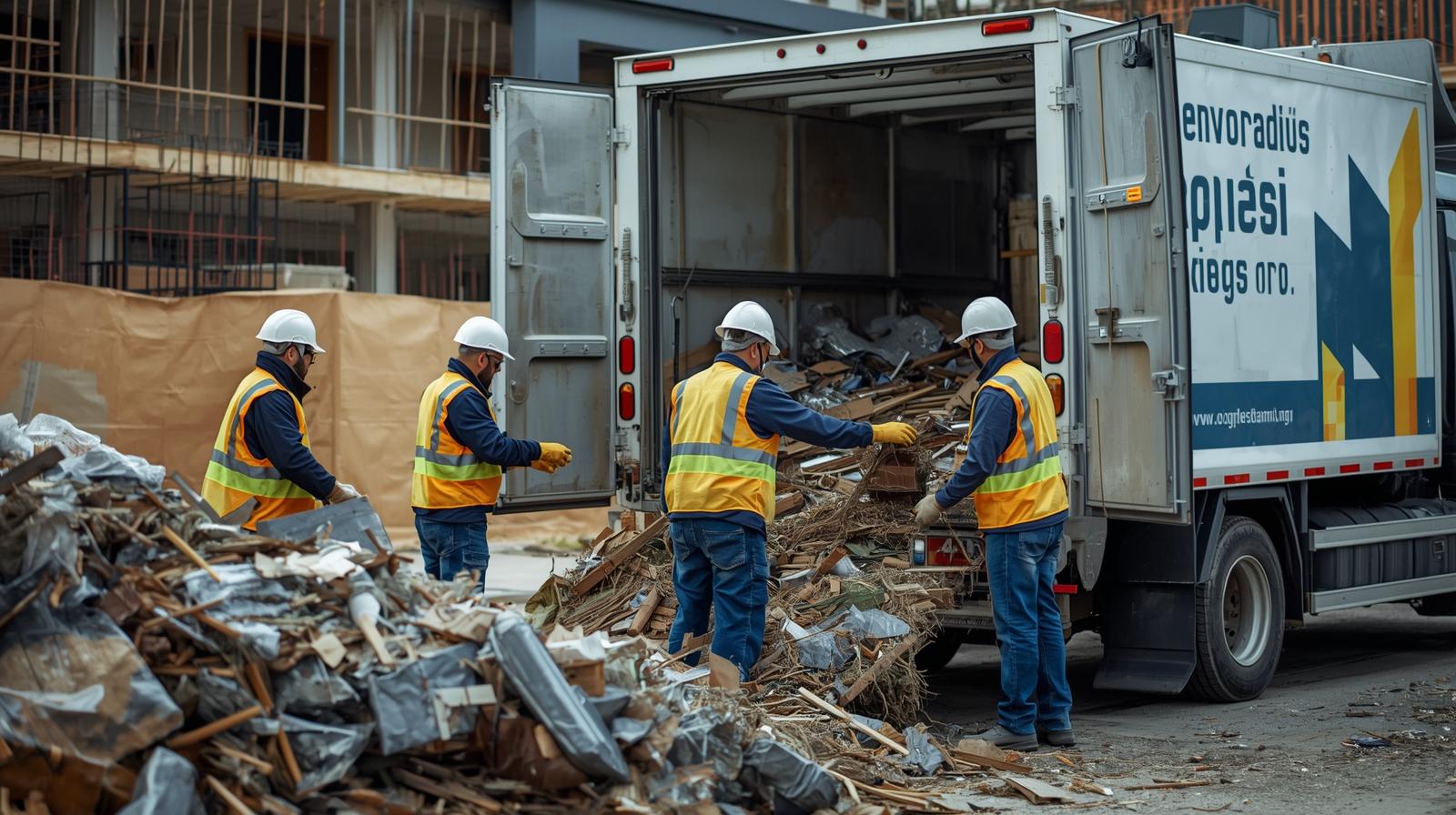
Kitchen renovations generate a wide range of waste materials. Old cabinets, countertops, floor tiles, backsplashes, and appliances are the most common items removed during upgrades. Each of these materials requires different handling and disposal methods.
Wooden cabinets may be reusable or recyclable if they are in good condition. Metal appliances such as ovens and refrigerators can often be recycled through approved channels. However, broken countertops, tiles, and adhesives usually go to construction waste facilities.
Sorting waste at the source makes Renovation Waste Disposal much easier. When materials are separated early, disposal becomes faster, cleaner, and more cost-effective, especially in space-limited Dubai homes.
6. Common Types of Bathroom Renovation Waste
Bathroom renovation waste is usually heavier and more fragile than other household debris. Toilets, bathtubs, sinks, and bidets are typically made from ceramic or porcelain, which can break easily and pose safety risks.
Old plumbing pipes add metal waste, while mirrors and glass shower panels require careful handling. Water-damaged drywall, insulation, and sealants are also common and cannot be reused due to hygiene concerns.
Efficient Renovation Waste Disposal ensures these materials are handled safely and responsibly. Proper removal protects workers, residents, and neighbors while keeping your renovation site clean, organized, and compliant with Dubai regulations.
7. Step-by-Step Renovation Waste Disposal Process
The renovation waste disposal process begins with assessment. First, identify the type and volume of waste your kitchen or bathroom renovation will generate. This helps determine container sizes, manpower needs, and whether permits are required.
The next step is segregation. Recyclable materials should be separated from general debris. This reduces landfill waste and can lower overall disposal costs. After sorting, schedule waste collection according to Dubai Municipality and building management guidelines.
Finally, waste is transported to approved facilities. A structured Renovation Waste Disposal process keeps your project organized, avoids last-minute chaos, and ensures smooth progress from start to finish.
8. Renovation Waste Disposal Planning Before You Start
Planning waste removal before demolition begins can save you both time and money. Many homeowners and business owners focus only on design and finishes, forgetting about debris until it becomes overwhelming.
Create a waste management plan alongside your renovation schedule. Decide where waste will be stored temporarily and how often it will be removed. This is especially important in compact apartments, villas, and commercial units.
With proper planning, Renovation Waste Disposal becomes part of a smooth workflow instead of an emergency cleanup. Good preparation keeps your renovation site clean, safe, and efficient from day one.
9. Renovation Waste Disposal Safety Tips
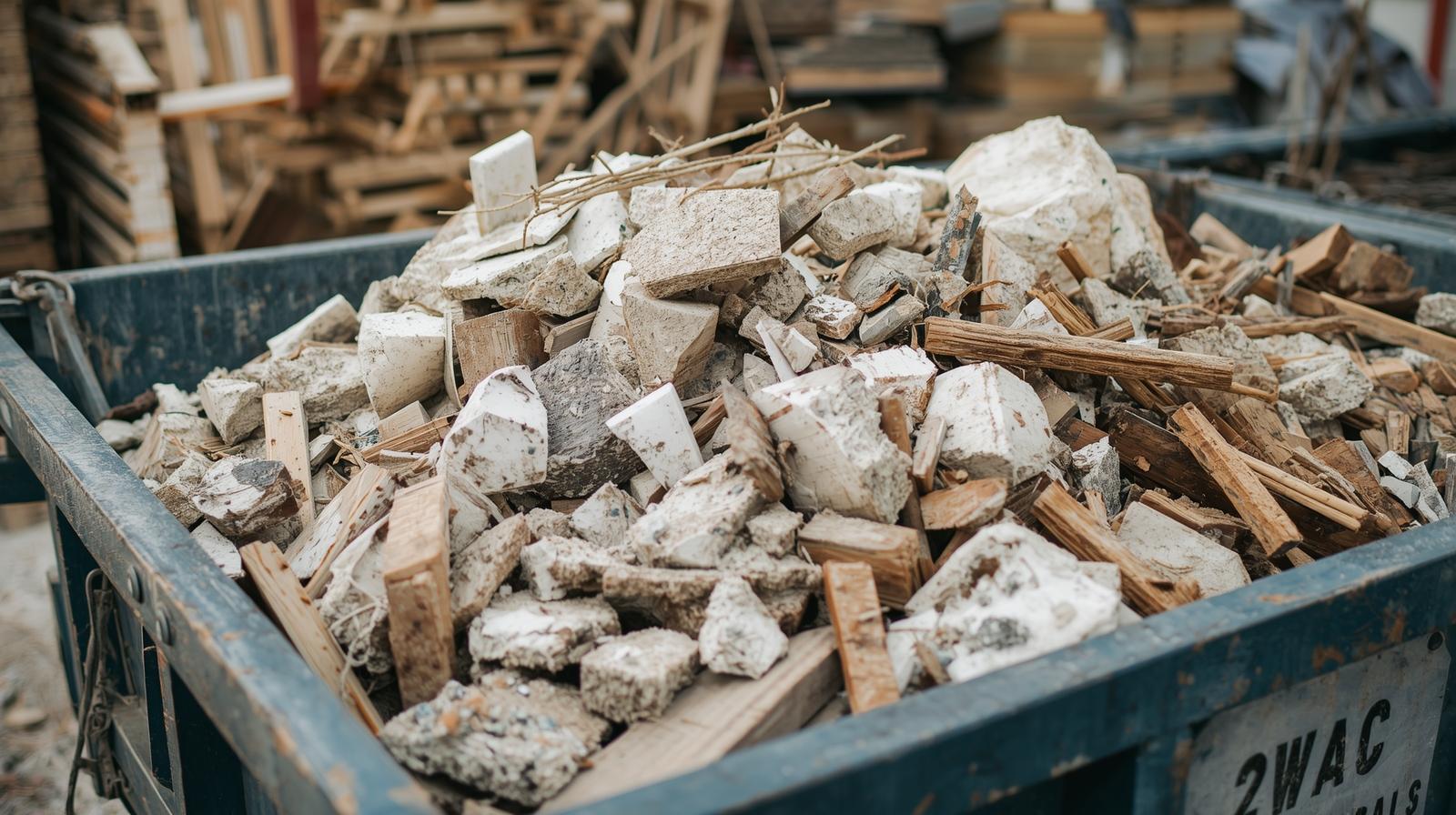
Safety is a critical part of waste handling during renovations. Debris often includes sharp tiles, exposed nails, broken glass, and heavy fixtures. Without proper precautions, injuries can occur easily.
Always use protective gloves, sturdy footwear, and dust masks when handling waste. Keep debris away from children and pets. In commercial spaces, clear signage and restricted access areas are essential for safety.
Safe Renovation Waste Disposal protects everyone involved in the project. It also keeps your site organized, reduces accidents, and ensures compliance with Dubai’s workplace and residential safety standards.
10. Eco-Friendly Renovation Waste Disposal Options
Dubai is actively promoting sustainability, and renovation projects can support this goal. Many materials from kitchen and bathroom renovations are recyclable or reusable when handled correctly.
Wood, metal, plastic, and even some construction debris can be diverted from landfills. Tiles and concrete can sometimes be crushed and reused in infrastructure or landscaping projects.
Choosing eco-friendly Renovation Waste Disposal is like giving your waste a second life. It reduces environmental impact, supports Dubai’s green initiatives, and helps build a cleaner, more sustainable city for everyone.
11. Recycling Opportunities in Dubai
Dubai provides several approved recycling facilities that accept construction and renovation waste. Materials such as metal, wood, cardboard, and concrete can be processed instead of ending up in landfills. These facilities play a key role in reducing environmental impact while keeping the city clean and organized.
Many residential communities and property managers also encourage the donation of reusable fixtures. Items like cabinets, sinks, taps, or light fittings that are still in good condition can be repurposed or donated to renovation reuse initiatives.
By exploring recycling and reuse options, Renovation Waste Disposal becomes more sustainable and community-focused. It’s a simple step that aligns your renovation project with Dubai’s growing commitment to environmental responsibility.
12. Costs of Renovation Waste Disposal in Dubai
The cost of renovation waste disposal in Dubai depends on several factors. These include the volume of waste, the type of materials, and the property location. High-rise apartments often involve extra charges due to elevator usage, permits, and labor requirements.
Kitchen renovations usually cost less to dispose of because materials are lighter and easier to handle. Bathroom renovations can be more expensive due to heavy ceramic fixtures and plumbing components. Large appliances or structural debris can also increase overall costs.
Clear and transparent pricing makes Renovation Waste Disposal easier to plan. Including waste removal in your renovation budget helps avoid surprises and keeps your project financially on track.
13. Timeframes and Scheduling Logistics
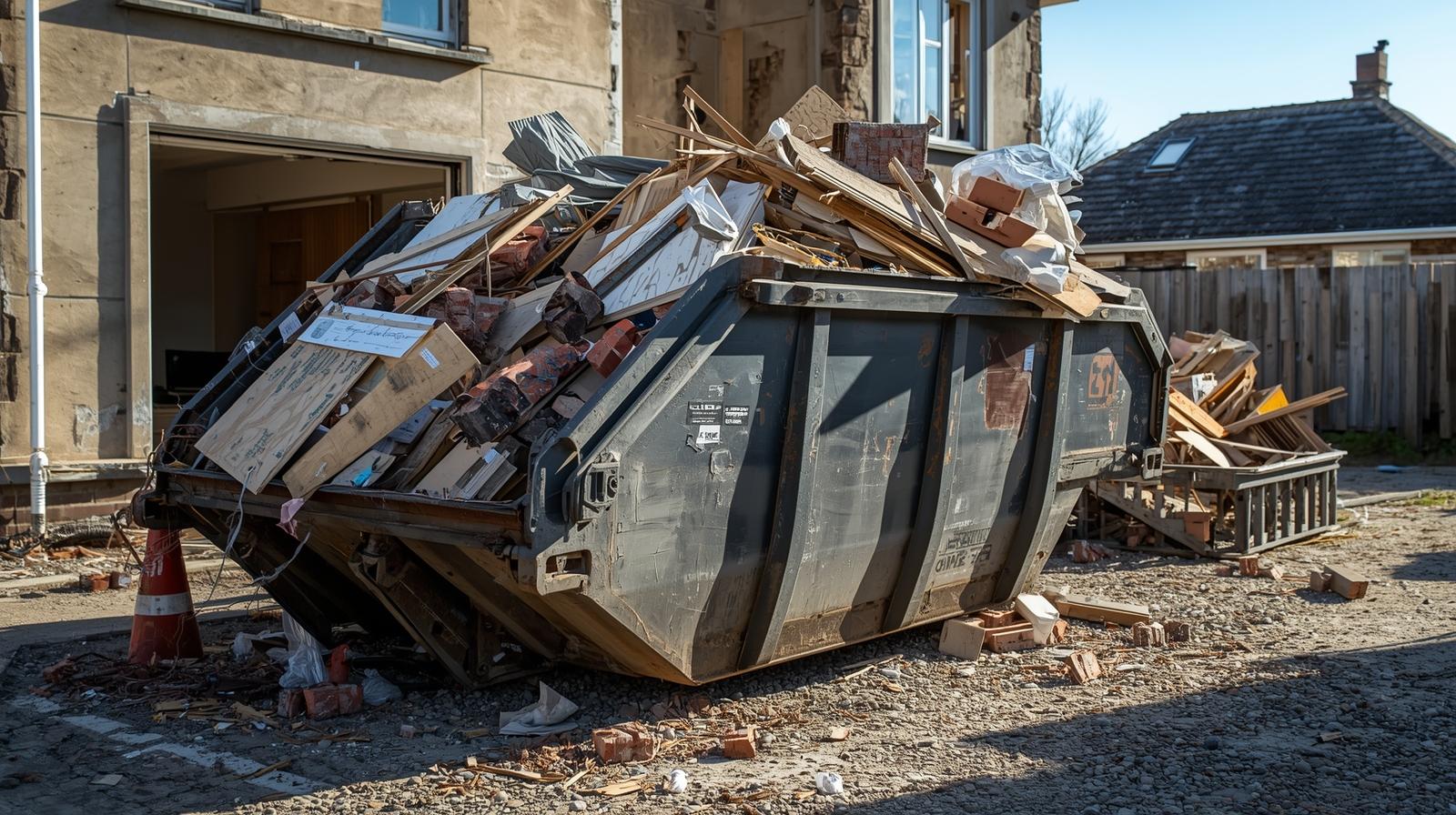
Timing plays a crucial role in successful renovation projects. Delayed waste removal can block work areas, slow contractors, and extend project timelines. When debris piles up, productivity drops quickly.
In Dubai, waste collection often follows strict schedules, especially in residential towers and gated communities. Some buildings allow removal only during specific hours. Planning ahead ensures compliance with these rules and prevents unnecessary delays.
Efficient Renovation Waste Disposal keeps your renovation moving smoothly. When waste is removed on time, contractors work faster, spaces stay safe, and your project finishes as scheduled.
14. Challenges During Summer Renovations
Dubai’s summer heat creates unique challenges for renovation waste management. Waste left unattended can quickly develop strong odors, attract pests, and become a health concern especially in enclosed spaces.
High temperatures also make handling heavy debris physically demanding for workers. Heat exposure increases fatigue and safety risks, making frequent waste removal even more important during summer months.
Smart Renovation Waste Disposal strategies help you beat the heat. Scheduling early-morning removals, using sealed containers, and increasing collection frequency keeps your site manageable despite extreme weather conditions.
15. Renovation Waste Disposal for Businesses
Commercial renovations generate significantly more waste than residential projects. Restaurants, cafés, offices, and retail spaces often involve large equipment, custom fittings, and bulk materials during kitchen and bathroom upgrades.
Business owners must also think about customer experience and operational downtime. Visible debris or lingering waste can affect brand image and disrupt daily operations, especially in high-traffic areas.
Professional Renovation Waste Disposal ensures fast, discreet, and compliant removal. Businesses stay operational, meet regulatory requirements, and complete renovations without unnecessary interruptions.
16. Choosing the Right Local Disposal Partner
Not all waste disposal providers understand Dubai’s specific regulations and building requirements. Choosing a local, experienced partner makes a noticeable difference in efficiency and compliance.
Look for providers familiar with your area, whether it’s Jumeirah, Deira, Al Quoz, or Business Bay. Local expertise helps navigate permits, building approvals, and municipality guidelines more smoothly.
The right Renovation Waste Disposal partner feels like part of your renovation team. They anticipate challenges, manage logistics, and allow you to focus on the renovation itself.
17. Mistakes to Avoid During Waste Removal
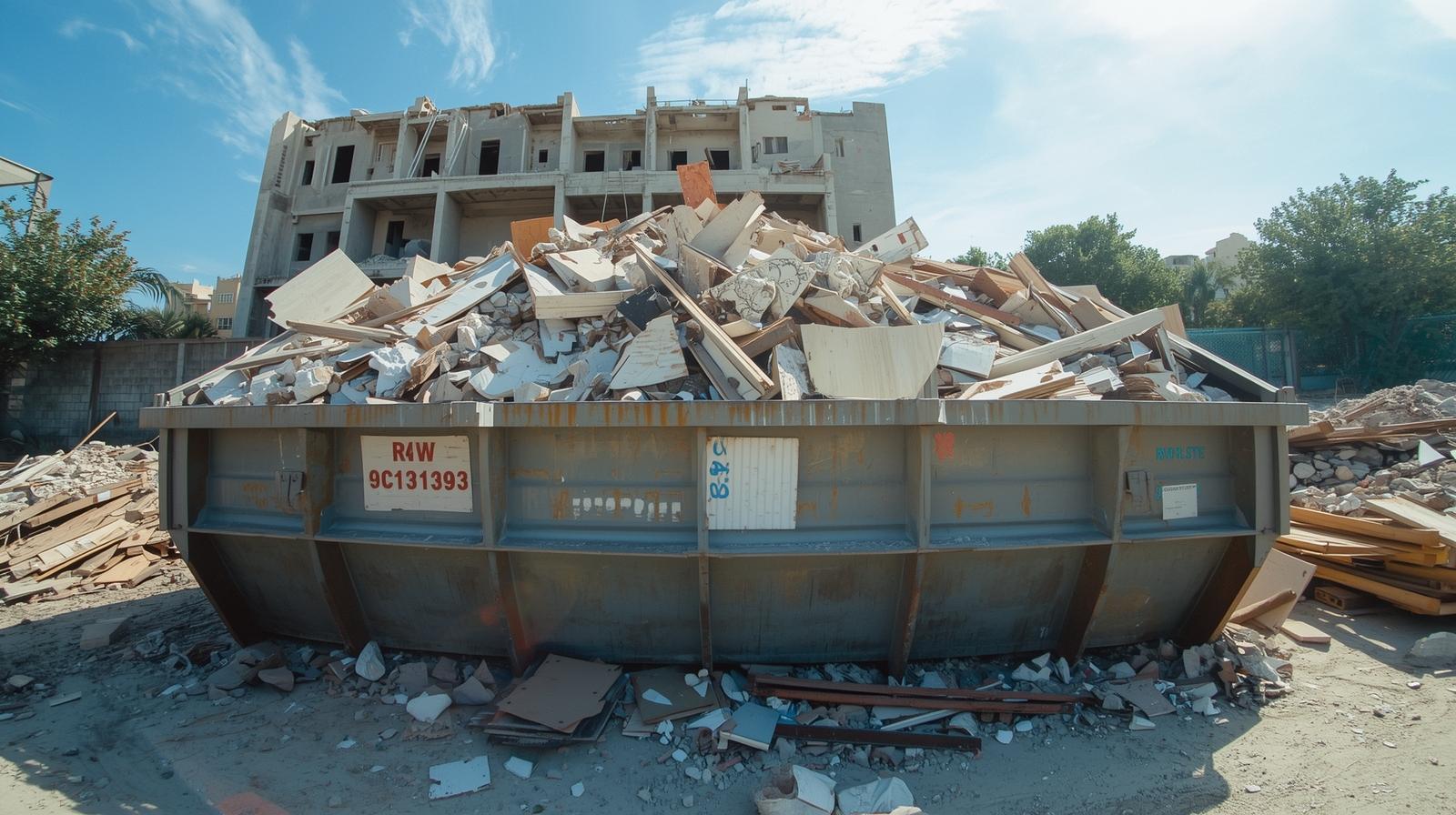
One of the most common mistakes is underestimating how much waste a renovation will produce. Kitchen and bathroom projects often generate more debris than expected, leading to overflow and delays.
Another mistake is mixing renovation waste with household trash. This can violate Dubai waste regulations and result in fines. Ignoring building management rules can also cause project stoppages.
Avoiding these issues makes Renovation Waste Disposal smoother and more cost-effective. Proper planning and professional handling prevent unnecessary stress and keep your renovation on track.
18. Long-Term Benefits of Proper Disposal
Proper waste disposal delivers benefits that go beyond the renovation phase. Clean, organized sites reduce the risk of accidents and property damage during construction.
Responsible disposal also supports sustainability by reducing landfill use and encouraging recycling. Over time, these practices contribute to Dubai’s vision of a cleaner, greener urban environment.
With thoughtful Renovation Waste Disposal, homeowners, businesses, and communities all benefit. It’s an investment in safety, efficiency, and long-term environmental health.
19. Community & Environmental Impact
Renovation waste management affects more than just your property. Poor disposal practices can inconvenience neighbors, block shared spaces, and damage public areas.
Responsible handling reduces pollution, limits landfill pressure, and improves overall living conditions. It also encourages others in the community to adopt better waste management habits.
Effective Renovation Waste Disposal contributes to a healthier, cleaner Dubai. When everyone plays their part, the entire city benefits from residential neighborhoods to busy commercial districts.
20. Conclusion
Renovating kitchens and bathrooms is exciting, but waste can quickly overshadow the joy. With planning, compliance, and the right approach, clutter doesn’t have to control your project.
Think of waste management like tidying as you cook, it keeps the process enjoyable and efficient. When handled well, Renovation Waste Disposal becomes a seamless part of your renovation journey.
FAQs
Q1: What is included in renovation waste disposal?
Renovation waste includes tiles, cabinets, fixtures, plumbing materials, drywall, and packaging removed during remodeling. Proper handling ensures safety and compliance with Dubai regulations.
Q2: Do I need permission from Dubai Municipality for waste removal?
For larger renovations, permits or approved disposal methods may be required. Building management may also have specific rules to follow.
Q3: Can renovation waste be recycled in Dubai?
Yes. Many materials like metal, wood, and concrete can be recycled at approved facilities, reducing landfill waste.
Q4: How often should waste be removed during a renovation?
It depends on project size. For kitchens and bathrooms, regular removal weekly or bi-weekly keeps the site safe and organized.
Q5: Is renovation waste disposal different for businesses?
Yes. Commercial projects usually generate more waste and require faster, discreet removal to avoid disrupting operations.
Trusted Junk Removal Services in Dubai for Homes & Businesses In Dubai?
Address: Office No.101, 10th Floor, Al-Shafar Tower, Business Bay, Dubai.
Google Map Location
Read More: Complete Home Junk Removal in Sharjah City