Junk Removal Prices: Complete Cost & Savings Guide
Junk Removal Prices: Complete Guide to Costs, Savings & Smart Choices
Introduction
When it comes to clearing clutter, junk removal prices are the first question clients ask and for good reason. Costs vary widely: a couch in a high-rent city can cost twice as much to haul as the same couch in a small town. We break down practical, actionable guidance so you can plan, budget, and save. You’ll learn how companies calculate quotes, where hidden fees hide, how regional differences affect expenses, and when a DIY approach makes sense plus a clear checklist for preparing any removal job. Think of prepping for junk removal like packing a moving truck: the more organized you are, the less time (and money) it costs. Ready to compare real choices professional, DIY, donation, or recycling and find the most cost-effective route? We’ll show you the steps, the savings, and the red flags so you pay only what you should not a dollar more.
1. Understanding the Basics
Junk removal prices are more than a flat fee, they’re a combination of labor, truck space, disposal or recycling fees, distance, and special handling. Key cost drivers include item type (bulky furniture vs. small boxes), weight, and whether items are recyclable, hazardous, or accepted by donation centers. We recommend treating the quoted price like a recipe: ingredients (labor, disposal, fuel, permits) create the final cost. Asking for a line-item quote helps you compare providers honestly. For small jobs, some companies use an hourly rate plus minimum call fee; for medium and large jobs they quote by truck load (e.g., “partial load” or “full load”) or by volume (cubic yards). When comparing, check whether the company includes hauling, disposal, recycling, and taxes in the estimate. If you want cost-effective junk disposal, prepare a short inventory: photos and item counts reduce guesswork and deliver more accurate quotes.
2. How Professional Junk Removal Works
Professionals typically follow a consistent workflow: (1) pre-quote (photo or call), (2) in-person estimate, (3) scheduling, (4) on-site labor + loading, (5) transport and disposal/recycling. Each step carries costs reflected in junk removal prices: the pre-quote reduces risk for the company; the in-person estimate confirms access constraints, stair fees, or disassembly time. Companies that advertise “flat rates” often still rely on cubic yard or truckload tiers behind the scenes, so ask for the calculation method. We find that transparent companies explain pricing structure for junk removal companies clearly e.g., “$X per cubic yard + $Y per appliance for recycling fees.” Comparing services? Use a single baseline: list the same items and request itemized quotes from at least three providers for a fair apples-to-apples comparison.
3. Junk Removal Prices by Region: Expenses and Variations
Junk removal prices vary by city, county, and even neighborhood. Urban areas with higher landfill or recycling fees and higher labor rates push average prices up; rural areas can charge more for travel time. Junk removal expenses by region also reflect local regulations some towns require special haulers for hazardous materials or have strict disposal rules that increase costs. For example, appliance recycling fees may be higher in regions with limited recycling infrastructure, while donation centers in metropolitan areas may accept more items free, reducing disposal costs. To find affordable junk removal services by region, compare local reviews and community cleanup promotions. When budgeting, include a small buffer for regional surcharges like landfill tipping fees, municipal hauling permits, or longer-distance transport.
4. Key Factors That Affect Cost
Multiple variables drive junk removal prices: labor hours, number of crew members, truck size, item size/weight, whether items require disassembly, ease of access (e.g., stairs or elevators), disposal fees (landfill, recycling, hazardous), and travel distance. Seasonal demand spring cleanups or post-holiday moves can spike prices, while slow periods often have special offers. Other factors affecting junk removal pricing include required permits for large pickups, recycling rebates (which can lower cost), and whether the company hauls to a transfer station that charges per ton. When estimating cost, be precise: tell the provider item counts (e.g., 3 mattresses, 2 refrigerators) and note obstacles (narrow hallways, parking restrictions). That transparency keeps junk removal expenses by region predictable and avoids last-minute upsells.
5. Junk Removal Prices: Cheap vs Affordable Options
“Cheap” and “affordable” aren’t the same. Cheap junk removal services may lure with a low headline price but add hidden fees; affordable junk removal services balance fair pricing, transparency, and reliability. Ask: does the company include disposal/recycling fees? Do they have clear policies for hazardous items? Are there bulk item discounts? Look for budget-friendly junk removal solutions that offer itemized receipts and a reputation for reliability. If cost is your priority, compare three quotes, check for seasonal specials or coupons, and consider donation or DIY routes when feasible. Remember: low cost now may cost you later if the hauler dumps items illegally always verify licensing and local disposal practices.
6. Pricing Structure for Companies
Most businesses use one of three pricing models: hourly, volume-based (truckload/cubic yard), or itemized. Each affects junk removal prices differently. Hourly works for complex pickups (many small items) but can be unpredictable; volume-based simplifies pricing for full or partial truckloads; itemized pricing is common for appliances and electronics with recycling fees. Companies may combine models (hourly labor + truckload). Additional charges stair fees, elevator fees, large-item handling should be listed upfront. Ask providers to show a sample invoice so you understand inclusions and exclusions in junk removal quotes (e.g., “labor, hauling, disposal fee, sales tax”). That clarity helps you compare pricing structure for junk removal companies on an objective basis.
7. Junk Removal Prices: Furniture Sofas, Mattresses & More
Furniture makes up many household junk jobs. Junk removal prices for furniture depend on size, weight, and whether items are donated or recycled. Sofa disposal pricing and junk removal cost for furniture often start at a set fee for a single couch and scale with volume for example, a single sofa might be $80–$200, while a full truckload with multiple sofas and dressers could be $400–$900. Cost to remove mattresses varies too; local mattress recycling laws affect fees. To save money, consider disassembly (removing legs, cushions), which can reduce space. Donation vs removal? If items are in good condition, furniture donation versus removal costs often favors donation: some charities offer free pickup, which beats hauling fees and supports sustainability.
8. Junk Removal Prices: Appliances and Electronics Disposal
Appliances and electronics carry special costs due to recycling requirements. Price of removing old appliances (refrigerators, ovens) often includes an appliance recycling fee, which can range from $20–$100 per item depending on local rules. Electronics disposal costs (TVs, computers) can include e-waste recycling fees and transport to certified facilities. If an appliance contains refrigerant (like an old fridge), certified handling increases cost further. Ask for estimates for appliance recycling and whether the company will provide recycling certificates when required. In some regions, manufacturers or municipalities subsidize recycling, lowering your net cost always check local options first.
9. Junk Removal Prices: Construction Debris, Yard Waste & Tires
Construction and yard waste differ from household junk: debris is heavy, bulky, and often requires disposal at specialized transfer stations. Cost of hauling away construction debris is commonly charged by weight (per ton) or by container size. Costs of removing yard waste may be lower if the municipality accepts organic loads, but branches, concrete, and soil can increase fees. Cost to remove old tires typically involves per-tire disposal fees many landfills won’t accept tires or charge more. For remodeling projects, compare bids from junk haulers and roll-off container services; sometimes renting a dumpster for a set period is more cost-effective for heavy debris than hourly hauling.
10. Junk Removal Prices: Hidden Fees and Surcharge Explanations
Hidden charges make an initially low quote balloon. Look for hidden fees in junk removal services such as: stair/elevator fees, hoisting from upstairs, additional labor for disassembly, hazardous material fees, long-distance travel charges, and municipal tipping fees. Some companies add a “processing fee” or “environmental fee”; request a clear explanation. To avoid surprises, demand a written quote that lists inclusions and exclusions in junk removal quotes. If a company hesitates, that’s a red flag. For budget planning, add a 10–15% contingency to the quoted price for possible surcharges.
11. Junk Removal Prices: Hazardous Materials and Special Items
Hazardous materials paints, solvents, asbestos, certain batteries, and some chemicals require specialized handling and disposal. Cost for removing hazardous materials is usually higher because certified personnel, containment, and special transport are mandated. Companies often refuse hazardous items or charge significant surcharges. For tenants and homeowners, verify whether a separate hazardous waste collection day is available through local government, which may be cheaper. If a company offers to take hazardous items without paperwork, proceed carefully: legal liabilities and environmental harm can follow. Always request documentation stating where and how hazardous materials will be processed.
12. Junk Removal Prices: Donation vs Removal Cost Comparison
Donating usable items can reduce junk removal prices to zero if a charity provides pickup. Consider furniture donation versus removal costs: many charities accept sofas, dressers, and working appliances for free pickup, though availability varies. Donation avoids landfill tipping fees and may provide a tax receipt. However, donation requires that items be usable and meet charity guidelines. For partially usable furniture or electronics, a hybrid approach works: donate what qualifies and schedule removal for the rest. This strategy reduces both cost and environmental impact and may qualify you for donation-based junk removal discounts offered by some haulers.
13. Junk Removal Prices: DIY Tips to Reduce Costs
DIY removes labor costs, but the tradeoff is time and physical effort. DIY junk removal tips include: sort items by donation/recycle/landfill, disassemble furniture ahead of time, rent a small trailer or pickup for local drop-off, and check municipal recycling days. Create a DIY junk removal checklist: tools (wrench, dolly, straps), protective gear, and knowledge of local drop-off sites. For small jobs, DIY may be cost-effective; for heavy items or hazardous materials, professional handling is usually safer and can be more cost-effective once you factor in disposal permits and vehicle rental. If time is limited, combine DIY sorting with a one-trip professional pickup for efficiency.
14. DIY vs Professional Safety and Time
Consider time, safety, and complexity. Professionals reduce risk especially for heavy lifts, narrow staircases, and disposing hazardous materials and usually carry insurance in case of damage. DIY may appear cheaper, but if you lack a truck or need permits, costs rise quickly. Ask: Do you have the time? Do you have help for heavy items? Are there local disposal rules that you’d rather not navigate? If not, a pro often saves money and stress. For those determined to DIY, follow safety tips for DIY junk removal (use gloves, secure loads, keep clear walkways) and schedule municipal bulk pick-up days to minimize disposal fees.
15. Junk Removal Quotes and Estimates: How Prices Are Calculated
Quotes should be itemized: labor, truck fee, disposal/recycling fees, permits, and taxes. For transparent comparison, request photos and a short item list that matches exactly what the provider priced. Many companies offer free photo estimates use that to get junk removal quotes and estimates from multiple providers. Beware of quotes that remain verbal only. A written estimate reduces the chance of upselling on-site. When comparing, examine the basis: hourly vs volume vs per-item. Also confirm cancellation or rescheduling fees to avoid surprises.
16. Discounts: Coupons, Specials & Loyalty
Many haulers run promotions: discounts for first-time customers, seasonal specials, referral discounts, and loyalty programs. Look for affordable junk removal coupons, promo codes, or community cleanup offers. Bulk jobs often qualify for discounts for bulk junk removal or negotiated package rates. If you’re a homeowner association organizing a group cleanup, call providers about group junk removal deals. For cost-sensitive households, ask about military, student, or senior discounts. Combine discounts logically a referral coupon plus a seasonal special can stack for significant savings.
17. Seasonal Factors Influencing
Demand fluctuations affect junk removal prices. Spring cleaning and January moves create peak demand, raising prices. Conversely, late fall and mid-winter may bring better deals. Weather plays a role too: storms increase yard waste and emergency debris collections. Late-season renovations can produce excess construction debris when roll-off containers are in short supply. If possible, schedule removals in off-peak months and watch for seasonal junk removal specials and holiday discounts.
18. Junk Removal Pricing Transparency & Service Fine Print
Transparent providers publish what’s included (labor, hauling, disposal) and what’s extra (stair fees, hazardous materials). Review the junk removal service fine print and ask for an itemized estimate. Confirm whether quoted prices are binding or subject to change after on-site evaluation. Good companies list all inclusions and exclusions in junk removal quotes and will not pressure you into add-ons. Always request a receipt showing where items were taken; this protects you if disposal complaints arise.
19. How to Avoid Extra Junk Removal Prices and Hidden Fees
To dodge surprise charges, prepare photos and a detailed inventory before seeking quotes. Ask whether the price includes disposal fees, fuel surcharges, and taxes. Confirm whether disassembly is included or extra. If possible, remove small items yourself to reduce labor time. Choose providers with itemized invoices and transparent policies. For large jobs, obtain written bids and compare them side by side. If a quote looks unusually low, ask directly which fees are excluded cheap upfront often means expensive surprises later.
20. Affordable Ecofriendly Junk Removal Prices & Green Options
Ecofriendly choices can lower net costs if recycling rebates apply. Affordable green junk disposal often involves separating recyclables and donating reusable items that lowers landfill fees and sometimes earns a small credit. Some haulers provide economical eco junk pickups or partner with certified recyclers, passing savings to customers. Ask about rebates for scrap metal, and whether the hauler hauls electronics to certified e-waste facilities to avoid fines. Choosing green options can be cost-effective and aligns with community sustainability goals.
21. Ecofriendly Junk Removal Services: Costs & Benefits
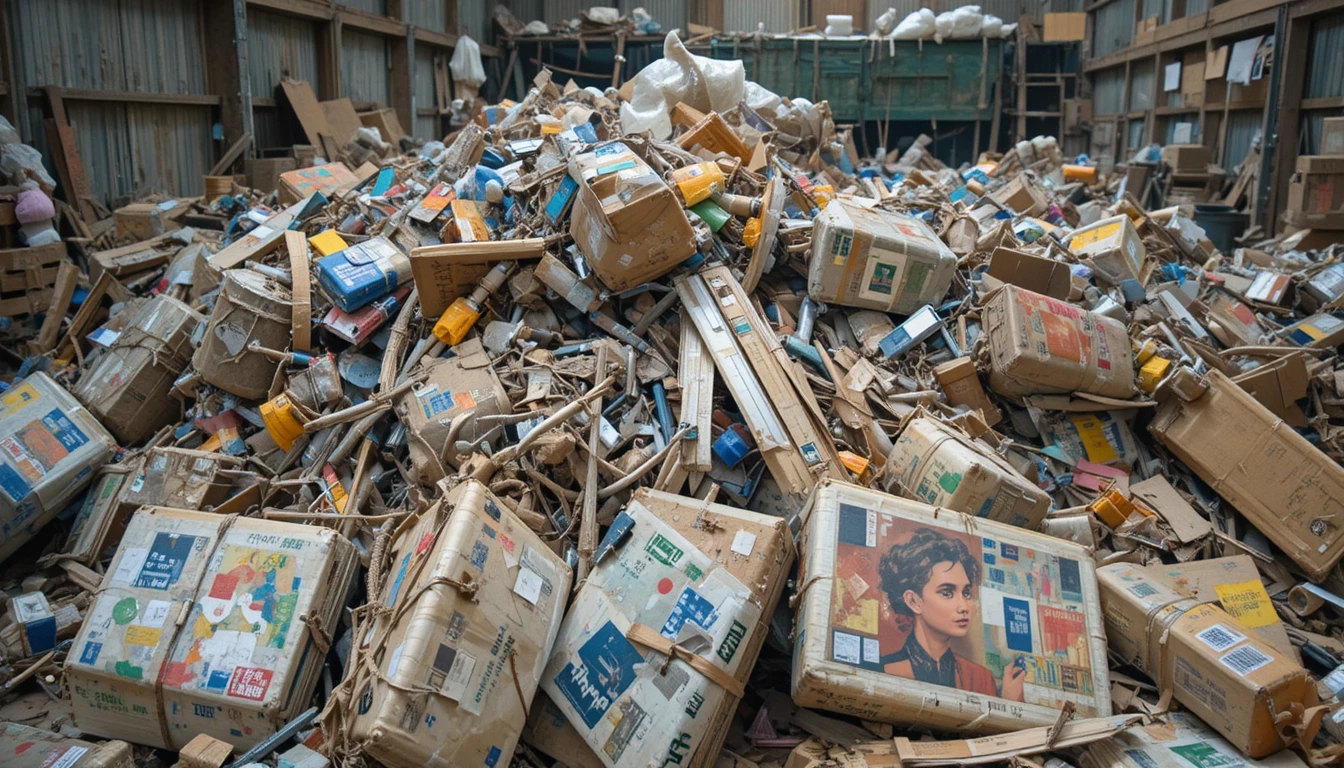
Eco-minded haulers may charge a small premium but can offset that with lower tipping fees or recycling credits. Using certified recyclers for electronics and appliances avoids regulatory penalties and demonstrates social responsibility. For landlords and tenants, sustainable disposal by certified channels often simplifies compliance with building waste rules. Consider the long-term benefit: reduced environmental impact, potential rebates, and community goodwill sometimes translating to preferred rates for repeat customers and bulk jobs.
22. Estimates for Appliance Recycling vs Removal Costs
Appliance recycling may cost more initially due to processing, but it avoids landfill fees and meets regulatory requirements. Estimates for appliance recycling should include pickup, refrigerant reclamation, and recycling certificates. In some areas, manufacturers or government programs subsidize recycling, reducing the price of removing old appliances. Ask pals or neighbors whether the municipality offers scheduled appliance collection, which may be cheaper than private pickup.
23. Bulk Junk Removal Prices: Packages & Savings
Bulk jobs usually reduce the per-item cost because fixed travel and labor costs are spread across more items. Many companies offer bulk junk pickup offers, bulk item disposal savings, or bulk junk removal packages priced by truck size. For moves or estate cleanouts, bundling items into a full truckload often beats multiple smaller pickups. Negotiate for group discounts if you have several properties or are organizing a community cleanup.
24. Low-cost Junk Removal Options & Community Promotions
Look for municipal bulk pickup days, nonprofit pickups, and community cleanup promotions. Local churches or civic groups sometimes organize donation-based pickups. For tenants and renters, ask landlords about community cleanup junk removal promotions or junk removal deals for renters. These can be inexpensive or even free if coordinated with municipal programs. Also watch neighborhood marketplaces for free item pickup often a quick way to avoid disposal fees entirely.
25. Special Discounts: Military, Students & First-time Customers
Many haulers offer military discounts on junk removal, student discounts, and junk removal discounts for first-time customers. Ask about weekend deals and referral bonuses. If you’re a property manager or realtor, ask about repeat customer or bulk job rates. Combining discounts for example, a first-time customer coupon plus a referral code can reduce junk removal prices significantly.
26. Weight Limits and Their Effect on Junk Removal Prices
Some services charge by weight (per ton) especially for construction debris and bulk cleanouts. Weight limits for junk removal services affect truck capacity and disposal fees. If your job includes heavy items (soil, concrete, brick), a weight-based quote is typical. For household items, volume pricing may be more common. Knowing whether a provider charges by weight or volume helps you choose the cheaper model for your situation.
27. What’s Included in Junk Removal Prices: Inclusions & Exclusions
A clear quote lists labor, hauling, disposal, recycling fees, taxes, and any permits. Exclusions might include hazardous waste, specialized disassembly, or parking/permit fees. Confirm whether charitable donation drop-offs are included and whether the company provides documentation showing where items went. Knowing what’s included keeps junk removal prices predictable and prevents disputes at job completion.
28. Tools & Checklist for DIY to Minimize Junk Removal Prices
Tools for DIY junk removal: dolly, moving straps, heavy-duty gloves, wrenches, screwdriver set for disassembly, sturdy boxes, and a tarp. DIY junk removal checklist: sort items, measure doorways, protect floors, and pre-book a drop-off site. Renting a small trailer or pickup is often cheaper than a professional for a single day’s work. For heavy items, recruit help or rent a dolly to avoid injury and potential medical costs that can negate DIY savings.
29. Safety Tips to Avoid Costly Mistakes and Higher Junk Removal Prices
Safety tips for DIY junk removal include using proper lifting technique, wearing PPE, securing loads for transport, and never attempting to move hazardous items without training. For professionals, verify insurance and worker safety standards. Prevent property damage by clearing pathways and protecting floors; damage claims can be far costlier than hiring a pro. For tenants, document pre and post photos to avoid disputes over damages or removal responsibilities.
30. Customer Reviews: Insights on Real-world Junk Removal Prices
Customer feedback reveals pricing transparency, punctuality, and whether hidden fees appeared. Look for patterns: complaints about last-minute add-ons or praise for clear, itemized invoices. Customer reviews of junk removal services often reveal whether a company properly recycles and donates items as promised. Use reviews to validate quotes and spot red flags such as inconsistent pricing or poor communication. Ask for references for large jobs a reputable company will gladly provide them.
31. How to Prepare for Junk Removal: Optimize Service & Save Money
To minimize junk removal prices, sort items into donate/recycle/trash piles, disassemble furniture, and take photos for more accurate quotes. Mark curbside items clearly if you’re doing drop-off or set aside items in a staging area for quick pickup. Good preparation reduces on-site labor and can turn an hourly job into a quick truckload pickup, saving you money. Communicate access points and parking details with the hauler to avoid on-site delays and additional charges.
32. Finding Best Value: Best Junk Removal Near Me & Regional Offers
To find the best value junk removal near me, compare multiple itemized quotes, check local Facebook groups for community referrals, and search provider sites for coupon codes or seasonal promotions. Cheap junk removal options in specific city may include student-run removal services or nonprofit pickups verify legality and disposal practices. For consistent work, build a relationship with a trusted local hauler who offers loyalty rates and bulk discounts.
33. Scheduling Tips: Weekend, Last-minute & Seasonal Pricing
Last-minute requests often cost more. Weekend and holiday demand can increase junk removal prices, while booking midweek may save money. If you need emergency pickup (e.g., eviction cleanout), expect premium fees. For planned jobs, schedule in advance and watch for lastminute junk removal deals in off-peak windows. For estate cleanouts or renovations, coordinate scheduling so junk removal aligns with demolition or donation pickups to avoid double handling.
34. Common Mistakes That Inflate Junk Removal Prices
Common errors: failing to inventory items, not disassembling bulky furniture, ignoring weight/volume details, and hiring solely on lowest advertised price without checking inclusions. Also avoid sliding hazardous materials into general pickups that creates surcharges. To prevent price inflation, get itemized quotes, clarify exclusions, and prepare items ahead of arrival. Treat junk removal like a project: a little prep goes a long way toward preventing unexpected fees.
35. Cost-saving Strategies: Final Checklist for Lower Junk Removal Prices
Cost-saving junk removal tips: (1) take photos and get multiple quotes; (2) donate or sell reusable items; (3) separate recyclables and organics; (4) schedule off-peak; (5) ask for bulk or referral discounts; (6) confirm weight vs volume pricing; (7) request an itemized written estimate; (8) check reviews for transparency. Use community resources (municipal pickup, charity donation) to lower net costs. With this checklist, you’ll reduce surprises and keep more cash in your pocket.
Conclusion
We’ve laid out a practical, step-by-step approach to understand and control junk removal prices. From regional differences and pricing structures to DIY strategies and ecofriendly options, the path to cost-effective disposal is clear: prepare, compare, and prioritize transparency. Use the checklist and negotiation tips to lower costs, and rely on reputable providers when safety or regulations require it. Clear planning not only saves money, it reduces stress and supports sustainable disposal choices.
FAQs
Q1: How do I get the most accurate junk removal quote?
Ask for an itemized, written quote based on photos or an in-person visit; include descriptions of access (stairs, elevator), and specify the exact items to avoid surprises.
Q2: Is donating better than paying for junk removal?
If items are in good, reusable condition and charities accept pickups in your area, donation can be free and sometimes tax-advantageous reducing disposal costs and environmental impact.
Q3: When does DIY junk removal make sense?
DIY is cost-effective for small, light loads and when you have transport and time. For heavy items, hazardous waste, or complex access, professionals are safer and often more cost-effective.
Q4: What hidden fees should I watch for in junk removal quotes?
Common add-ons include stair/elevator fees, disassembly charges, hazardous materials surcharges, landfill tipping fees, and long-distance travel or parking permit fees.
Q5: How can I find ecofriendly junk removal options that are affordable?
Ask providers about recycling partnerships, appliance recycling certificates, and potential rebates for metals or electronics. Combine donation and recycling to reduce landfill fees and often lower net costs.
Trusted Junk Removal Services in Dubai for Homes & Businesses
In Dubai?
Address: Office No.101, 10th Floor, Al-Shafar Tower, Business Bay, Dubai.
Google Map Location
Read More: Take My Junk Prices: Complete Junk Removal Pricing Guide