Industrial Cardboard Recycling
Industrial Cardboard Recycling Guide for Warehouses
Introduction
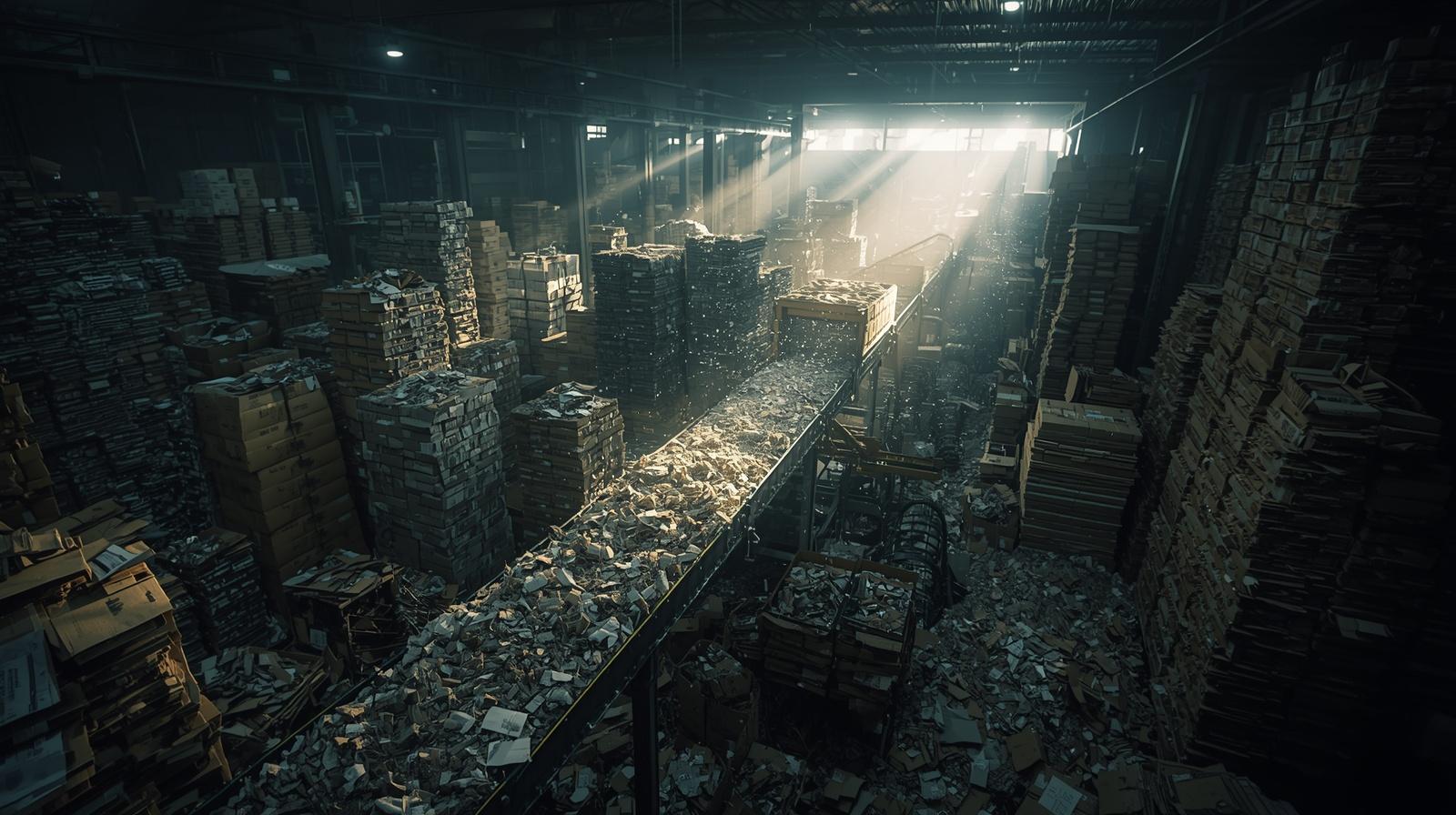
Ever looked at a warehouse after a busy day and thought, “Where did all this cardboard come from?” If you’re in logistics, retail, or storage, you already know—cardboard piles up faster than loot drops in a battle royale game. Boxes from shipments, packaging waste, and returns can quickly turn into mountains.
That’s where Industrial Cardboard Recycling for Warehouses comes in. Think of it like leveling up your warehouse efficiency. Instead of letting waste slow you down, you turn it into something useful, cost-saving, and eco-friendly.
In this guide, we’ll break it all down in a simple, conversational way—no complicated terms, just real talk. Whether you run a small warehouse or a massive distribution center, you’ll learn how to manage cardboard waste like a pro.
1. Understanding Industrial Cardboard Recycling
What is Industrial Cardboard Recycling for Warehouses?
At its core, Industrial Cardboard Recycling for Warehouses is the process of collecting, sorting, compressing, and reusing cardboard waste generated in large-scale operations.
Instead of tossing boxes into dumpsters, warehouses recycle them into reusable materials.
Why It Matters More Than You Think
Cardboard isn’t just trash—it’s a resource. When recycled properly, it can be turned into new packaging, saving trees and reducing landfill waste.
Think of cardboard like in-game currency—you don’t throw it away, you reuse it strategically.
2. Why Warehouses Need Cardboard Recycling Systems
The Volume Problem
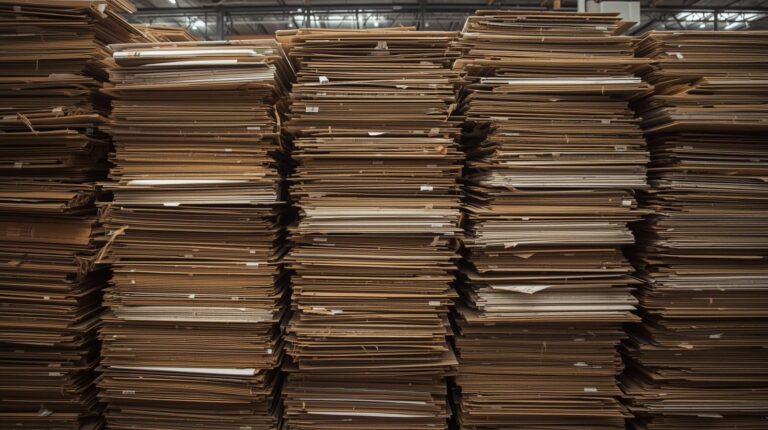
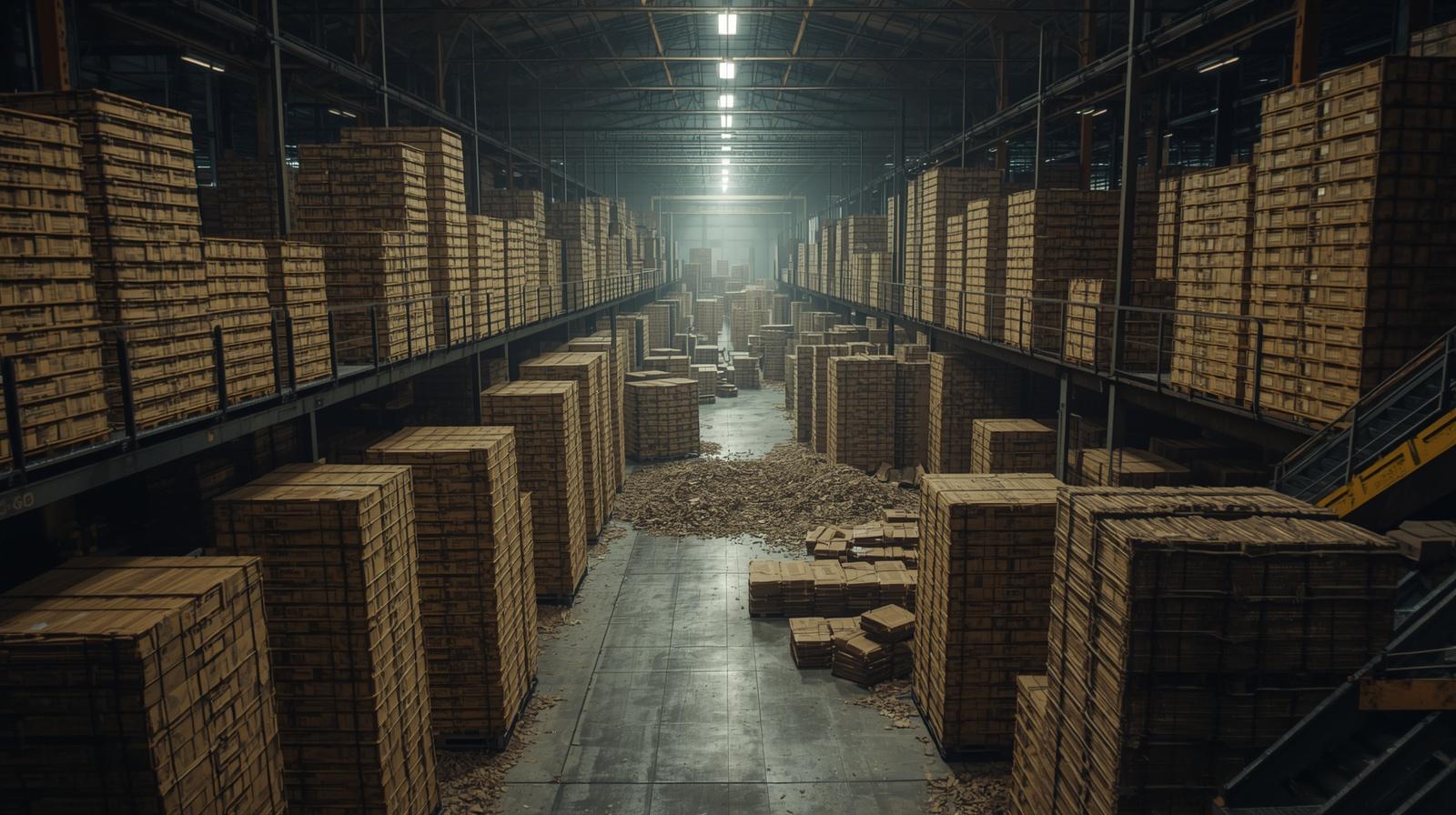
Warehouses generate massive amounts of cardboard daily. Without a system, it piles up fast, causing clutter and safety risks.
Operational Efficiency
A clean warehouse is a productive warehouse. Recycling systems help:
- Reduce clutter
- Improve workflow
- Enhance safety
Regulatory and Environmental Pressure
More businesses are expected to adopt eco-friendly practices. Industrial Cardboard Recycling for Warehouses helps meet those expectations easily.
3. Types of Cardboard Waste in Warehouses
Corrugated Cardboard
This is the most common type—used in shipping boxes. It’s durable and highly recyclable.
Boxboard (Thin Cardboard)
Used in retail packaging like cereal boxes. It’s lighter but still recyclable.
Contaminated Cardboard
Cardboard with grease, food, or chemicals. This type requires special handling.
Mixed Packaging Waste
Sometimes cardboard is mixed with plastic or tape, making recycling slightly more complex.
Key takeaway: Not all cardboard is the same—but most of it can be recycled.
4. How Industrial Cardboard Recycling Works
Collection and Sorting
The first step is simple: gather cardboard waste and separate it from other materials.
Compaction and Baling
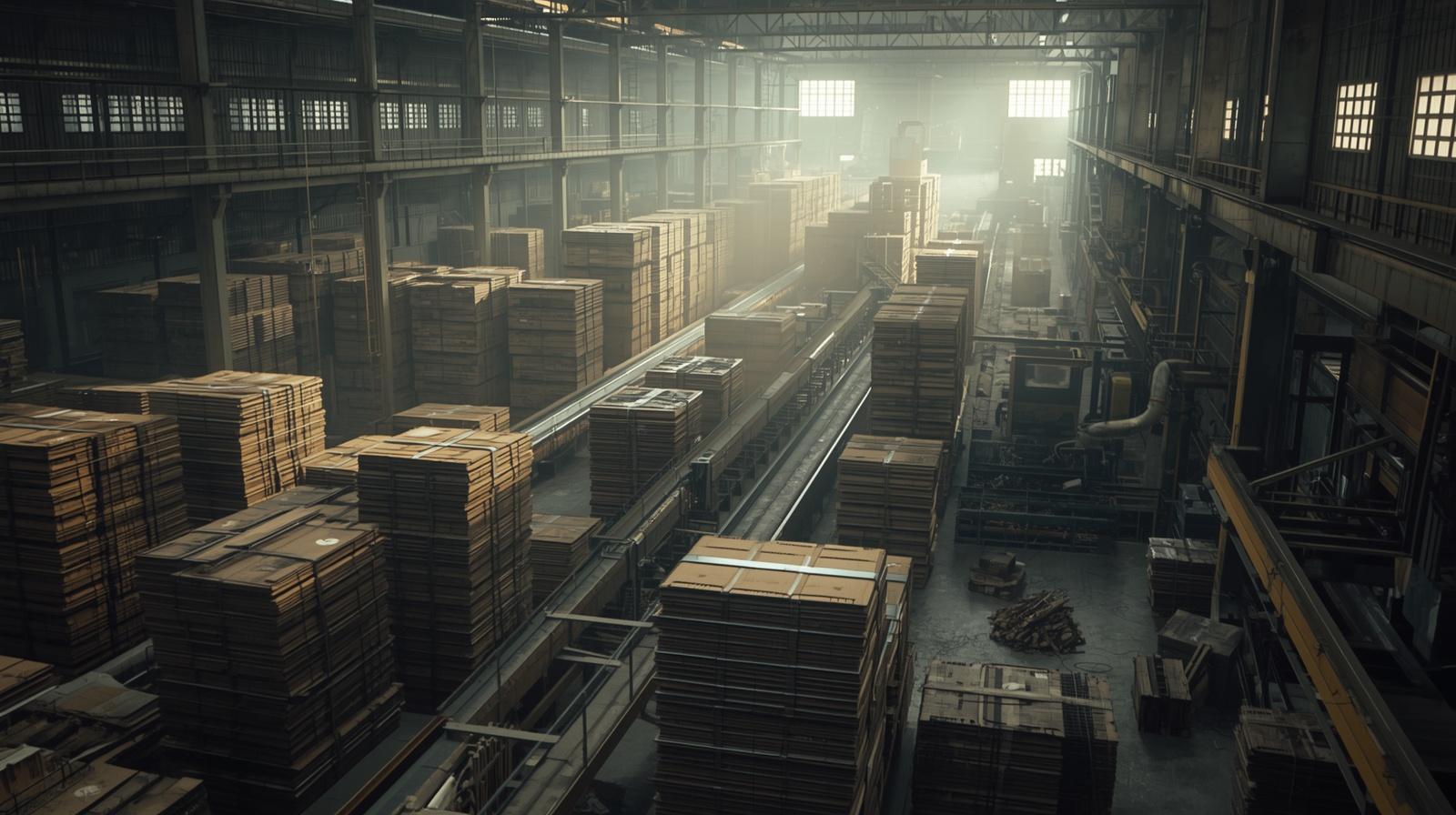
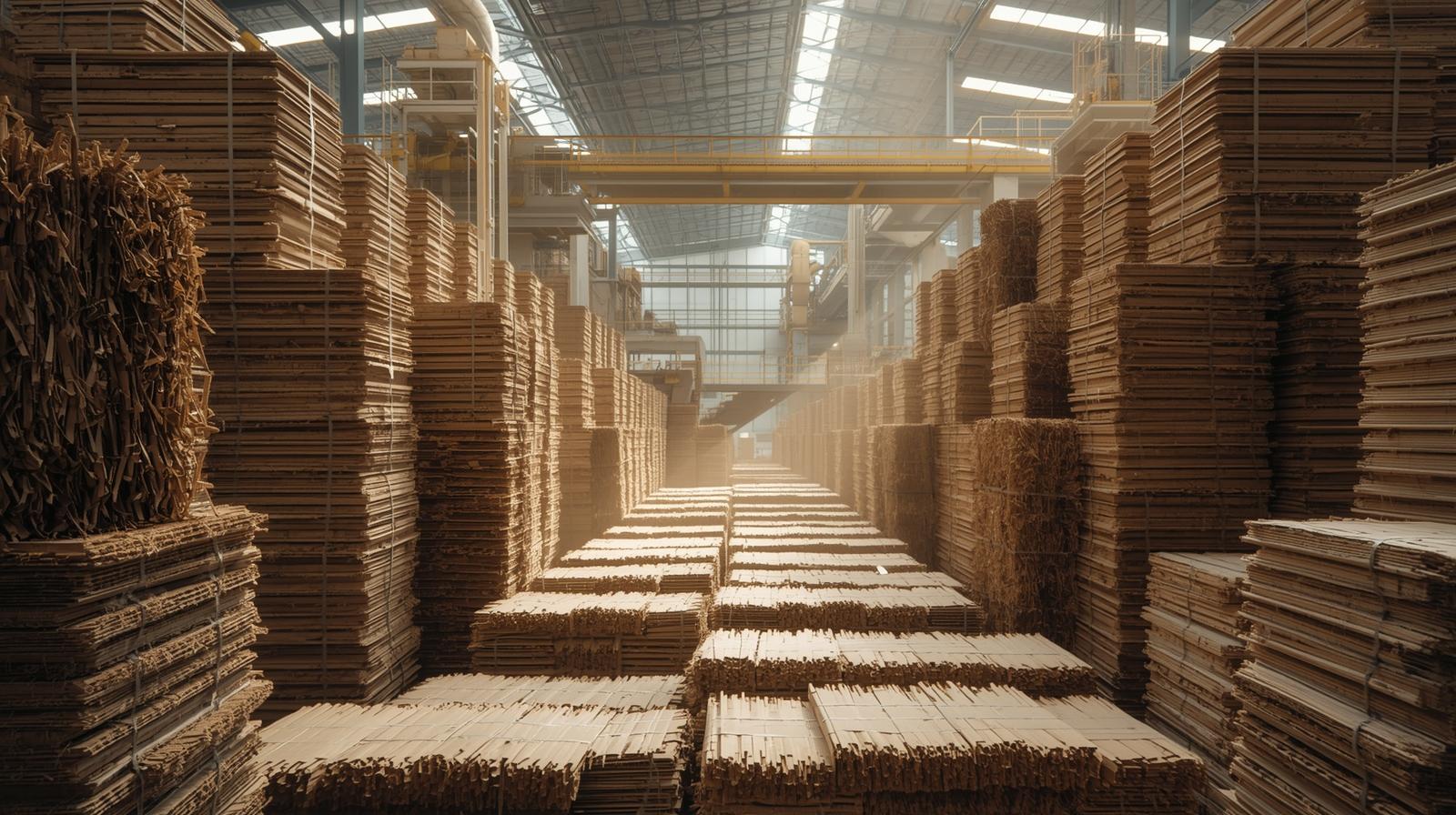
Warehouses often use balers to compress cardboard into dense blocks. This:
- Saves space
- Makes transportation easier
- Increases recycling value
Transportation to Recycling Facilities
Once baled, the cardboard is sent to recycling centers where it’s processed into pulp.
Reprocessing into New Products
The pulp is used to create new cardboard products, completing the recycling loop.
It’s like respawning resources instead of losing them forever.
5. Best Practices for Warehouse Recycling Efficiency
Set Up Dedicated Recycling Zones
Create specific areas for cardboard disposal to avoid mixing waste.
Train Your Team
Employees should know:
- What can be recycled
- How to sort materials
- Where to dispose of waste
Use the Right Equipment
Invest in balers or compactors for better efficiency.
Schedule Regular Pickups
Avoid overflow by scheduling consistent recycling pickups.
Monitor and Improve
Track how much cardboard you recycle and look for ways to improve.
6. Cost Benefits of Industrial Cardboard Recycling
Reduced Waste Disposal Costs
Landfill fees can be expensive. Recycling cuts those costs significantly.
Revenue from Recycled Materials
Yes, you can actually earn money from selling baled cardboard.
Lower Storage Costs
Compacted cardboard takes up less space, freeing up valuable warehouse area.
Improved Operational Efficiency
Less clutter means faster workflows and fewer accidents.
In simple terms: recycling saves money while making your warehouse run smoother.
7. Eco-Friendly Impact of Cardboard Recycling
Saving Trees
Recycling cardboard reduces the need for new raw materials.
Reducing Landfill Waste
Cardboard takes up a lot of landfill space. Recycling keeps it out.
Lower Carbon Footprint
Manufacturing recycled cardboard uses less energy compared to new production.
Supporting Sustainability Goals
Businesses that adopt Industrial Cardboard Recycling for Warehouses show commitment to sustainability.
8. Choosing the Right Recycling Partner or Equipment
Working with Professional Services
Hiring a recycling service ensures:
- Regular pickups
- Proper processing
- Compliance with regulations
Investing in Equipment
Depending on your warehouse size, consider:
- Vertical balers (small operations)
- Horizontal balers (large warehouses)
Key Factors to Consider
- Volume of waste
- Budget
- Available space
- Operational needs
The right setup turns recycling into a seamless part of your workflow.
Conclusion
Managing cardboard waste doesn’t have to feel like an endless grind. With Industrial Cardboard Recycling for Warehouses, you can turn a messy problem into a smart solution.
It’s about working smarter, not harder—reducing waste, saving money, and helping the environment all at once. Whether you’re running a small storage unit or a massive logistics hub, recycling cardboard is one of the easiest upgrades you can make.
So next time you see a pile of boxes, don’t think of it as waste—think of it as opportunity.
FAQs
1. What is Industrial Cardboard Recycling for Warehouses?
It’s the process of collecting, compressing, and recycling large amounts of cardboard waste generated in warehouse operations.
2. Can all types of cardboard be recycled?
Most cardboard can be recycled, but contaminated cardboard (like greasy boxes) may require special handling.
3. Do warehouses save money by recycling cardboard?
Yes, recycling reduces disposal costs and can even generate revenue from selling compressed cardboard.
4. What equipment is needed for cardboard recycling?
Common equipment includes balers and compactors to compress cardboard for easy transport.
5. How often should warehouses recycle cardboard?
It depends on volume, but regular daily or weekly recycling is recommended to avoid buildup.
Trusted Junk Removal Services in Dubai for Homes & Businesses In Dubai?
Address: Office No.101, 10th Floor, Al-Shafar Tower, Business Bay, Dubai.
Google Map Location
Read More: Bulk Cardboard Disposal Services for Dubai Businesses