Garden Waste Removal Dubai: Eco-Friendly Solutions
Garden Waste Removal Dubai , Complete Guide to Eco-Friendly Disposal & Composting
Introduction
We present a practical, in-depth guide to garden waste removal Dubai, designed for homeowners, gardeners, landlords, property managers and community groups. Whether you want sustainable garden waste solutions, need to comply with Dubai regulations, or want to turn trimmings into nutrient-rich compost, we walk you through every step. Think of garden waste as gold in disguise: cut, shredded, and managed properly it becomes soil food , otherwise it’s a problem. Below you’ll find clear steps, actionable tips, and local rules so you can make fast, lawful, and environmentally friendly decisions. We will also optimize this material for the keyword phrase “keywords for the topic of my garden waste removal dubai” and the many related search terms you care about.
1. Understanding Garden Waste Removal Dubai
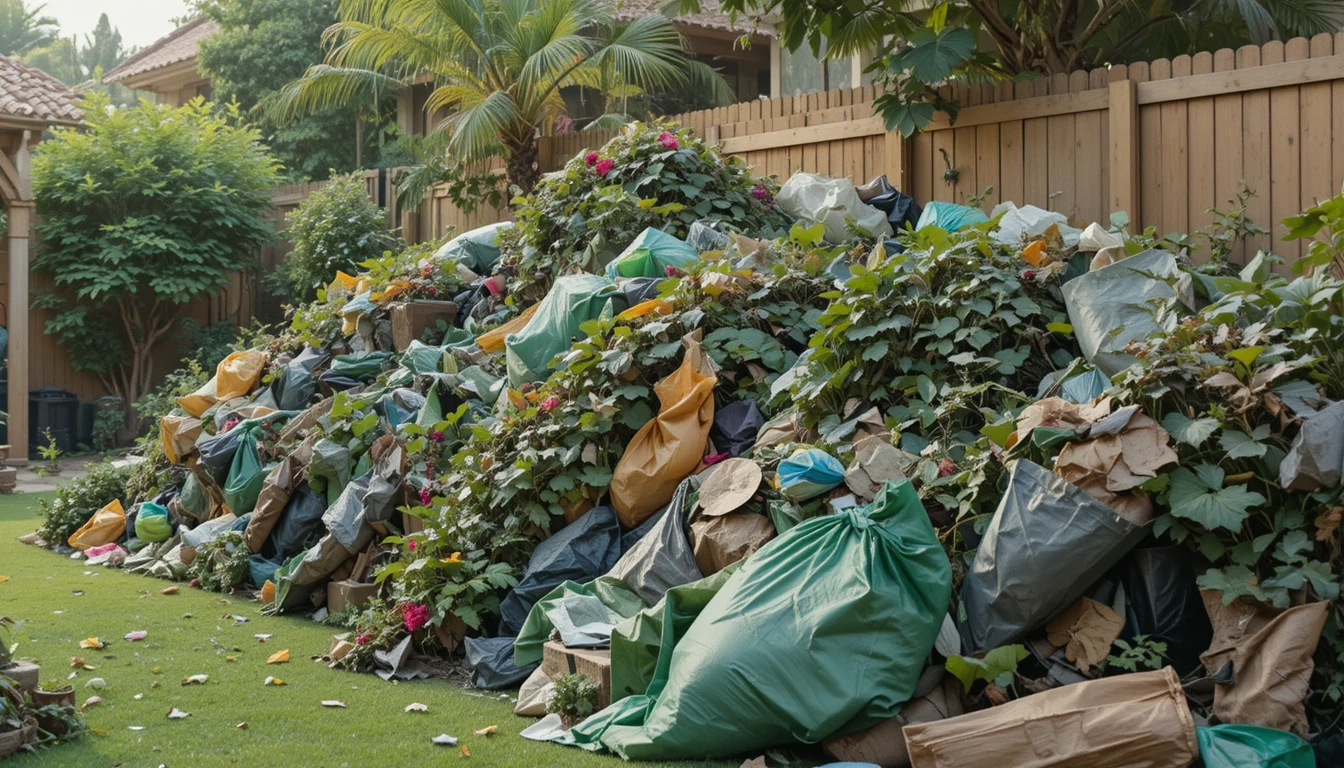
What counts as garden waste? Leaves, grass clippings, hedge trimmings, branches, roots, soil from pots, potted plant waste, and seasonal vegetation. We treat garden waste as a distinct stream: it’s mostly organic and ideal for recycling through composting, mulching or energy recovery , not landfill. In Dubai, where water costs are high and soil needs building, converting garden waste into organic matter is a strategic win.
Why local rules matter. Dubai’s urban design, villa communities and gated compounds mean garden waste disposal is a mix of municipal services, community rules, and private contractors. Many communities expect gardeners to follow community guidelines; dumping on sidewalks or common areas can result in fines or homeowner association penalties. For residents, understanding both municipal rules and estate management rules avoids penalties and keeps landscapes neat.
Practical first steps. Start by sorting at source: separate woody branches from soft green clippings; keep chemicals (e.g., pesticide-soaked bags) away; dry woody debris may go for shredding while soft waste goes straight to compost. We recommend a simple source-segregation kit: two labelled bins (green , compost, brown , branches/woody). Small habits (trim, bag correctly, schedule pickups) prevent large, costly problems later.
2. Dubai Regulations & Waste Law Overview
Dubai has been strengthening waste governance. Law No. (18) of 2024 regulates waste management across the Emirate and clarifies responsibilities for generators, haulers and processors; the law emphasizes segregation, licensing, and safe transport of waste streams.
Dubai Municipality’s Waste Segregation Guide and technical guidelines (e.g., Technical Guideline No.7 on mandatory waste segregation) set expectations for how recyclables and organic streams should be handled. Licensed waste management companies must obtain authorization to collect and transport recycling material; noncompliance can trigger penalties.
Key takeaways for residents and gardeners: always verify your estate’s waste rules, use licensed providers for collection/transport, and avoid illegal dumping. If you run a commercial landscaping operation, ask for permits and proof of lawful disposal from your contractor. These legal guardrails protect public spaces, reduce pests, and ensure organic waste is recycled or treated appropriately.
3. How to Prepare Garden Waste for Pickup
Preparation equals faster, cheaper service. We recommend these simple steps: tie or bundle branches (max length guided by your service), separate greens from bulky woody waste, place cuttings in clear labelled bags (or biodegradable bags if required), and keep hazardous material (treated wood, containers with chemicals) separate.
Bundle size and presentation: many local service providers accept bundles up to a certain diameter/weight; bundling reduces handling time and prevents fines. Place bundles at the agreed collection point , for villas usually inside boundary gates; for apartments, follow estate rules. If you have a large pile, contact bulk pickup services or a licensed garden waste removal provider.
Scheduling & documentation: for municipal bulk pickups, some services use WhatsApp or online forms (bulk collection channels vary by district). For private services, ask about same-day garden waste disposal Dubai options, pricing per cubic meter, and a green certificate if you want proof of lawful recycling. Always request a receipt and disposal confirmation if you need to show compliance.
4. Curbside Green Waste Collection & Schedules
Many communities in Dubai provide curbside green waste collection, but schedules and rules vary between developments. Some areas bundle green waste with general bulk waste services; others require separate booking for larger volumes. Dubai Municipality historically offered bulk collection channels and continues to evolve scheduling systems for residents.
How to confirm your schedule: check community management notices, municipal portals, or estate WhatsApp groups. If you live in a villa cluster, your gardener’s contract may specify disposal responsibilities , often the gardener is required to remove trimmings. For predictable loads, arrange regular weekly or monthly pickups with a licensed private provider.
What they collect (typical): grass clippings, small branches, hedge trimmings, leaves, and plant pots (if cleaned). They may refuse items like treated timber, soil contaminated with construction debris, or chemically contaminated plant material. For large landscaping works, request a skip or commercial yard waste recycling option.
5. Environmentally Friendly Garden Waste Removal Dubai
Our approach: prioritize composting, mulching and re-use before considering transport to processing facilities. Composting reduces methane emissions, improves soil moisture retention, and lowers fertilizer costs. Mulching garden debris reduces water evaporation , essential in arid climates like Dubai’s.
Practical eco options:
- Home compost for food scraps and soft garden waste.
- Shredding woody debris to create mulch layers.
- Community drop-off at recycling centres for large volumes or woody items.
- Licensed green waste contractors that offer green certificates and evidence of recycling. Green solutions providers approved by Dubai Municipality can route material properly.
We recommend avoiding burning,which is illegal in most communities and produces health-harming smoke,and steering clear of landfill disposal unless absolutely necessary. When in doubt, ask your collection service for proof of environmentally friendly processing.
6. How to Compost Garden Waste: Starter’s Roadmap
Composting is both simple and scientific. Start with a basic recipe: aim for a 25:1–30:1 carbon:nitrogen mix by weight (browns: leaves, paper; greens: grass clippings, fresh trimmings). Layer materials , a base of coarse twigs, alternating green/brown layers, keep moist like a wrung-out sponge, and aerate every 1–2 weeks.
Container & space: for balconies or small gardens, use tumblers or compact compost bins; for villas, an open bed or three-bin system works well. Keep compost shaded in Dubai to avoid excessive drying; water occasionally to maintain microbial activity.
Time & maturity: cold composting takes months; hot composting (managed, aerated piles) can finish in 6–12 weeks. Mature compost is dark, crumbly and earthy. Use it to topdress beds, mix into potting soil, or brew compost tea for foliar feeding.
7. Homemade Compost Bin Ideas & DIY Systems
Small space options: a sealed plastic tumbling composter or worm bin (vermicompost) fits balconies and patios. Use a small wooden bin with slats for airflow in courtyard gardens. Vermicomposting is ideal for kitchens and small apartments , red wiggler worms convert food scraps efficiently.
Medium/large gardens: a three-bin wooden system , fill the first bin, turn into the second as it matures, and let the third cure. For heavy woody loads, consider a shredder and a large static hot-compost pile.
Materials & tips: recycled pallets or plastic crates make robust bins. Ensure drainage and ventilation, keep pests out with fine mesh, and place bins on soil to let beneficial organisms in. A thermometer probe helps monitor temperature for hot composting.
8. Best Composting Methods for Home Gardeners
We recommend choosing a method that matches your time, space, and waste type:
- Hot composting: rapid (6–12 weeks), requires active management (turning, monitoring temperature), best for mixed yard + kitchen scraps.
- Cold composting: low maintenance, slow (many months), great for low-effort households.
- Vermicomposting: excellent for kitchen scraps and nutrient-dense compost tea; needs shade and steady moisture.
- Tumbler composters: user-friendly, contained, suitable for small gardens; less capacity for large woody waste.
Each method has tradeoffs: hot composting kills pathogens and weeds but demands effort; vermicomposting is gentle and compact but sensitive to heat and salt. Choose with climate and volume in mind.
9. Composting Temperature Requirements & Monitoring
Temperature matters. Thermophilic (hot) composting targets 55–65°C (131–149°F) to accelerate decomposition and kill weed seeds and pathogens. Use a long-stem compost thermometer to check core temperature. If the pile stays cool (<40°C), add nitrogen-rich greens and increase aeration.
Moisture & aeration: compost should feel like a damp sponge (40–60% moisture). Too dry = slow decomposition; too wet = anaerobic conditions and odors. Turn the pile every 1–2 weeks during hot composting to re-oxygenate microbes.
Troubleshooting: foul odors indicate anaerobic pockets (add dry browns, turn); slow breakdown suggests low nitrogen or compaction (add fresh greens, shred materials). Regular monitoring keeps your compost efficient and odor-free.
10. Composting Tips for Beginners & Common Mistakes to Avoid
Starter checklist: chop or shred large pieces, maintain brown/green balance, keep moisture steady, and turn regularly for oxygen. Avoid adding meat, dairy, oils, diseased plants, and glossy paper.
Common mistakes:
- Too much green: results in smell and sliminess. Add dry leaves or cardboard.
- Not enough air: pile becomes anaerobic; turn and fluff.
- Wrong materials (treated wood/chemically treated plants): these contaminate output and may be regulated.
- Leaving large branches unshredded: slows down decomposition and invites pests.
Begin small and scale up. Composting is a bit like baking: ratios and timing matter, and practice improves outcomes.
11. Composting Yard Waste Tips (Woody Debris & Trimmings)
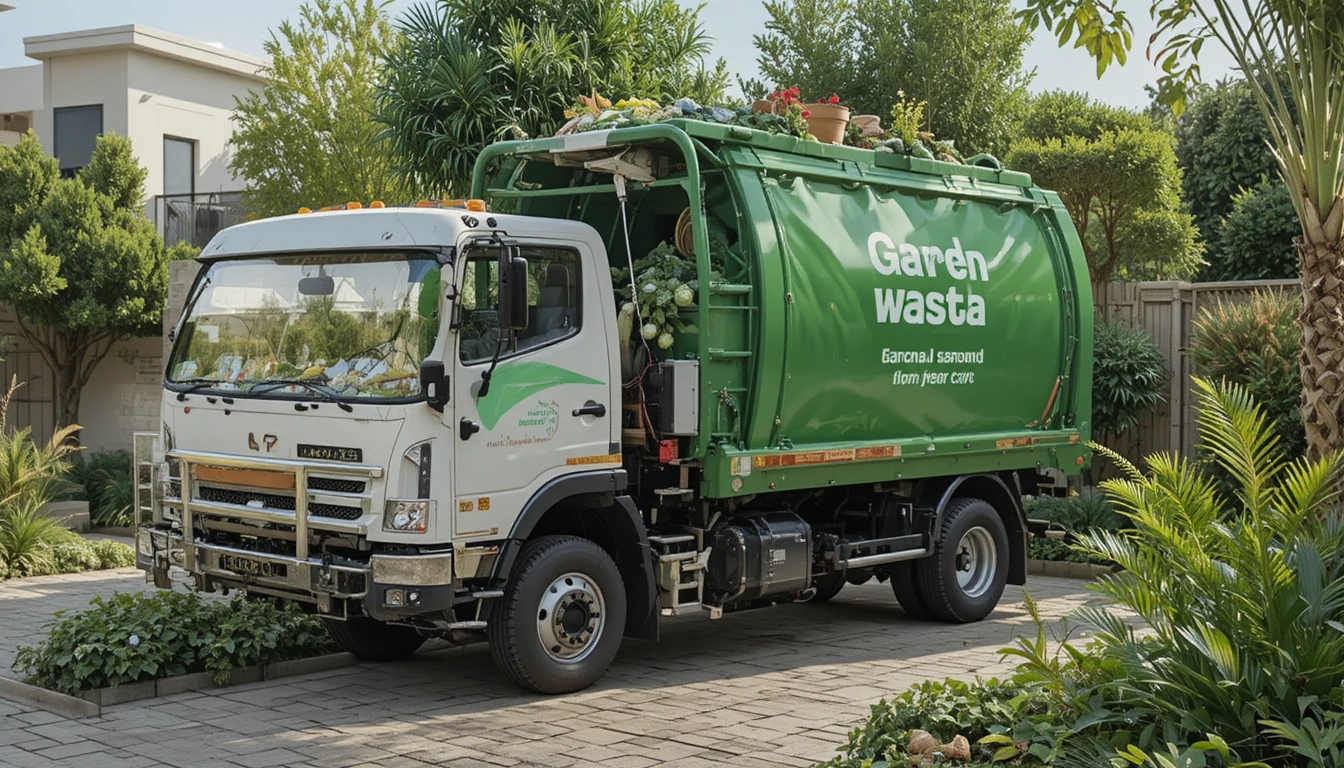
Woody waste needs special handling. Shred or chip branches before composting; large logs and thick branches can persist for years. Use a shredder or hire a green waste contractor with chipping services. Thin branches mix into piles as “structural material” to improve airflow.
Curing & maturation: woody material benefits from longer curing (6–12 months) and more frequent turning. For very woody piles, consider alternating with high-nitrogen green layers to speed breakdown.
Reuse options: chipped wood makes excellent mulch for pathways and beds (reduces evaporation), or can be stockpiled for later composting as part of a larger hot pile.
12. How to Dispose of Garden Waste Safely (Hazardous Plant Waste & Chemicals)
Hazardous garden waste includes chemically treated wood, materials contaminated with pesticides/herbicides, and plant material infected with regulated pathogens. These require special handling: double-bagging, notifying the collector, or disposing through licensed hazardous waste channels.
Safe steps: never mix chemical containers with organic waste destined for compost; wash tools in a separate area and dispose of washwater according to local guidance. For large volumes of contaminated plant material (e.g., invasive species), consult Dubai Municipality or a licensed waste transporter for guidance.
Documentation: keep records if you’re a commercial landscaper , proof of proper disposal avoids fines and legal issues.
13. Garden Waste Removal Dubai: Best Plants for Composting in Home Gardens
Some plants add more value to compost: legumes (nitrogen rich), soft leafy plants, grass clippings, and non-woody annuals accelerate decomposition. Dried leaves, straw, and shredded paper add carbon. Avoid adding resinous materials (pine needles in excess) or large woody stems unless shredded.
Plants to be cautious with: oily or aromatic plants (e.g., eucalyptus) in large quantities can slow decomposition and repel worms. Diseased plants or stubborn perennial roots should be hot-composted or disposed of carefully if disease persists.
The best “compost plants” are those you prune regularly: hedges (shredded), kitchen herbs (chopped), and lawn clippings (in moderation).
14. How to Recycle Garden Waste: Local Programs & Bins
Dubai Municipality and approved private recyclers run programs for organic and green waste. Many providers offer collection and route material to composting, soil mix production, or waste-to-energy facilities. For large volumes, approved drop-off centres accept green waste; some commercial recyclers provide green certificates and tracking.
How to find programs: check your community noticeboard, Dubai Municipality portals, or approved recycler listings. Ask for processing proof if you require guaranteed recycling rather than landfill disposal.
Benefits: recycling reduces landfill methane, builds local soil resources, and supports municipal targets for diversion and circularity.
15. Yard Waste Collection Services & Choosing Providers
When comparing yard waste collection services in Dubai, evaluate: licensing, green processing evidence, pricing model (per cubic meter vs per job), equipment (shredders, skips, tippers), turnaround (sameday options), and insurance.
Checklist:
- Ask for Dubai Municipality permissions or authorisations.
- Request references and disposal documentation.
- Compare quotes and confirm included services (e.g., sorting, chipping, hauling).
- Check reviews and local community feedback for reliability and pricing fairness.
We recommend choosing licensed providers who demonstrate transparent disposal paths and offer environmentally friendly options.
16. Environmentally Friendly Waste Management: Practical Steps
Adopt the 3Rs: Reduce (prune smartly), Reuse (turn trimmings into mulch), Recycle (compost and green collection). Adjust plant choices to reduce annual cutting, and reuse prunings for habitat piles or dead hedges where allowed.
Operational changes: train gardeners in best practices (cut small, bag properly), implement scheduled pickups instead of ad hoc dumping, and incentivize reuse such as soil building with compost.
These small systematic changes cut carbon footprint and align with Dubai’s zero-landfill ambitions.
17. Local Composting Programs & Community Initiatives
Many communities run pilot composting programs or community garden initiatives. Partnering with neighbours for shared compost bins reduces per-household effort and increases throughput. Local nonprofits and “green solution” companies sometimes provide subsidised bins, training and pick-up for blocks of flats.
How to start: propose a pilot at a resident meeting, secure a sheltered corner for a large compost unit, and partner with approved processors if volume exceeds home capacity. Community composting builds social capital and reduces collection costs.
18. DIY Garden Waste Shredder & Innovative Tools
Shredders and chippers transform bulky branches into mulch or chips ideally sized for compost or pathways. For DIY enthusiasts, a heavy-duty shredder can be built using a rotor and safety housing , but safety and local regulations are paramount. Often, renting a shredder or hiring a contractor is faster and safer.
Tools that speed composting: thermal composters, in-ground composters, handheld mulchers, and tumblers. Use tools that suit your scale and follow manufacturer guidance to avoid accidents.
19. Using Kitchen Scraps in the Garden: Garden Waste Removal Dubai
Kitchen scraps (vegetable peelings, coffee grounds, eggshells) are ideal compost feedstock. Avoid meat, dairy and oily foods that attract pests. Coffee grounds help soil structure and acidity management; eggshells supply calcium.
Integration ideas: bokashi for apartments (fermentation system), small vermicompost bins for kitchen scraps, or straight compost addition for villa gardens with managed piles.
20. Using Leaves as Garden Mulch & DIY Leaf Mold
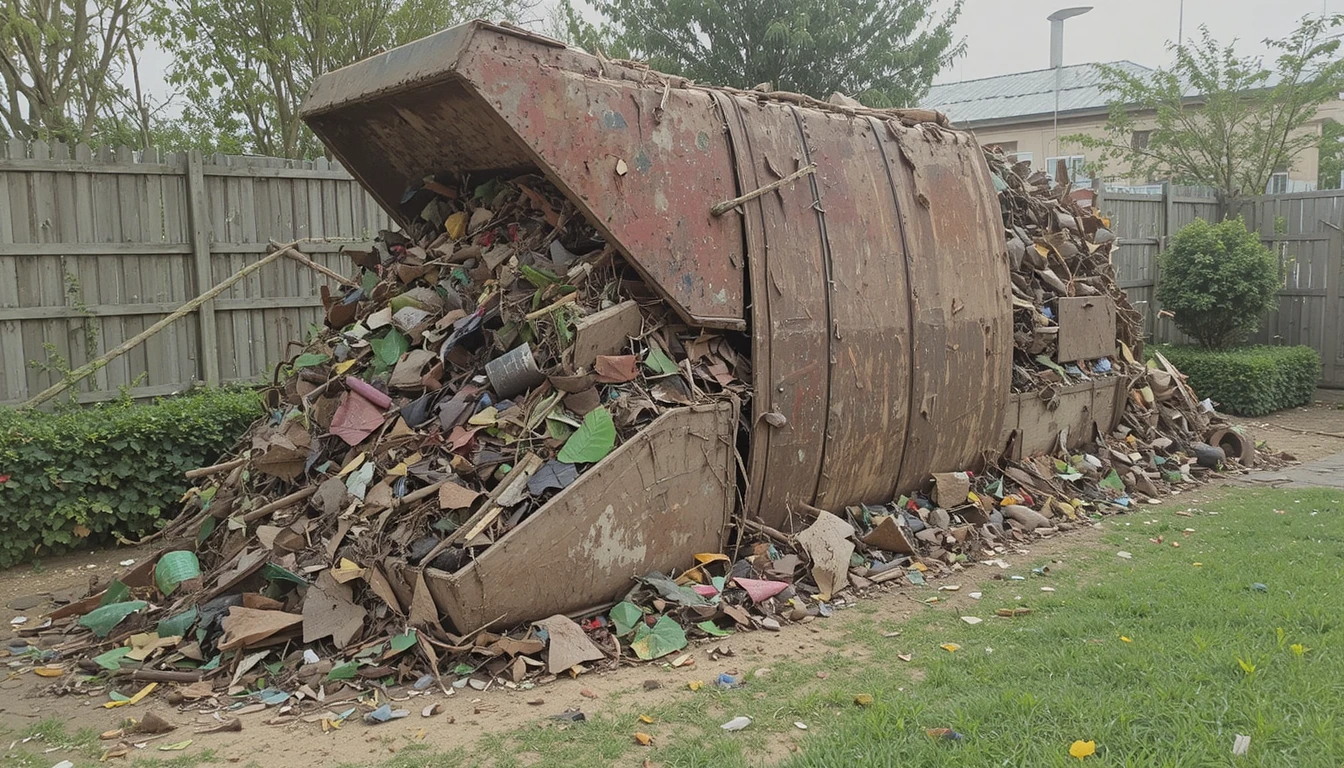
Leaves are a gardener’s gold , shredded leaves make excellent mulch and leaf mold (composted leaves) is a superb soil conditioner. Pile leaves in a bin, keep moist, and let fungi break them down into crumbly humus over months.
Benefits: improved moisture retention, reduced weed growth, and slow release of nutrients. In Dubai, leaf mulch helps reduce irrigation needs and cool soil temperatures.
21. Sustainable Garden Waste Solutions & Zero-Waste Gardening
Zero-waste gardening focuses on design: choose low-maintenance native plants, prune selectively, and reuse prunings as mulch. Consider permaculture approaches that reduce annual cutback needs. Rotate planting beds and use cover crops to reduce green waste while improving soil.
Strategy: reduce inputs at the source and design for minimal waste generation, turning a garden into a closed-loop system.
22. Best Practices for Yard Waste Disposal & Seasonal Tips
Seasonal checklist:
- Spring cleanup: collect winter debris, sharpen pruning tools, compost soft waste.
- Post-season/fall: shred leaves for mulch, schedule bulk pickups for large removal.
- Heat months: store green waste shaded to avoid rapid drying and pest attraction.
Preparation for pickup: sort early, avoid mixed construction debris, and label hazardous materials separately.
23. Mulching Garden Debris & When to Use It
Mulching with shredded garden debris reduces moisture loss and suppresses weeds. Apply 5–10 cm layer around beds, keeping mulch off plant crowns. Replenish annually. For pathways, deeper layers provide stable walkways and reduce dust.
Mulch vs compost: mulch protects soil and conserves water; compost feeds soil. Use both: mulch on top, compost worked into the soil.
24. Biodegradable Waste Bags & Reusable Containers
Biodegradable bags are convenient for curbside collection but must match municipal acceptance criteria. Reusable garden waste containers (stackable bins, wheeled carts) reduce single-use plastic and are ideal for scheduled pickups.
Tip: confirm with your collector whether biodegradable bags are accepted; otherwise use reusable containers and return them after collection.
25. Community Yard Waste Initiatives & Neighborhood Collection
Organize neighborhood collection days, bulk pickups, or compost swaps. Shared shredders or chippers for a street can be cost-effective. Neighborhood initiatives often reduce per-household costs and improve diversion rates.
Action step: propose a trial to your resident association and offer to coordinate logistics (dates, bookings, volunteer roster).
26. Commercial Yard Waste Recycling & Large-Scale Options
Commercial landscapers generate significant green waste; engage licensed recyclers who handle chipping, composting or energy recovery. Contracts should specify disposal pathways and provide proof of lawful processing.
Large-scale solutions: green contractors, municipal composter partnerships, and waste-to-energy plants that accept residual organic matter. Verify compliance and environmental performance before signing contracts.
27. Impact of Garden Waste on Soil Health & Climate
Left unmanaged, garden waste in landfills decomposes anaerobically, producing methane , a potent greenhouse gas. Composting, by contrast, stores carbon in soil, improves structure, and reduces fertilizer dependence. Turning garden waste into organic matter is a climate-smart act: less methane, more soil resilience.
Context: municipal strategies in the UAE aim to divert significant proportions of municipal solid waste from landfills , supporting local composting and recycling is aligned with this direction.
28. Biodiversity, Urban Wildlife & Garden Waste Management
Garden waste piles can provide habitat for beneficial insects and refuge for small wildlife, but they must be managed to avoid pest problems. Place habitat piles away from buildings, and use chipped wood or mulched piles to support pollinators. Avoid offering food sources that attract rodents.
Balance: build biodiversity while reducing disease vectors by rotating piles and avoiding standing water.
29. Alternatives to Burning Garden Waste: Biochar & Upcycling
Burning is harmful and often prohibited. Instead, consider biochar (pyrolysed garden waste) to lock carbon into soil and improve water retention , but biochar production requires controlled conditions and safety. Upcycling ideas include creating garden art, raised bed filler, or habitat piles.
Why avoid burning: air quality impacts, legal restrictions, and loss of organic matter that could enrich soil.
30. Choosing & Preparing the Best Garden Waste Removal Service in Dubai
Final checklist for hiring: license verification (Dubai Municipality), pricing clarity, disposal pathway, proof of recycling, insurance, and customer reviews. For urgent needs, ask about same-day garden waste disposal Dubai services and emergency garden waste removal options.
We recommend: obtain at least three quotes, ask for references, demand documentation of lawful processing, and prefer providers who offer chipping and composting , this supports local circularity and often costs less in the long run.
Conclusion
We provide practical, local and actionable guidance on <strong>garden waste removal Dubai, from municipal rules and composting science to choosing the right service. Turn garden trimmings into soil, mulch, or certified recycled outputs , reduce costs, lower your property’s environmental impact, and stay compliant with local law. Want a tailored one-page checklist for your neighborhood or a contractor quote template? Tell us the size of your garden and we’ll draft it.
Five FAQs
1. How do I schedule a bulk garden waste pickup in Dubai?
Contact your community management or Dubai Municipality bulk collection channels (some areas use WhatsApp 800900) or hire a licensed private garden waste removal service for same-day or scheduled pickups. Always ask for proof of lawful disposal.
2. Can I compost garden waste in a small apartment or balcony?
Yes , vermicomposting or bokashi systems are perfect for small spaces. Keep them shaded, control moisture, and avoid meat/dairy. Use a compact tumbler or worm bin for kitchen scraps and small trimmings.
3. Are there fines for illegal dumping of garden waste in Dubai?
Yes. Dubai and community estate rules prohibit dumping; fines and penalties can apply. Use licensed services or municipal bulk pickup to avoid enforcement actions.
4. What’s the best way to deal with large woody branches?
Shred or chip them with a contractor or rental shredder; chipped material becomes mulch or can be composted more quickly. For very large volumes, arrange a commercial green waste collection service.
5. How quickly will my compost be ready and how do I use it?
Cold composting: several months to a year. Hot composting (managed, aerated): 6–12 weeks. Mature compost is dark, crumbly and earthy; use as topdressing, incorporate into beds, or brew into compost tea for plants.
Trusted Junk Removal Services in Dubai for Homes & Businesses
In Dubai?
Address: Office No.101, 10th Floor, Al-Shafar Tower, Business Bay, Dubai.
Google Map Location
Read More: Rubbish Removal Dubai: Eco & Affordable Waste Care