Flooring Waste Removal: Laminate & Wood
Flooring Waste Removal: Laminate & Wood
Introduction
Are you struggling with leftover laminate or wood flooring clutter after a renovation or office makeover in Dubai? Flooring Waste Removal can be a daunting task, especially if you live in high-rise buildings in Marina or Jumeirah, where logistics and regulations make disposal tricky. Imagine your space as a canvas: leftover flooring is like scattered paint that prevents you from creating a masterpiece. Removing these materials efficiently is crucial not only for cleanliness but also for safety and compliance with Dubai Municipality rules.
Whether you’re a homeowner in Downtown Dubai or a business owner in DIFC, understanding the process of proper flooring waste removal can save you time, money, and stress. In this guide, we will explore everything from the process, cost, benefits, to eco-friendly disposal methods, ensuring your space remains pristine and sustainable.
1. Understanding Flooring Waste in Dubai
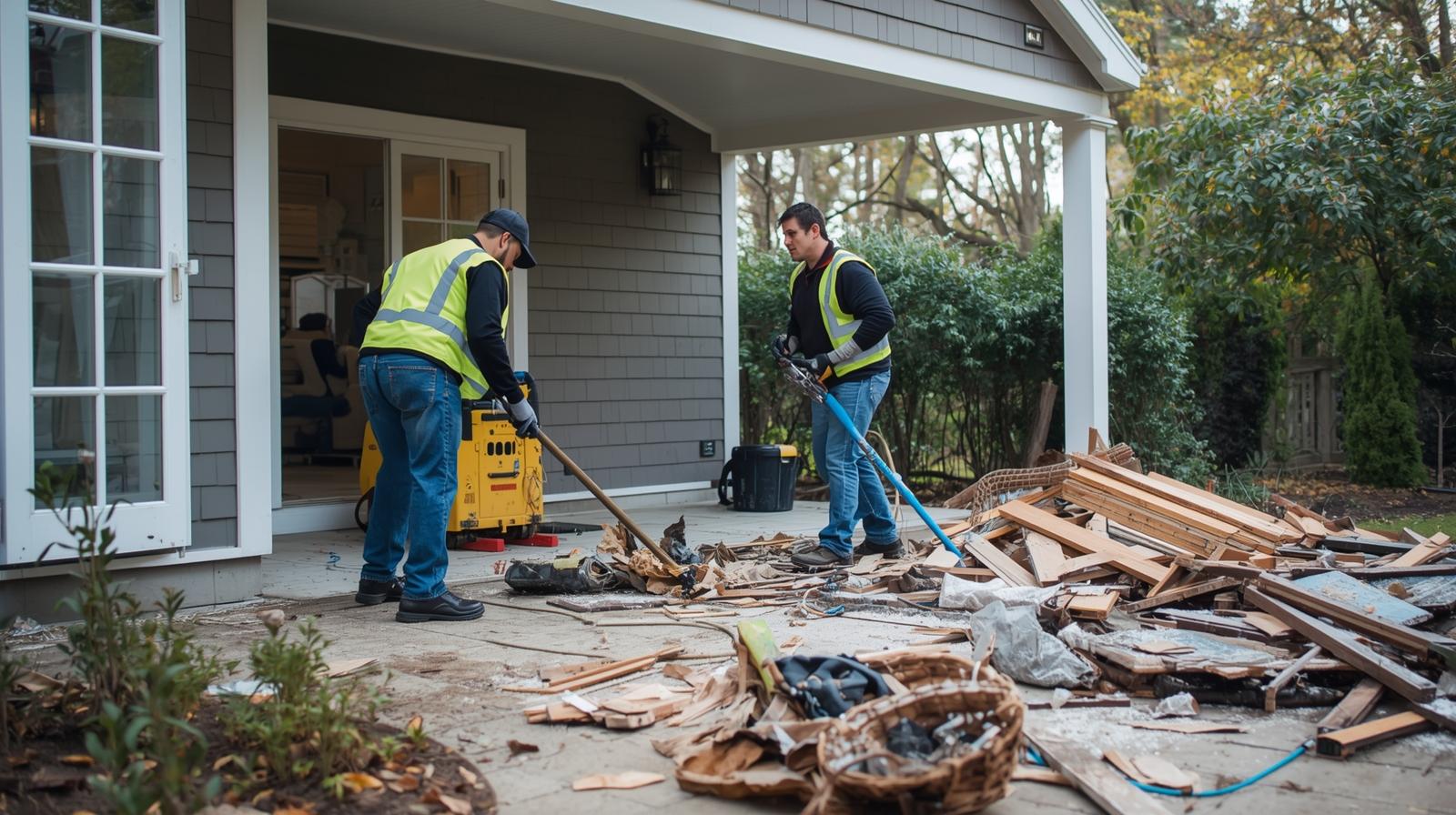
Flooring waste includes leftover pieces from laminate or wood flooring installations, broken boards, and underlay scraps. In Dubai, this waste often accumulates quickly due to the city’s booming construction and renovation sector. For example, neighborhoods like Business Bay and Jumeirah often see high turnover in apartments and villas, generating significant flooring debris.
Most people underestimate the volume of waste created. Even a small apartment renovation can produce hundreds of kilograms of laminate or wood scraps. Without proper removal, these materials can block pathways, damage elevators, or create fire hazards in tightly packed residential towers.
Additionally, Dubai’s climate plays a role. Wood flooring exposed to heat and humidity can warp, and laminate scraps can attract dust or mold if stored incorrectly. Proper flooring waste removal ensures a clean, safe, and aesthetically pleasing environment for both residents and business owners.
2. Why Flooring Waste Removal Matters
Have you ever tried stepping over leftover laminate pieces in your apartment? It’s frustrating and dangerous. Beyond clutter, improper disposal of flooring waste in Dubai can lead to fines under Dubai Municipality regulations.
Proper waste removal also supports environmental sustainability. Many flooring materials are recyclable, and separating wood from laminate allows for eco-friendly disposal. For businesses, timely removal reflects professionalism and enhances employee safety.
Moreover, organized waste management can prevent long-term structural damage. Wood scraps left in basements or storage rooms may attract pests or cause staining. Ultimately, flooring waste removal is not just about cleanliness it’s a strategic step for safety, sustainability, and property value.
3. Types of Flooring Waste: Laminate & Wood
Laminate flooring waste typically comes in smaller, interlocking pieces. While lightweight, laminate contains plastics and resins, making it less biodegradable than natural wood. Improper disposal can impact local landfills and water systems.
Wood flooring waste is heavier and more durable but can rot or attract pests if left untreated. In Dubai, wood waste must often be separated from general trash to comply with Municipality rules.
Understanding the differences between these materials is crucial for planning the removal process. Laminate may require specialized recycling centers, while wood can be repurposed for furniture or composting under approved local programs.
4. Step-by-Step Flooring Waste Removal Process
- Assessment: Identify the type and amount of flooring waste. Check if materials are recyclable.
- Preparation: Clear the room, protect furniture, and plan logistics for high-rise buildings.
- Segregation: Separate laminate from wood for recycling and proper disposal.
- Collection: Use appropriate containers or hire waste collection services in Dubai.
- Transportation: Ensure trucks comply with local regulations; some areas like Marina require specific timings for waste collection.
- Disposal/Recycle: Deliver to approved facilities or schedule municipal pick-up.
Following these steps ensures safety, efficiency, and compliance while minimizing environmental impact.
5. Safety Precautions During Removal
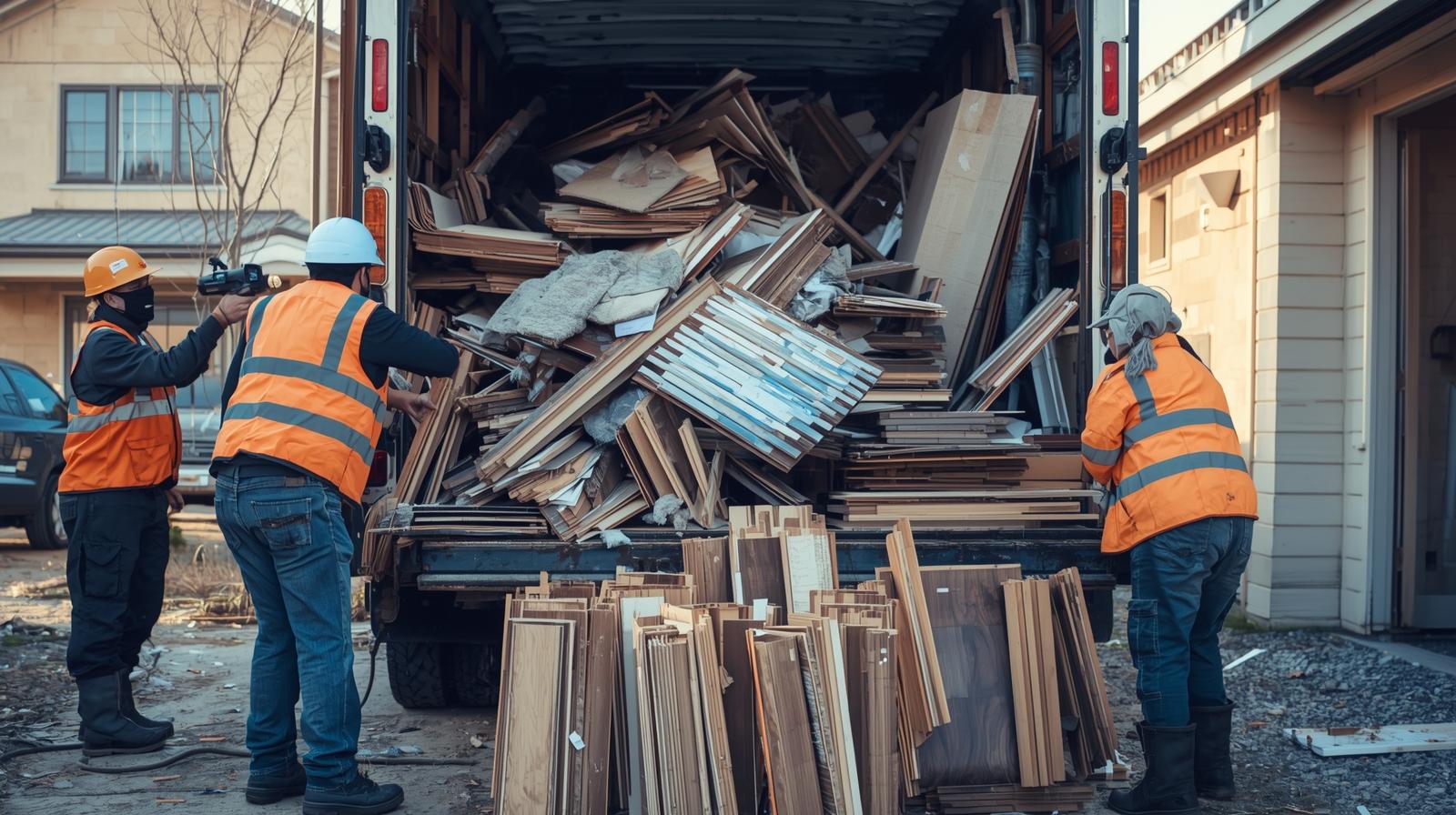
Removing flooring waste may seem simple, but it can be risky. Use gloves, goggles, and masks to protect against splinters, dust, and chemicals in laminate flooring.
In high-rise apartments, securing waste before using elevators is crucial to avoid accidents. Avoid overloading garbage chutes, as this may trigger fines.
Additionally, keeping children and pets away from the removal area prevents injuries. Safety is as important as cleanliness when it comes to flooring waste removal.
6. Tools & Equipment Needed
For a DIY approach, you’ll need:
- Gloves and safety goggles
- Dust masks
- Brooms and dustpans
- Heavy-duty trash bags or containers
- Dollies for transportation in high-rises
Professional services often provide trucks, compactors, and recycling arrangements. Choosing the right equipment ensures efficiency and reduces strain on workers, making the process smoother in busy areas like Downtown Dubai or Dubai Marina.
7. Hiring Professionals vs DIY
DIY removal may save money but involves significant effort, especially in multi-story buildings. Professionals bring experience, equipment, and local knowledge of Dubai Municipality regulations.
Hiring experts guarantees proper segregation, eco-friendly disposal, and compliance. For businesses, it reduces downtime and ensures safety. Consider your schedule, building access, and volume of waste before deciding.
8. Flooring Waste Removal Costs in Dubai
Costs vary depending on waste volume, type, and building access. On average:
- Small apartment: AED 300–600
- Villa: AED 800–1,500
- Commercial spaces: AED 1,500+
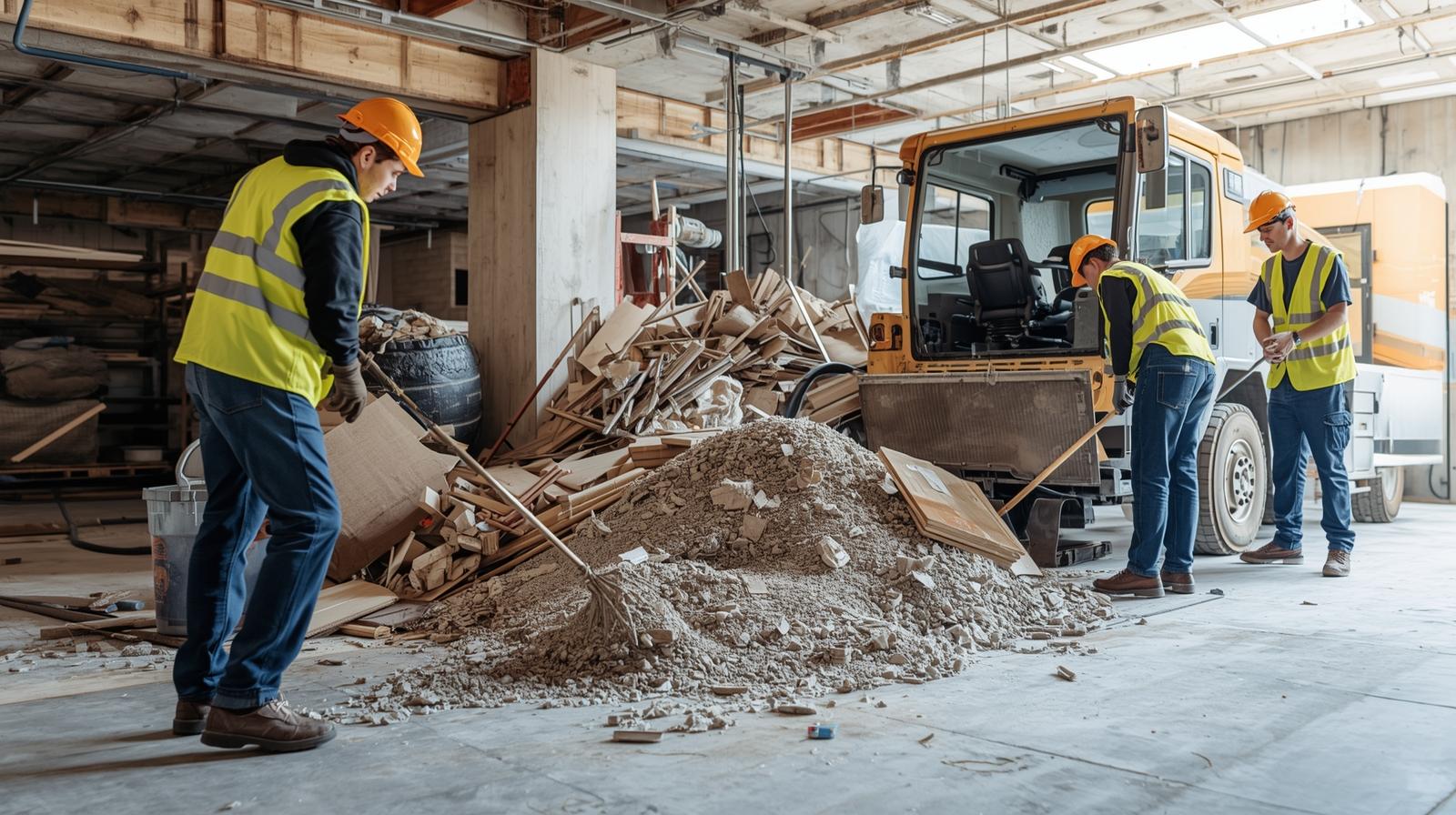
Additional charges may apply for high-rise buildings or urgent pickups. While DIY seems cheaper, hidden costs like transport, fines, and safety equipment often outweigh savings.
9. Eco-Friendly Disposal Methods
Dubai increasingly promotes eco-friendly disposal. Options include:
- Sending wood scraps to recycling centers
- Using laminate waste in energy recovery programs
- Donating usable wood to craft or furniture projects
Eco-conscious disposal reduces landfill strain and aligns with Dubai’s sustainability initiatives, benefiting the community and environment.
10. Recycling Laminate & Wood Waste
Laminate can be shredded and used in composite materials or energy recovery. Wood can be chipped for landscaping or converted into furniture. Recycling not only reduces waste but can also provide cost savings for contractors and businesses.
By separating materials at the source, you simplify the recycling process and ensure compliance with Dubai Municipality regulations.
11. Regulations & Permits in Dubai
Dubai Municipality enforces strict rules for construction and renovation waste. Unauthorized dumping can lead to fines ranging from AED 500–5,000. Certain areas, like Jumeirah, require permits for commercial waste removal trucks.
Understanding these regulations ensures smooth operations and avoids unnecessary penalties.
12. Special Considerations for High-Rise Buildings
High-rise buildings pose unique challenges:
- Elevator scheduling for waste removal
- Fire safety compliance in chutes
- Noise restrictions during peak hours
Planning ahead ensures efficiency and avoids disputes with building management or neighbors.
13. Seasonal Challenges in Dubai
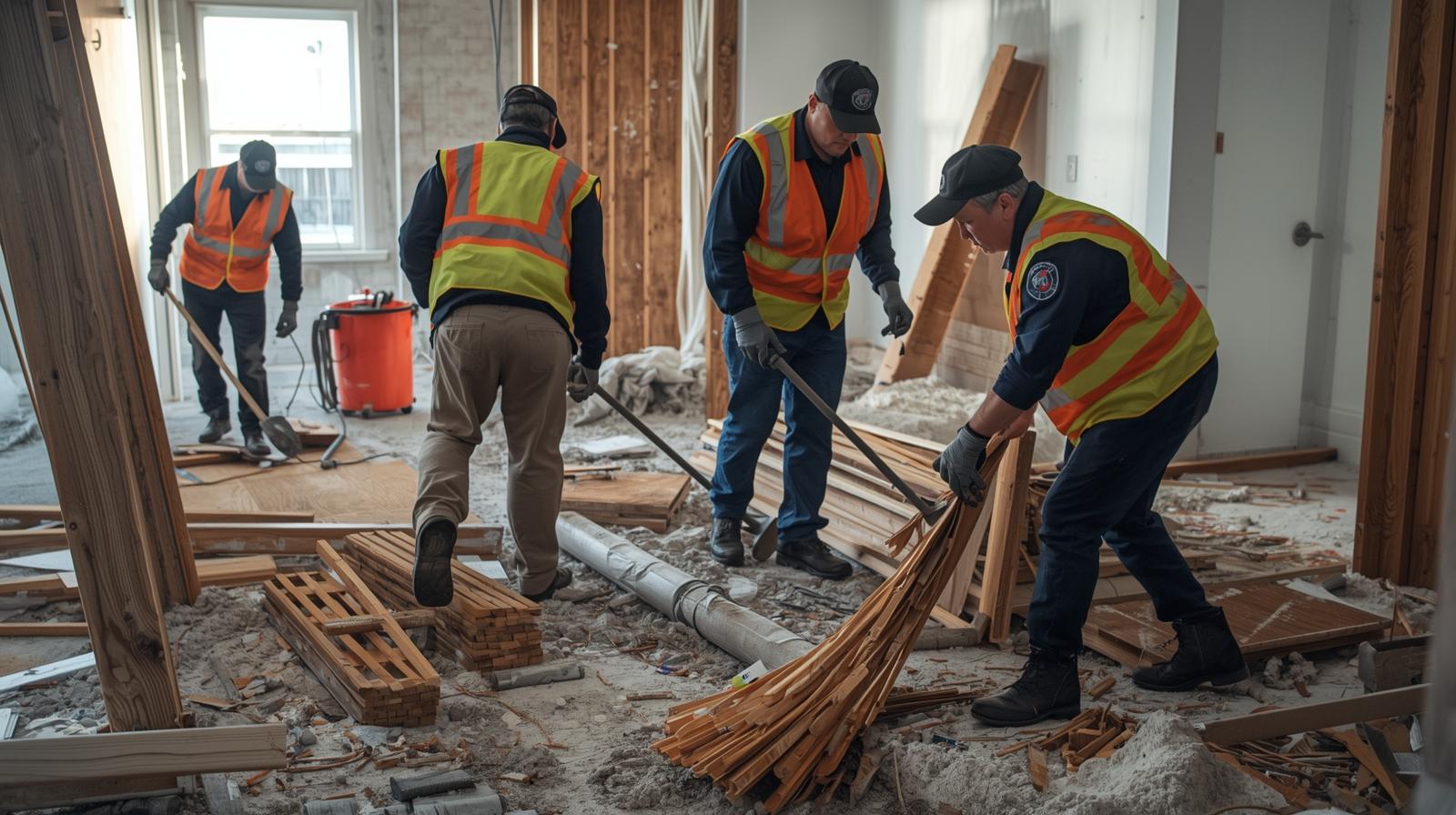
Dubai’s hot climate affects flooring waste. High temperatures can warp wood or cause laminate to expand. Humidity can promote mold growth in stored materials.
Scheduling removal during cooler months or early mornings minimizes risk and protects both workers and building interiors.
14. Benefits of Timely Waste Removal
Timely removal improves:
- Safety: Reduces tripping hazards and fire risks
- Aesthetics: Frees up space and prevents clutter
- Compliance: Avoids fines and adheres to Municipality rules
A clutter-free space also enhances mental well-being and property value.
15. Common Mistakes to Avoid
- Mixing laminate and wood waste
- Ignoring building access rules
- Delaying removal, causing accumulation
- Not wearing protective gear
- Failing to recycle or donate reusable materials
Avoiding these mistakes saves time, money, and effort.
16. Preparing Your Space For Removal
To begin with, proper preparation makes the removal process smoother and safer. First, clear furniture and delicate items to prevent damage. Next, label and separate different waste types for efficient handling. Additionally, plan logistics for elevators and trucks to avoid delays and congestion.
As a result, proper preparation streamlines the entire removal process and ensures safety for both workers and property.
17. Aftercare & Maintenance Tips
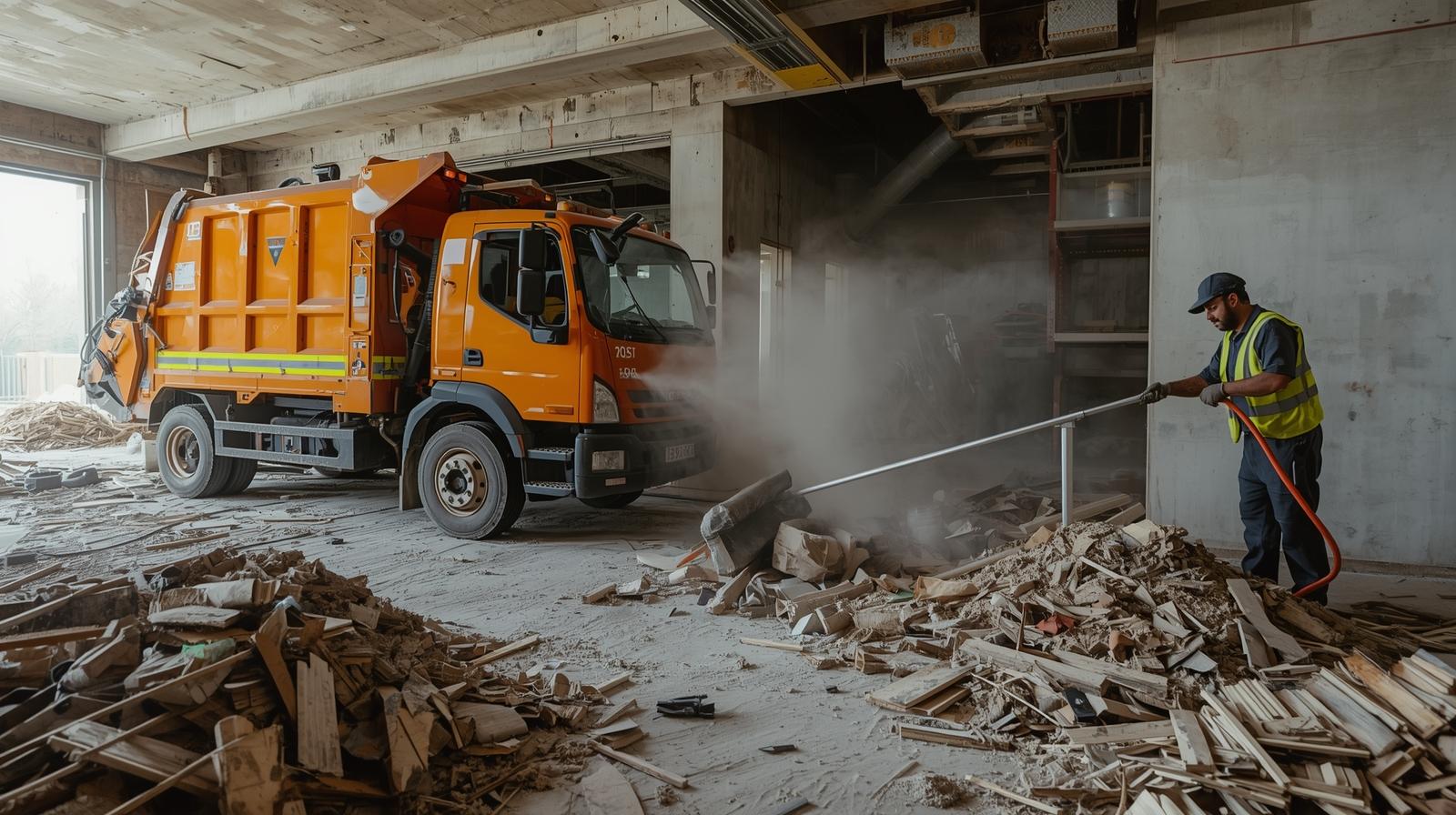
Once removal is complete, clean the area thoroughly to eliminate dust and residue. Then, check for any damage to floors, baseboards, or walls. Moreover, consider polishing or sealing floors before reinstallation to restore their finish and durability.
In the long run, regular maintenance prevents debris accumulation. Consequently, it extends the life of your flooring and keeps the space clean, safe, and visually appealing.
18. How Flooring Waste Removal Enhances Property Value
A clean, clutter-free space reflects professionalism and attention to detail. For businesses, this creates a positive impression on both clients and employees. Similarly, for homeowners, it significantly enhances resale value.
Furthermore, proper flooring waste removal signals responsible ownership and regulatory compliance. As a result, it becomes a strong selling point in Dubai’s highly competitive real estate market.
19. Case Studies From Dubai
For example, a Dubai Marina apartment renovation produced 500 kg of laminate waste. However, professional removal ensured compliance, safety, and recycling, thereby avoiding potential fines.
Likewise, in a Business Bay office, wood flooring scraps were donated to a local furniture workshop. As a result, landfill impact was reduced while supporting valuable community projects.
Overall, these real-world examples clearly highlight the practical benefits of timely, professional flooring waste removal.
Conclusion
Proper flooring waste removal is more than just clearing clutter it ensures safety, compliance with Dubai Municipality rules, and a cleaner, more organized space. Whether you live in a high-rise in Marina or own a villa in Jumeirah, timely removal of laminate and wood waste protects your property, supports eco-friendly practices, and even enhances your property’s value. By following the right process, using professional help when needed, and prioritizing recycling, you can turn a messy renovation aftermath into a smooth, stress-free experience.
FAQs
Q1: What is the best way to dispose of laminate flooring in Dubai?
The most effective way is to separate it from wood, place it in heavy-duty bags, and deliver it to authorized recycling centers or schedule a professional collection service.
Q2: How much does flooring waste removal cost in Dubai?
Costs depend on waste volume, type, and building access. Small apartments cost AED 300–600, while villas or commercial spaces may exceed AED 1,500.
Q3: Can I DIY flooring waste removal in high-rise buildings?
Yes, but it’s challenging due to elevator access, heavy materials, and Dubai Municipality rules. Professionals are recommended for efficiency and compliance.
Q4: Is flooring waste recyclable in Dubai?
Yes, wood and laminate can be recycled or repurposed. Wood can be chipped or used for furniture, while laminate can be processed into composite materials or energy recovery.
Q5: Are there fines for improper flooring waste disposal in Dubai?
Yes. Unauthorized dumping may lead to fines between AED 500 and 5,000, depending on location and volume. Always follow local rules and hire authorized services if needed.
Trusted Junk Removal Services in Dubai for Homes & Businesses In Dubai?
Address: Office No.101, 10th Floor, Al-Shafar Tower, Business Bay, Dubai.
Google Map Location