
E-Waste Collection for Corporate Offices
E-Waste Collection for Corporate Offices in Dubai
Introduction
Ever opened a storage room in your office and felt overwhelmed by old monitors, tangled cables, broken printers, and outdated laptops? You’re not alone. For many corporate offices in Dubai, especially in high-rise buildings across Marina, JLT, and Business Bay, electronic clutter quietly piles up. It’s like trying to work in a spotless office while hiding all the mess under the carpet. Eventually, you run out of space, and stress kicks in.
Dubai businesses move fast. Offices upgrade tech frequently, teams expand, and compliance rules tighten. That’s why managing electronic waste responsibly is no longer optional. It’s about cleanliness, compliance, and corporate responsibility all at once.
This guide walks you through everything you need to know about handling electronic waste in corporate offices, with a strong local focus on Dubai and the UAE. Whether you manage a startup in Jumeirah or a multinational in DIFC, you’ll find clear, practical answers here.
1. Understanding Corporate E-Waste
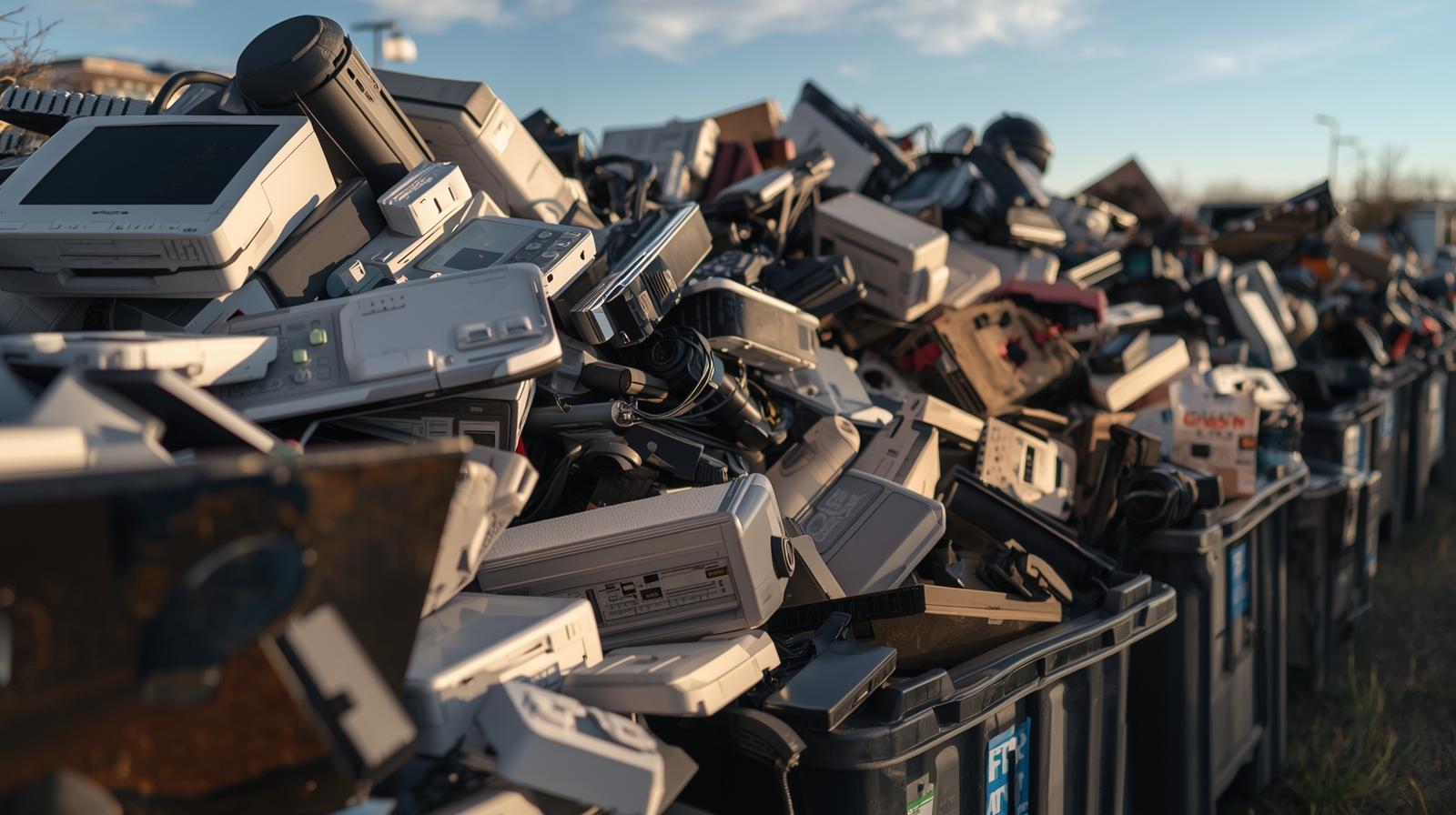
Electronic waste refers to discarded electrical or electronic devices. In corporate offices, this includes computers, servers, phones, routers, scanners, and even smart office equipment. Unlike general waste, these items contain hazardous materials such as lead, mercury, and lithium.
In Dubai’s climate, improper storage can worsen the problem. Heat and humidity can damage batteries, increasing fire risk. That’s why understanding what qualifies as e-waste is the first step toward responsible disposal.
Moreover, corporate e-waste isn’t just physical clutter. It also includes digital risk, especially when old hard drives still contain sensitive data. Proper handling protects both your workspace and your reputation.
Ultimately, recognizing e-waste helps you treat it not as junk, but as a managed resource that needs structured disposal.
2. Why Corporate Offices Generate So Much E-Waste
Technology upgrades drive productivity, but they also generate waste. Dubai companies often replace devices every 2–3 years to stay competitive. With frequent office relocations common in fast-growing areas like Business Bay, e-waste volumes rise quickly.
Another reason is vendor contracts. Many offices receive bundled equipment, some of which becomes redundant. Instead of reuse, these items end up stored in back rooms.
Additionally, hybrid work trends have led to surplus devices. Offices downsized, yet electronics remained. Without a disposal plan, clutter builds silently.
Therefore, understanding the why helps businesses plan smarter disposal strategies rather than reacting at the last minute.
3. Importance of E-Waste Collection for Offices
Proper E-Waste Collection is more than a cleanup exercise; it’s a compliance and sustainability decision. Dubai Municipality mandates responsible disposal to prevent environmental harm. Ignoring this can lead to penalties.
From a business standpoint, an organized collection frees up valuable office space. Think of it like decluttering your desk, you work better when everything has its place.
It also protects your brand. Clients and partners increasingly value environmentally responsible companies. Proper disposal shows leadership and accountability.
Finally, structured collection ensures safe recycling, reducing landfill pressure and supporting Dubai’s green vision.
4. Dubai Municipality Rules You Must Follow
Dubai has clear waste management regulations. Electronic waste must be handled by approved recyclers. Dumping electronics with general waste is not allowed.
Businesses are responsible for ensuring their waste reaches authorized facilities. This includes maintaining documentation, especially important during audits.
In free zones like JAFZA or DIFC, additional guidelines may apply. Always check building management rules before scheduling pickups.
Following regulations isn’t complicated, but ignoring them can be costly. Compliance protects your business and the city.
5. Common Types of Office E-Waste
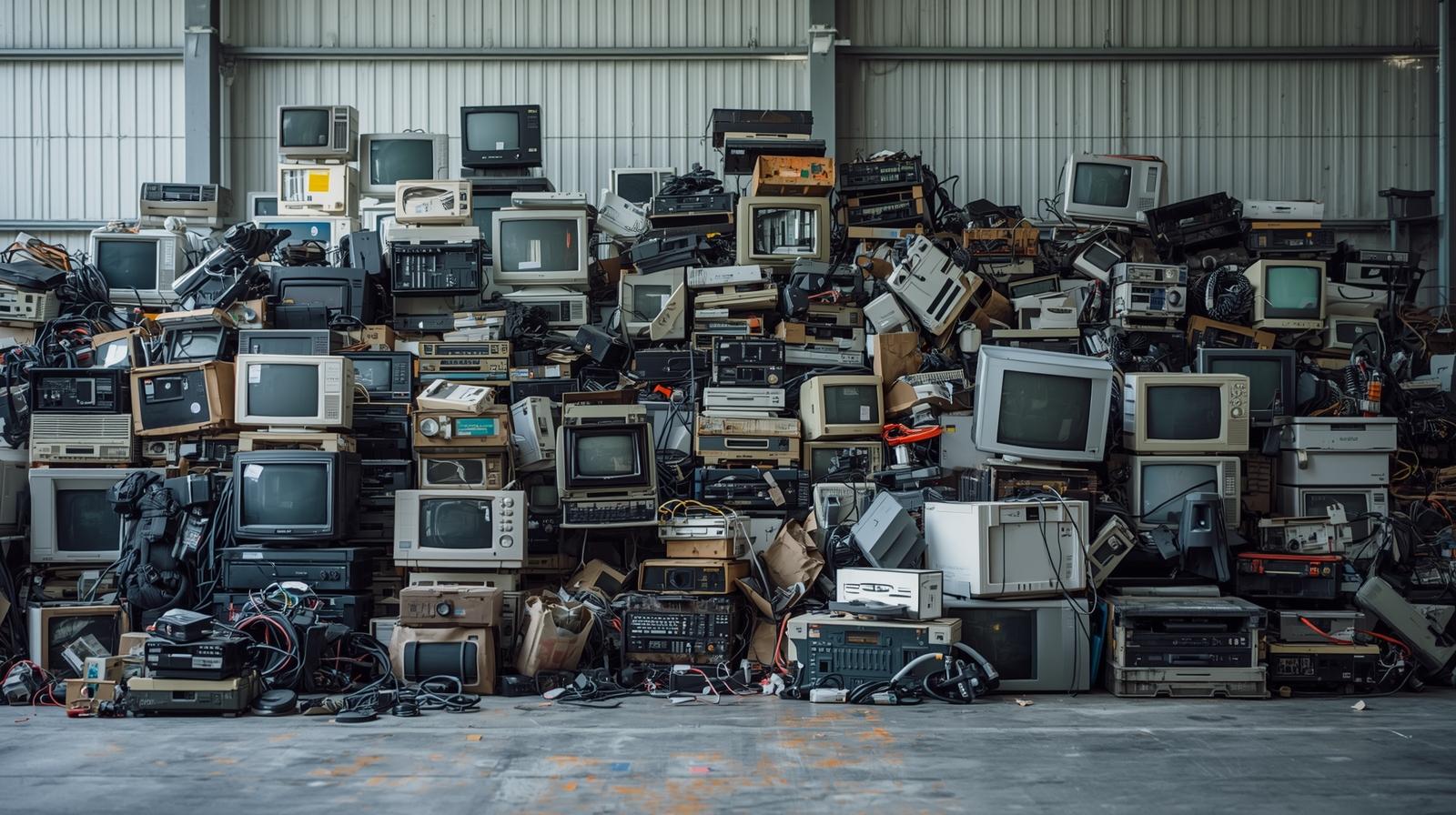
Corporate offices generate a wide range of electronic waste, often without realizing how quickly it accumulates. The most common items include desktops, laptops, servers, monitors, and docking stations used daily by employees. Printers, scanners, keyboards, and mice also contribute heavily to office e-waste volumes.
Beyond basic IT equipment, offices in Dubai also dispose of networking devices such as routers, switches, and modems. Meeting rooms add another layer with outdated projectors, screens, video conferencing systems, and audio equipment that become obsolete as technology upgrades.
Smaller items matter too. Batteries, power adapters, cables, and even smart lighting or access control systems qualify as e-waste. Each category requires different handling, so knowing exactly what your office holds helps ensure safe and compliant disposal.
6. Risks of Improper Disposal
Improper disposal of office electronics creates serious environmental risks. Many devices contain hazardous materials like lead, mercury, and cadmium. When dumped incorrectly, these substances can leak into soil and water, causing long-term environmental damage in and around Dubai.
Legal risks are just as significant. Dubai Municipality enforces strict waste management regulations, and non-compliance can lead to fines or operational disruptions. Businesses located in regulated zones or high-rise towers face even closer scrutiny during inspections.
Data security is another major concern. Old laptops and servers often still contain confidential business, client, or employee data. If accessed by unauthorized parties, this can result in data breaches that permanently damage trust and corporate reputation.
7. How E-Waste Collection Works in Dubai
Professional E-Waste Collection in Dubai follows a clear and organized process designed to minimize disruption to business operations. It usually begins with an assessment of the type and quantity of electronic waste your office needs to dispose of.
Once evaluated, a pickup schedule is arranged. Many providers offer flexible timings, including evenings or weekends, to accommodate busy corporate environments. Collection teams then carefully remove items, ensuring no damage to office spaces or common areas.
After collection, items are transported to licensed facilities for sorting, recycling, or secure destruction. Data-bearing devices are wiped or destroyed, and compliance documentation is issued. This structured approach ensures efficiency, safety, and regulatory peace of mind.
8. Logistics in High-Rise Office Buildings
Dubai’s business landscape is dominated by high-rise office buildings, which makes logistics a critical part of e-waste disposal. Service elevators, loading bays, parking access, and timing restrictions must all be carefully coordinated.
Professional disposal teams understand these challenges well. They communicate directly with building management to secure permits, schedule elevator access, and comply with tower-specific rules, especially in areas like Marina, DIFC, and Downtown Dubai.
Handling bulky or heavy equipment such as servers and printers requires proper tools and trained staff. Efficient logistics prevent delays, reduce noise complaints, and ensure that disposal activities don’t interfere with other tenants or daily business operations.
9. Data Security & Confidentiality
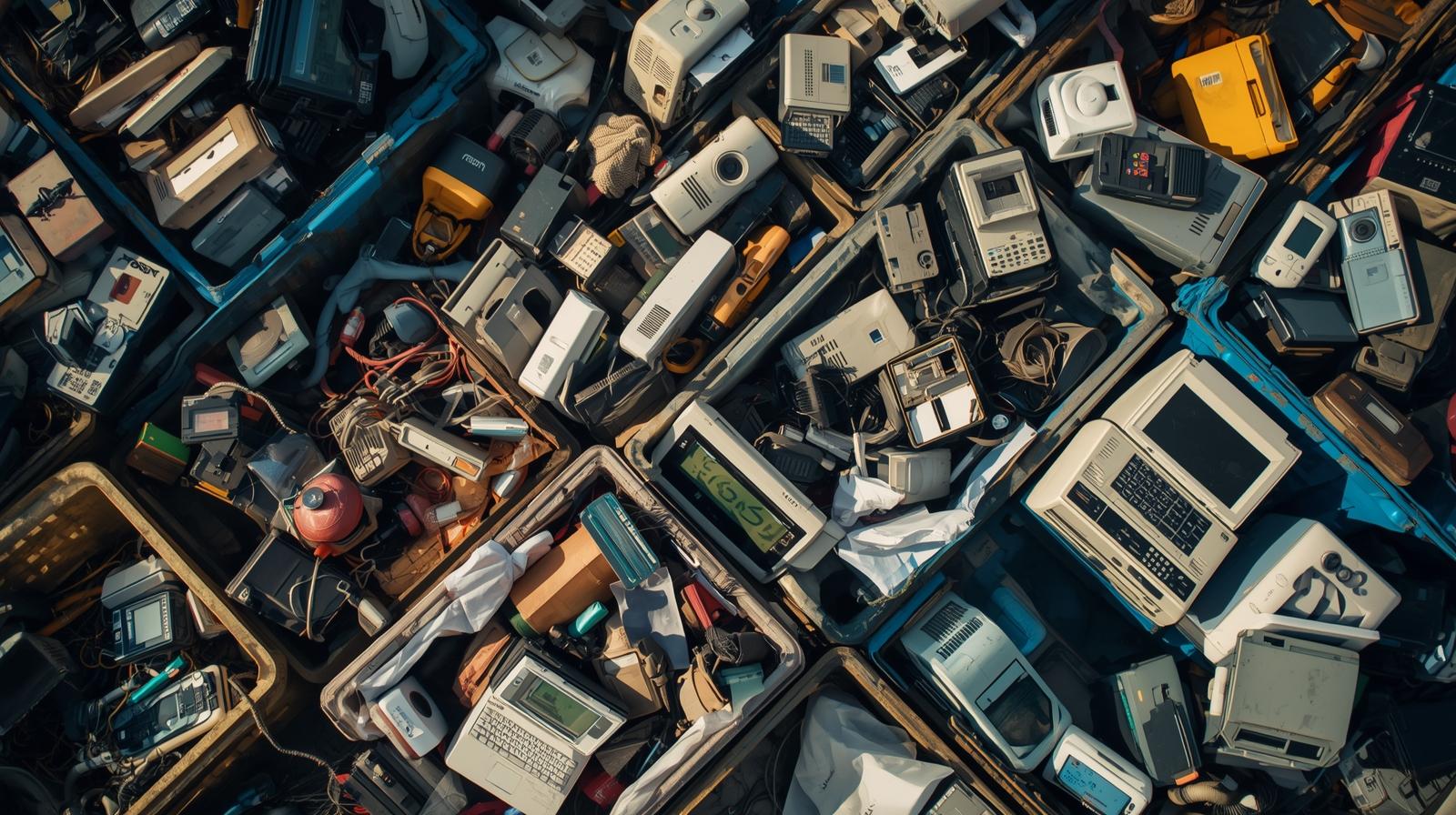
Data security is one of the biggest concerns for corporate offices disposing of electronic devices. Even non-functioning computers and phones can store sensitive data if not properly handled.
Certified e-waste providers offer secure solutions such as data wiping, degaussing, or physical destruction of hard drives. These methods ensure that information cannot be recovered under any circumstances, protecting both your clients and your organization.
After completion, providers issue certificates of data destruction as proof of compliance. This documentation is especially valuable for audits, legal protection, and internal records. Secure disposal turns a potential liability into a controlled and trusted process.
10. Eco-Friendly Recycling Methods
Eco-friendly recycling goes beyond simply getting rid of electronics. The goal is to recover valuable materials while minimizing environmental harm. Metals like copper, aluminum, and steel are extracted and reused in manufacturing.
Plastics are separated and processed responsibly to reduce landfill waste. Hazardous components, including batteries and circuit boards, are treated under controlled conditions to prevent pollution.
These recycling methods directly support Dubai’s sustainability initiatives and clean city vision. By choosing responsible recycling, businesses reduce their environmental footprint while contributing to a circular economy that benefits both the city and future generations.
11. Cost Factors for Corporate Disposal
The cost of corporate e-waste disposal varies depending on several factors. These include the volume of waste, type of equipment, accessibility of the office, and additional services such as data destruction.
Some offices worry about costs, but proper disposal often saves money in the long run. Clearing storage areas frees up valuable office space, and compliance helps avoid fines or legal issues.
Compared to the financial and reputational damage of improper disposal, professional e-waste management is highly cost-effective. It should be viewed as a smart operational investment rather than an unnecessary expense.
12. Choosing the Right E-Waste Collection Partner
Selecting the right E-Waste Collection partner is critical for smooth and compliant disposal. Always ensure the provider is licensed and approved to operate in Dubai and the wider UAE.
Experience matters. Providers familiar with Dubai’s regulations, building logistics, and corporate requirements can handle challenges efficiently. Transparency in pricing, processes, and documentation is another key indicator of reliability.
Ask about recycling methods, data security practices, and reporting standards. A trusted partner simplifies the entire process, allowing you to focus on running your business without worrying about compliance or environmental impact.
13. Sustainability & Corporate Image
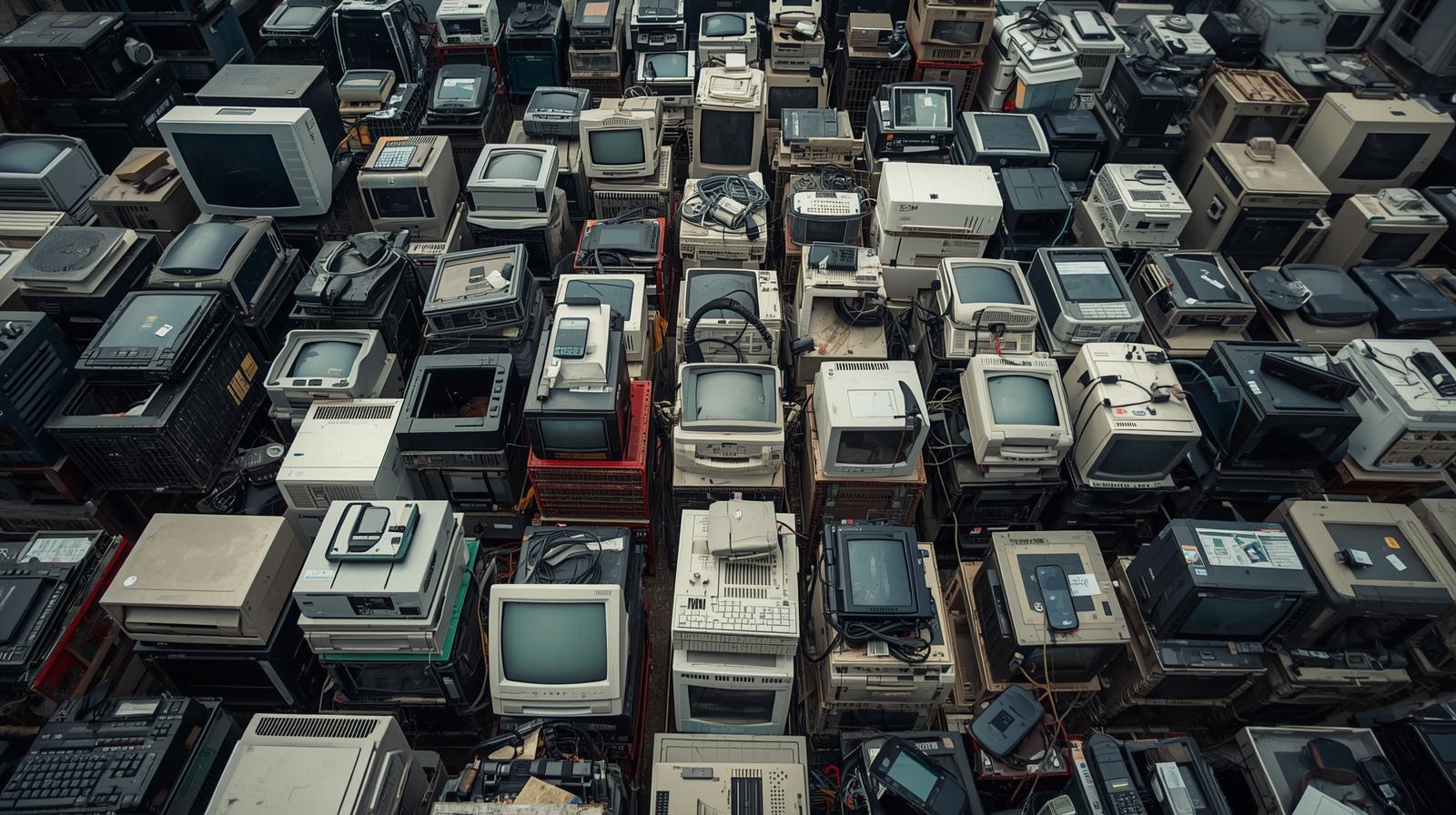
Sustainability has become an expectation rather than a bonus. Businesses that practice responsible e-waste disposal demonstrate commitment to environmental protection and social responsibility.
Clients, investors, and partners increasingly prefer working with companies that align with sustainable values. Responsible disposal strengthens credibility and positions your brand as forward-thinking and ethical.
In Dubai’s competitive business environment, even small sustainability actions create strong impressions. Proper e-waste management supports your corporate image while aligning with national sustainability goals.
14. Role of Employees in E-Waste Management
Employees play an important role in effective e-waste management. Awareness programs help staff understand what qualifies as e-waste and how it should be handled.
Simple systems, such as labeled e-waste bins or internal reporting procedures, make disposal easier. When employees know where to place old devices, clutter and confusion reduce significantly.
Creating a culture of responsibility ensures long-term success. When everyone participates, e-waste management becomes a routine process rather than a last-minute scramble during audits or office moves.
15. Scheduling & Frequency Planning
Regular disposal schedules prevent e-waste from piling up. Most corporate offices in Dubai benefit from quarterly or biannual E-Waste Collection plans.
Planning ahead is especially important during office relocations, renovations, or large-scale upgrades. Scheduled pickups eliminate last-minute stress and ensure compliance at all times.
Consistency keeps workspaces clean, organized, and safe. It also helps businesses maintain accurate records and avoid unnecessary storage of outdated electronics.
16. Storage Best Practices Before Pickup
Proper storage before pickup reduces risks and improves efficiency. E-waste should be kept in dry, well-ventilated areas away from direct heat, which is especially important in Dubai’s climate.
Items should be clearly labeled and organized by category. Batteries should always be stored separately to prevent leakage or fire hazards.
Secure storage also protects sensitive devices from unauthorized access. Good preparation speeds up collection and ensures safe handling from start to finish.
17. Impact on Dubai’s Environment
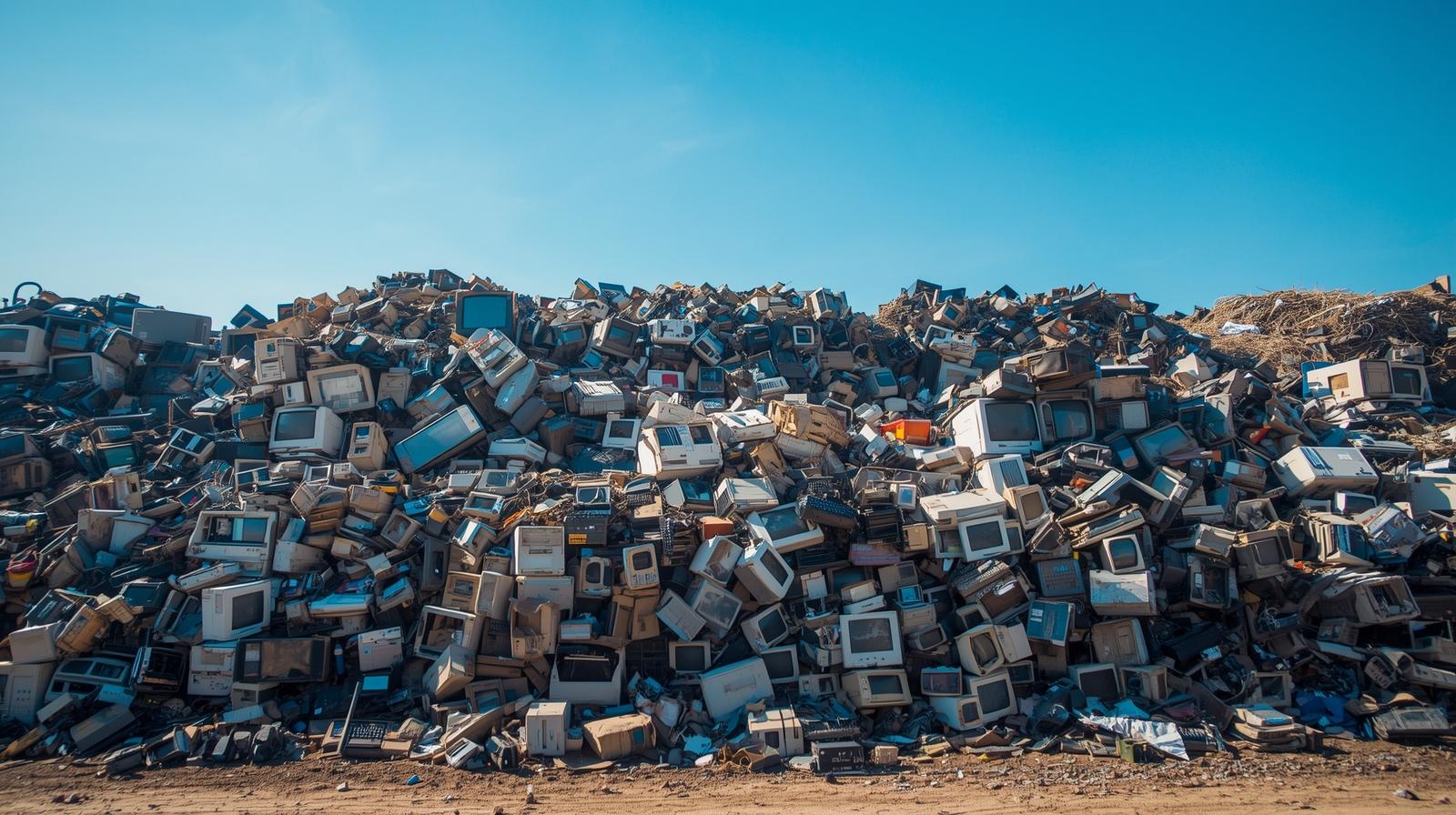
Responsible e-waste disposal plays a vital role in protecting Dubai’s environment. It reduces landfill pressure and prevents harmful substances from entering ecosystems.
Proper recycling conserves natural resources and reduces energy consumption by reusing materials. This directly supports the UAE’s sustainability and environmental protection initiatives.
Every corporate effort matters. When businesses dispose of electronics responsibly, they contribute to a cleaner, healthier city for residents and future generations.
18. Future of Corporate E-Waste in the UAE
As technology continues to evolve, corporate e-waste volumes in the UAE will increase. Faster upgrade cycles and smart office solutions will generate more electronic waste.
Regulations are expected to become stricter, with greater emphasis on accountability and reporting. Businesses that prepare early will adapt more easily to future requirements.
Proactive e-waste management positions companies as industry leaders. Early adoption of responsible practices ensures compliance, efficiency, and long-term sustainability.
19. Conclusion
Managing office electronics doesn’t have to feel overwhelming. With proper planning, clear processes, and the right partners, corporate offices in Dubai can handle e-waste efficiently and responsibly.
Think of e-waste management like organizing your workspace. Once everything is sorted and handled correctly, productivity improves and stress disappears.
Responsible disposal protects your business, your data, and the environment. It’s a smart, sustainable choice that benefits everyone involved.
FAQs
Q1. What items are included in corporate electronic waste?
Corporate e-waste includes computers, servers, printers, phones, networking devices, batteries, and outdated office electronics.
Q2. Is electronic waste disposal mandatory for Dubai businesses?
Yes. Dubai Municipality requires businesses to dispose of electronic waste through approved channels.
Q3. How often should offices schedule disposal?
Most offices benefit from quarterly or biannual schedules, depending on equipment turnover.
Q4. Can data be recovered from disposed devices?
Not if proper data destruction methods are used. Certified services ensure complete data removal.
Q5. Does responsible disposal improve corporate reputation?
Absolutely. It demonstrates compliance, sustainability, and professionalism to clients and partners.
Trusted Junk Removal Services in Dubai for Homes & Businesses In Dubai?
Address: Office No.101, 10th Floor, Al-Shafar Tower, Business Bay, Dubai.
Google Map Location
Read More: Dubai Municipality Electronic Waste Disposal: Guide