Dubai Municipality Furniture Disposal: Complete Guide
Dubai Municipality Furniture Disposal: The Complete Guide to Responsible, Legal & Eco-Friendly Disposal
Introduction
We present a clear, practical, and legally accurate guide to Dubai Municipality furniture disposal that helps homeowners, businesses, designers, and facilities managers make responsible choices. Want to avoid fines, help the environment, and find the easiest route to donate, recycle, or upcycle? We’ll walk you through rules, approved services, sustainable options, and actionable checklists, all in plain language. Where relevant, we reference Dubai Municipality guidance and key regulations so you know what to do and where to confirm details.
1. Overview: Dubai Municipality Furniture Disposal, What Residents Must Know
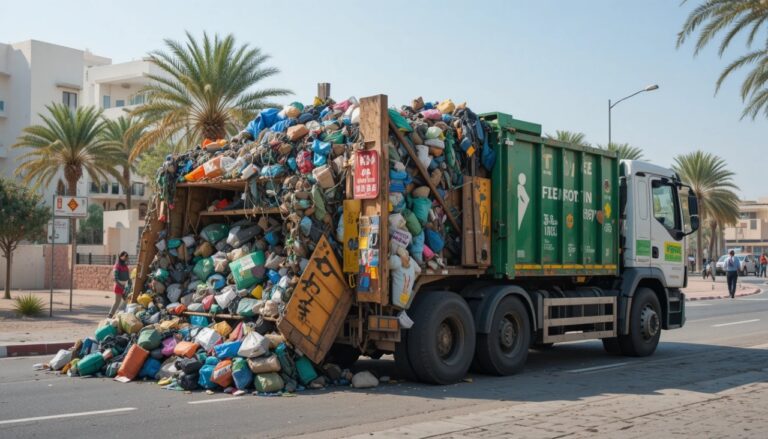
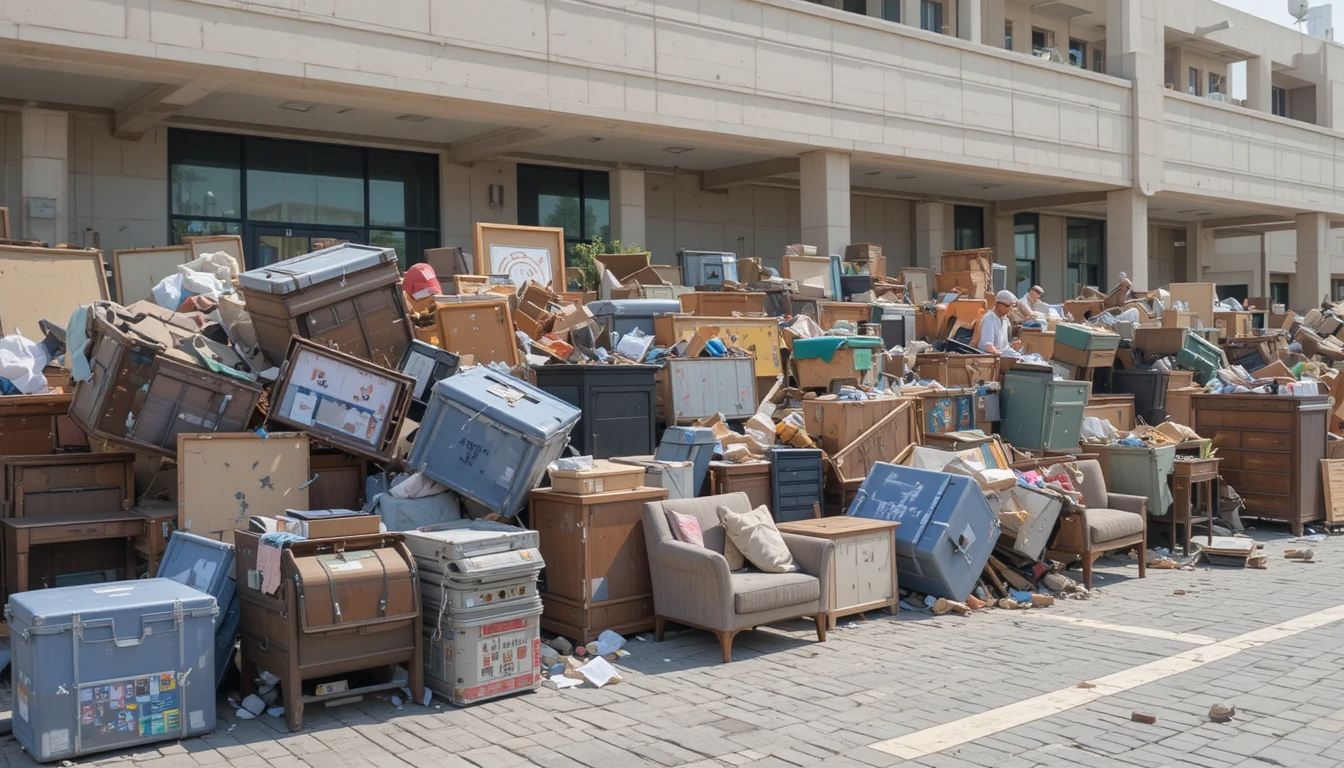
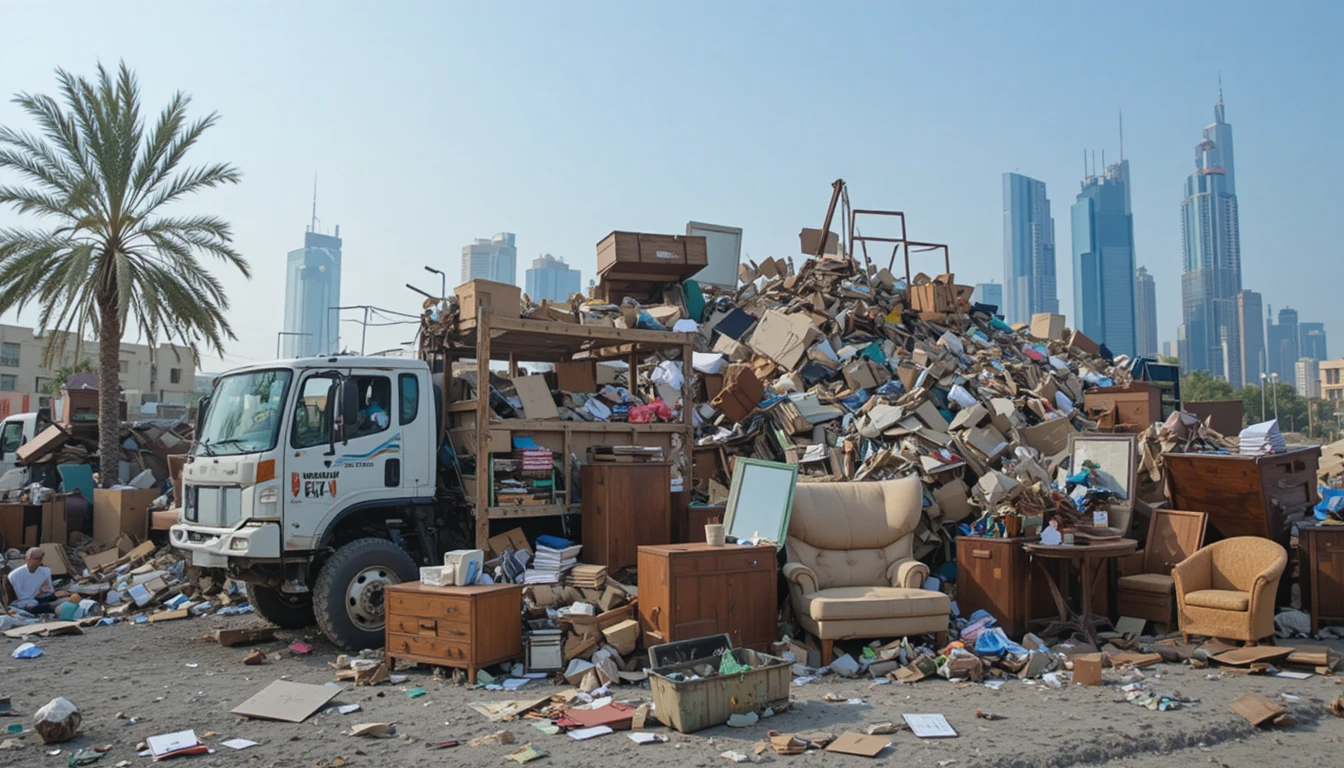
When you need to remove sofas, wardrobes, mattresses, or bulky wooden items, the Dubai Municipality provides formal channels that protect the city and your wallet. The Municipality operates a bulky waste collection programme and a set of rules that require residents and businesses to follow defined procedures; you cannot simply leave large items on the street. The obvious question is: why manage this tightly? Abandoned furniture clogs public spaces, damages drainage, becomes a hazard, and increases landfill load. Think of discarded furniture like unmonitored campfires: left unattended, the small problem becomes a neighbourhood emergency.
We recommend the following immediate actions for any removal: check the Dubai Municipality app or call the hotline to request bulky waste collection; prepare the item for collection (wrap fragile materials, remove valuables and hazardous attachments); and, when possible, arrange donation or reuse through vetted charities or resale platforms. Dubai’s official guidance and the City’s waste department make these services accessible and outline which items are accepted for collection. For official scheduling and rules, consult Dubai Municipality’s waste department and the Bulky Waste Service page.
2. How to Recycle Old Furniture in Dubai: Dubai Municipality Furniture Disposal
Recycling furniture in Dubai starts with a simple assessment. Is the item structurally sound? Are the materials recyclable (wood, metal, certain plastics)? Does it contain hazardous elements like foam soaked in chemicals, batteries, or electronic controls? If the furniture is recyclable, segregate it by material: wood, metal fittings, upholstery fabrics, glass each stream has different end-of-life pathways. Remove non-recyclable attachments and separate electronic parts for e-waste processing.
Next, explore three pathways: municipal bulky collection (for items the Municipality accepts), licensed private waste management firms that explicitly state they recycle or refurbish, and donation centres or social enterprises that accept gently used furniture. If you choose a private service, verify their Dubai Municipality approval and ask for a written statement of reuse/recycling outcomes. Keep photographs and receipts: documentation helps if a complex disposal triggers regulatory questions. Dubai Municipality’s waste segregation guide lists what is accepted in bulky waste and how to prepare it, and the Executive Council resolutions define fees and permitted handling of certain waste streams.
3. Best Dubai Municipality Furniture Disposal Services: Licensed & Ecofriendly Options
When choosing a disposal partner, prioritize licensed firms with verifiable Dubai Municipality approved disposal services credentials. A reputable provider shows clear proof of permits, provides before/after photos, issues a collection receipt, and can demonstrate diversion to recycling, refurbishment, or responsible landfill when necessary. Local providers often market bulk pickup, salvage for resale, and dismantling for material separation. Read customer reviews, ask for references, and confirm they separate electronic furniture items for proper recycling channels.
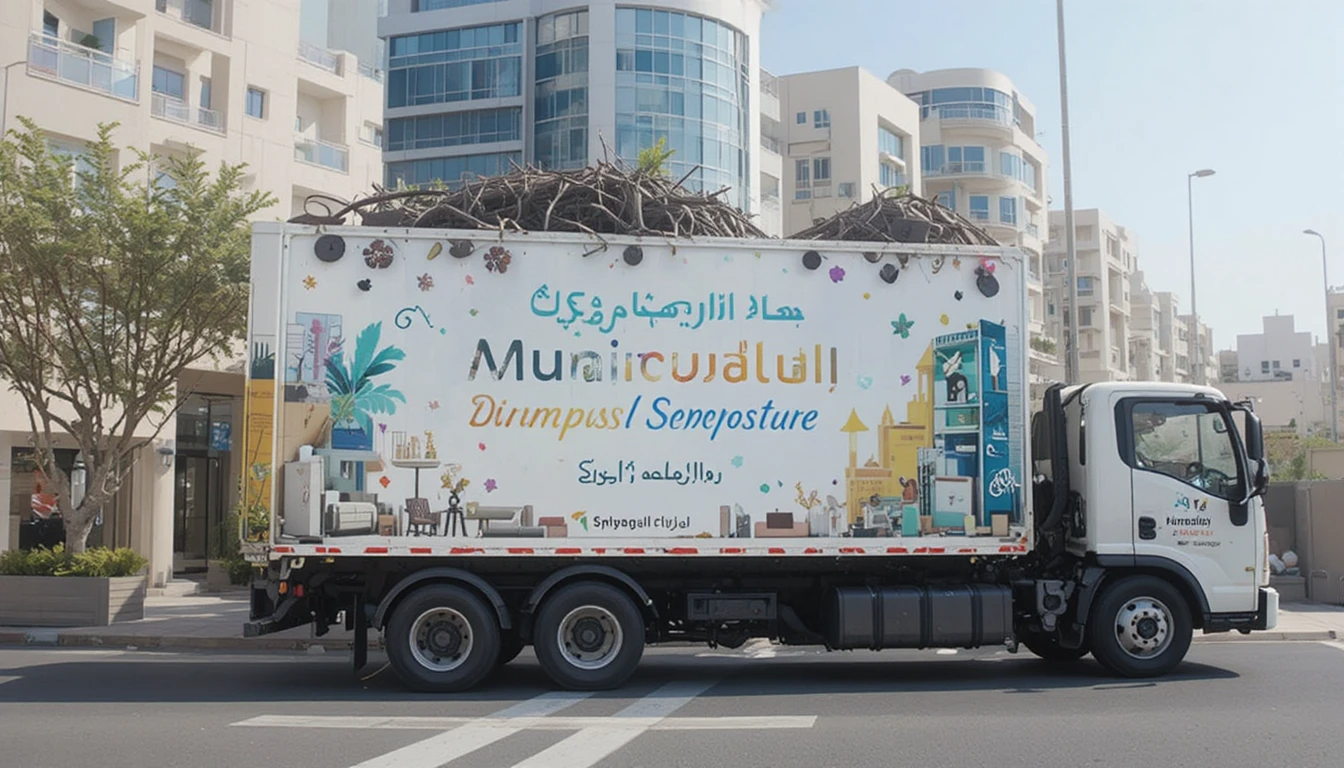
We recommend comparing quotes for total cost and environmental performance. The cheapest option is often the one that dumps illegally; the ethical choice may cost a little more but avoids potential fines, reputational harm, and downstream cleanup costs. For residents without access to manual labour to move items, ask providers whether they offer in-unit removal (note: Dubai Municipality bulky waste collection usually requires residents to place items outside for pickup). Several professional junk removal companies operate to comply with municipal regulations and offer documented recycling.
4. Upcycling Furniture Creative Ideas for Dubai Homes: Dubai Municipality Furniture Disposal
Upcycling reduces waste and creates unique pieces. Can a tired wardrobe become a kitchen island? Can a worn table be sanded, stained, and reloved? Start by inspecting the frame and joints; solid timber frames are excellent candidates. Replace foam and fabric with sustainable or recycled textiles. Use non-toxic finishes and sealants suitable for indoor use in Dubai’s climate. For plastic furniture, sanding and repainting with UV-resistant coatings can extend life.
Community makerspaces and upcycling workshops often run as monthly events or by design collectives are great places to learn techniques and meet buyers. Upcycling is like giving old furniture a second life story: the character of the piece grows, and landfill footprints shrink. Share before/after photos on community groups to find buyers or donors; this often results in faster reuse than waiting for municipal pickup. Include local materials and motifs to increase local interest a sofa reupholstered in regional fabric becomes more than furniture; it becomes a conversation piece.
5. Dubai Waste Management Authority Regulations & Dubai Municipality Furniture Disposal
Dubai’s regulatory framework for waste including bulky and furniture waste is governed by Executive Council resolutions and implementing circulars. Fees and fines for improper disposal are defined in Executive Council Resolution No. (58) of 2017 and subsequent municipal implementing regulations; these outline fees per tonne, disposal categories, and increased penalties for repeat offenses. For residents and businesses, understanding these rules is essential: noncompliance can lead to both fines and mandatory remediation.
Dubai Municipality publishes operational guidance and a Waste Segregation Guide that clarifies which bulky items are collected and how to prepare them for collection. Always cross-check a provider’s claims with Dubai Municipality’s published lists of approved services and circulars to ensure proper handling.
6. Dubai Municipality Furniture Disposal Laws: Fines, Permits & Compliance
Local law requires proper disposal pathways for bulky items and in many cases registration or permit for commercial waste handlers. Illegal dumping leaving furniture in public spaces or unapproved collection spots is explicitly prohibited and attracts fines under municipal resolutions. The fines schedule is stratified: individuals pay different fines than commercial entities, and repeat violations carry increased penalties. For precise fine levels and fee schedules check the official Executive Council and Dubai Municipality publications. To avoid penalties, use the Dubai Municipality bulky waste service or licensed firms that provide disposal documentation.
7. Furniture Disposal Fines in Dubai: What Triggers Penalties?
Improper placement of bulky waste, hiring unlicensed haulers, leaving items in stairwells, and dumping on streets are common triggers. Municipal enforcement often relies on complaints, patrols, and CCTV evidence in some areas. Repeat offenses may be subject to doubled fines. When managing a removal, keep a copy of the booking confirmation and photos of the item being moved out evidence of compliance may be vital if a complaint follows. Executive Council documents outline fee tiers for different waste types and handling methods.
8. Dubai Municipality Furniture Disposal: Bulky Waste Collection Explained
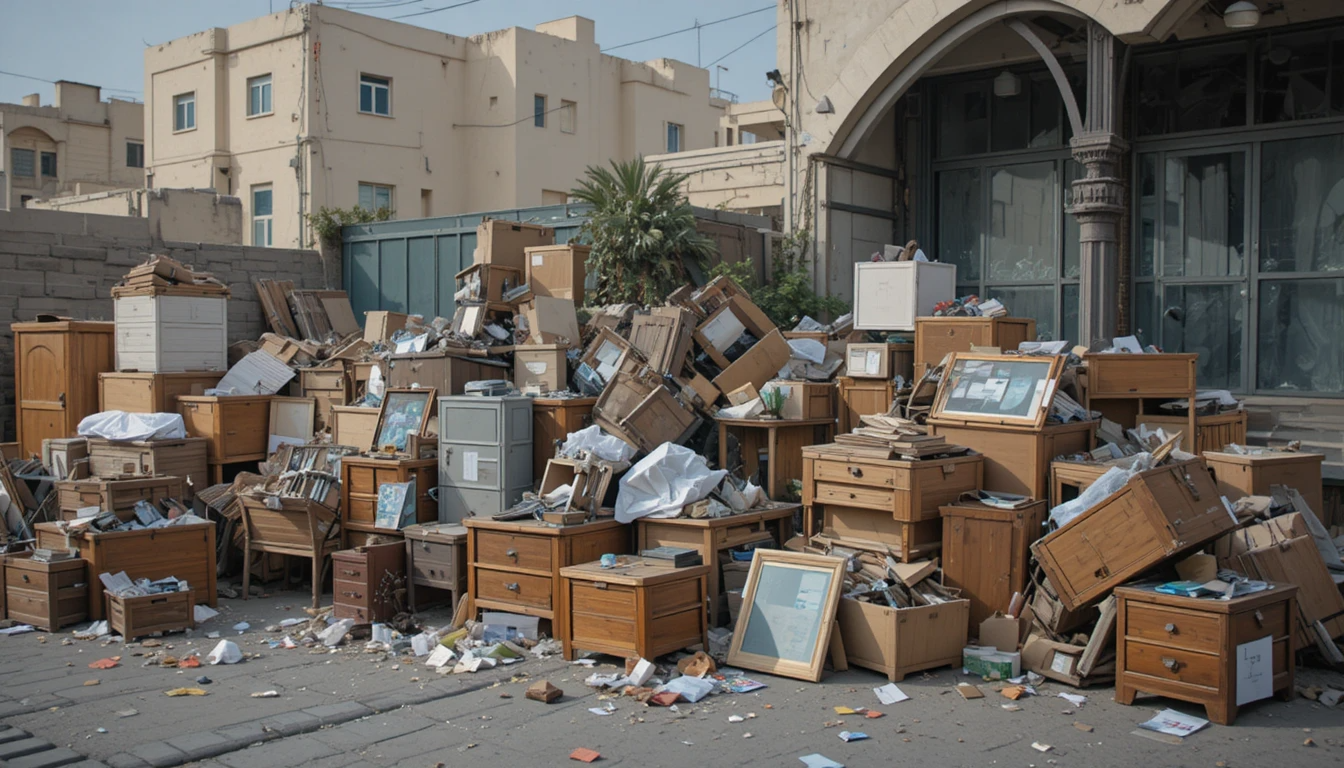
Dubai Municipality runs a Bulky Waste Collection service accessible through its app or hotline (800-900). Residents request collection, provide makani or address details, and arrange items to be placed outside the building by the scheduled time. Municipality teams accept many household bulky items but will not enter residences to move items; residents must take responsibility for moving furniture to the pickup point. Some private licensed vendors offer in-unit removal for a fee. Always follow the app instructions and confirm accepted items before booking.
9. Dubai Furniture Recycling Rules: What Can and Cannot Be Recycled
Recyclable furniture components typically include untreated timber, ferrous and non-ferrous metals, glass, and certain plastics. Upholstery and mixed-material pieces require disassembly: fabrics, foam, and glued composites are harder to recycle and may be destined for energy recovery or landfill unless refurbished. Electronic furniture items with wiring, motors, or batteries must be treated as e-waste and routed through licensed e-waste channels. Check the Municipality’s segregation guide to confirm acceptance criteria before arranging collection.
10. Ecofriendly Furniture Disposal Options Dubai Where to Start
Start with donation if the item is in good condition. Charities and NGOs accept usable furniture and sometimes collect. If donation is not an option, explore refurbishment or professional salvage. Licensed recycling firms can strip items into recyclable streams. Finally, if disposal is the only route, choose licensed, transparent firms that provide disposal receipts and certificates. Prioritize companies that minimize landfill diversion and demonstrate circular outcomes (resale, refurbishment, salvage). This approach reduces environmental impact and aligns with Dubai’s sustainability goals.
11. Dubai Furniture Donation Options: Charities & How to Donate
Many local charities and social enterprises accept furniture donations; some run refurbishing workshops that employ and train staff, multiplying social impact. Before donating: confirm pickup options, condition requirements, and any paperwork needed. Keep records of donation receipts and photographs. While UAE tax deduction for donations is not broadly applied like some countries, charitable contributions still have clear social and reputational value. Confirm each charity’s status and pickup rules to avoid unexpected refusals at drop-off.
12. Sustainable Waste Disposal Practices in Dubai: Household & Business
Sustainability begins with reduce and reuse. For households: repair rather than replace; buy durable materials; plan disposal in advance; use community swap events. Businesses should embed take-back clauses in procurement, contract with licensed waste management services, and track diversion metrics. For both, segregate waste at the source and document your chain of custody for bulky items. Dubai Municipality and other municipal circulars encourage segregation and waste reduction.
13. Dubai Municipality Approved Disposal Services: How to Verify
To verify a service: request the company’s Dubai Municipality or relevant Emirate-level waste permit, check references, and insist on a written manifest showing where waste goes. Some providers advertise “green” credentials; ask for evidence photos of recycling, partner facilities, and actual diversion rates. Cross-reference the company with Dubai Municipality lists or contact the Waste Department for confirmation where possible. Official circulars and permit registers are the definitive sources.
14. Emergency Furniture Disposal in Dubai: Fast, Legal Solutions
If you face an urgent removal (health hazard, flood damage, or sudden eviction), contact licensed junk removal firms that offer emergency pickups and ask whether they coordinate with Dubai Municipality for proper off-take. Keep documentation showing you engaged legal channels; if immediate public space obstruction exists and you cannot move items, contact the Municipality hotline for guidance to avoid fines for ad-hoc actions. Emergency removals cost more, but compliance and safety are paramount.
15. Furniture Donation Tax Deduction Dubai: Reality Check
Unlike some jurisdictions with generous tax deductions for in-kind donations, the UAE’s tax framework does not universally provide immediate tax deductions for furniture donations the way other tax regimes do. Donations to licensed charities create social value but consult legal/tax advisors for business donations or corporate social responsibility (CSR) reporting benefits. Keep receipts and donation documentation for corporate accounting and CSR disclosures even when tax deduction is not applicable.
16. Recycling Plastic Furniture in Dubai: Methods & Centers
Plastic chairs and outdoor furniture are recyclable only if labelled and made from recyclable thermoplastics. Decorative composites and mixed plastic blends often cannot be processed economically. For recyclable plastics, remove metal fixings and separate components. Ask recycling centers and private providers whether they accept specific plastics and whether items must be shredded onsite. Some firms turn recovered plastic into pellets used for outdoor furniture and urban infrastructure. Check local drop-off centers and private recyclers for specifics.
17. Community Initiatives for Furniture Recycling in Dubai
Community recycling events, swap meets, and municipal bulky waste drives are rising in Dubai. Many neighbourhoods run seasonal cleanups a quick way to donate and find upcycling workshops. Municipal and NGO collaborations sometimes stage furniture refurbishing fairs where volunteers help repair and prepare donated items for resale. Volunteering at these events multiplies impact: people learn skills, items find new homes, and municipal pickups decline. Keep an eye on Dubai Municipality announcements and local community boards for event lists.
18. How to Upcycle Furniture in Dubai: A Step-by-Step Guide
- Plan: Identify the intended use, materials needed, and the design goal.
- Prepare: Clean, sand, and disassemble carefully. Remove staples, nails, and hazardous parts.
- Rework: Reinforce joints, replace or reupholster padding, and add sustainable fabrics or finishes.
- Finish: Use low-VOC sealants suitable for Dubai’s humidity and UV exposure.
Document the process and share on community platforms to find buyers or donors. Upcycling is both art and sustainability science a small investment can yield a piece with higher social and monetary value than the original.
19. Recycling Electronic Furniture Items in Dubai: E-Waste Rules
Furniture containing electronics such as adjustable beds, motorised recliners, or smart desks requires e-waste treatment: batteries, wiring, and control modules must be removed and processed separately. Do not place these items in general bulky waste streams. Licensed e-waste handlers and collection events accept such items, ensuring hazardous components are safely treated and recoverable materials reclaimed. Confirm the handler’s e-waste permits before pickup.
20. Recycling Old Office Furniture in Dubai: Contracts & Logistics
For offices disposing of large volumes, contract terms should include chain-of-custody documentation, reuse/resale strategies, and certifications for recycling. Commercial contracts may specify refurbishment for staff or donation to NGOs, and a clear timeline for pickup. Verify that the service provider can handle mixed loads (metal frames, modular partitions, electronics) and provide manifesting. Doing so reduces legal exposure and aligns with sustainability reporting. Commercial waste often attracts stricter enforcement than residential waste, so compliance is non-negotiable.
21. Ecofriendly Furniture Disposal: Materials, Methods, and Myths
Myth: “All wood furniture is recyclable.” Reality: Treated, painted, or laminated wood may not be recyclable and often needs energy recovery or safe landfill. Myth: “Plastic furniture is always junk.” Reality: Certain plastics recycle well if separated and clean. Prioritize reuse, donation, and refurbishment; only after these options are exhausted should recycling or responsible disposal be used. Confirm materials and choose providers that minimize landfill. The greenest disposal is the one avoided through reuse.
22. Sustainable Ways to Dispose of Furniture: A Practical Action Plan
- Decide: Is the item reusable? If yes, donate or sell.
- Donate/Upcycle: Repair or reupholster; use community networks.
- Recycle: Disassemble into streams wood, metal, plastic, electronics and route to licensed recyclers.
- Dispose: Use Dubai Municipality bulky waste or licensed haulers; retain receipts.
This simple funnel reduces landfill and increases the chance furniture finds a second life. Document everything for accountability and possible regulatory checks.
23. Environmental Impact of Furniture Disposal: Facts for Dubai
Furniture waste increases landfill volume, adds greenhouse gas emissions during decomposition (especially foam and treated fabrics), and can release hazardous compounds from glue, varnish, and treated timber. Improper disposal also risks polluting stormwater and harming wildlife. By choosing donation, recycling, or repair, we cut demand for virgin materials and reduce embodied carbon. In Dubai’s arid environment, managing bulky waste reduces health and aesthetic problems that impact community wellbeing.
24. Furniture Recycling Tips: Prep, Segregate, and Maximize Reuse
Checklist: remove fixtures, separate metals, bag small parts, photograph for resale, and label bulky items. Small measures like removing upholstery staples before donation make accepted reuse far more likely. Use measurements in listings and note wear to speed transfers. When hiring a service, ask for a manifest and photos of final destination to ensure recycling claims are real. Documentation is a small administrative effort that yields legal and environmental protection.
25. How to Responsibly Dispose of Furniture: Checklists & Safety
Homeowner checklist: confirm pickup booking, photograph items, label hazardous parts, ensure safe passage through hallways, secure lifts, and coordinate with building management. Wear gloves and masks for dusty items, and avoid DIY dismantling when heavy loads or sharp metal are present. Safety is as important as legal compliance.
26. Local Recycling Centers for Furniture: Where to Drop Off
Municipal bulky stops, private recyclers, and charity warehouses are primary channels. Dubai Municipality lists collection schedules on its app and circulars; private centers often accept by appointment. For large volumes, request a site visit to confirm logistics. Keep records of drop-offs and manifests for your files.
27. Hazardous Materials in Furniture Disposal: What to Watch For
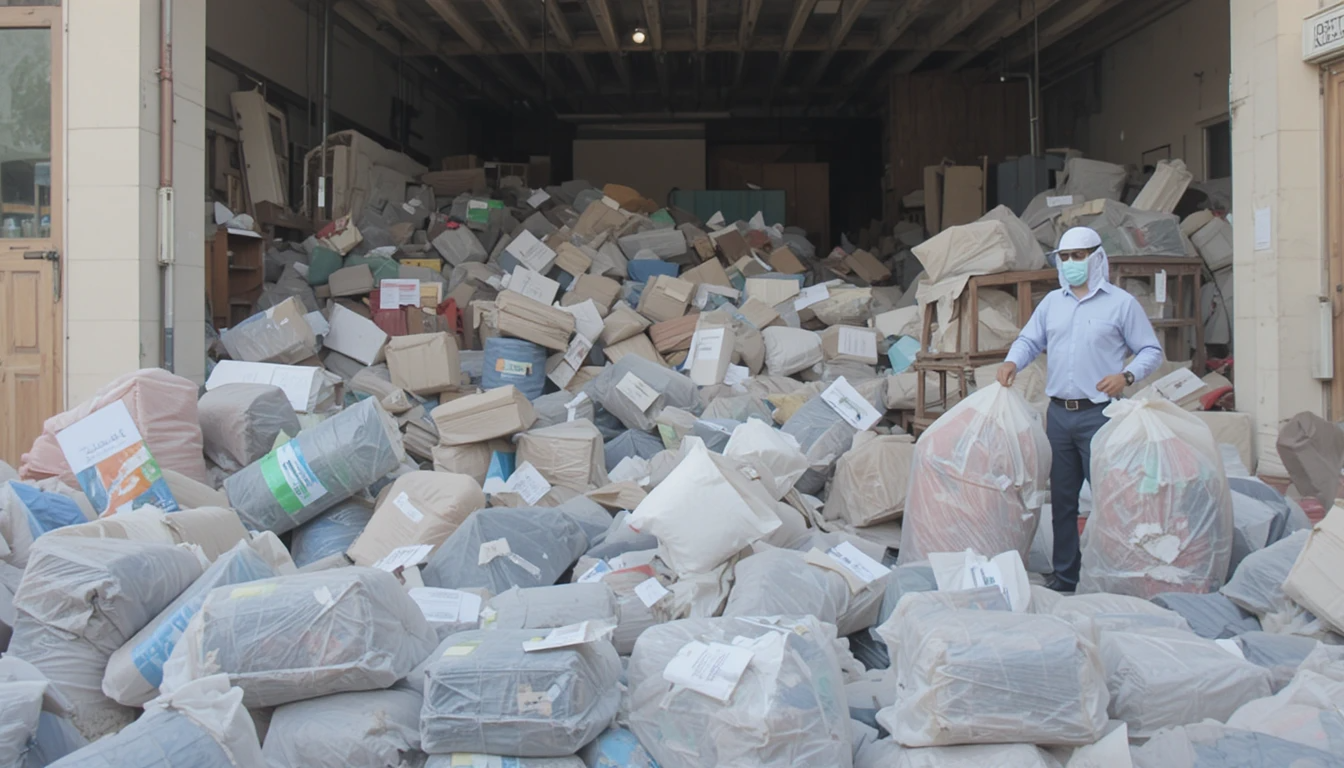
Watch for batteries (in recliners), mercury (in old mirrors/clocks), asbestos (rare in modern furniture, but sometimes in renovation debris), and chemically treated foams. These require special handling; do not mix them with general bulky collections. Licensed hazardous waste handlers should process these streams. The Executive Council schedules higher fees for hazardous treatment due to the specialized processes required.
28. Zero Waste Furniture Disposal Ideas & Circular Strategies
Think circular: design for disassembly, buy modular furniture with recyclable materials, and support brands that offer take-back. Community swap events and repair cafés keep items in use. For businesses, incorporate circular procurement clauses: suppliers accept returns or provide refurbishment. Small systemic choices create big long-term waste reductions.
29. Finding Ecofriendly Disposal Services: Vetting & Reviews
Ask providers for: proof of Dubai Municipality licensing, photos of processing facilities, client references, and diversion metrics. Read independent reviews and confirm insurance and liability coverage. Beware of firms that refuse to show end-of-life evidence their “green” claims may be greenwashing. The right partner will be transparent and provide documentation.
30. Benefits of Donating Furniture: Social, Environmental, Financial
Donations reduce landfill, help vulnerable communities, and often support social enterprises that provide jobs. For businesses, donating furniture can contribute to CSR reporting and community goodwill. Even when tax deductions are limited, the reputational value and waste reduction are compelling reasons to donate usable furniture.
31. Salvaging Parts from Old Furniture: Basics & Best Practices
Salvage useful parts hinges, handles, motor assemblies, timber slats for reuse or resale. Label parts and store dry. Selling usable parts online or donating them to makerspaces can extend material life and reduce demand for new parts.
32. Common Furniture Disposal Mistakes & How to Avoid Them
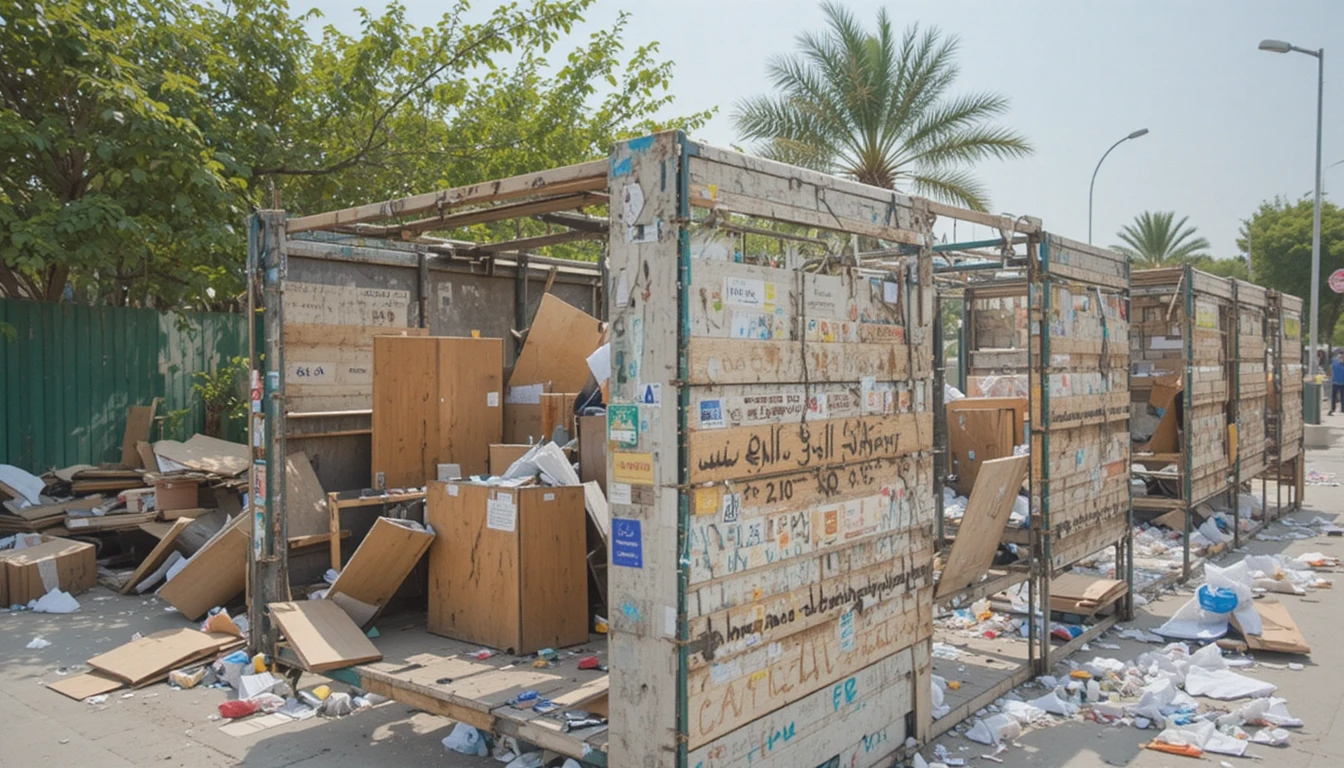
Mistakes include: leaving items outside unbooked, hiring unlicensed haulers, failing to separate hazardous components, and not documenting the disposal. Avoid these by following the Municipality’s booking processes, vetting providers, and keeping receipts and photos. Repeat offenders face higher fines; prevention is cheaper than penalties.
33. Legal Issues with Dubai Municipality Furniture Disposal : Contracts, Liability & Homeowners
Legal exposure can arise when waste contractors dump illegally or when furniture blocks emergency exits or public pathways. Homeowners and property managers should include disposal clauses in tenancy agreements and require evidence of legal disposal when moving tenants out. For businesses, include indemnity clauses in contracts with waste handlers.
34. Creating a Furniture Disposal Plan: Homeowner & Designer Version
Homeowner plan: audit belongings annually, schedule donation/pickup, and budget for professional removal when needed.
Designer/contractor plan: include take-back clauses, prioritize materials that are easy to disassemble, and coordinate logistics before project completion. Plans prevent last-minute illegal dumping and reduce overall cost.
35. Conclusion
Proper dubai municipality furniture disposal is a small civic habit that yields big benefits: fewer fines, healthier communities, lower environmental impact, and even social good through donations and reuse. We encourage proactive planning, use of approved services, and preference for reuse and upcycling. For official bookings and regulatory confirmation, use Dubai Municipality’s app or contact their service center.
Frequently Asked Questions
Q1: How do I book Dubai municipal bulky waste collection for furniture?
Call Dubai Municipality or use the Dubai Municipality app to request a bulky waste pickup. Provide your Makani number and item details; follow instructions to place items outside at the agreed time.
Q2: Will I be fined if I leave furniture on the street in Dubai?
Yes. Illegal dumping and leaving bulky items in public spaces can lead to fines under municipal regulations and Executive Council resolutions. Repeat offenses may incur higher penalties.
Q3: Can I donate furniture instead of using disposal services?
Often yes, many charities and social enterprises accept usable furniture. Confirm condition requirements and pickup options with the organisation before scheduling.
Q4: How are electronic or motorised furniture items handled?
Items containing electronics or batteries must be treated as e-waste and routed to licensed e-waste handlers; do not mix with general bulky waste. Ask your service provider for e-waste processing proof.
Q5: How can businesses ensure their old office furniture is disposed of responsibly?
Contract with licensed waste management companies, require chain-of-custody documentation, include take-back clauses in procurement, and document manifests and receipts for audit and CSR reporting.
Trusted Junk Removal Services in Dubai for Homes & Businesses
In Dubai?
Address: Office No.101, 10th Floor, Al-Shafar Tower, Business Bay, Dubai.
Google Map Location
Read More: Dubai Municipality Junk Removal: Complete Responsible Guide