
Dubai Junk: Sustainable Waste, Green Travel & Eco Solutions
Dubai Junk: A Practical Guide to Waste, Tourism & Green Travel in Dubai
We write as practitioners who roll up sleeves and solve problems. In this guide we unpack Dubai’s waste landscape, explain how tourism and conservation intersect, and share practical, actionable steps for residents, visitors and businesses. Expect clear guidance on recycling initiatives, waste-to-energy projects, hotel certifications, community cleanups, policy highlights and travel tips that reduce your footprint in a city that’s reinventing its waste systems.
Key hard facts up front: Dubai’s Warsan Waste Management Centre (Warsan WtE) processes thousands of tonnes of municipal waste every day and feeds renewable electricity into the grid; Dubai is phasing out single-use plastics with staged bans and guidance from Dubai Municipality; and the emirate has strengthened green building rules to raise construction sustainability.

1. Dubai Junk: Overview of the Waste Landscape (what ‘Dubai Junk’ really means)
We use the phrase Dubai Junk to capture the full spectrum of residual materials, from household refuse to hotel food waste, plastic litter on beaches, and industrial by-products. Dubai is a fast-growing urban economy with an enormous tourism and hospitality sector, so the volume and variety of waste are large and so are the opportunities to manage it better.
Per person waste generation varies by geography, visitor mix and consumption patterns. The emirate’s integrated plans aim to reduce per-capita waste and transition from the old landfill era to a resource recovery model. Dubai’s municipal strategy explicitly prioritizes circular economy principles, reductions in single-use items, and the ramp-up of large-scale infrastructure including energy-from-waste to reduce reliance on landfills. These are not abstract targets: the Warsan facility was designed to process several thousand tonnes per day, serving as a major pivot away from landfill disposal.
From a tourism point of view, waste and litter matter. Visitors notice beach cleanliness, hotel room recycling options, and visible municipal order. So when we talk about tourism and environmental conservation in dubai we mean coordinated steps that protect dunes, coastlines and attractions while keeping the visitor experience premium. That’s why sustainable hospitality stamps, green hotel certifications, and public campaigns matter: they signal to tourists that Dubai is serious about environmental standards.
2. Warsan Waste-to-Energy & WtE Projects in Dubai (how residual waste becomes energy)
We examine Warsan as the flagship example of Dubai’s approach to wastetoenergy projects in dubai. The Warsan Waste Management Centre is one of the largest Energy-from-Waste facilities in the world: when operational it was designed to treat roughly 5,666 tonnes of residual municipal waste per day, thermally treat that stream across five lines, and feed approximately 193–200 MW of renewable electricity into the grid enough to power tens of thousands of homes. The project transforms residual waste that otherwise went to landfill into baseload power and construction materials (from processed bottom ash).
Why WtE? Because not all waste is recyclable, and where high contamination or mixed streams exist, thermal recovery can produce energy while reducing landfill emissions and footprint. Moreover, WtE removes organic methane production that occurs in landfills; in Dubai’s desert climate, controlling landfill gas and odor is an operational and environmental priority. The Warsan project is therefore a strategic pivot: it diverts large volumes, reduces greenhouse gas output compared with uncontrolled landfill, and creates a predictable energy output that supports Dubai’s clean energy targets.
But WtE is not a silver bullet. Best practice requires:
- High quality front-end sorting and material recovery so recyclables are not incinerated;
- Robust air emissions control systems and continuous monitoring;
- Plans for bottom ash reuse (concrete, road base) and fly ash stabilization;
- Transparent community engagement to address public concerns about smoke, traffic and local impact.
3. Dubai Landfill Sites: Maps, Status & Closure Plans
Dubai historically relied on a handful of landfill sites to manage municipal waste. Yet the municipal agenda has shifted toward phasing out landfills and replacing them with integrated sorting centers, recycling hubs and WtE infrastructure. Recent public statements and reporting indicate plans to close active landfill sites ahead of prior schedules, with ambitious targets to drastically reduce or eliminate landfilling of municipal waste in the near term.
Key elements we must track:
- Al Qusais: long-standing landfill that has received attention for methane capture projects and gas recovery initiatives. Projects there already capture landfill gas and convert it for operational use.
- Warsan: the former landfill area was redeveloped into the Waste Management Centre and now hosts the major WtE facility.
Operational realities: Closing a landfill requires alternative infrastructure for residuals, market demand for recovered materials, and stringent hazardous waste pathways so regulated streams do not end up in general facilities. It also requires enforcement fees, tariffs and legal penalties to discourage illegal dumping. Dubai has increasingly used landfill tipping fees and legal levers to reshape economics: landfill disposal has grown more expensive to reward diversion and recycling.
What this means for residents and tourists: Over time, closed landfills and reduced open dumping mean fewer odor complaints, fewer rodents and cleaner landscapes benefits that translate directly into better experiences at natural attractions, beaches and desert sites.
4. Green Building Regulations in Dubai:
We refer to Dubai’s Green Building Regulations often called the Al Sa’fat system which require sustainability features for new construction and retrofits. Dubai Municipality established these rules to reduce energy and water demand, improve materials selection, and ensure buildings meet a minimum environmental performance. The regulations are not purely voluntary: for many government and large private projects they are mandatory.
Key features of the regulations:
- Energy efficiency targets and mandatory thermal insulation standards;
- Water saving fixtures, greywater reuse and irrigation limits;
- Material selection guidance to reduce embodied carbon and support recycled content;
- Waste management during construction (construction & demolition waste handling and diversion).
For hospitality and tourism infrastructure, these regulations dovetail with sustainable hospitality initiatives in dubai and the Dubai Sustainable Tourism Stamp (see Section 18). Developers are increasingly using Al Sa’fat scores as a baseline while pursuing higher certifications like LEED or Green Key to market green credentials to visitors.
Practical step for hotels & property owners: early integration of waste separation points, back-of-house organic handling, and recycling contracts avoids retrofitting costs and strengthens compliance with both municipal rules and tourism stamps.
5. Recycling Initiatives & the Circular Economy in Dubai
Dubai’s recycling ecosystem has matured: from household drop-off points and commercial contracts to larger material recovery facilities (MRFs) linked to industrial markets. Recycling initiatives in dubai focus on paper, glass, metals, plastics and organics, with increasing attention paid to textile reuse and e-waste streams. The municipal approach is twofold: build processing capacity and stimulate demand for recycled goods.
Practical mechanisms in play:
- Civic programs like community recycling centers and education campaigns;
- Commercial segregation policies for large generators (hotels, malls, events);
- Market development for secondary materials e.g., crushed glass for construction aggregates, recycled plastics for landscaping products;
- Food waste diversion via on-site digesters in large hotels and municipal anaerobic digestion pilots.
6. Smart & Innovative Waste Technologies
Dubai has embraced innovative waste management technologies as part of its smart city vision, making waste management more data-driven and efficient. The emirate deploys smart bins equipped with sensors that monitor fill levels in real time, alerting waste collection trucks only when needed. This reduces unnecessary trips, cuts fuel use, and minimizes carbon emissions. For high-footfall areas such as beaches, malls, and tourist attractions, solar-powered compacting bins are common they compress waste, allowing up to five times more capacity before collection.
Behind the scenes, AI-driven route optimization systems plan the most efficient collection paths, lowering operational costs and traffic congestion. Machine learning also plays a role in material recovery facilities (MRFs), where automated optical sorters separate plastics, paper, and metals more accurately than manual sorting. Robotics-assisted pickers improve throughput and reduce contamination in recycling streams.
For tourism zones, these technologies ensure visitors rarely encounter overflowing bins or litter, which improves tourist perceptions of cleanliness in Dubai and enhances the city’s global reputation. Hotels and malls also integrate smart compactors and food waste digesters that automatically monitor moisture content and output, turning organic waste into greywater or compost on-site.
The vision does not stop there: Dubai has piloted blockchain systems for tracking waste credits and incentivizing businesses to recycle. These credits can potentially integrate with publicprivate partnerships and create circular economy marketplaces where recyclables have transparent pricing.
By aligning technology with policy, Dubai is setting a benchmark in the Middle East for smart waste solutions that scale. The result is a cleaner, more efficient city that supports both environmental conservation and its tourism economy proof that waste management can be high-tech, seamless, and invisible to the casual visitor.
7. Hazardous Waste Management & Law
Managing hazardous waste in Dubai is a highly regulated process to protect public health and the environment. Hazardous waste includes chemical residues, medical waste, electronic waste containing heavy metals, and industrial by-products. Dubai Municipality and the UAE Ministry of Climate Change and Environment enforce stringent regulations governing its collection, transport, treatment, and disposal.
Companies generating hazardous waste must be registered and obtain permits for storage and transport. Waste manifests track the movement of hazardous materials from source to treatment facility, ensuring accountability. Specialized contractors with licensed vehicles and trained personnel collect waste under strict safety protocols, including sealed containers and GPS tracking.
Treatment technologies vary depending on the waste stream. For medical waste, high-temperature incineration or autoclaving is mandatory to neutralize pathogens before disposal. Chemical and industrial waste may undergo neutralization, encapsulation, or thermal treatment to render it non-hazardous.
Tourists may not generate large volumes of hazardous waste, but they do contribute small-scale e-waste like batteries or personal care products. Hotels often offer safe drop-off points for these items, ensuring they enter the correct stream. Cruise terminals and airports also provide special bins for hazardous or prohibited materials to avoid improper dumping.
Hazardous waste management is critical not just for health but also for tourism. Contaminated landscapes or industrial accidents can tarnish the city’s image and deter visitors. By implementing a robust hazardous waste strategy, Dubai safeguards its natural landscapes, beaches, and desert safaris a key component of its tourism draw.
8. Best Waste Disposal Methods for Households & Business
Dubai’s rapid urbanization means that proper waste disposal methods for homes and businesses are crucial to keep the city clean and sustainable. The best approach begins with source segregation households are encouraged to separate recyclables, organics, and general waste before collection. Many residential communities provide color-coded bins and clear guidance on what goes where. Organic waste can be composted at home using small-scale composters or food waste digesters, which help reduce the volume of material sent to landfill or incineration.
Businesses, particularly in hospitality and retail, must follow Dubai Municipality guidelines to separate waste streams and contract licensed haulers. Hotels reducing waste in Dubai often set up dedicated collection points for glass bottles, cardboard, and food scraps. Larger businesses are exploring on-site solutions like balers for cardboard, compactors for mixed waste, and biodigesters that convert food waste into greywater.
The goal is to reduce landfill dependency, lower greenhouse gas emissions, and maintain a city image that matches Dubai’s brand of modernity and luxury. By using these best practices, residents and tourists together can ensure that “Dubai Junk” becomes a resource rather than a liability.
9. Strategies for Reducing Waste in Dubai
Effective strategies for reducing waste in Dubai involve a multi-layered approach combining regulation, incentives, infrastructure, and public education. The city has set ambitious targets to reduce per-capita waste generation and divert the majority of municipal waste from landfills. This starts with policy Dubai’s single-use plastic ban is a cornerstone step, nudging businesses and consumers toward reusables.
From a business perspective, corporate social responsibility programs often include waste reduction pledges. Hotels, malls, and event organizers are moving toward bulk dispensers, refill stations, and plastic-free initiatives. Food waste reduction is a major focus, with many restaurants and hotels adopting portion control, surplus food donation programs, and on-site composting.
On the community level, waste audits and cleanup events raise awareness of how much is being discarded and what can be diverted. Schools integrate waste-reduction education into curricula, engaging youth in cleanup efforts and empowering the next generation to build better habits. Public awareness campaigns run on billboards, social media, and metro stations to remind citizens about recycling, proper sorting, and the environmental impact of waste.
Technology amplifies these efforts. Dubai uses data analytics to measure diversion rates, identify problem areas, and optimize collection routes. Digital reward systems offer residents incentives for recycling, turning sustainable behavior into a gamified experience.
Tourists also have a role. Campaigns targeted at visitors provide waste-related travel tips encouraging them to carry reusable water bottles, say no to plastic straws, and dispose of waste properly during desert safaris and beach visits. This supports Dubai’s ambition to remain one of the cleanest and most attractive tourist destinations.
These strategies work only when the public, private sector, and government collaborate. The long-term aim is a circular economy where materials remain in use longer, waste is minimized at the design stage, and resource recovery is prioritized over disposal.
10. Waste Management Statistics & KPIs
Tracking waste management statistics in Dubai is critical to measure progress toward sustainability targets. Dubai Municipality regularly publishes data on waste generation per capita, recycling rates, and the share of waste diverted from landfills. These key performance indicators (KPIs) provide transparency and guide policy adjustments.
For waste-to-energy initiatives, performance metrics include tons processed per day, megawatts generated, and percentage of residual waste converted into usable energy. These numbers show whether WtE facilities like Warsan are meeting diversion and energy goals.
Publishing these statistics builds public trust. When residents and businesses see evidence of progress, they are more motivated to participate. Data dashboards made available online show geographic differences in recycling rates, encouraging underperforming neighborhoods to improve.
11. Public Awareness & Visitor Programs
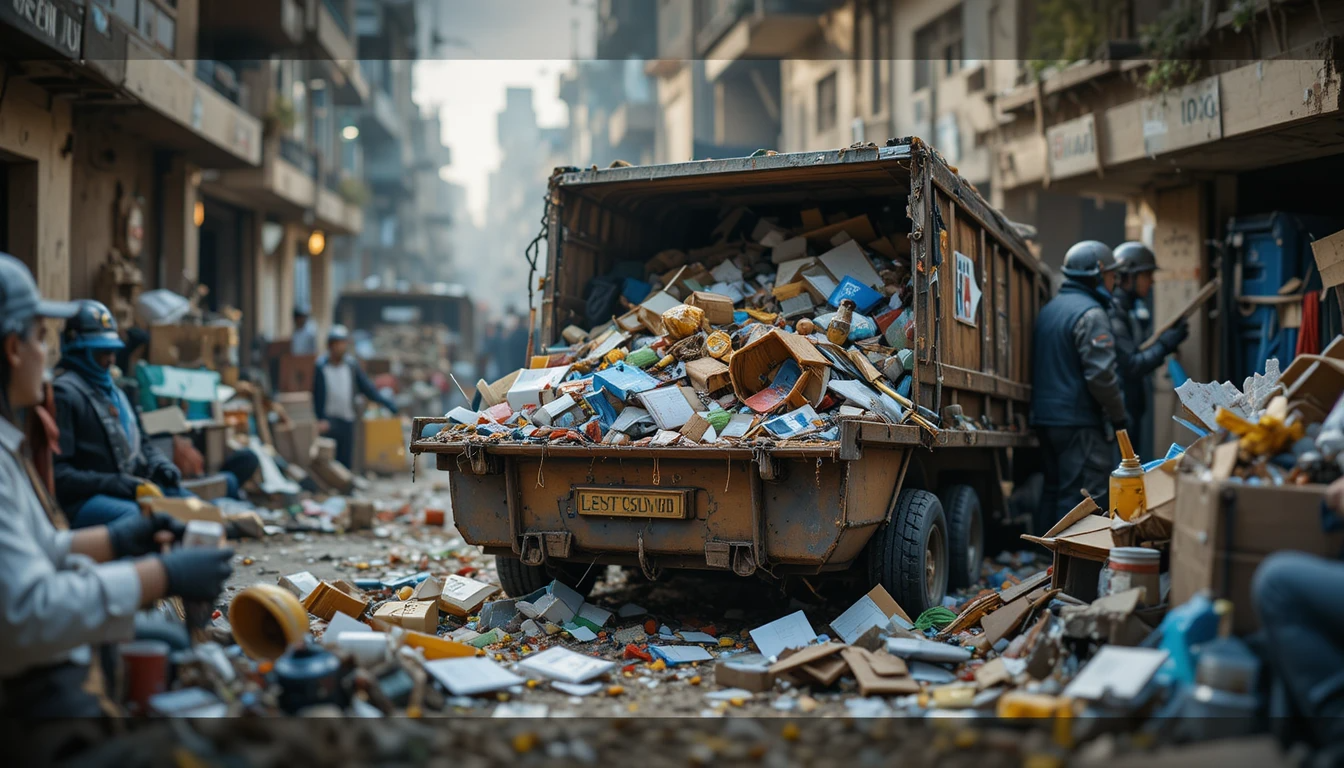
Changing behavior is as important as building infrastructure, and Dubai invests heavily in public awareness campaigns on waste. Billboards, metro station displays, and social media posts carry messages encouraging residents to recycle, avoid littering, and participate in cleanup events. Campaigns often use striking visuals showing the impact of waste on Dubai tourism and wildlife.
Schools are a major focus: programs teach children how to sort waste, reduce plastic use, and conserve resources. These lessons ripple out to families, amplifying the effect. Businesses are engaged through workshops and recognition programs that celebrate high performers in waste reduction.
For tourists, visitor awareness programs are designed to be quick and engaging. At hotels, in-room TV screens often carry short videos explaining how to use recycling bins. Desert safari operators brief guests on “leave no trace” principles, ensuring that litter does not spoil fragile ecosystems.
Partnerships with influencers and media personalities amplify messages, making waste reduction trendy and aspirational. The aim is to build a culture where throwing waste in the wrong place is socially unacceptable.
Dubai also uses technology-driven awareness: QR codes on bins that teach proper sorting, gamified recycling apps, and online challenges where communities compete for the highest recycling rates. These interactive approaches engage youth and tech-savvy tourists.
12. Organizing a Community Cleanup
Knowing how to organize a community cleanup empowers residents, schools, and businesses to take direct action. The first step is to select a location popular choices include beaches, desert areas, parks, and neighborhoods with visible litter. Once a site is chosen, organizers contact Dubai Municipality to get permission and request support such as trash bags, gloves, and dedicated waste collection afterward.
Promotion is critical. Social media, school newsletters, and community WhatsApp groups can be used to recruit volunteers. Aligning the event with global dates like World Cleanup Day can boost participation and attract media coverage.
Safety measures must be planned: providing gloves, advising volunteers to wear closed shoes, arranging first-aid kits, and ensuring hydration, especially during hot months. Segregation is encouraged at the site separate bags for plastics, metals, and general waste help feed materials into the recycling stream.
Corporate groups often join these events as part of CSR initiatives, while hotels invite tourists to participate as a way of giving back during their stay. This creates a sense of shared responsibility between locals and visitors.
After the event, results should be celebrated and shared: reporting how many kilograms of waste were collected, how much was recycled, and how the area improved. These success stories inspire others and turn a one-time cleanup into a recurring tradition.
13. Beach Cleanups & Coastal Health
Dubai’s pristine coastline is one of its greatest assets, drawing millions of visitors each year. However, the effect of litter on Dubai beaches cannot be overstated. Plastic bottles, food wrappers, and cigarette butts not only mar the natural beauty but also threaten marine life and birds that mistake debris for food. That’s why beach cleanup events for tourists in Dubai and local communities are becoming a major part of the sustainability calendar.
Organizing a successful beach cleanup starts with collaboration. Dubai Municipality frequently partners with hotels, schools, and NGOs to host large-scale events. These are often scheduled on weekends or public holidays to maximize participation. Volunteers are provided with gloves, reusable bags, and guidance on segregating waste plastics in one bag, metals in another, general waste separately. The collected waste is then sent to recycling centers or proper disposal facilities.
Hotels along Jumeirah Beach increasingly offer guests the opportunity to join morning cleanups, framing it as a unique and meaningful experience during their stay. Tourists who participate not only help remove trash but also gain a deeper appreciation for Dubai’s environmental efforts. Some resorts even reward participation with discounts at restaurants or spa vouchers, turning sustainability into a win-win.
Beyond aesthetics, clean beaches improve Dubai’s standing in global tourism rankings and protect critical ecosystems such as seagrass beds and coral reefs. Cleaner coasts mean safer waters for swimming, diving, and boating experiences that visitors expect from a luxury destination.
By participating in beach cleanups, residents and tourists contribute directly to preserving Dubai’s natural heritage and ensuring the city’s coasts remain a point of pride rather than a source of pollution.
14. How Waste Impacts Desert Safaris & Natural Landscapes
Dubai’s desert is an iconic attraction, with rolling dunes offering camel rides, dune-bashing adventures, and starlit dinners. But pollution effects on Dubai’s natural landscapes can quickly diminish the magic if waste is not properly managed. Discarded bottles, food packaging, and tire ruts left by off-road vehicles scar the delicate ecosystem, threatening desert wildlife and spoiling the view for future visitors.
Educational briefings at the start of a safari are an effective tool. Tourists learn about the desert’s fragile flora and fauna, from sand gazelles to desert foxes and how litter can harm them. Seeing the desert as a living ecosystem fosters respect and motivates visitors to pack out what they bring in.
Community groups often organize desert cleanup drives, targeting areas where illegal dumping has occurred. These efforts remove everything from plastic debris to old tires, restoring the dunes’ natural beauty. Some cleanups have even been turned into eco-tourism events, where participants camp under the stars after collecting litter, turning conservation into a memorable adventure.
The long-term goal is to ensure that Dubai’s desert remains pristine despite high visitor numbers. Proper waste management, strict enforcement of dumping fines, and continuous education are essential. The desert is more than a backdrop for photos it is part of Dubai’s cultural identity, and protecting it keeps tourism sustainable.
15. Waste & Wildlife in Reserves
Dubai’s nature reserves such as Ras Al Khor Wildlife Sanctuary and Al Marmoom Desert Conservation Reserve are critical habitats for flamingos, Arabian oryx, and countless migratory birds. Unfortunately, waste and wildlife in Dubai’s natural reserves are closely linked: discarded plastics, fishing lines, and food waste can injure or kill animals.
The UAE’s wildlife protection laws make littering or harming wildlife a punishable offense, with hefty fines for violations. Rangers and conservation officers regularly patrol reserves, removing litter and monitoring animal health. Community volunteers play an important role, joining guided cleanups where waste is carefully collected to avoid disturbing sensitive habitats.
Educational signage at reserves reminds visitors to carry their trash out, and some locations now have zero-plastic policies, requiring guests to bring reusable containers. Schools frequently arrange field trips to reserves, combining learning about biodiversity with hands-on cleanup activities, instilling environmental ethics in children.
Technology again plays a role: camera traps and drones are used to monitor areas for illegal dumping, and AI systems analyze litter composition to pinpoint hotspots. Data from these programs helps authorities implement targeted awareness campaigns and stronger enforcement.
Preserving these reserves is vital not just for wildlife but for tourism. Birdwatchers, photographers, and eco-tourists come from around the world to witness Dubai’s biodiversity. Ensuring that these areas remain clean and safe enhances visitor experience and supports Dubai’s ecotourism ambitions.
16. Tourism, Cleanliness & Visitor Perception
Tourists notice cleanliness immediately from airport terminals to hotel lobbies and city streets. The impact of waste on Dubai tourism is therefore significant: a single littered beach or overflowing bin can tarnish the city’s luxury image. Dubai has invested heavily in public awareness campaigns on waste targeting both residents and visitors to maintain its reputation as a clean destination.
Events like Expo 2020 showed how large-scale gatherings can remain clean with proper planning: waste separation at source, real-time monitoring of bin fill levels, and volunteer-led awareness drives kept the venue spotless despite millions of visitors.
For the tourism industry, cleanliness is not just a matter of aesthetics it is a selling point. Travel bloggers and influencers often highlight Dubai’s spotless streets and beaches, reinforcing the city’s image. On the flip side, any lapse can quickly go viral on social media, making preventive action crucial.
Visitors are encouraged to participate in the effort by following waste-related travel tips, such as disposing of waste in designated bins and respecting local rules. Hotels often include sustainability pledges in welcome kits, reminding guests to conserve water, reduce waste, and report any litter they encounter.
17. Dubai Junk: Green Travel Options & Ecotours
Dubai offers a growing list of green travel options and ecotours designed for environmentally conscious visitors. These include guided trips to wildlife reserves, mangrove kayaking tours, and desert experiences that emphasize conservation. Operators committed to sustainable tourism minimize waste, use eco-friendly vehicles where possible, and educate guests on local ecology.
Ecoconscious travel tips for Dubai include choosing tour companies that are certified by the Dubai Sustainable Tourism program, carrying reusable bottles, and supporting businesses that practice recycling and energy efficiency. Some operators have solar-powered camps, serve organic meals, and avoid single-use plastics entirely.
Public transportation is another green option. Dubai Metro and electric buses provide low-emission travel across the city, reducing reliance on private cars and taxis. Bicycle rental programs and pedestrian-friendly zones encourage visitors to explore without contributing to traffic pollution.
For those looking to offset their carbon footprint, Dubai offers tree-planting initiatives and carbon offset packages tied to tour bookings. This aligns with the city’s broader sustainability goals and gives travelers a tangible way to give back.
Green travel experiences enhance Dubai’s appeal to a new generation of tourists who value authenticity and sustainability. By combining adventure with responsibility, these tours show that luxury and ecology can coexist.
18. Ecofriendly Hotels & Green Certifications: Dubai Junk
The rise of ecofriendly hotels in Dubai reflects both market demand and government policy. The Dubai Sustainable Tourism (DST) initiative awards a green certification to hotels that meet criteria for energy efficiency, waste reduction, and water conservation. These certified properties track their carbon footprint, separate waste streams, and provide guests with clear recycling options.
Luxury brands have embraced this trend, offering solar-heated pools, on-site composting, and smart energy management systems. Green certifications for Dubai hotels and services like Green Key or LEED are proudly displayed in lobbies, signaling to guests that sustainability is a priority.
Hotels also work with suppliers to minimize packaging, switch to biodegradable amenities, and source food locally to reduce transportation emissions. Guest participation is encouraged through towel and linen reuse programs and digital check-ins to cut paper waste.
These measures have economic benefits too: reduced utility bills, lower waste disposal fees, and improved brand loyalty among eco-conscious travelers. In competitive markets, being seen as a sustainability leader helps hotels stand out.
For visitors, choosing an eco-certified hotel is an easy way to support Dubai’s green ambitions and ensure their stay has a smaller environmental impact.
19. Hotels Reducing Waste & Renewable Energy Solutions: Dubai Junk
Dubai hotels are stepping up with bold initiatives to cut waste and adopt renewable energy. Many luxury resorts now use food waste digesters that convert scraps into compost or greywater on-site, dramatically reducing the volume sent to landfills. Buffets have been redesigned to offer smaller, fresher portions, reducing food waste while maintaining quality. Kitchen staff track daily waste metrics, allowing chefs to adjust purchasing patterns and menu design.
Energy use is another focus. Several properties now rely on solar energy for water heating and lighting in common areas. Smart thermostats and motion-sensor lighting minimize unnecessary energy consumption. Hotels with larger footprints are even experimenting with rooftop solar farms and wind-assisted ventilation systems.
The goal is twofold: meet green building regulations in Dubai and attract environmentally conscious travelers. Guests are encouraged to sort their waste into clearly marked recycling bins and reuse towels and linens to save water. Many hotels reward participation with loyalty points or vouchers, turning sustainable choices into a part of the guest experience.
Partnerships with local recycling initiatives are common. Hotels often collaborate with companies that collect glass, plastic, and aluminum for reuse. Cooking oil from kitchens is converted into biofuel, closing the loop in the hospitality sector.
By integrating renewable energy and comprehensive waste reduction strategies, Dubai hotels are reducing operational costs and reinforcing Dubai’s image as a global leader in sustainable tourism. This not only benefits the environment but ensures guests can enjoy a guilt-free stay.
20. Dubai Junk: Local Cuisine & Ecofriendly Dining
Sustainable tourism extends to the plate with organic restaurants in Dubai hotels and farm-to-table dining experiences. Many hotels and standalone restaurants source produce from local hydroponic farms, reducing the carbon footprint associated with imported food. Organic menus highlight seasonal ingredients, offering travelers an authentic taste of Dubai while supporting local agriculture.
Packaging is another area of focus. Restaurants are moving away from single-use plastics, offering compostable takeaway containers, bamboo cutlery, and paper straws. Some hotels have eliminated buffets entirely, replacing them with à la carte menus to prevent food wastage.
Guests are encouraged to try plant-forward meals, which have a lower environmental impact compared to meat-heavy dishes. Restaurants often highlight eco-friendly travel experiences in Dubai through curated menus that explain sourcing practices and environmental benefits.
Community initiatives like urban farms and rooftop gardens also supply hotel kitchens, demonstrating how sustainable hospitality initiatives in Dubai can operate on a closed-loop model. The experience becomes part of the city’s green narrative, giving travelers an opportunity to connect with Dubai’s commitment to sustainability through the food they eat.
21. Dubai Junk: Ecofriendly Souvenirs & Shopping
Visitors seeking to take a piece of Dubai home can now choose ecofriendly souvenirs that align with sustainability goals. From reusable water bottles branded with Dubai landmarks to upcycled jewelry made from reclaimed materials, the city offers plenty of green options. Local artisans are producing handicrafts from palm fronds, recycled glass, and camel leather using traditional methods, combining cultural authenticity with modern environmental ethics.
Markets like the Dubai Flea Market and sustainability pop-ups feature stalls selling handmade soaps, organic teas, and eco-conscious fashion items. These purchases support local businesses and reduce demand for mass-produced plastic trinkets that often end up in landfills.
Shopping malls are also taking part by offering recycling kiosks for electronics, textiles, and plastics, giving tourists a chance to dispose of unwanted items responsibly before traveling home. The goal is to make sustainable travel tips for Dubai practical and accessible, right down to the souvenirs you choose to carry back.
22. Dubai Junk: Volunteering for Environmental Causes
Travelers looking for deeper engagement can explore volunteer opportunities for cleanups in Dubai. Hotels and tour operators frequently partner with environmental NGOs to offer guests half-day or full-day volunteering experiences. Activities include desert cleanups, mangrove planting, and public awareness campaigns in schools.
Such programs are particularly popular with corporate groups and families seeking meaningful team-building or educational activities. Volunteers are briefed on Dubai’s environmental laws and taught how to handle and segregate waste safely. Some programs reward participants with certificates, recognizing their contribution to Dubai’s environmental protection efforts.
Volunteering not only benefits the city but also provides an enriching experience for visitors, deepening their connection to the destination and inspiring them to adopt sustainable practices back home.
23. Community Gardens & Urban Green Spaces
Urban greenery is vital to Dubai’s climate resilience and aesthetic appeal. Community gardens and cleanup projects are popping up in residential neighborhoods, providing residents and expats with spaces to grow herbs, vegetables, and flowers. These gardens act as educational hubs where workshops on composting, recycling, and water conservation are held.
Community members often organize regular cleanups of shared green areas, aligning with urban greenery regulations in Dubai. These activities help reduce litter, improve air quality, and foster a sense of civic pride. Visitors can join guided tours of these gardens or even participate in planting sessions, making them part of Dubai’s sustainability story.
24. Engaging Youth in Cleanup Efforts: Dubai Junk
Inspiring the next generation is crucial to lasting change. Schools and universities run programs that teach students how to organize a community cleanup, empowering them to lead initiatives in their neighborhoods. Educational programs include waste segregation competitions, recycling drives, and field trips to waste-to-energy plants.
Government-backed initiatives like the Dubai Can campaign also engage youth through social media challenges and community events. By linking environmental action to fun and creativity, these programs instill environmental ethics in tourism and everyday life.
Young volunteers often serve as ambassadors, spreading awareness among peers and families. Their involvement ensures that sustainability becomes second nature, not just a campaign.
25. Dubai Junk: Corporate Social Responsibility & Cleanups
Corporate Social Responsibility (CSR) is a driving force behind many of Dubai’s most successful community cleanup programs. Businesses across sectors from hospitality to finance see environmental action as a way to give back while strengthening their brand image.
Many companies sponsor beach cleanups, desert waste collection drives, or mangrove restoration projects, inviting employees and sometimes even customers to participate. These initiatives often take place on weekends or as part of corporate wellness programs, creating a blend of team-building and environmental stewardship.
For businesses in the tourism and hospitality sector, CSR activities double as guest engagement opportunities. Hotels may invite guests to join staff in cleanup days, giving travelers a hands-on way to contribute to the city’s cleanliness. This not only supports sustainability but also builds positive public relations and customer loyalty.
The growing trend shows that CSR is no longer just about writing a check to charity it’s about action and measurable impact. With public opinion on waste-to-energy initiatives becoming more favorable, corporate sponsorship of such programs is likely to expand, reinforcing Dubai’s position as a leader in environmental responsibility.
26. Ecotourism & Cleanup Activities: Dubai Junk
Ecotourism in Dubai is evolving beyond sightseeing to include hands-on participation in conservation. Travelers can join ecotourism and cleanup activities that combine adventure with a purpose. For example, desert safaris now sometimes include a 30-minute litter collection session before dinner, turning waste removal into part of the entertainment package.
Beach kayaking tours offer participants the chance to collect floating debris using nets provided by guides. Mangrove cleanups attract eco-conscious travelers who want to preserve these vital ecosystems that protect coastlines and host diverse wildlife.
Such initiatives support sustainable development goals in Dubai, particularly those focused on life on land and life below water. They also align with the city’s efforts to make tourism a tool for education and awareness. By turning visitors into active participants, ecotourism cleanups transform short-term stays into long-term advocacy for Dubai’s environment.
27. Cleanup Success Stories in Dubai Junk
Dubai’s commitment to waste reduction has produced numerous cleanup success stories worth celebrating. One standout example is the annual International Coastal Cleanup Day, which sees thousands of volunteers gather across the emirate’s beaches. In 2023 alone, over 45 tons of waste were collected in a single day, with more than 60% diverted for recycling.
Another success story comes from the Al Marmoom Conservation Reserve, where community volunteers have removed abandoned car tires and construction debris over multiple campaigns, restoring natural habitats for gazelles and foxes. These efforts have led to measurable increases in wildlife sightings, proving that cleanup initiatives deliver real ecological benefits.
Schools have played a crucial role too. Student-led campaigns have reduced littering in school zones by introducing peer education programs and installing additional recycling stations. The impact has been so positive that some initiatives were adopted citywide.
28. How to Participate in Local Cleanups: Dubai Junk
Joining a local cleanup in Dubai is straightforward and rewarding. Residents and tourists alike can sign up through municipal websites, social media pages of Dubai environmental organizations, or event platforms listing upcoming cleanup dates.
Preparation is simple: wear comfortable clothing, bring reusable gloves if possible, and carry a refillable water bottle to stay hydrated. Event organizers typically provide bags, safety instructions, and sometimes refreshments.
Participants are often divided into teams, each assigned a specific zone. The collected waste is then weighed, sorted, and transported to appropriate facilities, with results shared publicly to encourage transparency.
29. Sustainable Travel Tips: Dubai Junk
Travelers can make a significant difference by following a few sustainable travel tips for Dubai. First, carry a reusable water bottle Dubai has refill stations at many public places, thanks to the Dubai Can initiative. Avoid single-use plastics, including straws and shopping bags, and opt for cloth bags or biodegradable alternatives available at supermarkets.
Choose eco-friendly travel experiences in Dubai such as guided walking tours, the Metro, or electric taxis. Book accommodations with green certifications and support restaurants that offer locally sourced or organic menus.
When visiting natural areas, stick to designated trails, avoid feeding wildlife, and take all litter back with you. Participate in visitor awareness programs on waste in Dubai offered by hotels and tour operators to learn how your actions affect the local ecosystem.
Small actions compound into big results. By adopting these habits, every traveler contributes to Dubai’s broader sustainability efforts while enjoying a guilt-free, eco-conscious holiday.
30. Dubai Environmental Laws & Regulations: Dubai Junk
Dubai’s robust environmental laws form the backbone of its waste management and conservation strategy. Regulations cover everything from air quality standards to green building regulations in Dubai and government regulations on plastic use.
Littering carries heavy fines, which can be as high as AED 500 for small offenses and much more for illegal dumping. Businesses are required to segregate waste streams and may face penalties for non-compliance.
Environmental impact assessments in Dubai are mandatory for major construction projects, ensuring that developments align with sustainability targets and avoid harming sensitive habitats. Plastic bans and reduction strategies are also in place, with levies on single-use bags and gradual phaseouts of non-recyclable materials.
These laws are enforced by Dubai Municipality, which conducts regular inspections and encourages public reporting of violations. The legal framework sends a clear message: maintaining a clean and sustainable Dubai is a shared responsibility between government, business, and the public.
31. Climate Change Policies & Carbon Offsetting
Dubai is taking decisive steps to combat climate change through robust policies and initiatives that align with the UAE Net Zero by 2050 strategy. The city’s climate change policies focus on reducing greenhouse gas emissions, promoting renewable energy adoption, and encouraging businesses and individuals to offset their carbon footprints.
Government efforts include transitioning public transportation fleets to hybrid and electric vehicles, investing in large-scale solar parks like the Mohammed bin Rashid Al Maktoum Solar Park, and promoting sustainable cooling technologies in buildings.
Public campaigns highlight the link between climate change and the environment visitors come to enjoy coral bleaching, rising sea levels, and desertification could all impact Dubai’s tourism industry if emissions go unchecked. By framing climate action as a shared responsibility, Dubai motivates both residents and travelers to take part in the solution.
32. Urban Greenery Regulations & City Parks: Dubai Junk
Dubai’s commitment to a greener future extends beyond waste management to urban greenery regulations. The city has strict requirements for landscaping in new developments, ensuring that parks, tree-lined streets, and green roofs are part of the urban fabric.
These regulations aim to combat the urban heat island effect, improve air quality, and provide recreational spaces for residents and tourists. Visitors can enjoy lush city parks like Zabeel Park, Safa Park, and the Dubai Creek waterfront, all maintained with sustainable irrigation systems that use treated wastewater to conserve fresh water resources.
Community tree-planting drives allow visitors to actively contribute to greening efforts. Hotels and businesses also sponsor urban greenery projects as part of their CSR initiatives, creating small “pocket parks” or shaded seating areas.
Urban greenery does more than beautify, it supports wildlife conservation in Dubai tourism, offering habitats for birds and insects that enrich the city’s biodiversity. Cleaner air and cooler streets make the city more pleasant to explore on foot or by bicycle, promoting sustainable transport options.
33. Future Waste Management Technologies: Dubai Junk
Dubai is investing in the future of waste management with ambitious projects that blend technology and circular economy principles. Advanced waste-to-energy plants are under construction, designed to convert thousands of tons of municipal solid waste into electricity daily, reducing reliance on landfills and cutting greenhouse gas emissions. These facilities are among the largest of their kind globally, demonstrating Dubai’s leadership in sustainable innovation.
Research into circular economy models is gaining traction, with initiatives to turn construction debris into new building materials and transform organic waste into biogas or compost. Dubai is also exploring AI-powered predictive analytics that forecast waste generation patterns based on population growth and tourism seasons, allowing for better planning.
These technologies will create opportunities for waste management startups in Dubai to develop niche solutions, from app-based recycling reward programs to robotics-assisted sorting systems. The vision is clear: a future where waste is no longer a problem but a resource fueling Dubai’s growth.
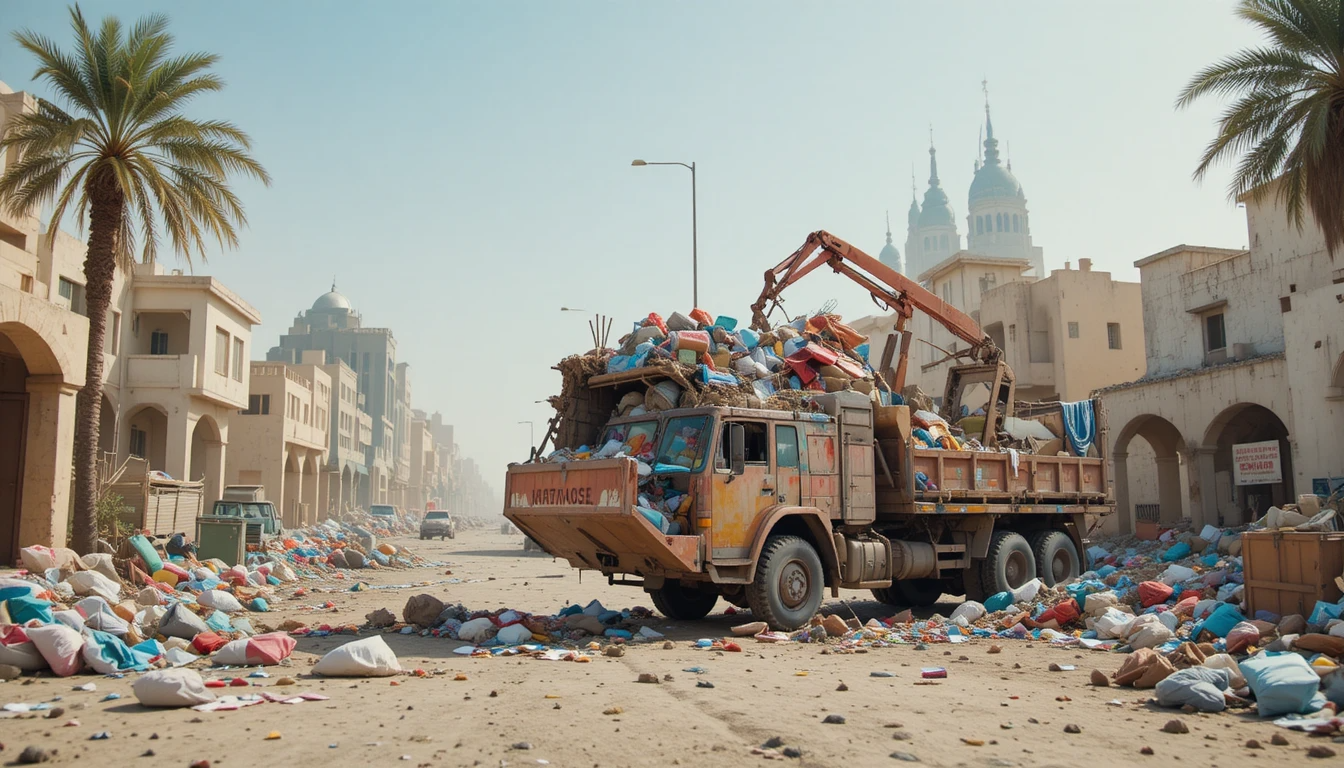
34. Cultural Perceptions of Waste & Recycling: Dubai Junk
Understanding cultural perceptions of waste management is key to building effective solutions. Dubai’s population is incredibly diverse, with residents and tourists coming from around the world. This means attitudes toward recycling, littering, and environmental ethics can vary widely.
Festivals and cultural events often incorporate environmental themes, encouraging visitors to dispose of waste responsibly. Schools teach environmental ethics in tourism and daily life, shaping a generation that sees cleanliness as part of civic pride.
Dubai also studies cross-cultural comparisons of waste attitudes, using the data to design targeted interventions. For instance, campaigns aimed at tourists focus on keeping beaches clean and respecting desert ecosystems, while resident-focused efforts emphasize daily recycling habits.
By bridging cultural differences, Dubai fosters a shared sense of responsibility that unites residents and visitors in protecting the environment.
35. Conclusion
Dubai has proven that a city can grow rapidly while staying committed to sustainability. From waste management statistics in Dubai showing improved recycling rates to the development of massive waste-to-energy plants, the emirate is actively building a future where waste is minimized, resources are recovered, and tourism remains eco-friendly.
But the journey doesn’t end here. Clean beaches, protected wildlife, and well-maintained urban spaces require everyone’s participation residents, businesses, and visitors alike. Whether it’s joining a community cleanup, choosing an eco-friendly hotel, or simply refusing single-use plastics, every action contributes to a cleaner Dubai.
FAQs
1. What is Dubai doing to improve waste management?
Dubai is implementing smart bins, waste-to-energy projects, strict recycling programs, and public awareness campaigns to reduce landfill dependency.
2. Can tourists join cleanup events in Dubai?
Yes, tourists are welcome at beach cleanups, desert cleanups, and community garden events, often organized by hotels, NGOs, and
Dubai Municipality.
3. Are there ecofriendly hotels in Dubai?
Absolutely. Many hotels have green certifications, solar energy systems, waste segregation, and offer guests options to reduce their environmental impact.
4. How is Dubai addressing plastic pollution?
Dubai has banned single-use plastic bags, introduced levies on plastic products, and supports educational campaigns and community initiatives against plastic waste.
5. Does waste impact Dubai tourism?
Yes, cleanliness is a major factor for visitors. Proper waste management keeps beaches, deserts, and attractions pristine, boosting Dubai’s tourism appeal.
Trusted Junk Removal Services in Dubai for Homes & Businesses In Dubai?
Address: Office No.101, 10th Floor, Al-Shafar Tower, Business Bay, Dubai.
Google Map Location
Read More: How Do You Manage Hotel Waste and Garbage