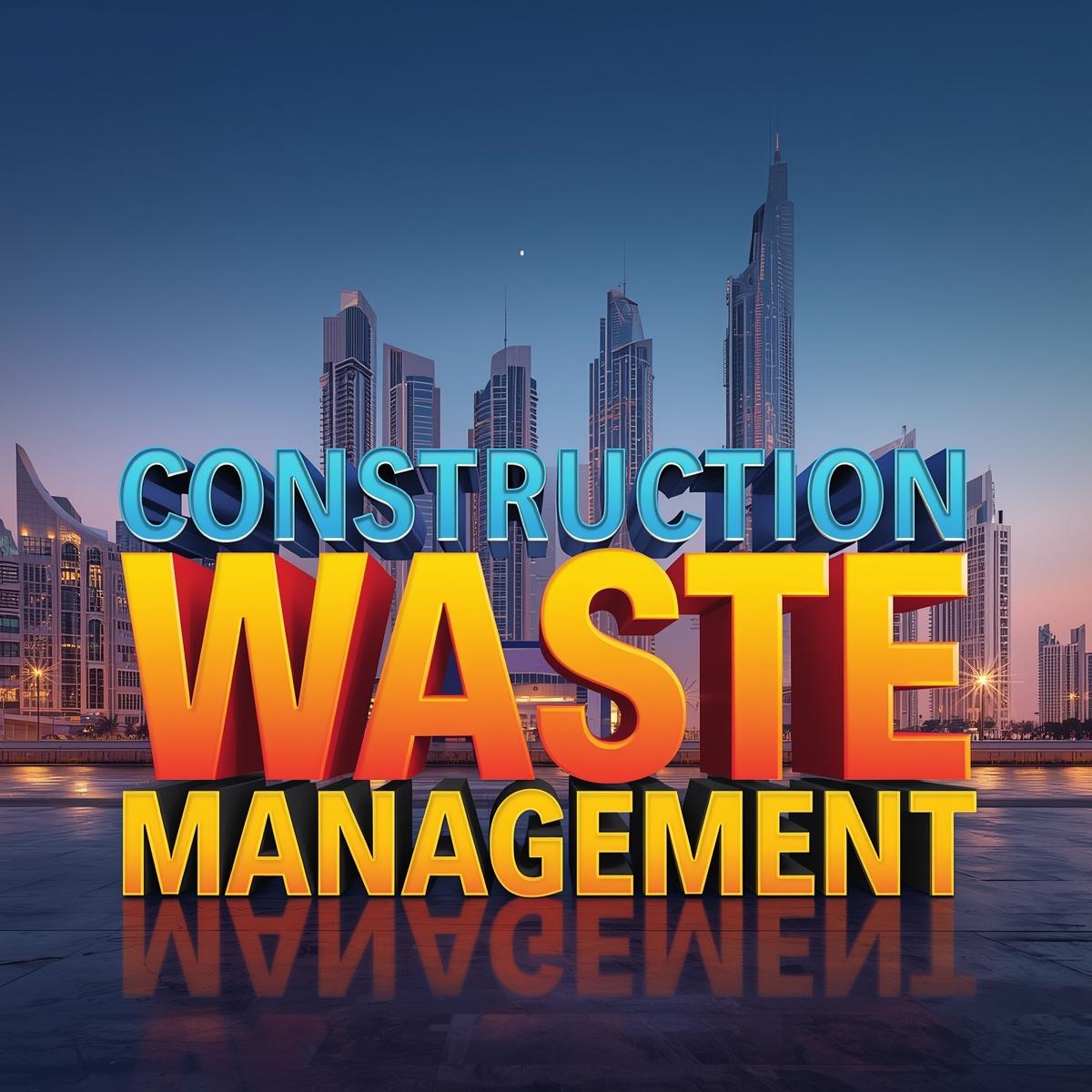
Construction Waste Management: Site Plans
Construction Waste Management: Site Plans
Introduction
Ever walked past a Dubai construction site and felt overwhelmed by the piles of debris, scattered concrete, and heaps of discarded materials? Managing construction waste can feel like trying to tidy up a room after hosting a massive party, chaotic, stressful, and seemingly never-ending.
If you’re a Dubai resident or business owner, you understand the challenges of maintaining clean, safe, and efficient construction sites, especially in areas like Marina, Jumeirah, or Downtown Dubai. High-rise projects, strict municipal regulations, and extreme heat add layers of complexity.
This is where Construction Waste Management comes in. Proper site planning not only keeps your construction environment organized but also ensures compliance with Dubai Municipality guidelines, reduces costs, and promotes sustainability. Think of it as creating a roadmap for your waste so clutter doesn’t control your project; you do.
1. Understanding Construction Waste Management
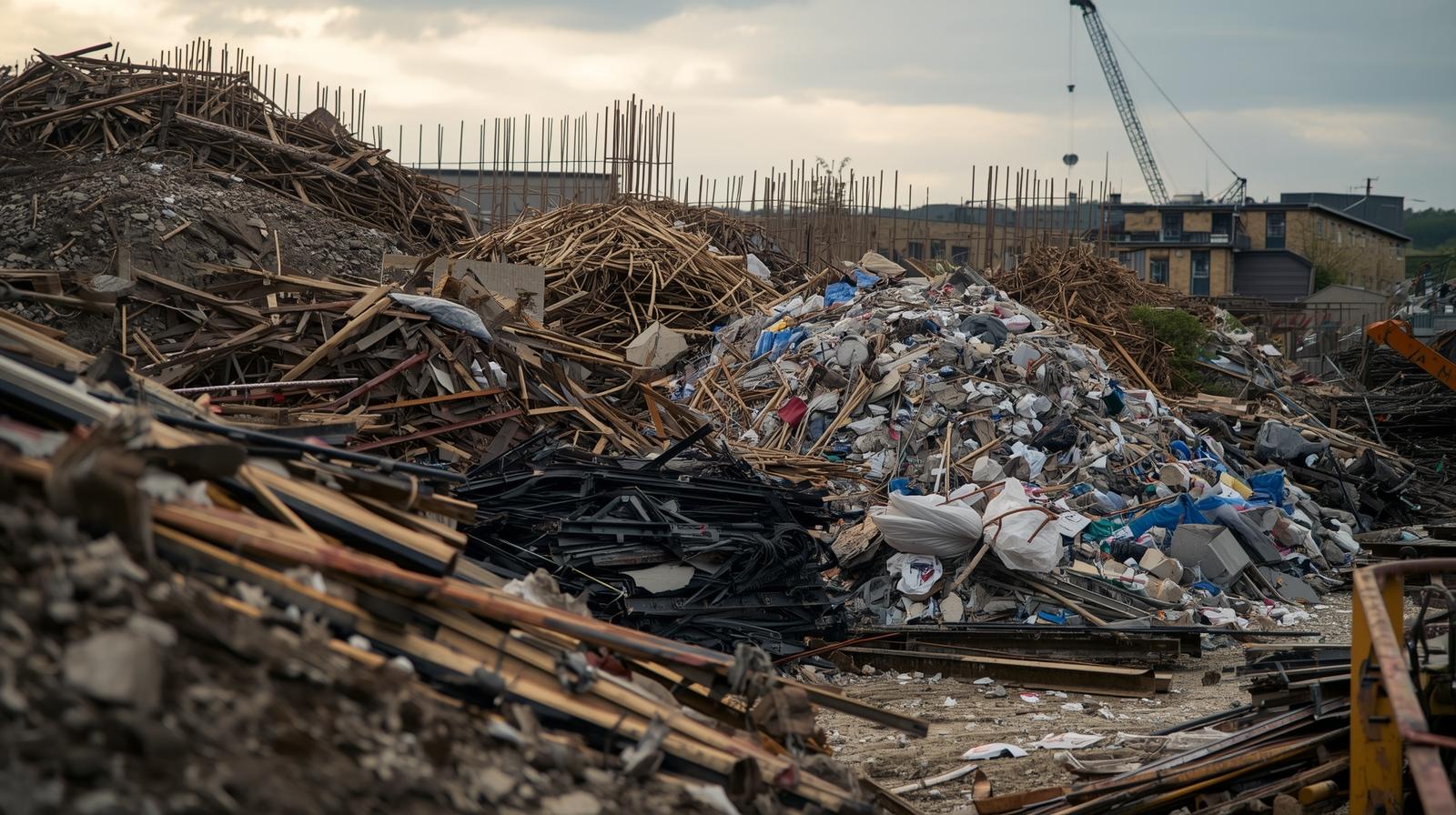
Construction Waste Management refers to the planning, collection, transport, and disposal of debris and materials generated during construction, renovation, or demolition projects. For Dubai, this includes materials like concrete, metal, wood, and packaging, which often accumulate quickly due to high-rise developments.
Managing this waste is not just about cleanliness; it’s about efficiency and safety. Imagine your site as a living organism: cluttered areas slow down movement, increase accidents, and affect project timelines. A well-structured site plan for waste acts like an organized circulatory system, keeping everything flowing smoothly.
Moreover, effective waste management is critical for regulatory compliance. Dubai Municipality mandates specific disposal methods to prevent environmental pollution, making proper planning a legal necessity, not just a best practice.
2. Types of Construction Waste in Dubai
In Dubai, construction projects generate diverse waste types, each requiring specific handling methods:
- Demolition Debris: Concrete, bricks, and masonry from building dismantling.
- Metal and Steel Waste: Scraps from frameworks and reinforcement rods.
- Wood and Timber Waste: Pallets, doors, and unused wooden planks.
- Plastic and Packaging: Wraps, insulation materials, and containers.
- Hazardous Waste: Paints, solvents, and chemical residues.
Understanding these categories helps plan segregated disposal, reduces landfill pressure, and opens recycling opportunities. For instance, metals can be sold to recyclers, and wood reused for temporary scaffolding. In Dubai’s urban centers like Business Bay or Jumeirah Beach Residence, sorting waste efficiently is essential due to limited space and strict municipal inspections.
Proper categorization also helps calculate project costs accurately and enhances sustainability, something Dubai projects increasingly prioritize.
3. Importance of Site Plans for Waste Management
Without a proper site plan, waste management can become chaotic. Think of it as trying to navigate a city without a map. A waste-focused site plan determines where bins are placed, the best routes for debris removal, and storage for recyclable materials.
In high-density areas like Dubai Marina, space is limited, and improper waste storage can block access for heavy machinery or emergency vehicles. A clear plan ensures smooth operations while adhering to Dubai Municipality rules.
Additionally, well-planned sites enhance worker safety. Piles of loose material increase the risk of accidents, while organized storage areas reduce hazards and improve productivity. Essentially, a solid site plan transforms waste from a problem into a manageable resource.
4. Planning Your Construction Waste Management Strategy
To create an effective strategy, start with a waste audit. Identify the types and volumes of waste your project will produce. For example, high-rise towers in Downtown Dubai might generate more concrete and metal than low-rise villas in Jumeirah.
Next, set clear goals: reduce waste sent to landfills, maximize recycling, and comply with local laws. Consider assigning responsibilities to specific team members, ensuring everyone knows their role in maintaining cleanliness.
Finally, integrate waste collection schedules into your construction timeline. Regular pickups prevent accumulation and maintain site hygiene, which is particularly important under Dubai’s hot climate, where decomposing materials can cause odors or attract pests.
5. Local Regulations and Compliance
Dubai Municipality has strict guidelines for construction waste disposal. Projects must adhere to rules like:
- Segregating waste into categories
- Disposing of hazardous materials through licensed companies
- Using authorized landfills or recycling centers
Failing to comply can result in fines or project delays. For example, in areas like the Al Quoz industrial zone, unauthorized dumping is heavily penalized.
Compliance also demonstrates corporate responsibility and contributes to Dubai’s sustainability goals. By following these regulations, you protect your business, workers, and the environment, ensuring smooth project execution.
6. Choosing the Right Waste Collection Method
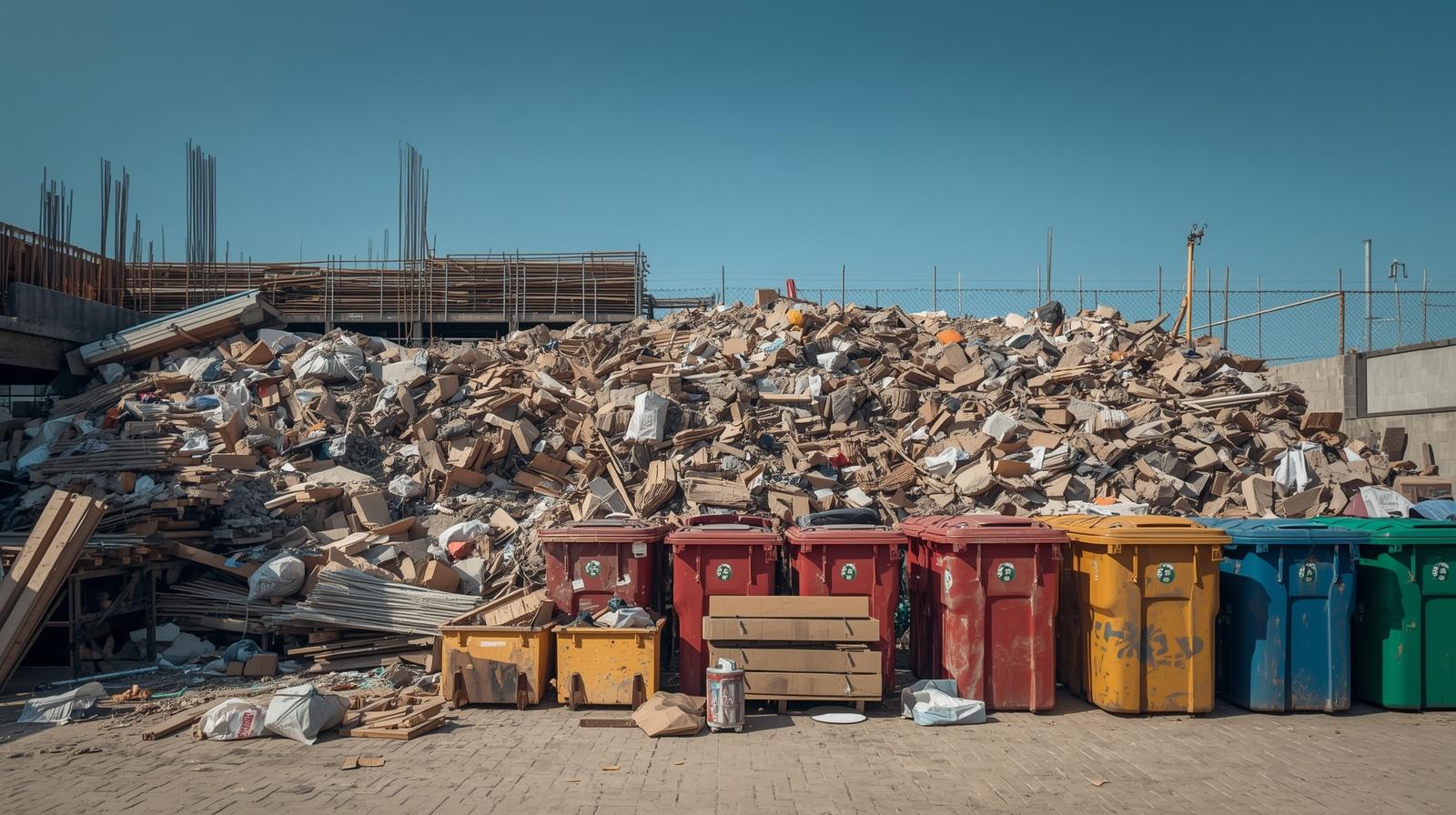
Selecting the appropriate collection method depends on project size, location, and type of waste:
- On-site bins and skips: Ideal for small-to-medium projects.
- Mobile waste containers: Useful for sites with limited space, like high-rise apartments in Dubai Marina.
- Scheduled bulk collection: Suitable for demolition projects generating largeamounts of debris.
Choosing wisely reduces costs, prevents overflow, and ensures compliance with local regulations. Think of it as picking the right trash can at home; small mistakes can create big messes.
7. Segregation of Waste on Site
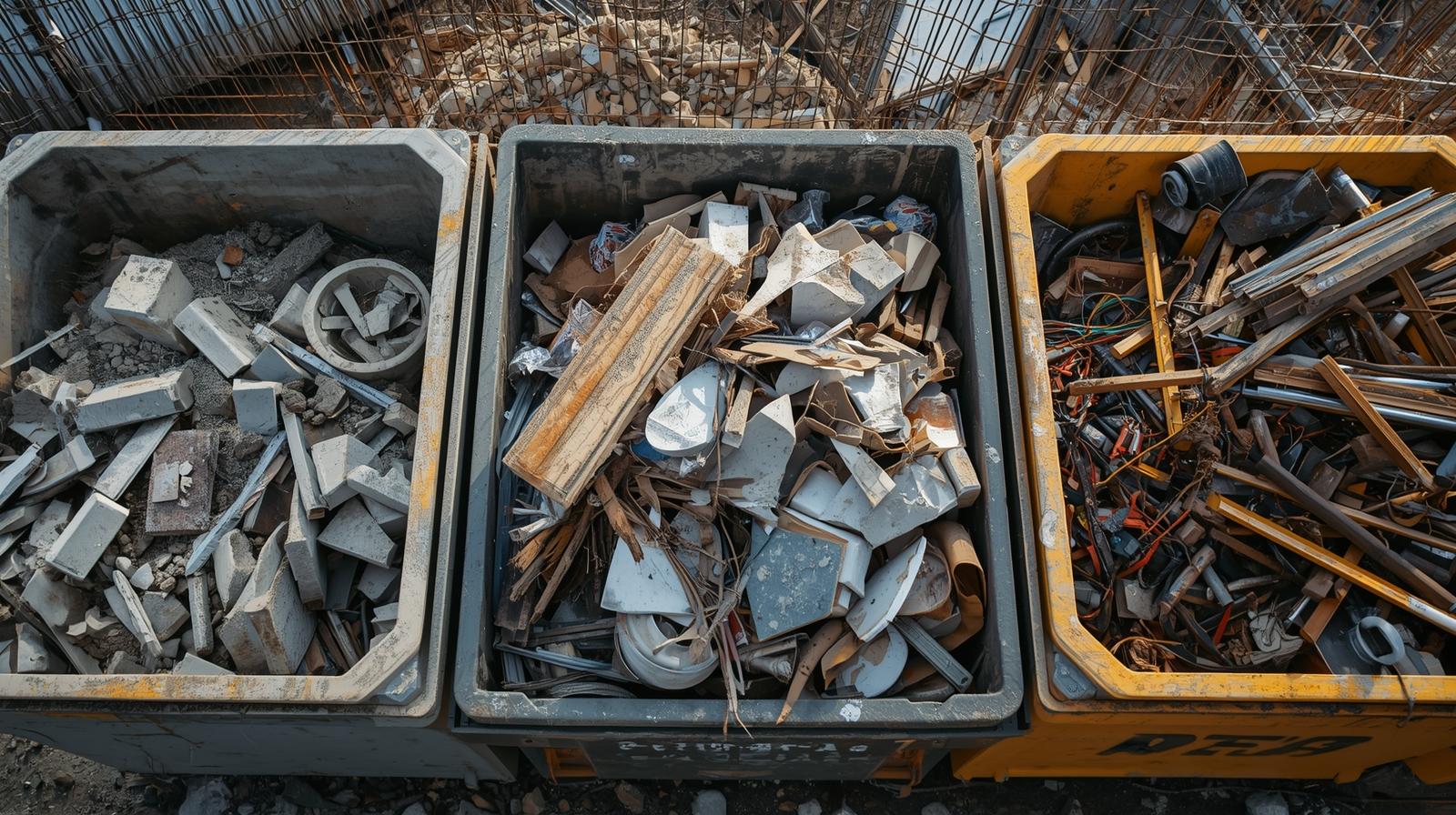
Segregating waste is essential for efficiency and recycling. Create separate bins for:
- Metals
- Concrete & rubble
- Wood
- Plastics
- Hazardous materials
Segregation helps recyclers process materials faster and reduces environmental impact. On Dubai sites, segregated waste also minimizes space issues, keeping pathways clear for machinery and workers, particularly in tight urban areas.
Moreover, this approach can generate additional revenue, as recyclable metals and wood can be sold back to suppliers.
8. Recycling and Reuse Opportunities
Dubai construction projects increasingly embrace recycling:
- Concrete can be crushed and reused as aggregate.
- Metal scraps can be melted and reformed.
- Wood and timber can be repurposed for temporary scaffolding.
Recycling not only reduces landfill waste but also lowers material costs. For example, developers in Jumeirah Lake Towers have implemented waste sorting stations to ensure recyclable items are efficiently reused on-site.
By incorporating recycling, your project demonstrates environmental responsibility, enhancing your brand reputation, and complying with Dubai’s green building standards.
9. Eco-Friendly Disposal Methods
Eco-friendly disposal involves reducing, reusing, and recycling materials. Key methods include:
- Partnering with licensed recycling companies
- Composting biodegradable materials
- Avoiding landfills whenever possible
In Dubai’s hot climate, improper disposal can result in odor and pest issues, affecting nearby residents and business owners. Eco-friendly strategies mitigate these problems while supporting Dubai’s vision for sustainable urban development.
Think of it as keeping your kitchen clean: separating organic waste and recyclables makes your environment healthier and more organized.
10. Cost Implications of Construction Waste
Ignoring waste management can inflate project costs. Expenses include:
- Fines for regulatory non-compliance
- Delays due to cluttered sites
- Extra labor for cleaning and disposal
Conversely, a well-planned Construction Waste Management strategy reduces costs by optimizing recycling, minimizing fines, and improving workflow efficiency. For example, reusing concrete and metal saves money on new materials while reducing disposal fees.
Investing in waste management upfront is like buying a quality toolbox; it may cost initially, but it saves time, money, and headaches in the long run.
11. Logistics for High-Rise Construction Sites
High-rise buildings present unique challenges:
- Limited ground-level space for dumpsters
- Vertical transportation of debris
- Coordination with traffic regulations
In Dubai Marina or Downtown Dubai, project managers use hoists and cranes to move waste efficiently. Scheduling waste removal during off-peak hours reduces disruption to surrounding traffic.
A clear logistical plan ensures debris doesn’t pile up on streets, maintaining safety and neighborly relations, an essential part of professional construction management.
12. Seasonal Considerations in Dubai
Dubai’s extreme heat and occasional dust storms affect waste management:
- Hot weather can accelerate material degradation.
- Dust storms spread debris if not properly contained.
- Cooling water may be needed for concrete residue.
Adjust site plans seasonally. For example, during summer, ensure covered bins and secure waste storage to prevent scattering. During cooler months, focus on recycling and outdoor sorting, which is safer for workers.
Adapting to the climate ensures consistent Construction Waste Management without delays or hazards.
13. Role of Technology in Waste Management
Technology can significantly streamline waste management processes. For example, software can track waste volumes efficiently, while smart bins with sensors provide real-time alerts when they are full. Additionally, mobile apps allow users to schedule pickups and monitor recycling activities conveniently.
In particular, Dubai’s smart city initiatives encourage the adoption of technological solutions to enhance both efficiency and sustainability. By using digital management, human error is minimized, labor costs are reduced, and compliance with municipal reporting requirements is ensured.
Think of technology as a personal assistant for your construction site: it not only keeps things organized but also ensures that operations remain under control.
14. Training Staff and Contractors
Effective waste management, however, relies heavily on people. Therefore, it is essential to train staff on proper segregation and the safe handling of hazardous materials. Furthermore, conducting regular safety briefings and incentivizing recycling initiatives can significantly improve outcomes.
In Dubai, specifically, where construction teams are often multicultural, clear communication and visual signage are particularly crucial. Consequently, proper training reduces accidents, ensures compliance, and fosters a culture of environmental responsibility.
Ultimately, even the best waste management plan fails if everyone is unaware of their role; thus, teamwork remains the key to success.
15. Monitoring and Reporting Waste
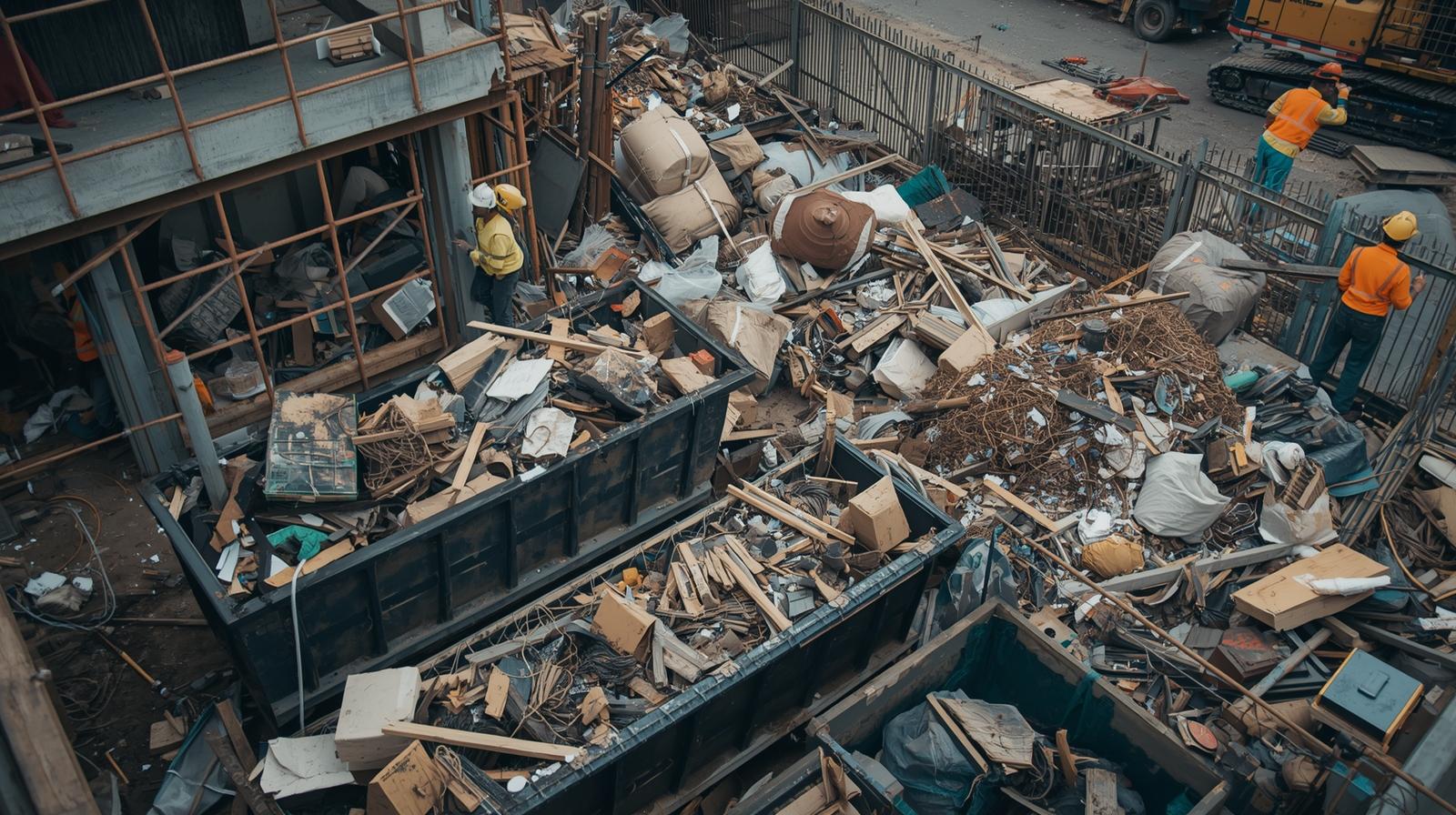
Regular monitoring helps identify inefficiencies and track compliance:
- Maintain logs of collected and recycled materials
- Inspect storage areas for hazards
- Report to Dubai Municipality as required
Monitoring provides insights into waste generation trends and cost-saving opportunities. For example, a site in Business Bay reduced landfill disposal by 30% after implementing a simple tracking system.
Transparency also builds trust with stakeholders and demonstrates environmental responsibility.
16. Outsourcing Waste Management Services
Outsourcing can save time and expertise:
- Specialized companies handle collection, recycling, and disposal
- Licensed operators ensure compliance
- Reduce administrative burden
For busy developers in Dubai, outsourcing ensures efficient Construction Waste Management without diverting focus from core construction activities. It’s like hiring a cleaning service, you get a professional result without overloading your team.
17. Common Mistakes to Avoid
Avoid these pitfalls:
- Ignoring waste segregation
- Delaying pickups, causing clutter
- Underestimating high-rise logistics
- Neglecting local regulations
- Failing to train staff
Mistakes increase costs, risks, and fines. For instance, in Jumeirah, improperly stored hazardous waste can lead to hefty fines and project delays. Proper planning and execution prevent these common issues.
18. Benefits of Effective Construction Waste Management
Implementing a proper waste management plan provides multiple benefits:
- Reduces operational costs through recycling
- Ensures compliance with Dubai Municipality
- Improves site safety and worker efficiency
- Enhances corporate reputation for sustainability
Beyond compliance, it creates a cleaner, more organized work environment. Imagine your construction site as a well-kept garden: everything has a place, and the workflow is smooth. Effective Construction Waste Management transforms your site into a model of efficiency and professionalism.
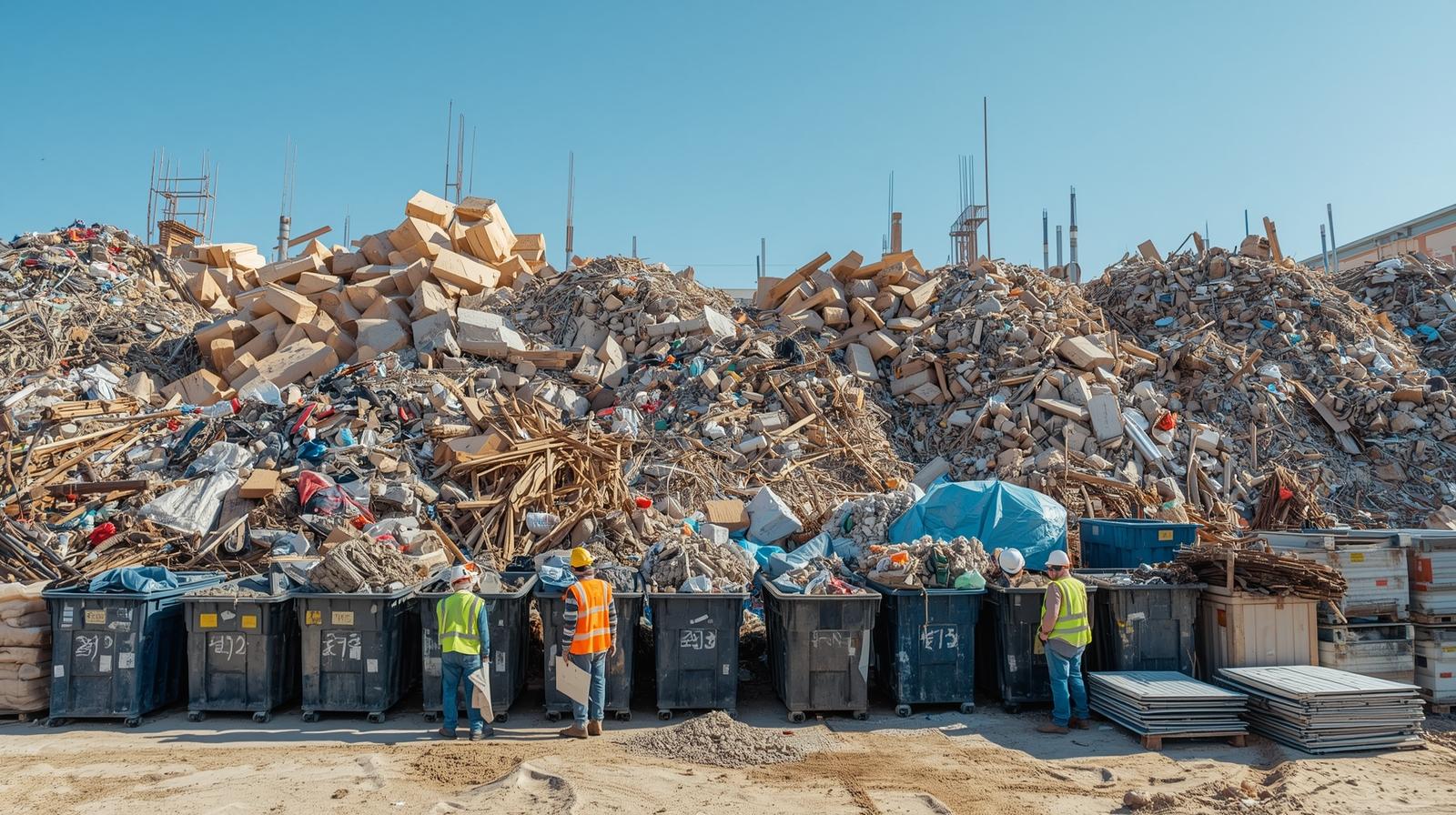
19. Case Studies from Dubai Projects
Several Dubai projects demonstrate best practices:
- Dubai Marina high-rises implemented hoist-based waste transport and achieved 40% recycling.
- Jumeirah villa developments used segregated bins and outsourced disposal, reducing fines and delays.
- Business Bay commercial towers employed digital waste tracking software to optimize collection schedules.
These examples show that investing in proper waste planning is not optional but essential for successful projects in Dubai’s competitive construction landscape.
20. Conclusion
Managing construction waste in Dubai requires planning, local knowledge, and diligence. A structured site plan ensures compliance with municipal rules, reduces costs, enhances safety, and supports environmental sustainability. By segregating, recycling, and strategically disposing of waste, your construction site becomes more organized, productive, and eco-friendly.
Remember: cluttered construction sites are like messy kitchens; they slow you down, attract problems, and make every task harder. With Construction Waste Management, you take control, save resources, and contribute to a cleaner, greener Dubai.
FAQs
Q1: What is Construction Waste Management?
Construction Waste Management involves the planning, segregation, collection, and disposal of waste materials generated during construction projects. It ensures safety, compliance, and environmental sustainability.
Q2: Why is site planning important for waste management?
Site planning organizes storage areas, collection points, and recycling processes. In high-density areas like Dubai Marina, it prevents clutter, ensures safety, and facilitates compliance with municipal regulations.
Q3: How can construction waste be recycled in Dubai?
Concrete can be crushed, metals melted and reused, and wood repurposed for scaffolding. Recycling reduces landfill use, cuts material costs, and supports Dubai’s sustainability goals.
Q4: What are the costs associated with construction waste?
Costs include fines for non-compliance, disposal fees, labor for waste handling, and project delays. Proper waste management reduces these expenses by improving efficiency and recycling valuable materials.
Q5: Are there local regulations for construction waste in Dubai?
Yes, Dubai Municipality mandates segregation, licensed disposal of hazardous materials, and proper recycling practices. Compliance prevents fines, ensures environmental protection, and maintains public safety.
Trusted Junk Removal Services in Dubai for Homes & Businesses In Dubai?
Address: Office No.101, 10th Floor, Al-Shafar Tower, Business Bay, Dubai.
Google Map Location
Read More: Building Waste Removal Dubai: Site Cleanup