Bulky Item Disposal Guide: Responsible Large-Item Removal
Bulky Item Disposal: Complete Guide to Responsible Large-Item Waste Management
Introduction
We present a comprehensive, practical guide focused on bulky item disposal, recycling and composting solutions for households and communities. This guide clarifies what counts as bulky waste, shows responsible options for mattresses, furniture, appliances and e-waste, and outlines safety, legal and environmental best practices. Read on for step-by-step procedures, cost considerations, donation and recycling pathways, and FAQs to make large-item removal straightforward, compliant and planet-friendly.
1. What Is Considered a Bulky Item?
Definition & examples.
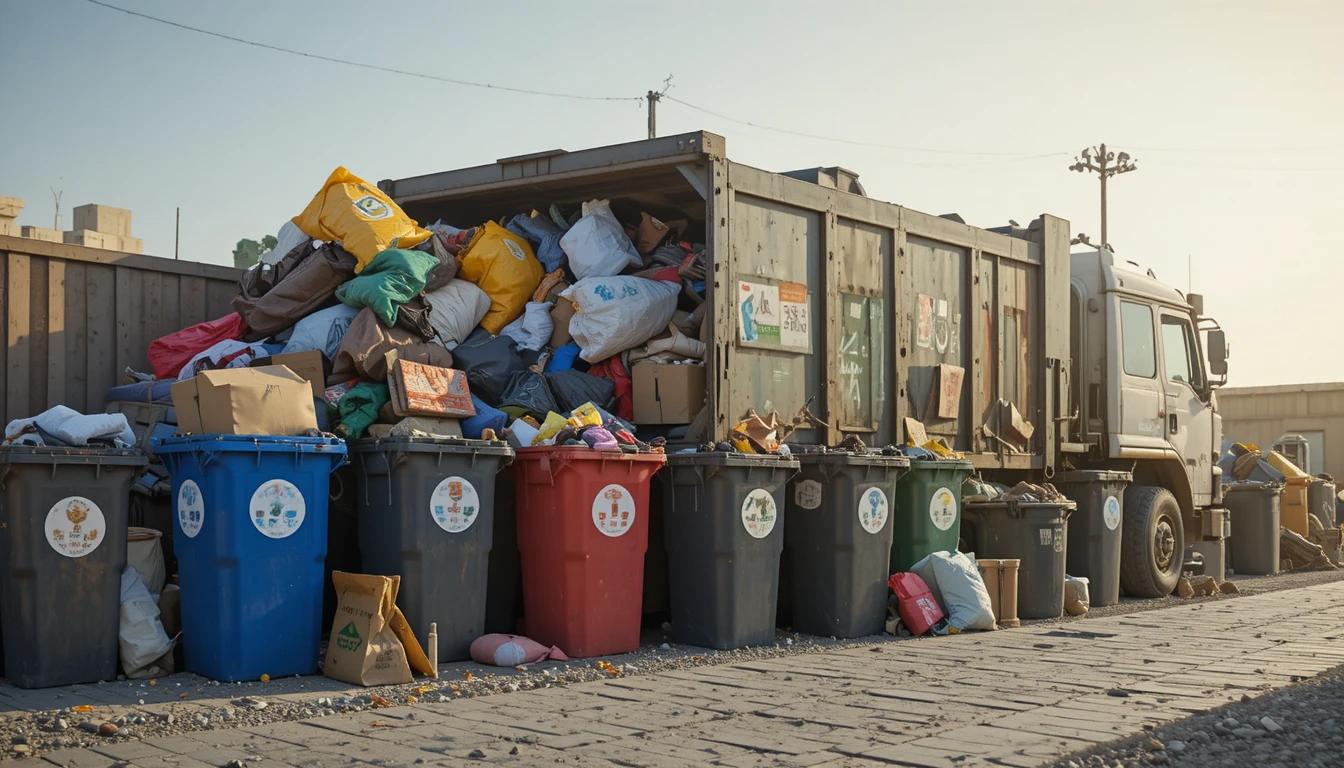
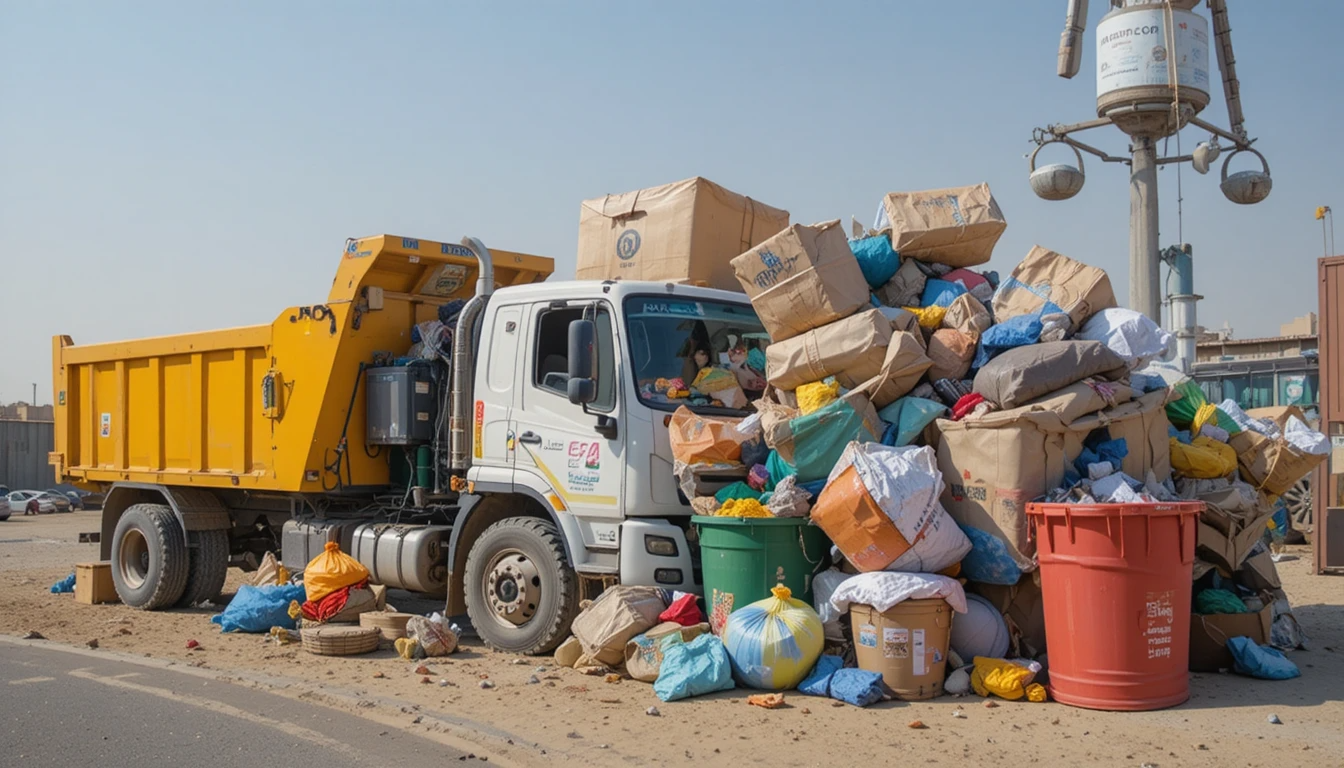
A bulky item is any household object too large or heavy to fit inside a standard trash container and not accepted in regular curbside collection. Common examples include sofas, mattresses, dressers, refrigerators, washing machines, large exercise equipment, sectional couches, oversized tables, and large pieces of yard waste (trees, root balls). Understanding this definition helps households avoid improper disposal and fines.
Why classification matters.
Municipalities and private haulers classify bulky items differently for safety, routing and recycling. Classification affects pickup eligibility, the need for scheduling, associated fees, and whether items are eligible for donation or recycling. For instance, many cities exclude construction debris, hazardous materials (paints, solvents), and e-waste from standard bulky collections these require specialized disposal channels.
Quick check before you set out an item.
Ask: Can one person safely lift the item into a pickup truck? If not, it is bulky. Is the item an appliance containing refrigerant or hazardous components? If yes, it needs special handling. Are electronics involved? E-waste rules may apply. Using these quick checks avoids rejected collections and penalties.
(Supporting resources on municipal definitions and standards are available from city bulky waste pages and federal guidance.)
2. How Bulky Item Disposal Works: Municipal Processes
Scheduling and curbside pickup.
Most municipalities operate scheduled or request-based bulky pickups. Scheduled collections may occur monthly or seasonally; request-based pickups require a booking (online/phone) and may limit quantity per pickup. Items must be placed at the curb by the designated time to be collected. Clear labeling or stickers may be required in some jurisdictions.
Sorting and routing at the curb.
Crews sort items for reuse, recycling or disposal. Reusable furniture may be diverted to charities; appliances usually go to certified recyclers, and mattresses to specialized processors. Materials that are hazardous or construction-grade are routed to drop-off facilities.
Fees, limits and documentation.
Many cities cap the number or volume of bulky items per pickup. Fees can be flat per item or variable by size/weight. Some areas provide a limited number of free pickups for residents who pay garbage fees. Always check local rules to understand sticker programs or permit requirements. Failure to follow municipal rules can result in fines or uncollected items.
3. Bulky Item Disposal Rules: Local Ordinances & Schedules
Local variation is the norm.
Every jurisdiction sets its own ordinances what’s accepted, scheduling windows, and penalties for noncompliance. Examples range from cities that provide biannual curbside bulky pickup to those that require paid stickers for each item. Some ordinances specifically prohibit leaving items in public spaces outside scheduled windows.
How to find the rules.
Visit your municipal public works or solid waste website, call the local 311 service, or check your waste hauler’s page to confirm collection dates, accepted items and special requirements (e.g., remove doors from refrigerators, drain fluids). Many cities publish monthly bulky collection maps and rules for placement (distance from the curb, clearance from mailboxes).
Enforcement & penalties.
Local fines for illegal dumping or placing items outside guidelines range from modest fees to substantial penalties or cleanup charges. Some jurisdictions also pursue civil penalties or criminal charges for repeated or large-scale illegal dumping. Refer to local ordinances before placing items curbside.
4. Bulky Item Pickup Near Me: How to Find and Book Service
Step-by-step search.
- Search your city or county website for “bulk pickup” or “bulky item disposal.”
- Check private haulers (Waste Management, Republic Services) for service availability by address.
- Use community platforms (Nextdoor, municipal Facebook pages) to find temporary pickups.
Booking tips.
Have the item list and address ready. Ask about size limits, fees, and placement rules. If scheduling a private junk removal service, request an itemized quote and confirm recycling/diversion commitments.
Alternatives to pickup.
If municipal pickup isn’t available, consider donation pickup by charities, retailer take-back programs for appliances, or paid junk haul services. Some retailers (appliance stores) offer haul-away when delivering new items.
5. Bulky Item Removal Cost: What to Expect
Common pricing models.
Costs can be free (if included with municipal service), per-item, or volume-based. Private junk haulers may charge a flat rate per truckload or per item. Fees depend on weight, difficulty of removal (stairs, long carries), and special handling (hazardous components, refrigerants).
Examples & ballpark figures.
Expect small appliances to be low or free under some programs; large items like couches or mattresses often incur fees in paid programs (e.g., $10–$50 per item in some cities) while private haulers might charge $100–$400 per truck load depending on labor. Verify local pricing before booking.
Ways to lower cost.
Donate items, schedule during a municipal free collection, use donation pickup programs, or disassemble items to fit in regular waste streams where allowed. Always confirm recycling requirements to avoid surprise charges.
6. Free Bulky Item Pickup Programs and Community Events
Municipal programs and seasonal cleanups.
Many cities run periodic free bulky pickup events or community collection days often twice a year to reduce illegal dumping and help residents declutter. These events typically exclude hazardous materials and electronics and require eligible residents to register or place items on the curb on specific dates.
Community swap and reuse events.
Organized “swap meets” and community reuse events let residents exchange furniture and household items. These programs extend product life and reduce disposal needs.
How to find events.
Monitor your city’s public works calendar, local news outlets, or neighborhood groups. Participating in these events increases diversion rates and is often the simplest way to avoid disposal fees.
7. Bulky Item Disposal: How to Prepare Bulky Items for Pickup
Practical prep steps.
- Clean and dry items to increase donation chances.
- Disassemble large furniture where possible (remove legs, detach sections).
- Secure loose parts in labeled bags.
- Remove hazardous contents (fluids, batteries, refrigerants) before collection.
- Place at specified location (curb, designated pick-up point) with proper clearance and time.
Tagging & documentation.
Some programs require stickers, tags or a pickup confirmation number. Keep records (photos, receipts) if items are donated them may help with tax deductions. Follow appliance-specific guidelines (e.g., doors removed from refrigerators for safety).
Safety & liability.
Avoid lifting beyond capability; hire professionals for heavy or unsafe items. If using a private hauler, confirm insurance and disposal methods. Clear pathways to prevent collection delays.
8. Bulky Item Disposal: What to Do With Large Appliances: Safe Disposal & Recycling
Appliance hazards and recovery.
Large appliances can contain refrigerants, oils and heavy metals that must not enter landfills. Certified recyclers recover metals, plastics and refrigerants to prevent environmental harm and recover resources.
Retailer & manufacturer take-back programs.
Many retailers offer haul-away of old appliances when delivering replacements. Manufacturers also may participate in recycling programs. Check program eligibility, and ask whether recyclers are certified.
Municipal drop-off and special collection.
Cities often provide appliance drop-off sites or scheduled appliance pickup. Some items require certification of refrigerant recovery; licensed technicians must handle these. Proper handling protects workers and the environment.
9. Bulky Item Disposal: Appliance Recycling Pickup: Step-by-Step
1: Identify the appliance type. Certain appliances (fridges, freezers) require refrigerant handling. Other appliances (washers, dryers) are more straightforward.
2: Contact local services. Book pickup through your municipal service, retailer, or a certified recycler.
3: Prepare the appliance. Empty contents, disconnect power, and if required, leave doors ajar or remove doors for safety.
4: Confirm certification. Ensure technicians are certified for refrigerant recovery or hazardous component removal.
5: Obtain documentation. Request a receipt or certificate confirming proper recycling or disposal for record keeping.
10. How to Dispose of Large Appliances Safely
Prioritize safety & legal compliance.
Disconnect power at the breaker when working with appliances. When moving a refrigerator, secure doors to prevent slamming; always tilt carefully and use a dolly. For appliances containing refrigerants, only licensed professionals should open sealed systems.
Transport & handling tips.
Use a proper dolly, tie appliances securely in the vehicle, protect floors and door frames with pads, and avoid lifting beyond safe limits. Ask for professional help for stair carries.
Environmental protections.
Ensure refrigerants and oils are recovered and not released. Work with recyclers who follow regulations and provide documentation of proper handling.
11. Bulky Item Disposal: Furniture Disposal Pickup Service: Options & Tips
Donation vs. disposal decision.
If furniture is in good condition, donate first charities and social enterprises accept larger items or offer pickup services. If donation is impossible, arrange municipal pickup or a paid junk haul service that commits to recycling.
Preparing furniture.
Clean upholstery, patch small tears if possible, and remove non-structural attachments. Disassembly reduces labor and may lower fees.
Choosing a service.
Compare municipal rules, charity pickup availability, and private haulers. Check reviews for reliability and diversion rates (percentage recycled/donated). Confirm whether mattresses require separate handling due to local recycling surcharges.
12. Bulky Item Disposal: How to Properly Dispose of a Couch or Mattress
Mattress specific concerns.
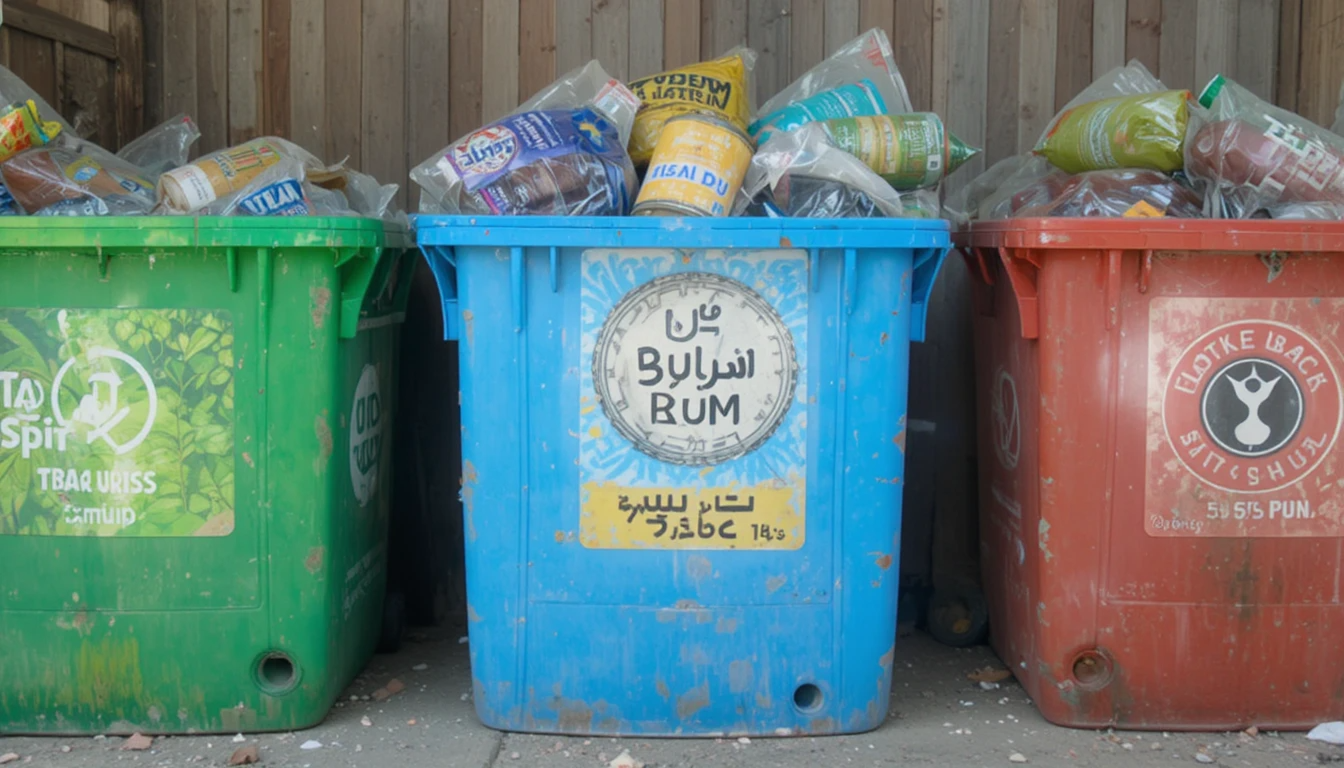
Mattresses are bulky, occupy landfill volume, and may be eligible for specialized recycling mattress recyclers separate foam, metal springs and fabric for reuse. Some states have mattress stewardship programs funded by a small consumer surcharge.
Couch disposal options.
Donate if structurally sound; otherwise schedule pickup with a bulky waste program or junk removal service. Consider selling or listing on local marketplaces for pickup by buyers.
Preparation & placement.
Wrap in plastic if requested, label for pickup, and follow city guidelines for setout times and clearance. Document donation receipts if you pursue tax deductions.
13. Donating Bulky Items: Where to Donate Large Items Near Me
Donating bulky items is one of the most eco-friendly forms of bulky item disposal. Instead of sending usable furniture or appliances to landfills, households can give them a second life by donating to local charities, thrift stores, or community reuse centers. Organizations like Habitat for Humanity ReStores, Salvation Army, and local shelters often accept furniture, working appliances, and large household items.
Before donating, ensure the items are clean, structurally sound, and free of pests or strong odors. Contact the charity first many offer free pickup services for large donations, saving you time and transport costs. If you can’t find local charity pickup programs, consider online community groups such as Freecycle, Facebook Marketplace, or neighborhood donation drives.
Most donors receive receipts for tax deduction purposes, making donation both environmentally and financially beneficial. This practice reduces landfill waste, promotes reuse, and supports community development. Remember, donating bulky items isn’t only about decluttering it’s about creating circular value. Every sofa, bed, or table reused keeps hundreds of pounds of waste out of disposal facilities and supports families in need.
14. Bulky Item Disposal: Donation Requirements for Large Donations & Tax Deductions
When donating bulky items, it’s essential to understand donation requirements and potential tax deduction benefits. Charitable organizations generally accept only gently used, functional furniture and appliances. Items with broken frames, torn upholstery, missing parts, or excessive wear may be rejected.
To maximize your donation’s impact, confirm the charity’s list of accepted items beforehand. Most organizations provide online guidelines specifying acceptable furniture, mattresses, and electronics. They may request that items be placed at ground level for easy pickup, or boxed if smaller.
For tax deductions, retain a written acknowledgment from the receiving charity. The IRS allows donors to deduct the fair market value of contributed household items, but only if the organization qualifies under tax-exempt status. Keep detailed records—photos, original purchase receipts, and the donation slip for your annual tax filing.
If donating high-value items (like antique furniture), a professional appraisal may be required. Using reputable charities ensures compliance and transparency. Donating large items responsibly not only saves disposal costs but also promotes sustainability, reduces your environmental footprint, and provides much-needed resources to underfunded organizations.
15. DIY Disposal of Broken Electronics & E-Waste Rules
Broken electronics known as e-waste require specialized handling under both local and federal regulations. Simply throwing old TVs, laptops, or microwaves in the trash isn’t safe or legal in many regions. E-waste contains hazardous materials like mercury, lead, and cadmium, which contaminate soil and water if mishandled.
DIY disposal starts with separating electronics from other bulky items. Remove batteries, cords, and accessories, and research whether your city offers electronic waste drop-off events. Many municipalities and retailers (Best Buy, Staples) host free e-waste collection drives.
If DIY removal is your choice, never dismantle electronics without proper protective equipment. Components such as capacitors and CRT tubes are dangerous. Instead, consider partnering with certified e-waste recyclers accredited under R2 (Responsible Recycling) or e-Stewards standards.
Labeling broken electronics before set-out helps collection crews identify them correctly. Some recycling facilities pay small amounts for metals recovered from circuit boards. Responsible e-waste disposal not only prevents environmental pollution but also conserves valuable resources like copper and gold recovered during the recycling process.
16. Electronic Waste Recycling Impact and Best Practices
The impact of e-waste recycling extends far beyond simple waste reduction it’s about resource conservation, pollution prevention, and sustainability. Recycling electronics recovers valuable metals (copper, aluminum, gold, silver) that would otherwise require energy-intensive mining. Each ton of recycled e-waste saves tons of greenhouse gas emissions and reduces toxic leaching from landfills.
Best practices include identifying local certified recyclers, separating batteries from devices, and wiping personal data before disposal. Always check whether your municipality accepts electronics as part of bulky item disposal or if they require separate drop-off.
Consumers can reduce electronic waste generation by extending the lifespan of their devices through repair or resale. Community repair cafes and tech donation drives encourage responsible tech recycling.
Avoid “backyard recyclers” or unlicensed exporters that mishandle hazardous components overseas. Certified recycling ensures compliance with health and environmental standards. Collecting electronics for recycling not only helps the planet it strengthens local circular economies by creating jobs in refurbishment and materials recovery.
17. Composting Basics: What Can Be Composted?
Composting transforms organic waste into nutrient-rich soil conditioner. Knowing what can be composted is key to maintaining a healthy compost system. Accepted materials include fruit and vegetable scraps, coffee grounds, eggshells, grass clippings, leaves, and small branches. Avoid meat, dairy, oily foods, or pet waste, which attract pests and slow decomposition.
Home composters should aim for a 2:1 ratio of “browns” (carbon-rich materials like dry leaves, cardboard, sawdust) to “greens” (nitrogen-rich materials like food waste or grass). This balance ensures proper microbial activity and aeration.
Composting diverts organic matter from landfills, reducing methane emissions a greenhouse gas 25 times more potent than CO₂. Whether backyard composting or participating in a municipal compost program, the process benefits both soil health and waste management efficiency.
For beginners, small countertop compost bins or tumblers simplify the process, keeping odors minimal. As part of bulky item disposal awareness, composting teaches households that not all waste requires removal some can be repurposed into valuable soil for gardens and landscapes.
18. How to Start Composting at Home: Simple Steps
Starting a composting routine at home is straightforward and rewarding. Choose a location—outdoor bins, garden piles, or balcony containers work equally well. Layer green and brown materials alternately, keeping the mixture moist but not soggy.
Aeration is critical: turn the pile every one to two weeks to ensure oxygen reaches microorganisms. Within two to three months, the pile should transform into dark, crumbly compost ready for use.
For small spaces, DIY compost bin ideas like plastic tubs or wooden crates work efficiently. Drill holes for ventilation, place the bin in a shaded area, and monitor temperature warm piles decompose faster.
If outdoor composting isn’t feasible, use local composting services near me or drop-off sites that accept kitchen scraps. The end result reduces your household’s landfill contribution while supplying free, nutrient-rich fertilizer for plants. Composting is one of the simplest yet most impactful sustainability actions any homeowner can take.
19. How to Compost Kitchen Scraps: Practical Tips
Kitchen scraps form the bulk of household organic waste, making them perfect composting material. Collect fruit peels, vegetable ends, tea bags, and coffee grounds in a small covered container. Empty the container into your outdoor bin daily to prevent odors.
To speed up decomposition, chop larger scraps before adding them. Layer with dry leaves or shredded cardboard to balance moisture and carbon content. Avoid citrus rinds, oily foods, and onions in excess they can alter compost pH.
Covering kitchen waste with “browns” keeps flies and rodents away. If you’re in an apartment, consider vermicomposting (using worms) or community compost drop-off programs.
Turning kitchen scraps into compost not only cuts waste but also transforms everyday leftovers into natural fertilizer. Imagine converting your morning coffee grounds and vegetable peels into lush garden soil—it’s nature’s recycling system at its finest.
20. DIY Compost Bin Ideas for Small Spaces
You don’t need a huge yard to compost effectively. Small-space composting can be achieved through DIY compost bins using simple materials like plastic storage containers, wooden pallets, or old trash cans. Drill ventilation holes around the sides and bottom, then layer green and brown waste as usual.
For balcony composting, use sealed tumblers or stackable bins to prevent odors and maintain neatness. Add newspaper or dry leaves regularly to absorb excess moisture.
If you prefer a cleaner process, try Bokashi bins, which use beneficial microbes to ferment waste indoors perfect for kitchen use. The resulting pre-compost can later be added to outdoor soil for finishing.
These creative DIY systems make composting accessible even to urban dwellers. Beyond waste reduction, homemade bins cost less, encourage sustainability habits, and reduce the need for chemical fertilizers.
21. Composting Services Near Me & Drop-off Locations
For those without space or time for home composting, composting services near me offer convenient collection or drop-off solutions. Many municipalities and private companies provide curbside compost bins that accept kitchen waste, yard trimmings, and paper products. These materials are later processed at industrial composting facilities that handle higher volumes and temperatures, ensuring faster decomposition and pathogen control.
To find the nearest service, check your city’s waste management website or apps like ShareWaste and CompostNow. Local farmer’s markets and community gardens also host compost drop-off points.
Before using a service, learn their accepted materials list some restrict dairy, meat, or oily foods. Using composting services reduces landfill waste, supports community gardens, and produces nutrient-rich compost for public landscaping projects.
If you live in an apartment or condo, these programs are invaluable, allowing residents to participate in eco-friendly disposal without handling compost themselves. Partnering with these programs aligns perfectly with responsible bulky item disposal habits demonstrating that sustainable living begins at the household level.
22. Environmental Impact of Composting vs. Landfill
Composting is far more than a waste management technique it’s a climate solution. Organic waste in landfills decomposes anaerobically, producing methane, a greenhouse gas 25 times more potent than carbon dioxide. Composting, in contrast, produces negligible methane and transforms waste into useful soil.
When food scraps and yard waste are composted, the resulting humus enhances soil fertility, retains moisture, and reduces the need for synthetic fertilizers. Composting also lowers municipal waste collection costs and extends landfill lifespan.
In contrast, landfilled organics become trapped in oxygen-deprived layers, releasing toxic leachate that can contaminate groundwater. Every ton of organic waste diverted through composting can prevent the emission of hundreds of kilograms of CO₂-equivalent gases.
For municipalities, promoting composting is a crucial waste diversion strategy it keeps valuable resources in the ecosystem and minimizes environmental harm. Simply put, composting feeds the earth; landfill feeding poisons it. That’s the difference between regeneration and degradation.
23. Yard Waste & Garden Bulk Recycling Options
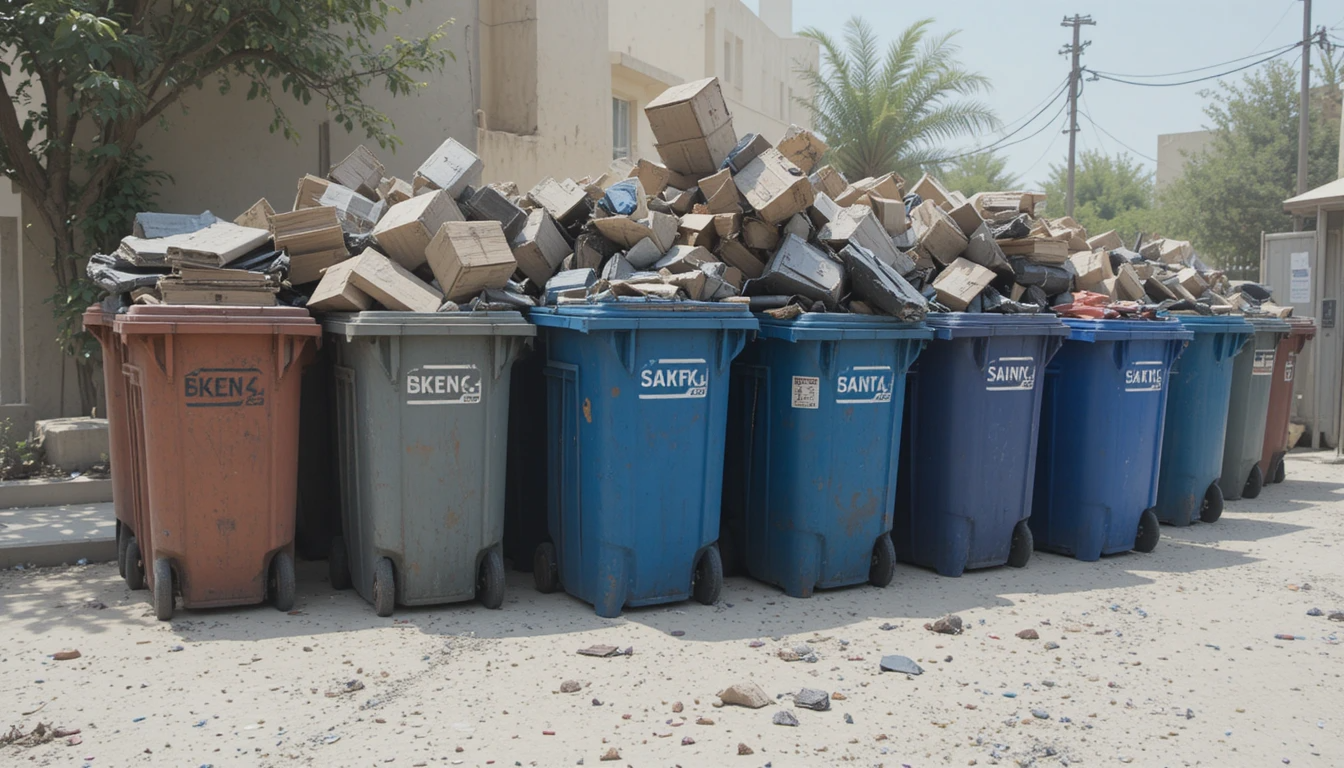
Yard waste disposal is a frequent component of bulky item disposal programs, especially during seasonal cleanups. Fallen branches, leaves, grass clippings, and small shrubs often exceed normal bin capacity, requiring separate collection or recycling.
Many municipalities offer yard waste pickup, composting drop-offs, or on-site mulching services. Residents can bag waste in biodegradable sacks or bundle branches according to local guidelines. Some services process this material into mulch, which can later be offered back to the community at no charge.
DIY options include using a chipper or shredder to create mulch for gardens reducing the need for store-bought fertilizers. Yard waste should never be burned or dumped illegally, as this contributes to air pollution and pest infestations.
Recycling yard waste not only cleans up outdoor spaces but also contributes to greener landscapes and local soil regeneration. Integrating yard waste recycling into your overall bulky item disposal routine ensures no resource is wasted, even in your backyard.
24. Construction Debris Disposal Cost & Options
Construction and renovation projects generate heavy materials concrete, drywall, wood, tiles that require special construction debris disposal methods. Costs depend on weight, volume, and type of debris. Typically, debris disposal costs range from $200 to $600 per load, with additional charges for hazardous components like asbestos or treated wood.
Municipal waste services may not accept construction materials as part of bulky item disposal, so homeowners often rent roll-off dumpsters or hire specialized contractors. Recycling options include concrete crushing, scrap metal recovery, and wood repurposing for fuel or compost.
To minimize costs, separate recyclable materials at the source. Many transfer stations offer discounted rates for sorted loads. DIY renovators should research local disposal facilities before starting a project to ensure compliance with landfill regulations and avoid fines.
By responsibly managing debris, homeowners can reduce landfill pressure, recover valuable materials, and maintain safety on renovation sites. Sustainable construction waste handling supports environmental goals while saving money in the long run.
25. Hazardous Bulky Items: Safe Disposal Procedures
Some large items, though seemingly ordinary, are classified as hazardous bulky waste such as refrigerators containing refrigerants, old paint drums, and electronics with lead or mercury. These require safe disposal to prevent soil and water contamination.
Safe disposal steps include identifying hazardous components, labeling them clearly, and transporting them to certified facilities. Never place these items curbside without authorization; they can release toxic substances during compaction or transport.
Check your local waste authority’s hazardous waste collection events for drop-off schedules. Retailers may also offer recycling programs for batteries, paint, and light bulbs.
Workers handling such waste must wear protective gear and comply with safety regulations for bulky item disposal. Storing hazardous items indoors until proper disposal ensures community safety and regulatory compliance. Responsible hazardous waste management protects public health and ecosystems while demonstrating environmental accountability.
26. Illegal Dumping Laws & Penalties for Large Items
Illegal dumping of bulky items is a serious environmental and legal offense. Abandoning furniture, appliances, or construction debris in unauthorized areas damages ecosystems, attracts pests, and incurs significant cleanup costs for municipalities.
Penalties vary by state or city but typically include hefty fines, community service, and even criminal charges for repeat offenders. For instance, some regions impose penalties up to $5,000 per incident and require offenders to cover cleanup and enforcement expenses.
Authorities monitor dumping hotspots with surveillance cameras and public reporting systems. Citizens are encouraged to report illegal dumping to hotlines or online portals.
Avoiding penalties is easy: schedule official bulky item disposal pickups, participate in community drop-off days, or donate usable items. Compliance with local bulky waste guidelines protects neighborhoods, public health, and the environment. Responsible disposal is not only lawful it’s ethical stewardship of shared spaces.
27. Regulations for Large Item Pickup & Municipal Compliance
Municipalities establish specific regulations for large item pickup to ensure safety, efficiency, and waste diversion compliance. These regulations outline how items must be prepared, when they can be placed curbside, and what materials are prohibited.
Most localities restrict mixed loads that combine bulky waste with regular trash. Appliances containing refrigerants require certified technicians for removal, while mattresses or furniture may need to be wrapped to prevent contamination.
Non-compliance such as setting out items too early or exceeding size limits—can lead to missed pickups or fines. Municipal staff use these rules to coordinate fleet routes and maintain cleanliness across neighborhoods.
Staying compliant means checking pickup calendars, following placement diagrams, and reading posted ordinances on your city’s waste management site. When in doubt, contact local authorities. Proper compliance ensures responsible waste handling and keeps bulky item disposal efficient and legal.
28. Bulky Item Disposal: Community Guidelines for Bulky Waste Events
Community bulky waste events encourage residents to participate in organized cleanups while fostering environmental awareness. Municipalities often set guidelines to streamline participation and prevent misuse.
These include pre-registration requirements, item limits per household, and prohibited materials lists. Residents are asked to bring identification or utility bills for verification. Volunteers and staff oversee sorting to maximize recycling and donation opportunities.
Following guidelines ensures efficient operations and minimal landfill waste. Residents are reminded to avoid early drop-offs or unapproved items, as these can cause logistical issues.
Participating in such events strengthens civic pride and fosters sustainability habits. Communities that collectively manage waste reduce illegal dumping and enhance public spaces. Community bulky item events prove that when everyone contributes responsibly, neighborhoods stay cleaner, greener, and more connected.
29. Bulky Waste Recycling Benefits & Case Studies
Recycling bulky waste delivers multiple benefits: reduced landfill use, resource conservation, and job creation. Materials like metal, wood, foam, and textiles from furniture can be reused or reprocessed into new products.
Case studies show measurable success. For example, cities implementing dedicated bulky waste recycling programs have diverted up to 60% of furniture waste from landfills. In Los Angeles, mattress recycling programs recovered steel springs and foam for insulation materials, saving thousands of tons of landfill space annually.
Recycling bulky waste also supports circular economy initiatives, where discarded materials are reintegrated into production cycles. These programs align with government initiatives for bulky waste management that promote economic efficiency and sustainability.
The environmental benefits are clear each recycled item reduces carbon emissions and conserves raw materials. Communities that invest in bulky waste recycling see long-term economic and environmental rewards.
30. Bulky Item Disposal: Recycling Options for Mattresses, Cardboard & Sports Gear
Mattresses, cardboard, and sports equipment often present disposal challenges due to size and mixed materials. Fortunately, specialized recycling options now exist.
Mattresses can be dismantled to recover foam, wood, and metal springs, all reusable in new manufacturing. Cardboard, if not contaminated, can be flattened and collected through curbside recycling or drop-off centers. Oversized boxes from furniture or appliance deliveries qualify under recycling programs for oversized cardboard.
Sports gear like treadmills, bicycles, and gym machines can be sold second-hand, donated to youth programs, or sent to scrap recyclers for metal recovery.
Before recycling, always remove non-recyclable components such as plastic wrapping or foam inserts. Combining these efforts within your bulky item disposal plan ensures minimal waste generation and optimal material recovery keeping bulky waste out of landfills and in productive use.
31. Seasonal Bulky Waste Collection: Spring & Fall Cleanups
Many municipalities organize seasonal bulky waste collections, typically during spring and fall, to help residents dispose of large household items efficiently. These spring and fall cleanup programs align with home renovation and decluttering seasons, allowing citizens to clear attics, garages, and yards of unwanted furniture, mattresses, and garden debris.
Residents are notified in advance about collection schedules, accepted materials, and preparation rules such as bundling branches or labeling recyclable items. This structured approach reduces illegal dumping and prevents overflowing bins during high-disposal periods.
Some cities encourage participation by waiving fees for a limited number of items or offering curbside pickup for registered households. Others combine these events with community recycling drives to collect electronics, scrap metal, and reusable goods.
Seasonal cleanups benefit both residents and municipalities by improving neighborhood aesthetics and reducing pest risks from accumulated junk. They also promote environmental stewardship, as collected materials are often sorted for recycling or donation rather than sent to landfills.
By planning your bulky item disposal around these seasonal events, you save on costs, follow local guidelines, and contribute to a cleaner, greener community year-round.
32. Reducing Bulky Waste: Prevention & Minimalist Living Tips: Bulky Item Disposal
The most sustainable way to manage bulky waste is to reduce it at the source. Adopting minimalist and eco-conscious habits can drastically decrease the need for bulky item disposal over time. Start by purchasing durable, multi-functional furniture rather than cheap, disposable alternatives. Choose modular pieces that can be repaired, resized, or repurposed instead of replaced.
When redecorating, prioritize items made from recyclable or biodegradable materials. Opt for furniture rental services for short-term needs rather than buying new. Repair, reupholster, or repaint existing pieces instead of discarding them.
Minimalist living also involves thoughtful consumption decluttering regularly, avoiding impulse purchases, and embracing the “one in, one out” rule to maintain balance.
By reducing bulky waste, you minimize landfill contributions, conserve natural resources, and save money. Additionally, smaller living spaces benefit from decluttering, improving functionality and mental clarity.
Preventing bulky waste begins with mindful purchasing and continues with responsible reuse and recycling. Living minimally doesn’t mean sacrificing comfort it means maximizing sustainability and intention in every choice you make.
33. Bulky Item Disposal: Community Initiatives & Success Stories in Bulky Waste Management
Across the globe, communities are launching innovative bulky waste management initiatives that transform how residents handle large items. From city-run repair cafe’s to zero-waste swap events, these efforts inspire others to adopt greener practices.
For instance, Toronto’s Community Environment Days allow residents to drop off bulky waste, electronics, and hazardous materials for safe recycling. In the UK, “Freegle” networks help people give away unwanted furniture locally, drastically reducing landfill input. Similarly, Japan’s well-organized bulky waste system requires residents to pre-purchase disposal stickers, promoting accountability and waste segregation.
Nonprofit organizations also play a major role. Groups like Habitat for Humanity operate ReStores, accepting furniture and home goods donations that are resold to fund housing projects. These community-driven models demonstrate that waste reduction can go hand in hand with social impact.
Such success stories highlight the power of collaboration when municipalities, citizens, and businesses work together, they achieve cleaner neighborhoods and sustainable outcomes. Replicating these initiatives globally can redefine the future of bulky item disposal as a system built on responsibility and shared benefit.
34. Future of Bulky Waste Disposal: Technology & Sustainability Trends
The future of bulky waste disposal lies in innovation, automation, and circular design. Emerging technologies are making disposal more efficient, traceable, and environmentally responsible.
Smart waste bins equipped with IoT sensors now detect fill levels, optimizing pickup routes and reducing fuel emissions. AI-powered sorting facilities can identify and separate bulky materials like wood, foam, and metal with high precision, improving recycling rates.
Manufacturers are also embracing the circular economy model, designing furniture and appliances that can be easily dismantled, repaired, or recycled at end-of-life. 3D printing with recycled waste materials is another trend shaping sustainable production.
Additionally, blockchain systems are being tested to certify recycling chains and ensure transparency in waste management reporting. Digital platforms help users schedule pickups, track recycling metrics, and even earn incentives for responsible disposal.
These technological and policy advances signal a shift from linear “use and dump” habits to a regenerative waste management ecosystem. The combination of innovation and consumer awareness will define the next era of bulky waste solutions efficient, eco-friendly, and fully sustainable.
35. Conclusion
Proper bulky item disposal is more than a civic duty it’s a collective responsibility that shapes our environmental legacy. Every decision, from reusing a couch to scheduling a recycling pickup, influences the sustainability of our communities.
By understanding disposal options, participating in community programs, and supporting recycling initiatives, individuals contribute directly to cleaner neighborhoods and a healthier planet. Municipalities, businesses, and citizens must continue working together to build waste systems that prioritize resource recovery over landfill reliance.
As technology evolves and eco-conscious living gains momentum, sustainable waste management becomes easier and more accessible. The ultimate goal is to transition from a culture of waste to one of circular reuse where bulky items are not “trash” but opportunities for renewal.
Choosing responsible disposal today safeguards tomorrow’s environment. With education, collaboration, and innovation, we can turn bulky waste from a burden into a catalyst for positive environmental change.
FAQs
1. What counts as a bulky item?
Bulky items are large household objects not suitable for a standard trash container furniture, mattresses, large appliances, and oversized yard debris typically qualify.
2. How can I find a free bulky item pickup in my area?
Check your city or county public works calendar, local hauler’s website, or community boards for scheduled free collection events.
3. Can I leave a refrigerator at the curb for normal pickup?
Only when scheduled through municipal bulky collection or a licensed recycler; refrigerators contain refrigerants and often require certified recovery before disposal.
4. Where do I recycle broken electronics?
Use manufacturer take-back programs, municipal e-waste events, or certified e-waste recyclers never place electronics in regular bulky pickup unless explicitly accepted.
5. What are the penalties for illegal dumping of bulky items?
Penalties vary widely municipal fines, cleanup costs, and in some cases criminal charges can apply. Check local ordinances for exact penalties.
Trusted Junk Removal Services in Dubai for Homes & Businesses
In Dubai?
Address: Office No.101, 10th Floor, Al-Shafar Tower, Business Bay, Dubai.
Google Map Location
Read More: Garden Waste Removal Dubai: Eco-Friendly Solutions