Event Waste Management: Festivals & Expos
Event Waste Management: Festivals & Expos
Introduction
Imagine hosting a large festival in Jumeirah or an expo in Dubai Marina, only to find piles of trash scattered across the venue. Not only does this create a negative impression, but it can also violate Dubai Municipality rules and result in hefty fines. That’s why Event Waste Management is more than just cleaning, it’s about planning, efficiency, and sustainability.
Managing waste during events is like orchestrating a symphony: every bin, every collection point, and every disposal step must be perfectly timed. Whether you are organizing a small corporate expo in Downtown Dubai or a large public festival at Zabeel Park, understanding the proper process can save you time, money, and environmental headaches.
In this article, we will explore how Event Waste Management works, the benefits it offers, the costs involved, and eco-friendly disposal strategies, all tailored for Dubai residents and business owners.
1. Understanding Event Waste Management
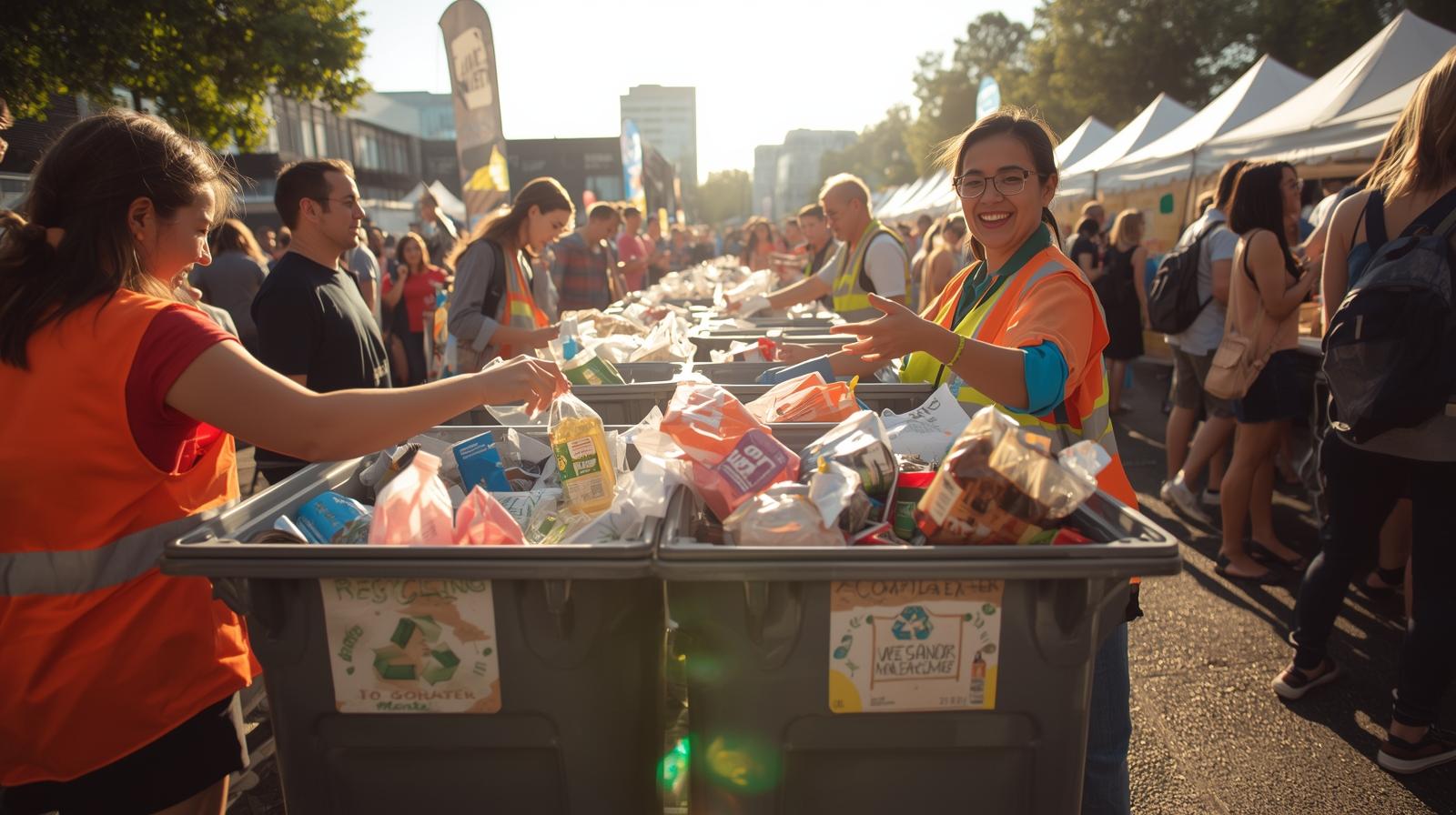
Event Waste Management refers to the systematic approach of handling all waste generated before, during, and after festivals or expos. Think of it like organizing your home before a big family gathering: you need a plan, specific bins, and someone to oversee cleanup.
In Dubai, where events range from international expos to local cultural festivals, waste management becomes crucial due to high population density, urban spaces, and strict municipal regulations. Effective management ensures that recyclable materials, organic waste, and general trash are separated and processed efficiently.
Moreover, understanding this process reduces last-minute stress. It allows event organizers to forecast the volume of waste, plan collection points, and implement eco-friendly disposal methods, ultimately leaving attendees with a positive impression of a clean, well-managed event.
2. Importance of Waste Management at Festivals & Expos
Why is Event Waste Management so important? Imagine walking into a festival and seeing scattered plastic cups, leftover food, and torn banners. Not only does it reflect poorly on organizers, but it can also attract pests and create health hazards.
In Dubai’s hot climate, waste left unattended can quickly emit odors and become a hygiene concern. Effective waste management ensures that festivals in areas like Jumeirah Beach or expos in the Dubai World Trade Centre remain pleasant, safe, and environmentally responsible.
Additionally, proper waste management promotes sustainability. By implementing segregation, recycling, and composting, events contribute to Dubai’s environmental goals and enhance the city’s image as a global, eco-conscious destination.
3. Types of Waste Generated at Events
Event waste is not just garbage, it comes in multiple forms:
- Organic waste: leftover food, flowers, and biodegradable materials.
- Plastic waste: bottles, cutlery, and packaging.
- Paper and cardboard: brochures, banners, and packaging boxes.
- Hazardous materials: batteries, paints, and electronic waste.
Understanding these categories helps in designing proper waste collection strategies. For instance, plastic waste can be recycled, whereas organic waste can be converted into compost, reducing the environmental footprint.
In Dubai, event organizers must consider local conditions, such as high temperatures that accelerate organic waste decomposition. Proper segregation and storage are critical to prevent unpleasant odors and maintain hygiene.
4. Planning Your Event Waste Management
Effective Event Waste Management begins with meticulous planning. First, estimate the amount and type of waste likely to be generated based on expected attendance. This step is like packing for a trip: the more accurate your forecast, the less chaos you’ll face.
Next, designate waste collection points strategically across the venue. Festivals at Zabeel Park or expos in Downtown Dubai require careful placement to avoid congestion while maximizing accessibility. Finally, decide on disposal methods, whether through recycling, composting, or municipal collection.
A well-thought-out plan reduces cleanup costs, prevents fines from Dubai Municipality, and ensures that your event is remembered for its excellence rather than trash piles.
5. Waste Segregation Best Practices
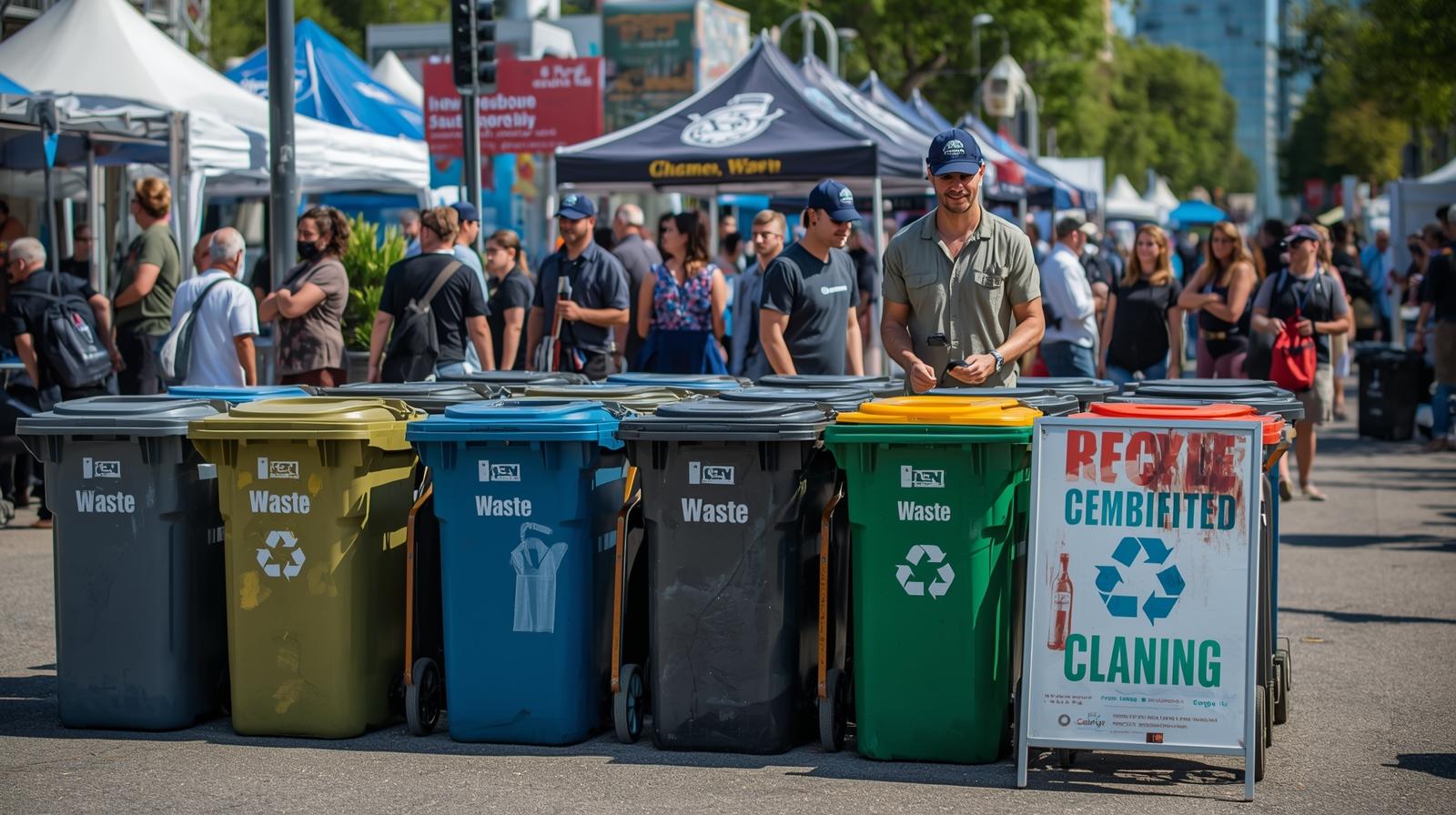
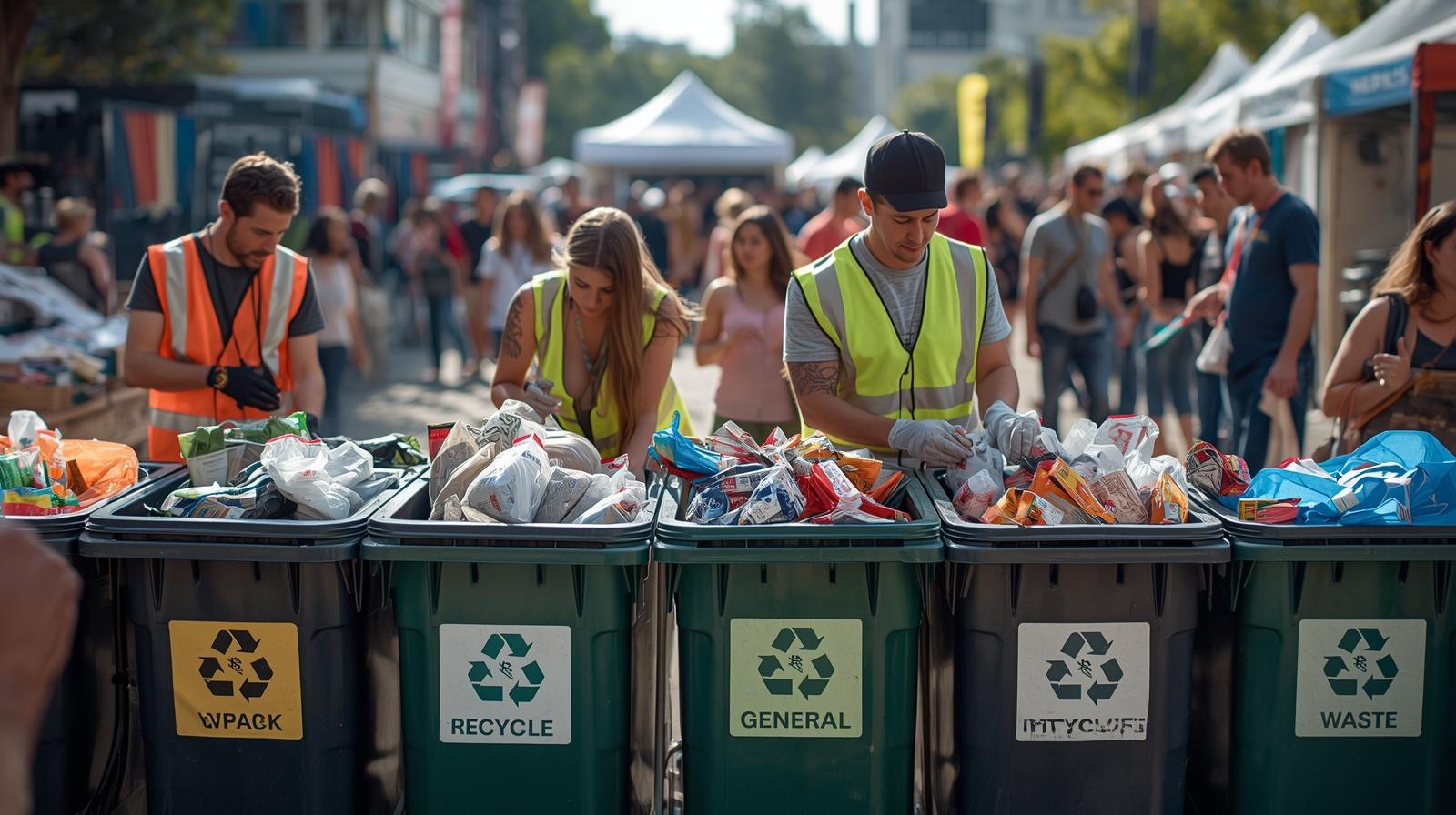
Segregation is the backbone of Event Waste Management. Using separate bins for plastics, organics, paper, and hazardous materials simplifies disposal and enhances recycling rates.
In Dubai, color-coded bins are encouraged: green for organic, blue for recyclables, and red for hazardous waste. Clearly labeled signage helps attendees dispose of waste correctly. Think of it as guiding guests in a buffet line; clarity prevents confusion.
Additionally, assign staff to monitor waste stations during peak hours. This small step prevents contamination between waste types and ensures smoother disposal, especially in crowded locations like Dubai Marina events.
6. Working with Dubai Municipality Guidelines
Dubai Municipality has strict rules for Event Waste Management, including proper segregation, storage, and timely collection. Compliance is non-negotiable; violations can lead to fines or even shutdowns.
Event organizers must obtain approvals for waste management plans, ensure licensed contractors handle disposal, and maintain records of recycling or composting activities. Following these rules demonstrates responsibility and strengthens your reputation.
By integrating local regulations into planning, you avoid last-minute surprises, create a sustainable environment, and set an example for responsible event management across the UAE.
7. High-Rise and Marina Event Logistics
Events in high-rise buildings or waterfront areas like Dubai Marina present unique waste challenges. Limited space, elevator dependency, and strict fire codes require meticulous coordination.
Organizers should schedule frequent waste pickups to prevent bin overflow and use compactors for bulky materials. Temporary storage rooms should comply with ventilation standards to minimize odors.
Coordination with building management and municipal waste contractors ensures smooth disposal without disrupting residents or neighboring businesses, making waste management almost invisible to attendees.
8. Eco-Friendly Disposal Methods
Sustainability is at the heart of modern Event Waste Management. Eco-friendly disposal options include composting organic waste, recycling plastics and metals, and using biodegradable materials instead of single-use plastics.
Events in Dubai can partner with local recycling centers or eco-companies that convert food waste into biofuel. Not only does this reduce landfill burden, but it also positions your event as socially responsible.
Using eco-friendly strategies aligns with Dubai’s vision for a greener city while enhancing attendee satisfaction, proving that cleanliness and sustainability can go hand-in-hand.
9. Recycling Strategies for Events
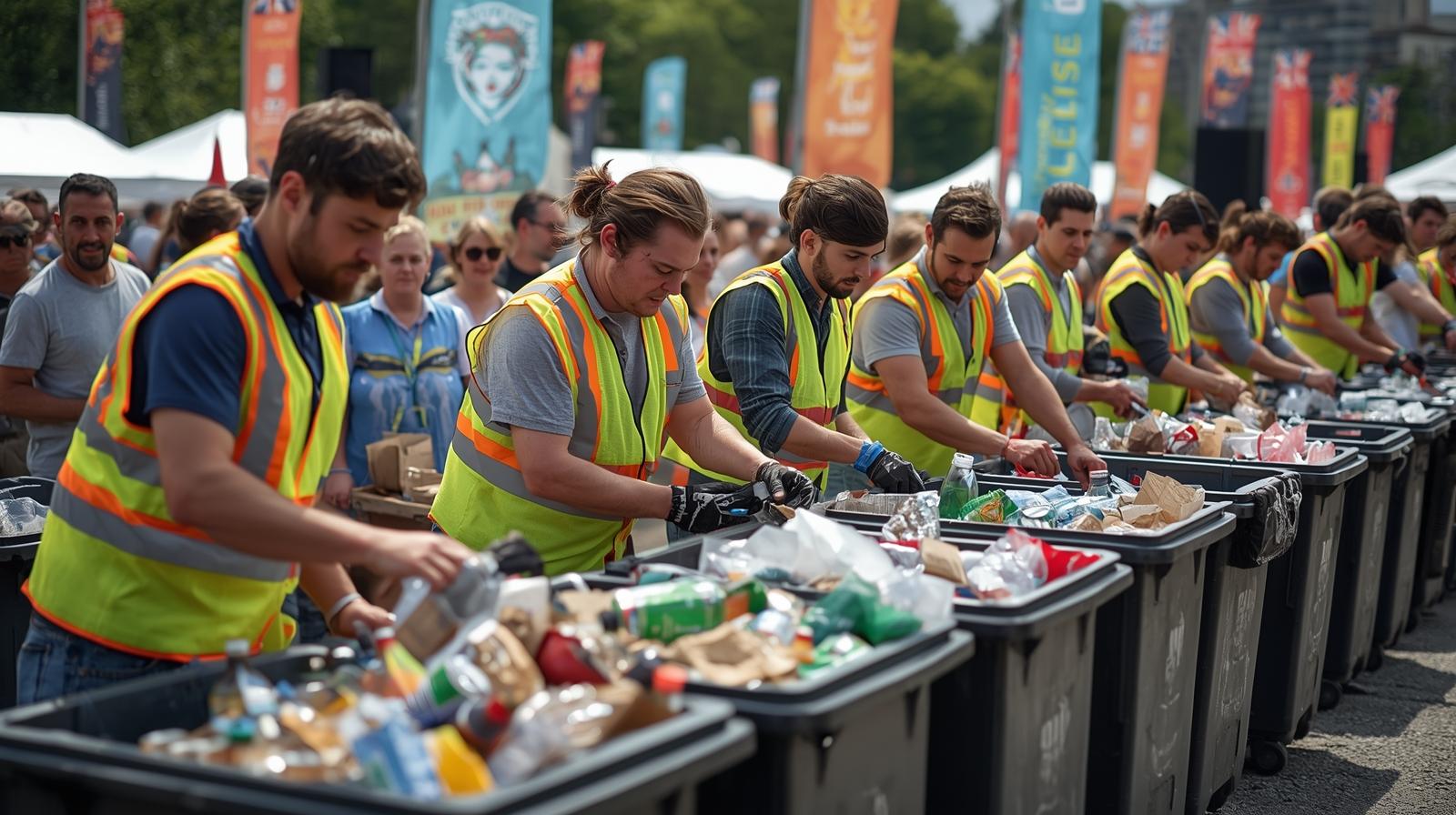
Recycling is more than separating materials; it requires a strategy. Place bins in high-traffic areas, provide clear instructions, and use staff to educate attendees.
For large expos in the Dubai World Trade Centre, consider working with vendors to minimize packaging and ensure that discarded materials are recyclable. Digital displays can guide visitors on proper disposal methods.
With effective recycling strategies, events reduce waste volume, cut disposal costs, and foster a culture of environmental responsibility in the UAE, leaving a lasting positive impression.
10. Cost Considerations in Waste Management
Many event organizers underestimate the costs of Event Waste Management, which can include bin rentals, collection services, labor, and disposal fees. Proper budgeting prevents surprises.
Factors influencing costs include event size, location (open parks vs high-rise venues), duration, and type of waste generated. In Dubai, temperatures can necessitate more frequent pickups, slightly increasing expenses.
Despite these costs, investing in proper waste management pays off through improved attendee satisfaction, brand reputation, and compliance with Dubai Municipality regulations.
11. Hiring Professional Waste Management Services
For large events, hiring professionals simplifies Event Waste Management. Licensed companies provide bins, collection schedules, transportation, and eco-friendly disposal.
Dubai hosts many international festivals, and experienced contractors know how to navigate municipal rules and high-density areas. They can also offer real-time monitoring and reporting for efficient operations.
Outsourcing allows event organizers to focus on other priorities while ensuring waste is managed responsibly, cleanly, and cost-effectively.
12. Temporary Waste Storage Solutions
Temporary storage is crucial when immediate disposal isn’t feasible. For expos with large booths or festivals spanning several days, secure storage areas prevent overflow and odor issues.
Storage options include covered skips, mobile compactors, and refrigerated containers for food waste. Choosing locations accessible to collection trucks reduces transport time.
Proper storage ensures compliance with health and safety regulations, prevents littering, and keeps your Dubai-based event looking pristine.
13. Managing Food Waste at Festivals
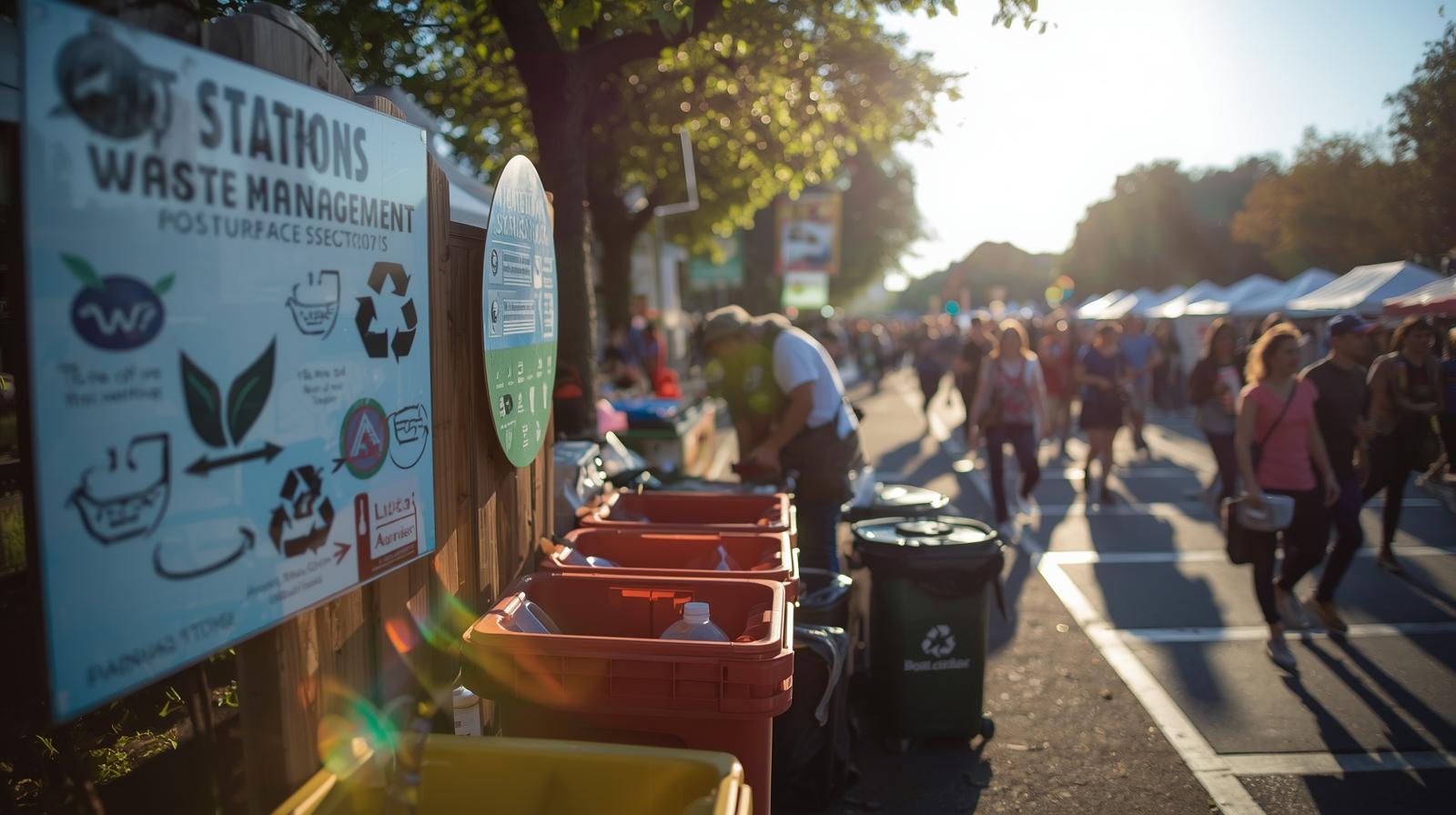
Food waste is one of the largest components of festival waste. Leftovers, spills, and packaging can overwhelm standard bins if not managed properly.
Organizers should implement composting programs, provide adequate organic waste bins, and educate vendors on minimizing excess production. Partnerships with local charities for leftover edible food can further reduce waste.
By managing food waste responsibly, festivals in Dubai Parks & Resorts or Zabeel Park become sustainable events that reflect well on organizers and contribute positively to the local community.
14. Handling Hazardous Waste at Expos
Expos often involve hazardous materials like batteries, paints, and electronic components. Improper disposal poses health risks and violates Dubai Municipality laws.
Designate secure bins for hazardous waste, ensure labeling compliance, and contract licensed disposal services. Staff should be trained to identify and handle these materials safely.
Proper hazardous waste management safeguards attendees, staff, and the environment while maintaining a professional, responsible event image.
15. Smart Bins and Digital Monitoring
Modern events in Dubai are adopting technology for waste management. Smart bins equipped with sensors track fill levels, optimizing collection routes and schedules.
Digital monitoring systems provide real-time data to organizers, reducing overflow and ensuring timely disposal. These tools are particularly useful in large-scale festivals or expos where waste volume fluctuates.
By integrating technology, event waste management becomes proactive rather than reactive, improving efficiency and attendee satisfaction.
16. Training Staff for Waste Management
Staff training is essential for effective Event Waste Management. Employees should know bin locations, waste categories, and procedures for hazardous materials.
Regular briefings and checklists ensure smooth operations, especially in high-traffic areas like Dubai Marina events. Empowered staff can guide attendees, prevent contamination, and manage emergencies.
Well-trained personnel are like conductors in a symphony, ensuring that all parts of the waste management plan work harmoniously to create a clean, successful event.
17. Benefits of Effective Waste Management
Effective waste management offers multiple benefits:
- Enhanced attendee experience: clean, organized spaces.
- Cost savings: reduced fines, efficient disposal, and recycling revenue.
- Environmental impact: reduced landfill waste and pollution.
For Dubai events, these benefits extend to compliance with municipality regulations, positive media coverage, and improved community perception.
Well-managed waste is not just a behind-the-scenes task it is a vital part of event branding and sustainability strategy.
18. Challenges in Dubai’s Event Waste Management
Event organizers face unique challenges in Dubai: extreme heat accelerates decomposition, high-rise venues limit storage, and crowded locations require precise coordination.
Cultural festivals may generate unusual waste types, while international expos attract large crowds, creating logistical hurdles. Municipal compliance, language diversity among staff, and vendor coordination add complexity.
Addressing these challenges requires careful planning, local knowledge, and professional support, ensuring smooth, eco-friendly, and compliant events.
19. Conclusion
Event Waste Management is an essential part of festival and expo planning in Dubai. By understanding types of waste, complying with municipality rules, implementing eco-friendly solutions, and training staff, organizers can create successful, sustainable events.
From Dubai Marina to Jumeirah, proper waste management enhances attendee experience, reduces costs, and reflects positively on your brand. Think of it as giving your event the gift of a clean, organized, and professional image.
Investing in waste management today ensures your events remain memorable for the right reasons.
FAQs
Q1: What is Event Waste Management?
A1: Event Waste Management involves planning, collecting, segregating, and disposing of waste generated during festivals or expos. It includes organic, plastic, paper, and hazardous waste while adhering to local regulations.
Q2: Why is waste management important for Dubai events?
A2: Dubai has strict municipal rules, high temperatures, and densely populated areas. Proper waste management ensures safety, compliance, hygiene, and sustainability.
Q3: How can I make my event eco-friendly?
A3: Use recycling programs, compost organic waste, replace single-use plastics with biodegradable alternatives, and educate attendees and vendors about proper disposal.
Q4: What are the costs involved in Event Waste Management?
A4: Costs vary based on event size, location, duration, waste type, and disposal method. Expenses include bin rentals, collection services, staff, and eco-friendly processing.
Q5: Can technology help in managing event waste?
A5: Yes, smart bins with sensors and digital monitoring optimize collection schedules, prevent overflow, and provide real-time data for efficient waste management.
Trusted Junk Removal Services in Dubai for Homes & Businesses In Dubai?
Address: Office No.101, 10th Floor, Al-Shafar Tower, Business Bay, Dubai.
Google Map Location
Read More: Take My Junk Office: Expert Office Decluttering & Recycling Guide