Hospital Waste Disposal: Non-Medical Junk
Hospital Waste Disposal: Non-Medical Junk in Dubai
Introduction
Have you ever walked into a hospital storage room and thought, “How did all this stuff pile up so fast?” Broken furniture, outdated equipment, cardboard boxes, and general clutter can quietly take over valuable space. In a fast-moving city like Dubai, space is gold. Hospital Waste Disposal becomes essential not only for hygiene but also for efficiency, safety, and compliance.
Whether you manage a clinic in Jumeirah, a private hospital in Dubai Marina, or a medical facility in Business Bay, non-medical junk can slow you down. Think of waste like sand in a machine small particles that eventually stop everything from running smoothly. This guide walks you through how non-medical hospital waste is handled in Dubai, why it matters, and how you can manage it responsibly without stress.
1. Understanding Hospital Waste Disposal
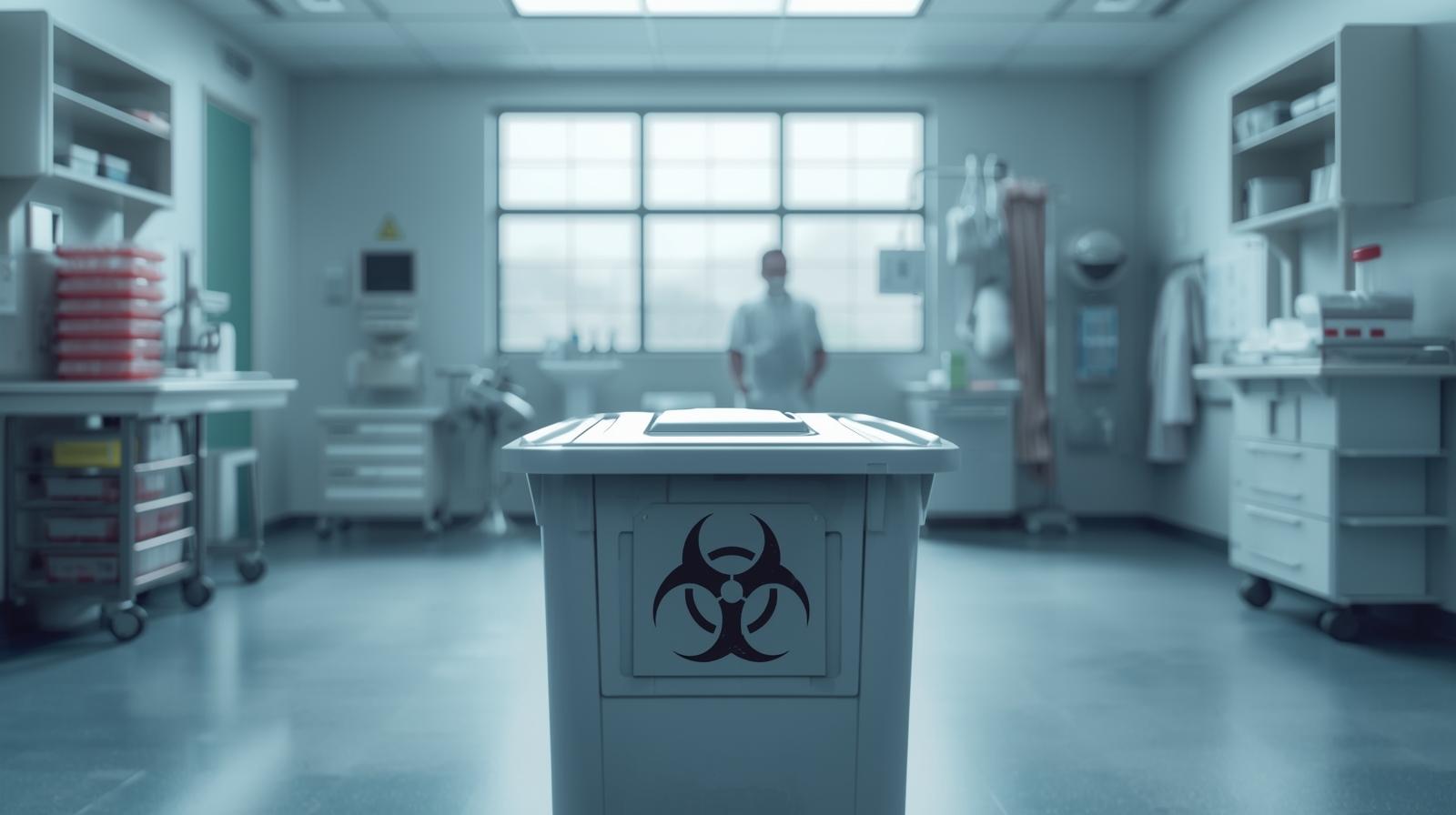
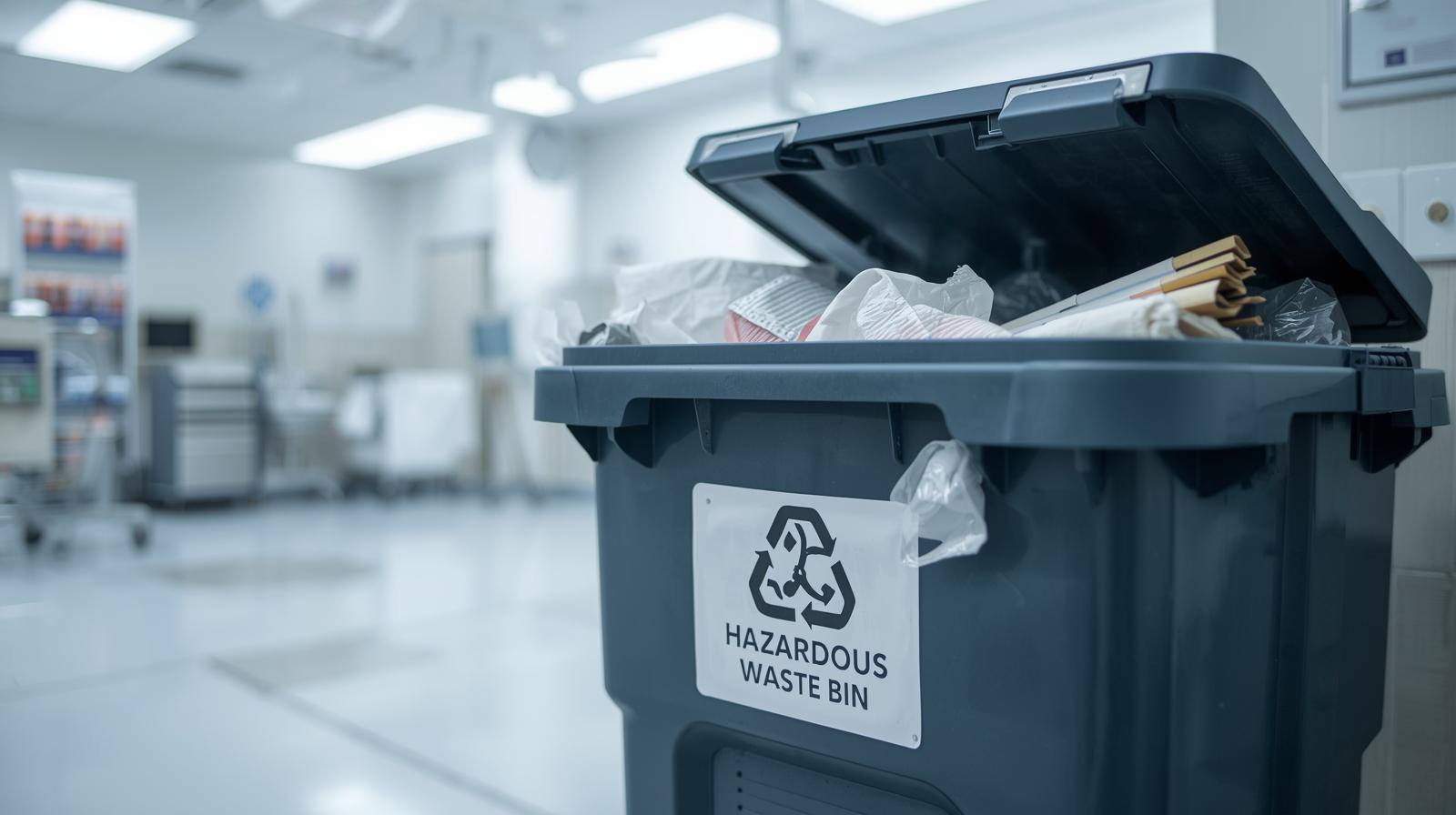
Hospitals generate far more than medical waste alone. Items like old chairs, filing cabinets, packaging materials, broken trolleys, and outdated electronics fall into the category of non-medical waste. Hospital Waste Disposal in Dubai ensures these materials are handled safely so facilities remain functional, compliant, and clutter-free. In busy healthcare environments, this type of waste can quietly pile up if not managed properly.
Unlike infectious waste, non-medical junk does not require incineration, but that does not mean it can be discarded casually. Dubai Municipality enforces strict guidelines to prevent environmental harm and safety risks. Hospitals must segregate waste at the source and follow approved disposal routes.
When handled correctly, proper disposal frees up valuable space, improves internal workflow, and supports inspections. It also reassures patients and visitors that your facility values cleanliness and professionalism.
2. Types of Non-Medical Hospital Junk
Non-medical hospital waste includes materials that pose no biological threat but still require organized disposal. These items accumulate rapidly in hospitals, clinics, and diagnostic centers across Dubai, especially in high-traffic locations like Jumeirah or Al Barsha.
Common examples include broken furniture, office equipment, old mattresses, cardboard boxes, plastic wrapping, and outdated IT hardware. Renovation projects often add construction debris, particularly in growing areas such as Dubai Hills or Business Bay, where healthcare facilities frequently upgrade interiors.
Because these waste items vary in size and material, they cannot be treated the same way. Sorting them properly allows for recycling, reduces disposal costs, and improves efficiency. A structured approach makes non-medical waste management far more manageable.
3. Why Non-Medical Waste Needs Attention
Ignoring non-medical waste is like pushing clutter into a corner it eventually takes over. Overflowing storage rooms increase fire hazards, block emergency exits, and make daily operations harder for staff. In healthcare settings, even small disruptions can have serious consequences.
In Dubai’s highly regulated environment, poor waste handling can result in fines or warnings from Dubai Municipality. Hospital Waste Disposal helps facilities stay compliant while maintaining a safe and organized environment for patients, visitors, and employees.
Clutter also impacts morale. Clean, well-managed spaces reduce stress and improve productivity. When staff can move freely and work efficiently, patient care improves. Paying attention to non-medical waste directly supports better healthcare outcomes.
4. Dubai Municipality Rules Explained
Dubai Municipality has established clear rules for managing hospital waste, including non-medical junk. Hospitals must segregate medical and non-medical waste at the point of generation to avoid contamination and compliance issues.
Non-medical waste must be stored in designated areas, clearly labeled, and collected only by licensed waste contractors. Dumping waste in public bins or unauthorized locations is strictly prohibited and can result in penalties.
Facilities located in congested areas like Deira or Downtown Dubai face additional logistical challenges due to access restrictions. Understanding and following local regulations helps hospitals avoid delays, fines, and operational disruptions while ensuring smooth waste removal.
5. Hospital Waste Disposal Process in Dubai
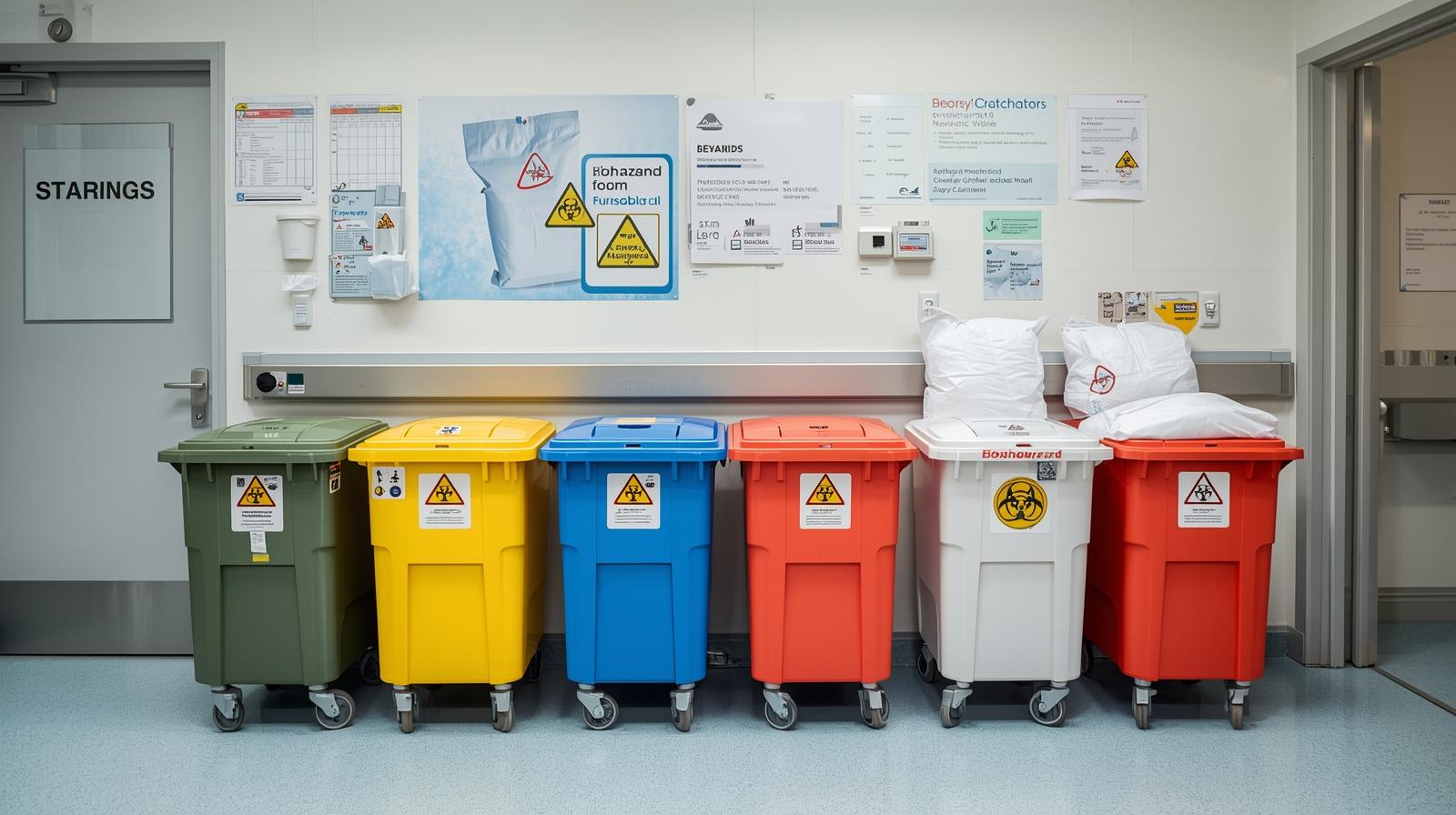
The Hospital Waste Disposal process in Dubai begins with identifying the type of waste. Staff must correctly classify non-medical junk before moving it to storage areas, ensuring it does not mix with medical waste.
The second step involves secure storage. Waste should be kept away from patient zones and protected from Dubai’s intense heat, which can cause odors or material degradation. Proper containment also prevents pests and safety hazards.
Finally, licensed waste contractors collect and transport the waste to approved disposal or recycling facilities. Each stage is documented to maintain traceability. This structured process ensures compliance, accountability, and peace of mind for hospital management.
6. Storage Challenges in High-Rise Buildings
Many hospitals and clinics in Dubai operate inside high-rise towers, especially in areas like Dubai Marina or Sheikh Zayed Road. Limited loading bays, shared elevators, and restricted access times make waste handling more complex.
Timing plays a major role. Waste collection is often scheduled during off-peak hours to avoid disrupting other tenants or patient flow. Poor coordination can lead to delays and clutter buildup.
Smart storage solutions help overcome these challenges. Using compactors, labeled bins, and scheduled removal keeps waste under control. With proper planning, even high-rise facilities can manage non-medical waste efficiently.
7. Collection & Transportation Logistics
Waste collection in Dubai requires careful planning due to traffic patterns and regulatory requirements. Licensed vehicles used for Hospital Waste Disposal must meet safety and environmental standards set by authorities.
Routes are planned strategically, especially in busy areas such as Sheikh Zayed Road, Marina Walk, or Downtown Dubai. Poor route planning can cause delays and increase operational costs.
Efficient transportation ensures waste is removed on time, preventing overflow and hygiene issues. Reliable logistics also reduce fuel usage and environmental impact. For hospitals, this means smoother operations and fewer disruptions.
8. Cost Factors for Waste Disposal
The cost of hospital waste disposal depends on several factors. These include the volume of waste generated, pickup frequency, and the type of non-medical materials being discarded.
Location also affects pricing. Facilities located farther from disposal or recycling centers may incur higher transportation costs. High-rise buildings may require additional handling fees due to access limitations.
However, proper waste segregation can significantly reduce expenses. Separating recyclable materials lowers disposal volumes and opens opportunities for cost savings. Smart planning helps hospitals manage budgets without compromising compliance.
9. Eco-Friendly Disposal Practices
Dubai places strong emphasis on sustainability, and hospitals are encouraged to follow eco-friendly disposal practices. Reducing landfill waste is a key priority for the emirate.
Recycling materials such as paper, plastic, and metal helps conserve resources. Some hospitals also donate usable furniture or equipment instead of discarding it, supporting local charities.
Eco-friendly Hospital Waste Disposal benefits more than the environment. It enhances your facility’s reputation, supports UAE sustainability goals, and appeals to environmentally conscious patients and partners.
10. Recycling Opportunities for Hospitals
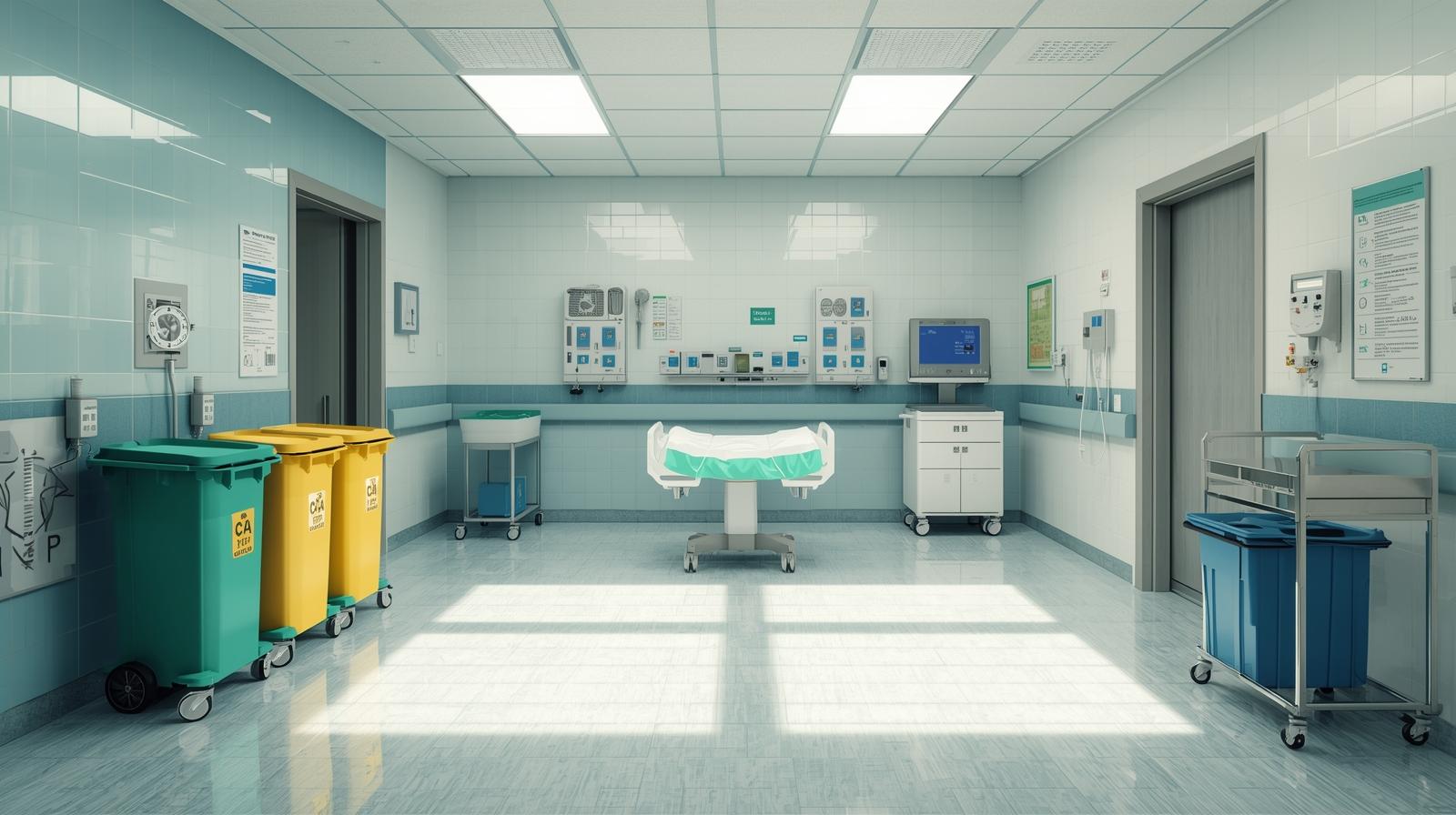
Recycling is one of the most effective ways hospitals can manage non-medical waste responsibly. Cardboard packaging, office paper, and plastic containers are easy materials to recycle.
Electronic waste, including computers and monitors, should be sent to specialized recycling facilities. This prevents hazardous materials from entering landfills and protects the environment.
By partnering with licensed recycling contractors in Dubai, hospitals can reduce disposal costs while improving sustainability. Recycling programs also demonstrate corporate responsibility and align healthcare facilities with modern environmental standards.
11. Risks of Improper Waste Handling: Hospital Waste Disposal
Improper waste handling in hospitals can quickly escalate into serious problems. What starts as a few discarded items can turn into blocked corridors, overcrowded storage rooms, and unsafe working conditions. In healthcare facilities, these risks affect not only staff but also patients and visitors.
In Dubai, improper disposal may lead to fines, warnings, or even temporary operational restrictions. Unsecured non-medical waste attracts pests, especially during the city’s intense summer heat. Blocked emergency exits also increase fire hazards, which is a major compliance concern.
Following Hospital Waste Disposal protocols helps eliminate these risks. Proper handling protects your facility’s reputation, ensures safety, and keeps inspections stress-free and predictable.
12. Choosing Licensed Waste Contractors: Hospital Waste Disposal
Selecting the right waste contractor is a critical decision for any healthcare facility. Dubai Municipality requires hospitals to work only with licensed and approved waste management companies to ensure legal compliance.
Before signing a contract, review the contractor’s experience in hospital waste handling. Check their fleet size, safety certifications, and documentation processes. A professional contractor should provide tracking records and compliance reports without hesitation.
Reliable partners make Hospital Waste Disposal simple and predictable. They reduce administrative burden, support audits, and offer peace of mind. Choosing the right contractor is not just about price it’s about long-term reliability and compliance.
13. Scheduling & Frequency Planning: Hospital Waste Disposal
Effective waste management depends heavily on proper scheduling. Hospitals with high patient turnover generate more waste and need frequent collection to prevent overflow and hygiene issues.
Large hospitals often require daily pickups, while smaller clinics can manage with weekly or bi-weekly services. The key is matching collection frequency to actual waste volume rather than guessing.
Consistent scheduling ensures smooth Hospital Waste Disposal, prevents clutter, and maintains clean storage areas. A well-planned schedule also helps control costs and avoids last-minute emergency pickups that disrupt daily operations.
14. Hospital Waste Disposal for Clinics
Clinics may generate less waste than hospitals, but they still need structured disposal systems. Even small amounts of non-medical junk can become a problem if ignored.
Many clinics in Dubai operate in shared commercial buildings. This requires coordination with property management for waste movement, storage access, and pickup timing. Poor coordination can cause delays and compliance issues.
Tailored Hospital Waste Disposal plans help clinics remain compliant without overspending. By choosing the right frequency and contractor, clinics can manage waste efficiently while focusing on patient care.
15. Staff Awareness & Waste Segregation
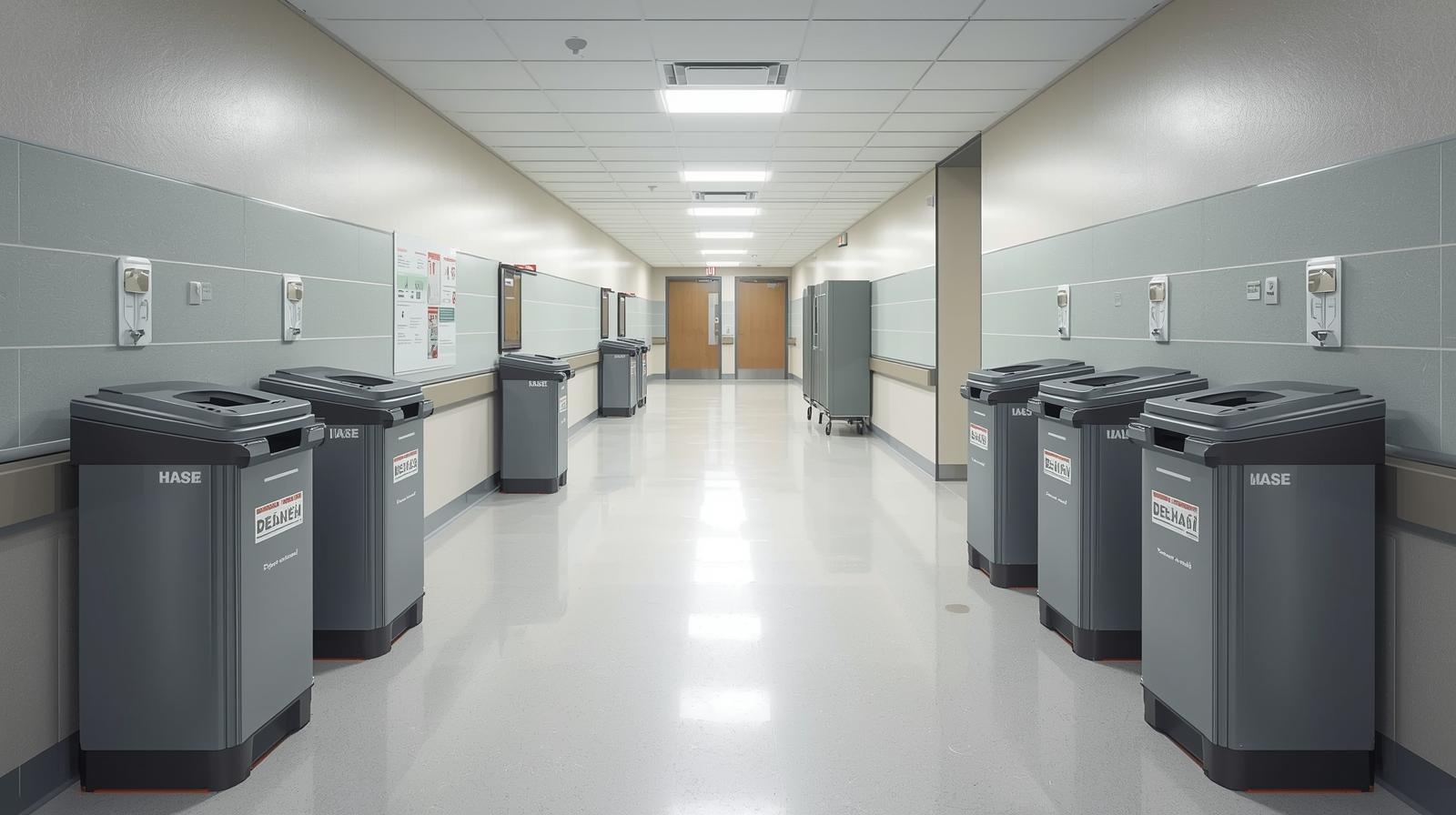
Staff awareness plays a major role in effective waste management. Without proper training, even the best systems can fail. Clear instructions help staff identify and separate non-medical waste correctly.
Using labeled bins, signage, and short training sessions ensures compliance across departments. Regular refreshers help new and existing staff stay aligned with disposal protocols.
When everyone understands their role, Hospital Waste Disposal becomes second nature. This teamwork reduces errors, improves cleanliness, and keeps facilities inspection-ready at all times.
16. Seasonal Challenges & Climate Impact
Dubai’s climate presents unique challenges for waste management. Extreme heat accelerates waste breakdown, leading to odors, pests, and hygiene risks if disposal is delayed.
During summer months, hospitals must increase collection frequency and improve storage ventilation. Covered and temperature-resistant storage areas help minimize heat-related issues.
Seasonal planning ensures Hospital Waste Disposal remains consistent throughout the year. By adjusting schedules and precautions based on climate conditions, facilities maintain cleanliness regardless of weather extremes.
17. Benefits for Business Owners: Hospital Waste Disposal
Efficient waste disposal offers clear benefits for hospital owners and administrators. Clean, organized facilities operate more smoothly and create a positive impression for patients and partners.
Proper Hospital Waste Disposal improves workflow, reduces staff stress, and enhances patient trust. Clean environments often result in better reviews and repeat visits, especially in competitive healthcare markets like Dubai.
In the long term, good waste management reduces compliance risks and unexpected costs. It’s an investment that protects both reputation and operational efficiency.
18. Common Mistakes to Avoid: Hospital Waste Disposal
One of the most common mistakes is mixing medical and non-medical waste. This increases disposal costs and creates compliance issues during inspections.
Delaying pickups is another frequent problem. Accumulated waste leads to clutter, safety risks, and unpleasant odors, especially in enclosed storage areas.
Using unlicensed contractors is a serious error that can result in fines or legal trouble. Avoiding these mistakes ensures Hospital Waste Disposal remains smooth, safe, and compliant.
19. Future of Waste Management in Dubai
Dubai continues to invest heavily in smart waste management solutions. Automation, digital tracking, and AI-based sorting systems are becoming more common across the city.
Hospitals are beginning to adopt data-driven waste monitoring to improve efficiency and reduce costs. These technologies enhance transparency and compliance.
Facilities that embrace modern Hospital Waste Disposal practices early gain a competitive edge. Staying ahead of these trends positions hospitals as forward-thinking, sustainable, and operationally strong.
20. Conclusion
Managing non-medical junk doesn’t have to be overwhelming. With proper planning, licensed partners, and staff awareness, Hospital Waste Disposal becomes a smooth, efficient process. In a city that values cleanliness and innovation, responsible waste management isn’t optional; it’s essential.
FAQs
Q1: What is considered non-medical hospital waste?
Non-medical waste includes furniture, packaging, office supplies, and general junk that doesn’t pose biological risks.
Q2: Is hospital waste disposal regulated in Dubai?
Yes, Dubai Municipality enforces strict rules for segregation, storage, and disposal.
Q3: Can hospitals recycle non-medical waste?
Absolutely. Paper, cardboard, metals, and electronics can all be recycled through approved channels.
Q4: How often should hospitals schedule waste pickups?
This depends on size and activity level, ranging from daily to weekly collections.
Q5: What happens if waste is disposed improperly?
Improper disposal can result in fines, safety hazards, and reputational damage.
Trusted Junk Removal Services in Dubai for Homes & Businesses In Dubai?
Address: Office No.101, 10th Floor, Al-Shafar Tower, Business Bay, Dubai.
Google Map Location
Read More: Junk Collection Dubai | Sustainable Junk Removal Guide