
Large Plant Disposal: Pots and Soil
Large Plant Disposal: Pots and Soil in Dubai
Introduction
You finally decided to clear your balcony, office lobby, or villa garden, and there it is. A huge plant, dry soil spilling everywhere, and a pot too heavy to lift. Sound familiar? Whether you’re moving apartments in Dubai Marina, renovating a Jumeirah villa, or managing a business space, getting rid of large plants can feel like trying to park a truck in a compact spot.
In Dubai, space is premium, cleanliness is expected, and rules matter. Leaving pots near dumpsters or dumping soil improperly isn’t just inconvenient; it can lead to fines. Think of proper disposal like decluttering your mind: once it’s done right, everything feels lighter and more organized.
This guide walks you through safe, legal, and eco-friendly ways to handle plant pots and soil without stress.
1. Understanding Large Plant Disposal in Dubai
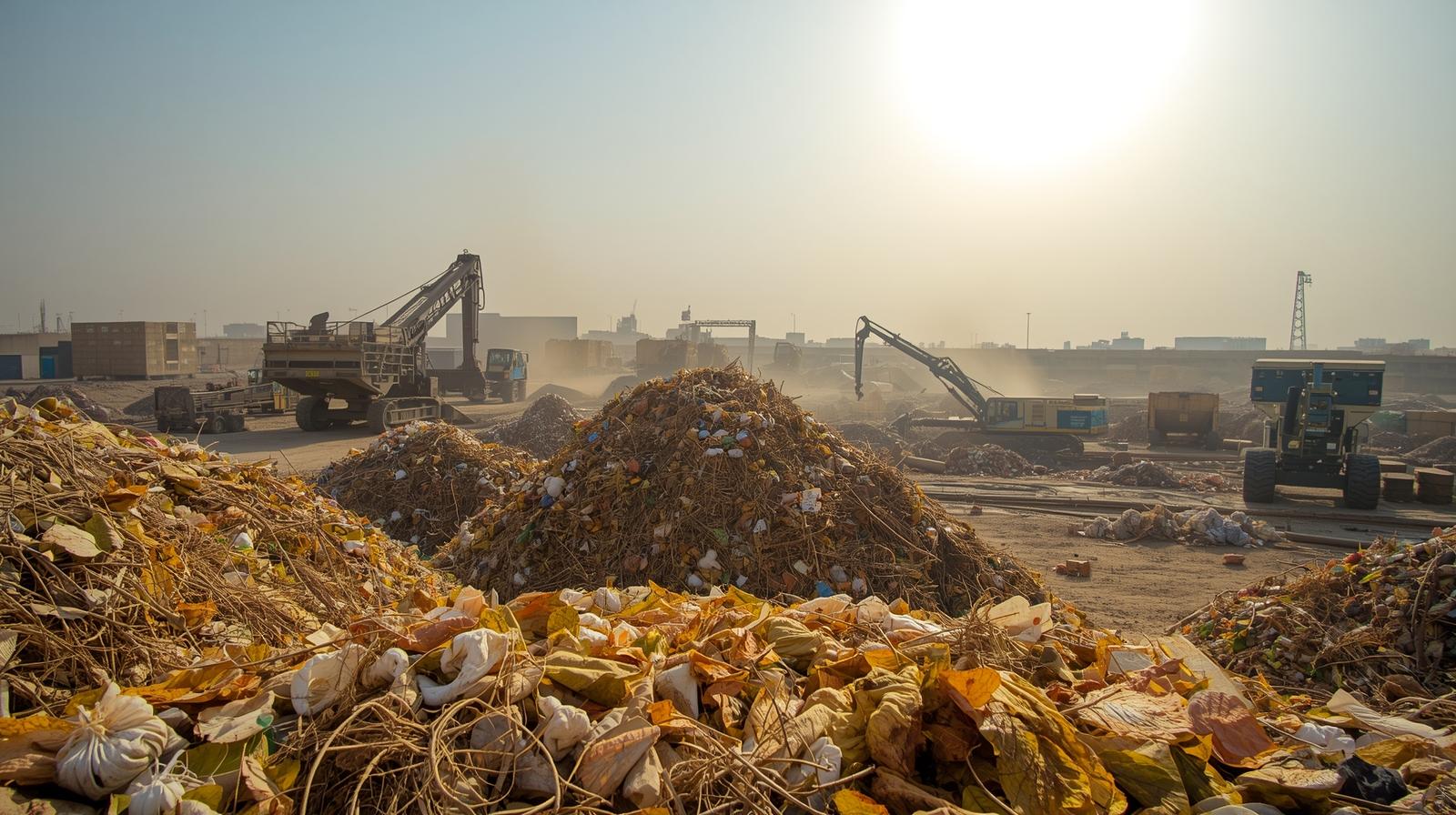
Large plants are very different from everyday household waste. In Dubai, oversized plant pots, hardened soil, and thick root systems are categorized as bulk or green waste, which means they need special handling and approved disposal methods. You can’t simply place them next to your regular trash bin and hope for the best.
One of the biggest challenges is size and weight. A single ceramic or concrete pot can easily weigh more than a packed suitcase. Once the soil hardens under Dubai’s heat, it becomes even heavier. What looks like a simple gardening task quickly turns into a logistical issue.
Dubai’s urban layout adds another layer of complexity. High-rise towers in Business Bay or tight villa streets in Al Barsha often require planning, permissions, and proper equipment. On top of that, Dubai Municipality promotes sustainable waste practices, making responsible disposal not just smart but necessary.
2. Why Large Plant Disposal Matters for Residents
You might think, “Can’t I just leave it near the bin?” In Dubai, that’s rarely a good idea. Improper disposal of large plants can block shared waste areas and create inconvenience for neighbors, especially in managed communities.
In areas like JBR, Downtown Dubai, or Dubai Hills, cleanliness standards are strictly enforced. Leaving soil or bulky pots outside designated areas can lead to complaints from building management or even fines. It also attracts pests, which no resident wants to deal with.
Beyond rules, proper disposal improves your living space. A cluttered balcony or neglected garden limits how you enjoy your home. Removing unused plants creates room physically and mentally for better design, relaxation, and peace of mind, without future maintenance headaches.
3. Common Challenges with Pots and Soil
Disposing of large plants isn’t just about getting rid of them, it’s about handling real challenges safely and efficiently. One major issue is weight. Wet or compacted soil can be extremely heavy, making lifting risky without proper tools or assistance.
Another challenge is access, especially in high-rise buildings. Elevators often have size limits, and many buildings only allow bulky item movement during specific service hours. This makes spontaneous disposal nearly impossible.
Then there’s confusion about soil disposal. Soil cannot be mixed with regular waste, and illegal dumping can result in penalties. Add busy work schedules and Dubai traffic into the mix, and arranging proper disposal can feel overwhelming without professional guidance.
4. Dubai Municipality Rules You Must Know
Dubai Municipality has clear rules regarding waste disposal, including green and bulky waste like large plants, soil, and pots. These materials are treated separately from household trash and must be handled responsibly.
Dumping soil in public bins, empty plots, or drainage areas is strictly prohibited. In areas such as Deira, Karama, and Satwa, inspections are frequent, and violations can lead to fines or warnings from authorities.
For businesses, the rules are even stricter. Commercial properties must use licensed waste disposal providers and maintain proper records. Understanding these regulations upfront helps residents and business owners avoid unnecessary stress, penalties, and delays.
5. Large Plant Disposal for Apartments & High-Rises
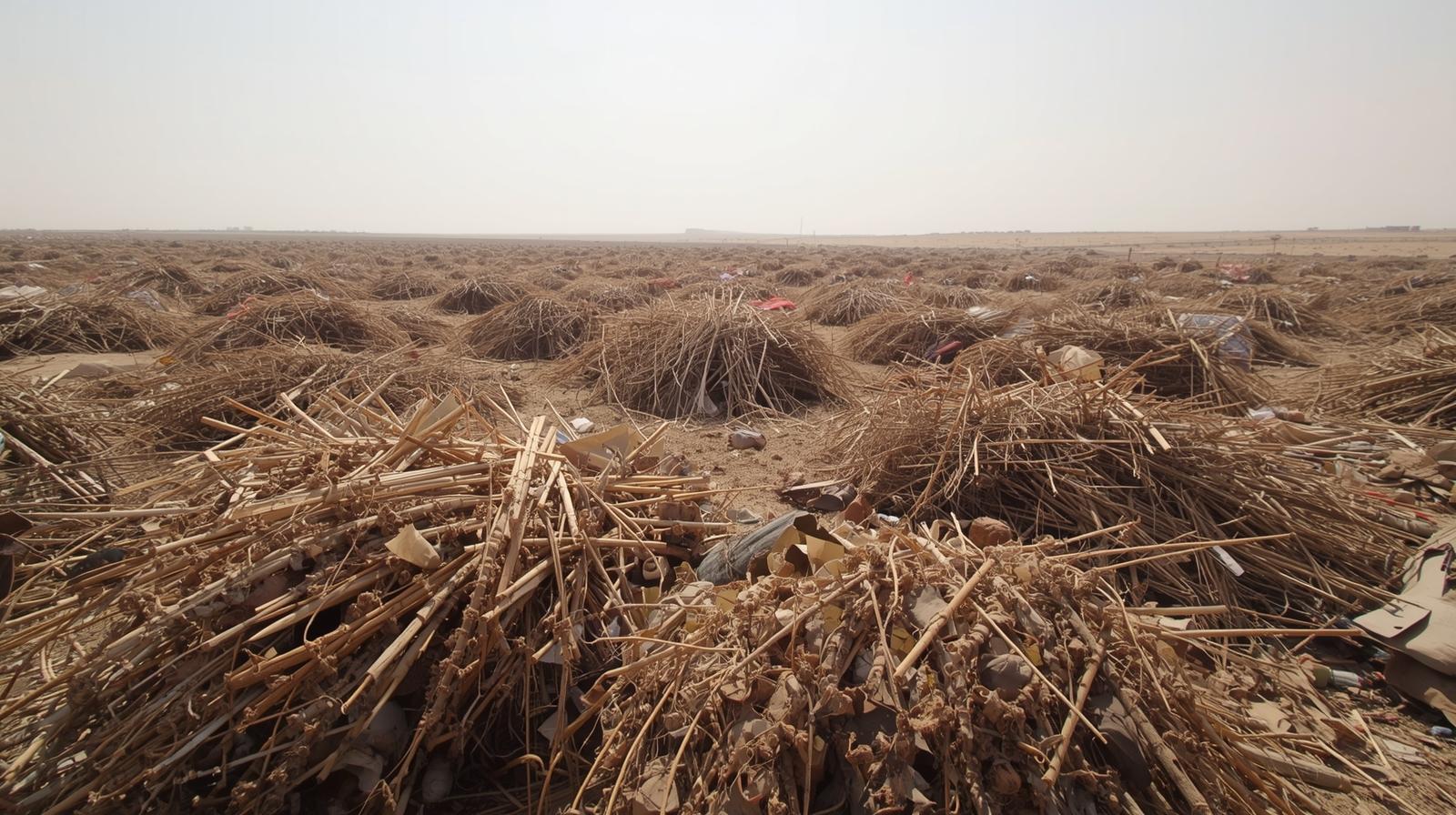
Living in an apartment tower comes with its own set of challenges when disposing of large plants. Space is limited, and every movement needs coordination. Most buildings require advance notice before moving bulky items.
Service elevators are usually the only option, and they often operate during restricted hours. Missing these time slots can delay disposal by days. Building management approvals are also common, especially in premium towers.
Another concern is protecting shared spaces. Soil spills can stain marble floors or carpets, leading to cleaning charges. In busy areas like Dubai Marina or Business Bay, vehicle access must be carefully coordinated. Planning ahead ensures smooth, hassle-free disposal without complaints.
6. Large Plant Disposal for Villas & Gardens
Villas may offer more space, but they also involve larger volumes of plant waste. Garden plants often have deep root systems and large amounts of soil that require proper tools for safe removal.
In communities like Arabian Ranches, The Springs, or Jumeirah, homeowners’ associations often have specific rules. Leaving plant waste outside your gate without approval may not be allowed and can attract penalties.
Proper disposal keeps your garden clean and pest-free. It also prepares your outdoor area for new landscaping or renovation plans. Handling large plants responsibly protects your property’s appearance and avoids unnecessary disputes with community management.
7. Commercial Large Plant Disposal for Businesses
Many offices, hotels, and retail spaces in Dubai use large decorative plants to enhance their interiors. When layouts change or plants deteriorate, disposal becomes a commercial responsibility.
Businesses must ensure removal is discreet and does not disrupt daily operations. Disposal is often scheduled after working hours to avoid inconvenience to customers or employees.
Compliance with Dubai Municipality regulations is essential. Using licensed disposal services protects your business from fines and maintains a professional image. A clean, organized space reflects positively on your brand and shows attention to detail.
8. Large Plant Disposal Process
Understanding the disposal process makes planning much easier. The first step is assessing the plant’s size, pot material, and soil condition. This helps determine the tools and manpower required.
Next, reusable elements are separated. Healthy plants may be donated, while pots made of plastic or ceramic can often be recycled or reused.
Finally, soil is securely packed to prevent spills during transport. Disposal is completed through approved channels or licensed professionals. Following this process ensures compliance, cleanliness, and peace of mind from start to finish.
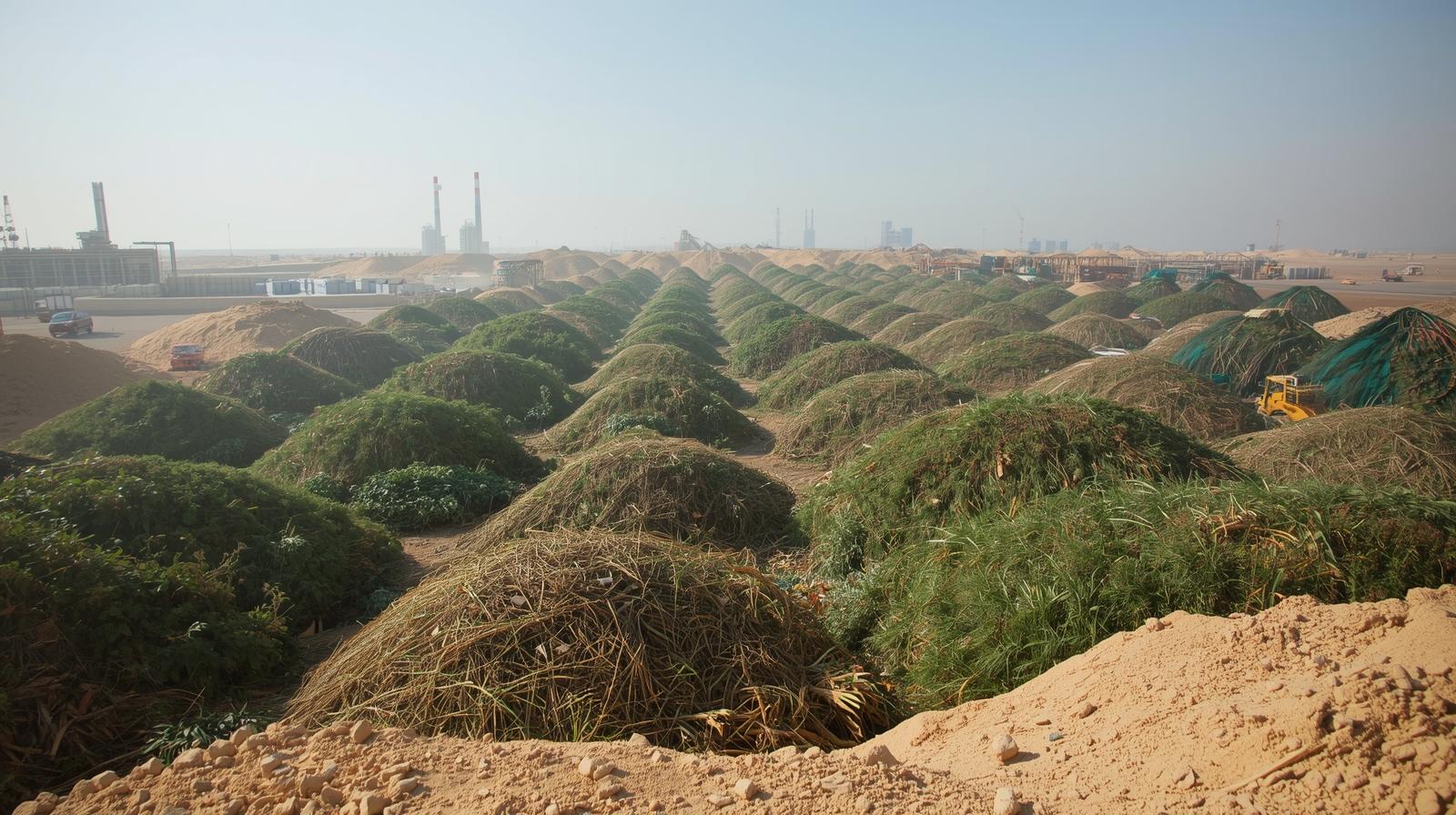
9. Eco-Friendly Large Plant Disposal Options
Dubai is actively promoting sustainability, and plant disposal is no exception. Many disposal options now focus on reducing landfill waste and encouraging reuse.
Soil that is free from pests or chemicals can be reused for landscaping projects or donated to nurseries. Healthy plants may also find new homes instead of being discarded.
Plastic and ceramic pots are recyclable when properly cleaned. Choosing eco-friendly disposal methods supports Dubai’s green initiatives and helps you contribute to a cleaner, more sustainable city.
10. Recycling Pots and Reusing Soil
Recycling begins with proper separation. Plastic pots can be sent to designated recycling facilities across Dubai once cleaned of soil residue.
Ceramic or clay pots may be reused creatively for decor, drainage layers, or small garden projects. Even broken pieces can serve practical purposes.
Soil, when uncontaminated, is valuable. It can enrich garden beds or support community green spaces. Taking small steps like recycling pots and reusing soil reduces environmental impact and promotes responsible waste management.
11. Cost Factors for Large Plant Disposal
The cost of large plant disposal in Dubai depends on several practical factors. One of the biggest is size and weight. Larger pots, especially ceramic or concrete ones, require more manpower and special handling equipment, which increases labor costs.
Access also plays a major role. Disposal from high-rise apartments takes longer due to service elevator scheduling, building permissions, and longer carrying distances. This extra time often reflects in the final price.
Location matters as well. Central areas like Downtown Dubai, Marina, or Business Bay may cost slightly more due to limited parking and traffic restrictions. While professional services may seem expensive upfront, they often prevent property damage, fines, and personal injury saving money in the long run.
12. DIY vs Professional Large Plant Disposal
DIY disposal may look cheaper at first, but it comes with hidden risks. Without proper tools or experience, lifting heavy pots can strain your back or cause serious injuries. Soil spills can also stain floors, damage elevators, or clog drains.
Another issue with DIY disposal is compliance. Many residents are unaware of Dubai Municipality rules, which can result in improper dumping and fines. Transporting soil and pots without approval is risky.
Professional disposal services bring trained staff, proper equipment, and knowledge of local regulations. They handle logistics smoothly, protect your property, and ensure waste is disposed of legally. In most cases, professionals offer better value and peace of mind.
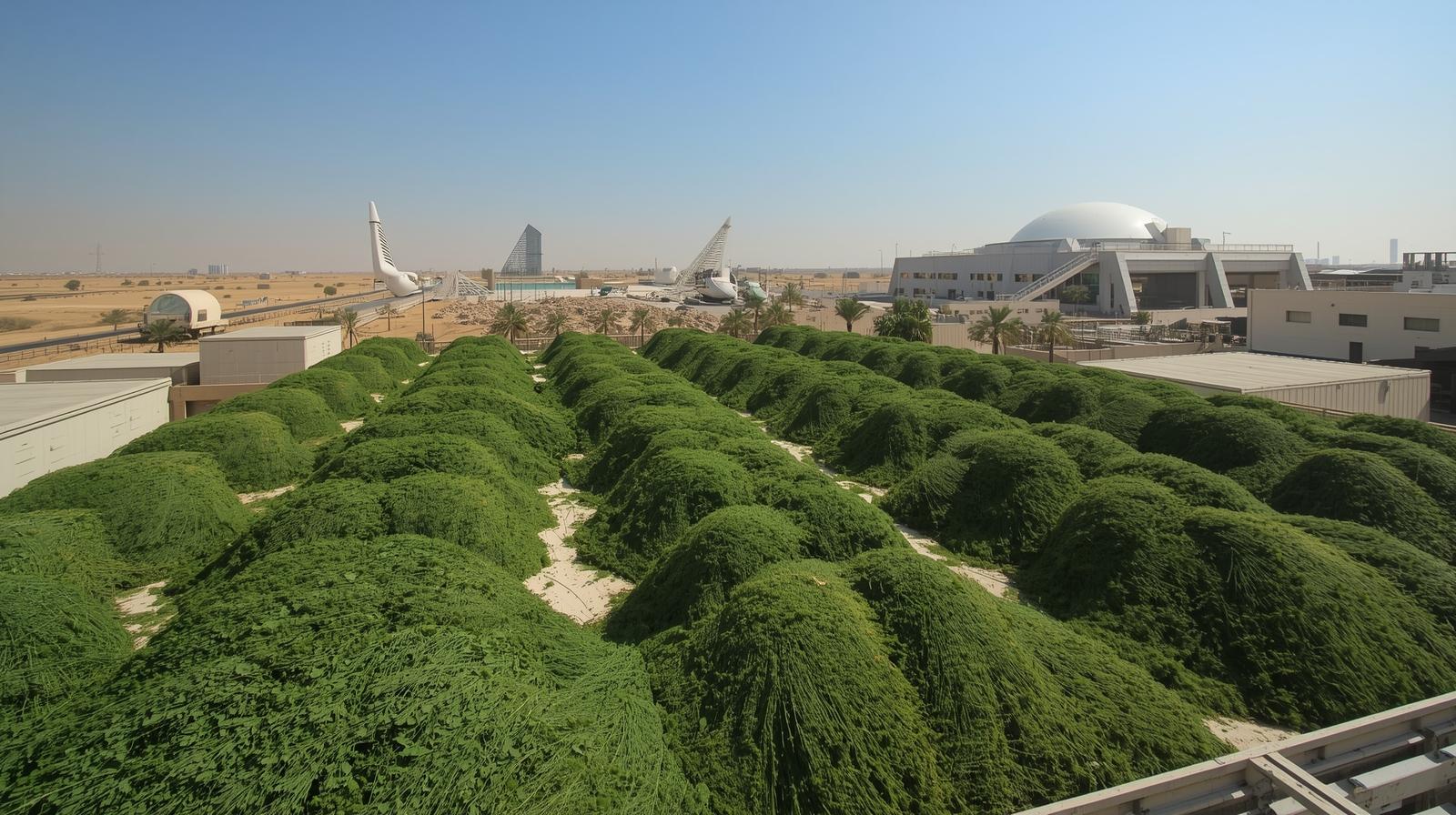
13. Seasonal Considerations in Dubai Climate
Dubai’s climate plays a big role in planning large plant disposal. During summer, extreme heat dries and hardens soil, making it heavier and harder to manage. Handling heavy pots in peak heat also increases health risks.
Early morning or evening disposal is safer during hot months. This reduces heat exposure and makes lifting more manageable. Many services schedule collections accordingly.
Dust storms, common during certain seasons, can spread loose soil quickly. Proper sealing and containment become crucial to avoid mess and cleanup costs. Understanding seasonal conditions helps you plan disposal more safely and efficiently throughout the year.
14. Health & Safety Concerns
Health and safety should never be overlooked during large plant disposal. Heavy lifting can strain backs, shoulders, and joints, especially when pots are awkwardly shaped or unevenly weighted.
Sharp edges on broken ceramic or metal pots can cause cuts. Soil may contain bacteria, mold, or allergens that pose respiratory risks when disturbed.
Using protective gloves, closed shoes, and masks significantly reduces these risks. Proper lifting techniques and equipment are essential. Professional services are trained to manage these hazards, making them a safer option for residents and businesses alike.
15. Choosing the Right Disposal Service
Choosing the right disposal service makes all the difference. Always look for licensed providers familiar with Dubai Municipality regulations and local community rules.
Check online reviews and ask about their recycling or eco-friendly practices. A reputable service will be transparent about how soil and pots are handled after collection.
Scheduling flexibility is also important, especially for high-rise buildings with restricted service hours. A reliable disposal service saves time, avoids complaints, and ensures your plant waste is handled responsibly from start to finish.
16. Mistakes to Avoid
One of the most common mistakes is dumping soil or pots illegally. This can lead to fines, warnings, and complaints from neighbors or building management.
Another mistake is underestimating weight. Many people attempt to move large pots alone, resulting in injuries or property damage. Soil is much heavier than it looks.
Skipping building permissions is another issue. Moving bulky items without approval can block hallways or elevators and cause disputes. Proper planning and communication prevent unnecessary problems and delays.
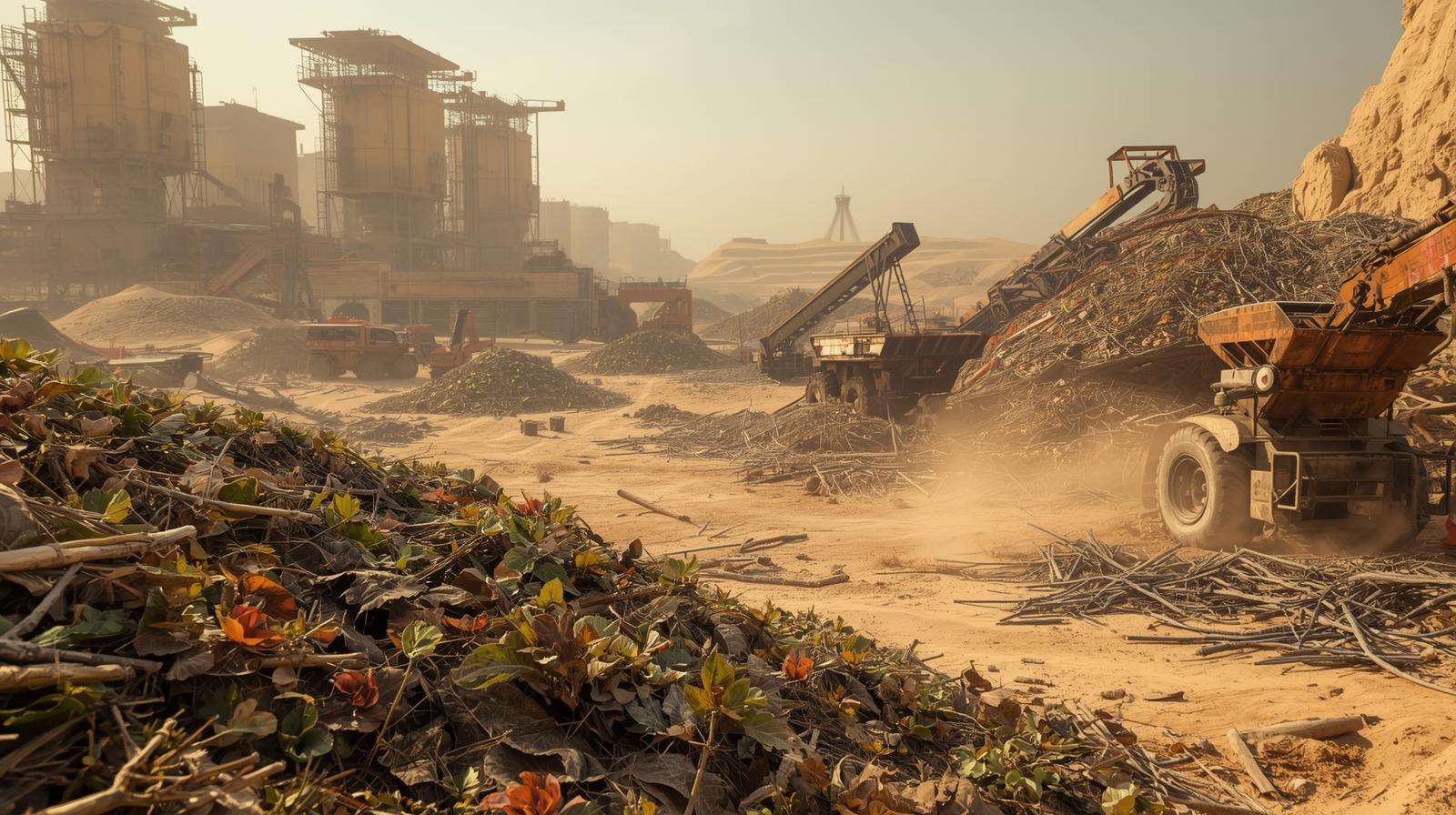
17. Benefits of Proper Plant Disposal
Proper plant disposal keeps your space clean, organized, and compliant with local regulations. Whether it’s a balcony, garden, or office lobby, cleared space feels more functional and welcoming.
It also protects property surfaces from stains, drainage issues, and pest infestations. Clean disposal reduces long-term maintenance costs and preserves property value.
Environmentally, responsible disposal supports recycling and reuse efforts in Dubai. By handling plant waste correctly, you contribute to a cleaner city and a more sustainable future.
18. Conclusion
Managing large plants doesn’t have to feel overwhelming. With the right planning and support, disposal becomes a straightforward process rather than a stressful task.
Understanding costs, rules, safety concerns, and seasonal factors helps you make smarter decisions. Whether you’re a resident or business owner, responsible disposal protects your space and your peace of mind.
By choosing proper large plant disposal methods, you reclaim valuable space, stay compliant with Dubai regulations, and play a part in keeping the city clean and organized.
FAQs
Q1: What is the safest way to dispose of large plant pots in Dubai?
The safest way is through approved disposal channels or licensed professionals who follow Dubai Municipality guidelines.
Q2: Can I reuse soil from old plants?
Yes, if it’s clean and pest-free, soil can be reused for landscaping or donated.
Q3: Are there fines for improper plant disposal?
Yes, illegal dumping can lead to penalties, especially in monitored areas.
Q4: How long does large plant disposal usually take?
With professionals, it’s often completed within a few hours, depending on access and volume.
Q5: Is eco-friendly disposal more expensive?
Not necessarily. Recycling and reuse can sometimes reduce overall costs.
Trusted Junk Removal Services in Dubai for Homes & Businesses In Dubai?
Address: Office No.101, 10th Floor, Al-Shafar Tower, Business Bay, Dubai.
Google Map Location
Read More: Trees and Plants Removal

One Comment