
Yard Cleanup and Garden Waste Removal in Tilal Al Ghaf
Garden Waste Removal Tilal Al Ghaf: The Complete Guide for Sustainable Gardening
Introduction
Maintaining a healthy, vibrant garden in Tilal Al Ghaf comes with its unique challenges, especially when it comes to managing garden waste. Leaves, grass clippings, pruning debris, and kitchen scraps accumulate quickly, and improper disposal can harm the environment and your local community. Garden Waste Removal Tilal Al Ghaf ensures that your garden remains pristine while supporting eco-friendly practices like composting, mulching, and green waste recycling.
From understanding the types of garden waste to implementing sustainable techniques like rainwater harvesting, xeriscaping, and organic gardening practices, this guide covers everything you need. Whether you are a homeowner, a community gardener, or planning a commercial landscaping project, our step-by-step insights make managing garden waste in Tilal Al Ghaf simple, efficient, and environmentally responsible.
1. Understanding Garden Waste in Tilal Al Ghaf
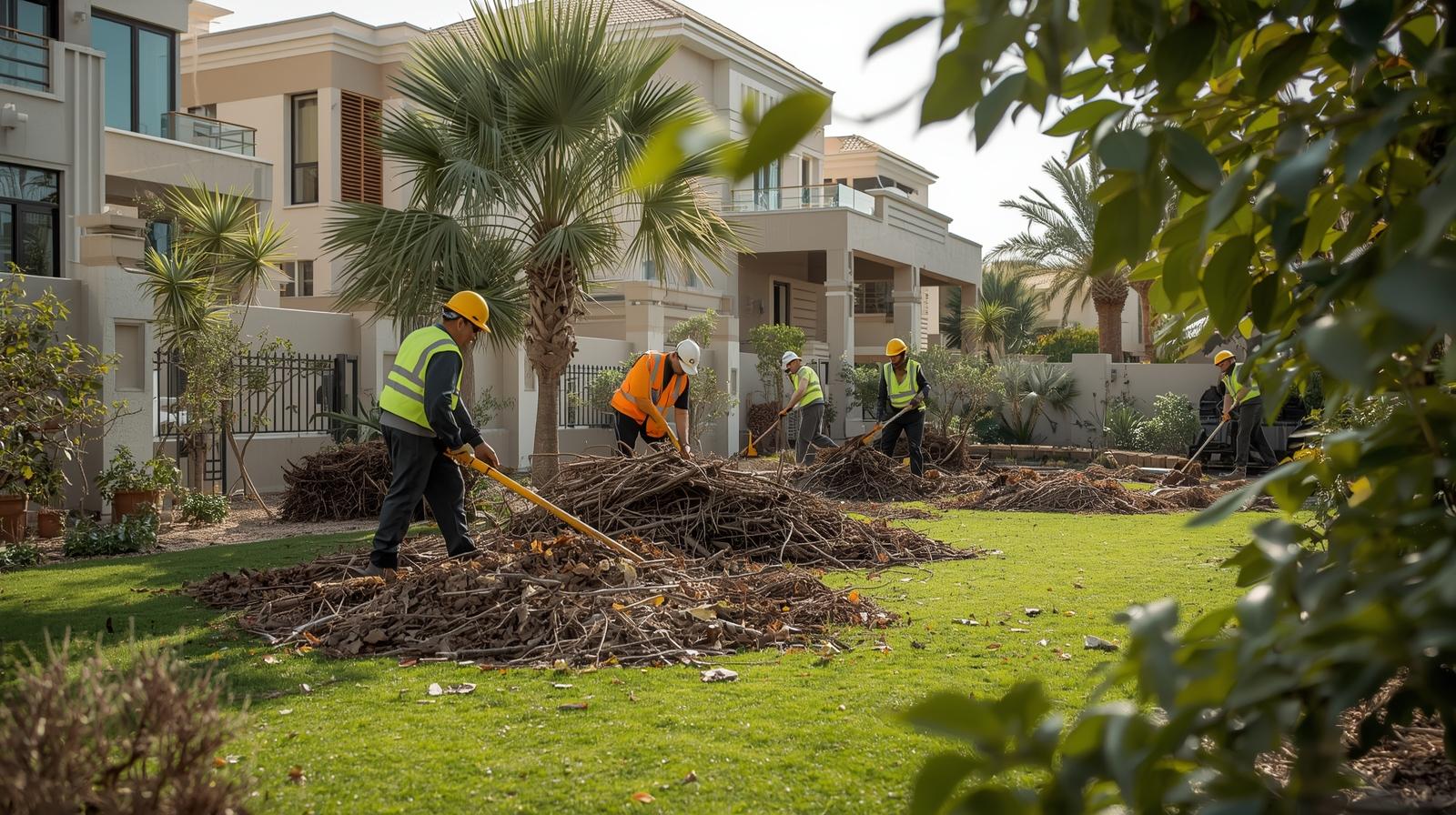
Garden waste in Tilal Al Ghaf reflects a blend of residential landscaping, community gardens, and sustainable outdoor living. We see garden waste as any organic or inorganic material generated from routine gardening activities, including pruning, mowing, planting, and seasonal cleanups. Effective Garden Waste Removal Tilal Al Ghaf begins with understanding what qualifies as green waste and how it impacts both private gardens and shared environments.
In Tilal Al Ghaf, garden waste management is closely tied to environmental responsibility. Improper disposal can block drainage systems, attract pests, and increase landfill pressure. When we manage garden waste efficiently, we contribute to cleaner neighborhoods and healthier soil systems. This approach mirrors tending a garden itself, neglect creates chaos, while care brings balance.
By identifying waste early and sorting it correctly, we lay the groundwork for composting, recycling, or professional removal. This foundational understanding ensures compliance with Tilal Al Ghaf waste management regulations and supports long-term sustainability goals across residential and community landscapes.
2. Types of Garden Waste: Leaves, Grass, and Branches
Garden waste comes in many forms, each requiring a specific disposal or recycling approach. Leaves, grass clippings, and branches make up the bulk of residential garden waste in Tilal Al Ghaf. These materials are biodegradable and ideal candidates for composting or mulching when managed correctly through Garden Waste Removal Tilal Al Ghaf services.
Leaves and grass clippings decompose quickly and add valuable nutrients back into the soil. When shredded, they improve compost aeration and speed up the composting process. Branches and woody debris, on the other hand, require chipping or shredding before reuse. Leaving them unmanaged can clutter outdoor spaces and pose safety risks.
We encourage homeowners to separate soft green waste from hard pruning waste. This separation simplifies recycling and reduces disposal costs. By treating garden waste like reusable resources rather than rubbish, we transform everyday maintenance into a sustainable cycle that benefits gardens, communities, and the environment.
3. Organic vs Inorganic Garden Waste: Key Differences
Understanding the difference between organic and inorganic garden waste is essential for proper disposal. Organic waste includes leaves, grass clippings, plant trimmings, and kitchen scraps, while inorganic waste consists of plastics, treated wood, and synthetic materials. Garden Waste Removal Tilal Al Ghaf focuses primarily on organic materials that can be recycled or composted.
Organic waste decomposes naturally and supports soil health when composted. Inorganic waste does not break down easily and often requires specialized recycling or disposal. Mixing the two can contaminate compost piles and violate local ordinances on garden waste, leading to penalties.
We recommend setting up separate bins for organic and inorganic waste. This simple habit streamlines garden cleanup and ensures compliance with residential gardening waste guidelines. Think of it like sorting laundry colors and whites don’t mix, and neither should your garden waste.
4. Biodegradable Garden Waste and Its Benefits
Biodegradable garden waste forms the backbone of sustainable gardening practices. This includes leaves, grass clippings, plant trimmings, and biodegradable garden waste bags. Through Garden Waste Removal Tilal Al Ghaf, biodegradable waste is diverted from landfills and transformed into compost or mulch.
The benefits are far-reaching. Compost improves soil structure, increases water retention, and reduces the need for chemical fertilizers. Biodegradable waste also lowers greenhouse gas emissions by preventing organic matter from decomposing anaerobically in landfills.
We see biodegradable garden waste as a hidden asset. When reused effectively, it enhances garden aesthetics and soil fertility while reducing disposal costs. By embracing biodegradable waste management, households and community gardens contribute to a greener Tilal Al Ghaf and a healthier local ecosystem.
5. Common Garden Waste Materials and Their Disposal
Common garden waste materials include grass clippings, leaves, branches, weeds, soil, and mulch residues. Each material requires a tailored disposal approach under the Garden Waste Removal Tilal Al Ghaf guidelines. Grass and leaves are best composted, while branches should be shredded or collected by professional services.
Weeds must be handled carefully to prevent regrowth. Composting is suitable only if seeds are destroyed through high heat. Soil and mulch disposal often falls under bulk waste regulations and may require approved collection services.
Proper disposal keeps gardens tidy and compliant with Tilal Al Ghaf waste management regulations. When waste is sorted and processed correctly, gardens remain functional and visually appealing. Managing these materials efficiently is like maintaining a well-organized toolbox; everything has its place and purpose.
6. Hazardous Garden Waste Types to Avoid
Not all garden waste is safe to compost or discard casually. Hazardous garden waste includes treated wood, pesticide containers, chemical fertilizers, and diseased plants. Garden Waste Removal Tilal Al Ghaf services help identify and dispose of these materials safely.
Improper handling of hazardous waste can contaminate soil and groundwater. Burning or burying such materials violates environmental regulations for garden waste and poses health risks. Diseased plants should be sealed and disposed of according to local guidelines to prevent spread.
We advise keeping hazardous waste separate and contacting local government contacts for waste disposal when unsure. Responsible handling protects gardeners, neighbors, and the environment, reinforcing sustainable waste management practices across Tilal Al Ghaf.
7. Green Landscaping Materials for Waste Reduction: Garden Waste Removal Tilal Al Ghaf
Green landscaping materials play a vital role in reducing garden waste. Native plants, organic mulches, and recycled paving materials minimize maintenance and waste generation. Through Garden Waste Removal Tilal Al Ghaf, we see how smart material choices reduce long-term disposal needs.
Native plants require less pruning and watering, producing less waste. Organic mulches made from recycled garden debris improve soil health and suppress weeds. Permeable and recycled materials reduce runoff and support sustainable landscaping practices.
Choosing green materials is like investing in quality tools; they last longer and perform better. By designing gardens with sustainability in mind, we reduce waste at the source and create resilient outdoor spaces that thrive year-round.
8. Green Roof Landscaping and Garden Waste Management
Green roof landscaping introduces unique garden waste considerations. Plant trimmings, soil residues, and seasonal debris must be managed carefully to avoid drainage issues. Garden Waste Removal Tilal Al Ghaf supports green roof projects with specialized waste solutions.
Lightweight growing media and drought-resistant plants minimize waste generation. Regular maintenance ensures debris does not accumulate or damage roof structures. Composting green roof waste off-site is often the most practical option.
We view green roofs as living systems that require balance. Proper waste management keeps them functional and visually appealing while contributing to urban sustainability goals. With the right approach, green roofs become both eco-friendly and low-maintenance assets.
9. Permeable Paving Options for Sustainable Gardens: Garden Waste Removal Tilal Al Ghaf
Permeable paving supports sustainable gardens by allowing water infiltration and reducing runoff. Materials like gravel, permeable concrete, and recycled pavers generate minimal waste when installed correctly. Garden Waste Removal Tilal Al Ghaf complements these systems by managing installation debris responsibly.
During installation, excess soil and packaging materials must be disposed of according to local garden waste disposal services guidelines. Once in place, permeable paving reduces erosion and plant stress, lowering ongoing waste.
We recommend integrating permeable paving with mulching and native planting. This combination creates a cohesive system that manages water, reduces waste, and enhances garden aesthetics, proving sustainability can be both practical and beautiful.
10. Xeriscaping Principles for Water-Efficient Landscaping
Xeriscaping focuses on water-efficient landscaping using drought-tolerant plants and minimal turf. This approach significantly reduces garden waste generation. Garden Waste Removal Tilal Al Ghaf aligns perfectly with xeriscaping principles.
By reducing lawn areas, we cut down on grass clippings and frequent trimming. Mulching and soil improvement further minimize maintenance. Xeriscaping also supports sustainable irrigation methods like drip systems and rainwater harvesting.
We see xeriscaping as working smarter, not harder. It transforms gardens into resilient landscapes that thrive in Tilal Al Ghaf’s climate while producing less waste and consuming fewer resources.
11. Organic Gardening Practices for Healthier Gardens
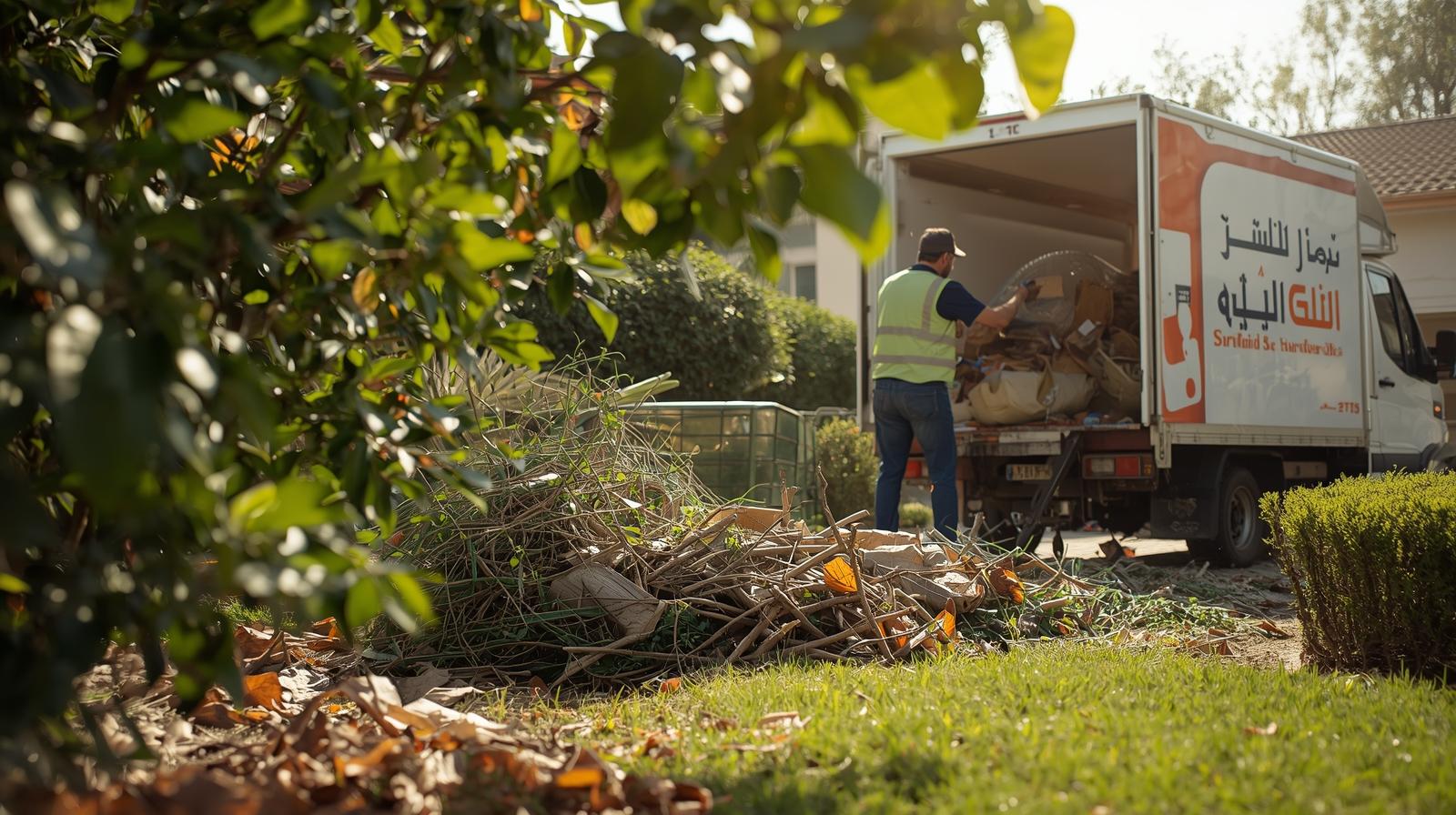
Organic gardening practices focus on working with nature rather than against it, creating gardens that are productive, resilient, and environmentally safe. By prioritizing composting, mulching, and soil regeneration, we reduce dependency on synthetic fertilizers and chemicals. Garden Waste Removal Tilal Al Ghaf supports this approach by ensuring organic waste is recycled properly and redirected into composting systems instead of landfills.
Using compost derived from garden waste improves soil structure, increases beneficial microorganisms, and enhances nutrient availability. Techniques such as crop rotation, green manure planting, and companion planting naturally reduce pest pressure and plant stress. These practices also minimize excess plant waste, making garden maintenance more efficient and sustainable.
We see organic gardening as a long-term investment, much like building good habits. When gardens rely on natural inputs, they become stronger over time. Recycling garden waste organically closes the loop, turning yesterday’s trimmings into tomorrow’s nourishment and creating self-sustaining garden ecosystems.
12. Organic Pest Control Methods for Safe Gardening
Organic pest control methods offer a safe and effective alternative to chemical treatments that generate hazardous waste. Techniques such as introducing beneficial insects, using neem oil sprays, and planting pest-repelling companion plants protect crops without harming soil health. Garden Waste Removal Tilal Al Ghaf complements these strategies by managing pest-affected plant debris responsibly.
Healthy soil enriched with compost strengthens plants, making them naturally resistant to pests and diseases. When infestations do occur, removing affected plant material promptly prevents the spread and keeps compost systems clean. Proper waste handling is critical to maintaining organic integrity.
We approach pest control as prevention, not reaction. Just as a healthy immune system wards off illness, a balanced garden resists pests naturally. Combining organic pest control with efficient garden waste removal keeps gardens productive, safe, and environmentally friendly year-round.
13. Sustainable Irrigation Methods for Efficient Water Use
Sustainable irrigation methods ensure gardens receive the right amount of water without waste. Drip irrigation, soaker hoses, and smart irrigation timers deliver moisture directly to plant roots, reducing runoff and evaporation. Garden Waste Removal Tilal Al Ghaf supports these systems by managing debris generated during installation and maintenance.
Efficient watering reduces plant stress, which in turn lowers the amount of damaged or discarded vegetation. Mulching with recycled garden waste further conserves soil moisture and stabilizes temperatures, creating optimal growing conditions while reducing maintenance needs.
We liken sustainable irrigation to precision cooking; too much or too little spoils the result. When water use is controlled and targeted, gardens thrive with less waste, fewer resources, and lower long-term costs, making sustainability both practical and rewarding.
14. Rainwater Harvesting for Gardens: A Step-By-Step Guide
Rainwater harvesting captures natural rainfall and stores it for garden use, reducing reliance on municipal water supplies. This practice supports sustainable gardening while minimizing runoff and erosion. Garden Waste Removal Tilal Al Ghaf ensures that installation waste, such as excess piping or debris, is handled responsibly.
Systems range from simple rain barrels to fully integrated underground tanks. Proper filtration prevents leaves and debris from clogging systems and damaging pumps. Using harvested rainwater reduces plant stress caused by overwatering or inconsistent supply.
We view rainwater harvesting as turning a natural event into a valuable resource. Like storing energy for later use, captured rain empowers gardeners to maintain healthy landscapes while conserving water and reinforcing eco-friendly gardening techniques.
15. How to Start a Community Garden in Tilal Al Ghaf
Starting a community garden in Tilal Al Ghaf requires thoughtful planning, cooperation, and clear waste management strategies. Garden Waste Removal Tilal Al Ghaf plays an essential role in maintaining shared spaces clean and functional. Early steps include identifying suitable land, securing permissions, and forming a dedicated group of participants.
Clear guidelines for waste segregation and composting prevent clutter and misunderstandings. Shared compost areas allow garden debris to be recycled efficiently, turning waste into a resource for all members. Regular cleanup schedules maintain order and safety.
Community gardens flourish when everyone contributes responsibly. Like an orchestra, each gardener plays a part, and proper waste management keeps the harmony. When systems are clear and fair, shared gardens become vibrant centers of collaboration and sustainability.
16. Community Garden Design Ideas for Small and Large Spaces
Effective community garden design maximizes productivity while minimizing waste. Raised beds, vertical gardening, and native plants reduce maintenance and plant stress. Garden Waste Removal Tilal Al Ghaf supports these designs by efficiently managing debris generated during setup and seasonal maintenance.
Designing for airflow, sunlight, and accessibility prevents overcrowding and excessive trimming. Central compost zones allow garden waste to be recycled into nutrient-rich soil amendments, supporting long-term sustainability and reducing disposal needs.
We see garden design as foresight in action. Well-planned spaces generate less waste, foster community pride, and encourage participation. Whether small or expansive, thoughtful design ensures community gardens remain productive, welcoming, and environmentally responsible.
17. Funding for Community Garden Projects
Funding is essential for establishing and maintaining successful community gardens. Grants, sponsorships, and partnerships enable investment in tools, compost systems, and Garden Waste Removal Tilal Al Ghaf services. Reliable funding ensures waste management is addressed from the start.
Allocating budgets for compost bins, shredders, and scheduled waste pickup prevents long-term issues. These investments reduce disposal costs and improve garden efficiency. Transparent financial planning builds trust among participants and supporters.
We see funding as the fuel that keeps gardens growing. When resources are allocated wisely, waste becomes a resource rather than a burden, and community gardens thrive as sustainable, self-supporting projects.
18. Community Garden Regulations and Guidelines: Garden Waste Removal Tilal Al Ghaf
Community garden regulations provide structure, safety, and environmental compliance. Garden Waste Removal Tilal Al Ghaf aligns with these guidelines to maintain orderly and legal operations. Rules often address waste segregation, composting standards, and hazardous material disposal.
Adhering to regulations prevents penalties and protects participants. Clear guidelines also promote fairness and cooperation, ensuring everyone understands their responsibilities. Regular reviews keep practices aligned with local requirements.
We view regulations as guardrails rather than obstacles. They keep gardens on track, ensuring shared spaces remain productive, compliant, and welcoming while supporting sustainable waste management practices.
19. Community Garden Success Stories: Garden Waste Removal Tilal Al Ghaf
Community garden success stories highlight the power of collaboration and effective waste management. Garden Waste Removal Tilal Al Ghaf often features as a behind-the-scenes contributor, ensuring clean and functional spaces. These gardens demonstrate how composting and recycling programs transform waste into value.
Successful projects attract volunteers, funding, and community support. Clean, well-managed gardens become local landmarks, inspiring others to participate and replicate best practices. Waste reduction plays a central role in these achievements.
These stories prove that with the right systems, gardens can reshape communities. They show how sustainable waste management and shared responsibility turn empty plots into thriving, productive landscapes that benefit everyone involved.
20. Benefits of Community Gardens: Garden Waste Removal Tilal Al Ghaf
Community gardens offer social, environmental, and economic benefits. They reduce garden waste through shared composting and efficient removal. Garden Waste Removal Tilal Al Ghaf enhances these benefits by maintaining cleanliness.
Gardens foster connections, improve food security, and promote sustainable practices. Shared responsibility reduces individual waste burdens.
We see community gardens as green hubs. They cultivate not just plants, but relationships and environmental stewardship.
21. Benefits of Composting Kitchen Scraps and Garden Waste: Garden Waste Removal Tilal Al Ghaf
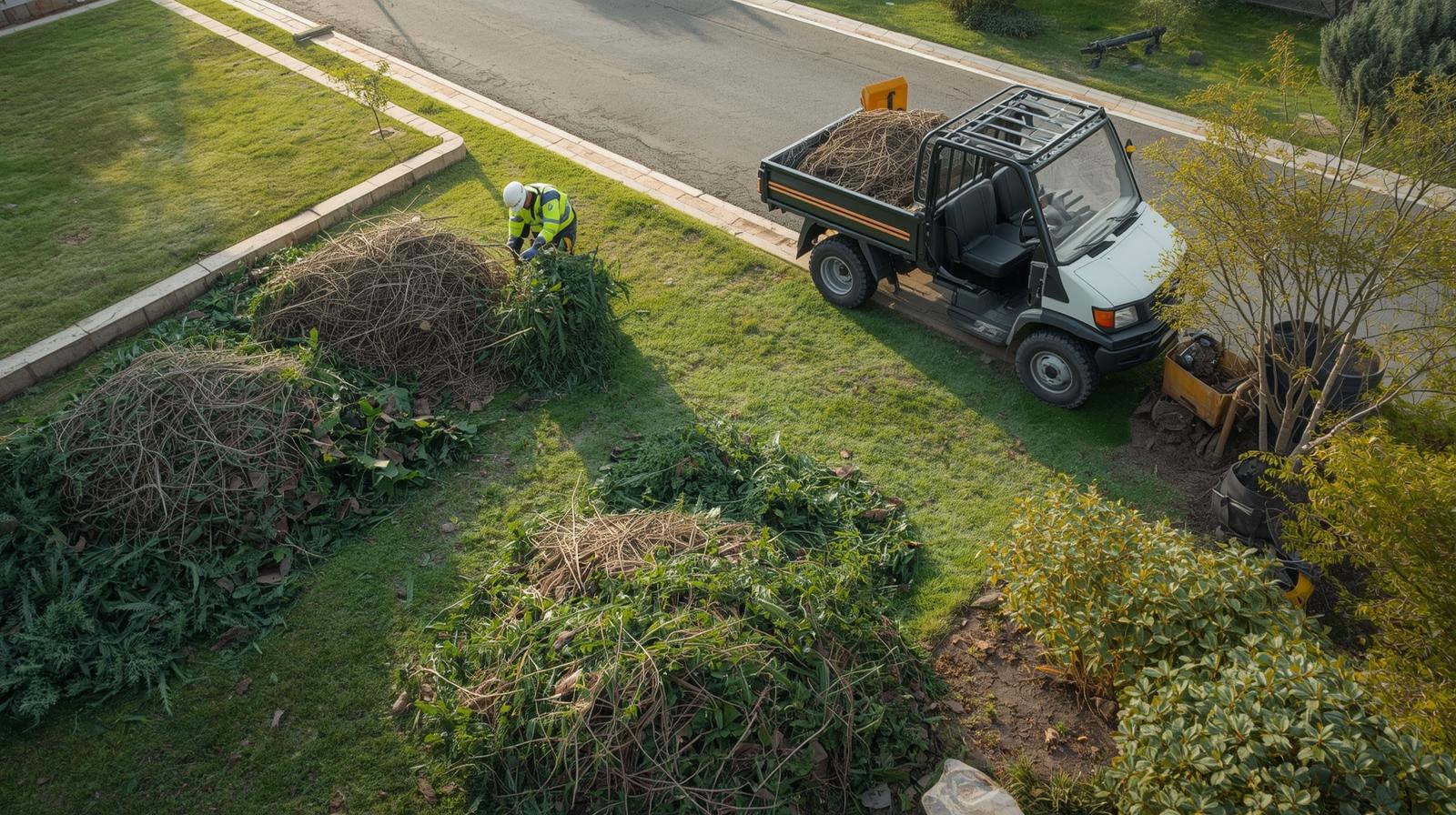
Composting kitchen scraps and garden waste is one of the most effective ways to reduce landfill pressure while improving garden health. Vegetable peels, fruit scraps, coffee grounds, leaves, and grass clippings combine to create nutrient-rich compost. Garden Waste Removal Tilal Al Ghaf supports composting efforts by collecting surplus organic waste that households or community gardens cannot process alone.
Compost enhances soil fertility by adding organic matter that improves structure, drainage, and water retention. It reduces dependence on chemical fertilizers, lowering environmental impact and minimizing hazardous waste generation. When kitchen scraps are blended with garden waste, the balance of nitrogen and carbon creates ideal compost conditions.
We see composting as nature’s recycling system in action. Like returning borrowed nutrients back to the soil, composting closes the loop. What was once waste becomes nourishment, sustaining gardens naturally and reinforcing long-term sustainable gardening practices.
22. Step-By-Step Guide to Composting at Home: Garden Waste Removal Tilal Al Ghaf
Home composting begins with selecting a suitable bin, whether store-bought or DIY, and placing it in a well-drained, shaded area. The process involves layering “greens” like kitchen scraps with “browns” such as dry leaves. Garden Waste Removal Tilal Al Ghaf assists when excess garden waste exceeds home composting capacity.
Maintaining proper moisture is essential. Compost should feel like a damp sponge, not soaked. Turning the pile every one to two weeks introduces oxygen, preventing odors and speeding decomposition. Balanced layering ensures efficient breakdown and discourages pests.
We liken composting to baking bread. Follow the steps, respect the ratios, and allow time for the process. With patience and consistency, home composting delivers rich, crumbly compost that transforms gardens and reduces waste responsibly.
23. How Long Does Composting Take and How to Speed It Up
Composting typically takes three to six months, depending on materials, climate, and maintenance. Smaller particles decompose faster, which is why shredding garden waste is effective. Garden Waste Removal Tilal Al Ghaf provides shredding and removal services to help gardeners optimize composting.
Regular turning ensures oxygen reaches the microbes responsible for decomposition. Maintaining the right balance of green and brown materials prevents slowdowns and unpleasant smells. Warm temperatures and proper moisture levels further accelerate the process.
Speeding composting is about efficiency rather than shortcuts. With the right practices, gardeners enjoy faster results and higher-quality compost. The reward is a steady supply of natural fertilizer that supports healthy, productive gardens year-round.
24. DIY Garden Waste Compost Bin Ideas: Garden Waste Removal Tilal Al Ghaf
DIY compost bins offer affordable, customizable solutions for managing garden waste at home. Common designs include wooden pallet bins, plastic storage containers, and wire mesh enclosures. Garden Waste Removal Tilal Al Ghaf supports DIY composting by handling overflow waste when bins reach capacity.
Key design elements include proper ventilation, drainage, and easy access for turning. Elevated bins improve airflow and deter pests. DIY bins encourage recycling and reduce reliance on municipal waste services.
We see DIY compost bins as empowerment tools. They transform waste management into a creative project, giving gardeners control over their composting process while supporting sustainable living and responsible garden waste practices.
25. Tips for Composting Leaves, Grass Clippings, and Plant Trimmings
Leaves, grass clippings, and plant trimmings form the bulk of garden compost materials. Shredding these materials improves airflow and speeds decomposition. Garden Waste Removal offers shredding services to support efficient composting.
Avoid piling thick layers of grass clippings, which can compact and restrict oxygen. Mixing with dry leaves or cardboard maintains balance and prevents odors. Diseased plants should be excluded to protect compost quality.
These simple tips ensure compost remains nutrient-rich and effective. When managed correctly, everyday garden waste becomes a valuable resource that supports soil health and sustainable gardening practices.
26. Mulching Benefits for Garden Waste Management: Garden Waste Removal Tilal Al Ghaf
Mulching is a practical way to reuse garden waste while improving soil conditions. Shredded leaves, bark, and composted material help retain moisture and suppress weeds. Garden Waste Removal facilitates mulching by processing garden debris into usable mulch.
Organic mulch regulates soil temperature, reduces evaporation, and minimizes erosion. It also breaks down over time, adding nutrients to the soil. Using mulch reduces the need for frequent watering and chemical weed control.
We compare mulch to a protective blanket for the soil. Simple yet effective, mulching transforms garden waste into a functional asset that enhances garden health and reduces overall waste disposal needs.
27. Sustainable Landscaping Practices Using Garden Waste
Sustainable landscaping emphasizes reuse and efficiency, turning garden waste into mulch or compost. Garden Waste Removal Tilal Al Ghaf supports these practices by ensuring waste is processed responsibly rather than discarded.
Designing landscapes with composting zones and mulched beds reduces disposal requirements. Compost improves soil fertility, while mulching minimizes maintenance and water use. These practices support long-term sustainability goals.
Sustainability thrives on reuse. When garden waste becomes a building block rather than a burden, landscapes grow healthier and more resilient. Thoughtful planning ensures waste contributes positively to garden ecosystems.
28. Eco-Friendly Garden Waste Disposal Options in Tilal Al Ghaf
Eco-friendly garden waste disposal options include composting, recycling centers, and professional services. Garden Waste Removal offers compliant solutions that align with local environmental regulations.
Avoid burning or illegal dumping, which damages ecosystems and attracts penalties. Approved disposal methods protect soil, water, and air quality while supporting sustainability initiatives.
Responsible disposal reflects community values. When gardeners choose eco-friendly options, they contribute to cleaner neighborhoods and a healthier environment, reinforcing the importance of sustainable waste management practices.
29. Best Tools for Garden Waste Management and Cleanup
Effective garden waste management relies on the right tools. Pruners, shredders, rakes, and compost turners simplify cleanup tasks. Garden Waste Removal Tilal Al Ghaf complements these tools with reliable pickup and disposal services.
High-quality tools reduce physical effort and improve efficiency. Regular maintenance ensures tools remain safe and effective. Investing in the right equipment saves time and supports sustainable practices.
Tools are extensions of the gardener’s hands. Choosing wisely enhances productivity and ensures garden waste is managed efficiently, keeping outdoor spaces tidy and functional.
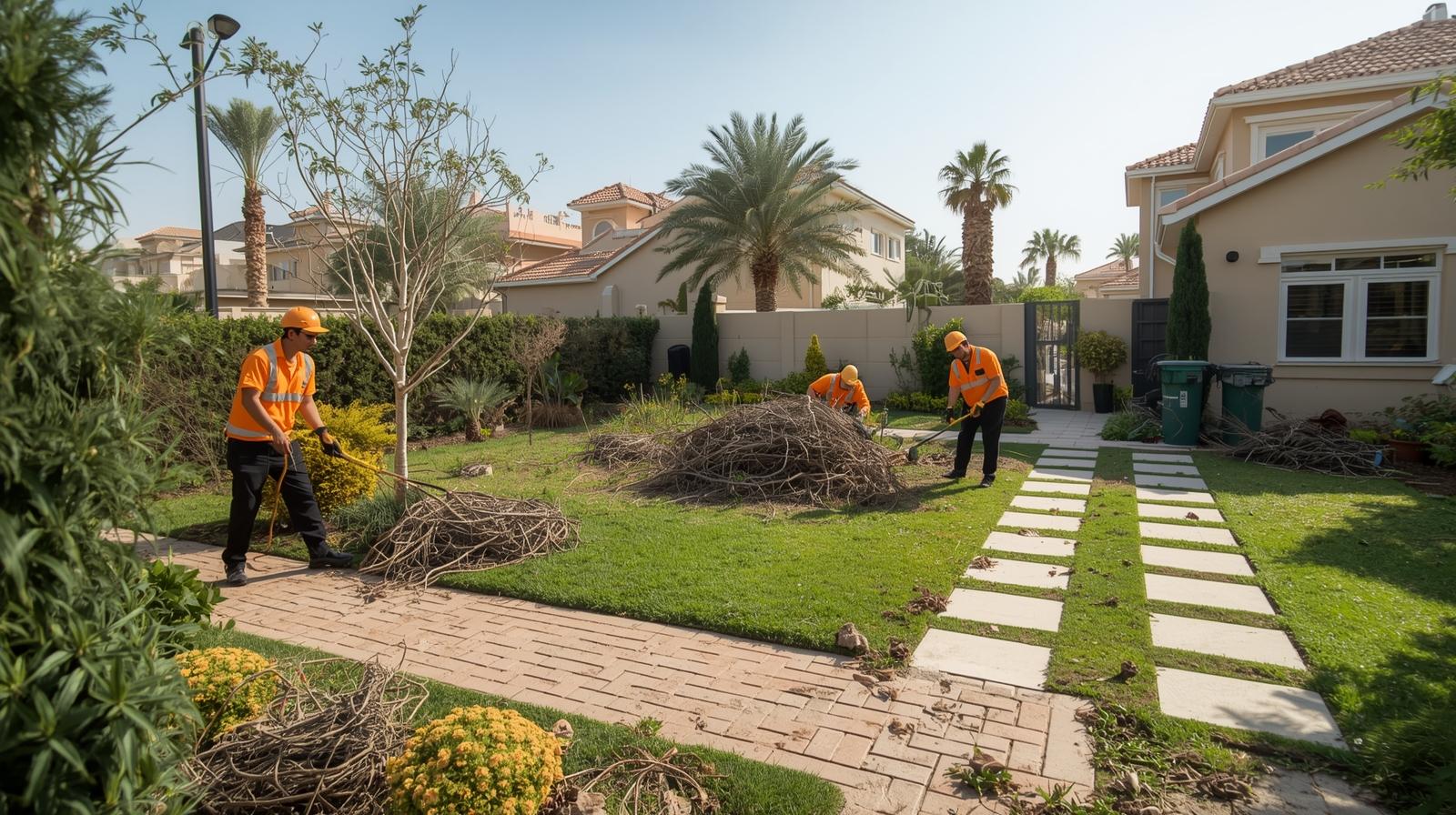
30. Scheduled Garden Waste Collection Services and Local Laws: Garden Waste Removal Tilal Al Ghaf
Scheduled garden waste collection services provide consistent and reliable waste removal. Garden Waste Removal operates in compliance with local laws and collection schedules to ensure proper disposal.
Understanding collection days prevents waste accumulation and maintains garden cleanliness. Local regulations outline permitted materials, seasonal guidelines, and penalties for non-compliance.
Compliance keeps communities clean and gardens thriving. When gardeners follow schedules and regulations, waste management becomes seamless, supporting sustainable living and maintaining the beauty of Tilal Al Ghaf neighborhoods.
Conclusion
Effective Garden Waste Removal Tilal Al Ghaf turns everyday garden debris into a valuable resource rather than a burden. By embracing sustainable practices such as composting, mulching, and eco-friendly disposal, we reduce landfill waste while improving soil health and garden vitality. Responsible waste management keeps gardens compliant with local regulations and protects the surrounding environment. When we handle garden waste with care and intention, we strengthen our landscapes, support community well-being, and contribute to a greener, more sustainable future for Tilal Al Ghaf.
FAQs
What is considered garden waste in Tilal Al Ghaf?
Garden waste includes leaves, grass clippings, branches, and plant trimmings.
Can I compost all garden waste at home?
Most organic waste can be composted, excluding diseased or treated materials.
Are there penalties for improper garden waste disposal?
Yes, violating local regulations may result in fines.
How often is green waste collected in Tilal Al Ghaf?
Collection schedules vary by area and season.
Why choose professional garden waste removal services?
They ensure legal compliance, efficiency, and eco-friendly disposal.
Trusted Junk Removal Services in Dubai for Homes & Businesses
In Dubai?
Address: Office No.101, 10th Floor, Al-Shafar Tower, Business Bay, Dubai.
Google Map Location
Read More: Exploring the best Home Junk Removal in Tilal Al Ghaf