
Large Appliance Pick Up Services: Fast & Eco-Friendly
Large Appliance Pick Up: Complete Guide to Responsible Removal & Recycling
Introduction
We provide a comprehensive, practical guide to large appliance pick up and related waste-management services. This resource combines step-by-step instructions, service comparisons, recycling options, legal and safety pointers, and actionable strategies for residents, property managers, and businesses. Whether you need a single refrigerator removed, are organizing a community appliance recycling event, or want to reduce waste collection costs, this guide covers scheduling, permits, hazardous handling, responsible disposal, composting context, and choosing the best provider. Read on for clear, objective guidance designed to help you act fast, stay compliant, and support local sustainability initiatives.
1. What is Large Appliance Pick Up?
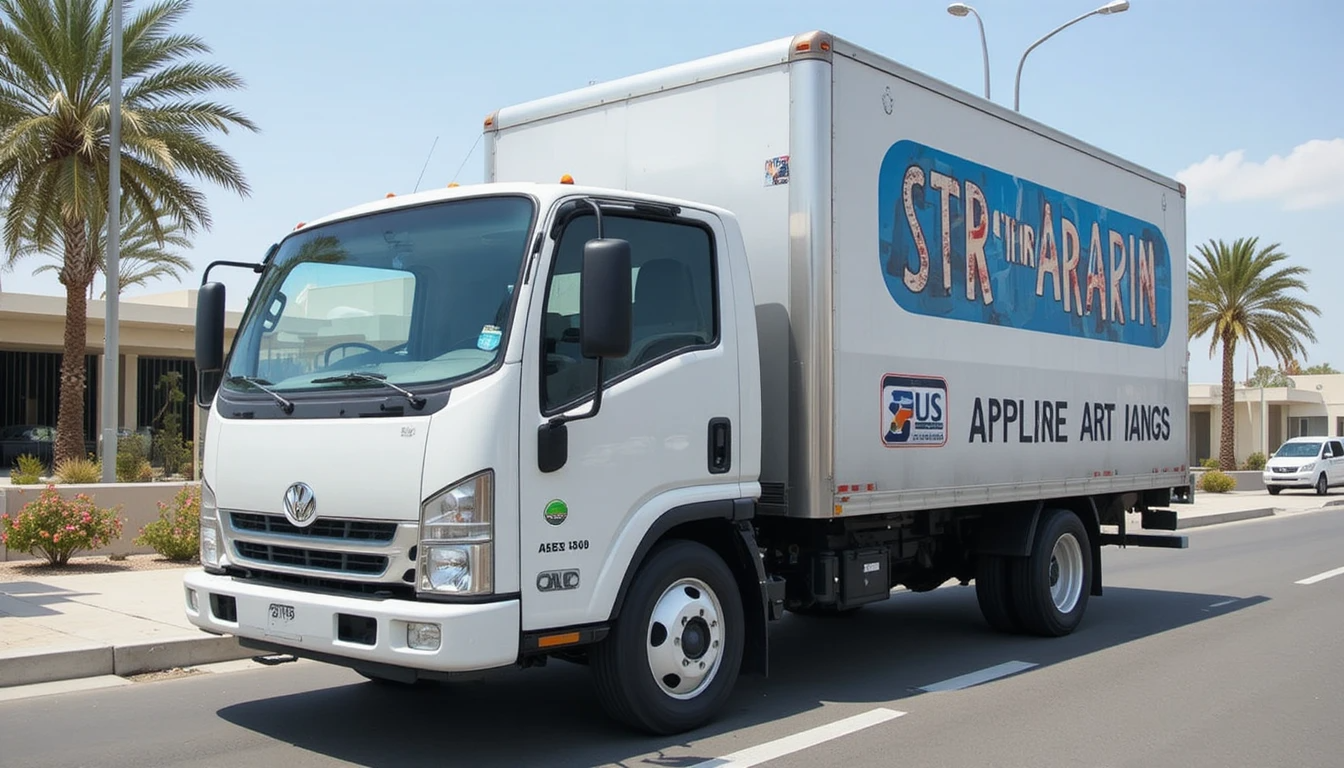
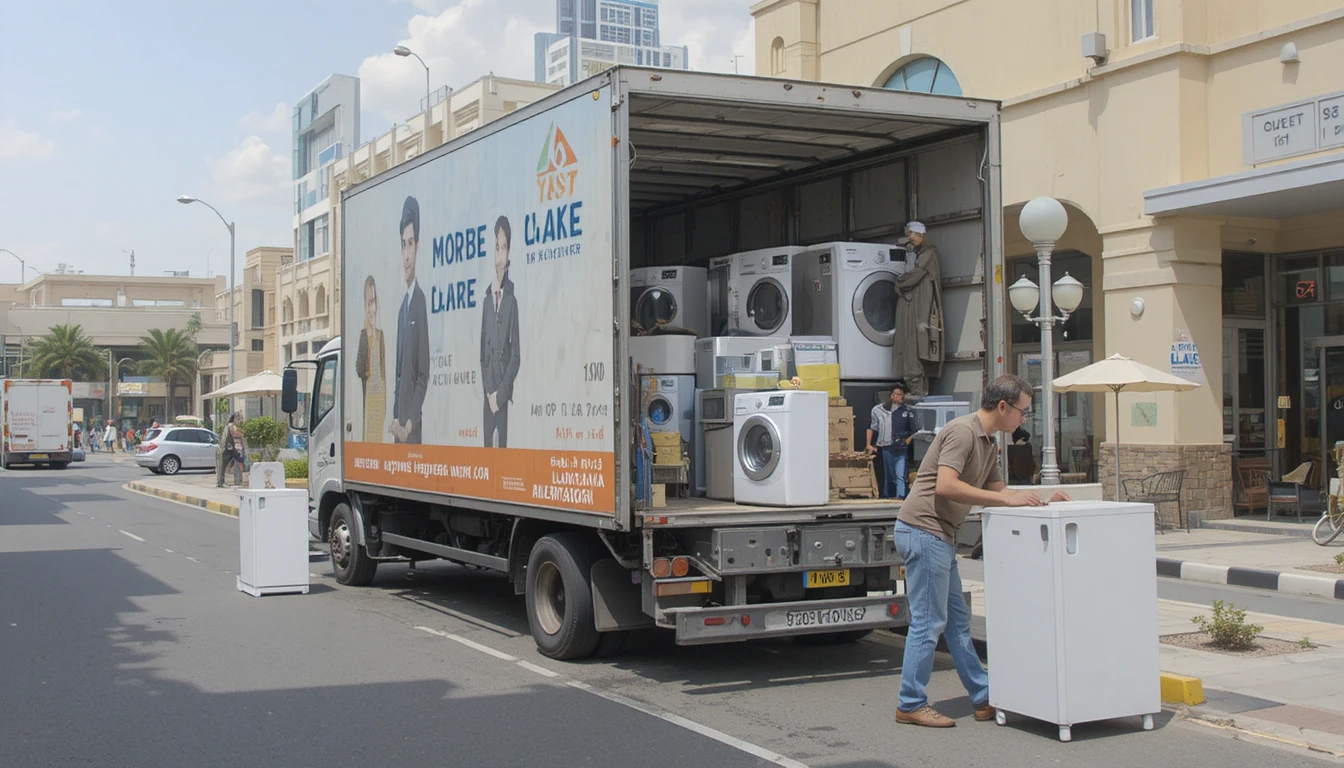
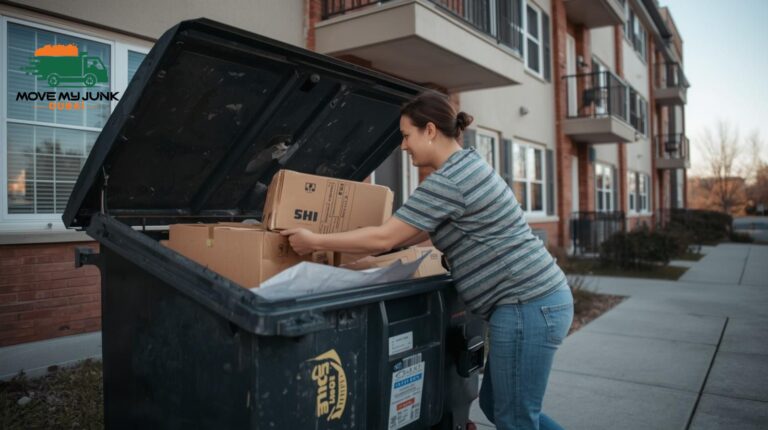
Large appliance pick up refers to the organized removal of heavy household or commercial appliances refrigerators, washers, dryers, stoves, air conditioners, water heaters, and similar items. These units are often too bulky or hazardous for regular curbside garbage collection because they may contain refrigerants, oils, batteries, or electrical components requiring special handling. We treat large appliance pick up as a hybrid service sitting between junk removal companies, municipal bulk trash pickup, and recycling or hazardous-waste collection programs. Proper service providers will schedule the pickup, ensure safe transport, and either recycle usable components or dispose of hazardous contents responsibly. When we coordinate such a pickup, we check for local rules, required permits, and cost structures, plus options for donation, reuse, or rolloff dumpster rental if a whole-site clear out is needed.
2. How to Schedule Large Appliance Pick Up
To schedule a large appliance pick up, identify whether you will use municipal services, private junk removal, or a roll-off dumpster rental. Steps we follow: (1) check local trash pickup schedules and bulk waste pickup schedule windows; (2) confirm whether the appliance is classified as hazardous (e.g., refrigerant-containing units) and whether a household hazardous waste collection event or certified contractor is required; (3) get itemized quotes from local providers including pickup fees, hazardous handling surcharges, and disposal charges; (4) reserve a pickup date watch for holiday waste collection schedule changes such as Thanksgiving, Christmas, and New Year adjustments; (5) prepare the appliance per provider guidelines (disconnect, drain fluids, tape doors closed if required). If timing is urgent, ask about same-day junk removal availability or emergency hazardous waste disposal options. We always ask for confirmation of certification and proof of legal disposal or recycling when the job is complete.
3. Preparing for Large Appliance Pick Up: Step-by-Step
Proper preparation speeds pickup and reduces fees. First, disconnect all utilities, unplug electrical appliances, shut off water to washers or dishwashers, and empty fluids (e.g., antifreeze, oils). For refrigerators and freezers, defrost and sanitize to prevent odors, and remove food. If appliances contain refrigerants, they must be serviced by certified technicians before pickup. This is critical for compliance with hazardous waste disposal laws. Tag the item per municipal requirements: some cities require labels or scheduled pickup permits for bulk trash pickup. Clear a path from the unit to the street: remove rugs, trim doorways, and protect flooring with blankets. For bulky or heavy items, keep measurements handy; some roll-off dumpster rental or junk haulers charge by size or weight. Photograph the appliance before pickup for records and warranty/insurance. Finally, ask the provider about reuse or donation programs that many charities accept working appliances with curbside pickup or drop-off.
4. Large Appliance Pick Up Costs & Pricing Factors
Pricing varies widely depending on item size, hazardous content, access difficulty, local disposal fees, and whether hazardous waste recycling or specialized treatment is required. Base charges often cover the haul and labor; added fees may include hazardous materials handling, stairs or narrow-access surcharges, and fuel or emergency pickup premium for same-day junk removal. Residential bulk trash pickup through municipal services can be low-cost or free for one item per year, while private junk removal companies or roll-off dumpster rental may charge by item, truckload, or tonnage. We recommend obtaining detailed, itemized quotes from at least three providers, comparing the waste disposal charges, hidden fees, disposal receipts, and whether they provide certification of proper handling (especially important for refrigerant-containing appliances). For businesses, commercial garbage collection costs are typically contracted and calculated as a function of pickup frequency, volume, special handling, and regulatory compliance.
5. Large Appliance Pick Up: Bulk Waste Pickup Schedule
Municipal bulk pickup schedules define when large appliances will be collected curbside. These schedules differ by locality and may be seasonal. We advise residents to check municipal sites or contact local sanitation departments for the bulk waste pickup schedule; many cities publish online calendars or require scheduled appointments for large-item collection. For faster removal, private haulers provide flexible pickup windows or on-demand garbage collection, often at a premium. If coordinating a community bulk waste collection event, survey demand, request municipal support for dumpsters or hazardous waste pickers, and publicize deadlines. Always confirm pickup windows ahead of holidays. Holiday garbage collection schedule adjustments commonly push bulk collections back, so planning ahead avoids missed windows or additional storage.
6. Holiday & Special Events: Bulk Item Pickup Holiday Schedule
During the holiday season, waste collection services often change their operations. It’s essential to check your holiday waste collection schedule early, as municipal departments typically release updated calendars for Thanksgiving, Christmas, and New Year’s. Private haulers may also adjust routes, limit service, or pause same-day junk removal during these times. For neighborhoods hosting cleanup events or community recycling drives, coordination with event waste management services ensures the right number of containers, recycling bins, and drop-off points for large appliance pick up. Always confirm changes in pickup timing well in advance, especially if replacing or discarding heavy appliances before a move or renovation. When holidays interfere, document your scheduling attempts and keep items safely indoors or covered to prevent theft, weather exposure, or penalties. Proper timing helps reduce clutter and keeps neighborhoods clean, even during busy festive periods.
7. Local Trash Pickup Schedules and Adjustments: Large Appliance Pick Up
Local waste schedules form the foundation of residential and commercial waste management. Municipalities often adjust routes seasonally due to weather, holidays, or special events. Subscribing to SMS or email alerts from your local sanitation department ensures you never miss changes to local trash pickup schedules or bulk waste pickup schedule adjustments. For businesses, maintaining clear contracts specifying commercial garbage collection frequency avoids service disruptions during holidays. Residents should also stay informed about yard waste removal services and seasonal composting programs that might pause during winter. By planning around these schedules, you can efficiently coordinate large appliance pick up, recycling, and other waste services. When local conditions like heavy snow or construction detours affect pickups, confirm whether temporary drop-off locations or rescheduled collections are available. Staying proactive minimizes missed pickups, late fees, and unnecessary private hauling costs.
8. Residential Waste Management and Large Appliance Removal
Residential waste management includes everyday garbage collection, curbside recycling, bulk waste collection, and household hazardous waste collection events. When replacing old appliances, check if your city offers large appliance pick up or requires a special appointment. Many municipalities limit the number of bulk items collected per month, so scheduling early helps avoid delays. Before disposal, assess whether your appliance can be reused or donated to a charity that many organizations accept, working refrigerators, washers, or ovens for refurbishment. For non-working or hazardous units, certified junk removal companies or hazardous waste disposal services are essential for safety and compliance. Residents living in apartment complexes should coordinate with property management to comply with local ordinances on trash collection and avoid fines. Responsible disposal supports community cleanliness, reduces landfill waste, and contributes to local recycling and sustainability goals.
9. Commercial Garbage Collection & Business Hazardous Waste Disposal
Businesses generating waste from appliances or machinery must follow stricter regulations. Commercial garbage collection contracts typically cover routine pickups, but appliances containing refrigerants, oils, or chemicals require certified business hazardous waste disposal services. Employers should partner only with licensed hazardous waste treatment facilities that offer manifest tracking and proof of compliance with hazardous waste disposal laws. Large commercial appliances like HVAC units or industrial refrigerators must be professionally decommissioned with documented refrigerant recovery. Establishing simple procedures for emergency hazardous waste disposal protects both staff and the environment. We recommend regular audits to confirm that service providers adhere to proper transport, containment, and recycling methods. Documenting these efforts not only fulfills legal obligations but also supports sustainability reporting and corporate responsibility goals, which can enhance your business reputation while maintaining operational safety.
10. Choosing Junk Removal Companies for Large Appliance Pickup
When selecting junk removal companies for large appliance pick up, prioritize transparency, professionalism, and environmental responsibility. Check that providers are licensed, insured, and compliant with hazardous waste disposal regulations. Reliable companies provide written estimates, disposal receipts, and certificates confirming proper recycling or treatment of materials. Always ask whether they offer reuse or donation programs to extend appliance life before disposal. Customer feedback is invaluable for reviewing garbage pickup service reviews and customer testimonials for garbage services to assess quality. Be cautious of vague pricing or hidden fees for stairs, labor, or hazardous materials. For commercial clients, confirm the availability of same-day junk removal or scheduled services depending on urgency. Choosing a certified, eco-friendly hauler ensures that your old appliances are handled legally, efficiently, and with minimal environmental impact.
11. Same-day Junk Removal vs. Scheduled Pickups
When managing bulky waste or appliances, understanding the difference between same-day junk removal and scheduled pickups is key. Same-day services offer immediate response, ideal for emergencies, property turnovers, or last-minute clean-outs, but they often carry higher rates. Scheduled pickups are budget-friendly and work best for planned replacements or community collection events. For appliances requiring hazardous waste recycling, scheduled appointments allow enough time to coordinate certified technicians and secure proper disposal documents. During holidays, holiday garbage collection updates may affect both options, so confirm availability early. Businesses might benefit from combining both: routine pickups for standard waste and on-demand garbage collection for unexpected surges. Whether fast or planned, balancing speed, cost, and compliance ensures efficient waste management and helps you maintain a clean, regulation-friendly property.
12. Roll-off Dumpster Rental & Appliance Disposal Options
A roll-off dumpster rental is ideal for large-scale clean-outs involving multiple appliances or renovation debris. Available in various sizes, these dumpsters simplify construction debris disposal and allow simultaneous removal of bulky materials. Before renting, confirm local permit requirements and whether refrigerant-containing appliances can be accepted. Some haulers provide eco-friendly garbage collection by sorting metal and recyclable components from mixed waste. Pairing dumpster rentals with local recycling programs helps maximize resource recovery and reduce landfill loads. Choose providers who adhere to waste disposal service selection criteria, including transparent pricing, safety compliance, and proper disposal receipts. For tight spaces, mini roll-off containers or scheduled pickups can achieve similar results. This method works particularly well for contractors, landlords, or property managers handling multiple large appliance pick up tasks within a short timeframe.
13. Construction Debris Disposal & Appliance Disposal on Sites
Construction and renovation projects often involve dismantling or replacing heavy equipment and appliances. Efficient construction debris disposal begins with segregation: separate metals, electronics, and hazardous materials. Recyclable metals from appliances can offset costs, while hazardous components must go to approved hazardous waste treatment facilities. Use licensed contractors trained in chemical waste disposal procedures to manage paints, solvents, or contaminated debris. Maintain disposal manifests for accountability and future audits. For projects requiring multiple appliance removals, schedule bulk pickups or a roll-off dumpster rental to streamline logistics. Implement reuse strategies for materials like stainless steel panels or motors, reducing waste and saving money. Organized, compliant site management enhances worker safety and ensures your project aligns with environmental regulations and community expectations.
14. Large Appliance Pick Up: How to Get Rid of Large Furniture & Appliances
When planning to dispose of furniture or appliances, evaluate multiple routes: donation, resale, bulk waste pickup, or private hauling. Donating working units to local charities supports reuse initiatives and reduces landfill waste. For broken or outdated items, schedule large appliance pick up with your municipality or hire an affordable junk hauling service. If placing items curbside, follow bulk waste guidelines for residents, ensuring appliances are properly drained, disconnected, and labeled. Disassembling large furniture can reduce costs and space in hauling vehicles. Always verify hazardous waste recycling procedures for appliances containing refrigerants or oils. Responsible disposal not only keeps neighborhoods tidy but also helps divert valuable materials to recycling streams, contributing to more sustainable waste management.
15. How to Recycle Electronics & E-Waste Collection
How to recycle electronics responsibly starts with sorting accepted items like computers, televisions, mobile devices, and small appliances. Many cities now hold electronic waste collection events or maintain recycling drop-off locations year-round. Certified recyclers extract metals, plastics, and other materials while ensuring toxic components are treated safely. Before drop-off, delete personal data and remove batteries or accessories. Retail and manufacturer take-back programs often offer trade-in credits, making recycling both eco-friendly and economical. For bulk collections, coordinate with community recycling events or e-waste recycling events to consolidate transport. Electronic recycling protects soil and water from contamination while recovering valuable materials one of the most impactful ways to reduce the environmental footprint of modern living.
16. Electronic Waste Collection & Bulk E-waste Events
Bulk e-waste collection services and community e-waste recycling events simplify disposal for both residents and businesses. Organized with local municipalities or environmental groups, these events help divert electronics from landfills. Commonly accepted items include computers, monitors, printers, and small household appliances. Businesses can schedule certified e-waste pickups that include documentation for legal compliance and data destruction. Promoting such events through newsletters and social media enhances participation and strengthens local recycling campaigns. Pairing e-waste drives with large appliance pick up days can increase efficiency and public engagement. These events also provide opportunities to educate residents about proper disposal practices, reinforcing community commitment to environmental sustainability and responsible consumption.
17. Proper Disposal of Batteries and Small Hazardous Items
Batteries and compact hazardous items pose risks if mishandled. Municipal recycling drop-off locations and retailer programs often accept rechargeable or single-use batteries. Always tape battery terminals to prevent sparks and store them in non-metal containers. For household chemicals, paints, pesticides, and cleaners, attend household hazardous waste collection events for proper treatment. Businesses managing small quantities must comply with hazardous waste management for small businesses regulations to ensure safe transport and documentation. Never mix unknown chemicals or dispose of them with regular trash, as reactions can occur. Proper management of small hazardous waste contributes significantly to community safety, protecting waste handlers and the environment from contamination and fire hazards.
18. Household Hazardous Waste Collection Events & Disposal
Regular household hazardous waste collection events allow safe disposal of regulated materials such as paint, solvents, motor oil, and batteries. Municipalities schedule these events annually or seasonally, often partnering with local environmental organizations. Residents should prepare items in original containers with legible labels and avoid mixing substances. Appliances containing refrigerants or oils should be directed to specialized drop-off points or handled through certified contractors. Keep an eye on local hazardous waste disposal services calendars for upcoming collection dates. Participation in these events supports pollution prevention, ensures compliance with disposal regulations, and reduces contamination in landfills. For convenience, some areas also offer mobile or doorstep collection programs for older people with limited mobility.
19. Large Appliance Pick Up: What Is Hazardous Waste?
Hazardous waste includes substances that are toxic, flammable, corrosive, or reactive. In the context of large appliance pick up, this can include refrigerants, oils, lead-acid batteries, and electrical components with mercury or PCBs. Identifying these materials correctly prevents fines and environmental damage. Review local hazardous material disposal regulations to determine proper handling, labeling, and storage methods. Appliances containing hazardous materials must be serviced by certified technicians before disposal to recover or neutralize harmful chemicals. Understanding what qualifies as hazardous is essential to comply with waste disposal regulations for residents and avoid illegal dumping penalties. Safe management safeguards community health and contributes to cleaner, greener living.
20. How to Dispose of Hazardous Waste Safely
Safe hazardous waste disposal starts with correct identification, segregation, and labeling. Never mix incompatible materials. Use sturdy containers and seal them tightly. For appliances, ensure refrigerant recovery is performed by certified professionals before large appliance pick up. Attend local collection events or contact licensed hazardous waste disposal services for transportation and treatment. Maintain disposal receipts and manifests to document compliance. In emergencies, utilize designated hotlines for emergency hazardous waste disposal assistance. Proper disposal prevents soil and water contamination, protects sanitation workers, and keeps your property compliant with environmental laws. Responsible handling also supports recycling efforts, allowing certain treated materials to be reclaimed, reducing the burden on landfills.
21. Large Appliance Pick Up: Hazardous Waste Recycling & Treatment Facilities
Hazardous waste recycling facilities play a crucial role in responsible waste management by treating and recovering valuable materials from discarded items. These specialized centers handle refrigerants, oils, solvents, and other hazardous components from appliances and industrial waste. Certified technicians use safe extraction and neutralization processes to prevent environmental contamination. When arranging hazardous waste recycling, always select facilities with proper operating permits, transparent documentation, and waste tracking systems. Many facilities participate in community hazardous waste collection events, allowing households to drop off small quantities for free. Businesses, on the other hand, must comply with stricter requirements such as manifests and scheduled deliveries. Partnering with the right treatment and recycling facility ensures compliance with regulations, reduces liability, and contributes to sustainability goals. These facilities not only prevent pollutants from entering ecosystems but also recover reusable resources, closing the loop in environmentally responsible waste management.
22. Hazardous Material Disposal Regulations & Laws
Hazardous material disposal regulations are designed to protect public health, the environment, and sanitation workers. Although rules vary by region, most require licensed transporters, detailed manifests, and certified treatment of hazardous waste streams. For example, refrigerants from appliances must be handled by EPA-certified technicians (or local equivalents) to prevent ozone-depleting emissions. Noncompliance can result in severe penalties, including fines or criminal charges for illegal dumping. Businesses must maintain detailed records of their hazardous waste disposal activities and retain manifests as proof of lawful management. Partnering with certified vendors simplifies compliance and ensures waste is properly stored, labeled, and disposed of. Staying updated on environmental protection laws is crucial, as regulations evolve to meet sustainability targets. Proper adherence not only avoids penalties but also demonstrates corporate responsibility, improving public trust and long-term operational integrity.
23. Disposal of Paint, Solvents, Used Oil & Unknown Materials
Disposing of paint, solvents, and used oil requires special care due to their hazardous properties. Most municipalities host household hazardous waste collection events where residents can safely drop off these materials. Automotive service centers and recycling depots often accept used motor oil for processing and reuse. Never pour oils or solvents down drains or onto soil, as this contaminates groundwater and violates environmental laws. When encountering unknown materials, treat them as hazardous, store them securely, label them as “unknown,” and contact hazardous waste professionals for assessment. Avoid mixing substances, as chemical reactions can occur. For large quantities, arrange for hazardous waste recycling services with manifest tracking. Proper segregation and disposal prevent fires, leaks, and environmental harm. Responsible handling of these materials protects communities while ensuring compliance with hazardous waste disposal regulations.
24. Disposal of Medical Waste at Home: What You Need to Know
Home-generated medical waste, such as needles, sharps, and expired medications, poses serious safety risks if disposed of improperly. Never place sharps directly into household trash or recycling bins. Instead, use approved sharps containers drop-off available from pharmacies, hospitals, or public health departments. Many areas provide drop-off locations or mail-back programs for used needles and medical waste. For small quantities, follow municipal guidance or ask your local waste management department for approved disposal instructions. If you’re disposing of medical appliances like refrigerators used to store medications, decontaminate them thoroughly and inform your junk removal company of any potential exposure hazards before large appliance pick up. Always separate medical waste from regular trash to protect sanitation workers and prevent environmental contamination. Proper management ensures public safety, reduces infection risks, and keeps hazardous materials out of landfills.
25. Yard Waste Removal Services & Community Composting Projects
Yard waste removal services handle organic materials such as grass clippings, branches, and leaves. Many municipalities provide curbside collection or community drop-off sites for composting and mulch creation. Pairing yard waste programs with community composting projects transforms organic matter into nutrient-rich soil while reducing landfill waste. During neighborhood cleanup days or large appliance pick up events, coordinating yard waste and bulk disposal maximizes efficiency and participation. Some communities also offer seasonal yard waste collection aligned with gardening cycles. Residents can contribute to sustainability by separating organics and avoiding contamination with plastics or treated wood. For larger landscaping projects, private haulers or eco-friendly garbage collection services can provide roll-off bins for both green and bulky waste. Participating in local composting initiatives fosters a cleaner environment and promotes circular waste management practices.
26. Composting at Home for Beginners & Community Programs
Composting at home is an easy and sustainable way to reduce organic waste. Start with a balanced mix of green materials (like food scraps) and brown materials (like leaves or cardboard). Maintain moisture and aeration to promote healthy decomposition. For residents without yard space, community composting programs provide shared bins and educational resources. These programs transform kitchen and yard waste into valuable compost for local gardens and farms. Composting reduces the burden on municipal waste systems and complements bulk waste reduction efforts, lowering the need for frequent pickups. Many municipalities now include compost collection alongside curbside recycling and organic waste services. Joining or starting a composting initiative empowers communities to take ownership of sustainability, turning everyday waste into a resource while reducing greenhouse gas emissions from landfills.
27. Reuse, Donation, and Charity Recycling Programs: Large Appliance Pick Up
Reuse and donation programs extend the lifespan of working appliances and household items while benefiting those in need. Many charities and non-profit organizations offer free appliance donation pickups for functional units. Before donating, clean and test appliances, remove personal data from smart devices, and confirm acceptance criteria. Donating not only supports local families but may also qualify for tax deductions. For non-functional items, salvageable parts like motors or wiring can often be donated to technical schools or repair workshops for educational use. Some charity recycling programs partner with certified recyclers to responsibly dismantle unusable items, ensuring metals and plastics are recovered instead of landfilled. Reuse and donation reduce overall waste, minimize large appliance pick up needs, and contribute to community resilience by keeping valuable resources in circulation.
28. How to Start a Recycling Program: Community & Business
Starting a successful recycling program requires collaboration between residents, businesses, and local governments. Begin by assessing waste streams and identifying recyclable materials such as metals, electronics, and appliances. Secure partnerships with certified recyclers and establish convenient drop-off locations or curbside collection schedules. Education is key: promote the program through social media, flyers, and community recycling events. Businesses can integrate recycling into their operations by setting measurable goals and assigning sustainability leads. Seek local grants or sponsorships to offset initial costs. Regularly track participation and diversion rates to demonstrate success and guide improvements. Including bulk waste pickups, e-waste collection days, and yard waste programs enhances engagement. When properly managed, recycling programs reduce landfill dependency, support local jobs, and strengthen community environmental awareness.
29. Impact of Recycling on Waste Management & Sustainability: Large Appliance Pick Up
The impact of recycling extends far beyond waste reduction. Recycling conserves natural resources, saves energy, and lowers greenhouse gas emissions by reducing the need for raw material extraction. For example, recycling metals from large appliance pick up programs and e-waste salvage valuable materials like copper and aluminum. Communities that embrace recycling report lower landfill volumes and reduced municipal waste disposal costs. Businesses benefit through enhanced sustainability reporting and corporate responsibility recognition. Recycling also supports local economies by creating green jobs in sorting, processing, and materials recovery. Tracking metrics such as diversion rates, tonnage recycled, and energy savings helps measure success and identify new opportunities. Overall, recycling transforms waste into a valuable resource, reinforcing the foundation of a sustainable and circular economy.
30. Affordable & Eco-friendly Garbage Collection Options: Large Appliance Pick Up
Finding affordable and eco-friendly garbage collection options helps balance cost savings with environmental responsibility. Municipal services often provide cost-effective solutions through subsidies, multi-unit contracts, or volume-based pricing that rewards waste reduction. Private providers may offer flexible packages for residential and commercial needs, including same-day junk removal or scheduled large appliance pick up. Eco-friendly services emphasize recycling, composting, and responsible hazardous waste handling to minimize landfill impact. Older, low-income households and small businesses can often qualify for discounted waste collection rates. When comparing providers, consider environmental policies, recycling rates, and community involvement. Choosing affordable, green options supports both your budget and the planet, ensuring responsible waste management across all levels of society.
31. Large Appliance Pick Up: Comparing Garbage Collection Rates & Hidden Fees
When evaluating garbage collection rates, transparency is essential. Request a detailed breakdown of costs, including base service charges, fuel surcharges, landfill fees, and special handling rates for bulky or hazardous items. Some providers add hidden fees for stairs, appliance disconnections, or hazardous waste recycling. Commercial clients should verify whether rates include landfill taxes and regulatory compliance costs. Comparing multiple quotes helps identify fair pricing and reveals which companies provide better value or eco-friendly waste management services. Avoid signing long-term contracts without understanding cancellation policies or seasonal rate adjustments. Clear pricing ensures you’re not overpaying while promoting trust between clients and service providers. Informed comparisons empower both residents and businesses to choose reliable, transparent waste disposal partners.
32. Selecting Waste Disposal Services: Questions & Criteria
Selecting the right waste disposal service requires diligence and clear communication. Always verify licenses, insurance, and environmental certifications before hiring. Key questions include: “Do you provide disposal receipts or manifests?” “Are you trained for hazardous appliance removal?” “Do you partner with recycling and reuse programs?” Review customer testimonials, response times, and equipment standards. Ask about hidden fees, especially for large appliance pick up, stairs, or restricted access areas. A trustworthy provider will offer written quotes, explain recycling processes, and demonstrate compliance with local waste disposal regulations. Compare multiple vendors based on experience, transparency, and commitment to environmental responsibility. Making informed choices ensures cost efficiency, legal compliance, and peace of mind in managing household or commercial waste safely.
33. Large Appliance Pick Up: Community Recycling Events & Public Awareness Campaigns
Community recycling events strengthen local engagement and encourage responsible waste habits. These events can feature bulk e-waste collection, large appliance drop-offs, and educational booths on composting and sustainability. Partnering with local environmental groups, schools, and municipalities ensures better outreach and logistics. Public awareness campaigns through flyers, social media, or neighborhood newsletters help residents understand recycling benefits and rules. Including demonstrations or workshops on topics like hazardous waste disposal or upcycling can increase participation. Businesses can sponsor these events to showcase their environmental commitment. Consistent public education and visibility transform occasional events into lasting community habits, improving recycling rates and reducing landfill dependency across neighborhoods.
34. Zero-Waste Lifestyle Ideas & Sustainable Living Resources
Adopting a zero-waste lifestyle starts with mindful consumption. Choose repairable, reusable, and durable products to reduce waste generation. Shop in bulk, avoid single-use plastics, and opt for energy-efficient or refurbished appliances. Participate in community swap events or repair cafes to extend product life and reduce reliance on frequent large appliance pick-up. Composting, recycling, and DIY repairs further minimize waste footprints. Many communities now offer sustainable living resources such as workshops, local repair networks, and digital guides on eco-friendly living. A zero-waste mindset not only conserves resources but also fosters creativity and environmental stewardship. Small daily choices, when practiced collectively, build cleaner, more sustainable communities for the future.
35. Conclusion
Effective waste management begins with informed action. Evaluate your current waste habits, schedule bulk pickups early, and prioritize donation or recycling before disposal. Always use licensed professionals for hazardous or large appliance removal and retain receipts for documentation. Engage with community recycling programs, attend hazardous waste collection events, and encourage neighbors to do the same. Businesses should review contracts for compliance and explore eco-friendly garbage collection alternatives. By combining careful planning, responsible disposal, and public awareness, we can reduce landfill waste, protect public health, and create a more sustainable future. Every properly managed appliance, recyclable item, or composted scrap brings us closer to a cleaner, greener planet.
FAQs
1. How do I schedule a large appliance pick-up?
Contact your local sanitation department or a licensed junk removal company. Check municipal bulk waste pickup schedule and any holiday waste collection schedule adjustments, get written quotes, and confirm hazardous handling if appliances contain refrigerants.
2. Can appliances with refrigerants be picked up curbside?
Not usually. Refrigerant-containing appliances typically require certified recovery before disposal. Use a licensed vendor or hazardous waste event to ensure legal compliance.
3. What are affordable ways to dispose of large appliances?
Check municipal services for free or low-cost bulk pickup, donate working appliances, or compare quotes from local affordable junk hauling companies. Be mindful of hidden disposal fees and certification costs for hazardous items.
4. Where can I recycle electronics and e-waste?
Municipal electronic waste collection events, manufacturer take-back programs, and certified e-waste recyclers accept electronics. Ensure data is wiped before drop-off.
5. How should I dispose of batteries and small hazardous items?
Use retailer or municipal recycling drop-off locations, or attend household hazardous waste collection events. Tape battery terminals and never place lithium batteries in regular trash.
Trusted Junk Removal Services in Dubai for Homes & Businesses
In Dubai?
Address: Office No.101, 10th Floor, Al-Shafar Tower, Business Bay, Dubai.
Google Map Location



4 Comments