
Free White Goods Removal: Eco Appliance Pickup
Free White Goods Removal: Eco-Smart Appliance Pickup & Recycling Guide
Introduction
We support homeowners, movers, and agents seeking a straightforward, eco-friendly path to remove old appliances. This comprehensive guide explains free white goods removal, appliance recycling options, donation pathways, legal and environmental responsibilities, and practical steps for smooth pickup and disposal. Along the way, we answer the practical questions you’ll ask (“Who picks up my old fridge?” “Can appliances be donated?”), and provide actionable checklists, optimized processes, and community-focused options. Think of this as the road map that turns clutter into value, like converting a forgotten toolbox into a functional workshop: slight effort, big results.
1. What is Free White Goods Removal?
Free white goods removal is a coordinated service that collects major household appliances, refrigerators, freezers, washing machines, dryers, ovens, and dishwashers at no charge to the resident. We work with charities, municipal waste programs, retailers, and licensed recyclers to ensure these bulky items leave homes safely and responsibly. Instead of sending appliances to landfills, we route them to donation outlets, refurbishers, or certified recycling facilities where metals, plastics, and refrigerants are recovered. That process protects the environment and often saves the homeowner time and money. When we manage a pickup, we handle the logistics: appointment booking, condition assessment, basic paperwork, and arranging certified refrigerant recovery where needed. Think of it as giving appliances a second life. Functional units go to someone who needs them, repairable parts are salvaged, and hazardous components are treated properly. That’s the practical value of free white goods removal: convenience, compliance, and clear environmental benefit.
2. Why Free White Goods Removal Benefits Homeowners and Movers
Offering or using free white goods removal removes friction from moving, selling, and renting. Homeowners save on hauling fees and avoid the hassle of finding a suitable disposal route for heavy appliances. For sellers and real estate agents, cleared rooms photograph better and stage more attractively, often cutting listing time and improving sale price. Movers who add free removal to their packages become more competitive. Clients see them as a one-stop solution for logistics and disposal. Environmentally, responsible removal eliminates illegal dumping and prevents hazardous substances, like refrigerants, from entering the atmosphere. Donors may gain tax deductions for qualifying charitable contributions, while landlords reduce turnaround time between tenancies. We see these services as practical tools for people and businesses: they deliver convenience, reduce liability, and help communities divert waste into reuse and recycling streams.
3. Types of White Goods Appliances: Full List
White goods cover large household appliances used for cooking, cleaning, heating, and refrigeration. Common items include refrigerators (upright and chest), freezers, washing machines, tumble dryers, dishwashers, ovens and cooktops, range hoods, and water heaters. Many programs also treat large HVAC units, room air conditioners, and dehumidifiers as white goods because of their size and the need for specialist handling. We categorize appliances by type, refrigerant presence, and power source (electric vs. gas) to decide the correct removal and recycling path. This categorization matters: fridges require certified refrigerant recovery, gas ovens need certified disconnection, and washing machines are sorted for motor and metal salvage. Knowing exact appliance types speeds scheduling, avoids surprises at pickup, and ensures that every unit is routed to the right recycling stream for maximum material recovery.
4. White Goods vs. Brown Goods: What’s the Difference?
The difference between white goods and brown goods is practical and regulatory. White goods are large domestic appliances, fridges, washers, ovens, with bulky metal bodies and often refrigerants or insulated foam. Brown goods are consumer electronics like TVs, stereos, and computers that contain circuit boards and batteries. Each stream demands distinct handling: white goods are dismantled for steel, aluminum, copper, and refrigerant recovery; brown goods go through e-waste lines that extract precious metals and handle hazardous components in circuit boards. When we organize removal, we separate these streams at the source so facilities don’t mix them; mixing increases processing costs, reduces recovery rates, and raises safety risks. This separation also speeds processing and ensures compliance with different environmental regulations that govern refrigerants versus electronic toxins.
5. How to Prepare Appliances for Free White Goods Removal
Good preparation makes pickup faster and reduces damage risk. Unplug electronics and appliances at least 24 hours before collection; for refrigerators and freezers, defrost and dry interiors to prevent water spills. Secure loose shelves, remove crockery and personal items, and tape doors or drawers closed so units move safely. For gas ovens, arrange a certified technician to disconnect the gas; don’t attempt this yourself. Label heavy or awkward items and clear a path from the unit to the curb. Remove cars, rugs, or obstacles that block carrying routes. We also advise photographing appliances and noting flaws to manage expectations with collectors. Simple steps like emptying, securing, and clearing are like opening a runway for a smooth removal: the crew arrives, loads the appliance, and leaves without complications.
6. How to Schedule Free White Goods Removal Pickup
Scheduling varies by provider, so we recommend confirming details in writing. Municipal bulky waste programs usually offer online booking windows or phone lines; charities and thrift organizations often require condition descriptions before booking donation pickup. Retailers sometimes include free removal as part of a replacement delivery service; always ask at purchase. When scheduling, provide appliance make, model, weight estimate, dimensions, and condition; this helps providers allocate the right crew and equipment. Ask about pickup windows, parking requirements, and whether the service accepts nonworking items. Keep photos and written confirmation of the appointment, and ask whether you’ll receive a certificate of recycling or, donation receipt. Clear communication during scheduling prevents last-minute refusals and ensures a timely, compliant pickup.
7. Residential Appliance Removal Services: What to Expect
When a professional team arrives, expect protective equipment, moving blankets, dollies, straps, and a small crew for heavy lifts. They’ll confirm access, remove doors if needed to navigate tight turns, and use floor protectors to prevent scratches. For gas or hard-wired appliances, certified technicians must disconnect utilities; many services offer or coordinate these specialists. Reputable providers offer donation receipts or recycling certificates that document proper disposal, which is important for property transactions or tax purposes. If the pickup is free, the provider may assess the condition to determine donation eligibility or recycling routing. We emphasize courteous, safety-first service: careful handling, clear communication, and proper documentation make residential removal seamless and legally sound.
8. Free Appliance Pickup Services: How They Work
Free pickup services are funded by different models: municipal budgets, retailer take-back schemes, charity resale programs, or recycling grants. Charities evaluate condition and route working items to resale outlets; recyclers recover metals and refrigerants for processing fees or resale into commodity markets. Some programs require proof of residency or appointment confirmation; others operate curbside bulk collection days without prior booking. Businesses should verify whether pickups include disconnection or are curbside-only. We advise confirming whether a recycling certificate or donation receipt is issued, particularly for business or estate clearances. Understanding funding and acceptance rules helps residents choose the right free pickup and ensures the item is processed in the most environmentally responsible way.
9. Local Appliance Recycling Programs and Centers
Local recycling centers take different roles: some recover refrigerants safely, others shred and separate metals and plastics, and specialist depots handle hazardous components or e-waste. Municipal centers often run scheduled bulky collections that accept white goods for free or a small fee. Private depots may pay for scrap metal or accept nonworking units for processing. We recommend checking municipal waste websites and calling ahead to confirm accepted items and any preparation required, like emptied fluids or removed doors. When in doubt, contact your local environmental agency to find licensed processors. Proper routing prevents illegal dumping and ensures appliances go to facilities that maximize material recovery while adhering to environmental laws.
10. Where to Recycle Old Appliances: Locations & Options
Recycling options include municipal transfer stations, nonprofit thrift stores, retailer take-back programs, private scrap yards, and certified appliance recyclers. Refrigerators and air conditioners typically require certified refrigerant recovery before processing; washers and dryers are valuable for steel and motors; ovens and stoves may need gas line disconnection. Retailers often offer take-back when delivering new items; charities accept working units for resale; scrap yards pay for recoverable metals. We keep a practical checklist: confirm acceptance criteria, ask whether pickup is available, and request documentation of recycling or donation. If you’re unsure which center handles a specific appliance, local environmental or waste management agencies can point you to licensed processors and scheduled collection events in your area.
11. Appliance Recycling Incentives and Government Programs
Many regions now offer appliance recycling incentives to encourage households to dispose of old white goods responsibly. These can include rebates for trading in inefficient refrigerators, subsidized removal programs, or even cash rewards from utility companies for recycling energy-hungry models. Local councils and environmental agencies frequently host free collection events where residents can drop off appliances without fees. In some jurisdictions, low-income households qualify for waived pickup charges or discounted replacements through green energy initiatives. We recommend checking your municipal waste management website and local power provider for active incentives; they often vary by region and season. Some utility companies will even collect the old unit from your home and provide an instant rebate or bill credit. Staying informed about these programs can offset the cost of replacement, reduce landfill waste, and help you upgrade to more energy-efficient appliances at minimal expense.
12. How to Recycle Old Appliances Responsibly
Responsible appliance recycling ensures environmental protection and safety compliance. Start by identifying whether your appliance contains hazardous materials like refrigerants, oils, or batteries, and ensure these are handled by certified recyclers. Always request a certificate of recycling for documentation, especially for commercial properties or landlords managing multiple disposals. Before donating, ensure appliances are safe and functional, or clearly label faults to guide refurbishers. For smart appliances, remove personal data and perform a factory reset to protect privacy. Proper recycling separates materials steel, copper, aluminum, and plastics, for reuse while ensuring harmful substances don’t enter soil or waterways. Whenever possible, prioritize reuse and refurbishment before recycling; it saves energy and extends the appliance’s lifecycle. Think of responsible recycling as a closed loop: what leaves your home can return as a new, useful product instead of becoming waste.
13. Electronic Waste Recycling (e-waste) vs. White Goods Recycling
Though both e-waste and white goods recycling focus on sustainability, they differ in composition and processing methods. E-waste refers to electronics like computers, televisions, and phones containing circuit boards, batteries, and toxic heavy metals. These items require precise dismantling in specialized facilities to safely extract precious metals and neutralize hazards. White goods, on the other hand, are large appliances made primarily of metal, plastic, and sometimes refrigerants. Their recycling process involves de-gassing, shredding, and metal recovery rather than circuit extraction. Mixing the two streams can create sorting challenges and contamination risks, for instance, a TV processed in a white goods line can release hazardous dust. We always recommend separating e-waste and white goods at the point of collection to ensure each reaches the proper facility. This distinction protects workers, maximizes recovery efficiency, and aligns with environmental regulations governing both waste types.
14. Proper Disposal of Refrigerators and Hazardous Components
Refrigerators require special handling due to their refrigerants and insulation materials, which can harm the atmosphere if improperly released. Older units may contain CFCs or HFCs, both potent greenhouse gases that deplete the ozone layer and contribute to climate change. Proper disposal means refrigerant recovery by certified technicians using vacuum-sealed systems before the appliance is dismantled or shredded. Compressors and oils are extracted separately and treated as hazardous waste. We ensure every refrigerator in our removal program is tagged for refrigerant extraction and transported to licensed recycling facilities for compliance. Additionally, the metal, glass, and plastics are sorted for reuse once the hazardous elements are neutralized. By following these protocols, households and businesses not only stay compliant with environmental laws but also play a key role in reducing ozone depletion and carbon emissions from improper disposal.
15. What to Do with Broken Appliances
Broken appliances still hold value even if they no longer function. Components such as motors, compressors, copper wiring, and metal casings can be salvaged and resold or recycled. Before discarding, consider whether the appliance is repairable. Many communities host repair cafés or local refurbishers who can restore minor faults, saving the unit from landfill. If it’s beyond repair, contact a scrap metal recycler or municipal bulky waste program to arrange proper dismantling. Some free removal services accept non-working appliances for metal recovery, while others only take functioning units for donation. Always document the appliance’s condition with photos and descriptions to streamline pickup approval. When possible, dismantle small components like removable doors or wiring to reduce weight and increase recycling efficiency. The key is to ensure nothing recyclable ends up in a landfill. Broken doesn’t mean worthless.
16. Donate Old Appliances: Charity Options & Tax Deductions
Donating old appliances supports both the environment and the community. Many charities, such as Habitat for Humanity or local reuse centers, accept working fridges, washers, and ovens for resale or redistribution to families in need. Donations keep appliances out of landfills while helping households access affordable equipment. For tax deductions, keep detailed records, obtain a receipt from the charity, and document the appliance’s fair market value and condition. In some regions, donation centers even offer free pickup, saving you time and effort. Before donating, clean the appliance and ensure it meets safety standards. Transparency with charities is key: provide photos, model numbers, and disclose any minor faults. The impact extends beyond sustainability; it directly improves living standards for others while giving you a potential financial benefit through tax relief. Every functional appliance donated makes a tangible difference.
17. Appliance Donation Pickup & Free Old Appliance Collection Services
Appliance donation pickup services make large-item giving simple and accessible. Charities and community organizations regularly organize collection drives, sending crews to pick up working appliances directly from your home. Some services charge minimal fees to cover fuel or logistics, while others offer completely free pickups during donation campaigns or seasonal events. Scheduling is typically easy: submit appliance details, confirm the condition, and select a pickup time. For smooth removal, clear access routes and prepare items for transport by securing cords and doors. Always verify that the organization issues a donation receipt if you intend to claim a tax deduction. For large-scale cleanouts, such as estate or business donations, coordinate early to ensure space and timing align. These pickup services provide dual benefits: decluttering your space while empowering charities to reuse valuable household goods for community welfare.
18. Free Pickup for Unwanted Appliances: Eligibility & Tips
Free appliance pickup eligibility depends on local policies, income level, and appliance condition. Municipal programs often restrict free pickup to residents within city limits or to certain collection days. Retailers may offer free removal when delivering a new appliance, particularly through energy-efficiency trade-in promotions. To improve eligibility, register early and provide detailed descriptions of brand, size, and condition to confirm acceptance. Low-income households can often access subsidized or free pickups under environmental or social support schemes. If your request is declined, ask for alternative disposal resources or local scrap collectors who may remove appliances at no charge for metal value. Always check for restrictions on non-working items, as some programs only accept functional units. Proper preparation, cleaning, defrosting, and clearing access improves acceptance chances and ensure quick, efficient removal without surprise fees.
19. Recycle Old Appliances for Cash: How It Works
Many scrap metal yards and recycling centers offer cash payments for old appliances, depending on the metal content and market prices. Items like washers, dryers, and stoves contain valuable steel, copper, and aluminum, while compressors hold copper windings that can be sold separately. To recycle for cash, ensure any refrigerant-based units are drained and certified safe before transport, as illegal dumping of gases incurs fines. Call local yards to confirm accepted items, minimum weights, and current scrap rates, which fluctuate with commodity markets. Some centers even provide on-site weighing and instant payout. For efficiency, gather multiple small appliances for a single trip to maximize your return. Though the cash amount may be modest, it offsets transport costs and ensures materials are responsibly reused. Recycling for cash turns environmental responsibility into a small but meaningful financial reward.
20. Cost of Appliance Removal and Cost-Effective Solutions
The cost of appliance removal depends on location, size, and service type. Municipal bulk waste programs often offer free or low-cost pickups, while private removal services typically charge per item or weight, ranging from $30 to $100 for large units. Some retailers include free removal when delivering new appliances, particularly under energy-efficiency rebate programs. To reduce costs, bundle multiple items into a single pickup or participate in community collection events. Donating functional appliances can also eliminate removal fees and may offer tax benefits. For property managers or moving companies, partnering with local recyclers allows free or discounted collection as part of sustainability initiatives. In essence, cost-effective removal combines planning and partnership: scheduling smartly, leveraging incentives, and prioritizing reuse over disposal. The result is a clean, clutter-free space achieved economically and responsibly.
21. Free White Goods Removal for Movers: Value-Added Services
For moving companies, offering free white goods removal can be a strategic differentiator that elevates the customer experience and builds brand loyalty. We position complimentary appliance pickup as a bundled service, clearly defining scope (curbside vs. in-home pickup, included disconnections, maximum item counts) so expectations are precise and liabilities are limited. Partnering with local recyclers and charities reduces out-of-pocket costs: recyclers may accept bulk loads, charities can collect resaleable units, and utilities sometimes subsidize removals tied to energy-efficiency upgrades. Marketing this service emphasizes convenience and sustainability, two powerful selling points for modern customers. Internally, we implement simple SOPs: a checklist for crews, standard consent forms for transfers, and a digital receipt system that issues a recycling certificate to the client. The result? Faster jobs, fewer customer headaches, and measurable community impact without dramatically increasing operating expenses.
22. Moving Checklist for Appliance Removal
A practical, step-by-step moving checklist reduces last-minute stress and prevents extra charges. We recommend confirming appliance dimensions and door clearance at least a week before moving day and measuring stairwells and corridors to avoid surprises. Unplug refrigerators and freezers 24–48 hours ahead and defrost early to prevent water damage; secure oven racks, remove loose shelving, and tape doors/shutters closed. Document serial numbers and model names for insurance, warranty transfer, or donation receipts. If gas or hard-wired items are involved, schedule certified disconnections and reconnections in advance; do not attempt DIY gas work. Leave a clear path for movers, trim vegetation that may block access, and reserve parking for the moving vehicle. Finally, collect donation or recycling receipts and add them to the closing documents if you’re selling a property. This checklist minimizes delays, prevents damage, and creates a smoother handoff to recyclers or new owners.
23. Why Remove Appliances Before Moving? Staging & Value
Removing outdated or bulky appliances before listing a property can significantly improve staging, creating a cleaner, more modern impression for potential buyers. Empty, uncluttered spaces allow visitors to visualize upgraded kitchens or laundry areas, often shortening listing time and improving offers. For tenants, removing appliances before turnover speeds the inspection process and reduces the likelihood of disputes over condition. From a logistical standpoint, moving with fewer heavy items lowers transport costs and reduces the risk of accidental damage during transit. For landlords and sellers, small investments like coordinated free white goods removal can produce outsized benefits: faster sales, higher perceived value, and a smoother closing. We frame appliance removal as a low-cost staging tactic that often pays back multiple times over in buyer confidence and listing performance.
24. Impact of Old Appliances on Moving Costs & Home Sales
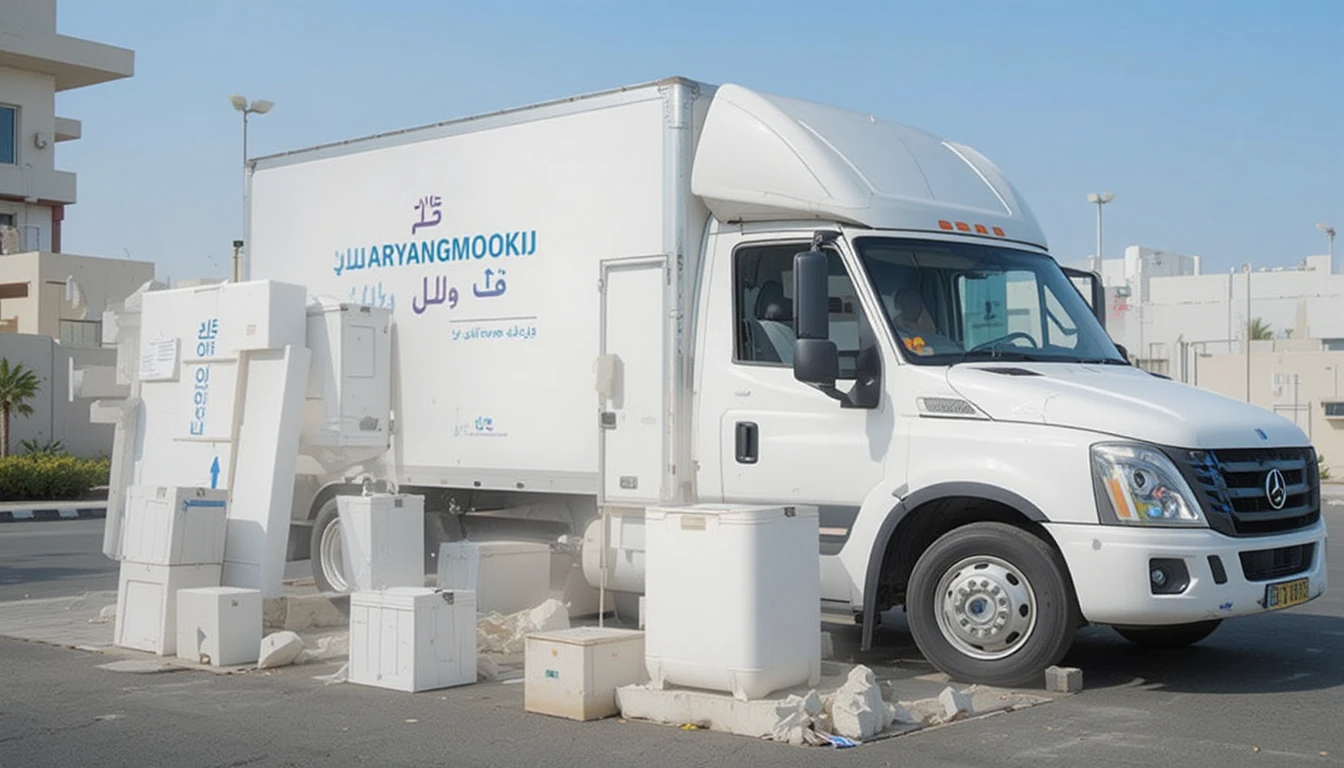
Old or bulky appliances increase labor intensity and, therefore, moving costs. Heavy lifts may require extra crew, special equipment, or coordination for stair and elevator use. Outdated appliances can also signal deferred maintenance to buyers, lowering perceived home value. Conversely, removing these items or replacing them with energy-efficient models can enhance curb appeal and shorten time on market. For movers and realtors, quantifying the tradeoff is essential: compare the direct cost of removal to the potential uplift in sale price or reduction in carrying costs. In many cases, the incremental cost of removal is outweighed by gains in sales speed and buyer satisfaction. We advise sellers to factor appliance condition into pre-listing budgets and consider free removal options as a cost-effective way to improve marketability.
25. Property Sales and Appliance Recycling Options
During property sales and estate clearances, transparent appliance disposal practices protect sellers, buyers, and agents from liability. We recommend coordinating free white goods removal well before open houses: obtain receipts or recycling certificates to include with closing documents, and disclose any retained or installed appliances in the sale agreement. For inherited properties, charities and estate clearance specialists can schedule pickups and provide written records critical for probate and tax purposes. Realtors should maintain a vetted list of local recyclers and donation partners to offer sellers immediate options. Proper documentation, including photos, serial numbers, and transfer receipts, reduces disputes and demonstrates environmental stewardship, which increasingly matters to buyers. In short, proactive appliance recycling keeps transactions clean, compliant, and appealing.
26. Household Appliance Disposal Laws & Legal Considerations
Household appliance disposal is governed by environmental and safety regulations that vary regionally but share common themes: refrigerant recovery must be certified, hazardous components must be handled appropriately, and illegal dumping is prohibited. When transferring appliances, especially for free removal, liability may remain with the original owner until a documented handoff occurs, so obtain written transfer forms and recycling certificates. For gas or hard-wired appliances, only licensed technicians should disconnect utilities; improper handling can create legal exposure and safety risks. Businesses offering removal services must verify third-party recyclers’ licenses and insurance to avoid secondary liability. We advise embedding compliance checks into booking workflows: verify permits, require signed transfer forms, and keep records for at least the statutory period relevant to local law.
27. Free White Goods Removal: Health Risks of Improper Appliance Disposal
Improper disposal can expose workers and residents to serious health risks. Refrigerants and insulating foams release volatile compounds that harm air quality and can contribute to respiratory and cardiovascular issues. Sharp metal edges, broken glass, and contaminated interior surfaces harbor biological hazards mold, foodborne pathogens, and pests. Discarded electronics within appliances can leach heavy metals into soil and water if not managed correctly. We require thorough cleaning, PPE for crews, and certified refrigerant recovery to mitigate these risks. Education is crucial: homeowners and staff must know not to attempt refrigerant extraction or gas disconnections themselves. Protecting human health is as important as protecting the planet; responsible removal practices safeguard both.
28. Free White Goods Removal: Environmental Benefits: Reduce Carbon Footprint Through Recycling
Recycling white goods reduces the demand for virgin raw materials, steel, aluminum, and copper, and saves the considerable energy embedded in manufacturing, lowering greenhouse gas emissions. Recovering refrigerants prevents potent greenhouse gases from entering the atmosphere; even a single improperly released refrigerant can equal several tonnes of CO₂e. Donating functional appliances extends their useful life and delays replacement manufacturing, delivering immediate embodied carbon savings. We aim to create circular flows: diverting metal and plastic back into production, routing working units to new homes, and ensuring hazardous substances are neutralized. Aggregated across communities, small household decisions to recycle appliances translate into measurable reductions in landfill mass, resource extraction, and carbon emissions.
29. Free White Goods Removal: Green Appliance Recycling Tips & Best Practices
To maximize environmental outcomes, label appliances clearly, defrost and dry refrigeration units, and remove batteries or other loose hazardous items before pickup. Use licensed recyclers and request recycling certificates to ensure transparency. When replacing appliances, choose energy-efficient models with high Energy Star ratings to reduce long-term emissions and utility bills. For businesses and movers, close the loop by partnering with charities that resell functional units. This creates social value and reduces resource demand. Document and publicize impact metrics (units diverted, estimated tonnes of CO₂ avoided) to build brand trust. Small, consistent best practices such as cleaning, correct labeling, and verified recycling, drive bigger environmental benefits over time.
30. Free White Goods Removal: How to Train Staff for Appliance Removal Services
Effective staff training blends safety, customer service, and regulatory compliance. Teach safe lifting mechanics, proper use of dollies and straps, and floor-protection techniques to avoid property damage. Staff must know how to triage appliances, identify refrigerant systems, spot gas connections, and recognize electronic components that require separate handling. Roleplay difficult scenarios (tight stairwells, hesitant customers, pet access concerns) to build confidence. For teams handling refrigerant systems, obtain certified refrigerant handling credentials and provide refresher courses. Administrative training is equally important: how to document transfer, issue receipts, and log recycling certificates. Investing in training minimizes accidents, reduces insurance exposure, and creates a consistent customer experience that reflects operational professionalism.
31. Free White Goods Removal: Logistics and Streamlining Operations for Free Removal Offers
Operational efficiency turns free offers into sustainable services. Use booking and routing software to cluster pickups geographically, reducing travel time and fuel consumption. Pre-screen items during booking, collect dimensions, condition photos, and access notes so teams arrive prepared. Maintain a vetted directory of local recycling centers and charity partners with intake requirements and pickup windows to avoid rejected loads. Track pickups in real time and issue digital recycling certificates immediately upon transfer. Where possible, aggregate small jobs into daily collection runs to lower per-item costs. Clear service boundaries: what’s free, what incurs a charge prevent misunderstandings. Thoughtful logistics transform goodwill into scalable programs that deliver social and environmental value without unsustainable cost increases.
32. Free White Goods Removal: Customer Incentives & Testimonials on Free Removal Services
Incentives encourage uptake: discounts on moving fees, loyalty credits, or charitable matching programs motivate customers to choose full-service options that include appliance removal. Capture testimonials and case studies that quantify the impact of appliances donated, families supported, and estimated emissions avoided to validate claims. Social proof is powerful: before/after photos and concise metrics help prospects visualize benefits and build trust. For community programs, highlight human stories of how a donated washing machine helped a family alongside environmental stats. Soliciting reviews post-service and sharing them across channels increases conversion rates and demonstrates accountability. Incentives combined with visible results create a virtuous circle: more customers participate, amplifying social and environmental outcomes.
33. Case Studies: Successful Free White Goods Removal Programs
Successful programs often hinge on partnership, funding diversity, and clear processes. Retailers that bundled free take-back with new deliveries saw higher customer satisfaction and easier disposal compliance. Municipal pilot programs combining utility rebates with scheduled bulky collections achieved high diversion rates. Charitable initiatives that offered pickup and modest repairs were able to resell appliances affordably, moving more units than curbside drop-offs alone. Key lessons: define funding sources (grants, retailer fees, utility incentives), streamline bookings, and track outcomes with measurable KPIs. Case studies should document start-up costs, staffing needs, and diversion statistics to guide replication. When structured well, these models scale and provide strong templates for other communities and service providers.
34. Free White Goods Removal: DIY Appliance Removal & Safety Tips
If you choose DIY removal, prioritize safety and legality. Assess the appliance’s weight and complexity, never attempt freon or refrigerant extraction, and do not disconnect gas lines yourself. Use at least one able-bodied helper for large items and a furniture dolly rated for appliance weight. Protect floors with moving blankets and use straps to stabilize loads during transport. Secure the appliance in the vehicle to prevent shifting and spillage. Wear gloves, eye protection, and steel-toe footwear where possible. For disposal, consult local recycling centers for drop-off rules. Some accept DIY deliveries, while others require certified handling for refrigerants. DIY can save money, but should never compromise on safety or legal compliance.
35. Conclusion
Free white goods removal is a high-impact, low-friction strategy that benefits homeowners, movers, charities, and the environment. By combining clear procedures, verified partners, and straightforward communication, stakeholders can scale removal programs that reduce landfill, recover valuable materials, and support community needs. For movers, it’s a competitive differentiator; for homeowners, it’s convenience with conscience; for councils and charities, it’s a way to amplify social value. We recommend building simple SOPs, documenting every transfer, and tracking impact metrics to demonstrate value. When executed responsibly, free removal transforms bulky waste into opportunity, saving money, time, and the planet.
FAQs
1. What is the easiest way to arrange free white goods removal?
Contact your local municipality or charity first; check retailer take-back options when buying new appliances. Provide accurate item details and request pickup windows to secure a free slot.
2. Can I donate a broken appliance?
Some charities accept broken appliances for parts or refurbishing; others only accept working units. Always disclose the condition and request pickup policies to confirm acceptance.
3. Are there legal rules for refrigerator disposal?
Yes, refrigerants must be recovered by certified handlers before disposal. Use licensed processors to avoid fines and environmental harm.
4. Do I get paid to recycle old appliances?
Possibly. Scrap yards pay for metal content; some programs offer cash incentives for old, inefficient appliances. Rates depend on commodity markets and conditions.
5. How long does free white goods removal take to schedule?
Timing varies: municipal bulky pickups may schedule weeks out, while charities or retailer take-backs can sometimes coordinate within days. Provide full details to speed scheduling.
Trusted Junk Removal Services in Dubai for Homes & Businesses
In Dubai?
Address: Office No.101, 10th Floor, Al-Shafar Tower, Business Bay, Dubai.
Google Map Location


Well said.