

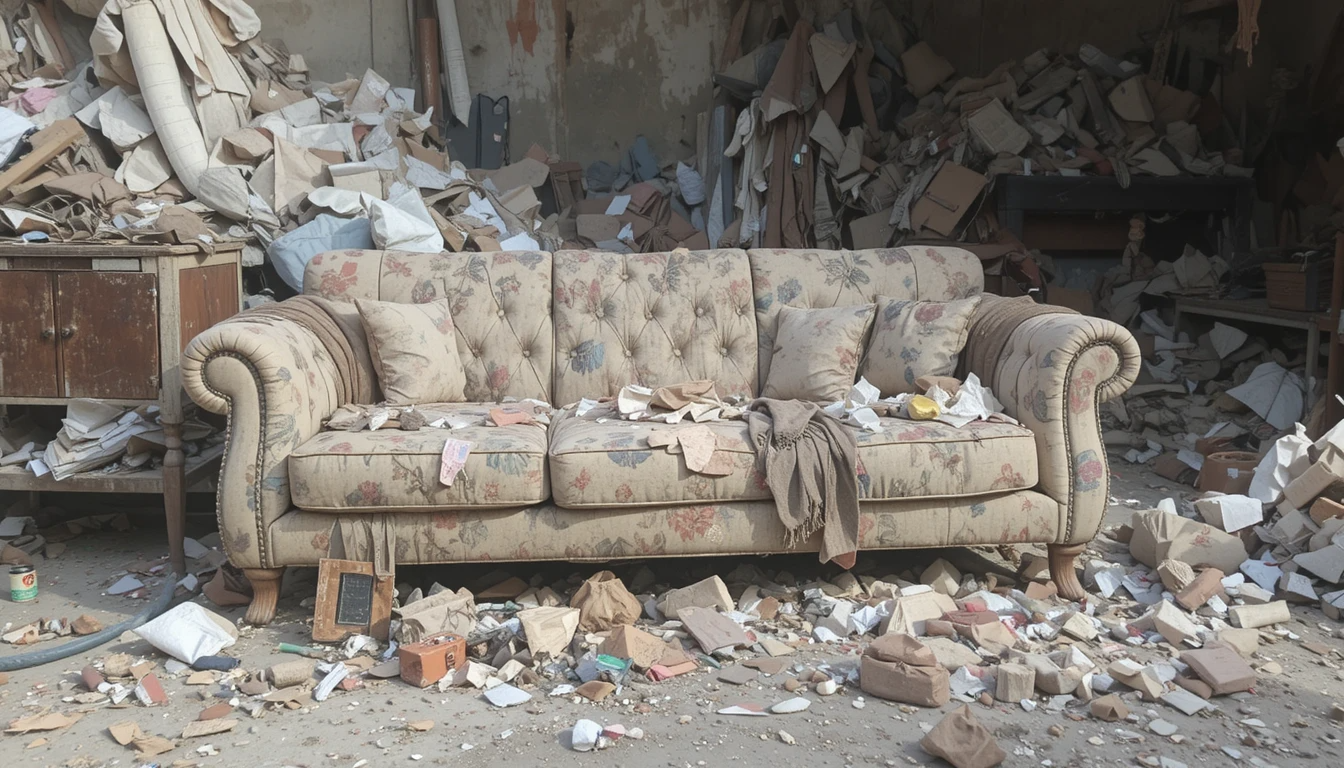
Sofa Disposal Guide: Donate, Recycle, Repurpose
Sofa Disposal: A Complete Guide to Sustainable, Legal & Practical Solutions
Introduction
We present a comprehensive, practical, and sustainable guide to sofa disposal that helps homeowners, renters, and property managers decide what to do with old or unwanted sofas. We cover donation, recycling programs, legal rules, DIY options, selling strategies, and eco-friendly services. Through detailed checklists, actionable steps, and creative upcycling ideas, this guide shows how to reduce waste, save money, and maximize the value of a sofa at its end-of-life. We write in a clear, conversational tone and provide checklists and diagrams to make the process straightforward. Read on for step-by-step directions, and consult local authorities or service providers for area-specific rules.
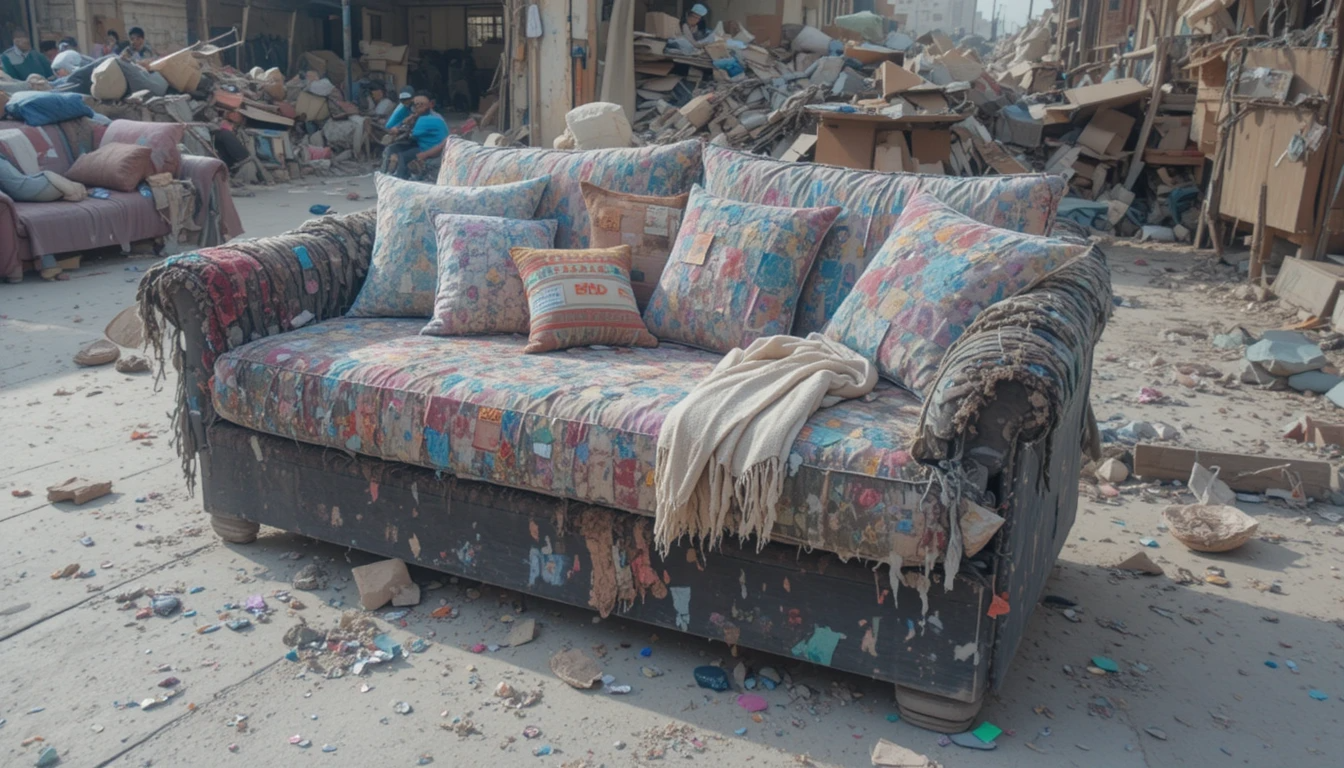
1. What Is Sofa Disposal? A Practical Overview
Sofa disposal refers to the entire lifecycle of handling an unwanted sofa: selling, donating, recycling, repurposing, or legally disposing of it. The best outcome balances environmental responsibility, local legal compliance, safety, and personal convenience. Imagine your sofa as a mature tree: you can replant its seeds (repurpose cushions), donate its saplings (sell or donate parts), recycle the timber, or worst case, burn it (landfill). With a little effort, most sofas can be diverted from landfill to helpful uses.
Key elements to consider include condition, materials, the presence of hazardous components (e.g., flame retardants), local regulations, and timing. Early decisions, whether you plan to sell, donate, or recycle, shape the necessary prep: cleaning, minor repairs, or disassembly. For effective sofa disposal, evaluate the sofa’s age, structural soundness, upholstery material, and whether cushions or frames remain reusable. We advise documenting the sofa’s dimensions, snapping clear photos, and listing materials (wood frame, foam cushions, fabric type) before arranging pickup or listing online.
When we begin disposal, we ask: Will this sofa serve another home as-is? Can we restore or upcycle it? If not, can the materials be recycled? Often, donation centers, recycling programs, or specialized green removal services will accept items in good condition; outreach to local providers yields the best pathway. Throughout this guide, we show how to navigate options for sustainable sofa disposal methods, prepare a sofa for donation or sale, and understand recycling steps so you can make an informed, responsible choice.
2. Sofa Disposal: Donation Options for Used Sofas
Donation options for used sofas offer the fastest environmental win: a usable sofa finds a home, helping families and charities while avoiding disposal fees. Common recipients include local charities, Habitat for Humanity ReStores, community centers, religious organizations, and national charities with furniture pickup. Donation eligibility typically requires the sofa to be clean, structurally sound, and free of major stains, odors, or infestations. We recommend vacuuming, spot-cleaning, and repairing loose legs or springs prior to donation to improve acceptance chances.
Before scheduling a pickup, call prospective donation centers and ask about their guidelines. Many specify maximum dimensions, acceptable materials, and whether they provide free pickup. Some organizations accept damaged sofas for materials reclamation or woodworking programs, while others require near-new condition. Prepare the item by taking clear photos and noting any flaws; this speeds up the acceptance process when speaking to donation centers. A short checklist helps:
Donation Checklist
- Clean and deodorize cushions and fabric.
- Measure and photograph the sofa (length, depth, height).
- Note and disclose stains, odors, or structural issues.
- Confirm pickup availability and service area.
- Keep a donation receipt for tax deduction purposes.
We emphasize that a responsible donation respects both the recipient organization and future owners. If your sofa contains hazardous materials like certain flame retardants, declare that to the donation center. Many local programs now provide free or low-cost pickup, and online platforms like Freecycle or community Facebook groups can connect you with local takers who will transport the sofa. Donating remains one of the most sustainable sofa disposal routes; it’s fast, socially positive, and often tax-advantageous when you retain a receipt and record the organization’s details.
3. Sofa Disposal: Habitat for Humanity Furniture Donations
Habitat for Humanity furniture donations (including ReStores) are a popular channel for donating sofas. ReStores resell donated furniture, with proceeds supporting Habitat projects. Most ReStores accept sofas in good, clean condition, no rips, sagging frames, or heavy odors, and they often provide pickup services for a fee or free depending on location and demand.
We advise contacting the nearest ReStore with photos and dimensions to verify acceptance. Habitat’s acceptance policies vary by store, but common practices include:
- Accepting sofas with intact frames and non-stained upholstery.
- Refusing items with pet odor, mold, or structural compromise.
- Taking some damaged items for parts or refurbishment, depending on local resources.
When donating to Habitat, document the donation thoroughly. Obtain a tax-deductible receipt that lists the sofa and estimated fair market value; keep photographs and the receipt for tax records. When preparing for pickup, disassemble removable parts (legs, detachable cushions) if possible and ensure clear access for the pickup team. Habitat donations are a win-win: you clear space and reduce waste while supporting housing initiatives. If Habitat cannot accept the sofa, they often recommend local partners, recycling centers, or other charities, saving you time in the sofa disposal process.
4. Sofa Disposal: Sofa Recycling Programs Explained
Sofa recycling programs redirect upholstery, wood, metal, and foam away from landfills to be reclaimed into raw materials. These programs range from municipal recycling facilities and private recyclers to manufacturer takeback schemes. Typically, recycling involves disassembly (separating foam, fabric, wood frame, and metal springs), shredding foam into carpet underlay or insulation, and reclaiming wood for composite boards.
We outline typical steps in a sofa recycling program:
- Collection: Drop-off at a facility, scheduled curbside pickup, or third-party green removal service.
- Inspection: Sorting by material type and contamination level (mold, chemicals).
- Disassembly: Manual or mechanized separation; cushions, frames, and springs are separated.
- Processing: Foam is processed into padding or insulation, metals are melted down, and wood is chipped for bioenergy or composite materials.
- Redistribution: Reclaimed materials are sold to manufacturers or used in local projects.
Not all materials are easily recycled: treated or contaminated foam, chemically-laden fabrics, or materials with regulated flame retardants may need special handling. Local recycling facilities can advise which sofa components they accept. Expect a potential fee for collection or processing; however, in many regions, recycling fees are lower than landfill or bulky-waste disposal fees. For sustainable sofa disposal methods, recycling is among the most circular approaches, turning a worn couch into new products and reducing the need for virgin materials.
5. What to Do With an Old Sofa: Quick Decision Flow
When you face what to do with an old sofa, use a quick decision flow to determine the best path: donate, sell, recycle, repurpose, or dispose. A simple triage approach saves time:
Triage Steps
- Condition Check: Good (sell/donate), fair (repair/upcycle/sell for parts), poor (recycle/dispose).
- Materials Check: Identify wood, metal, foam, and fabric; note hazardous materials.
- Accessibility Check: Can it be moved easily? Are doorways and staircases suitable?
- Time & Budget: Will you invest hours restoring or prefer paid removal?
Suppose the sofa is in usable condition, first attempt to sell or donate. For damaged but repairable pieces, consider DIY restoration or selling parts. When it’s beyond saving, look for a sofa recycling program or eco-friendly removal service. Before disposal, check local bulk waste pickup schedules and landfill restrictions; some municipalities ban upholstered furniture in regular waste. A pragmatic approach measures twice, decides once, minimizes unnecessary disposal fees, and has an environmental impact.
6. Sustainable Outdoor Furniture vs. Indoor Sofa Disposal
Comparing sustainable outdoor furniture with indoor sofa disposal reveals choices for replacement and end-of-life. When replacing an indoor sofa with a sustainable outdoor option (e.g., weather-resistant wicker or reclaimed-wood seating), consider how the old sofa will be disposed of. Sustainable outdoor furniture is often designed for longevity and easier material separation, which can simplify recycling later.
Key comparisons:
- Materials: Outdoor furniture often uses recyclable metals or sustainably sourced wood; indoor sofas commonly contain mixed materials and chemically treated foams.
- Durability: Outdoor pieces are made to resist weathering, while indoor upholstery depends on fabric choice and foam resilience.
- End-of-life handling: Outdoor furniture typically allows easier disassembly and recycling; indoor sofas often require specialized recycling due to flame retardants and mixed materials.
If you’re swapping an indoor sofa for sustainable outdoor furniture, plan sofa disposal in parallel: schedule donation or recycling pickup the same week the new furniture arrives to avoid double-handling. This coordinated swap reduces transport emissions and ensures the old sofa doesn’t linger. Consider resale or trade-in programs offered by sustainable furniture companies; some provide takeback initiatives to ensure responsible disposal.
7. Where to Donate Old Furniture: Local & National Options
Finding where to donate old furniture requires a local search combined with national chains. Common options include:
- Local charities and thrift stores (check online directories).
- Habitat for Humanity ReStore locations.
- Goodwill (acceptance varies by location).
- Salvation Army (may offer pickup for larger donations).
- Community centers, shelters, and churches often need furniture.
- Online community groups (Freecycle, Buy Nothing Project, Facebook groups).
Before donating, call ahead to confirm eligibility, pickup availability, and tax receipt policies. Many organizations will refuse items with heavy damage or infestation, so accurately describe the sofa. In areas with limited donation infrastructure, specialized local recycling programs or green removal services provide alternatives. If donation is not feasible, consider listing the sofa for free online; someone willing to pick up may take it, preventing disposal altogether.
8. DIY Furniture Restoration: Reimagine Your Old Sofa
DIY furniture restoration transforms an old sofa into a refreshed centerpiece. Restoration can be as simple as new slipcovers and cushions or complex, including re-webbing, replacing foam, and reupholstering. Tools and supplies commonly include staple guns, upholstery foam, fabric, basic hand tools, woodworking glue, and replacement legs or hardware.
Popular DIY projects:
- Slipcovers for a quick aesthetic update.
- Refilling cushions with new foam or feather inserts.
- Reupholstery to change fabric and repair frames.
- Frame repairs for loose joints or broken springs.
- Partial upcycling: replace arms with reclaimed wood or convert into a bench.
We recommend measuring carefully and testing fabrics for durability and stain resistance if the sofa will be heavily used. Tutorials and local upholstery classes accelerate learning; many community makerspaces offer tools and guidance. When done well, DIY restoration prolongs the sofa’s life and can be a cost-effective alternative to sofa disposal, often adding personal value and increasing future resale or donation potential.
9. Sofa Disposal: Sustainable Furniture Companies and Takeback Initiatives
Several sustainable furniture companies now offer takeback or buyback programs, reducing the burden of disposal. Brands focused on circular design prioritize materials that are easier to recycle, provide repair parts, or accept used products for refurbishment and resale.
Takeback program features:
- Collection and transport of old furniture.
- Refurbishment and resale via outlet or outlet partners.
- Material reclamation foam, wood, and metal recovery.
- Incentive discounts on new purchases for returned items.
When selecting a sustainable replacement or manufacturer, ask about certifications, proof of recycled content, and the company’s disposal pathways. These programs may cost less than municipal bulky waste fees and often ensure environmentally friendly sofa disposal. If your sofa brand has such an initiative, this is often the simplest and greenest disposal route.
10. Sofa Disposal: Sell Your Sofa Online: Apps, Tips & Pricing
To sell your sofa online, craft a compelling listing: clear photos, accurate dimensions, detailed condition notes, and honest disclosures. Platforms include Facebook Marketplace, Craigslist, eBay, OfferUp, and specialized secondhand furniture marketplaces.
Selling tips:
- Title with key attributes (e.g., “Mid-century 3-seat sofa, solid wood frame”).
- Price competitively: research similar listings and adjust for condition.
- Boost appeal by staging photos in natural light and including multiple angles.
- Include delivery options or “buyer pickup” requirements.
- Price negotiation: decide the lowest acceptable price in advance.
Top times to sell: Spring and early summer often see higher buying activity. For damaged sofas, consider selling for partscushions, legs, and frames online or to local carpenters. Selling online reduces landfill waste, often yields money back, and supports the circular economy especially strong alternative to direct sofa disposal.
11. Effective Decluttering Strategies for Sofas & Living Rooms
Effective decluttering strategies focus on categorization, small steps, and clear outcomes. Begin room-by-room, assess each furniture item, starting with the sofa, then move to tables and decor. Use the four-box method: Keep, Donate, Sell, Dispose.
Actionable process:
- Set a goal (e.g., reduce furniture by one large item).
- Time-box tasks to 30–60 minutes.
- Measure & photograph furniture before deciding.
- Create a disposal calendar aligning pick-up, donation, or sale dates.
For families, include household members in decisions; for sentimental items, apply the “use in last year” test. Decluttering not only clears space but reduces decision fatigue and improves well-being emotional benefit is surprisingly powerful, and the sofa is often the largest single item to evaluate during a living-room declutter.
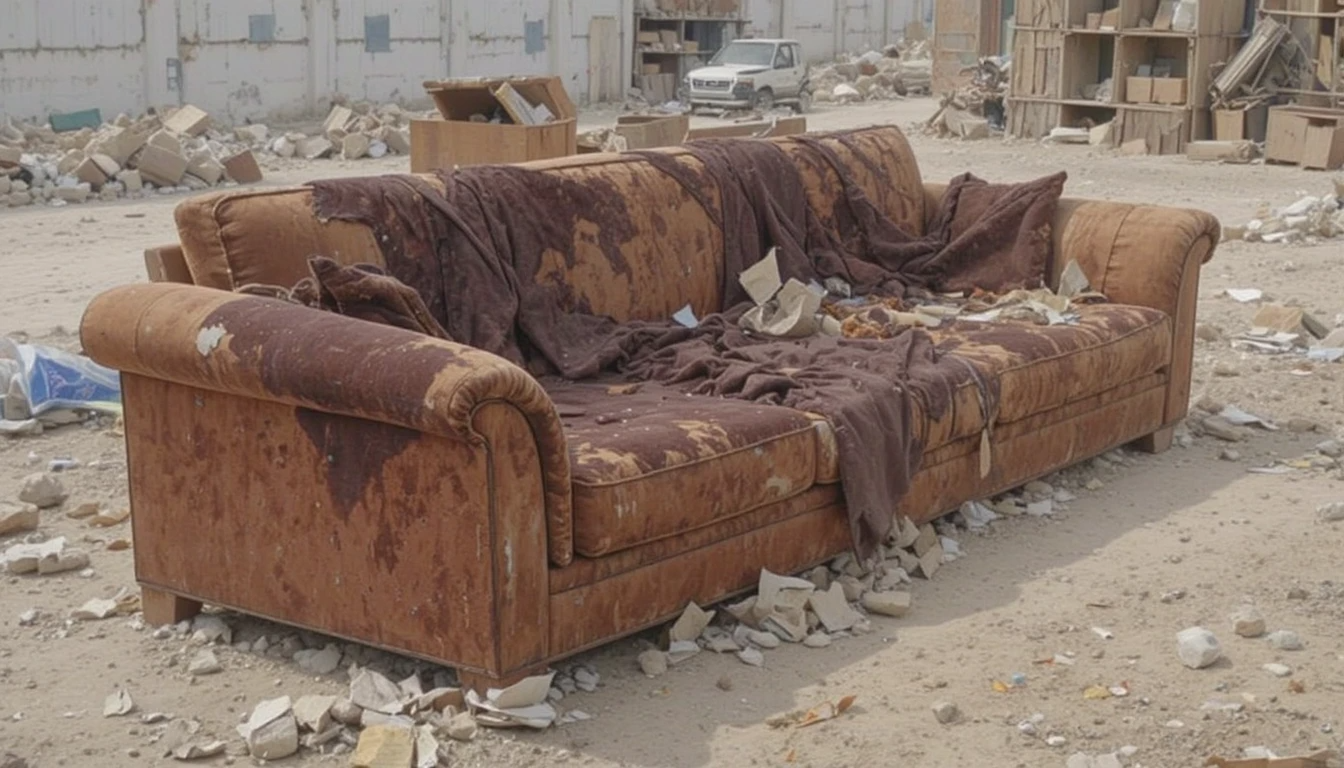
12. Repurposing Furniture Projects: Creative Sofa Transformations
Repurposing turns an old sofa into a fresh object: benches, pet beds, outdoor planters, and even headboards. Creative repurposing of furniture projects can yield unique pieces and reduce disposal.
Project ideas:
- Convert the frame into a daybed or bench by removing arms and shortening the seat.
- Turn cushions into floor seating or pet beds.
- Reclaim wood frames for shelves or coffee tables.
- Disassemble and use upholstery fabric for pillows or rugs.
These projects require basic tools and creativity. For people who enjoy hands-on work, repurposing is cost-effective and results in one-of-a-kind furnishings. Repurposing can be framed as an act of mindful resourcefulness, turning an old map into a new route, whereby the sofa’s parts become new paths for other household items.
13. Sofa to Bed Conversion: Repurpose vs. Replace
A sofa-to-bed conversion, whether reupholstering a sofa bed mechanism or retrofitting storage, can be an economical alternative to full replacement. Assess the sofa’s mechanical condition, frame integrity, and mattress support. If the mechanism is sound, replace worn mattresses or springs; if the mechanism is missing, explore DIY trundle or platform conversions.
When considering conversion versus replacement, weigh labor and material costs against buying a new sofa bed. Conversion fosters sustainability and can retain a cherished frame. For rental units or frequent guests, converting a sofa to a guest bed may be the most efficient form of sofa disposal prevention, extending life rather than ending it.
14. Sustainable Home Furnishings: Choosing Materials Wisely
Choosing sustainable home furnishings means prioritizing natural, recyclable, and non-toxic materials. Look for solid-wood frames from certified forests, natural latex or recycled-foam cushions, and fabrics certified for low chemicals (e.g., OEKO-TEX). Sustainable choices simplify future sofa disposal by reducing hazardous components and enabling recycling.
We recommend:
- Prioritizing modular designs for easy repair.
- Choosing replaceable cushions and slipcovers.
- Avoiding unknown chemical finishes that complicate disposal.
- Checking for takeback initiatives when buying new.
A sustainable buying mindset treats furniture like a tool to be maintained and eventually cycled. This reduces future disposal burdens and fosters a more circular household economy.
15. Decluttering Storage Solutions for Sofa Removal
When preparing for sofa removal, temporary storage or staging areas help streamline the process. Storage solutions can be small space rentals, garage staging, or room re-configuration.
Practical steps:
- Clear a path from the sofa to the exit to avoid damage.
- Use protective covers to prevent stains or scrapes.
- Create staging zones for cushions, legs, and hardware.
- Label parts if disassembling for donation, sale, or recycling.
Storage helps if you’re deciding between selling or donating: keeping the sofa in a clean, dry area preserves resale or donation eligibility. Well-planned staging reduces delays, lowers damage risk, and speeds up pickup important factors when pursuing efficient sofa disposal.
16. Fair Trade Furniture Brands and Ethical Sourcing
Fair trade furniture brands emphasize living wages, safe working conditions, and ethical sourcing. Opting for fair trade reduces the social-ecological costs of consumption. These brands often use transparent supply chains and durable designs that defer disposal. When replacing a sofa, seeking certified fair trade or ethically sourced furniture supports a market that values takeback and longevity.
Check for certifications, transparent labor policies, and publicly stated product lifecycles. Supporting fair trade aligns purchase decisions with disposal outcomes: durable, ethically made furniture tends to be repairable and easier to resell or donate, reducing the need for premature sofa disposal.
17. Where to Recycle Sofas: Local Facilities & What They Accept
Finding where to recycle sofas starts with municipal websites and directories. Many regions offer specialized facilities accepting upholstered furniture; others partner with private recyclers. Typical accepted materials: clean wood frames, metal springs, and clean foam. Contaminated or treated materials (e.g., certain fire retardants) may be restricted.
When calling recycling centers, ask:
- Which sofa components are accepted?
- Are there fees for drop-off or pickup?
- Do they require appointments or special prep (e.g., bagging cushions)?
- Do they provide certificates of recycling (useful for corporate disposal)?
Local recycling provides the most credible route to keep sofas out of landfills. Even when a fee is charged, the environmental benefit and compliance with local landfill restrictions often justify the cost.
18. Selling Sofas on eBay, Craigslist & Facebook Marketplace
When selling sofas on major platforms, optimize listings with high-quality photos, accurate descriptions, and keywords buyers search for (e.g., “leather sectional,” “sofa bed,” “mid-century sofa”). Highlight the unique selling points brand, recent cleaning, and replaced cushions, and include measurements and pickup details.
Platform-specific tips:
- eBay: reach a broader audience and ship smaller components; requires careful listing and potentially shipping logistics.
- Craigslist: local pickups and quick cash sales; safety precautions advised.
- Facebook Marketplace: social proof through profiles and messenger for negotiation; often the fastest for local sales.
Be transparent about wear and use; buyers appreciate honesty, and accurate listings reduce no-shows. Offering optional delivery for a fee can increase buyer interest, particularly for bulky items like sofas.
19. Couch Makeover Ideas: From Patch to Polished
Couch makeover ideas range from simple cosmetic fixes to full reupholstery. Quick changes new cushions, slipcovers, or painted wooden legs, can dramatically improve the appearance. For more ambitious makeovers, re-stuff cushions with higher-density foam, replace springs, or recover with performance fabric.
Small upgrades often yield big returns in sale or donation value. A well-executed makeover may turn a candidate for sofa disposal into a desirable piece, saving disposal costs and aligning with sustainable practices.
20. Emotional Benefits of Decluttering: The Sofa Effect
Letting go of a worn sofa can feel like shedding excess baggage. The emotional benefits of decluttering include reduced anxiety, improved focus, and a sense of renewed space. Sofas often anchor a room and a family’s routines; a thoughtful disposal process, selling, donating, or repurposing, gives closure and intentional change.
We recommend pairing decluttering with small rituals: document photos of the sofa, write a short gratitude note for its service, or involve family in deciding its next chapter. These small acts help ease the transition and make sofa disposal an uplifting, purposeful step rather than mere waste removal.
21. Sustainable Sofa Disposal Methods: Greener Choices
For truly sustainable sofa disposal methods, prioritize reuse first, then repair, donate, and finally recycle. Consider certified green removal services or municipal recycling that separates materials for reuse. Methods that reduce transport and maximize material recovery local donation, community swap, or manufacturer takeback, offer the best lifecycle outcomes.
We encourage evaluating the sofa against a simple hierarchy:
- Reuse (sell/donate)
- Repair & refurbish
- Recycle components
- Safe disposal as a last resort
Applying this hierarchy reduces environmental impact and aligns with a circular economy mindset.
22. Green Sofa Disposal Services & Eco-Friendly Junk Removal
Green removal companies specialize in eco-friendly junk removal for sofas, ensuring items are diverted to donation or recycling where possible. These services often provide:
- Scheduled pickups
- Weight-based pricing or flat fees
- Documentation of recycling or donation destinations
- Options for same-day or next-day removal
When hiring, ask about diversion rates and request proof of recycling or donation destinations. Compare quotes and verify local reviews. Green services often cost slightly more than standard junk haulers, but they significantly reduce the environmental footprint of sofa disposal.
23. Nontoxic Furniture Disposal: Hazardous Components to Watch
Nontoxic furniture disposal requires identifying hazardous componentscertain flame retardants, glued foams, or chemical finishesthat necessitate special handling. If a sofa contains known toxic materials, contact local hazardous-waste programs or specialized furniture recyclers. Never incinerate treated furniture at home; this can release toxic fumes.
We recommend:
- Inspecting manufacturer labels for chemical info.
- Noting unusual odors or stains that suggest contamination.
- Consulting municipal hazardous waste guidelines for disposal steps.
Handling hazardous sofas responsibly protects waste workers and reduces toxic contamination in recycled materials.
24. Biodegradable Sofa Materials & Emerging Options
Interest in biodegradable sofa materials is rising. Natural latex, organic cotton, hemp fabrics, and untreated wood create more recyclable and compostable pathways. While furniture longevity and comfort must be balanced against biodegradability, choosing these materials simplifies future disposal and reduces toxic burdens.
Emerging options include plant-based foams and recyclable textile blends designed for mechanical separation. As these technologies expand, buyers can increasingly purchase sofas designed for circular end-of-life outcomes.
25. How to Disassemble a Sofa for Recycling: Step-by-Step
How to disassemble a sofa for recycling involves careful steps to separate recyclable parts while minimizing waste. Necessary tools include a staple remover, screwdriver, pry bar, utility knife, and gloves.
Step-by-step:
- Remove cushions and covers; separate fabric and inner foam.
- Take off legs and hardware using appropriate wrenches or screwdrivers.
- Find and remove staples from the underside to separate the fabric from the frame.
- Extract foam carefully and bag it for dedicated foam recycling or reuse.
- Remove springs and metal components for metal recycling.
- Break down the wood frame into manageable pieces for wood recycling or composting, where accepted.
Label and sort parts into clear piles: metal, wood, foam, fabric for drop-off. Many recycling centers prefer pre-separated materials, which can speed processing and reduce fees.
26. Recycling Sofa Cushions, Wood & Fabrics: Practical Tips
Recycling sofa cushions often depends on local capabilities. Foam can be reclaimed into carpet underlay or insulation; down or fiber cushions may be reused by upholsterers. Recycling wood from sofas involves chipping or milling frames; untreated hardwood is easiest to recycle. Textiles vary; natural fibers are often recyclable or compostable; synthetic blends may be downcycled into industrial rags or stuffing.
Practical tips:
- Remove contaminants such as nails, staples, and adhesives.
- Separate composite fabrics when possible.
- Contact local upholsterers; they may accept cushions or fabric remnants.
- Store and transport parts in labeled bags to recycling centers.
These small steps make sofa components more likely to be recycled and less likely to end up in landfills.
27. Sofa Donation vs Recycling: Which Is Best for You?
Choosing between sofa donation vs recycling hinges on condition and materials. Donate if the sofa is clean and structurally sound; recycle if the sofa is beyond reuse or contains non-salable materials. Donation serves people in need and extend the product’s life; recycling recovers materials for manufacturing.
Factors to weigh:
- Condition & safety: Donate only safe, non-infested items.
- Materials: If hazardous-treated, recycling may be restricted.
- Tax benefits: Donations may be tax-deductible; recycling typically is not.
- Convenience & cost: Some recycling services charge fees; donations may offer pickup.
Both paths reduce landfill impact, but donation maximizes social value while recycling maximizes material recovery.
28. DIY Sofa Recycling Ideas & Upcycling Projects
For creative DIYers, DIY sofa recycling ideas include using cushion foam for pet beds, converting frames to garden seating, and turning fabric into throw pillows. Upcycling ideas not only save money but also produce bespoke decor.
Project examples:
- Bench conversion: Remove the back and convert the frame into an industrial bench.
- Outdoor chaise: Treat reclaimed wood and cushions for porch seating.
- Patchwork upholstery: Combine fabric remnants into a vibrant cover.
- Art projects: Use springs and wood to craft sculptural pieces.
DIY upcycling reduces disposal needs and fosters homegrown design that tells a story, transforming a sofa’s end into a new beginning.
29. Impact of Sofa Disposal on the Environment: Facts & Figures
The impact of sofa disposal on the environment includes landfill space, greenhouse gas emissions, and resource depletion. Upholstered furniture occupies significant landfill volume; synthetic foams contribute to microplastic runoff and are slow to degrade. Recycling and donation mitigate these impacts by extending a sofa’s useful life and recovering raw materials.
Reducing environmental impact requires:
- Prioritizing reuse and repair.
- Choosing recyclable materials at purchase.
- Supporting recycling infrastructure and takeback programs.
Every diverted sofa reduces landfill pressure and lessens demand for virgin materials, helping communities move toward more sustainable waste management.
30. Sofa Donation Eligibility & Preparing Your Sofa for Donation
Sofa donation eligibility typically requires a clean, intact structure and safe upholstery. Prepare a sofa for donation with these steps:
- Thorough cleaning (vacuum, spot-clean, deodorize).
- Minor repairs (tighten legs, fix loose springs).
- Photograph & measure for donation listings.
- Declare defects to the receiving organization.
Also, gather recipient details for tax-deduction paperwork. A well-prepared donation increases acceptance and reduces rejection or reprocessing.
31. Sofa Disposal Laws, Fines & Local Ordinances
Sofa disposal laws vary by jurisdiction; many municipalities restrict bulky items in regular trash and require scheduled pickup or special permits. Fines and penalties apply when items are illegally dumped. Check local ordinances for:
- Bulk waste schedules
- Permit requirements for large item disposal
- Recycling mandates for bulky items
- Hazardous materials rules
Compliance avoids fines and helps local waste management systems operate effectively.
32. Neighborhood Pickup, Bulk Waste Permits & Community Cleanup
Neighborhood-level options include municipal bulk pickup schedules, community cleanup events, and special permit days for large items. Community cleanups often accept sofas for recycling or coordinated donation. Contact local waste management or HOA offices to learn calendar dates and requirements.
Preparation tips:
- Reserve a bulk pickup slot early.
- Verify placement rules (curb vs. driveway).
- Tag items per municipal instructions.
Coordinating neighborhood pickups with reuse programs maximizes circular outcomes and often lowers individual costs for sofa disposal.
33. Commercial & Same-Day Furniture Removal Services
For urgent needs, commercial and same-day furniture removal services offer fast, professional pickup. They typically charge by size or by the truckload and often provide labor for navigating stairs and tight spaces. Choose providers that prioritize donation and recycling to ensure green disposal.
Before hiring:
- Request references and diversion rates.
- Confirm insurance and liability.
- Ask about hidden fees for stairs or long carries.
When deadlines are tight, these services solve logistical barriers quickly while ensuring legal disposal.
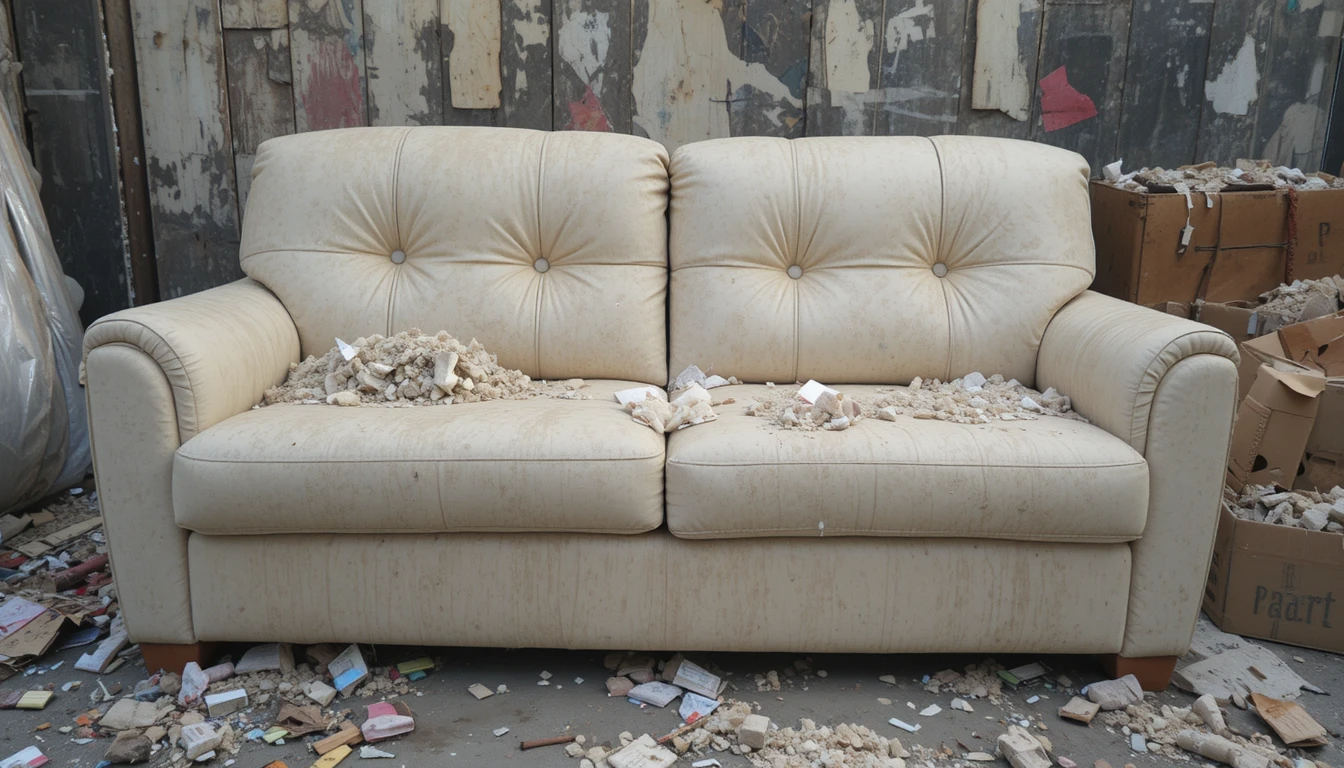
34. Tips to Reduce Sofa Disposal Costs & Maximize Value
Reduce disposal costs and maximize value with these tips:
- Sell or donate before scheduling paid pickup.
- Offer pickup and delivery for a fee to buyers.
- Repair minor issues to increase resale potential.
- Break down into parts and sell separately if the full sofa has low demand.
Timing matters; list during high-demand seasons and bundle items for quick sales. Small investments in cleaning or new cushions often yield higher returns than disposal fees.
35. Room-by-Room Decluttering Guide: From Sofa to Storage
A room-by-room decluttering guide ensures systematic decisions. Start with the major items, the sofa, then move to adjacent furnishings and décor. For each room:
- List large items and decide keep/donate/sell/recycle.
- Measure storage needs and allocate space for items in transition.
- Document donated or sold items for records and tax purposes.
Approach decluttering like tending a garden: remove the weeds (unwanted items), nourish what remains (repair/maintain), and compost what’s unsalvageable (recycle/replace). This method keeps the home functional and reduces unnecessary sofa disposal surprises.
Conclusion
We have laid out practical, sustainable, and legal pathways for sofa disposal, from donation and resale to recycling and creative upcycling. Whether you choose donation, sale, or recycling, the most responsible choice balances environmental impact, cost, and convenience. Use this guide as a checklist: evaluate the condition, prepare the sofa, select the best disposal route, document the process, and act with sustainability in mind.
FAQs
1. How can I find sofa donation centers near me?
Search municipal websites, national charities (e.g., Habitat ReStore), and local thrift stores; use neighborhood groups and platforms like the Buy Nothing Project for local pickup options.
2. What happens to recycled sofas?
Recycled sofas are disassembled; foam may become carpet underlay, metals are melted down, and wood is chipped for composite products, maximizing material recovery.
3. Are there fees for sofa recycling services?
Some programs charge for pickup or processing; others offer free pickup tied to donation or manufacturer takeback programs. Check local facility policies.
4. How do I prepare a sofa for donation or sale?
Clean thoroughly, fix small issues, take clear photos and measurements, and disclose any defects. Include these details in listings or donation inquiries.
5. Is donating my sofa tax-deductible?
Donations to eligible charities can be tax-deductible receipts and document the fair market value. Consult a tax professional for specifics.
Trusted Junk Removal Services in Dubai for Homes & Businesses
In Dubai?
Address: Office No.101, 10th Floor, Al-Shafar Tower, Business Bay, Dubai.
Google Map Location
Read More: Furniture Removal Dubai






One Comment