
Ewaste Recycling Dubai: Complete Guide & Solutions
Ewaste Recycling Dubai: Complete Guide to Safe, Sustainable E-Waste Management
Introduction
We live in a world where tomorrow’s technology becomes today’s trash faster than ever. Dubai’s pace of consumption creates unique challenges and opportunities for responsible electronic waste management. In this guide we lay out a clear, practical roadmap for ewaste recycling Dubai, from what to do with old electronics at home to corporate compliance, policy, and community action. Expect hands-on steps, policy checkpoints, and proven strategies to protect people and groundwater while recovering valuable materials. Ready to turn clutter into circular value? Let’s get started.
1. Introduction to Ewaste Recycling Dubai
Overview and context. Dubai’s urban growth and high electronics turnover mean that ewaste recycling Dubai is not optional it’s essential. Every device we replace contains materials copper, gold, rare earths that are valuable if recovered and hazardous if left to leach. We treat e-waste as both a resource and a risk: resource because of recoverable metals and plastics; risk because of toxins like lead, mercury and persistent organic pollutants.
Who this section helps. Homeowners wondering “what to do with old electronics,” facilities managers, educators designing sustainability education in schools, and companies building waste compliance programs will find practical, immediate steps here.
Key framing. Think of e-waste like a library of parts: if we check out the useful books (metals, circuits) and return the rest safely, the system stays healthy. But if we toss books into the sea, the knowledge and the ecosystem suffer. That’s the analogy we keep in mind as we navigate policy, drop-off points, and recycling methods ahead.
2. Why Ewaste Recycling Dubai Matters
Health, environment, and economy. When e-waste is handled properly, we reduce toxic exposure, protect groundwater, and reclaim finite resources. When it’s handled poorly, households and wildlife pay the price. Dubai’s stringent environment goals require us to weigh short-term convenience against long-term costs.
Immediate benefits. Recycling reduces landfill burden, prevents water contamination from e-waste leachate, and recovers metals that would otherwise require energy-intensive mining. That translates into lower carbon footprints and direct savings for businesses that practice circular procurement.
Why now? Global production of e-waste is booming: the 2022 Global E-waste Monitor estimated a record 62 million tonnes of e-waste produced worldwide a stark reminder that demand for better handling is urgent.
3. How Ewaste Is Recycled Step-by-Step :Ewaste Recycling Dubai
Initial collection and drop-off. Proper recycling begins with correct separation at collection points. In Dubai, certified centers accept a broad range of items from phones and batteries to printers and refrigerators.
Dismantling and sorting. Devices are manually or mechanically dismantled into core streams: plastics, ferrous metals, non-ferrous metals, circuit boards, batteries, and hazardous residues. Dismantling follows safety protocols to prevent exposure to toxic chemicals and to recover components intact.
Material recovery. Metals are recovered via shredding, magnetic separation, eddy current separation, and smelting. Circuit boards and batteries often require specialized processing because of the presence of precious metals and hazardous compounds.
Treatment of hazardous residues. Mercury, leaded glass, and flame retardants are stabilized or captured in secure facilities, and waste by-products are disposed of or remediated according to municipal guidelines. For Dubai, licensed recyclers follow technical guidelines issued by the waste authority to manage these streams.
4. How to Recycle Old Electronics in Dubai: A Practical Guide
Step 1: Audit and wipe. Begin at home: list devices, back up data, then perform a secure wipe or factory reset to protect privacy. For phones and laptops, remove SIM cards and external storage.
Step 2: Separate batteries and accessories. Batteries are hazardous when crushed and require separate handling. Chargers and cables can often be recycled with plastics if accepted by the recycler.
Step 3: Locate a certified drop-off. Use municipal collection points, retail take-back programs, or scheduled e-waste events. Retail chains and community centers sometimes host collection drives. Examples of certified providers operating in Dubai include licensed recyclers and municipal channels.
Step 4: Request a certificate for corporate disposals. Businesses should obtain manifests or certificates of proper disposal essential for compliance and CSR reporting.
Step 5: Consider reuse and resale. If equipment still works, donating or selling prolongs life and delays recycling and reduces the overall e-waste burden.
5. What to Do With Old Electronics: Everyday Options :Ewaste Recycling Dubai
Reuse first. Passing a working device to a family member or charity extends life and delays resource-intensive recycling.
Repair and upgrade. Replacing a battery or upgrading a hard drive can keep devices useful. Repair cafes and community workshops can help.
Donate or sell. Many NGOs and campus programs accept working devices for supported causes or skill training.
Recycle responsibly. When the device is truly end-of-life, bring it to certified ewaste recycling Dubai centers, drop-off points, or municipal events. Avoid informal disposal that’s the route to leachate and toxic exposure.
6. Ewaste Recycling Dubai Categories: Sorting and Classification
Major categories.
- Small IT & telecom equipment: phones, laptops, routers.
- Large household appliances: refrigerators, washing machines.
- Consumer electronics: TVs, game consoles.
- Batteries and lighting: primary and rechargeable batteries, fluorescent tubes.
- Components and cables: circuit boards, cables, power adapters.
Why classification matters. Proper classification drives the correct handling pathway batteries to specialists, fridges to refrigerant reclamation, and circuit boards to metal recovery. Dubai Municipality’s technical guidelines provide classification frameworks to support safe handling and recordkeeping.
7. Global Ewaste Trends and What Dubai Needs to Know
Growing volumes, slow recovery. E-waste volumes are rapidly rising worldwide, with regions like Asia producing a large share. Recovery rates remain low globally, meaning materials are lost and contamination risk rises.
Circular economy focus. The global trend is shifting from disposal to circularity: product redesign, extended producer responsibility (EPR), and secondary raw material markets. Dubai can accelerate uptake by aligning regulations, incentives, and public education.
Market opportunities. The UAE e-waste management market is growing rapidly, bringing investment opportunities in processing technology and certified collection services. Market analyses indicate sizeable growth potential for licensed recyclers and service providers.
8. Environmental Impact of Ewaste: From Toxins to Climate
Toxic exposure. E-waste contains lead, mercury, cadmium, brominated flame retardants, and other hazardous substances. If devices are dumped or burned, these chemicals enter soil and air, causing health risks.
Climate connection. Extracting virgin metals consumes energy and emits greenhouse gases. Recycling recovers metals and reduces the carbon footprint associated with primary extraction.
Ecosystem consequences. Improperly managed e-waste in landfills produces leachate that can transport toxins into soil and water, disrupting ecosystems and harming wildlife.
9. Water Contamination from Ewaste & Leachate Risks
How leachate forms. When electronics sit in landfills, rain or irrigation percolates through decomposing materials and extracts soluble toxic compounds the leachate. This fluid can carry heavy metals and organic toxins toward groundwater.
Local vulnerability. Coastal aquifers and groundwater supplies near disposal sites are at risk if e-waste is not securely managed. That’s why municipal guidelines and licensed processing which prevent landfill dumping of hazardous e-waste are crucial.
Mitigation measures. Secure landfills with liners, run monitoring wells, remove hazardous fractions from general waste, and prioritize recycling for batteries and circuit boards.
10. Toxic Chemicals in Ewaste: Hazards and Handling
Key toxicants to watch. Lead (in solders and CRT glass), mercury (lamps and switches), cadmium (batteries), brominated flame retardants (plastics), and chlorinated compounds (some capacitors) all pose threats.
Safe handling practices. Licensed recyclers employ PPE, controlled dismantling, negative pressure rooms, and specialist treatment for mercury and PCBs (where present). For residents, the rule is simple: don’t dismantle complex devices or tamper with batteries hand them to professionals.
11. Ewaste Leachate and Groundwater Pollution Case Actions
What remediation looks like. Remediation may require soil excavation, pump-and-treat systems for groundwater, and long-term monitoring. When contamination is localized, source removal combined with engineered barriers can halt further spread.
Community role. Community reporting of illegal dumping and supporting municipal collection events reduces the chance that contaminants reach groundwater.
12. Ewaste Landfill Impact on Local Wildlife
Direct and indirect harm. Wildlife can be exposed to toxins through contaminated water or by ingesting plastic fragments. Heavy metals bioaccumulate up the food chain, affecting predators as well as humans.
Prevention. Diverting e-waste from landfills to certified recyclers reduces these impacts dramatically.
13. Ewaste Recycling Facilities in Dubai What to Expect
Facility services. Modern facilities in Dubai perform secure data destruction, battery handling, electronics dismantling, and material recovery. Licensed operations provide manifests and end-of-life certificates for corporate clients. Local providers such as licensed e-waste processors operate under municipal oversight.
Visiting tips. Ask providers about certifications, accepted items, data-destruction guarantees, and output streams. Always request documentation for corporate disposals.
14. Ewaste Processing Technology & Best Practices
Key technologies. Shredders, magnetic separators, eddy current separators, optical sorters, and hydrometallurgical or pyrometallurgical recovery plants are part of the modern toolkit. Best practices combine mechanical separation with targeted chemical or thermal processing for high-value fraction recovery.
Energy and emissions. Opt for technology that balances recovery efficiency with low emissions, and choose recyclers transparent about energy sources and environmental controls.
15. Ewaste Dismantling Process: Safety and Efficiency
Manual vs. automated dismantling. Manual dismantling is precise and better for high-value parts; automated shredding scales volume but generates mixed fractions needing further sorting. Both require controls to keep toxins contained.
Safety standards. Licensed operations maintain dust control, fume capture, and worker protection. If you’re considering a home DIY project, think twice: batteries and CRTs are hazardous and require professionals.
16. Ewaste Sorting Techniques for Maximum Recovery
Pre-sorting. Sorting at source (household or office) improves downstream recovery. Separate batteries, lamps, and large appliances.
Advanced sorting. Optical sorters and automated separation improve purity of plastic and metal streams, raising the value and reducing residue destined for landfill.
17. Sustainable Ewaste Solutions for Households and Firms
Household actions. Prioritize repair, donate, and then recycle through certified points. Consider modular devices and buy-back offers that incentivize return.
Firms and institutions. Implement EPR-compatible procurement, maintain asset registers, and partner with certified processors for scheduled pickups and compliance documentation.
18. Ewaste Disposal Options & Drop-off Points in Dubai
Drop-off channels. Use municipal collection centers, retailer take-back programs, and scheduled community events. Major retailers and community hubs occasionally host free drop-offs for batteries and small electronics. For certified municipal advice, check Dubai Municipality guidelines and local recyclers.
What not to do. Never put e-waste in regular household bins or in general construction waste. Batteries and refrigerants require specialist removal.
19. Ewaste Collection Points Near Me: How to Find Them
Practical search steps. Check Dubai Municipality announcements, retailer take-back pages, and certified recycler sites. Community groups and social media often list upcoming collection drives. If you prefer a quick local answer, turn to municipal maps or licensed providers’ websites to find the nearest drop-off.
20. Ewaste Recycling Events Dubai & Community Drives
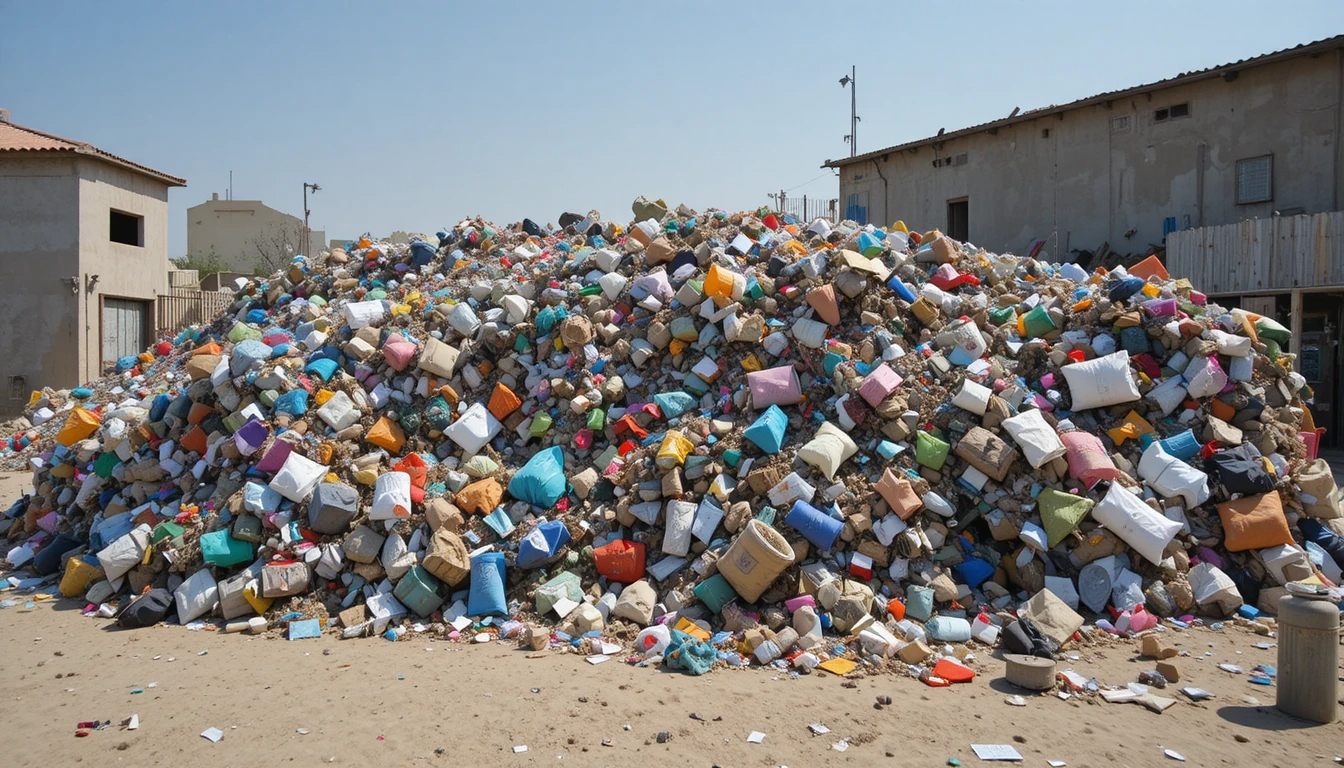
Community energy. Events engage schools, businesses, and families to deposit old devices. These campaigns not only collect waste but create awareness for example, school drives in Dubai have successfully collected tonnes of e-waste in single campaigns.
21. Dubai Ewaste Regulations & Compliance Checklist
Key compliance points.
- Use licensed collectors and processors.
- Obtain manifests and certificates for corporate disposals.
- Segregate hazardous fractions (batteries, lamps, refrigerant equipment).
- Follow transport rules for hazardous components.
Dubai’s waste department issues technical guidelines and requires approval for treatment facilities companies must align operations accordingly.
22. Dubai Environmental Protection Laws & Waste Authority Guidelines
Where to look. Dubai Municipality publishes technical guidelines covering classification, collection, transport and treatment for waste streams. These documents remain the primary reference for lawful operations and compliance in the emirate.
23. Dubai Sustainable Development Goals: Ewaste Targets
Integrating circularity. Dubai’s sustainability roadmap emphasizes waste diversion and resource recovery. Meeting those targets means expanding certified collection, encouraging manufacturer take-back, and integrating e-waste into municipal recycling plans.
24. Corporate Sustainability Practices in Dubai (CSR & EWaste)
Actions companies can take.
- Run asset recycling programs and scheduled collections.
- Educate employees on safe e-waste handling and drop-off options.
- Publish public CSR reports that include recycling metrics and certificates from recyclers.
25. Ewaste Management Strategies for Companies
For businesses in Dubai, effective ewaste management strategies begin at the procurement stage and extend through to final disposal. Choosing longer-life devices, prioritizing repairable equipment, and including structured take-back clauses in vendor contracts are essential steps. Partnering with certified ewaste recycling Dubai providers ensures safe disposal and compliance with municipal laws. Maintaining a clear chain-of-custody record demonstrates accountability, protects data, and prevents reputational risk. Regular audits, transparent CSR reporting, and alignment with Dubai’s waste management authority guidelines help companies show leadership in sustainability, while reducing costs linked to improper disposal and penalties.
26. Employee Engagement in Sustainability Initiatives
Corporate sustainability initiatives gain real strength when employees are actively engaged. Hosting regular e-waste disposal days, encouraging staff to bring old electronics from home, and offering workshops on repair or upcycling creates a culture of responsibility. Incentives such as recognition programs, rewards for participation, and gamified recycling challenges motivate action. Employees who feel personally connected to ewaste recycling Dubai goals can transform company-wide policies into everyday practice. Encouraging low-waste tech choices, like shared devices and cloud solutions, reinforces long-term commitment. Ultimately, engaged employees become brand ambassadors for sustainability both inside and outside the workplace.
27. Community Awareness About Ewaste Hazards
Community awareness is one of the most powerful tools for reducing e-waste hazards. Education campaigns must highlight practical risks, such as the dangers of improper battery disposal, water contamination from e-waste leachate, and the toxic chemicals in old devices. When presented in simple, relatable language, these messages help families make better decisions — like wiping data, separating batteries, and using certified drop-off points for ewaste recycling Dubai. Involving community leaders, teachers, and local organizations amplifies the impact. Schools, mosques, and neighborhood associations can serve as hubs for learning and action, transforming awareness into widespread safe practices.
28. Ewaste Awareness Campaigns in Dubai: What Works
Effective ewaste awareness campaigns in Dubai succeed by blending education with convenience. Practical logistics, such as easily accessible drop-off kiosks in malls or large collection events, encourage public participation. Storytelling is equally important — for example, showing how recovered gold from old phones re-enters manufacturing, or how proper disposal prevents groundwater pollution, makes recycling tangible. Partnerships with schools, retailers, and community organizations expand outreach and trust. Social media campaigns can amplify visibility, while in-person workshops build long-term understanding. The strongest campaigns make ewaste recycling Dubai simple, rewarding, and relevant to everyday life, ensuring lasting behavioral change.
29. How to Become an Ewaste Activist: Tools & Tactics
Becoming an ewaste activist in Dubai doesn’t require massive resources it starts with small, focused action. Organize a collection drive at a school, office, or community center, and collaborate with a licensed recycler for safe handling. Document results and share them through social media to raise awareness and inspire others. Over time, networking with NGOs, environmental organizations, and municipal programs builds credibility and expands reach. Engaging youth groups and universities ensures momentum continues into the future. By connecting storytelling with practical recycling solutions, everyday citizens can become catalysts for ewaste recycling Dubai transformation.
30. Partnerships Between Activists, NGOs & Tech Companies
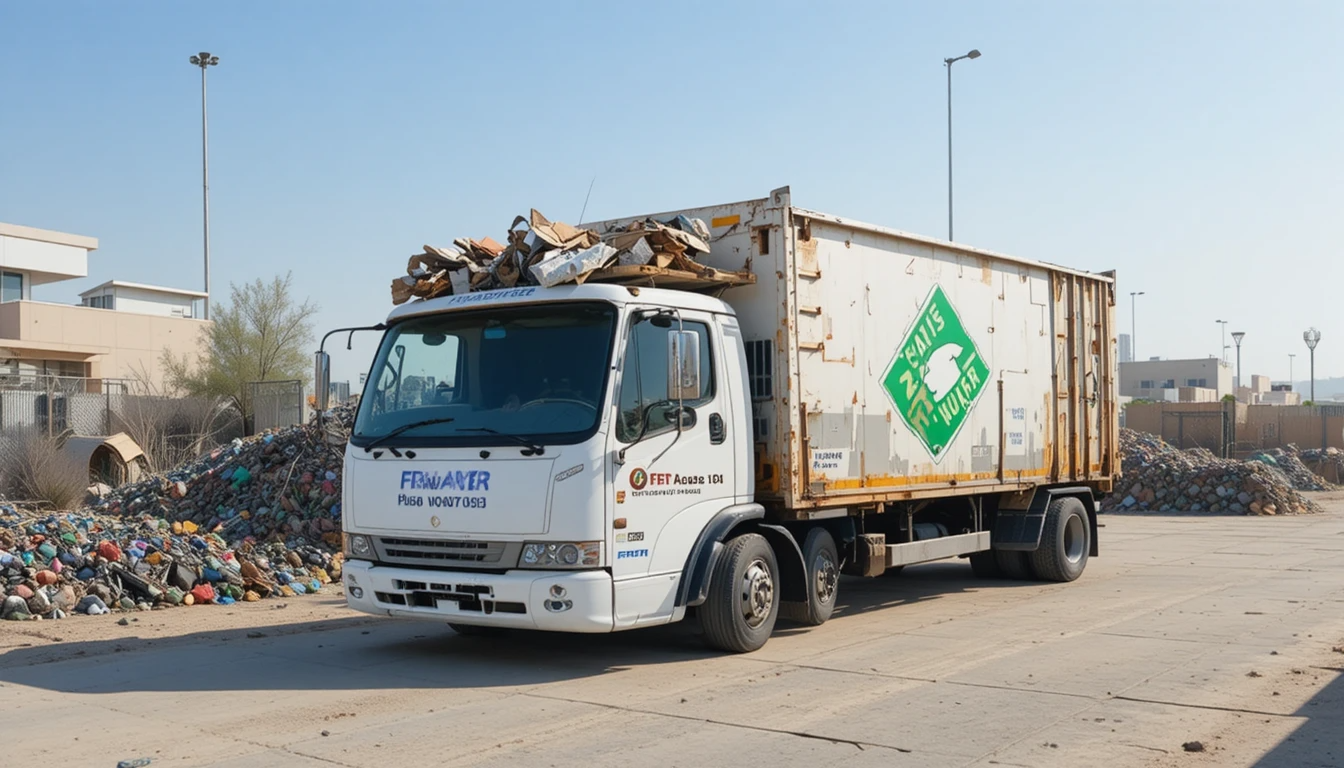
Scalable ewaste solutions are possible when activists, NGOs, tech companies, and government bodies collaborate. NGOs bring expertise in outreach and education, tech companies provide sponsorships and take-back logistics, while municipalities ensure regulatory compliance. These partnerships allow for shared resources, increased visibility, and smoother implementation of recycling projects. For instance, a tech company can fund awareness campaigns while NGOs manage on-the-ground events and the Dubai Municipality ensures alignment with environmental protection laws. Such alliances drive innovation and expand the reach of ewaste recycling Dubai programs, ensuring that collection and awareness spread across all segments of society.
31. Ewaste Education: School Programs, Curriculum & Clubs
Embedding ewaste education into schools builds long-term awareness and cultivates eco-conscious habits among youth. Programs can include hands-on lessons in dismantling non-hazardous parts of electronics, science projects on upcycling old gadgets, and research assignments on the life cycle of electronic devices. Schools can launch sustainability clubs that host collection drives, awareness events, and partnerships with local recycling facilities. Curriculum modules integrated into environmental studies help students understand real-world impacts like water contamination or the role of NGOs in e-waste management. By making ewaste recycling Dubai part of student life, schools create the next generation of sustainability leaders.
32. Technology and Sustainability Courses & Certification
Higher education and vocational training play a critical role in producing skilled professionals for sustainable waste management. Universities in Dubai can integrate technology and sustainability courses that focus on electronic waste, circular economy principles, and environmental regulations. Certification programs for technicians in battery handling, safe dismantling, and ewaste recycling compliance are vital for workforce development. Interdisciplinary courses that merge environmental science, engineering, and policy ensure graduates can design innovative solutions. By supporting certifications and professional training, Dubai strengthens its commitment to ewaste recycling Dubai while fostering a labor market aligned with global sustainability trends.
33. Remediation Techniques for Contaminated Sites
When ewaste is improperly disposed of, remediation becomes necessary to restore contaminated land and water systems. Techniques vary depending on the level and type of contamination. Soil excavation and washing are effective for heavy metals, while bioremediation uses microorganisms to break down pollutants. Pump-and-treat systems can clean groundwater, and in-situ stabilization prevents further leachate spread. Proper assessment, monitoring wells, and phased action plans ensure safety and cost-effectiveness. For Dubai, aligning remediation projects with municipal environmental regulations safeguards public health and ecosystems. These strategies show why prevention via certified ewaste recycling Dubai is always the most efficient choice.
34. Strategies to Mitigate Ewaste Pollution: Policy & Practice
Reducing e-waste pollution requires a mix of strong policy levers and practical action. Governments can implement Extended Producer Responsibility (EPR) programs, requiring manufacturers to manage products at end-of-life. Stricter transport regulations ensure hazardous materials do not enter informal channels. Incentives for certified recyclers, combined with penalties for illegal dumping, create accountability. Expanding public collection infrastructure, from household bins to corporate pick-up programs, makes recycling accessible for everyone. For Dubai, linking these measures to sustainable development goals ensures that policy is backed by measurable targets. Together, policy and practice strengthen the foundation of ewaste recycling Dubai and protect natural resources for future generations.
35. Conclusion
Our call to action. We can treat e-waste as a resource rather than refuse. For policymakers and NGOs, the focus should be on scalable collection, strong enforcement of waste guidelines, and measurable targets to accelerate the circular transition. Dubai has the technical means and institutional capacity; what remains is coordinated action at scale.
Frequently Asked Questions
Q1: Where can I find reliable drop-off points for ewaste recycling Dubai near me?
A1: Check Dubai Municipality announcements, certified recycler websites, and retailer take-back programs. Many community events and malls also host periodic collection drives. For corporate volumes, request a pickup from a licensed recycler and secure a disposal certificate.
Q2: How is ewaste recycled and are toxic components treated safely?
A2: E-waste is collected, dismantled, sorted, and then processed using mechanical and chemical recovery technologies. Hazardous components such as batteries, mercury-bearing lamps, and PCB-containing parts are treated or stabilized in specialist facilities that meet emission and safety standards. Certified recyclers document these steps.
Q3: Does recycling electronics in Dubai help reduce climate change?
A3: Yes. Recycling recovers metals and plastics that would otherwise require energy-intensive mining and processing, thereby lowering embodied carbon. It also prevents emissions from open burning or uncontrolled disposal. Global data show material recovery is a key part of reducing lifecycle emissions.
Q4: Are there regulations and compliance requirements for companies disposing of electronic waste in Dubai?
A4: Yes. Companies must use licensed collectors and processors, segregate hazardous fractions, and retain manifests or certificates of disposal according to municipal guidelines. Dubai Municipality publishes technical guidelines that firms should follow.
Q5: How can schools and NGOs start effective ewaste awareness campaigns in Dubai?
A5: Organize collection drives, partner with licensed recyclers for logistics and education materials, integrate projects into school curriculum, and publicize results to build momentum. Hands-on activities and clear messaging about water contamination and safe battery handling increase participation.
Trusted Junk Removal Services in Dubai for Homes & Businesses
In Dubai?
Address: Office No.101, 10th Floor, Al-Shafar Tower, Business Bay, Dubai.
Google Map Location
Read More: Take My Junk Free: Eco Decluttering & E-Waste Guide

2 Comments